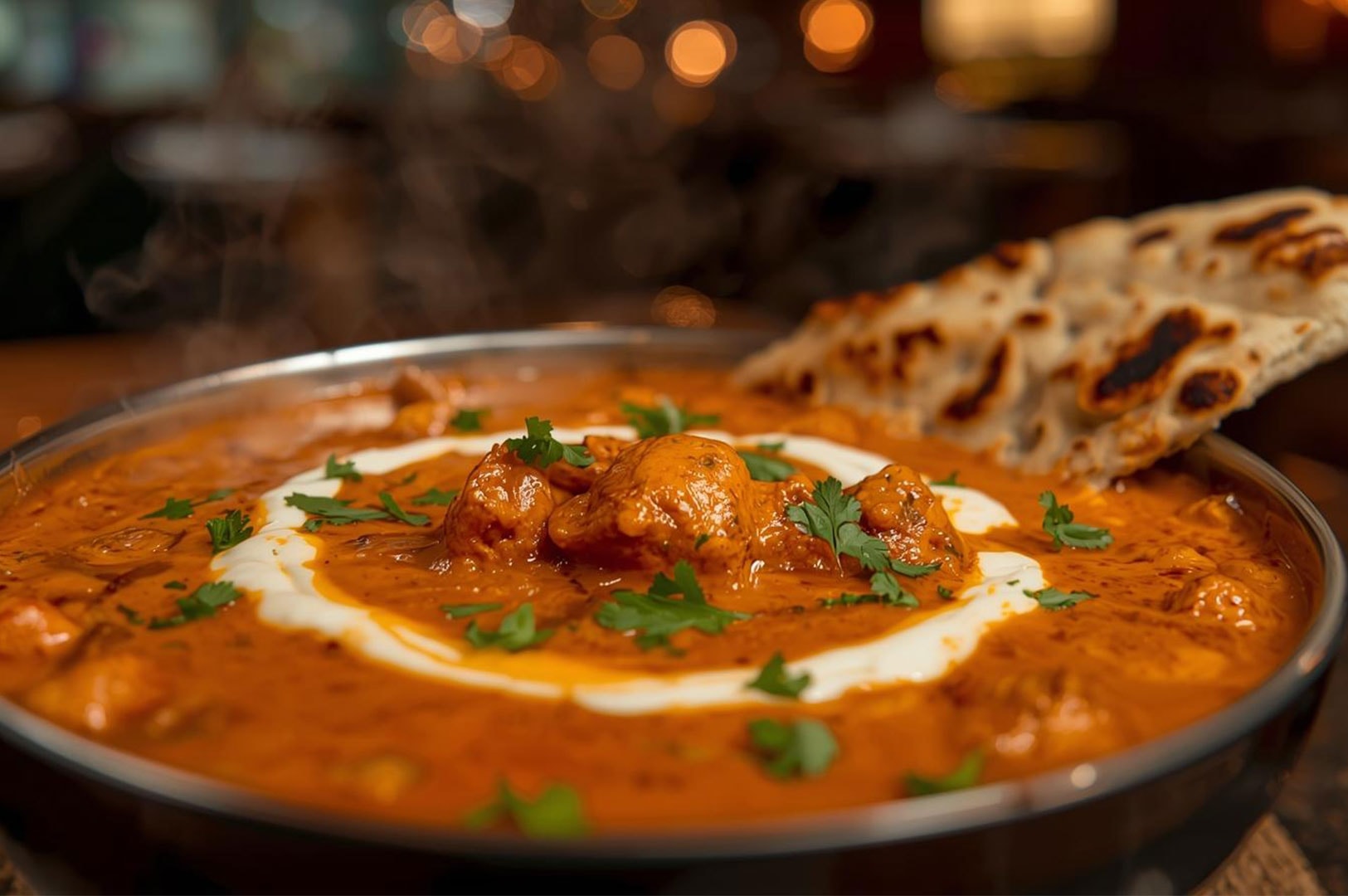
Ask anyone to name a famous Indian dish, and chances are “Tikka Masala” will be one of the first things they say.
This creamy, vibrant, and aromatic curry has become a global symbol for the food cuisine in India, celebrated from street food stalls in Delhi to upscale Indian restaurants around the world. Its rich sauce and robust spice blend have earned it a special place among India’s food traditions, making it a favorite for both newcomers to Indian cuisine and long-time food lovers. Tikka Masala is often counted among the favorite Indian dishes of both locals and international fans.
But behind its worldwide success lies a fascinating tale of culinary heritage, innovation, and debate. Tikka Masala represents the evolution of Indian cooking—a delicious curry that bridges continents and adapts to local preferences, while staying rooted in the traditions and aromatic spices that define Indian cuisine.
Let’s take a deep dive into the world of Tikka Masala as we unravel its history, discover what sets it apart from other regional Indian dishes, and find out how it fits within the incredible diversity of food cuisine in India.
The Great Origins Debate: India or the UK?
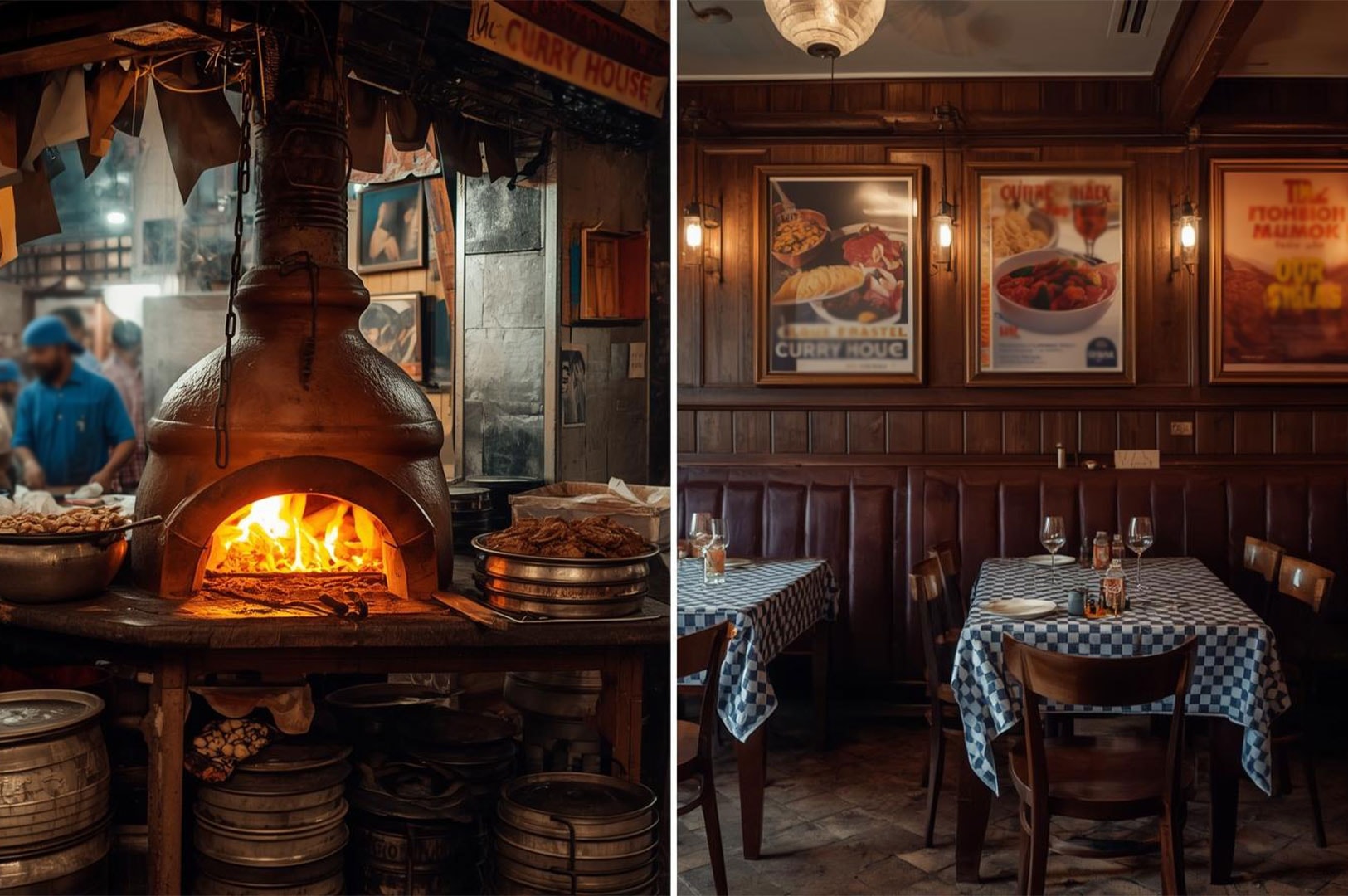
One of the biggest points of discussion surrounding Tikka Masala is its origin. Was it first created in the bustling kitchens of northern India, or did it truly come to life in a UK curry house, as many claim? The debate itself reflects the global journey of Indian food and its ability to adapt and thrive in new environments.
The most famous story traces its origins to a Bangladeshi chef in Glasgow during the 1970s. It’s said that a customer found his tandoori chicken too dry, prompting the chef to create a sauce from tomato soup, yogurt, and spices, then pour it over the marinated meat. The result was an instant hit, and Tikka Masala soon appeared on menus everywhere.
Yet, many Indian food historians believe Tikka Masala has older roots in India’s food culture, particularly in north Indian cuisine and Moghul cooking traditions known for their creamy gravies. Dishes like butter chicken and tandoori chicken, both popular Indian dishes, share a similar base of marinated meat and aromatic masala. This argument reinforces how food cuisine in India is both ancient and adaptable, shaped by cross-cultural exchanges and local inventiveness. For example, the rich culinary traditions of Tamil Nadu, with its iconic dishes like sambar and masala dosa, showcase how regional cuisines such as those from Tamil Nadu contribute to the diversity and depth of Indian food.
For food historians, the origins debate isn’t just trivia—it’s a lens for understanding how Indian culinary traditions have influenced, and been influenced by, the wider world.
What Makes Tikka Masala So Unique?
Tikka Masala may look similar to other delicious curries served in Indian meals, but several essential characteristics set it apart. The dish embodies the bold flavors, vibrant colors, and layered spices that are hallmarks of Indian cuisine.
While Tikka Masala is celebrated for its creamy sauce and balanced blend of spices, other Indian dishes achieve their signature crispy textures and rich flavors through cooking methods like deep frying.
The Two-Part Process
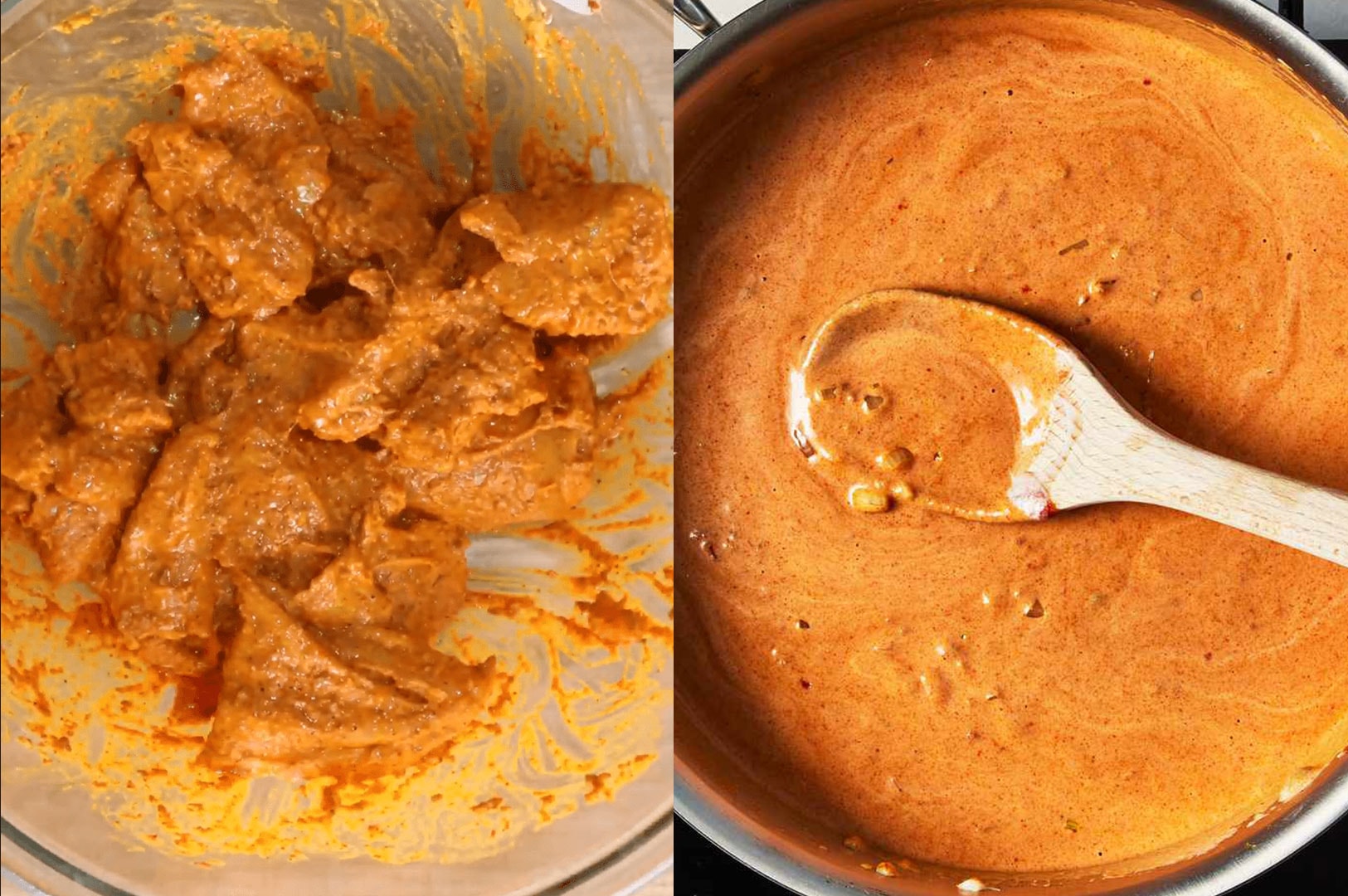
At its core, Tikka Masala consists of:
- The Tikka: These are boneless pieces of chicken (or vegetarian alternatives like paneer, the Indian cottage cheese). The pieces are marinated in yogurt, chickpea flour, lemon, and a signature blend of Indian spices, including garam masala, turmeric, and cumin. Marination ensures tender chicken and infuses every bite with an aromatic punch. Traditionally cooked in a tandoor oven, the meat emerges smoky and lightly charred. Fillings such as boiled potatoes are also popular in Indian breads and snacks, offering a flavorful vegetarian option.
- The Masala: The sauce (masala) is where creamy magic happens. Onions, tomatoes, garlic, and ginger are simmered with spices, then enriched with cream, coconut milk, or yogurt for an unmistakably rich and smooth body. Sometimes, ground cashews or almonds add even more depth. The vibrant orange color signals the presence of tomatoes and chili powder.
Unlike many North Indian curries that lean heavily into spice, Tikka Masala prizes a delicate balance—warming rather than hot, creamy with just enough tang, and deeply satisfying. Its appeal lies in marrying marinated meat with this luxurious sauce, resulting in a dish that stands out among the most popular Indian dishes. Vegetable curries are another staple in Indian cuisine, often enjoyed with similar sauces or as part of a diverse meal.
Regional Variations Across India
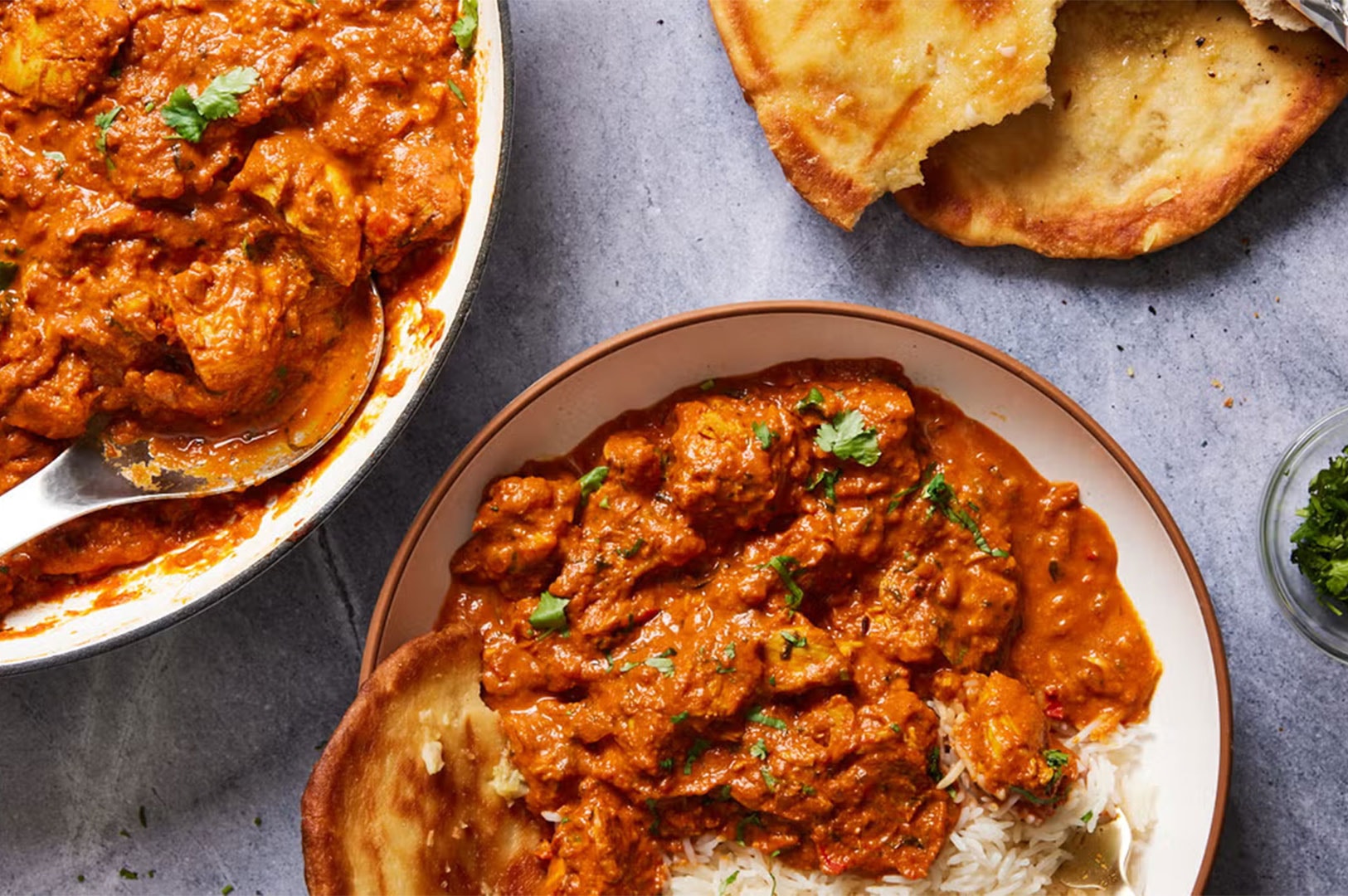
Tikka Masala is an Indian dish that adapts beautifully across regions. In north India, you’re likely to encounter a classic version with rich tomato gravy, tender chicken, and plenty of cream. In South India, coconut milk might be used in place of dairy, adding subtle sweetness. Coastal regions sometimes swap chicken for fish or shrimp, infusing the sauce with local flavors.
Regional interpretations also adjust the use of Indian spices, ranging from aromatic spices in Kashmiri cuisine to mustard seeds and curry leaves in some south Indian foods. Some home cooks introduce grated coconut, spiced potatoes, or even seasonal vegetables to make the dish their own. Across India, you’ll also find regional specialties such as rice dishes in Kerala, vegetable curry and vegetable stew in South Indian meals, fermented rice in traditional breakfasts, and noodle soup like thukpa in the northeast, all illustrating the country’s culinary diversity. This adaptability reflects the inclusive spirit of Indian cooking and showcases the incredible diversity present in different Indian cuisines.
Tikka Masala in Modern Indian Cuisine
No visit to an Indian restaurant—whether in bustling cities or quiet neighborhoods—is complete without seeing Tikka Masala on the menu. The dish signals a blend of traditional Indian food and contemporary approaches, bridging the gap between classic recipes and modern tastes.
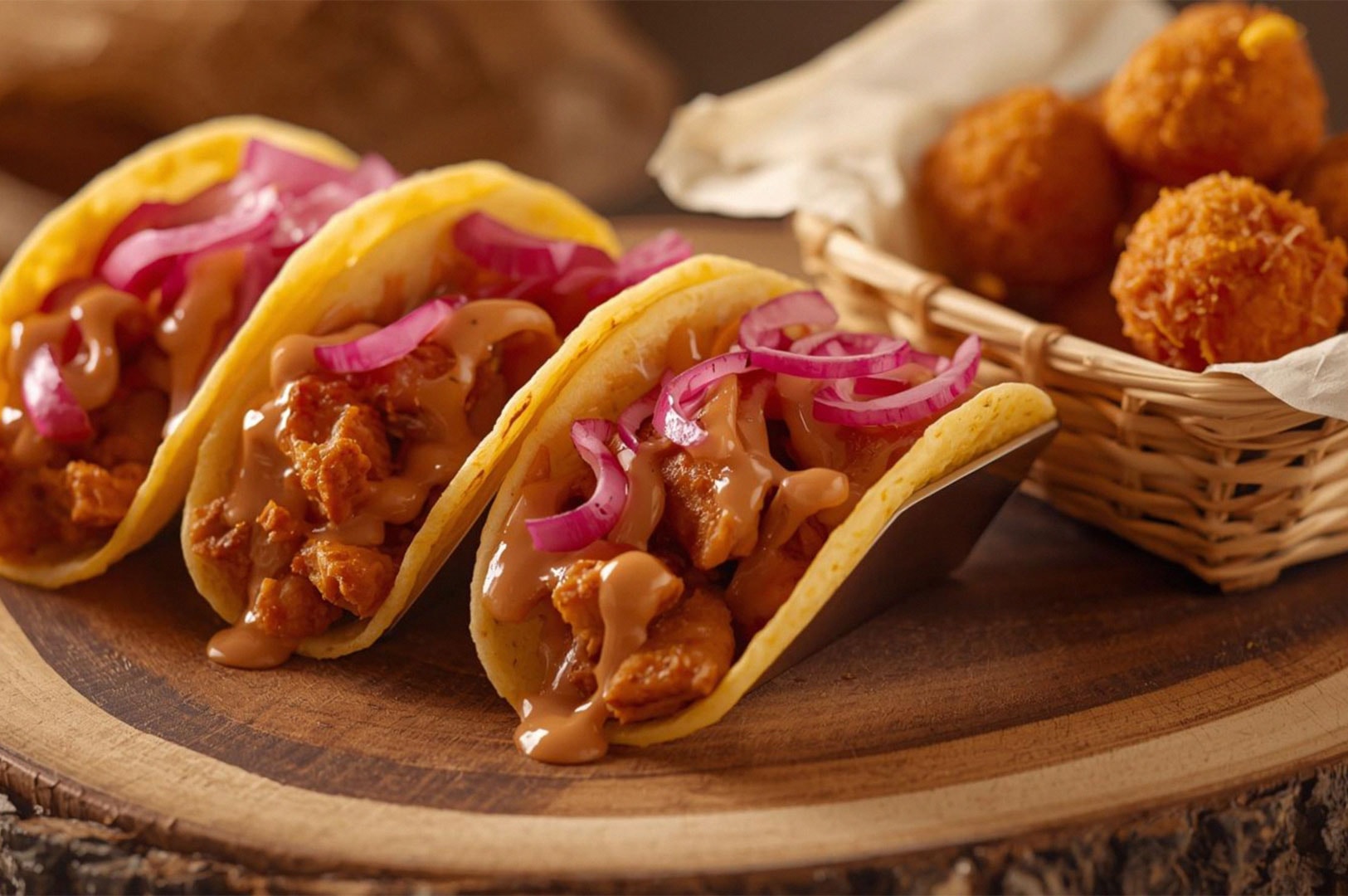
Today, chefs experiment with vegetarian dishes like paneer tikka masala, creative fusions (think Tikka Masala pasta or tacos), and local food twists using regional ingredients. In Indian street food markets, you might even spot deep fried Tikka Masala bites as a unique snack. Its abundant sauce is perfect for scooping up with Indian breads—naan, roti made from whole wheat flour, or even South Indian dosa. In South India, serving food on banana leaves or plantain leaves is a traditional practice that enhances the dining experience and reflects the region’s cultural customs.
The continued popularity of Tikka Masala, both within India and internationally, highlights how food cuisine in India continues to grow and inspire. It’s a go-to for eating Indian food outside of India, and a benchmark dish for both new restaurants and home cooks.
How to Experience Authentic Tikka Masala
To savor Tikka Masala at its best, there are several indicators of quality. Whether you order it at a local Indian restaurant, as one of many dishes at a family celebration, or from a popular Indian street food vendor, look for:
- Tender, juicy chicken or paneer evenly marinated and charred (not bland or dry).
- A sauce that is creamy, without being overwhelmingly heavy, boasting a bright yet balanced flavor (thanks to the careful use of garam masala, ginger, and garlic).
- A gentle warmth from spices, but not overpowering chili heat.
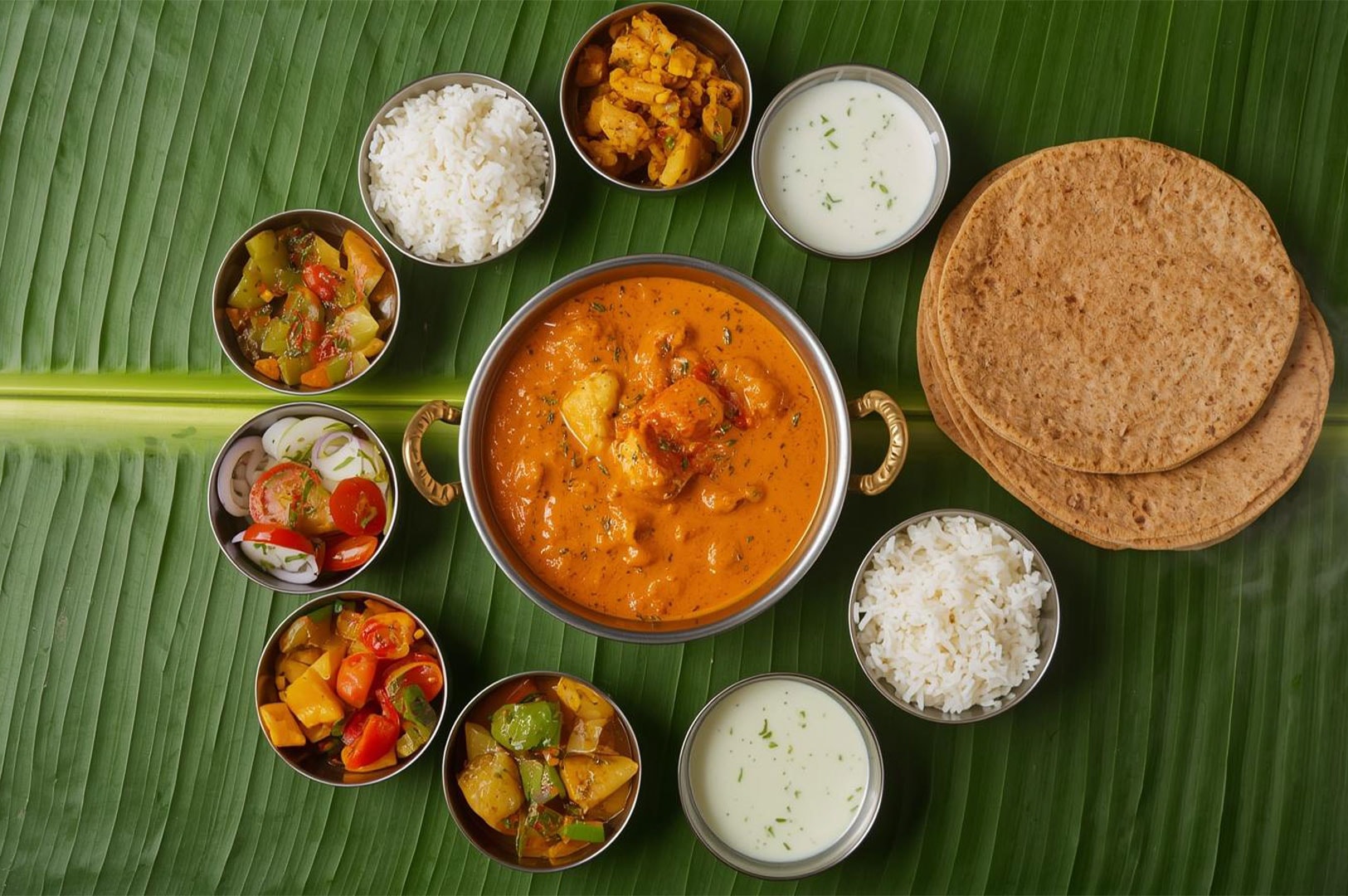
- Sides like basmati rice, steamed rice, roti, or naan to mop up every drop.
- Classic pairings like cooling raita, lentil soup, or a side of spiced vegetables, or coconut chutney as a traditional accompaniment, especially with South Indian meals.
Great Tikka Masala often sits alongside other favorites such as butter chicken, masala dosa, and fish curry in an Indian meal. If you love Indian food, sampling this dish is an absolute must.
The Enduring Legacy of a Global Favorite Among Popular Indian Dishes
Tikka Masala has become more than an Indian dish—it is an ambassador for food cuisine in India and a testament to the country’s ability to blend culinary traditions. From traditional recipes passed down through generations to exciting new fusions, its story mirrors the journey of Indian cooking itself.
This dish captures the magic of Indian spices, the comfort of a delicious curry, and the festive atmosphere of food served at gatherings across cultures. Whether you seek vegetarian dishes, classic meat dishes, or new interpretations, Tikka Masala is a celebration of Indian culture and all that makes India’s food so universally beloved.
For a deeper exploration of India’s diverse regional food traditions, discover our comprehensive guide: Cuisines in India: A Journey Through the Diverse Regional Food Traditions of the Subcontinent. There’s much more to savor in the world of Indian cuisine—happy feasting!

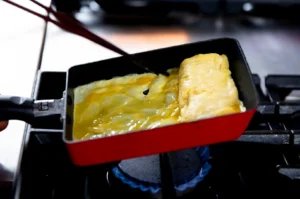
The Last Turn of Tamagoyaki in a Tsukiji Pan
Dio Asahi | October 7, 2026
By Dio Asahi for Eat Drink Asia. It’s mid-morning, and the cook doesn’t look up. He stands over a rectangular pan, copper worn to a dull gold at the edges, and pours a thin skin of beaten egg across its surface. It hisses. Steam rises, warm and faintly sweet, and he tilts the pan just…
-
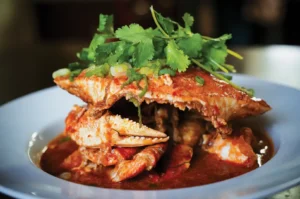
Seafood Restaurants in Singapore That Turn Crab Night Into a Full Table Ritual
Dio Asahi | October 6, 2026
It always starts the same way for me. Someone lifts the lid off a plate of chilli crab, and the whole table leans in. Fingers reach before spoons do. Somebody tears the first piece of fried mantou, drags it through that sticky, sweet-savoury sauce, and the rest of us stop talking for a second. That…
-
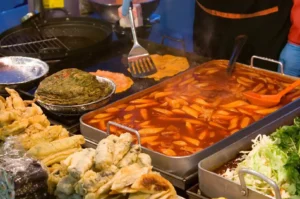
Korean Street Food Is Built for Movement, Heat, and One-Handed Eating
Eda Wong | October 3, 2026
The first time I ate tteokbokki in Seoul, I burned my tongue standing up. It was late, the air was sharp with cold, and I had stopped at a small street food stall near a subway exit because the steam pulled me in. The woman handed me a paper cup of rice cakes in red…
-
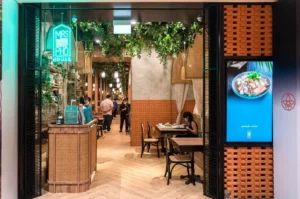
Mrs Pho and the Bowl That Makes Somerset Feel Like a Vietnamese Family Table
Eat Drink Asia Team | October 1, 2026
I wasn’t hungry when I walked into 313@somerset. I’d come for something else entirely; an errand, a shop I needed, the usual Orchard rush of people moving faster than the escalators. But somewhere on the first floor, past the noise, I caught the smell of star anise and beef bone, and my feet slowed down…
-
The Carving Knife at Colony, and the Way We Mark What Matters
Eda Wong | September 30, 2026
By Eda Wong for Eat Drink Asia. It’s late morning, and the light is doing most of the work. It pours through the high windows of Colony, at The Ritz-Carlton, Millenia Singapore, spilling across white tablecloths and the vintage prints on the walls. Marina Bay hums somewhere outside, but in here the room feels a…
-
Co Chung Vietnamese Restaurant and the Gỏi Cuốn That Makes Fresh Herbs Do the Work
Dio Asahi | September 29, 2026
I found it by accident, the way you find most things in a mall basement. I’d come down to Plaza Singapura’s B2 for something else entirely, drifting past the usual food-court noise, when I caught the smell of star anise and beef bone coming from a corner. I followed it. And there it was —…
-
Vietnamese Spring Roll: The Recipe That Only Works When the Herbs Stay Awake
Eda Wong | September 26, 2026
Fresh Vietnamese spring rolls, or gỏi cuốn, look delicate, but the recipe is really about control: barely softened rice paper, dry herbs, restrained noodles, clean protein, and a dipping sauce sharp enough to wake the whole thing up. This is not the fried version, chả giò or nem rán. This is the cool, translucent, herb-heavy…
-
Best Steakhouse Singapore: From Fire-Kissed Icons to Old-School Beef Plates
Eat Drink Asia Team | September 24, 2026
I didn’t set out to write about steak. It started with a bad day and a craving for something that pushed back when I bit into it. One dinner turned into a habit, and over a couple of years I found myself at counters, coffeeshops, and dining rooms all over this island, chasing the same…
-
The Ice Counter at Carousel, and the Table Everyone Can Reach
Dio Asahi | September 23, 2026
By Dio Asahi for Eat Drink Asia. It’s a Saturday evening, and someone across the room is carrying a birthday cake. The candles are lit, the walk is careful, and a whole table turns to watch. Plates clink. A child laughs somewhere. The room at Carousel, inside Royal Plaza on Scotts, isn’t quiet — it…
-
Tiong Shian Porridge Centre Review: The Soft Counterweight to Chinatown’s Crisp Toast
Dio Asahi | September 22, 2026
I’d spent the morning with kaya toast. Crisp bread, cold butter, the clean snap of it between my teeth. Good, all of it. But by the time I’d walked a few streets over to New Bridge Road, my mouth wanted the opposite. Something warm. Something that gave way instead of shattering. That’s how I ended…