Japanese cuisine has long been admired for its attention to seasonality, precision, and respect for ingredients. However, behind every piece of sashimi or carefully prepared seafood dish lies a story that begins far away from the dining table, often with fishermen, coastal communities, and generations of knowledge passed down through time.
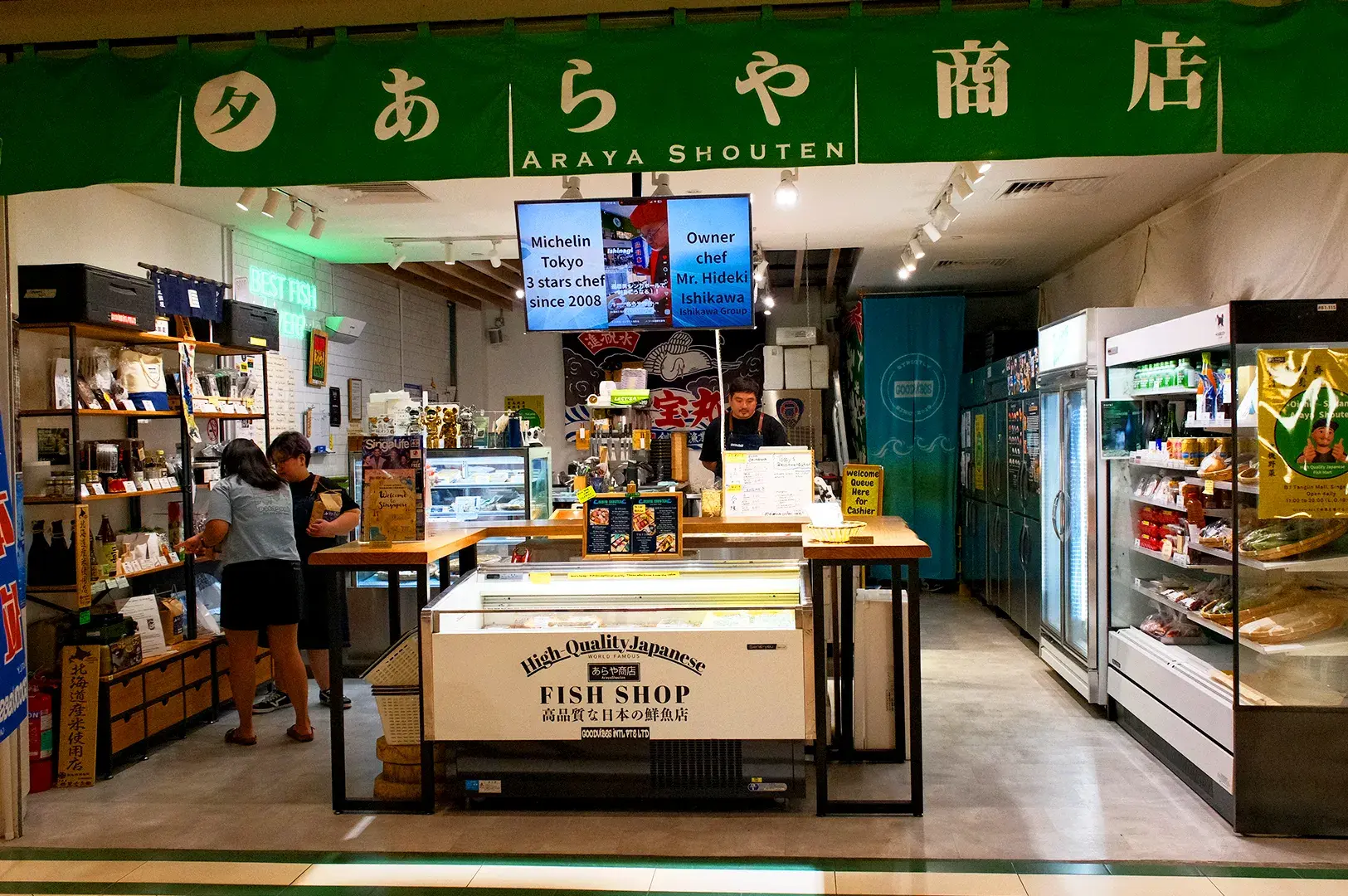
At Araya Shouten, seafood is not treated as just another ingredient. The Japanese seafood specialist at Tanglin Mall represents a deeper connection between Singapore and Japan’s fishing heritage, bringing carefully sourced fish, traditional practices, and the stories of Japanese suppliers directly to local diners.
For many, Japanese food culture begins and ends at the counter of Japanese restaurants. Araya Shouten offers a different perspective, inviting customers to understand where their seafood comes from, how it is handled, and why every selection carries a history of its own.
A Lifelong Connection to Japan’s Fishing Heritage
Before establishing Araya Shouten in Singapore, Araya-san’s relationship with seafood began in Tomakomai, Hokkaido, where he grew up surrounded by Japan’s fishing culture. His grandfather was a commercial fisherman at Kushiro Port, and his family’s connection to the ocean shaped his understanding of quality from a young age.
Rather than learning about fish only through textbooks or professional kitchens, Araya-san developed his palate through everyday experiences. Growing up eating sashimi-grade fish delivered from fishing communities gave him an instinctive understanding of what exceptional seafood should taste like.
This connection to Hokkaido remains central to Araya Shouten’s philosophy today. The shop is built around the belief that seafood carries more than flavour. It carries the knowledge of fishermen, the conditions of the ocean, and the traditions of communities that have relied on fishing for generations.
Preserving Japanese Fishing Culture Through Seafood
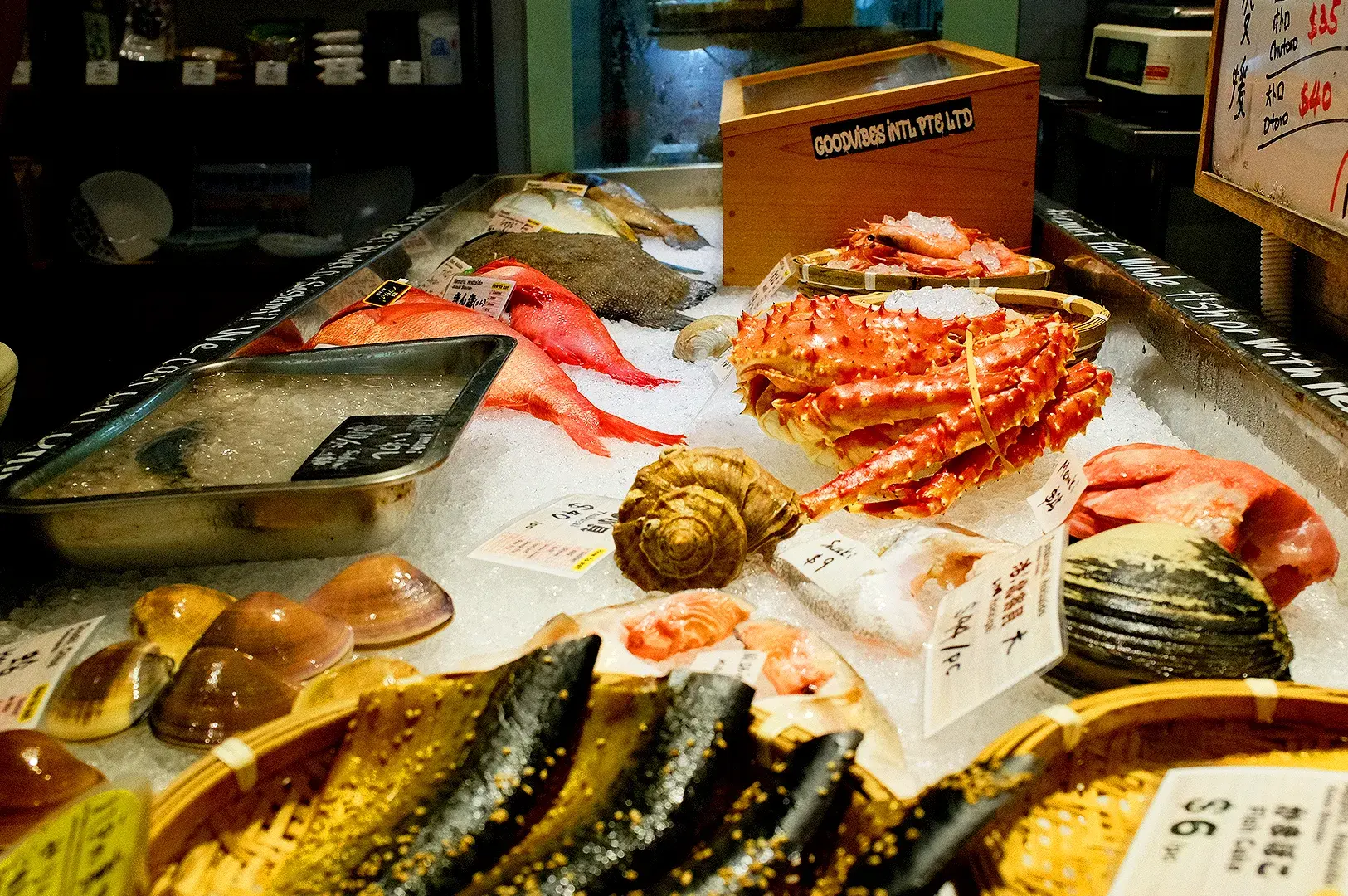
The story behind Araya Shouten is also a story about preservation. Across Japan, traditional fishing communities face challenges including an ageing workforce, fewer successors, and changing ocean conditions.
For Araya-san, supporting these communities is part of the responsibility that comes with working in the seafood business. He believes that when fishermen disappear, an important part of Japanese food culture disappears with them.
This philosophy influences how Araya Shouten works with suppliers across Japan. Instead of treating seafood as a simple commodity, the shop builds relationships with producers and fishing communities to maintain access to high-quality ingredients while supporting the people behind them.
Every piece of fish reflects this connection. Whether customers buy fresh sashimi singapore for home dining or enjoy seafood prepared at the shop, they are experiencing a small part of Japan’s coastal heritage.
Beyond Tokyo’s Toyosu Market: Following Seafood Back to Its Source
Many people associate Japanese seafood with Tokyo’s Toyosu market, one of the world’s most famous seafood marketplaces. While Toyosu plays an important role in Japan’s seafood industry, Araya Shouten takes a different approach by building direct relationships with fishing ports and suppliers.
The shop sources seafood from different regions across Japan, including Hokkaido, Choshi, Hakodate, Shimonoseki, and other fishing areas. By working more directly with suppliers, Araya Shouten focuses on accessing seafood closer to its origin.
This approach allows the shop to offer a selection that changes with the seasons rather than following a fixed catalogue. The ocean determines what is available, meaning customers may discover different types of fish depending on the catch.
For diners in Singapore, this creates an opportunity to experience seafood that reflects Japan’s regional diversity. Instead of receiving a similar selection found everywhere else, customers can explore ingredients connected to specific fishing communities and seasons.
The Craft Behind Fresh Seafood
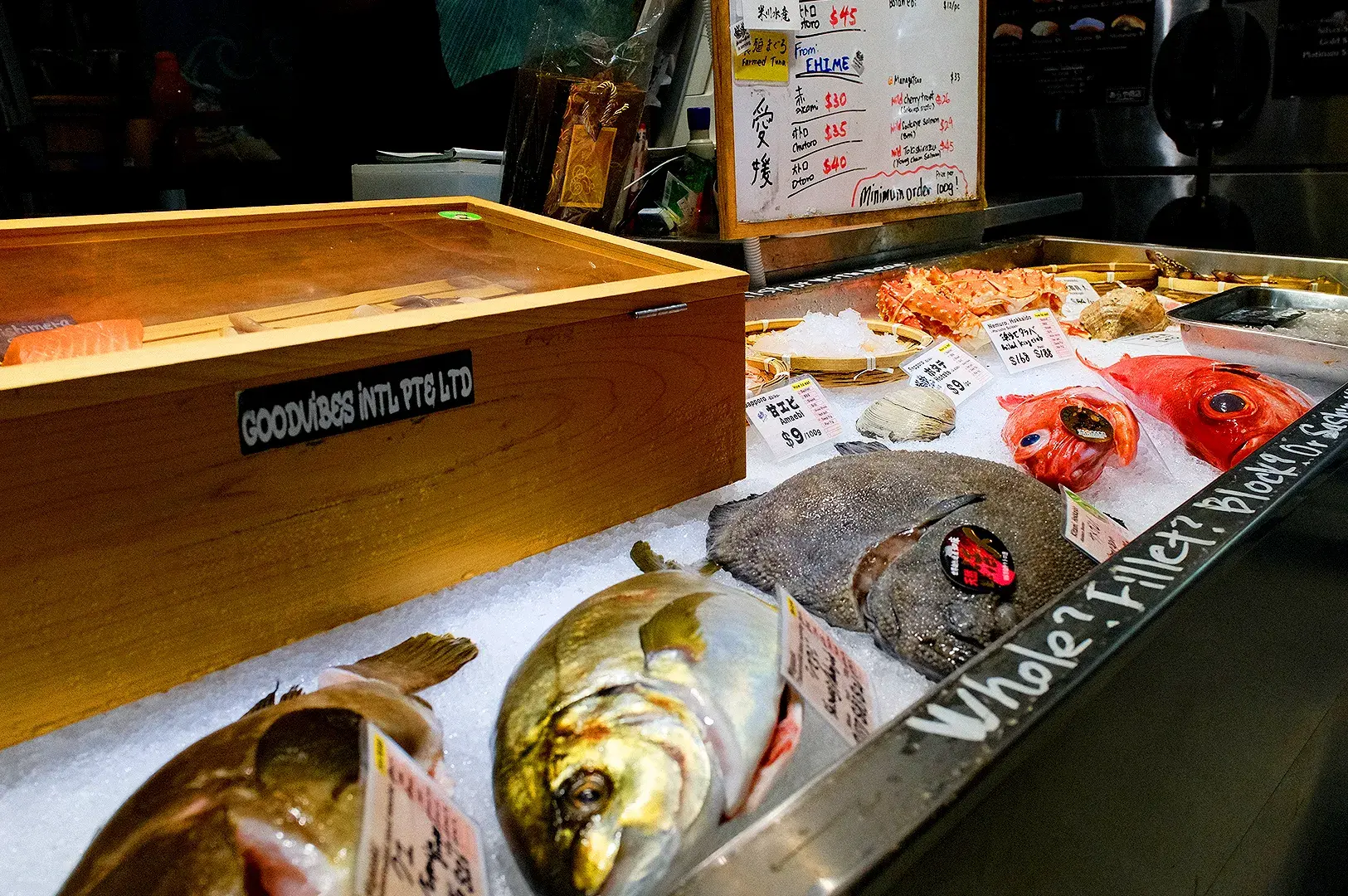
Quality seafood is determined long before it reaches the kitchen. At Araya Shouten, careful handling techniques play an important role in preserving flavour, texture, and freshness.
The shop’s relationships with suppliers allow certain handling methods to be carried out immediately after the catch. Techniques such as Shinkei Jime and Sumotoshiki blood removal help maintain the natural qualities of the fish while reducing unwanted flavours.
These processes may happen far away from Singapore, but they influence every bite. The difference can be experienced through the clean taste and texture of the sashimi, allowing diners to appreciate the care taken before the seafood reaches their plate.
This attention to detail is also why Araya Shouten has earned the trust of professional kitchens. The business has supplied seafood to Japanese restaurants, including Michelin-recognised establishments, before opening its own retail shop for everyday customers.
Bringing Japanese Seafood Culture, from Ikura to Katte Don, to Tanglin Mall
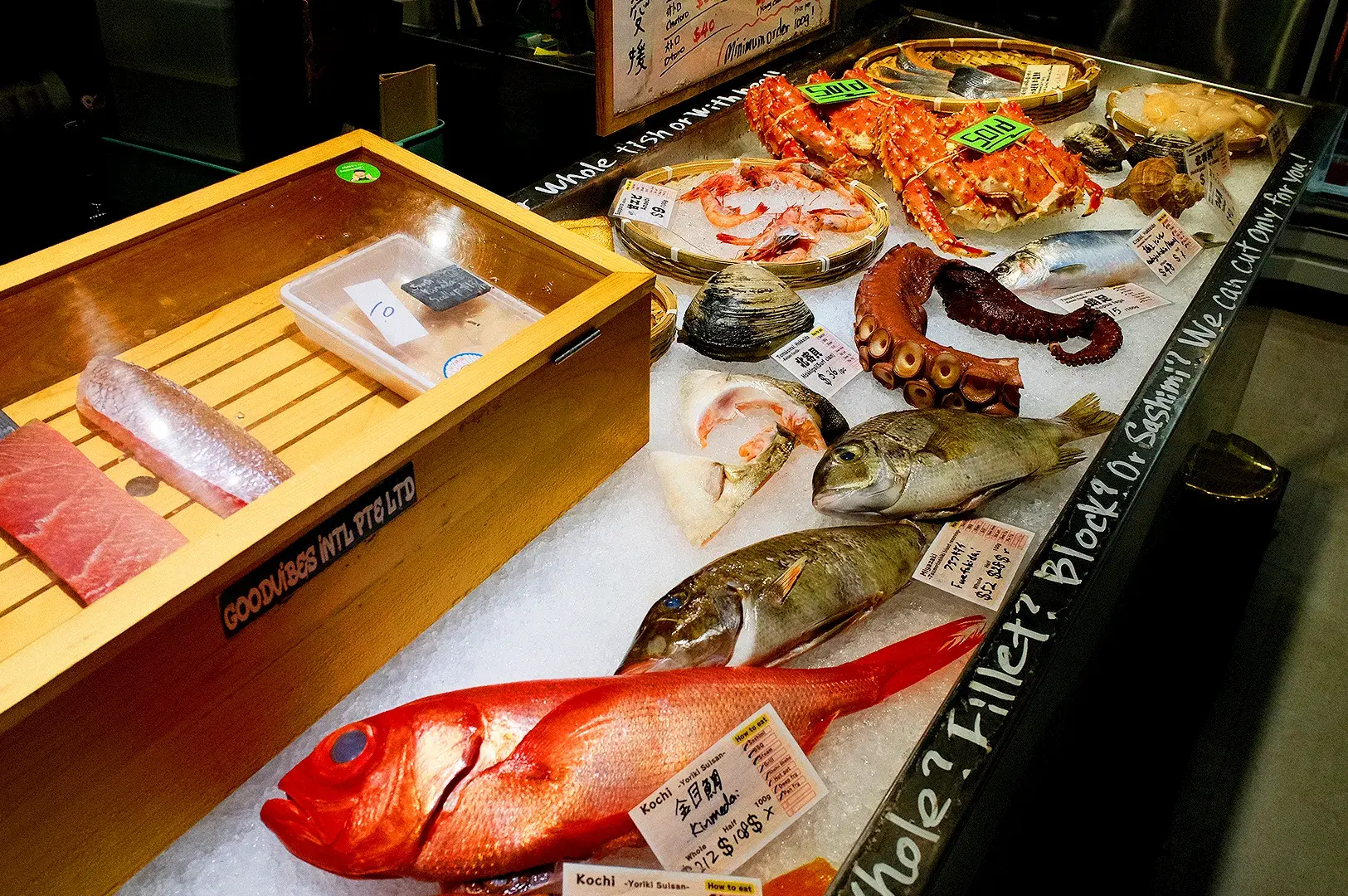
Located at Tanglin Mall, Araya Shouten gives Singapore diners access to restaurant-quality seafood in a more approachable setting. The shop allows customers to explore premium ingredients, ask questions, and better understand the seafood they are bringing home.
The experience is different from a typical seafood counter. Customers can discover seasonal fish, rare varieties, and ingredients that may not always appear in conventional supermarkets.
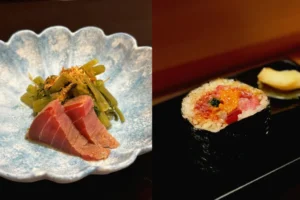
The shop’s offerings include sashimi-grade seafood, sea urchin, ikura, spot prawn, and seasonal selections sourced according to availability. Those looking to recreate Japanese dining experiences at home can also find ingredients suitable for preparing dishes such as chirashi don and katte don.
A chirashi don combines colourful seafood with rice (something you can explore more in this article), while katte don reflects the freedom of choosing preferred toppings over a bowl of rice. Both dishes highlight an important part of Japanese food culture: allowing quality ingredients to speak for themselves.
More Than A Place To Buy Seafood
What makes Araya Shouten different is not simply its selection of seafood, but the story behind every ingredient. The shop represents a connection between Japan’s fishing communities and Singapore’s growing appreciation for authentic Japanese cuisine.
In a similar way that traditional Japanese restaurants preserve culinary techniques through chefs, Araya Shouten preserves seafood knowledge through sourcing, relationships, and respect for producers.
The experience reminds diners that great seafood is not created only in the kitchen. It begins with the ocean, the fishermen, the suppliers, and the generations of knowledge that make every ingredient possible.
For those who want to understand Japanese seafood beyond the surface, Araya Shouten offers more than fresh seafood. It offers a way to connect with Japan’s coastal heritage, one carefully selected fish at a time.

Not Just ‘Fresh Fish’: The Best Omakase Singapore Has for Storytelling Courses & Seasonal Bites
Eat Drink Asia Team | May 19, 2026
May 19, 2026 | Eat Drink Asia Team | Last Updated September 29, 2026 When you sit at an omakase counter, you’re paying for a culinary journey. A memorable omakase is more than fresh fish; it’s a delicate celebration of flavors. The best chefs act as storytellers, sequencing each bite to build anticipation and contrast, guiding…
-
Indonesian Traditional Food at Warong Nasi Pariaman: A Plate That Doesn’t Explain Itself—It Proves It
Dio Asahi | May 16, 2026
It’s always a little heartbreaking when a true culinary landmark decides to close its doors. Warong Nasi Pariaman, the iconic nasi padang spot at 738 North Bridge Road, served its final plates in January 2026. For decades, it stood as a testament to heritage, feeding generations of Singaporeans and becoming an essential part of the…
-
Indonesian Dishes, the IndoChili Way: A Restaurant Review Written in Smoke and Sweet Soy
Eda Wong | May 14, 2026
There are evenings when only a very specific type of comfort food will do. I wasn’t craving a standard bowl of noodles or a generic curry. I wanted that unmistakable, deeply fragrant balance of charcoal smoke and sticky sweet soy sauce that defines authentic Indonesian cooking. Finding that perfect harmony in Singapore without sitting outside…
-
The Sweet Darkness of Kecap Manis: The Flavour That Makes Food in Indonesia Feel Like Home
Dio Asahi | May 12, 2026
When I first tried to cook authentic Indonesian nasi goreng at home, I was incredibly confident. I had my wok smoking hot, my garlic and shallots perfectly fragrant, and a generous splash of regular soy sauce ready to go. But when I took that first bite, my heart sank. It tasted flat, salty, and entirely…

Fortune Centre Food Guide: Vegetarian Finds, Quick Lunches, and Hidden Dinner Spots
Eda Wong | May 9, 2026
May 9, 2026 | Eda Wong | Last Updated: October 08, 2026 I have spent the last six months navigating the tight corridors and bustling walkways of Fortune Centre, determined to map out the Fortune Centre food scene beyond its best-known stalls. I’ve tried all of these famous stalls, sampling everything from intricate plant-based creations to…
-
Types of Chinese Food Hidden in Plain Sight: Imperial Treasure, Reviewed Through Their Orders
Eat Drink Asia Team | May 7, 2026
For a long time, many viewed Chinese food as one giant, delicious monolith, characterized by intense heat, heavy sauces, and wok-tossed brilliance. However, as more time is spent exploring Singapore’s incredible dining scene, it becomes clear that true culinary mastery often whispers rather than shouts. To demonstrate this to visitors, a table at Imperial Treasure…
-
Famous Food in China Isn’t Loud: Din Tai Fung’s Dumplings and the Power of Precision
Dio Asahi | May 5, 2026
There is a common misconception that the most authentic culinary journeys involve loud, chaotic kitchens with massive wok flames and shouting chefs. I used to think the same thing until I started paying closer attention to the quieter corners of Asian cooking. I visited Din Tai Fung on a Tuesday around 2:30 pm, hoping to…
-
The Morning Steam of Baozi Along a Beijing Street
Eda Wong | May 2, 2026
The first thing I noticed was the steam. It rose in soft, continuous bursts from stacked bamboo baskets, drifting into the cold Beijing morning like breath made visible. The vendor lifted each lid with practiced rhythm, a quick tilt, a release of heat, then the faint scent of yeast, pork, and warm flour rolling outward….
-
Moo Ping and the Structure of Thai Grilled Street Meat
Dio Asahi | April 30, 2026
The first thing I noticed was the smoke, thin, controlled, rising steadily from a charcoal grill along a Bangkok street. Skewers of pork turned in a quiet rhythm, fat dripping and hissing as it met the heat. The air carried layers of scent: sweet palm sugar, garlic, and a faint fermented depth beneath it. I…
-
Where Kuala Lumpur Actually Begins: Reading the City Through Its Food
Eat Drink Asia Team | April 30, 2026
There are cities you can understand through maps, and then there are cities like Kuala Lumpur that only begin to make sense when you follow what people eat. Not what is recommended or ranked, but what is repeated. The same stall visited every week, the same dish ordered without hesitation, the same flavours that feel…