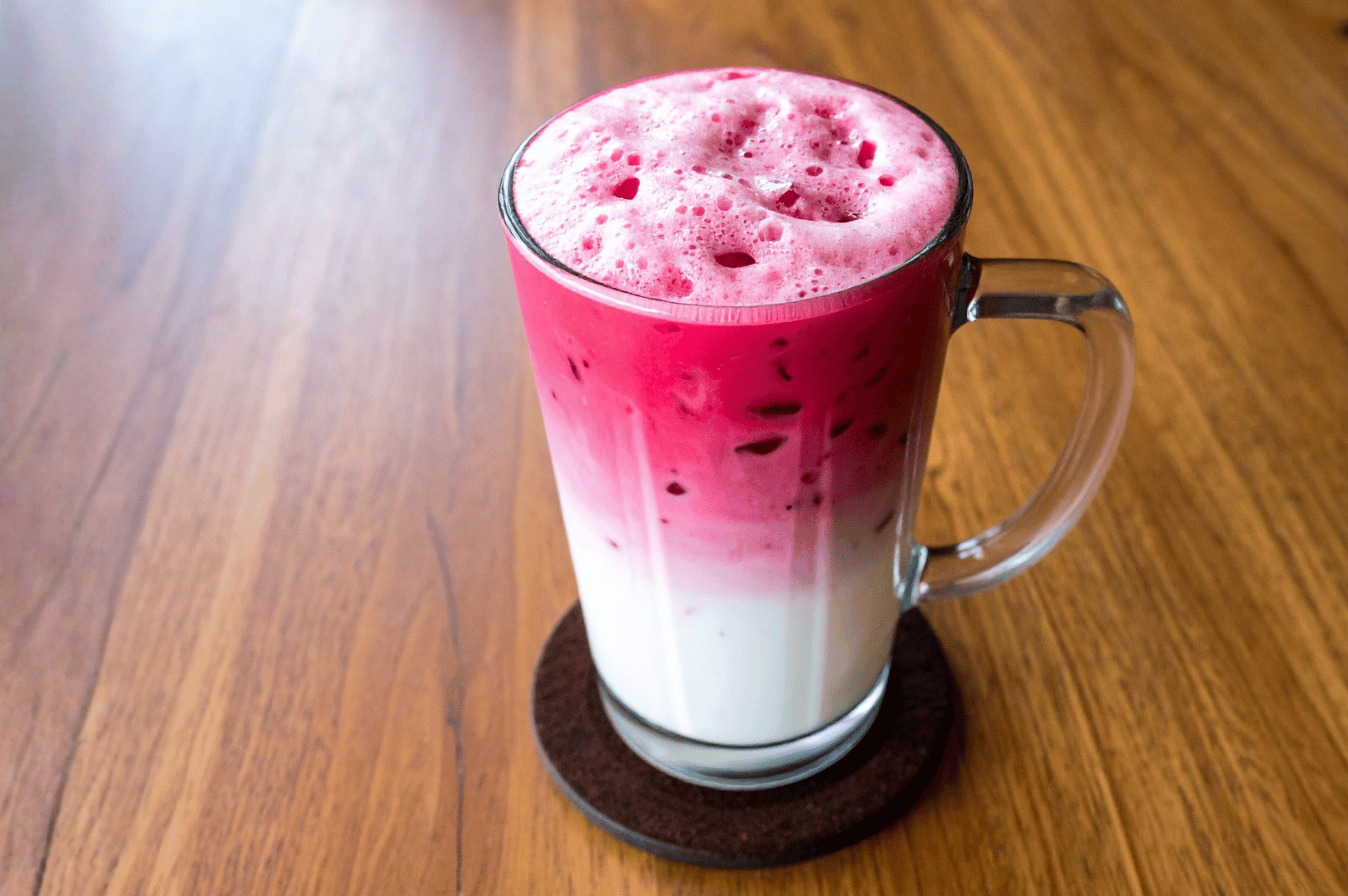
Step into any night market or hawker centre in Singapore, and you’ll spot a vibrant, glowing glass filled with a cold, beautiful drink—Bandung. Known for its iconic blush-pink hue and refreshing taste, this rose syrup drink is an integral part of Singapore’s beverages scene and a cherished tradition in Southeast Asian gatherings.
More than just a delicious drink, the Bandung drink has become a cultural staple. This article explores the fascinating origins, cultural value, nutrition, and all the ways you can enjoy Bandung—from a traditional sirap bandung recipe to modern, health-conscious twists. Plus, you’ll get an easy recipe card to review and try at home!
The Origins of Bandung: More Than a Pink Milk Drink
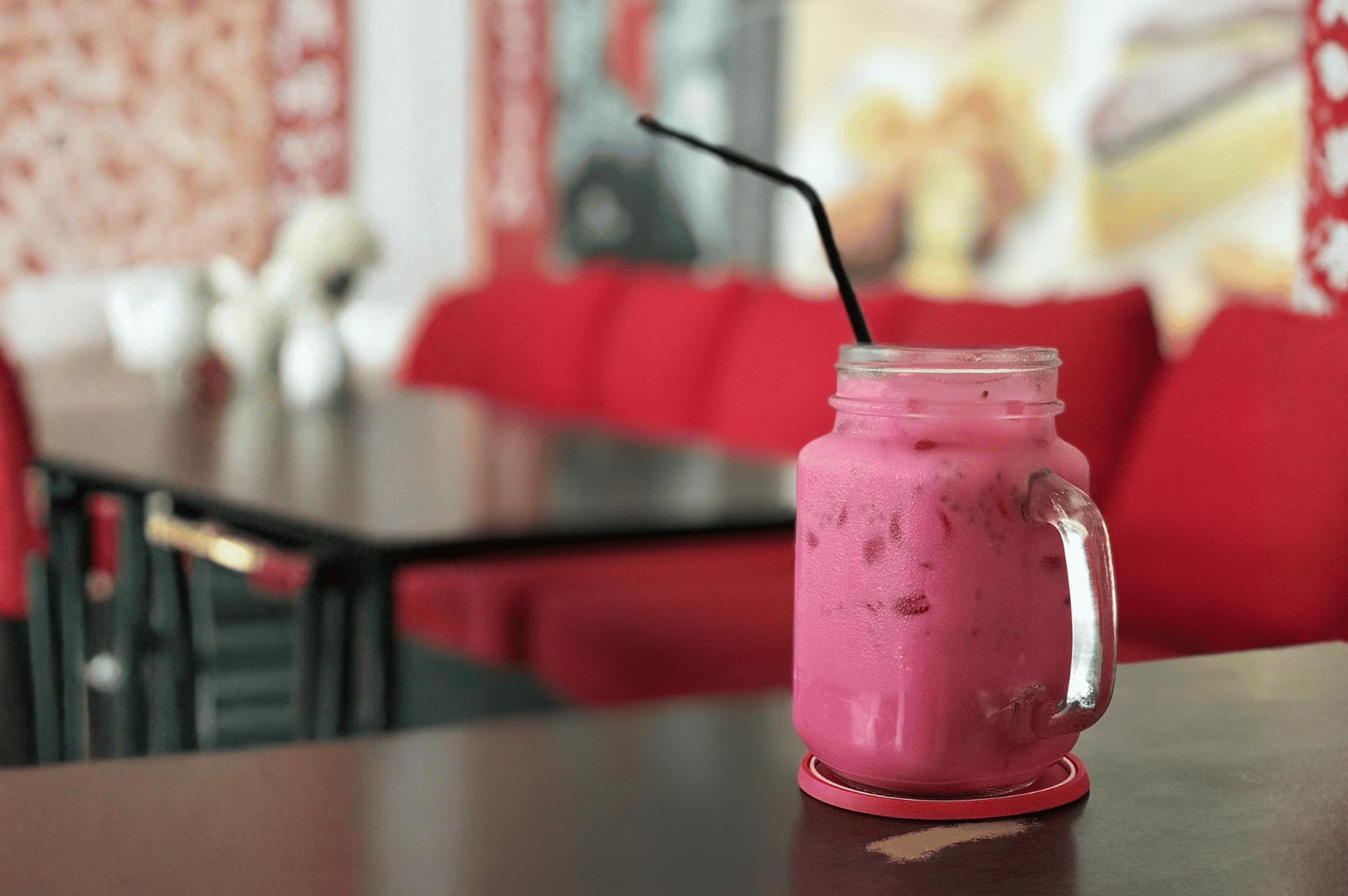
Bandung, often called sirap bandung in Malaysia, means "mixture" or "pairs" in the Malay language—not to be confused with the Indonesian city of Bandung. The classic drink pairs rose syrup and milk, sometimes with the addition of rose essence or even a splash of rose water for extra fragrance.
The rose milk recipe dates back to colonial Southeast Asia, when imported condensed milk and evaporated milk became kitchen staples. The use of rose syrup (not to be mistaken for simple syrup or rose water) likely stems from Persian and Indian culinary influences, where rose-flavoured desserts and beverages are beloved.
What emerged was a sweet, creamy, and floral-tasting refreshment with universal appeal—perfect for hot weather and special events. Mixing chilled milk (often shelf-stable, thanks to evaporation or condensation processes) with rose milk syrup and ice cubes, the original Bandung was an affordable luxury on a hot summer day.
Bandung in Singapore: A Drink for Every Occasion
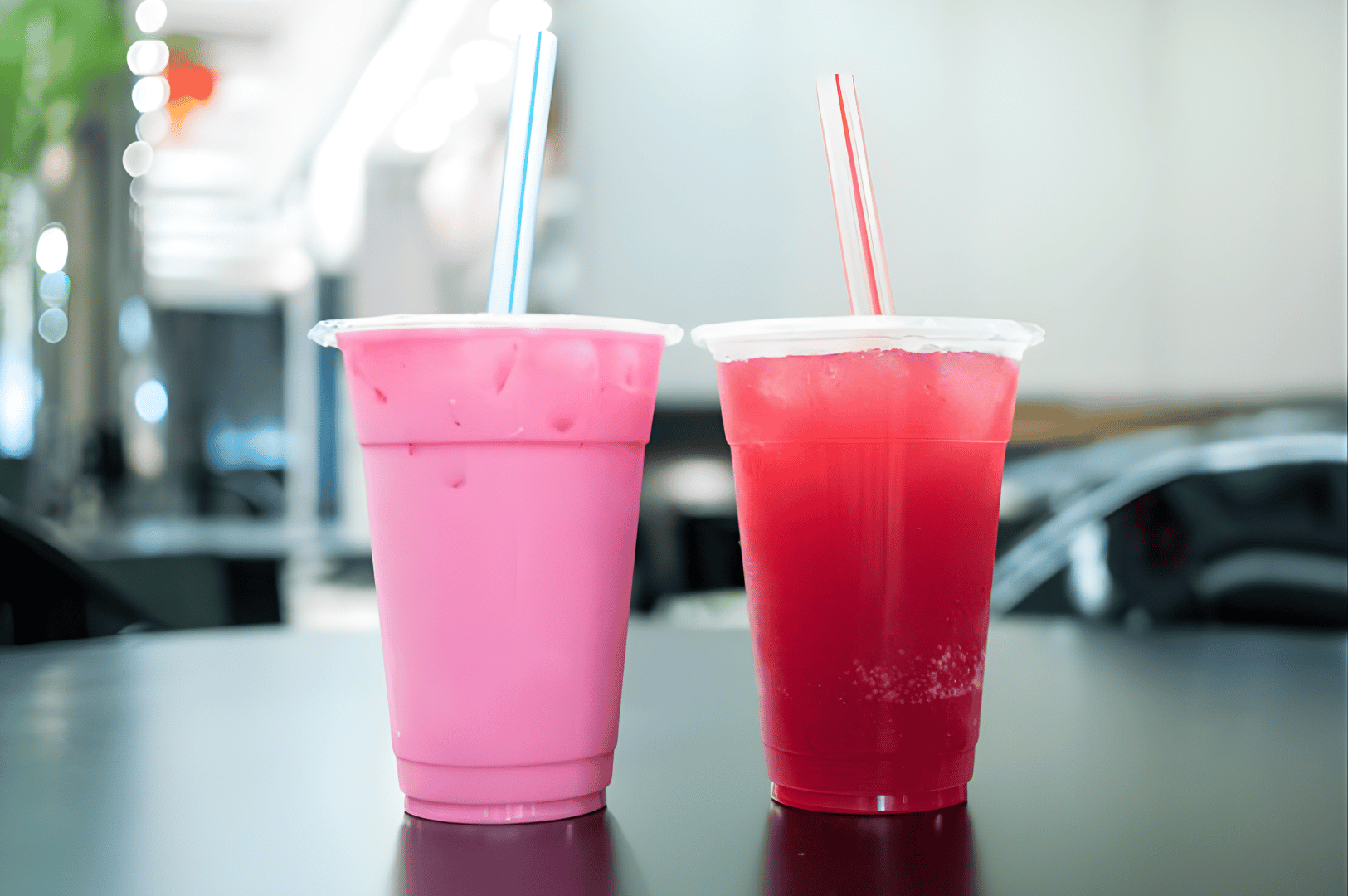
Ramadan and Festive Gatherings
Bandung shines during the fasting month of Ramadan. After hours without food, breaking the fast with a cool glass of iced Bandung is a cherished tradition. The sweet, vibrant rose syrup helps restore energy, while cold milk is soothing and hydrating.
Bandung is also a staple at Malay weddings, birthdays, and kenduri (feasts). The rosy color looks inviting on a festive spread, and its gentle taste appeals to children and adults alike. Night markets across Singapore and Malaysia serve Bandung alongside dishes like nasi lemak and satay—truly cementing it as a must-try in Southeast Asian food culture.
Day-to-Day Refreshment
The pink milk drink isn’t limited to special events. Office workers sip it with lunch at kopitiams, schoolkids cool off with a bottle after the bell, and locals and travelers often sample it at bustling hawker stalls. Bandung has become as much a part of daily Singaporean life as teh tarik or black tea.
The Essential Ingredients: What Makes Bandung So Unique?
Every Bandung drink starts with just a few required recipe ratings for success: good rose syrup (or authentic bandung rose syrup), milk, and ice. Let’s break down the all-important ingredients and why many variations have emerged.
Rose Syrup or Rose Milk Syrup
Rose syrup gives Bandung its iconic flavor and color. The syrup is thick, sweet, and made from a blend of sugar, rose essence or dried roses, and red or pink food coloring. High-quality rose milk syrup infuses drinks with a subtle floral note and just enough sweetness. For a richer floral note, some recipes add rose water or rose flavour essence.
Look for syrups labeled specifically for sirap bandung or rose milk. These have the best balance of flavor, aroma, and color for achieving that authentic taste. You’ll find syrup bottles at Asian supermarkets, often alongside bubble tea syrups and grass jelly toppings.
The Milk Mix: Evaporated, Condensed, and More
A classic Bandung drink recipe uses evaporated milk, which delivers creaminess without being too heavy on saturated fat. Many recipes call for a mix of evaporated milk and sweetened condensed milk, which brings richness and additional sweetness.
Modern variations substitute fresh milk, oat milk, almond milk, or soy milk for a “healthy drink” version, catering to vegan and lactose-intolerant drinkers. Chilled milk—whether dairy or plant-based—works well. Some even mix black tea or create a rose milk tea for a nod to the bubble tea trend.
Ice Cubes: The Finishing Touch
Don't forget the ice cubes! On a hot day, nothing beats the sensation of sipping a cold bandung. As the ice melts, the drink remains refreshing, becoming lighter over time. Always add ice cubes to the serving glass last to ensure your Bandung stays cold and inviting.
The Traditional Sirap Bandung Recipe
Here’s a classic and easy recipe for making Bandung at home. Not only is it a nostalgic nod to Singaporean prep time traditions, but it’s also customizable for your favorite serving glasses and milk options.
Nutrition and Serving Information
- Serve: 1 tall glass (about 350ml)
- Prep Time: 2 minutes
- Nutrition Serving: Approx. 140-170 calories (depends on milk/sweetener)
- Saturated Fat: Lower with low-fat or plant-based milk
Ingredients
- 3 tablespoons rose syrup or bandung rose syrup
- ½ cup evaporated milk
- 2 tablespoons condensed milk (optional, for extra sweetness)
- ½ cup chilled water or milk, or a plant-based alternative (oat milk, soy milk, or almond milk)
- Ice cubes (fill glass; more for hot weather)
- (Optional) 1 teaspoon rose water or a squeeze of lime juice for extra zing
Instructions
- Prepare your glass: Fill a tall glass to the rim with fresh ice cubes.
- Add syrup: Pour the rose syrup, along with condensed milk if using, over the ice.
- Mix in the milk: Add evaporated milk, then top up with your choice of water, additional milk, or nut-based milk for a healthy drink.
- Combine and stir: Stir vigorously until all the ingredients are thoroughly mixed, and you see a uniform rosy color.
- Taste: Adjust sweetness by adding more syrup or condensed milk to your liking.
- Garnish (optional): Decorate with dried roses, a hint of rose essence, or grass jelly (for Bandung Cincau). Serve immediately.
Tip: Serve in a transparent glass for the most beautiful drink presentation!
Modern Twists: Many Ways to Enjoy Bandung
No review recipe of Bandung is complete without mentioning modern spins, now widely available across Singapore and Malaysia:
- Bandung Cincau (Grass Jelly Bandung): Add grass jelly cubes for a jelly-like texture and extra refreshment—especially popular in night markets.
- Bandung Soda or Bandung Fizz: Top up with sparkling water for a fizzy, light syrup drink with less saturated fat.
- Rose Milk Tea: Marry black tea or strong brewed tea with rose milk syrup and milk, then serve over ice for a bubble tea vibe.
- Plant-Based Bandung: Use oat milk, almond milk, or soy milk for a dairy-free healthy drink.
- Gourmet Versions: Some cafes infuse Bandung with dried roses, rose water, or a splash of lime juice to balance the sweetness.
Where to Try Bandung in Singapore: A Refreshing Drink for Every Foodie
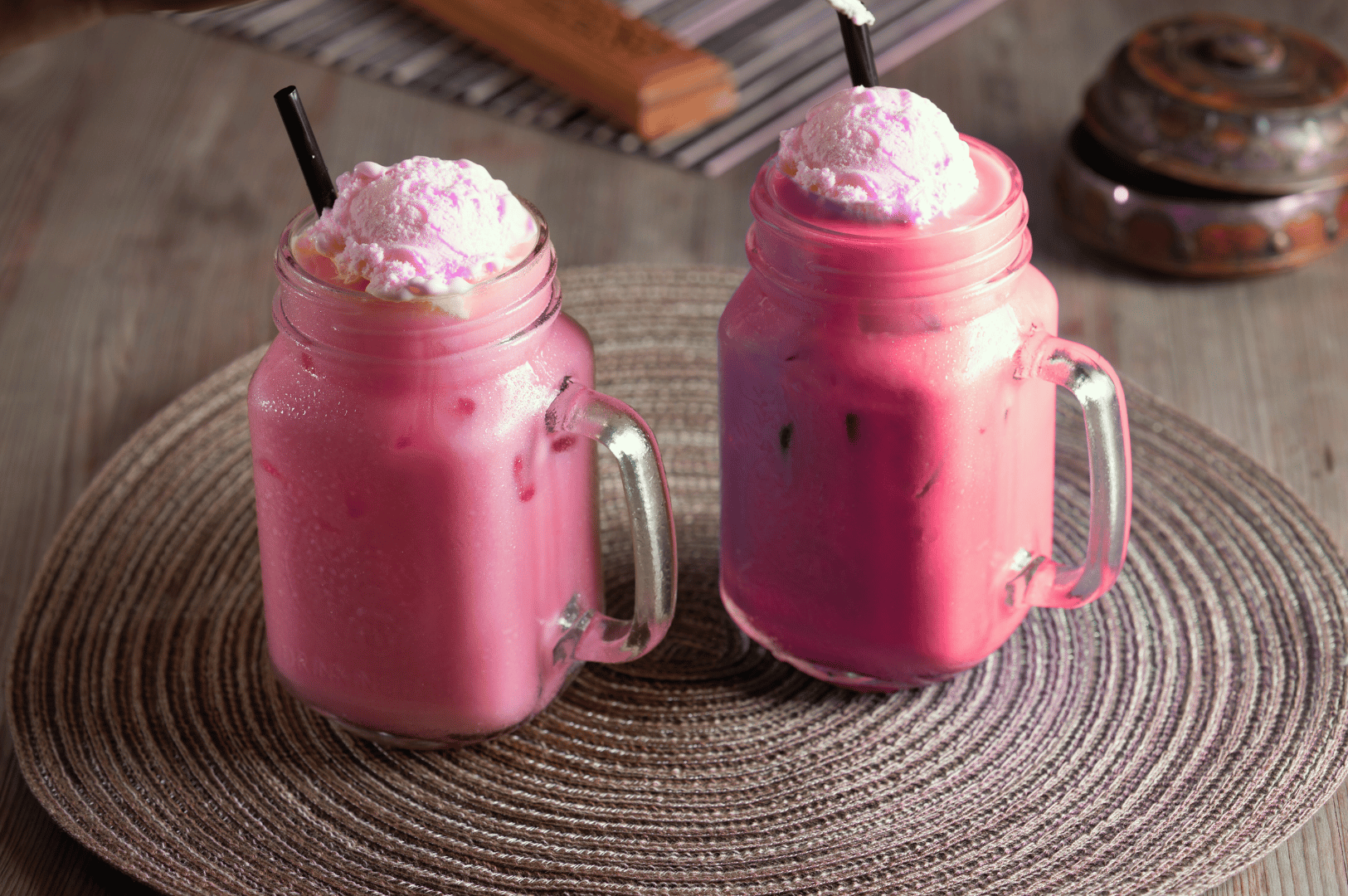
Hawker Centres and Kopitiams
The best place to sample authentic Bandung in Singapore is your local hawker centre. Just say “Bandung, kurang manis” if you prefer less sugar, or “Bandung Cincau” for the grass jelly version. You’ll find it beside other traditional beverages, such as rose lassi, iced bandung, or rose milk tea.
Malay and Indian Muslim Restaurants
Many eateries serve air bandung in tall glasses, sometimes with a creative twist. The recipe may include real rose water or be paired with delicious Malaysian food.
Modern Cafes and Bubble Tea Shops
Thanks to the rise of global bubble tea culture, many cafes now offer Bandung-inspired rose milk teas, some with pearls or jellies. These drinks blend black tea, milk, and rose syrup for a satisfying fusion of East and West.
The Cultural Importance of Bandung
The appeal of Bandung goes far beyond taste. It represents Singapore’s multicultural landscape—enjoyed by all races and ages, at major events and everyday meals alike.
During the fasting month, families pour tall glasses of Bandung after sunset prayer. At weddings, it’s poured into serving glasses alongside syrup drinks and tea. On a hot summer day, Bandung is the “it” drink for visitors and locals cooling off after a stroll.
Even the act of making Bandung is ritualistic: preparing all the ingredients, mixing, and pouring into a tall glass creates a sense of community, whether at home, in restaurants, or at the night market.
Health and Tips: Making Bandung Your Way
- Want a healthier version? Choose oat milk or almond milk for less saturated fat.
- Prefer it less sweet? Go easy on the condensed milk or select a low-sugar rose syrup.
- Like a tangy note? Squeeze a bit of lime juice for a refreshing zest.
- Enjoy texture? Add grass jelly or basil seeds.
Shelf Life: It’s best to prepare Bandung fresh. However, syrup drinks and rose milk syrup keep well in the fridge for up to a week if tightly covered in a bottle. Just stir before serving or when ice melts.
Simple Recipe Card for Bandung (Air Bandung/Sirap Bandung)
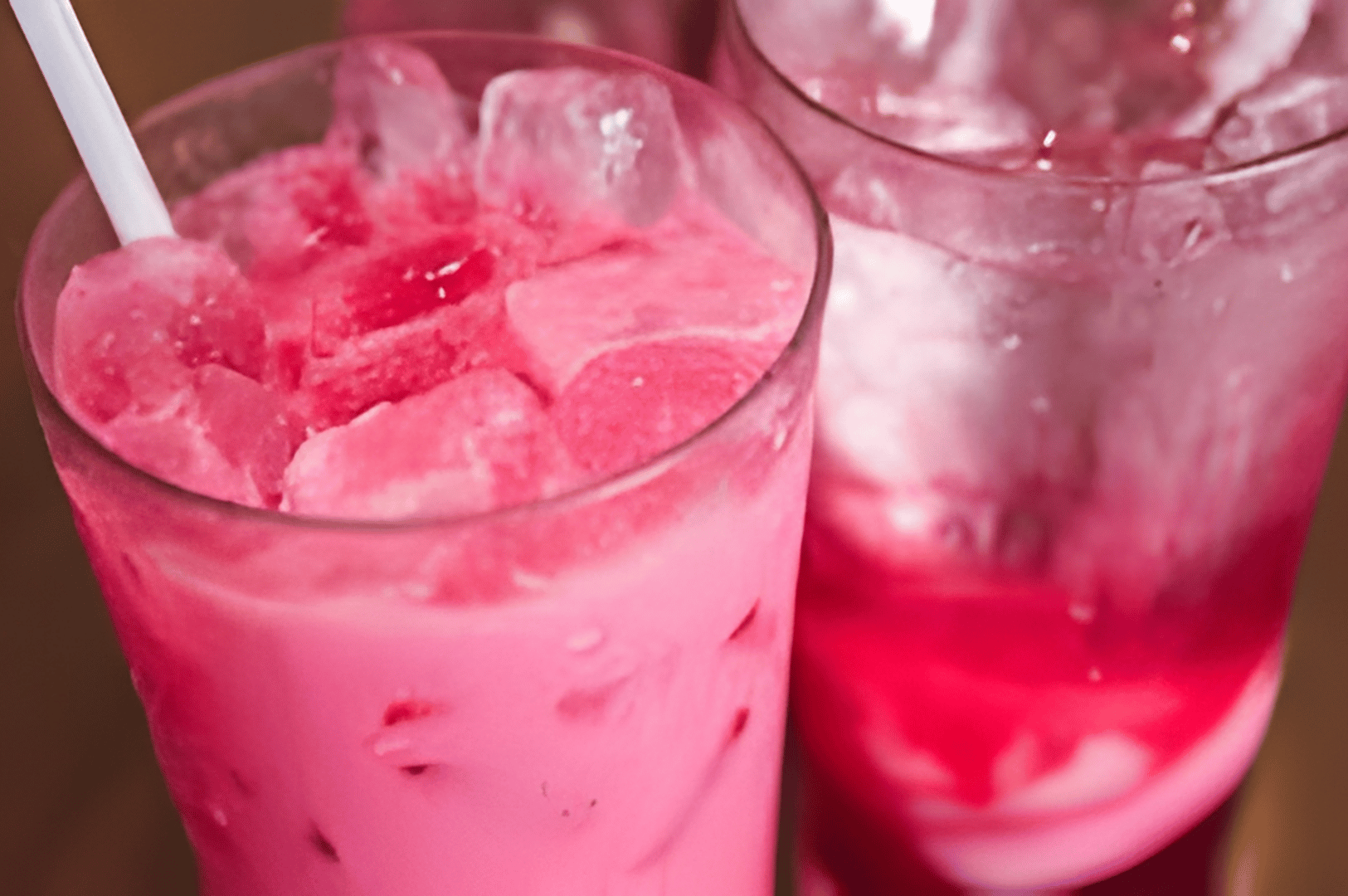
Prep Time: 2 min | Nutrition Serving: approx. 150 calories
Servings: 1 tall glass
Ingredients
- 3 tbsp rose syrup/rose milk syrup
- ½ cup chilled evaporated milk or substitute (oat milk, almond milk)
- 2 tbsp sweetened condensed milk (optional)
- Ice cubes (enough to fill the glass)
- ½ cup cold water or milk
- (Optional) grass jelly, rose essence, lime juice
Instructions
- Add ice cubes to serving glass.
- Pour in rose syrup, adding condensed milk for extra cream.
- Add chosen milk and water. Stir until well mixed and rosy.
- Top with grass jelly or garnish as desired.
- Enjoy immediately for a super chilled, delicious drink!
A Toast to Bandung: Singapore’s Iconic Rose Milk Drink
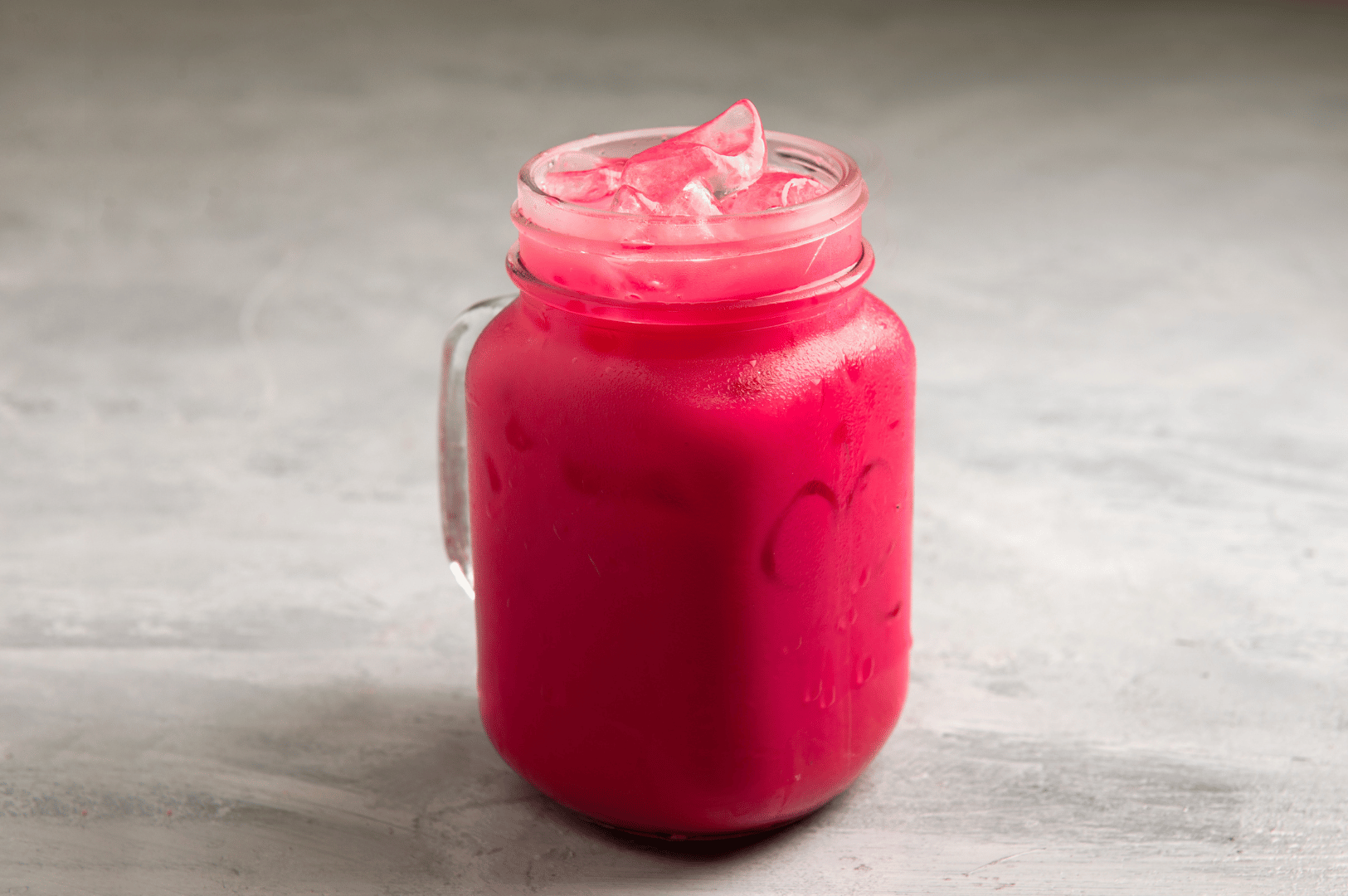
From its humble beginnings as a refreshing hot weather treat to its esteemed role in modern Singapore food culture, Bandung encapsulates the multicultural, creative, and ever-evolving nature of the region’s beverages. Its blend of milk, rose syrup, ice cubes, and creativity has become synonymous with celebration, hospitality, and family.
So, the next time you’re at a hawker centre or looking to try something new at home, whip up this easy recipe. Pour it into a tall glass, add ice, and savor the uniquely floral, sweet, and cooling rose syrup drink. Travel to Singapore through its flavors, and comment something if you’ve tried this recipe or found your own delicious twist. Cheers to Bandung—the beautiful, iconic rose milk drink loved by all!
And if you’re feeling adventurous, why not continue your flavor journey with Butterfly Tea: Thailand's Magical Color-Changing Drink? It's another visually stunning, floral delight that’ll transport your taste buds to another corner of Southeast Asia. Perfect for those who love a bit of magic in their beverages!
Explore more captivating culinary stories and regional delights at Eat Drink Asia — your ultimate guide to Asia’s most vibrant flavors, drinks, and dining experiences.

A Food Lover’s Guide to the Taiwanese Oyster Omelet
Eat Drink Asia Team | November 4, 2025
As twilight descends upon Taipei City, a vibrant energy pulses through its streets. This is the hour of the night markets, bustling hubs of community, commerce, and some of the world’s most incredible street food. Amidst the steam from soup dumplings and the sizzle of Taiwanese fried chicken, one iconic dish reigns supreme: the Taiwanese…
-
Jamu: Indonesian Herbal Medicine for Modern Well-Being
Dio Asahi | November 1, 2025
Across the Indonesian archipelago, a vibrant tradition of herbal healing has flourished for centuries. This is jamu, a cornerstone of Indonesian cultural heritage and a sophisticated system of traditional herbal medicine. Far more than just a refreshing drink, jamu represents a philosophy of balance, a deep connection to nature, and a form of indigenous medicine…
-
Padang Beef Rendang: The Complex Process Behind Indonesia’s Most Famous Dish
Eda Wong | October 30, 2025
This post may contain affiliate links. For full transparency, this article may contain affiliate links. To call Padang beef rendang simply a dish is to miss the soul of Indonesian cuisine. This legendary slow-cooked dry curry, a centerpiece of both festive tables and humble meals, has earned its fame as one of the world’s most…
-
Teh Tarik Malaysia: The Art and Science Behind Iconic Pulled Tea
Eat Drink Asia Team | October 28, 2025
In Malaysia, ordering a cup of teh tarik is about so much more than just enjoying a hot drink. Teh tarik, literally translated as “pulled tea,” is Malaysia’s national beverage, famous for its sweet, creamy taste, frothy top, and the spectacular pulling technique seen in bustling mamak stalls and coffee shops across the country. A…
-
The Legendary Penang Char Kway Teow: A Culinary Journey
Dio Asahi | October 25, 2025
The air in Penang is thick with anticipation, carrying the sounds and smells of Malaysian street food being crafted with expert care. Your attention is captured by one of the many street vendors, a master standing before a seasoned wok glowing over an intense fire. The rhythmic clanging of metal on metal is the soundtrack…
-
Traditional Korean Sikhye: Sweet Rice Punch Through the Seasons
Eda Wong | October 23, 2025
In the vibrant world of Korean food, beyond the fiery spice of gochujang and the savoury comfort of bulgogi, lies a gentler, more subtle delight. Meet traditional Korean sikhye (식혜), a beloved Korean sweet rice punch that holds a special place in the nation’s heart. With its cloudy, amber hue and delicate sweetness, this drink…
-
Authentic Jeonju Bibimbap: Why Korea’s Culinary Capital Makes It Best
Eat Drink Asia Team | October 21, 2025
Picture this: A steaming Korean rice bowl is placed before you in Jeonju, South Korea. Vibrant arcs of seasoned bean sprouts, glossy strips of Korean beef, a golden runny yolk resting atop perfectly cooked mixed rice, and a dollop of rich red bibimbap sauce invite you to mix it all together. As you stir, the…
-
Communal Dining Traditions in Asia: Shared Meals, Lasting Bonds, and Cultural Heritage
Dio Asahi | October 18, 2025
Imagine a dining table crowded with large platters of steaming food, the smell of spices in the air, small bowls arranged neatly around the shared table, and laughter echoing across the room. Across Asia, dining tables play a central role in communal dining traditions, serving as the focal point for etiquette, social interaction, and the…
-
Century-Old Dumpling Techniques: Ancient Wisdom in Modern Kitchens
Eda Wong | October 16, 2025
Her hands move in a blur, a dance of muscle memory refined over sixty years. In a small, steam-filled kitchen in Shanghai, an elderly woman transforms a humble circle of dumpling dough into a perfect, 20-pleat xiao long bao. Each pinch and fold is a syllable in a story passed down through generations-prime examples of…
-
Ca Phe Sua Da: The Cultural Phenomenon of Authentic Vietnamese Coffee
Eat Drink Asia Team | October 14, 2025
The dawn breaks over Hanoi, and the city awakens not to alarm clocks but to the clatter of tiny spoons and the metallic click of filters. The air fills with the dark, roasted aroma of authentic Vietnamese coffee drifting from bustling corners and sidewalk stalls. They are not rushing. Instead, they are waiting-waiting for the…