The mist in Benguet settles low over the pine-studded ridges, carrying the sharp, woody scent of a wood fire. In a quiet backyard in La Trinidad, a small gathering watches as a live chicken is prepared for the pot. The rhythm of a short, thick stick striking the bird’s wings and neck echoes softly, a rhythmic thwack, thwack that feels unsettling to an outsider, yet intensely purposeful to those standing around the hearth. Smoke billows from the charred logs, stinging the eyes, while the mountain air bites at our collars. This is the prelude to a meal that demands you look at exactly where your food comes from, stripping away the sterile convenience of a supermarket aisle.
This is pinikpikan (pronounced pee-nik-pee-kan), the signature chicken soup of the Cordillera mountains in the northern Philippines. At its core, it is a broth made from a chicken that has been lightly beaten with a stick before being butchered. The striking causes blood to coagulate just beneath the skin, tenderising the meat and giving it a distinct, dark bruising that enriches the final soup. After the bird is prepared, its feathers are burned off over an open flame, lending the skin a smoky, charred flavour. It is then boiled slowly in a soot-stained pot with chunks of etag, a salt-cured, air-dried pork that acts as the broth’s salty, umami-laden spine. No elaborate spices are added; the flavour relies entirely on the quality of the meat, the wood smoke, and the slow, rolling boil.
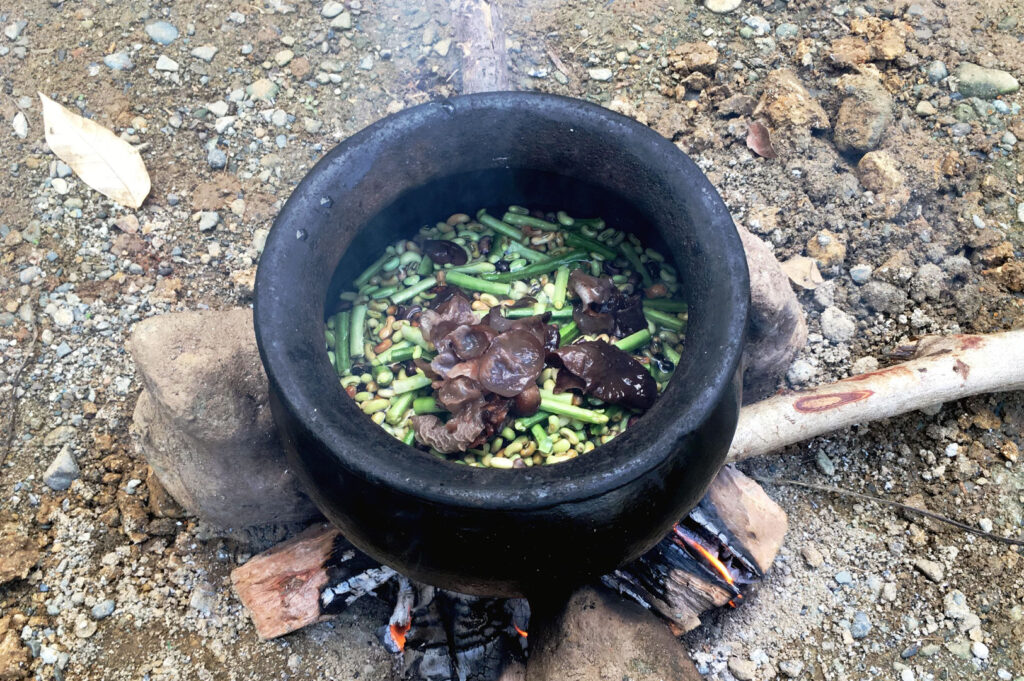
For the Igorot people, pinikpikan is far more than a recipe; it is a vessel for communal care and spiritual consultation. Historically, the ritual of reading the chicken’s bile sac or liver before cooking dictated the timing of harvests, marriages, or travels. Today, even when stripped of formal divination, the act of making the broth remains an exercise in gathering. It signals a homecoming, a celebration, or an offering of comfort to a grieving neighbour. The soup is served in deep bowls, passed from hand to hand around a fire. It is a shared experience that reinforces social bonds, demanding that the community pause, gather the necessary firewood, and participate in the heavy, necessary work of feeding one another.
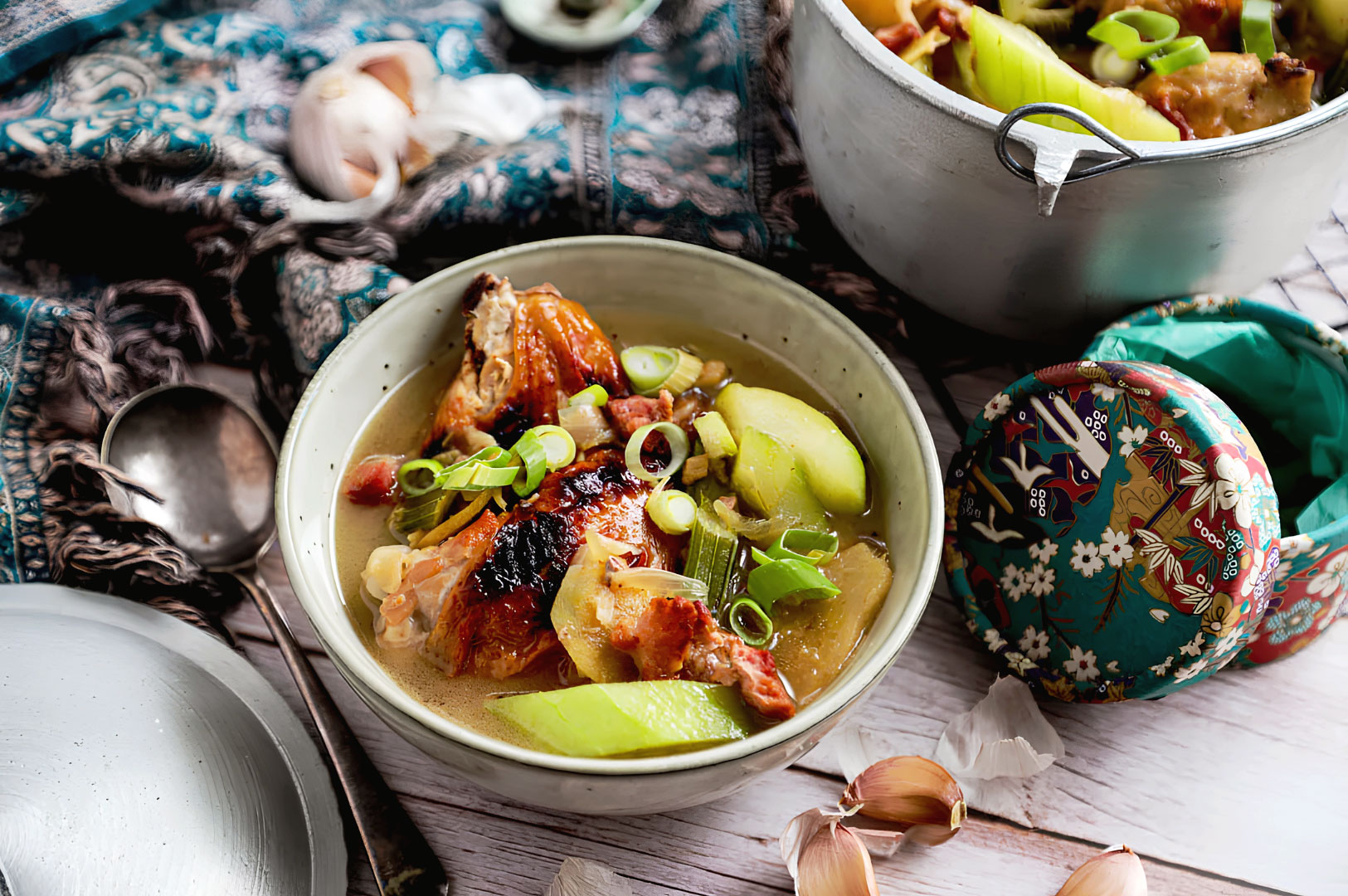
In an era where urban diners increasingly crave authentic, global culinary influences, pinikpikan presents a profound tension between aesthetic appetite and ethical reality. As with so much of what we explore at Eat Drink Asia, the dish asks us to look past trends and sit with the realities that make a tradition meaningful.
Modern food culture champions nose-to-tail eating, yet often recoils at the visceral reality of traditional butchery. This mountain broth challenges the sanitised, plastic-wrapped detachment of city dining. It forces a confrontation with the sacrifice required for sustenance. To eat this dish is to acknowledge the animal’s life, the specific hands that prepared it, and the deep cultural significance embedded in the preparation. It is a brilliant, uncompromising celebration of flavours born from necessity and respect, rather than industrial efficiency.
Holding a warm bowl of the dark, smoky broth, the cold mountain wind feels suddenly manageable. The soup tastes of salt, pine smoke, and survival. It is a quiet reminder that the most sustaining meals are rarely the easiest to witness, but they are often the most honest.

Noodle Masterpieces: Celebrating the Craft
Eat Drink Asia Team | April 24, 2026
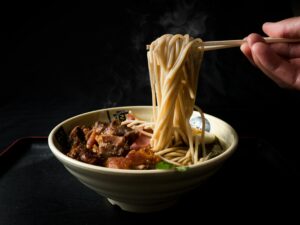
Noodles have a timeless place in the world of food, and Taste Our Traditions can attest that only few dishes are as universally loved. What makes a bowl of noodles truly stand out is not just the ingredients, but the artistry and skill behind their creation. Noodle-making is an ancient craft that demands patience, precision,…

Charcoal Smoke and Yakitori Evenings in Osaka
Eda Wong | April 24, 2026
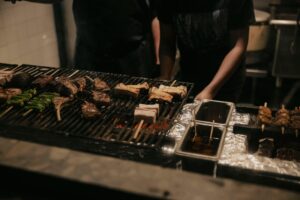
The first thing I noticed was the smoke. It didn’t rise all at once, but in thin, steady ribbons that curled upward from a narrow grill set just inches from the counter. The scent came first, warm and unmistakable, a mix of rendered chicken fat and binchōtan charcoal, clean but deeply present. Inside the small…
-
Cracking the Code of Telur Thai: Inside Egg Thai West Mall, a Kitchen That Tells a Story
Dio Asahi | April 23, 2026
I visited on a Tuesday around 7pm, completely exhausted from a long day of meetings and staring at screens. I wasn’t looking for a fancy culinary journey or a trend-setting dining experience. Honestly, I just wanted a quick, comforting meal that would hit the spot without emptying my wallet. That specific craving led me to…

Sanook Kitchen’s Thai Omelette Rice: A Heartland Answer to Singapore’s Thai Food Saturation
Eda Wong | April 21, 2026
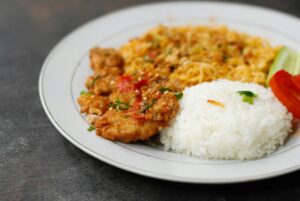
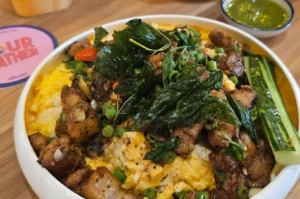
If you live in Singapore, you know that finding Thai food is about as difficult as finding a humid day. We are spoiled for choice. From gritty hawker stalls serving fiery basil pork to upscale restaurants where a bowl of tom yum costs more than a taxi ride, the options are endless. But sometimes, you…
-
The Golden Fold: How Thailand’s Street-Side Omelette Became a Morning Ritual
Dio Asahi | April 18, 2026
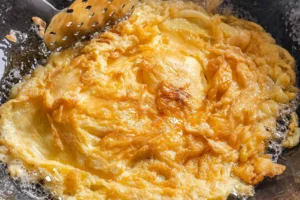
Dawn breaks over Bangkok with a familiar symphony. Before the intense heat settles and the traffic swells into a steady roar, the city streets belong to the food vendors. Amid the clatter of metal tools and the hum of early commuters, one sound stands out: the furious, bubbling sizzle of eggs hitting smoking-hot oil. This…

Lesson I Didn’t Expect: How Fourgather’s Easy Asian Recipes Taught Me to Cook at Home
Eda Wong | April 16, 2026
For the longest time, I was convinced that cooking authentic Thai food at home was out of my league. I imagined complex pastes, hours of simmering, and a mountain of ingredients I couldn’t pronounce. I was happy to leave it to the experts. But a casual dinner at Fourgather, a stylish Thai eatery in Telok…
-
Between Aesthetic and Appetite: The Modern Food Blogger’s Dilemma
Eda Wong | April 15, 2026
In our first, would probably say, emotional editorial, I would like to open with how there is a particular kind of silence that happens before a dish is eaten now. Not the quiet of anticipation, but the pause of positioning, a hand hovering just above the plate, adjusting the angle of a bowl so the…
-
Chasing Flavor: How Fook Kin Taught Us to Cook Asian Cuisine Recipes the Right Way
Eat Drink Asia Team | April 14, 2026
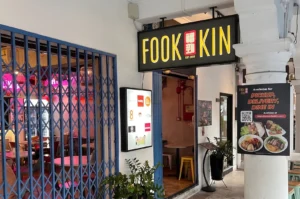
For years, we told ourselves that truly great Asian cooking was a mystical art form, a craft reserved for seasoned hawker uncles or Michelin-starred chefs with decades of experience. Our own attempts at home often felt like pale imitations, lacking that deep, smoky flavour or that perfect textural contrast we craved. Then, we had dinner…
-
Connecting Generations: How Asiatic Food Builds Family Bonds Across Time
Dio Asahi | April 11, 2026
Whenever I smell toasted sesame oil hitting a hot wok, I am instantly transported back to a tiny, bustling kitchen from my childhood. The air would be thick with the aroma of ginger, garlic, and slow-simmering soy sauce. Before a single word was spoken, the meal was already telling a story. For many of us,…
-
A Comprehensive Resource for Oriental Foods Recipes for the Modern Home Cook
Eda Wong | April 10, 2026
For years, I thought cooking Asian food at home required something mystical. My stir-fries were soggy, lacking that smoky breath of the wok. My fried rice was inconsistent, sometimes clumpy, other times dry. My sauces tasted flat, missing the balance of savory, sweet, and tangy flavors I craved. I assumed restaurants had secrets I’d never…