The mist in Benguet settles low over the pine-studded ridges, carrying the sharp, woody scent of a wood fire. In a quiet backyard in La Trinidad, a small gathering watches as a live chicken is prepared for the pot. The rhythm of a short, thick stick striking the bird’s wings and neck echoes softly, a rhythmic thwack, thwack that feels unsettling to an outsider, yet intensely purposeful to those standing around the hearth. Smoke billows from the charred logs, stinging the eyes, while the mountain air bites at our collars. This is the prelude to a meal that demands you look at exactly where your food comes from, stripping away the sterile convenience of a supermarket aisle.
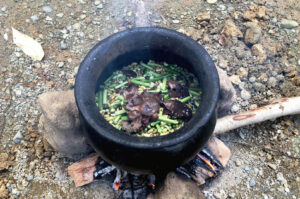
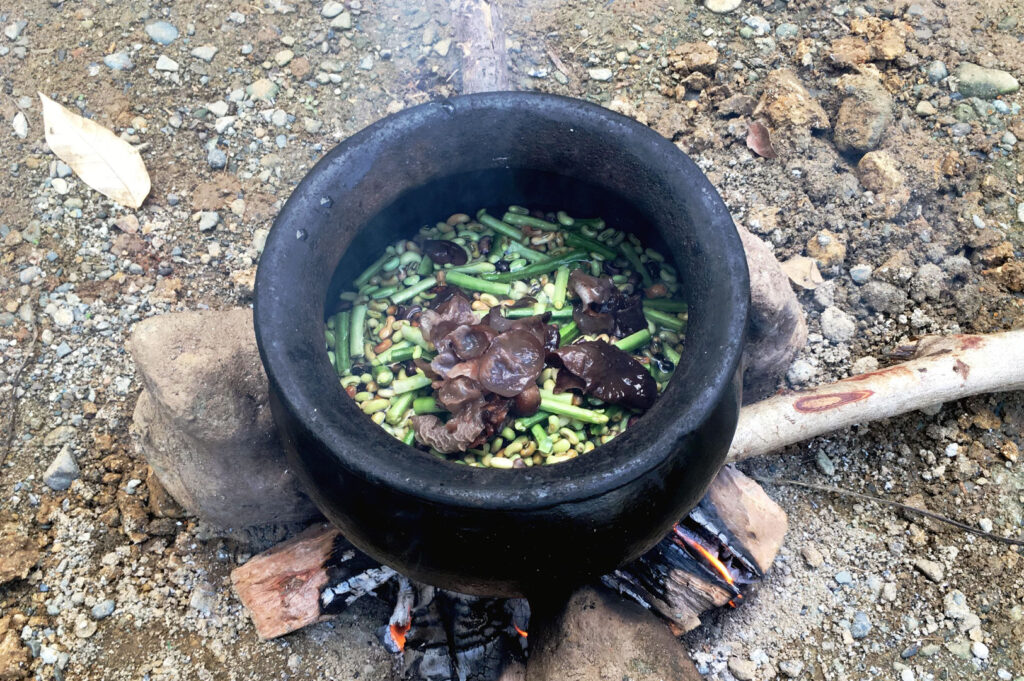
This is pinikpikan (pronounced pee-nik-pee-kan), the signature chicken soup of the Cordillera mountains in the northern Philippines. At its core, it is a broth made from a chicken that has been lightly beaten with a stick before being butchered. The striking causes blood to coagulate just beneath the skin, tenderising the meat and giving it a distinct, dark bruising that enriches the final soup. After the bird is prepared, its feathers are burned off over an open flame, lending the skin a smoky, charred flavour. It is then boiled slowly in a soot-stained pot with chunks of etag, a salt-cured, air-dried pork that acts as the broth’s salty, umami-laden spine. No elaborate spices are added; the flavour relies entirely on the quality of the meat, the wood smoke, and the slow, rolling boil.
For the Igorot people, pinikpikan is far more than a recipe; it is a vessel for communal care and spiritual consultation. Historically, the ritual of reading the chicken’s bile sac or liver before cooking dictated the timing of harvests, marriages, or travels. Today, even when stripped of formal divination, the act of making the broth remains an exercise in gathering. It signals a homecoming, a celebration, or an offering of comfort to a grieving neighbour. The soup is served in deep bowls, passed from hand to hand around a fire. It is a shared experience that reinforces social bonds, demanding that the community pause, gather the necessary firewood, and participate in the heavy, necessary work of feeding one another.
In an era where urban diners increasingly crave authentic, global culinary influences, pinikpikan presents a profound tension between aesthetic appetite and ethical reality. As with so much of what we explore at Eat Drink Asia, the dish asks us to look past trends and sit with the realities that make a tradition meaningful.
Modern food culture champions nose-to-tail eating, yet often recoils at the visceral reality of traditional butchery. This mountain broth challenges the sanitised, plastic-wrapped detachment of city dining. It forces a confrontation with the sacrifice required for sustenance. To eat this dish is to acknowledge the animal’s life, the specific hands that prepared it, and the deep cultural significance embedded in the preparation. It is a brilliant, uncompromising celebration of flavours born from necessity and respect, rather than industrial efficiency.
Holding a warm bowl of the dark, smoky broth, the cold mountain wind feels suddenly manageable. The soup tastes of salt, pine smoke, and survival. It is a quiet reminder that the most sustaining meals are rarely the easiest to witness, but they are often the most honest.

The Clay Pot Rice Crust That Hong Kong Cooks Wait For
Eda Wong | May 29, 2026
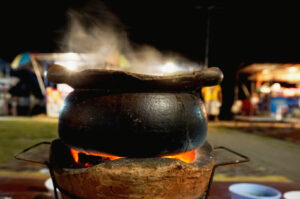
The December wind cuts sharply through the narrow alleys of Temple Street, but the ambient heat from the glowing charcoal stoves pushes the chill away. A cook stands before a long row of blackened clay pots, working with a rhythmic, almost meditative focus. Plumes of white steam rise into the night air, carrying the heavy,…
-
The Velvet Logic Behind a Chinese Eggplant Recipe: When ‘Eggplant Recipes Asian’ Means Silk
Eda Wong | May 28, 2026
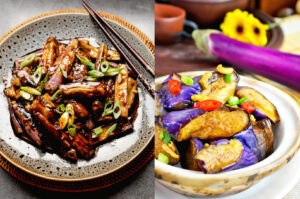
I vividly remember standing over my stove a few years ago, staring into a wok full of what can only be described as a greasy, grey disaster. When I first tried this dish at home, I assumed that tossing chopped eggplant into a hot pan with a generous glug of cooking oil would naturally yield…
-
Cambodia’s Prahok Pots and the Ferment Beneath the Meal
Dio Asahi | May 27, 2026
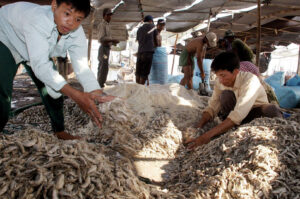
The afternoon heat in the outskirts of Phnom Penh settles like a thick blanket over the wooden stilt houses. Underneath the corrugated tin roof of an open-air kitchen, the air carries a heavy, sharp scent that instantly commands attention, a deeply pungent, earthen aroma of crushed fish and salt. An elderly woman sits on a…
-
Heat Has a Shape: Reading the Samyang Spicy Level Like a Flavour Map, Not a Dare
Eat Drink Asia Team | May 26, 2026
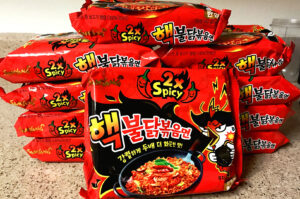
When we first tried the notorious Samyang 2x Spicy Buldak noodles, we treated it exactly how the internet told us to: like a dare. We boiled the noodles, poured in every last drop of the blood-red sauce, and braced ourselves. Within three bites, our palates were completely blown out. We could not taste the savoury…
-
313 Somerset Food Crawl: Spots That Turn ‘Quick Shopping Lunch’ Into a Full Day Plan
Eda Wong | May 23, 2026
Over the past three months, I have spent countless weekends navigating the energetic crowds of Orchard Road, determined to map out the ultimate dining itinerary. I must have visited over twenty different eateries in the area, hunting for those brilliant culinary experiences that elevate a standard shopping trip into a true celebration of flavours. Finding…
-
Benguet’s Pinikpikan and the Ethics of Mountain Broth
Eda Wong | May 22, 2026
The mist in Benguet settles low over the pine-studded ridges, carrying the sharp, woody scent of a wood fire. In a quiet backyard in La Trinidad, a small gathering watches as a live chicken is prepared for the pot. The rhythm of a short, thick stick striking the bird’s wings and neck echoes softly, a…
-
The Quiet Trick Behind Loud Noodles: A Samyang Instant Noodle Recipe Built on Emulsion
Eda Wong | May 21, 2026
When I first tried making Samyang Buldak noodles at home, I expected the fiery heat but was surprised by the watery, separated red oil at the bottom of my bowl. I had boiled the noodles, drained them, and dumped the flavor packets on top, ending with a dry, clumpy mess that burned my throat without…
-
Taiwan’s Iron Egg and the Patience of Soy-Braised Time
Dio Asahi | May 20, 2026
The wind coming off the Tamsui River carries a sharp, saline chill, but the narrow lanes bordering the waterfront offer a different atmosphere entirely. Here, the air is thick with the heavy, sweet-savoury aroma of star anise, cassia bark, and boiling soy sauce. Behind a modest storefront, dark liquid bubbles in massive, dented metal vats….

Not Just ‘Fresh Fish’: The Best Omakase Singapore Has for Storytelling Courses & Seasonal Bites
Eat Drink Asia Team | May 19, 2026
May 19, 2026 | Eat Drink Asia Team | Last Updated September 29, 2026 When you sit at an omakase counter, you’re paying for a culinary journey. A memorable omakase is more than fresh fish; it’s a delicate celebration of flavors. The best chefs act as storytellers, sequencing each bite to build anticipation and contrast, guiding…
-
Indonesian Traditional Food at Warong Nasi Pariaman: A Plate That Doesn’t Explain Itself—It Proves It
Dio Asahi | May 16, 2026
It’s always a little heartbreaking when a true culinary landmark decides to close its doors. Warong Nasi Pariaman, the iconic nasi padang spot at 738 North Bridge Road, served its final plates in January 2026. For decades, it stood as a testament to heritage, feeding generations of Singaporeans and becoming an essential part of the…