April 25, 2026 | Eat Drink Asia Team Last updated: October 15, 2026
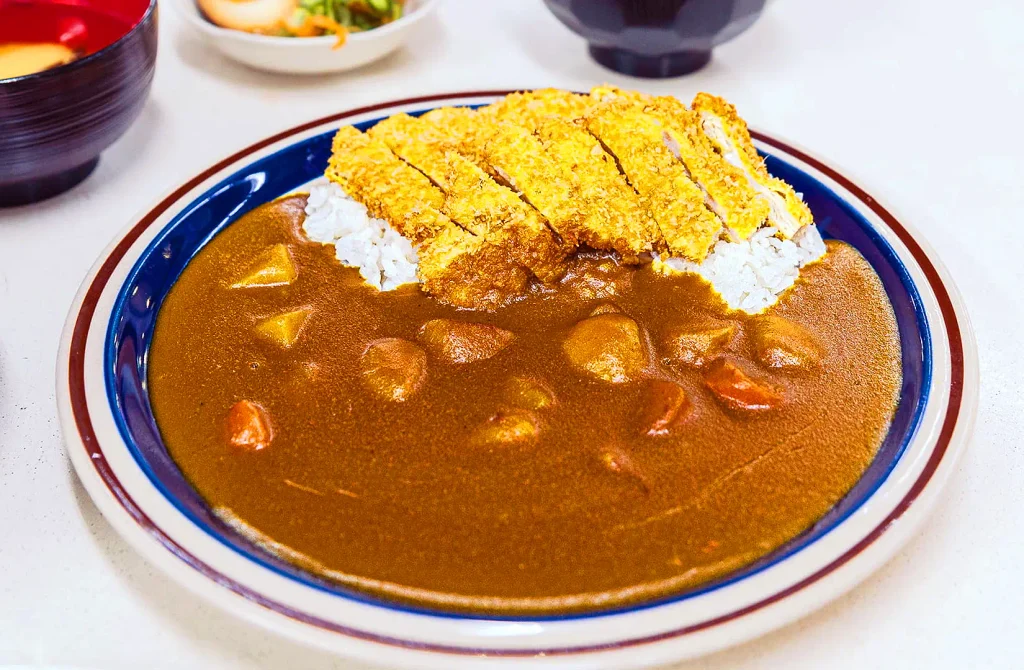
We have always believed that a brilliant plate of Japanese curry is the ultimate culinary hug. Over the past eight months, we made it our personal mission to embark on a comprehensive curry journey across Singapore, hunting down the best Japanese curry Singapore spots for thick sauce, soft Japanese rice, crispy katsu, and bowls that feel ready for lunch, dinner, or a rainy day craving.
In our experience, great Japanese curry is not just about dropping a pre-made block of roux into boiling water. It is about flavour, texture, patience, and balance: onions cooked down for sweetness, garlic and ginger adding warmth, spices building depth, vegetables giving body, and rice catching every spoonful of sauce. Whether you love chicken katsu, pork katsu, curry rice, or a broth-led bowl that shifts the category completely, these are the Japanese curry dishes worth knowing.
This culinary journey takes you on a definitive list of the best Japanese curry spots in Singapore. Who knows, this adventure might even lead you to izakaya Singapore beyond dinner.
For now, let’s dive into the ultimate selection of the best Japanese curry places in Singapore.
| Venue | Best for |
|---|---|
| Soup Curry by Ki-setsu | A regional Japanese curry style beyond thick roux |
| Maruhachi Donburi & Curry | Affordable Japanese curry rice |
| Japan Rail Cafe | A calmer curry meal with Japan travel context |
| Maji Curry | Rich Tokyo-style curry sauce |
| Monster Curry | Big portions and sharing |
| CoCo Ichibanya | Customisable curry rice |
1. Soup Curry by Ki-setsu: Hokkaido Japanese Curry Beyond the Usual Roux
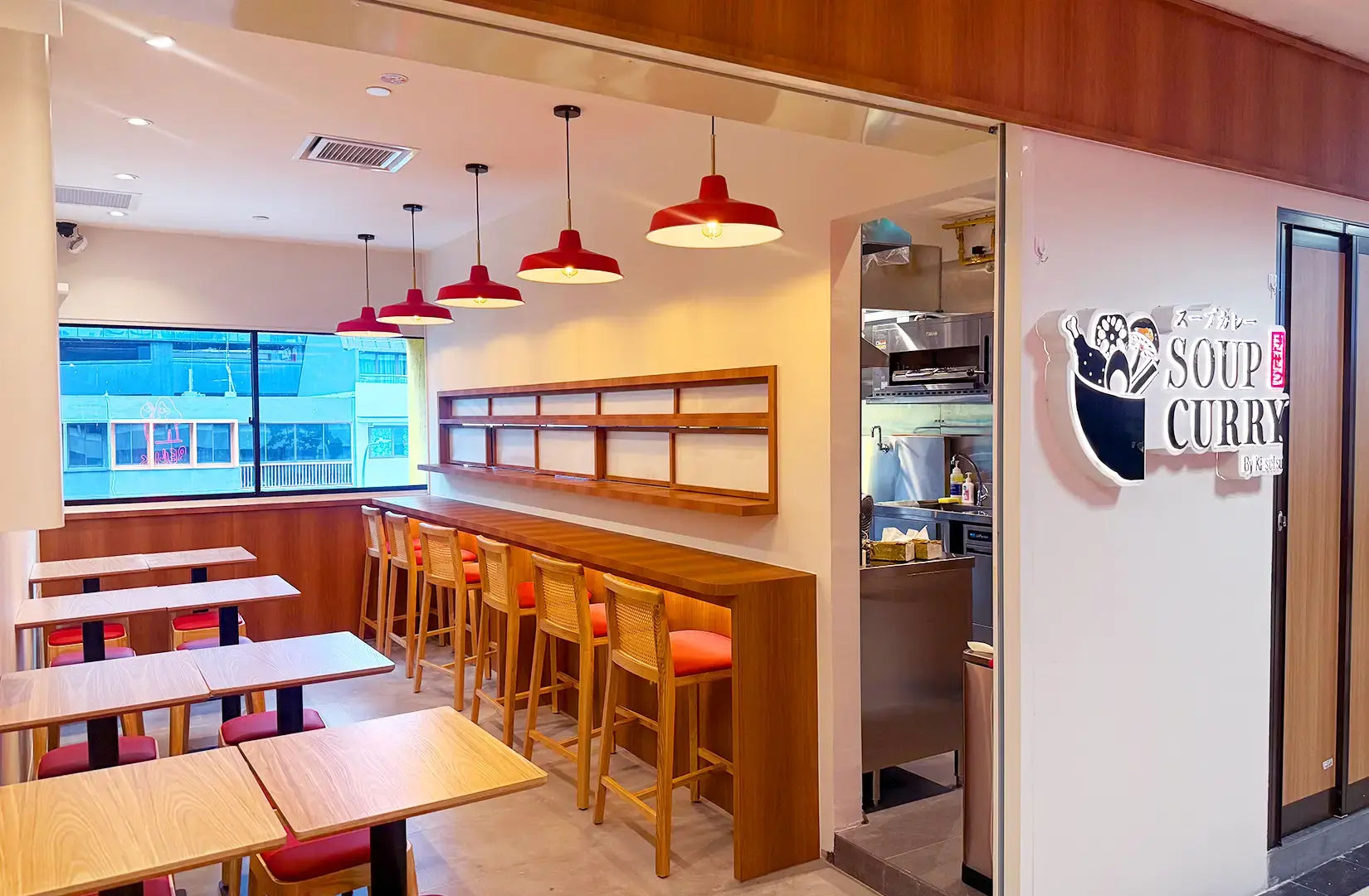
Nearest MRT: Bencoolen MRT, about 3 minutes’ walk
Price: S$14.80 per main bowl, with free-flow rice
Most Japanese curry rice begins with the familiar comfort of rice and thick brown sauce. Soup Curry by Ki-setsu changes that relationship completely.
Now serving at Fortune Centre Level 4, Soup Curry by Ki-setsu brings a more broth-led side of Japanese curry to Singapore. Located at Fortune Centre, 190 Middle Road, #04-13, Singapore 188979, it positions itself as Singapore’s only dedicated traditional Hokkaido-style soup curry concept, which already makes it stand apart from the usual katsu curry and roux-heavy plates.
What Makes It Different
This is Hokkaido soup curry, the style closely associated with Sapporo. The rice does not sit under the curry. It arrives separately, either as steamed white rice or multigrain brown rice, while the main ingredients sit inside a clear, aromatic curry broth.
The broth is the centre of the bowl. Soup Curry by Ki-setsu uses a chicken-bone broth simmered for more than six hours with zero added MSG, creating something savoury, aromatic, and drinkable by the spoonful. It is not ordinary curry diluted with stock. Once the thick roux disappears, the broth has to carry the spice, sweetness, and depth on its own.
What to Order
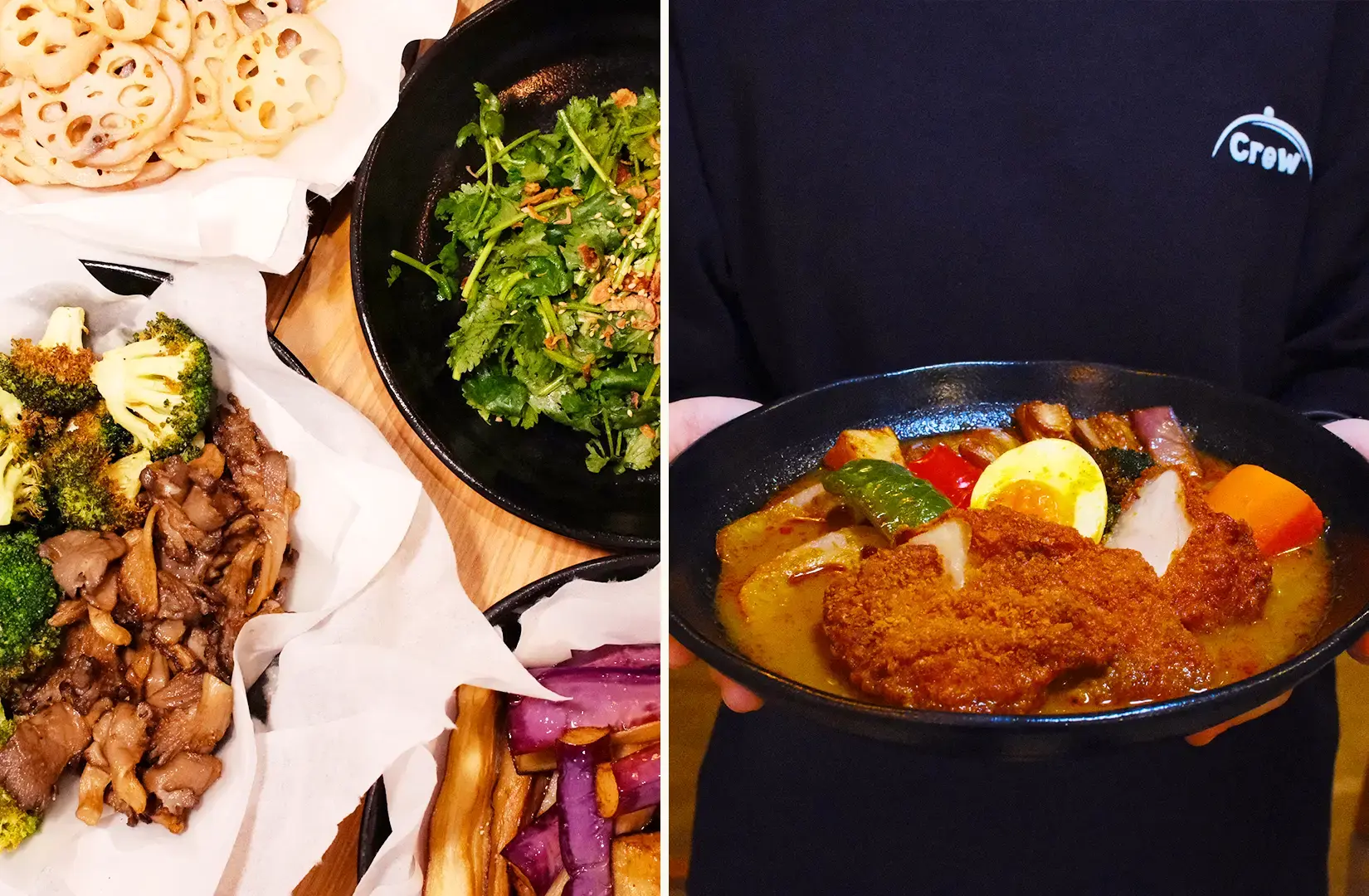
The Chicken Curry Bowl is the more substantial option. It comes with a large chicken drumstick simmered for more than five hours until it turns fall-off-the-bone tender, plus approximately six varieties of vegetables and a half ramen egg. The chicken pulls apart easily before soaking up the warm curry broth, while the rice gives each spoonful something familiar to return to. Eat it by alternating between broth and rice, or drizzle the curry over the rice if you want a more direct curry order.
The Vegetable Curry Bowl is the better choice if you want to understand the kitchen’s textural range. It comes with approximately nine varieties of vegetables, a half ramen egg, curry broth, and rice. Many vegetables are prepared using the Japanese su-age technique, where ingredients are fried directly without batter. That helps create contrast: eggplant turns soft enough to drink in the broth, lotus root keeps its bite, and root vegetables add filling weight to the bowl.
Follow their Instagram for more update: https://www.instagram.com/soupcurry.bykisetsu/
Eat Drink Asia’s pick for: Curry lovers who want to understand a regional Japanese curry style beyond thick roux.
Give this a pass if: Your idea of comfort begins and ends with crispy pork cutlet under thick curry sauce.
Insider’s tip: Start with the normal spice level and alternate between spoonfuls of broth and rice before deciding whether you want more heat next time.
2. Maruhachi Donburi & Curry: Japanese Curry Rice from the Coffee Shops
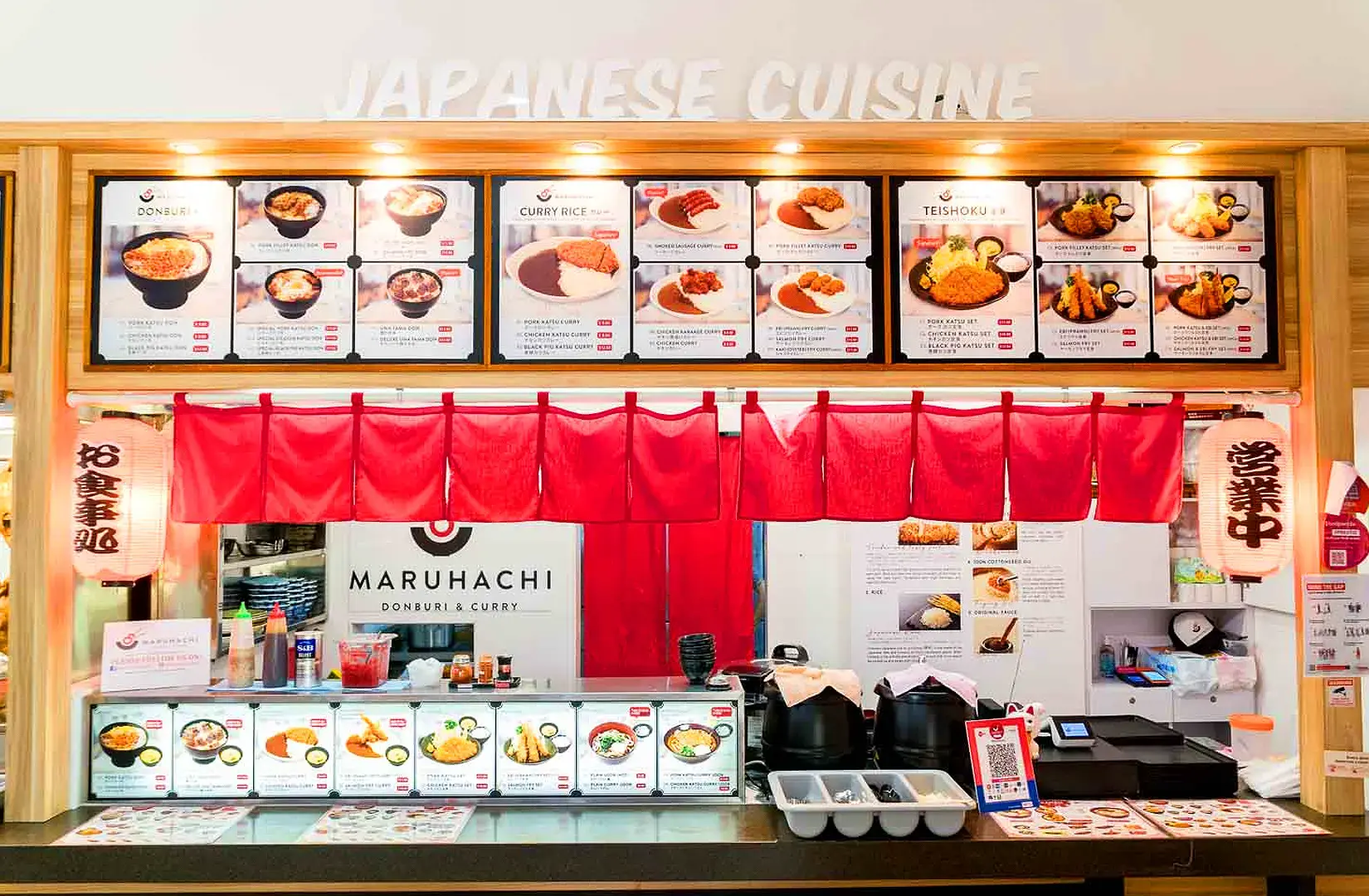
Nearest MRT: Varies by outlet
Price: Around S$12–S$16+ depending on outlet and dish
For an affordable Japanese curry rice spot, Maruhachi Donburi & Curry is one of Singapore’s most practical choices. Found in neighbourhood coffee shops and casual food courts, it delivers hearty curry without restaurant-level pricing. The appeal is direct: crisp katsu, fluffy rice, and enough thick curry sauce to make the plate feel complete.
This is not fine dining pretending to be casual. Maruhachi’s strength is accessibility, especially for diners who want a satisfying meal without needing to book ahead or wait for a restaurant table. It works best as an everyday curry rice stop rather than a destination built around ceremony.
What Makes It Different
Maruhachi shows that a good Japanese curry plate does not need a polished dining room to work. The tonkatsu cutlet is coated in Japanese breadcrumbs and fried until crisp, giving the dish the snap and crunch that curry rice needs. Once the thick, savoury sauce touches the cutlet, the contrast becomes the point.
The curry itself is not as layered or intense as the more specialised shops on this list. But it delivers where it matters: portion, value, and consistency. For a coffee-shop setting, that balance makes Maruhachi one of the easier recommendations for budget-conscious curry cravings.
What to Order
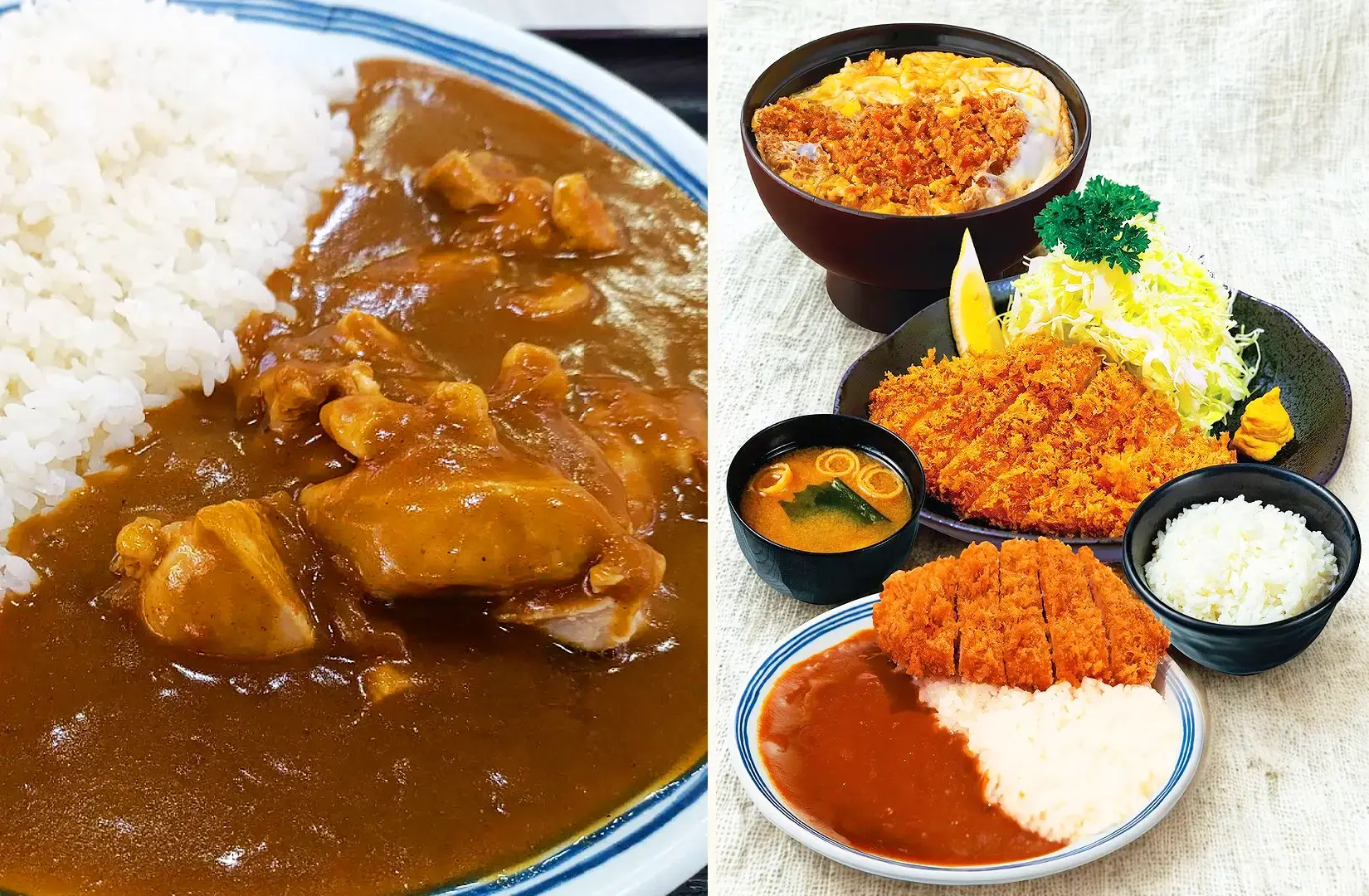
The Pork Katsu Curry Rice is the benchmark order. The cutlet brings a clean crunch, while the pork stays tender enough for a satisfying everyday meal. The curry coats the rice and cutlet without making the whole plate collapse into softness. It is simple, filling, and exactly the kind of food you want when comfort matters more than novelty.
The Seafood Curry is worth considering when you want something lighter than pork katsu. It gives the same curry-rice comfort but shifts the meal away from fried pork richness. That makes it a useful second option for diners who want sauce, rice, and a gentler curry order, but not the full weight of a breaded cutlet.
Eat Drink Asia’s pick for: Budget-conscious diners who want solid Japanese curry without fuss.
Give this a pass if: You want premium pork cuts, layered spice complexity, or a dedicated restaurant setting.
Insider’s tip: Try the pork katsu curry first; the simplest plate is still the clearest way to judge Maruhachi.
3. Japan Rail Cafe: Japanese Curry Rice with a Travel Story
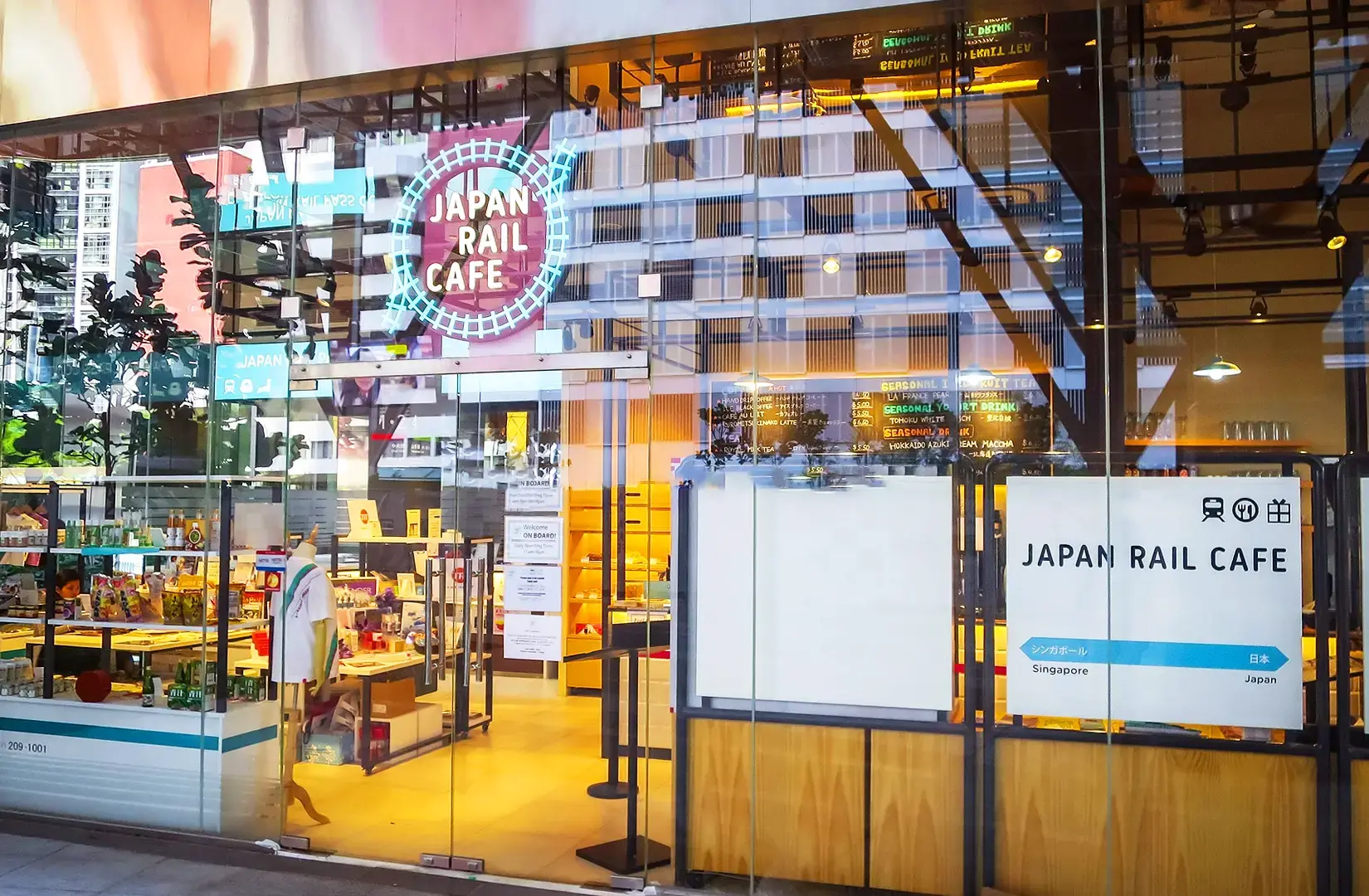
Nearest MRT: Tanjong Pagar MRT, about 5 minutes’ walk
Price: S$14 to S$22
Japan Rail Cafe is more than a simple Japanese restaurant. Operated by the East Japan Railway Company, or JR East, it works as both a dining space and a cultural stop for travellers interested in Japan. That gives the curry here a different setting from the usual quick lunch counter.
The room is calmer than most curry chains, and the food fits that mood. This is not the boldest curry in Singapore, but it works when you want a satisfying meal with travel context, quiet seating, and a softer introduction to Japanese cuisine. It feels less like a curry sprint and more like a pause between itinerary ideas.
What Makes It Different
The café’s identity gives it a cultural angle that most curry shops do not have. It is partly a restaurant, partly a Japan travel touchpoint, and that makes the meal feel connected to a broader idea of regional Japanese food. The curry here does not chase the loudest spice or the most monstrous portion.
Its Watashino Curry Rice is a black pepper-based curry with warm spice and gentle depth. Compared with richer or darker curry styles, it feels smooth, mild, and more approachable. That makes Japan Rail Cafe useful for diners who want Japanese curry without the heaviness of a giant katsu plate.
What to Order
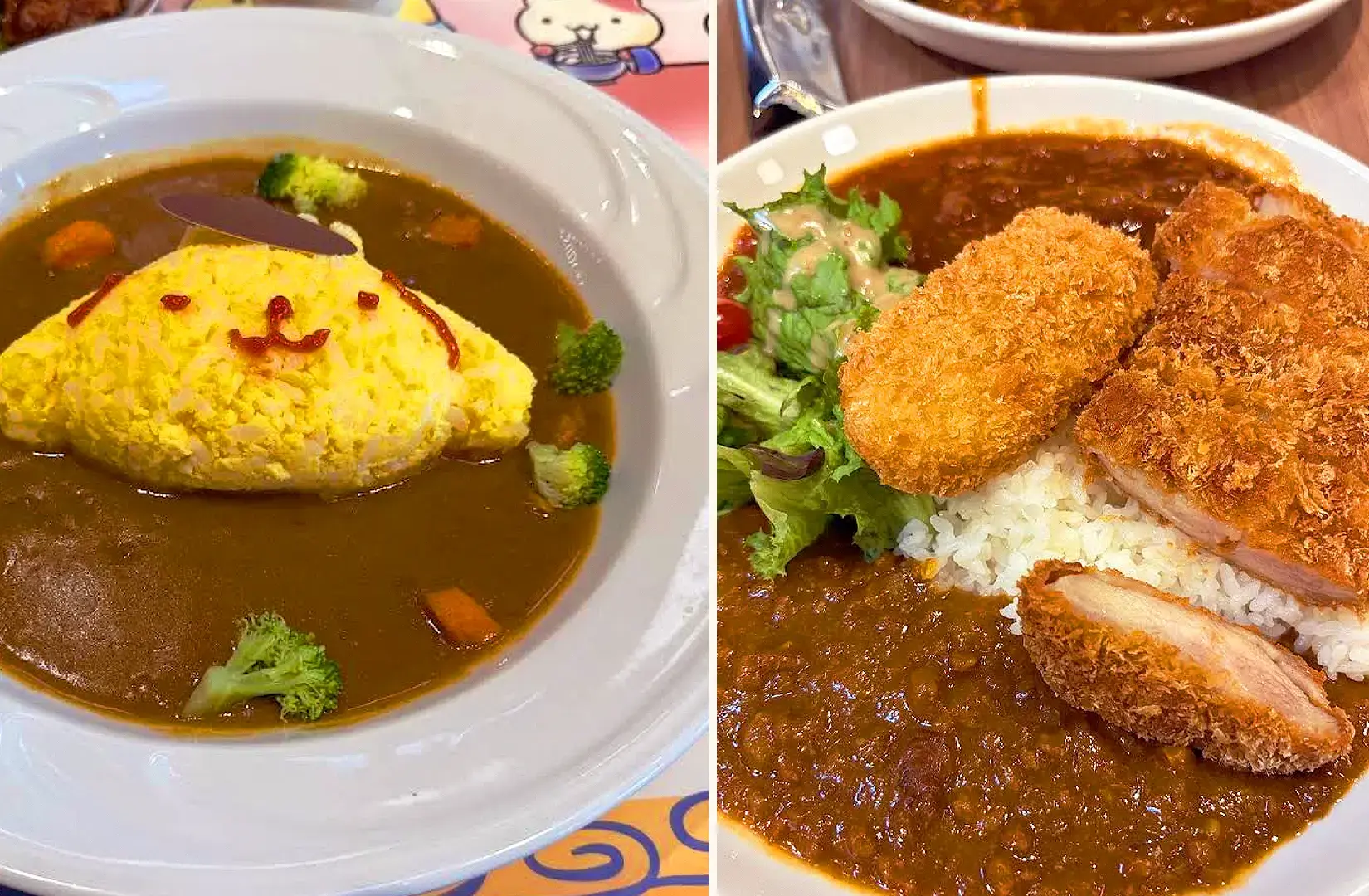
The Watashino Curry Rice is the most direct expression of the café’s curry style. The black pepper gives the sauce warmth without turning it aggressive, while the rice keeps the plate grounded. It is a good choice for diners who prefer balanced spice over heavy richness. Think of it as a quieter curry, not a weaker one.
The Tori Karaage Curry is the better order if you want more texture. The fried chicken brings crisp edges and juicy meat, while the curry softens everything into comfort. It is still approachable, but the karaage gives the plate more bite and weight. If you are visiting with friends before planning travel, this is an easy dish to share bites from while comparing notes.
Eat Drink Asia’s pick for: Culture lovers, Japan travellers, and diners who want curry with a story.
Give this a pass if: You want a fast, no-frills curry fix with maximum intensity.
Insider’s tip: Check seasonal promotions before ordering, since the café often leans into Japan travel tie-ins.
4. Maji Curry: Rich Japanese Curry Sauce and Chicken Katsu Options in Novena
Nearest MRT: Novena MRT, about 3 minutes’ walk
Price: S$12 to S$20
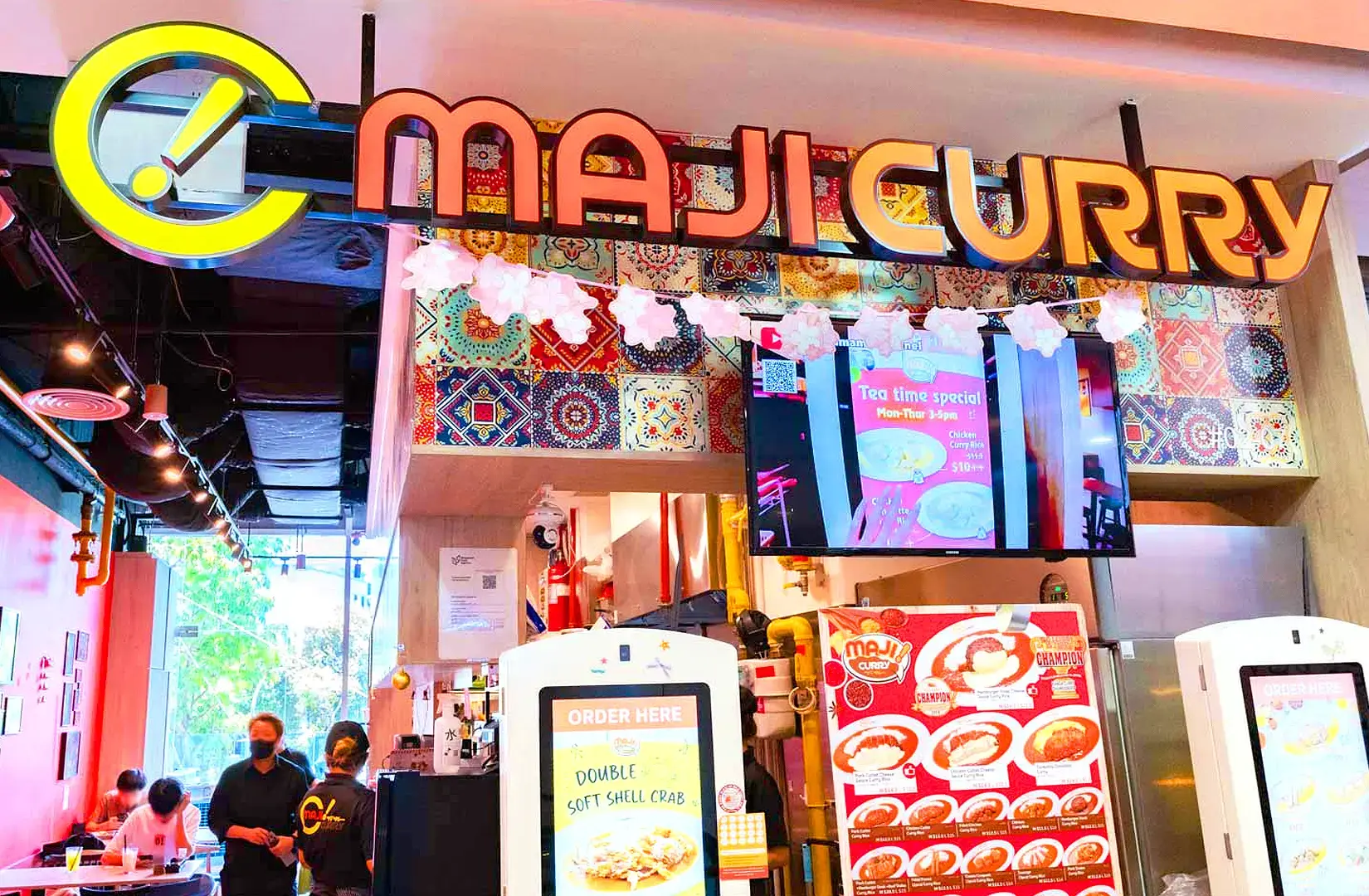
When a restaurant wins the Kanda Curry Grand Prix, expectations rise quickly. Maji Curry, tucked inside Square 2, delivers a focused version of Tokyo-style Japanese curry rice that feels richer and more deliberate than many casual curry places in Singapore. The space is small and functional, closer to a Tokyo counter than a polished dining room.
The star is the curry sauce. It is a slow-cooked curry roux built from broth, vegetables and spices simmered with vegetables and spices until dark, savoury, and rounded. This is the kind of curry that wants rice, cheese, egg, chicken katsu, pork katsu, and fried cutlets around it.
What Makes It Different
Maji Curry stands out because of its concentrated sauce. The curry is darker, thicker, and more savoury than many easygoing Japanese curry plates, with enough depth to hold up against rich toppings. It is not trying to be light or delicate.
The menu also understands texture. Crisp pork katsu, chicken katsu, hamburger steak, omelette, and cheese all work because they push against the sauce in different ways. When the cheese melts into the curry, it turns the plate creamier and more indulgent without losing its savoury base.
What to Order
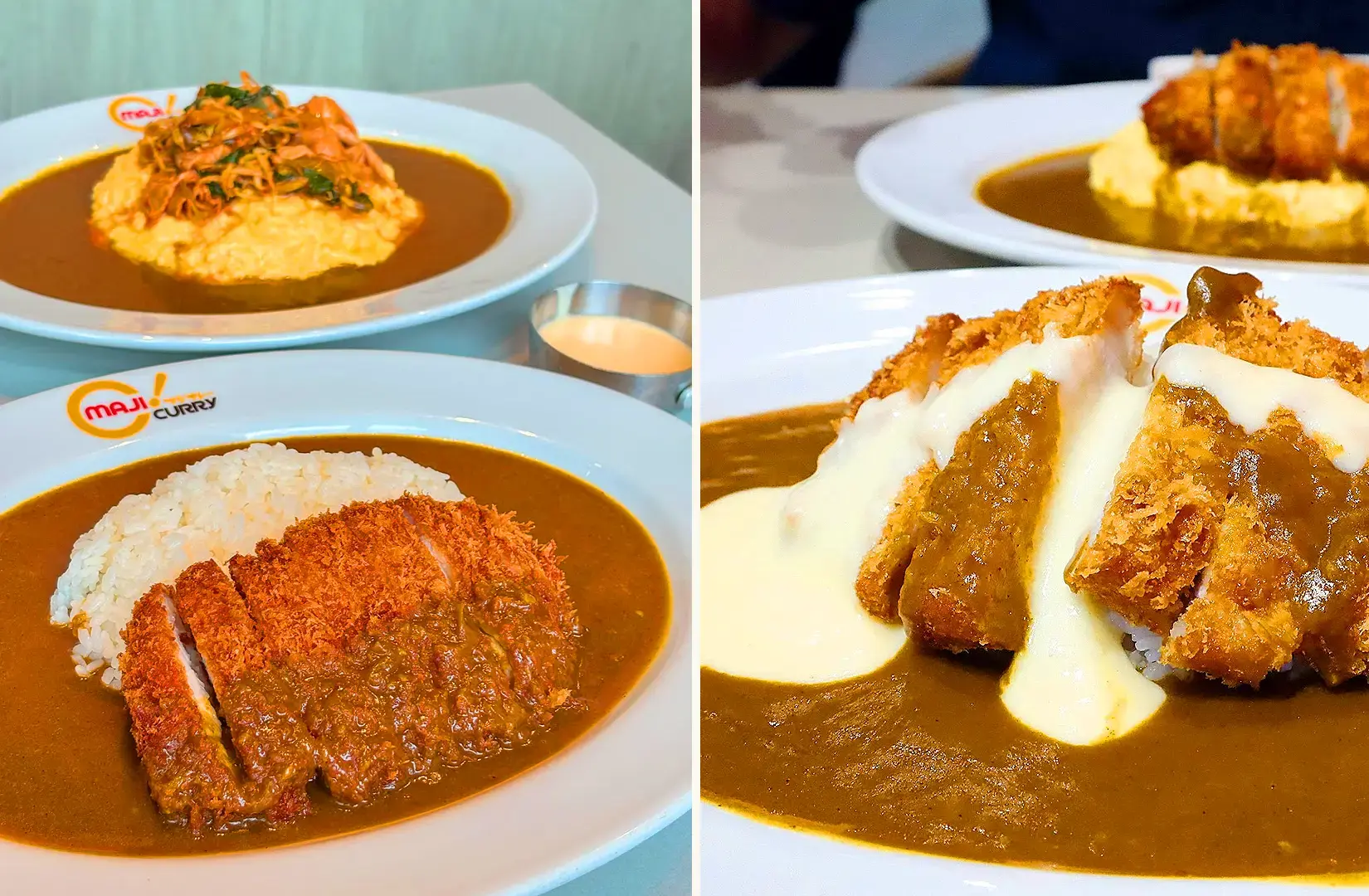
The Cheese Hamburg Curry Rice is the order for diners who want Maji Curry at its richest. The hamburger steak brings juicy meat, while the grated cheese melts into the hot curry and softens its edges. With rice underneath, the whole plate becomes creamy, savoury, and heavy in the best possible way. It is not subtle, but it is deeply satisfying.
The Chicken Katsu Curry Rice or Pork Katsu Curry Rice is the better choice if you want a cleaner contrast. The crispy breaded cutlet resists sogginess long enough to give each spoonful some crunch. Dragged through the curry, the katsu becomes richer without losing its shape. Add an omelette if you want a softer, more comforting version.
Eat Drink Asia’s pick for: Diners who want concentrated Tokyo-style Japanese curry sauce with crispy pork or chicken katsu.
Give this a pass if: You prefer a lighter plate or broth-based curry.
Insider’s tip: Mix the cheese into the curry immediately for a silkier texture.
5. Monster Curry: Katsu Curry, Chilli Padi Heat, and Big-Plate Comfort
Nearest MRT: Promenade MRT, about 5 minutes’ walk
Price: S$12 to S$20
Sometimes curry is not about restraint. Sometimes it is about appetite. Monster Curry understands this, serving oversized plates of curry rice built for sharing, indulgence, and casual Japanese comfort food.
At Suntec City, this is the place for diners who want big plates, familiar toppings, and curry sauce that leans comforting rather than complex. It is not quiet or delicate, but it knows exactly what kind of craving it is feeding. For groups, friends, and big appetites, that confidence is part of the appeal.
What Makes It Different
Monster Curry’s identity is built around size, selection, and customisation. Its large plates make the meal feel communal, especially when the table orders combinations with pork katsu, fried fish, shrimp tempura, cheese, and curry sauce. It is the opposite of a restrained curry counter.
The curry itself is thick, savoury, slightly tangy, and designed to work with many toppings at once. Diners who want an extra kick can add the house hot sauce, a fiery concoction of chilli padi, garlic, ginger, celery, and other ingredients. The curry is also offered in five different levels of spiciness, which lets people shift from mild comfort to something sharper.
What to Order
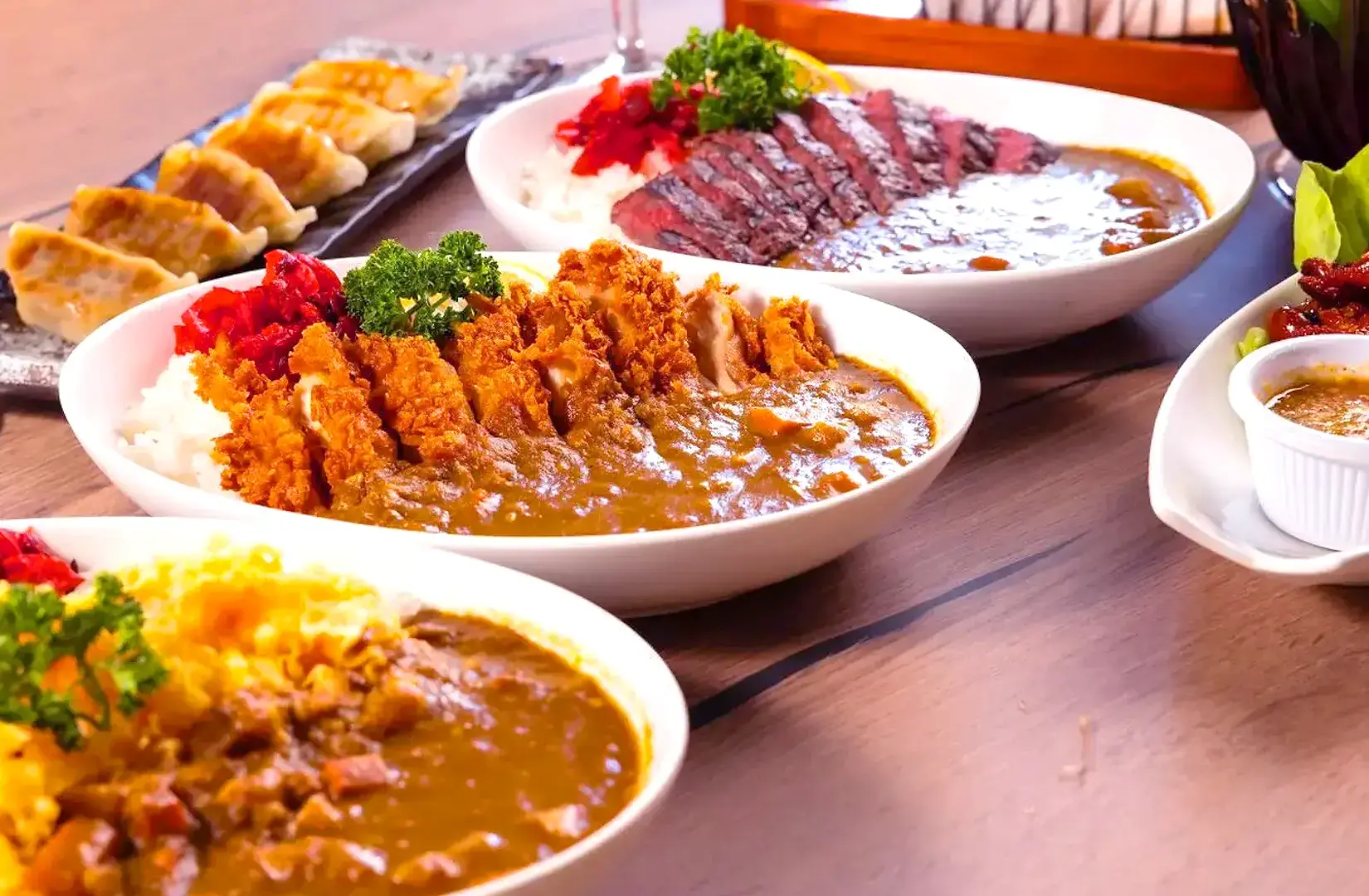
The Monster Combo Curry is the obvious order if you want the full experience. It arrives with rice, pork katsu, fried fish fillet, crunchy shrimp tempura, cheese, and thick demi-glace-style curry. The plate is large, rich, and built for diners who want variety in one go. It is best approached with appetite, or with someone willing to share.
The Chicken Katsu Curry is a more manageable option. You still get crisp breading, rice, and plenty of curry, but without the full weight of the combo plate. It is a good choice when you want Monster Curry’s comfort without turning lunch into a challenge. Choose a lower spice level if you want the sweetness of the sauce to stay in front.
Eat Drink Asia’s pick for: Groups, big appetites, and casual curry lovers who want a generous plate.
Give this a pass if: You want a quiet, polished dining room or a restrained curry style.
Insider’s tip: Choose a smaller rice portion and add more toppings if you want variety without wasting food.
6. CoCo Ichibanya: Customisable Japanese Curry for Every Appetite
Nearest MRT: Dhoby Ghaut MRT, about 3 minutes’ walk
Price: S$13 to S$22
CoCo Ichibanya has built its reputation around choice. At its Plaza Singapura outlet, diners can adjust rice amount, spice level, sauce style, and toppings, turning the same curry sauce into anything from a simple weekday plate to a generously loaded meal. That customisation has long been central to the chain’s appeal.
CoCo Ichibanya is less concerned with regional tradition than dependable personalisation. It works especially well for groups whose preferences rarely match. One diner can stay mild and simple, while another can add heat, cheese, vegetables, extra toppings, and a different portion of rice.
What Makes It Different
The main draw here is control. You decide how much rice you want, how spicy the curry should be, and what toppings belong on the plate. That makes CoCo Ichibanya one of the easiest Japanese curry places to recommend for mixed groups.
The curry sauce is familiar and dependable rather than experimental. It is thick, comforting, and flexible enough to support chicken cutlet, pork cutlet, omelette, mushrooms, cheese, eggplant, carrot, and extra vegetables. The experience is not about surprise; it is about getting the plate you were craving.
What to Order
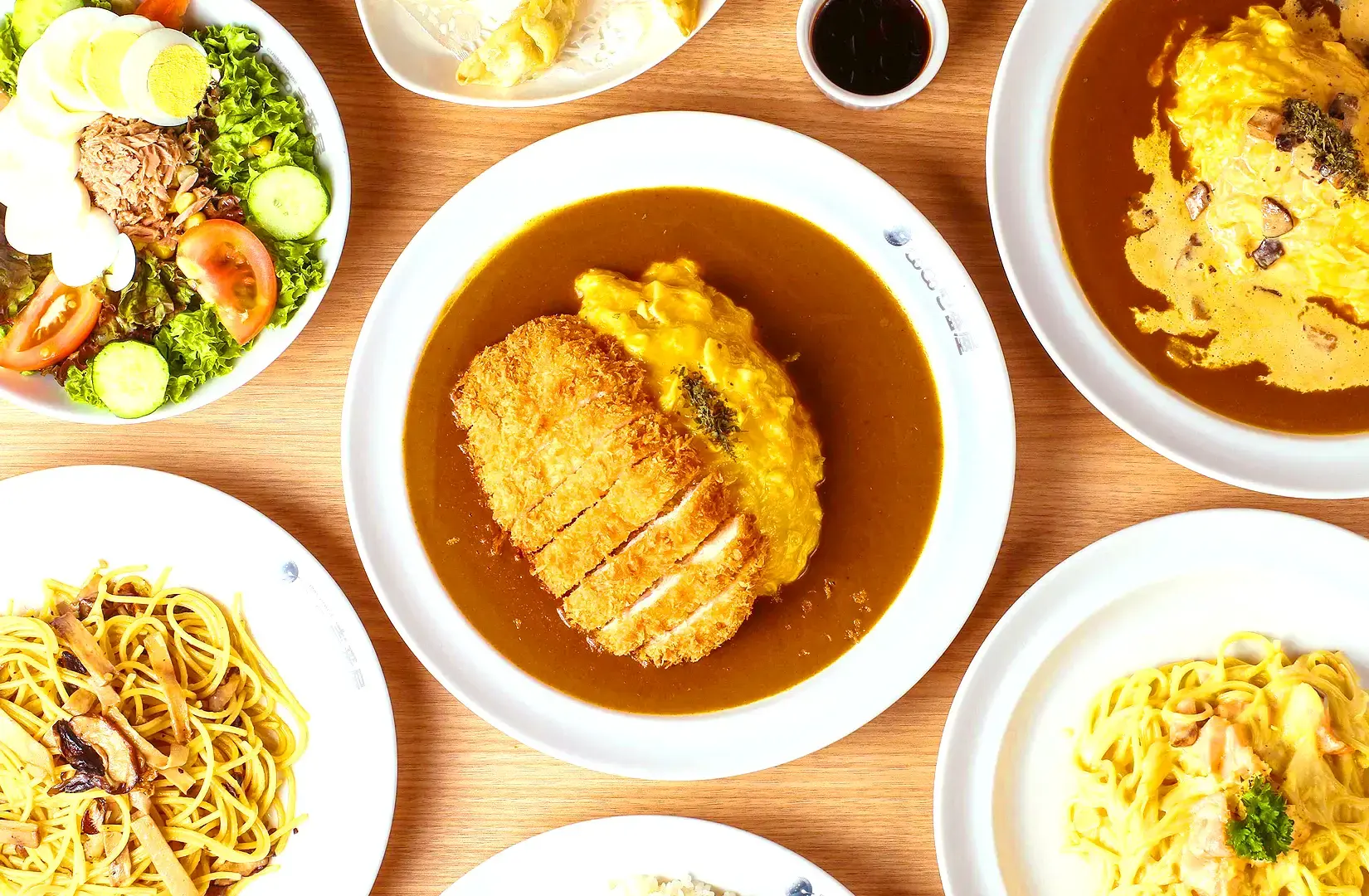
The Pork Cutlet Omelette Curry is one of the most comforting combinations. The soft egg wraps around the rice, the pork cutlet adds crisp breading and tender meat, and the curry brings everything together. It is rich without feeling chaotic. If you like textural contrast, this is the safest bet.
The Mushroom Cream Omelette Curry is better for diners who want something softer and less meat-heavy. The omelette gives the plate a plush texture, while the mushrooms add earthiness and the cream makes the curry gentler. It is a good reminder that customisable curry does not always need to be maximalist.
Eat Drink Asia’s pick for: Diners who enjoy building their own Japanese curry plate.
Give this a pass if: You prefer a smaller menu with one highly specialised curry style.
Insider’s tip: Add the omelette to a pork cutlet curry for a softer contrast against the crisp breading.
Insider’s tip: Add the omelette to a pork cutlet curry for a softer contrast against the crisp breading.
Eat & Drink Verdict on the Best Japanese Curry Places in Singapore
Japanese curry represents one of Asia’s most fascinating culinary adaptations; a testament to how authentic flavors transcend borders while honoring their cultural roots. Singapore’s vibrant dining landscape has become a remarkable showcase for this beloved tradition, embracing everything from the soul-warming comfort of classic katsu preparations to the nuanced regional interpretations that reveal curry’s profound textural diversity and cultural evolution.
For those committed to deeper authentic exploration of Singapore’s diverse culinary heritage, including our comprehensive coverage of halal-certified establishments, Eat Drink Asia serves as your trusted guide to culturally-respectful dining experiences that honor both tradition and community.

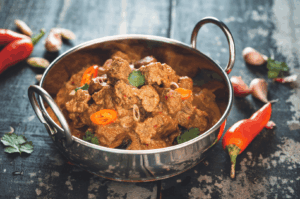
Padang Beef Rendang: The Complex Process Behind Indonesia’s Most Famous Dish
Eda Wong | October 30, 2025
This post may contain affiliate links. For full transparency, this article may contain affiliate links. To call Padang beef rendang simply a dish is to miss the soul of Indonesian cuisine. This legendary slow-cooked dry curry, a centerpiece of both festive tables and humble meals, has earned its fame as one of the world’s most…
-
Teh Tarik Malaysia: The Art and Science Behind Iconic Pulled Tea
Eat Drink Asia Team | October 28, 2025
In Malaysia, ordering a cup of teh tarik is about so much more than just enjoying a hot drink. Teh tarik, literally translated as “pulled tea,” is Malaysia’s national beverage, famous for its sweet, creamy taste, frothy top, and the spectacular pulling technique seen in bustling mamak stalls and coffee shops across the country. A…
-
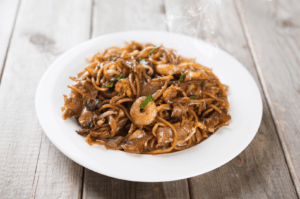
The Legendary Penang Char Kway Teow: A Culinary Journey
Dio Asahi | October 25, 2025
The air in Penang is thick with anticipation, carrying the sounds and smells of Malaysian street food being crafted with expert care. Your attention is captured by one of the many street vendors, a master standing before a seasoned wok glowing over an intense fire. The rhythmic clanging of metal on metal is the soundtrack…
-
Traditional Korean Sikhye: Sweet Rice Punch Through the Seasons
Eda Wong | October 23, 2025
In the vibrant world of Korean food, beyond the fiery spice of gochujang and the savoury comfort of bulgogi, lies a gentler, more subtle delight. Meet traditional Korean sikhye (식혜), a beloved Korean sweet rice punch that holds a special place in the nation’s heart. With its cloudy, amber hue and delicate sweetness, this drink…
-
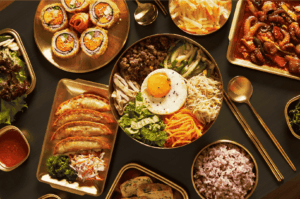
Authentic Jeonju Bibimbap: Why Korea’s Culinary Capital Makes It Best
Eat Drink Asia Team | October 21, 2025
Picture this: A steaming Korean rice bowl is placed before you in Jeonju, South Korea. Vibrant arcs of seasoned bean sprouts, glossy strips of Korean beef, a golden runny yolk resting atop perfectly cooked mixed rice, and a dollop of rich red bibimbap sauce invite you to mix it all together. As you stir, the…
-
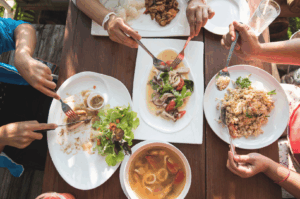
Communal Dining Traditions in Asia: Shared Meals, Lasting Bonds, and Cultural Heritage
Dio Asahi | October 18, 2025
Imagine a dining table crowded with large platters of steaming food, the smell of spices in the air, small bowls arranged neatly around the shared table, and laughter echoing across the room. Across Asia, dining tables play a central role in communal dining traditions, serving as the focal point for etiquette, social interaction, and the…
-
Century-Old Dumpling Techniques: Ancient Wisdom in Modern Kitchens
Eda Wong | October 16, 2025
Her hands move in a blur, a dance of muscle memory refined over sixty years. In a small, steam-filled kitchen in Shanghai, an elderly woman transforms a humble circle of dumpling dough into a perfect, 20-pleat xiao long bao. Each pinch and fold is a syllable in a story passed down through generations-prime examples of…
-
Ca Phe Sua Da: The Cultural Phenomenon of Authentic Vietnamese Coffee
Eat Drink Asia Team | October 14, 2025
The dawn breaks over Hanoi, and the city awakens not to alarm clocks but to the clatter of tiny spoons and the metallic click of filters. The air fills with the dark, roasted aroma of authentic Vietnamese coffee drifting from bustling corners and sidewalk stalls. They are not rushing. Instead, they are waiting-waiting for the…
-
Cao Lầu Noodles: Hoi An’s Legendary Noodle Dish with Japanese Origins
Dio Asahi | October 11, 2025
Imagine sitting on a low stool in a bustling alleyway of Hoi An’s ancient town. The warm, fragrant air is thick with the scent of sizzling marinated pork, fresh herbs, and the unmistakable aroma of fish sauce and fried rice crackers. In front of you, a bowl of Cao Lau noodles gleams, their golden brown…
-
Chinese Tea: 5,000-Year Tea Journey from Ancient Medicine to Global Beverage Phenomenon
Eda Wong | October 9, 2025
Every cup of tea enjoyed today, whether a brisk English breakfast or a delicate green tea in Tokyo, finds its lineage rooted in the heart of Chinese tea history. For nearly 5,000 years, the humble leaves of the Camellia sinensis tea plant have been cultivated, brewed, and cherished-first as ancient medicine in southern China, and…