Why Japanese Food Is Worth the Trip
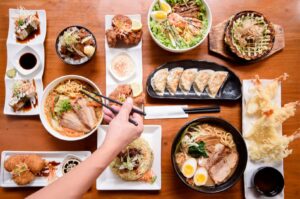
Japan’s culinary world extends far beyond well-known sushi and ramen, revealing a rich variety of regional specialties cherished by locals. While many travelers stick to popular Japanese foods in tourist areas, authentic flavors are best discovered in neighborhood markets, family-run eateries, and seasonal menus reflecting centuries of Japanese cooking tradition.
Understanding Japanese cuisine requires more than tasting popular dishes—it demands appreciating the intricate relationship between seasonality, regional identity, and cultural heritage. For deeper insight, explore our guide Food in Japan: A Complete Guide to Japanese Cuisine and Culinary Culture which delves into historical and cultural foundations making Japanese food culture distinctive.
When you visit Japan, it is essential to try both traditional and popular Japanese foods to fully appreciate the country’s rich culinary heritage.
What makes Japanese food special isn’t just preparation precision—it’s profound respect for ingredients, emphasis on visual harmony, and how each dish reflects its specific region and season. From Tokyo’s bustling Japanese street food culture to Kyoto’s refined kaiseki meal traditions, every region offers distinct flavors telling the story of local history, climate, and cultural values.
Tokyo’s Must-Try Food Scene: Most Popular Japanese Dishes
Tokyo’s food scene is the dynamic heart of modern Japanese cooking, where traditional techniques merge with contemporary innovation. The capital’s diverse neighborhoods each offer distinct culinary personalities, from working-class comfort foods to refined sushi counters.
Monjayaki in Tsukishima District is Tokyo’s answer to Osaka’s famous okonomiyaki but with a wetter wheat flour batter cooked tableside on a hot griddle. Unlike okonomiyaki’s firm structure, monjayaki remains runny and is eaten directly from the griddle using small spatulas.
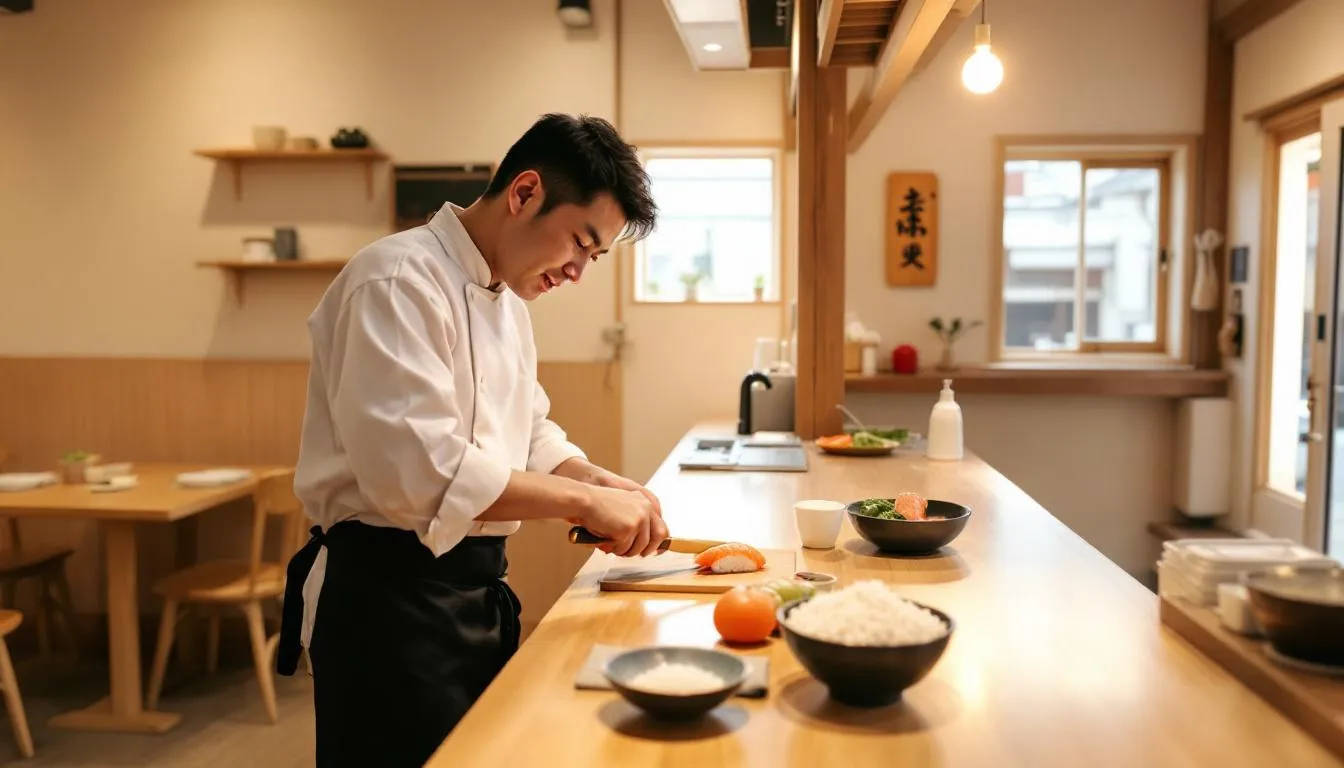
Edo-style sushi offers a different experience from modern conveyor belt sushi. Traditional Edomae-zushi features fish aged, marinated, or lightly cured to enhance flavor—a sharp contrast to ultra-fresh presentations common in tourist sushi restaurants.
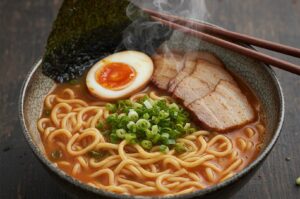
Tokyo ramen variations highlight the capital’s role as a center for Japanese ramen, a beloved noodle soup known for savory broth and diverse toppings. Seek shio ramen—a clear, salt-based broth highlighting pure soup stock flavor, often garnished with green onion for freshness.
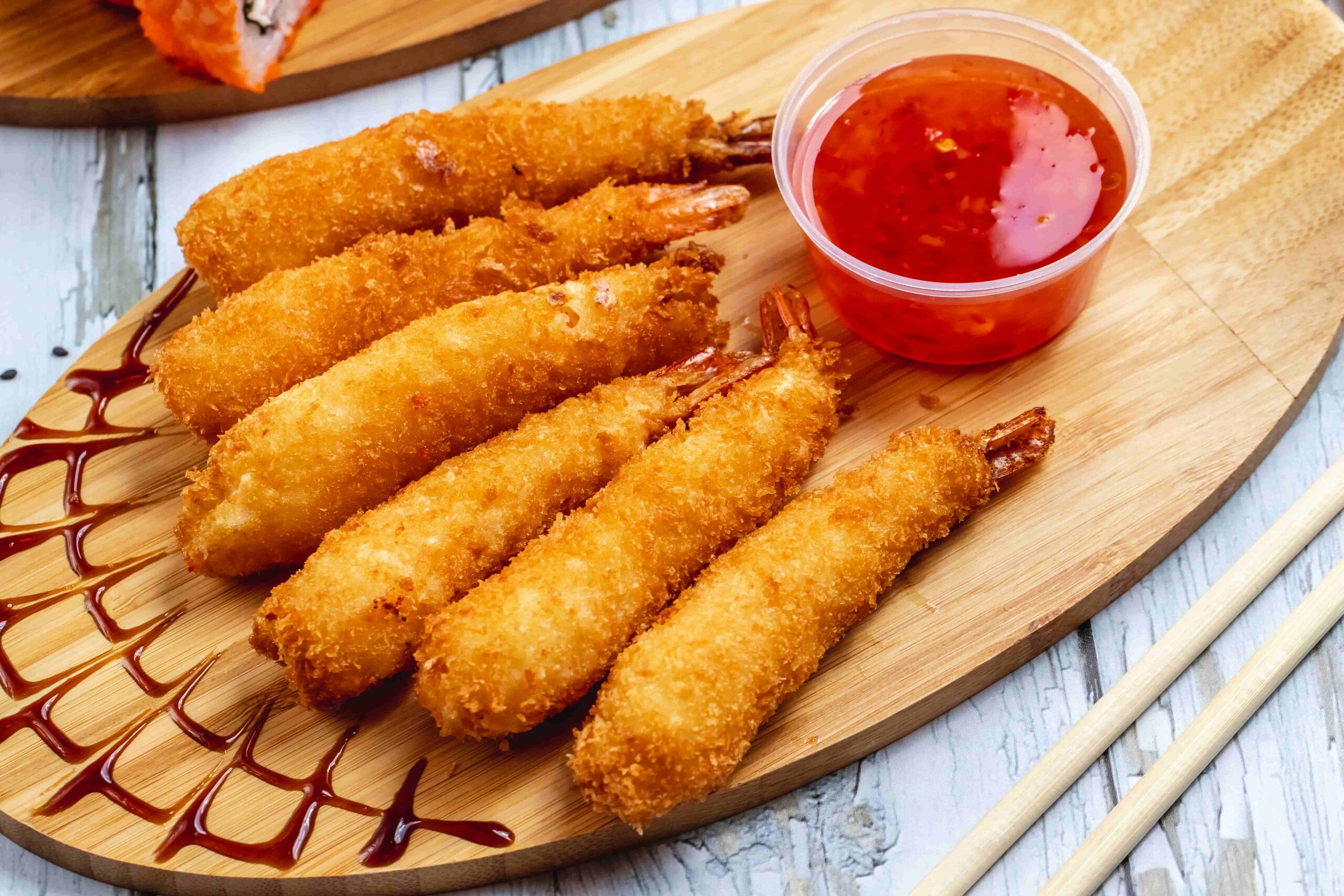
Tempura represents one of Japan’s most technically demanding cooking methods, where precise oil temperature control creates light, crispy wheat flour batter. While many associate tempura with expensive restaurants, Tokyo offers excellent casual options.
Hidden Gems in Tokyo Neighborhoods
- Taiyaki shops offer classic fish-shaped pastries filled with traditional sweet red bean paste or modern variations like custard and chocolate. Taiyaki is a popular Japanese snack enjoyed by locals and tourists alike.
- Standing sushi bars provide authentic omakase experiences focusing on seasonal fish and traditional techniques without premium pricing of famous sushi restaurants.
- Yakitori alleys feature tiny grilled meat stalls and street food where office workers gather after work. These narrow alleys serve grilled chicken skewers, pork belly, and other izakaya favorites in an atmosphere unchanged since post-war era.
- Japanese fried chicken (karaage) shops scattered throughout residential neighborhoods often surpass restaurant quality. Look for shops specializing solely in karaage, serving crispy, perfectly seasoned pieces.
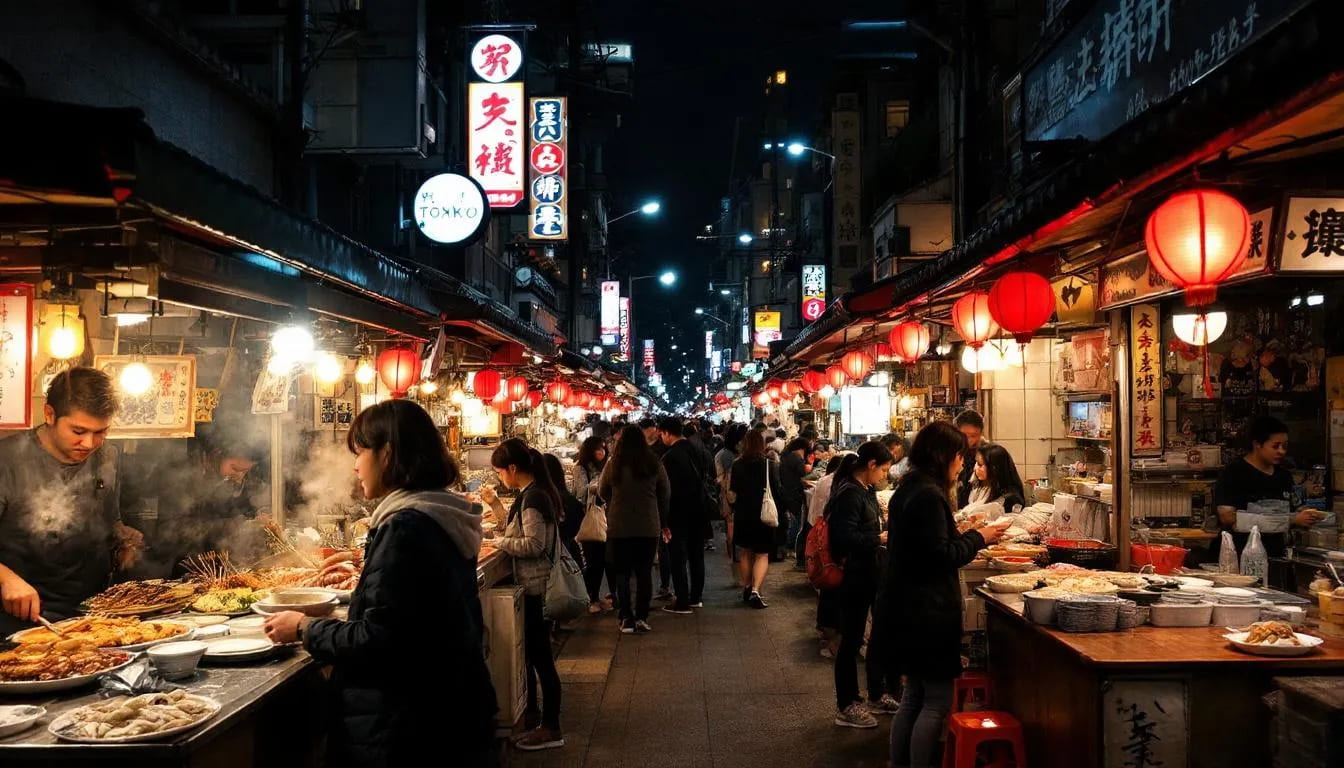
Osaka’s reputation as “Japan’s Kitchen” stems from its history as a merchant city where food culture developed around affordable, filling dishes satisfying hard-working traders. The city’s culinary identity centers on comfort foods prioritizing flavor and satisfaction over aesthetic refinement, creating a food culture distinctly different from Tokyo’s precision or Kyoto’s elegance. Hearty rice bowl dishes, featuring various toppings over steamed rice, are staples of Osaka’s robust cuisine.
Takoyaki is Osaka’s most iconic Japanese street food. These spherical wheat flour batter balls contain octopus chunks, pickled ginger, and green onions, cooked in special cast-iron pans with rounded indentations.
- Vendors throughout Dotonbori serve fresh takoyaki topped with savory sweet sauce, mayonnaise, and dried bonito flakes. With options like octopus and other proteins, takoyaki appeals to meat eaters seeking a satisfying snack.
Authentic okonomiyaki reaches its pinnacle in Osaka, where the dish originated as a filling meal for working families. The signature pork belly and shredded cabbage version shows how cabbage becomes sweet and tender when cooked into wheat flour batter. This Japanese savory pancake is a must-try for its rich flavor and satisfying texture.
- Another Osaka specialty is yakisoba, stir fried noodles with vegetables and meat, often served at festivals and sometimes layered inside okonomiyaki for extra flavor.
Kushikatsu in Shinsekai district follows one sacred rule: no double-dipping in communal sauce. These deep fried skewers feature everything from pork cutlets to vegetables, coated in fine breadcrumbs and served with tangy Worcestershire-style sauce. Unique to Osaka, deep fried beef cutlets (gyukatsu) are also offered, providing breaded and deep-fried beef options standing out from more common pork tonkatsu.
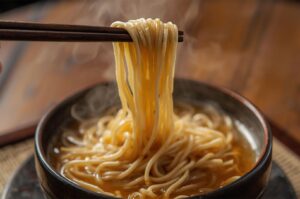
Kansai-style udon differs markedly from Tokyo’s darker, stronger broths. Osaka’s udon features delicate, clear soup stock made primarily from kombu kelp, allowing thick wheat flour noodles’ texture to dominate. This lighter approach showcases wheat flour quality and subtle umami of broth without overwhelming the palate. Soba noodles, made from buckwheat, are also available in Osaka, often served hot or cold with regional variations highlighting their unique flavor and versatility.
Kyoto’s Traditional Kaiseki and Temple Foods
Kyoto’s culinary traditions represent Japanese cuisine refinement’s pinnacle, where centuries of imperial court culture and Buddhist philosophy shaped an approach emphasizing seasonal awareness, aesthetic presentation, and spiritual mindfulness. The city’s dining culture operates on principles extending beyond sustenance into realms of art and meditation.
Kaiseki dining represents traditional Japanese food at its most sophisticated. A kaiseki meal progresses through multiple courses showcasing seasonal ingredients at their peak, each dish presented as a small work of art. The chef selects ingredients based on Japanese calendar micro-seasons, creating menus changing every few days.
Vegetarian Buddhist cuisine (shojin ryori) offers insight into how religious philosophy shaped Japanese cooking. These meals contain no animal products, showcasing techniques transforming simple vegetables, tofu, and mountain plants into complex, satisfying dishes.
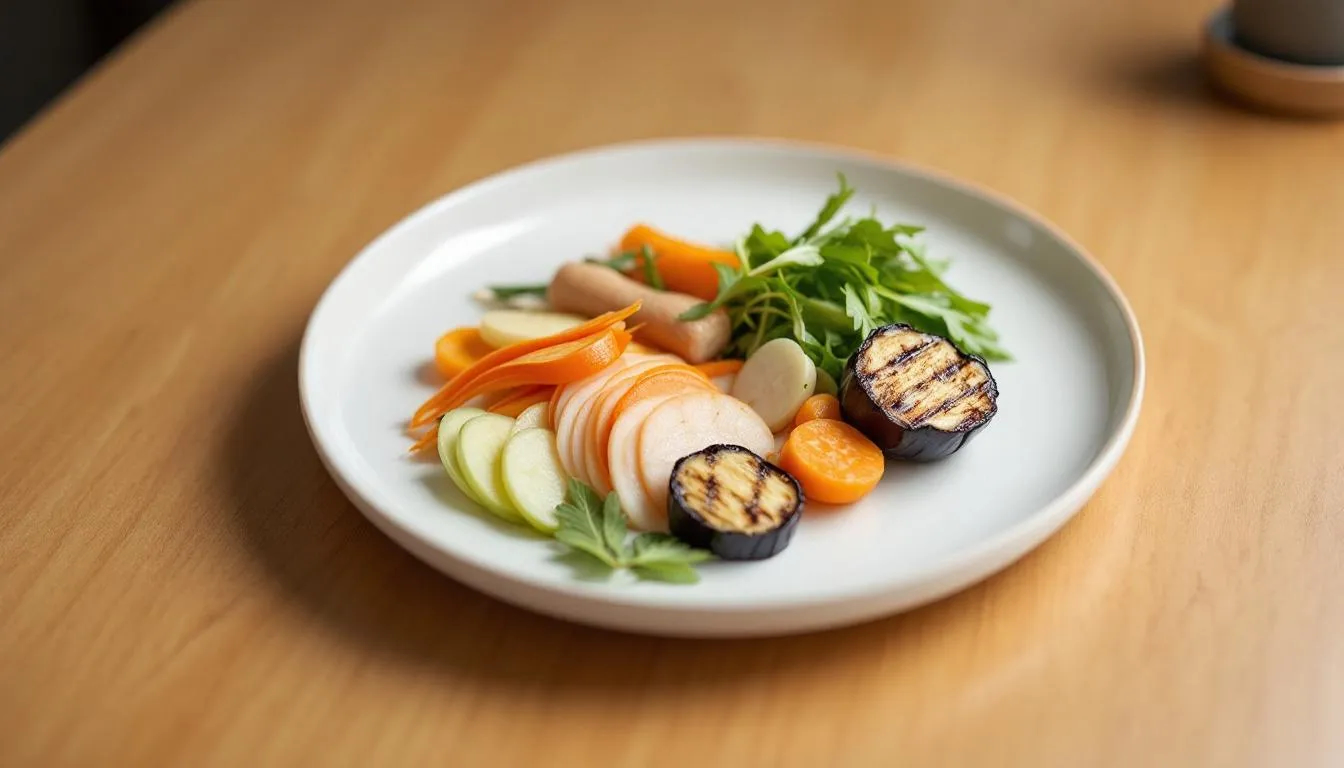
Tofu kaiseki celebrates one of Japanese cuisine’s most versatile ingredients. Multi-course meals feature tofu prepared in dozens of styles—from silky fresh tofu served with simple soy sauce to fried tofu pockets stuffed with seasonal vegetables. These meals demonstrate how master chefs create endless variety from humble soybeans. In addition to tofu, Kyoto sweets such as dango are made from rice flour, highlighting this ingredient’s importance in local confectionery.
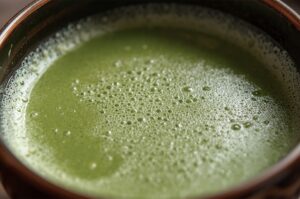
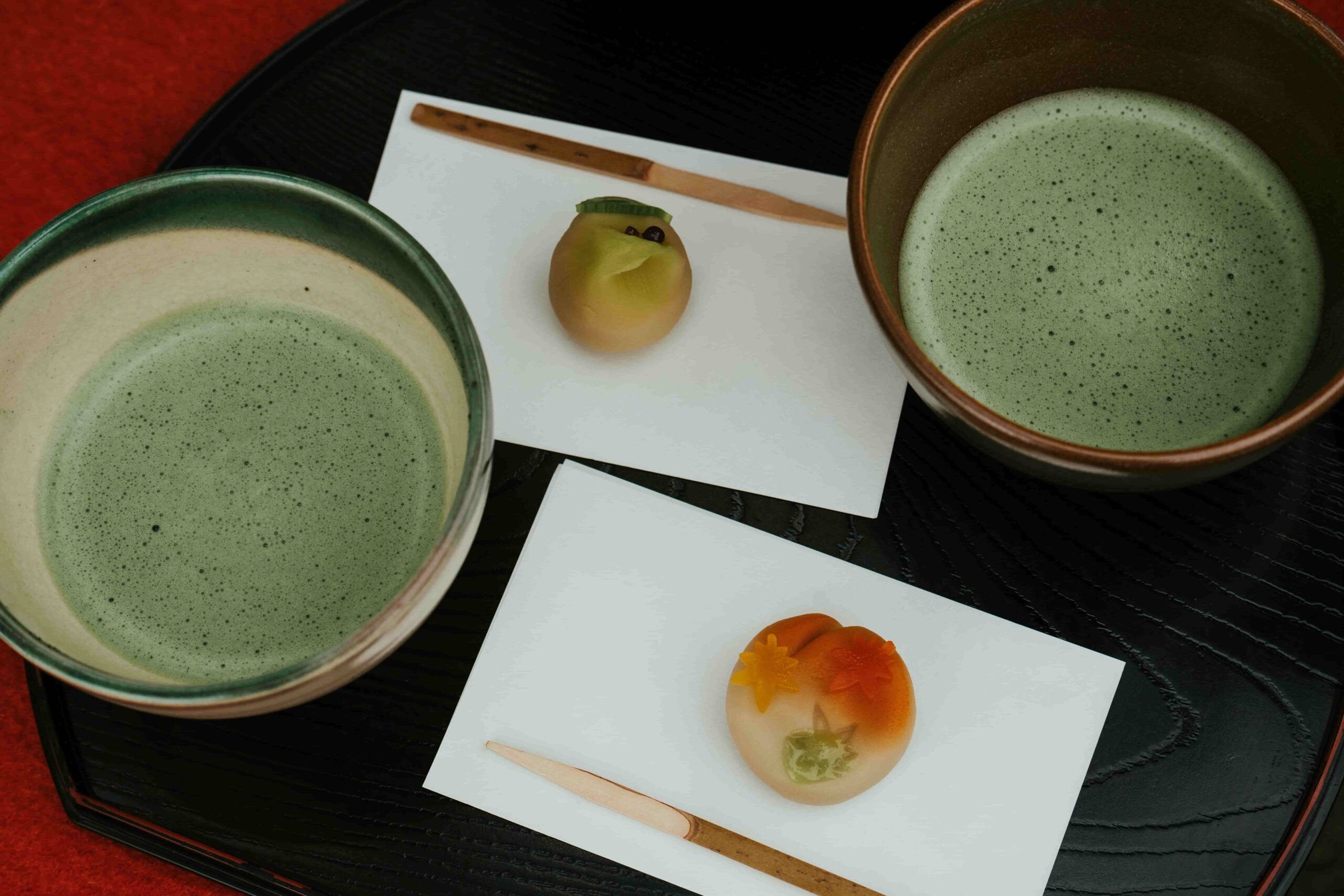
Seasonal wagashi sweets paired with matcha ceremony represent Kyoto’s contribution to Japanese confectionery arts. These delicate sweets change with seasons, featuring colors and shapes reflecting blooming flowers, falling leaves, or winter snow. Traditional tea houses offer authentic Japanese tea ceremony experiences, where wagashi are carefully paired with matcha to enhance ritual and cultural significance.
Kyoto Japanese Street Food and Market Eats
- Nishiki Market walking food tour essentials include Kyoto-style pickles, fresh yuba (tofu skin), seasonal vegetables prepared in traditional Kyoto style, and traditional buckwheat noodles (soba). The 400-year-old market stretches for five blocks offering local specialties, including fish cakes often featured in hot pot dishes and as market specialty. Boiled eggs are also common in hot pot dishes sold at market.
- Yudofu (hot tofu) provides perfect comfort for winter visits to Kyoto. This simple dish features silky tofu heated in kelp broth, served hot with dipping sauces and condiments.
- Matcha soft-serve ice cream offers a modern twist on traditional green tea, with shops offering different matcha intensity grades. Premium versions use high-quality ceremonial matcha for authentic flavor.
- Traditional pickles (tsukemono) varieties unique to Kyoto include delicate vegetable pickles accompanying traditional Japanese meals. Kyoto’s pickle-making traditions produce more refined, less salty varieties than elsewhere in Japan.
Regional Specialties Worth Traveling For
Food in Japan reflect the country’s diverse geography and local histories, with each area developing specialties showcasing local ingredients and cultural influences. These regional differences make traveling for food rewarding to understand Japan’s culinary diversity beyond major cities. Regional specialties often include dishes like curry rice, a staple comfort food with unique Japanese flavor profile, and Japanese dumplings (gyoza), popular in many areas with local twists.
Hokkaido
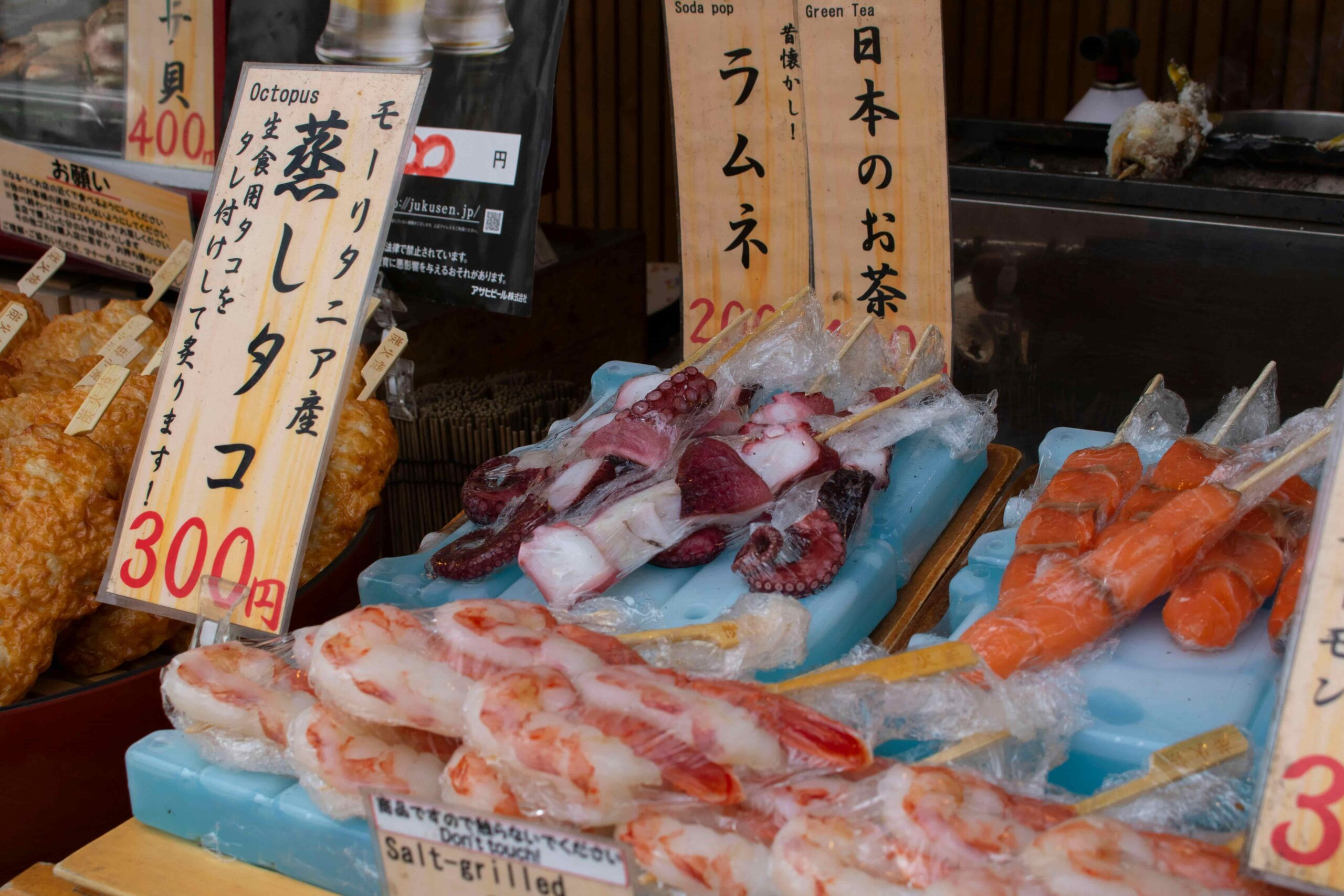
Hokkaido offers Japan’s finest seafood and dairy products, thanks to cold waters and expansive farmland. Sapporo’s crab markets feature massive king and snow crabs dwarfing specimens found elsewhere. Morning markets in Sapporo and Hakodate serve fresh crab, sea urchin, and scallops showcasing clean, cold-water flavors unique to northern Japan.
Hiroshima
Hiroshima-style okonomiyaki represents a different approach to this popular Japanese dish compared to Osaka’s version. Instead of mixing ingredients into batter, Hiroshima style layers cabbage, bean sprouts, pork, and wheat or udon noodles, then tops with fried egg. Result is taller, more complex dish showcasing each ingredient’s texture and flavor.
Fukuoka
Fukuoka serves as gateway to Kyushu’s distinct food culture, featuring dishes influenced by Korea and China proximity. Hakata ramen, with rich tonkotsu (pork bone) broth, originated here and remains standard by which other tonkotsu ramen is measured. Cloudy, intensely flavored soup stock requires 12-20 hours continuous boiling to extract maximum flavor from pork bones.
Sendai
Sendai in northeastern Japan specializes in gyutan (Japanese beef tongue), grilled over charcoal and served with barley rice and miso soup in set meal called teishoku. This hearty noodle dish became popular after WWII when beef tongue was affordable protein source. Today, restaurants serve thick-sliced beef tongue aged and seasoned, creating surprisingly tender, flavorful dish converting even skeptical visitors. Sendai is also known for gyudon, rice bowl topped with thinly sliced beef simmered with onions in savory broth, offering quick, comforting meal.
Seasonal Food Experiences
- Spring brings hanami (cherry blossom viewing) season with special bento box lunches designed for outdoor picnics. These elaborate lunch boxes contain seasonal spring vegetables, pickled mountain plants, and delicate preparations celebrating renewal and fresh growth.
- Summer features nagashi somen—wheat noodles flowing down bamboo chutes in cold water, creating interactive dining experience perfect for hot weather. Hiyashi chuka, cold ramen with colorful toppings, provides cooling option during Japan’s humid summers.
- Fall marks matsutake mushroom season, when prized fungi appear in hot pot dishes, rice bowls, and tempura preparations. Momiji tempura—deep fried maple leaves—offers uniquely Japanese autumn experience in areas like Kyoto’s Arashiyama.
- Winter brings explosion of hot pot dishes designed to warm body and spirit. From sukiyaki’s sweet soy-based broth to shabu-shabu’s delicate cooking method, these communal meals represent heart of Japanese food culture during cold months.
Where to Find Authentic Japanese Cuisine
Finding authentic Japanese cuisine requires understanding where locals eat versus establishments designed primarily for tourists. Reliable indicators of authentic food include Japanese-only menus, predominantly local customers, and restaurants specializing in one or two dishes rather than extensive international menus.
Department store basement food courts (depachika) offer some of Japan’s highest-quality prepared foods in convenient setting. These basement levels feature vendors selling everything from premium sushi to elaborate bento boxes, often prepared by satellite locations of famous restaurants. Department stores maintain strict quality standards for food vendors, ensuring consistent excellence. Prices range from convenience store alternatives to luxury options.
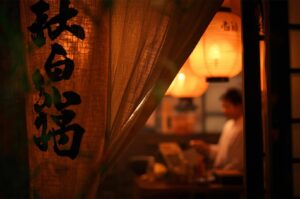
Local izakayas vs tourist-oriented establishments can be distinguished by key factors. Authentic izakayas feature handwritten menus in Japanese, offer seasonal specials changing regularly, and maintain relaxed atmosphere where salarymen gather after work. Tourist-focused establishments typically have English menus with photos, international staff, and standardized menus never changing. Look for places where locals drink Japanese rice wine (sake) and share small plates rather than individual entrees.
Convenience stores offer surprisingly high-quality options many travelers overlook. Onigiri (rice balls) come in dozens of varieties with fillings from traditional pickled Japanese plum to spicy tuna. Seasonal limited editions appear regularly, offering flavors reflecting current ingredients. Premium convenience stores offer fresh fish, proper Japanese curry, and decent sushi for fraction of restaurant prices.
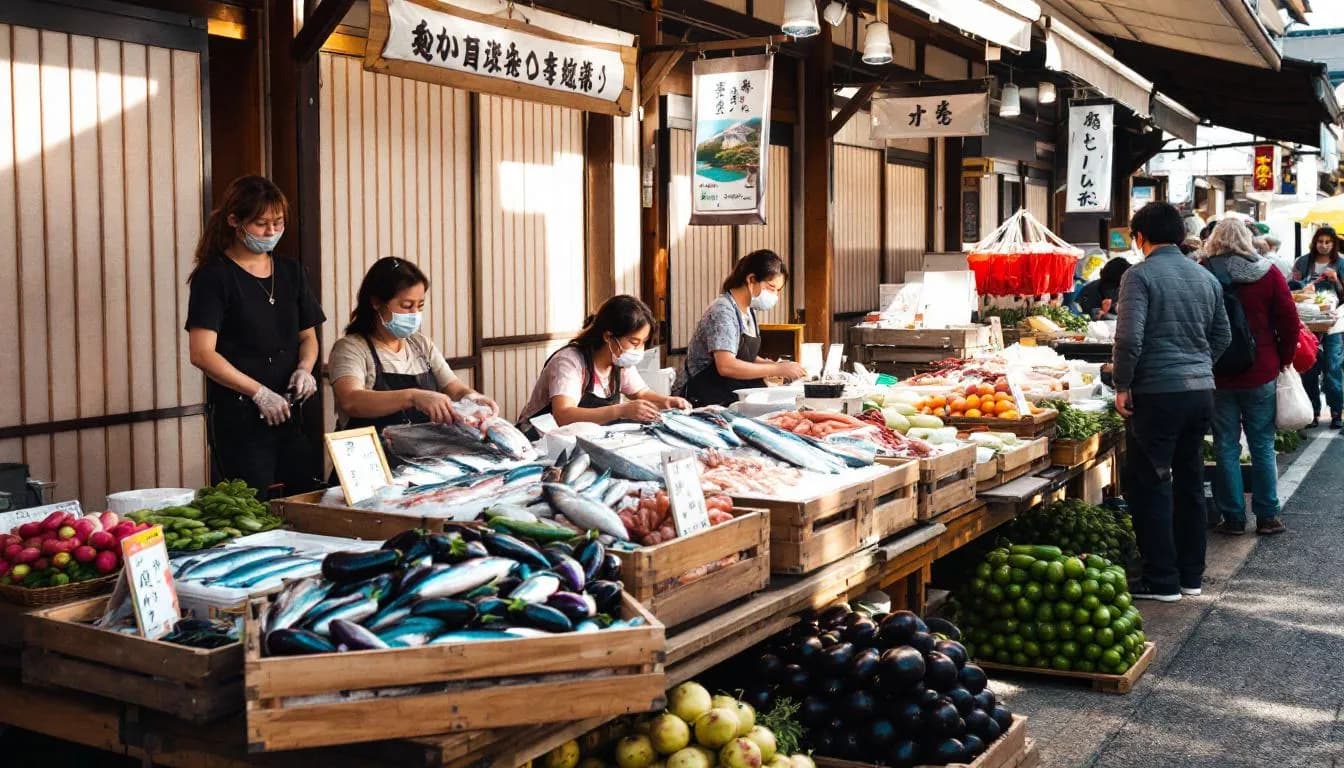
Traditional markets provide most authentic food experiences, where vendors spent generations perfecting specialties. Tsukiji Outer Market remains Tokyo’s premier destination for fresh seafood and traditional breakfast foods. Kyoto’s Nishiki Market offers 400 years of culinary tradition with vendors specializing in traditional pickles, tofu products, and seasonal sweets. Osaka’s Kuromon Ichiba Market features best of Kansai region specialties in setting where locals shop for daily ingredients.
Budget-Friendly Options for Every Traveler
Budget-Friendly Options for Every Traveler
- Standing restaurants and counter seating offer authentic quick meals at prices locals can afford daily. These focus on speed and quality rather than ambiance, serving dishes like katsu curry, ramen, and grilled fish at affordable prices.
- University district restaurants cater to student budgets while maintaining quality standards. Areas around major universities feature family-run establishments serving generous portions of traditional Japanese meals at student-friendly prices.
- Lunch sets (teishoku) represent one of Japanese cuisine’s best values, offering complete meals with steamed rice, miso soup, pickled vegetables, and main dish for under ¥1,000. These balanced meals showcase Japanese approach to nutrition and flavor harmony.
- Family restaurant chains provide reliable, affordable options for travelers seeking familiar quality. While not as exciting as independent restaurants, these chains maintain consistent standards and offer extensive menus at predictable prices throughout Japan.
Food Etiquette and Ordering Tips
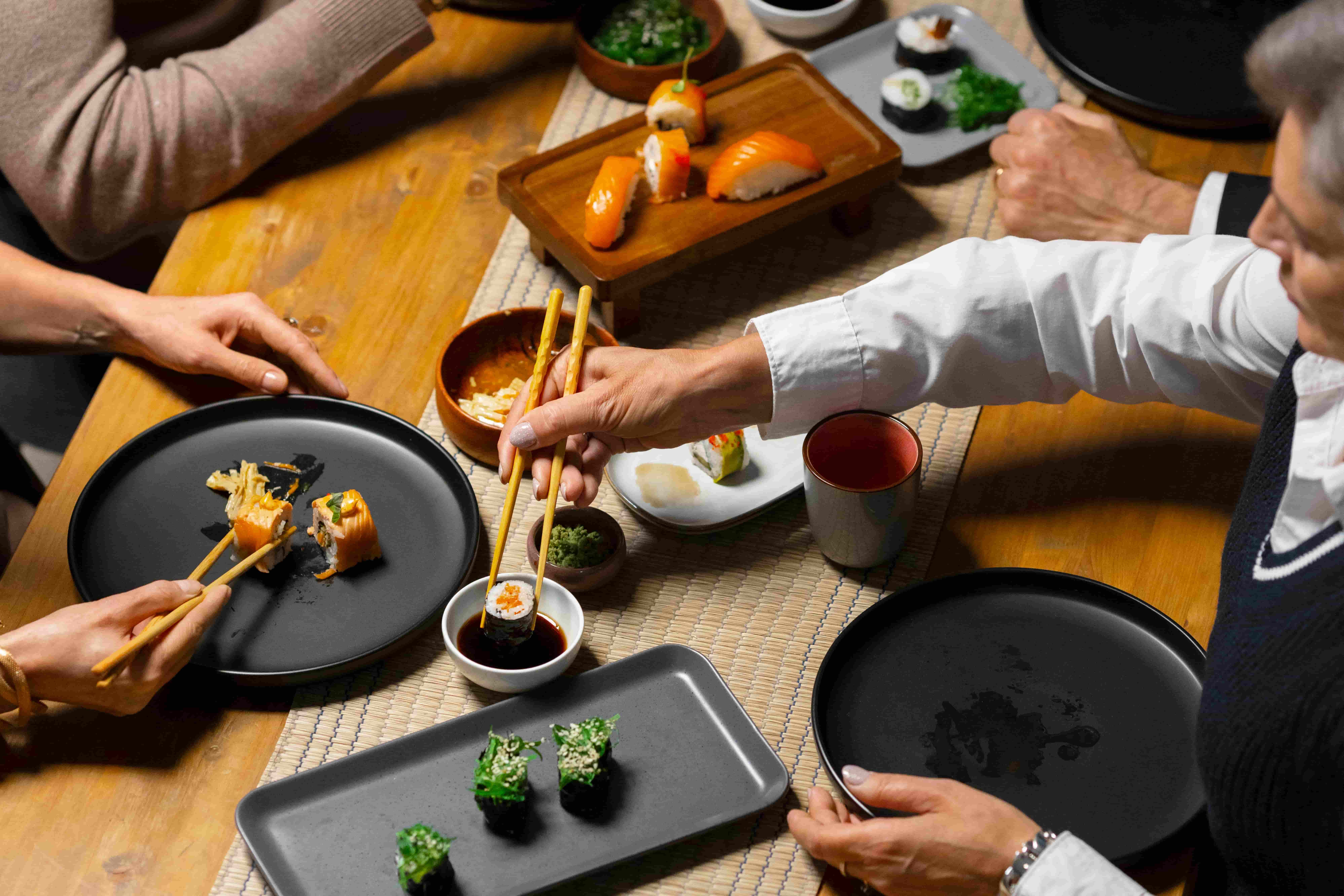
Understanding proper dining etiquette and ordering procedures enhances dining experience and acceptance by local staff and customers. Japanese food culture includes subtle protocols demonstrating respect for food, preparation methods, and communal dining traditions.
Essential phrases for ordering include “sumimasen” (excuse me) to get attention, “kore kudasai” (this please) while pointing at menu items, and “oishii desu” (it’s delicious) to compliment chef. Many establishments appreciate when foreign visitors attempt basic Japanese, even imperfectly. “Gochisousama deshita” (thank you for the meal) should be said when leaving any restaurant.
Proper chopstick etiquette involves important rules: never stick chopsticks upright in rice (resembles funeral rites), don’t pass food directly from chopsticks to chopsticks, and avoid pointing with chopsticks. When sharing dishes, use opposite end of chopsticks or provided serving utensils. Practice chopstick techniques before traveling to avoid struggling with rice balls, wheat noodles, and delicate items like fresh fish.
Tipping culture doesn’t exist in Japan—adding gratuity can cause confusion or offense. Exceptional service is standard professional behavior rather than requiring payment. Payment typically occurs at register rather than table, and exact change or card payment is preferred.
Peak dining hours run 12:00-13:30 for lunch and 18:00-20:00 for dinner. Arriving outside these windows often means shorter waits and more attentive service. Many popular restaurants don’t accept reservations, operating on first-come basis requiring patience during busy periods.
Advanced etiquette includes removing shoes when entering certain traditional restaurants, waiting to be seated rather than choosing own table, and understanding conversation should remain subdued in formal dining establishments. Photography of food is generally acceptable but ask permission in traditional or formal settings.
Planning Your Japanese Food Journey
A well-planned food-focused trip to Japan requires understanding seasonal timing, regional transportation, and logistics of experiencing diverse culinary traditions across country. Most food enthusiasts need minimum 10-14 days to experience major regional cuisines, though even a week can provide meaningful exposure to authentic Japanese dishes if planned strategically.
For a comprehensive understanding of how culinary experiences fit into Japan’s broader cultural context, visit Eat Drink Asia. This essential guide offers deep insights into the historical, cultural, and social factors that shape modern Japanese food culture. Exploring this resource will transform your dining experiences into meaningful cultural exchanges, enriching your appreciation for the skill, tradition, and philosophy behind authentic Japanese cuisine.

When the Izakaya Becomes the Plan: Izakaya Singapore Beyond Dinner
Dio Asahi | January 27, 2026
As you step behind the humble noren curtain, you’re enveloped by the glow of lanterns, the sizzle of charcoal grilled skewers, and a resounding welcome from staff. This is izakaya, Japan’s answer to the gastropub and a beloved staple in Singapore’s vibrant dining landscape. But there’s far more to the izakaya Singapore experience than just…
-
Yuja Tea: Korea’s Traditional Citron Tea
Dio Asahi | January 27, 2026
The golden, aromatic steam rising from a cup of yuja tea carries centuries of Korean tradition and wellness wisdom. This caffeine-free citrus beverage has warmed Korean hearts through countless winters, offering both comfort and powerful health benefits in every sip. Made from the Korean citron known as yuja fruit, this simple Korean tea represents one…
-
The Global Phenomenon of Korean Instant Noodle: A Cultural and Culinary Journey
Eda Wong | January 24, 2026
In the high-octane streets of South Korea, where the “pali-pali” (hurry-hurry) culture defines the pace of life, one dish stands as the ultimate equalizer of speed and satisfaction: Korean ramyeon. While the world often uses the terms ramen and ramyeon interchangeably, the Korean version is a distinct entity. It is not merely a quick snack…
-
Traditional Ramyeon: The Soulful Heart of Korean Noodle Culture
Eat Drink Asia Team | January 20, 2026
In the bustling culinary landscape of South Korea, few comfort foods can match the satisfaction of a steaming bowl of ramyeon. While outside of Korea, “ramyeon” often brings to mind Korean instant noodles or instant ramen, true ramyeon Korean style refers to the artful, freshly prepared noodle soup enjoyed in homes and at local restaurants…
-
The Heart of the Korean Noodles: History and Texture
Eda Wong | January 17, 2026
In Korea, a bowl of noodles is far more than a simple dish; it is a cultural anchor that has weathered centuries of change. For generations, the length of the strand has symbolized a long and prosperous life, making Korean noodles a staple at birthdays, weddings, and the milestone 60th birthday celebration known as hwangap….
-
Preserving the ‘Big Bowl’ Tradition with Pen Cai Delivery in the Age of Doorstep Dining
Eat Drink Asia Team | January 15, 2026
Modern Festive Menu: Bringing the Big Bowl Home There is a special, undeniable magic to the Chinese New Year reunion dinner. For many families, Chinese New Year 2026 is another chance to gather loved ones at the table and celebrate with a glorious pen cai—sometimes called the “big bowl feast”—overflowing with premium ingredients and festive…
-
Sencha: Traditions, Flavors, and the Essence of Japanese Tea
Eat Drink Asia Team | January 15, 2026
When people around the world think of Japanese tea, images of tranquil tea ceremonies in small rooms or frothy bowls of matcha often come to mind. Yet, the reality of tea drinking in Japan is much broader, woven deeply into the culture and daily habits. For the vast majority, sencha is the beloved tea that…
-
The Best Restaurants Tokyo Are Rarely the Ones You Plan For
Eda Wong | January 12, 2026
Tokyo, Japan’s capital, does not reward urgency. It rewards return. On my first visit, I chased what everyone told me were the best restaurants Tokyo had to offer. I spent weeks highlighting maps, bookmarking digital “must-eat” lists, and refreshing reservation pages until my eyes blurred. I thought that by conquering the top-tier establishments, I would…
-
Japan and Food: Culinary Harmony – The Deep Connection Between Japanese Food and Culture
Eat Drink Asia Team | January 11, 2026
When it comes to Japan and food, the two are intertwined in ways that captivate taste buds and awaken the senses. Japanese cuisine stands as one of the world’s most revered traditions—more than nourishing meals, it is an art reflecting centuries of philosophy and a window into Japanese culture itself. Every bowl of miso soup,…
-
The Verdant Cup: A Celebration of Green Tea in Japan
Eda Wong | January 10, 2026
In Japan, green tea is much more than a beverage. It marks a moment of pause, hospitality, and tradition. The story of green tea in Japan weaves through centuries of culture, artistry, and daily life—bridging ancient rituals like the Japanese tea ceremony to everyday meals enjoyed at home. The origins and beginning of Japanese tea…