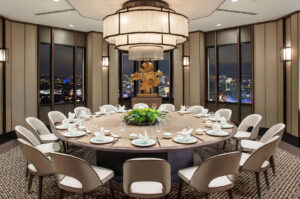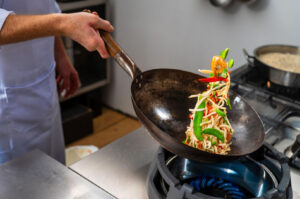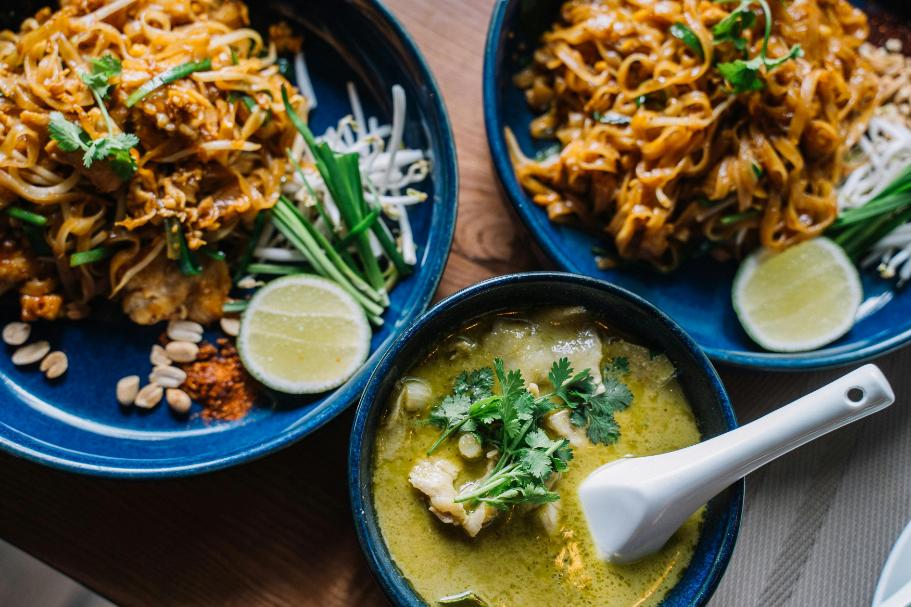
In Singapore, a city that celebrates a universe of flavors, the magnetic pull of Thai cuisine is undeniable. From bustling food courts to elegant dining rooms, the kingdom’s culinary ambassadors have firmly planted their flag. When considering the best Thai food, it’s impossible to overlook how integral Pad Thai is to the local Thai food landscape. Among the array of signature dishes-from pineapple fried rice to spicy tom yum soup-Pad Thai stands out for its vibrant flavors, silky rice noodles, and authentic Thai character.
The quest for authentic Thai cuisine in Singapore, especially Pad Thai, goes beyond simply finding a plate of noodles. It’s about seeking that perfect balance of sweet, tangy, and savory, all wrapped up in aromatic spices and fresh ingredients. For many diners, Pad Thai is a gateway to the world of Thai food, a dish that lives at the intersection of tradition and modern taste buds.
With this guide, you’ll discover what makes Pad Thai exceptional and how to identify the recommended Thai food Singapore brings to your table. For a deeper dive into Thai cuisine, check out The Ultimate Guide to Thai Food: Flavors, Traditions, and Culinary Adventures on Eat Drink Asia.
Authentic Thai Cuisine: What Makes Pad Thai So Special?
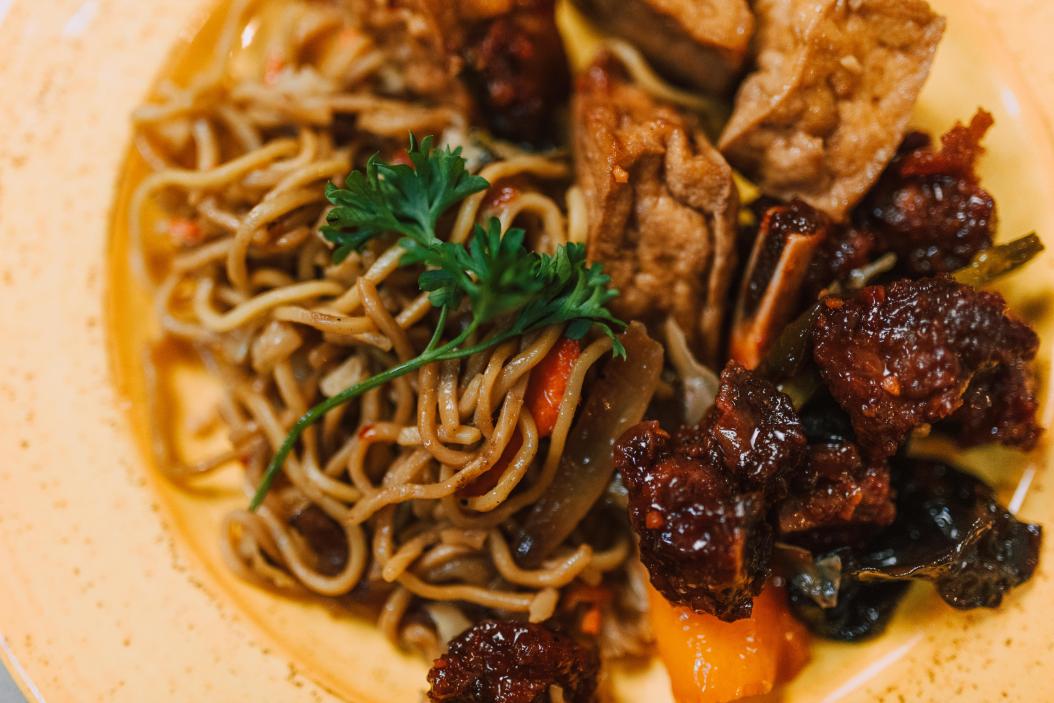
Pad Thai’s journey from the street stalls of Bangkok to becoming a highlight of Thai cuisine in Singapore is a story that entwines history, tradition, and culinary innovation. Many of Singapore’s top Thai restaurants are run by Thai natives, ensuring genuine flavors and traditional techniques in every dish.
Thailand’s former prime minister elevated the dish during the 1930s and 40s to reinforce national identity, and its influence now stretches from small Singaporean eateries to upscale Thai restaurants. Today, Pad Thai is celebrated for its authentic Thai food soul, serving as both a comfort dish and a showpiece of classic Thai fare.
The Essential Ingredients
Authentic Pad Thai demands the freshest ingredients: flat rice noodles, tamarind paste, fish sauce, palm sugar, chopped garlic, shallots, eggs, tender meat like shrimp or chicken, bean sprouts, and crumbly peanuts. Thai restaurant chefs might also add extras like green chives, sweet basil, or even soft shell crab for a modern twist, elevating the usual rendition of the dish.
Many menus feature Pad Thai alongside other recommended Thai food Singapore loves, such as boat noodles, tom yum seafood, or mango sticky rice. Just as with Pad Thai, dishes like khao hom rely on the use of premium rice and fresh ingredients to achieve authentic flavor.
Wok Hei & Tamarind Trails: Where to Find the Best Thai Singapore Pad Thai
I’ve spent the past few months chasing one specific question: where can you actually find good pad thai in Singapore? Not the overly sweet, ketchup-heavy versions, but the ones that balance tamarind, heat, and wok char properly. Across dozens of restaurants in singapore, from kopitiam stalls to polished dining rooms, I kept coming back to a few that truly represent authentic thai food.
What surprised me most is how each plate reflects a different side of thai cuisine, from smoky street-style phad thai to cleaner, more controlled interpretations shaped for local taste buds.
Pad Thai at Nakhon Kitchen (Kovan / Bedok / AMK)
Nearest MRT: Kovan MRT (3-min walk)
Price: S$5–S$8
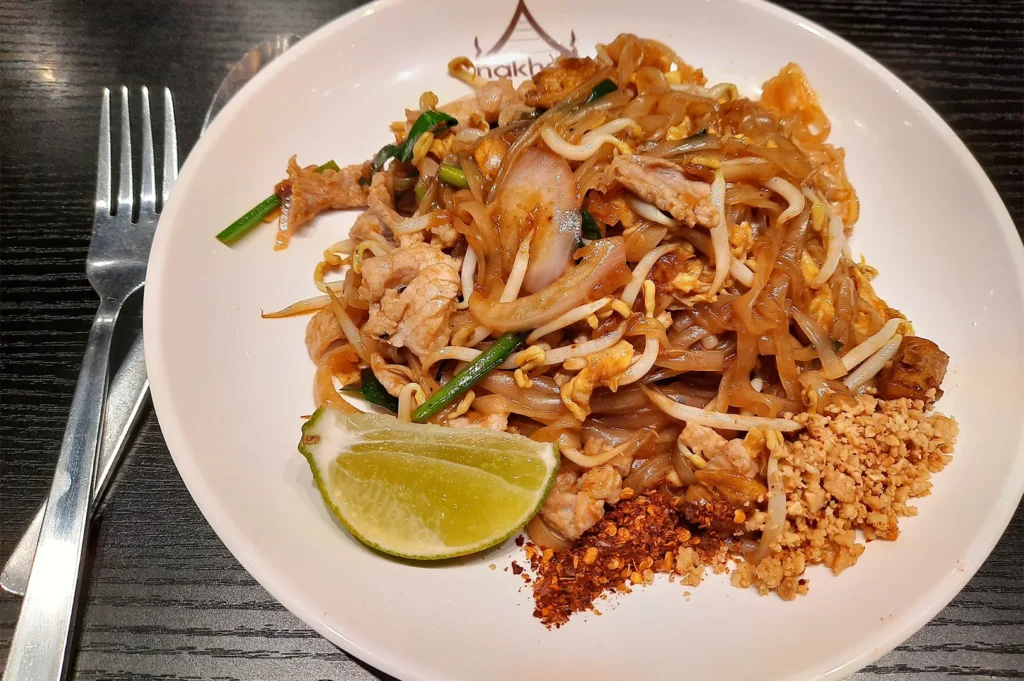
If you ask locals about the best thai singapore spots, Nakhon Kitchen is always in the conversation, and after multiple visits, I understand why. This is where you taste real wok hei in thai food in singapore. The noodles arrive slightly smoky, lightly charred, and coated in a punchy tamarind base that leans savoury over sweet.
I remember my first plate here, steam rising, crushed peanuts scattered, lime wedge glistening on the side. Once I squeezed it over the noodles, the whole dish shifted: brighter, sharper, more alive. It reminded me of thai street food stalls in bangkok, where balance happens in seconds over high heat.
Signature dish: Pad Thai (S$5–S$8)
Where this shines: Budget-friendly meals with bold, street-style flavour
Skip this if: You’re looking for air-conditioned comfort or a quiet restaurant
Field Note: Ask for extra lime and chilli flakes, the added acidity sharpens the tamarind and elevates the entire plate
Pad Thai at Soi 47 Thai Food (Jalan Besar) — A Hidden Gem Near Korat Thai Cafe
Nearest MRT: Jalan Besar MRT (3-min walk)
Price: S$8–S$12
Soi 47 sits quietly among other thai restaurant options near Jalan Besar, not far from places like korat thai cafe, yet it operates with far less noise. It feels like a hidden gem, the kind you stumble into and remember.
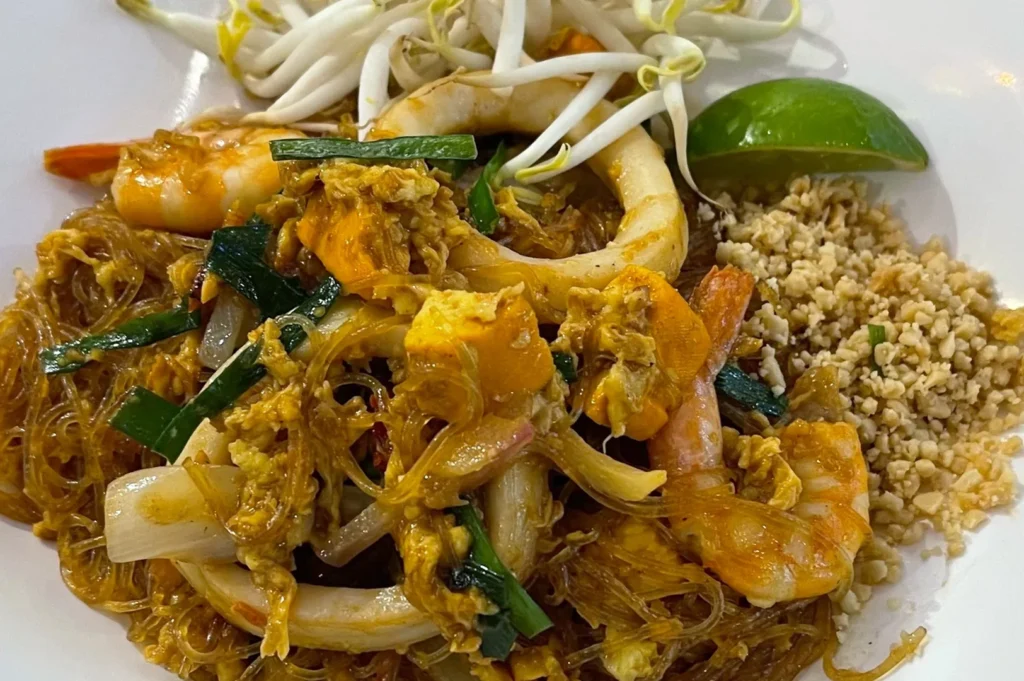
The pad thai here stands out for restraint. Instead of leaning heavily sweet, the sauce carries a proper sweet-sour tension. Tamarind cuts through cleanly, while the noodles stay soft yet distinct, not clumped, not greasy.
I came here on a weekday lunch and noticed many ordering seafood versions with fresh prawns. I followed suit, and the natural sweetness of the prawns added depth without overwhelming the base.
Signature dish: Pad Thai (S$8–S$12)
Where this shines: Those seeking authentic thai balance closer to what you’d find in chiang mai
Skip this if: You’re coming in a large group, seating is tight
Field Note: Ask them to dial down the sweetness, they’ll adjust it toward a more traditional Thai profile
Pad Thai at Thai Gold Food (Orchard Towers)
Nearest MRT: Orchard MRT (5-min walk)
Price: S$12–S$18
Sometimes you don’t want intensity, you want consistency. Thai Gold Food delivers exactly that.
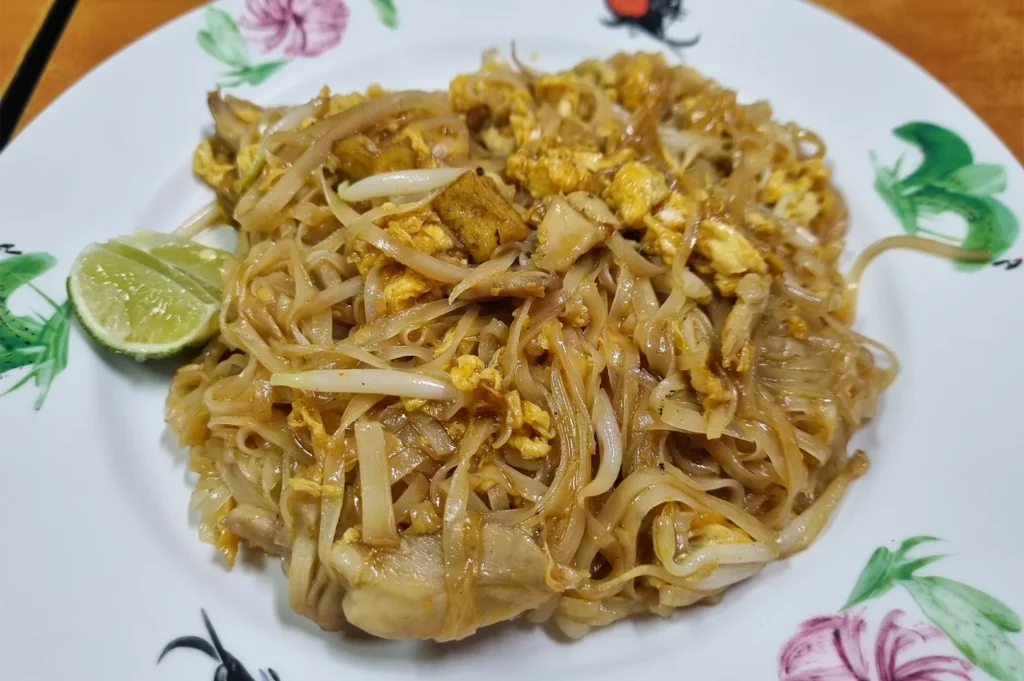
Located in Orchard Towers, this long-standing thai restaurant is known for dependable thai food in singapore, especially among regulars who return for familiar flavours done right. The pad thai here is clean and balanced, with noodles lightly coated rather than slick with oil.
Compared to wok-heavy spots, the execution feels controlled. The tamarind base is present but not aggressive, allowing sweetness and savoury notes to sit comfortably together. It doesn’t chase smoky street-style punch but offers a version that’s easy to return to, especially for those easing into thai cuisine.
You’ll also find familiar thai dishes like pineapple fried rice, refreshing thai mango salad, and creamy green curry enriched with coconut milk, making it a well-rounded stop for classic comfort plates.
Signature dish: Pad Thai (S$12–S$18)
Where this shines: Casual dates, small group meals, and comfortable central dining
Skip this if: You’re chasing aggressive wok hei or raw street-style intensity
Field Note: Go slightly off-peak hours—the kitchen is more consistent when it’s not handling late-night crowds
Diandin Leluk Thai Restaurant (Golden Mile Area)
Nearest MRT: Nicoll Highway MRT (8-min walk)
Price: S$10–S$15
Among long-standing names like jai thai and beerthai house restaurant, diandin leluk thai restaurant stands out for atmosphere. Located near Golden Mile, Singapore’s historic Thai enclave, it feels closest to dining in Thailand itself.
I went late at night, and that changed everything. The room buzzed with energy, skewers of moo ping and grilled pork neck coming off the grill, while plates of pad thai moved rapidly from kitchen to table.
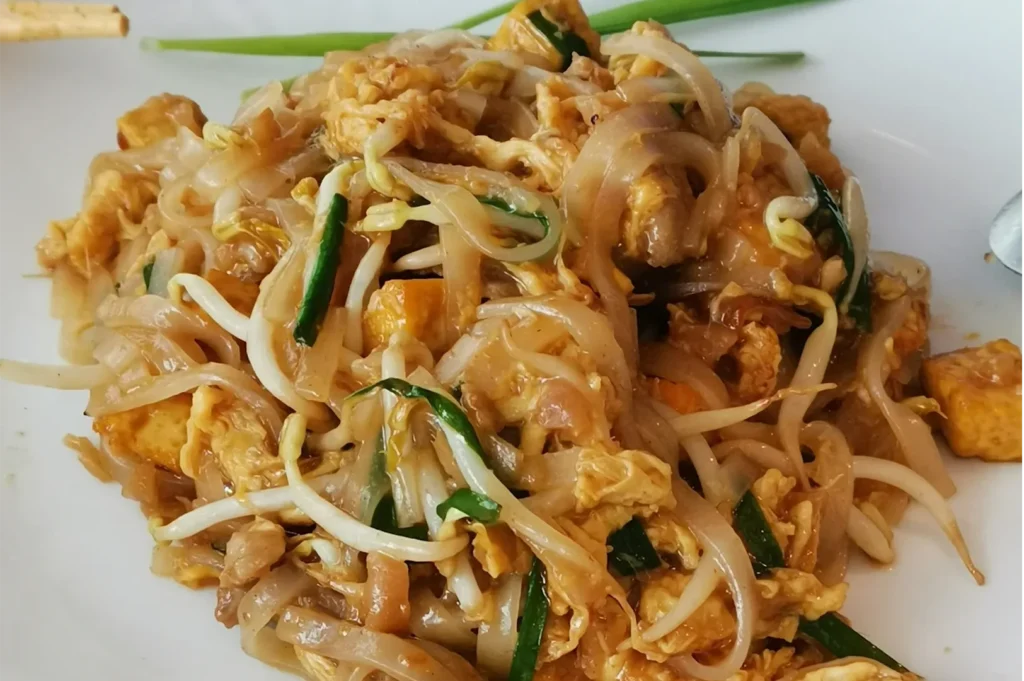
The version here leans heavier on tamarind, giving it a sharper, more assertive edge. The noodles are darker, slightly caramelised, and pair well with sides like tom yum seafood or even a rich crab meat omelette.
It felt less polished, but more alive.
Signature dish: Pad Thai (S$10–S$15)
Where this shines: Late-night cravings and immersive thai street food energy
Skip this if: You expect modern interiors or refined service
Field Note: Visit after 9 PM, the atmosphere shifts and feels closest to a Bangkok street-side setting
Beyond Pad Thai: Boat Noodles, Green Curry, and Michelin-Worthy Thai Spots
If you’re exploring beyond pad thai, Singapore’s Thai scene opens up quickly.
- Places like nummun thai kitchen and khao hom expand into dishes like thai boat noodles, rich, concentrated broths with herbs and spices
- Creamy green curry and thai red curry showcase how coconut-based gravies balance heat with sweetness
- Some outlets even brush against recognition similar to michelin guide or michelin bib gourmand mentions, proving how serious Thai cooking has become here
You’ll also encounter signature dishes like:
- Mango sticky rice with soft, glutinous grains soaked in coconut
- Tom yum mama ultra, a more indulgent variation of classic tom yum soup
- Stir-fried plates like basil pork rice or hot basil chicken, often topped with a runny fried egg
Each adds another layer to understanding authentic thai food beyond just one noodle dish.
Ordering Pad Thai Like a Pro
Stand out as a savvy guest by asking a few choice questions about your Pad Thai-and customize it according to your taste.
- Preparation: Is the sauce made in-house and does it use traditional ingredients like tamarind? Are proteins grilled, deep-fried, or wok-tossed?
- Customization: Choose spice levels, request additional toppings like soft shell crab, or select between classic and modern adaptations like tom yum fried rice or pineapple fried rice.
- Pairings: Order alongside mango sticky rice, authentic Thai street food snacks, or cool drinks like coconut milk Thai iced tea for a memorable meal.
Singapore’s authentic Thai cuisine scene is full of friendly, attentive teams eager to answer your questions-don’t hesitate to ask!
Your Journey to the Authentic Thai Food
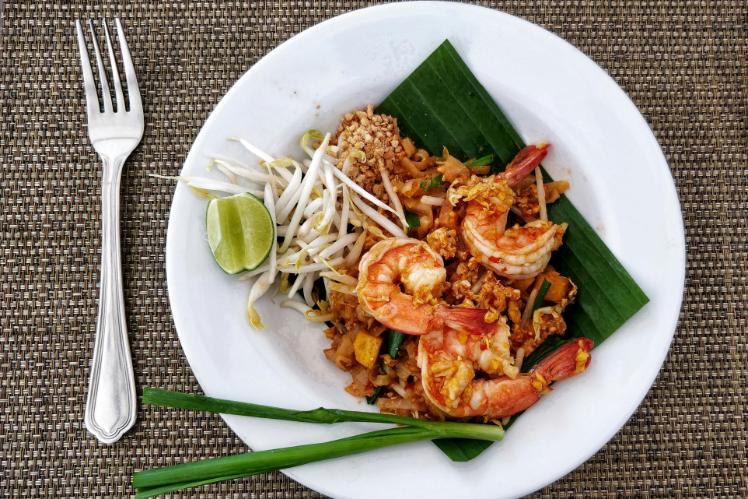
Exceptional Pad Thai sits at the heart of the best Thai Singapore has to offer-and now you know exactly what makes that plate so special. Whether you’re a lover of flat rice noodles, spicy soup, grilled chicken, or classic noodle dishes, the city’s vibrant Thai cuisine has just the thing to enrich your day and excite your soul.
The next time you tuck into your noodles-whether surrounded by the warm buzz of a bustling Thai restaurant, enjoying boat noodles at a hawker stall, or sampling signature dishes like kra pow thai hot basil chicken or minced chicken thigh-remember that you are savoring a piece of authentic food culture of Thailand. Let the tangy, aromatic, and spirited flavors take you to the heart of Bangkok and beyond.

The Malayan Council, Reviewed: Local Food in Malaysia, Plated Like a Memory
Eat Drink Asia Team | June 11, 2026
Our Eat Drink Asia team spends a lot of time debating what makes a truly unforgettable meal. The team has previously published articles exploring the redefinition of comfort food. That is exactly what led me to The Malayan Council at 71 Bussorah Street. I visited on a Friday around 7:30 pm, just as the weekend…

Sushi in Singapore: Why There Is a Style for Every Budget
Eda Wong | June 11, 2026
Few Japanese dishes have travelled as successfully across Asia as sushi. What began as a culinary tradition deeply rooted in Japan has evolved into something remarkably diverse in Singapore. Today, sushi in Singapore can mean many different things. It can be a quick lunch grabbed from a conveyor belt restaurant, a carefully curated omakase meal…
-
The Quiet Pull of Lahpet in Myanmar’s Tea Leaf Salad
Dio Asahi | June 10, 2026
The afternoon humidity presses against the open-air teahouse in downtown Yangon, where the sharp clatter of a silver spoon against ceramic cuts through the low hum of conversation. A small plate sits in the centre of a low plastic table, holding a dense, dark green cluster that smells faintly of damp earth and sharp lime….
-
Dining at Suntec: The Restaurants That Feel Like Different Cities in One Mall
Eda Wong | June 9, 2026
Over the past six months, I’ve navigated the sprawling, sometimes disorientating corridors of Suntec City more times than I can count. What started as a simple quest to find decent spots for post-meeting lunches quickly turned into a genuine culinary journey. I have tried over a dozen venues within this massive complex, and I’ve found…
-
PappaRich SG and the Comfort of Malaysian Staple Food: A Restaurant Review in Familiar Flavours
Dio Asahi | June 6, 2026
There is a very specific kind of exhaustion that hits you right before a flight or just after you land. You are dragging your suitcase, staring blankly at the departure boards, and suddenly, you realize you are starving. But you don’t want just any food. You want something warm, familiar, and deeply comforting. I felt…
-
Sri Lanka’s Ambul Thiyal and the Sourness of Goraka
Eda Wong | June 5, 2026
In the open-air kitchen of a coastal home in southern Sri Lanka, a low fire crackles under a wide, unglazed clay pot. The air is thick with the scent of roasted black pepper and something deeply, aggressively tart. A wooden spoon scrapes the bottom of the pot, turning cubes of firm yellowfin tuna until they…
-
Traditional Malaysian Foods Aren’t a Museum: They’re a Living Argument at the Table
Eda Wong | June 4, 2026
When I first really started digging into traditional Malaysian food, I made a classic rookie mistake. I was sitting at a crowded kopitiam in Kuala Lumpur, looking at a plate of nasi lemak, and I thought I understood exactly what it was supposed to be. I thought it was a fixed, rigid recipe, a museum…
-
In Gifu, Hoba Miso Warms Slowly Over Magnolia Leaves
Dio Asahi | June 3, 2026
Frost clings to the wooden window frames in the highlands of Gifu. Inside, the air is thick with the scent of woodsmoke and fermented soybeans. On the table, a small ceramic charcoal grill known as a shichirin radiates a gentle, localized heat. Resting directly above the glowing embers is a large, brittle brown leaf holding…
-
The Stir Fried Egg Plant That Taught Me Restraint at Si Chuan Dou Hua Restaurant
Eat Drink Asia Team | June 2, 2026
I’ve always had a love-hate relationship with Sichuan food. Usually, you walk into a spot, order your food, and spend the rest of the night sweating through your shirt, chugging ice water, and wondering why you did this to yourself. But when I visited Si Chuan Dou Hua Restaurant on a Tuesday around 7 pm,…
-
What the Wok Is Really Doing to the Vegetable: The Question Behind Every ‘Brinjal Recipe Chinese Style’
Dio Asahi | May 30, 2026
When I first tried cooking brinjal at home, I was completely convinced that all I needed was a hot pan, some oil, and a good recipe. I chopped the vibrant purple vegetable, threw it into a standard frying pan with a generous pour of oil, and waited for the magic to happen. Instead of the…