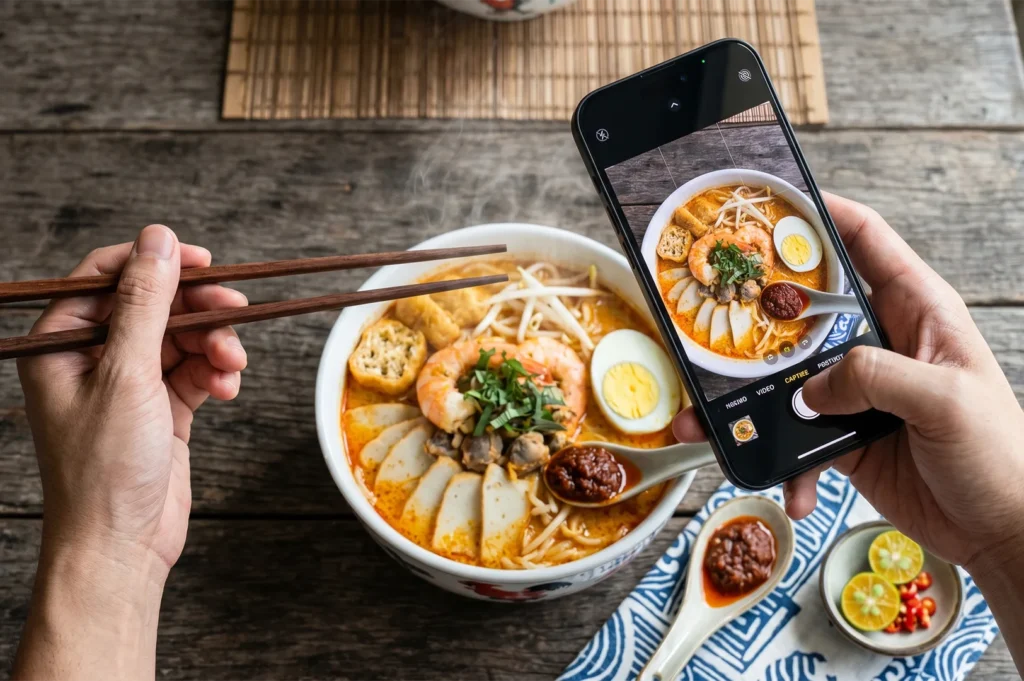
In our first, would probably say, emotional editorial, I would like to open with how there is a particular kind of silence that happens before a dish is eaten now. Not the quiet of anticipation, but the pause of positioning, a hand hovering just above the plate, adjusting the angle of a bowl so the light catches the surface just right. Somewhere between the kitchen and the first bite, food has learned to wait.
I have been a food blogger for a while now, and this topic has a special place in my heart. Because we have watched this shift happen gradually. A bowl of noodles is no longer simply hot and immediate, it is framed. A slice of cake is no longer just soft and sweet, it is cut, rearranged, sometimes rebuilt for the photograph. In this space between aesthetic and appetite, the modern food blogger operates.
At its best, this attention to beauty does something meaningful. SG Food Blogger, and of course us here in Eat Drink Asia, believes that it slows us down and asks us to look closely, to notice the sheen of a sauce or the uneven edges of something handmade. These details carry memory, especially in dishes shaped by long-standing recipes and quiet traditions. In these moments, the visual becomes a form of respect.
But there is a quiet tension underneath. What is being preserved is often not the food itself, but a version of it, styled and adjusted before it is shared. The dish that is eventually eaten is no longer the same one that was captured. It has cooled, settled, and shifted, becoming something slightly removed from its original state.
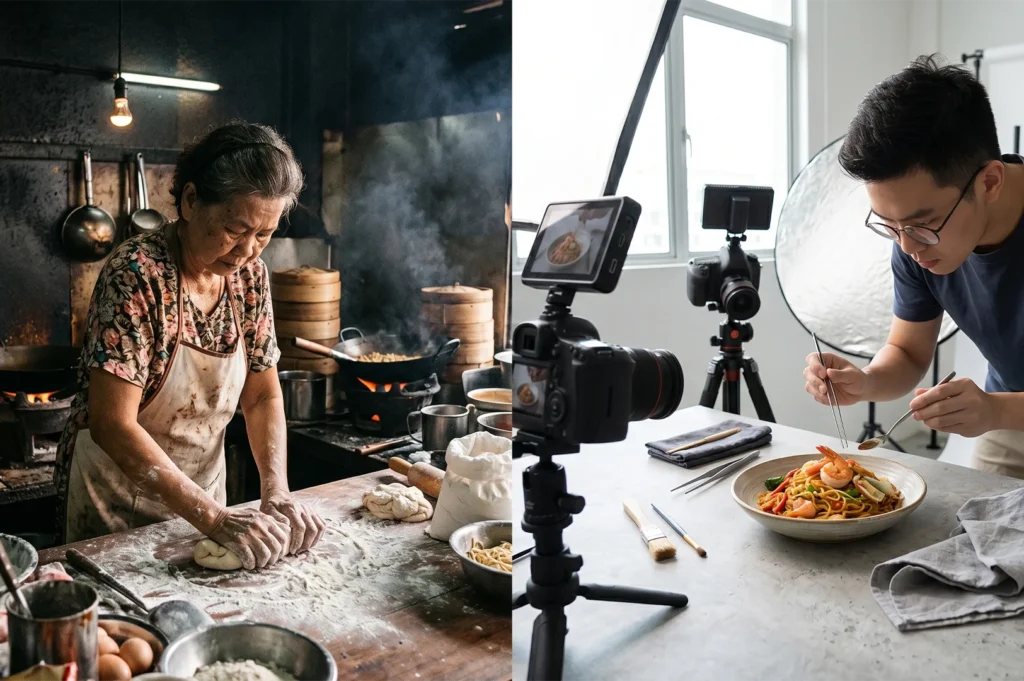
And in that shift, appetite becomes secondary. Food in hawker stalls, family kitchens, and small specialty spaces was never meant to wait. It was built on timing, on being eaten at the exact moment it reaches its peak. To delay that moment is to change the experience.
Yet documentation has also become a form of preservation. Many dishes today are fragile not in texture, but in continuity. Recipes are simplified, techniques forgotten, and entire food traditions begin to fade as the people behind them grow older. In this sense, the camera becomes a tool of memory.
But memory, shaped by aesthetic expectation, begins to change. Colours are adjusted, portions curated, complexity reduced into something more visually clear. A layered dish becomes a clean image, easier to understand but further from how it truly exists.
We see this most clearly in how recipes travel. Traditional preparations are reworked into quicker, simpler versions. Adaptation is not new, it has always been part of how food survives. But there is a point where reduction begins to remove what made the dish whole.
Some food bloggers resist this pressure. They allow dishes to remain slightly uneven, imperfect, and real. Their work feels closer to the act of eating, less controlled but more honest. They remind us that food is not meant to stay still, but to move and be consumed.
Perhaps the balance lies here. Not in rejecting beauty, but in placing it beside appetite rather than ahead of it. A dish is not complete when it is photographed, but when it is eaten. If we are to preserve food meaningfully, we must remember that the recipe is not the image, and the specialty is not the styling. The experience, always, comes after.

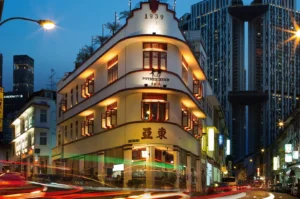
Tong Ah Eating House Review: A Chinatown Breakfast That Still Begins with Kaya Toast
Eda Wong | September 19, 2026
I almost walked past it. I’d been looking for the old triangular building, the red-and-white one you see in every photo of Keong Saik, the one that made Tong Ah feel like a landmark before you’d even ordered anything. But that’s not where it lives anymore. It’s a few doors down now, at 35 Keong…
-
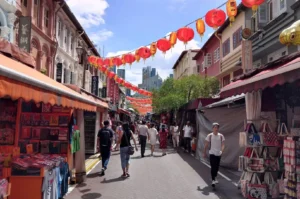
Breakfast at Chinatown Singapore: How Migration Built the City’s Morning Table
Eat Drink Asia Team | September 17, 2026
The first time I ate breakfast in Chinatown, I got it wrong. I arrived at eleven, hungry and hopeful, and found the kopi stalls already turning toward lunch. The porridge uncle was packing up. The toast man had switched to slicing char siew. I ate a rushed plate of noodles standing near a pillar, sweating,…
-
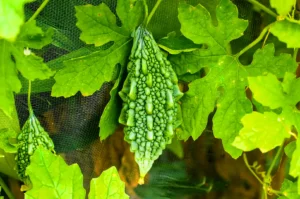
The Bitter Leaf Folded Into a Burmese Home Kitchen
Eda Wong | September 16, 2026
The oil is already hot when she reaches for the leaves. It’s late morning in a kitchen off a quiet lane, and a woman I’ve been watching stands over a blackened wok, tearing bitter gourd leaves by hand into a small heap. The garlic hits the oil first, sharp and loud. Then the leaves go…
-
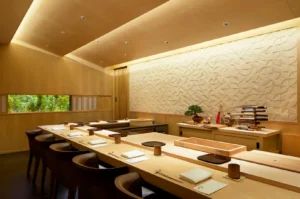
Best Sushi Singapore: From Premium Japanese Restaurants to Exclusive Deals from Affordable Sushi Trains
Dio Asahi | September 15, 2026
I’ve been eating sushi in this city for years now, from S$1.50 plates rolling past on a belt to omakase counters where the bill made me sit up straight. Somewhere along the way I stopped chasing “the best” and started noticing something else — that good sushi answers a mood, not a ranking. Some nights…
-
Al Mubin Restaurant and the Nasi Goreng Sambal Ayam That Has to Carry the Whole Plate
Eda Wong | September 12, 2026
It was close to eleven at night when I finally sat down. The kind of hour when you’re not really hungry so much as unsettled, when you want something warm in front of you more than you want a proper meal. Al Mubin’s food court at Block 407, Ang Mo Kio Avenue 10, was still…
-
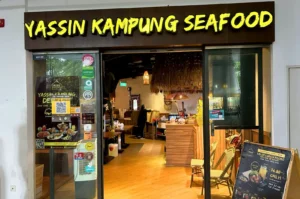
Yassin Kampung Admiralty Review: When Sambal Fried Rice Becomes the Whole Point
Eat Drink Asia Team | September 10, 2026
I ordered the sambal fried rice first, before I’d even properly read the menu. That’s usually a mistake at a place like this. Yassin Kampung @ Admiralty is the kind of restaurant that keeps trying to pull your attention elsewhere — toward stingray, toward crab, toward hotplates that arrive still hissing. But I’d come with…
-
The Bamboo Basket Holding Chiang Mai’s Sticky Rice
Dio Asahi | September 9, 2026
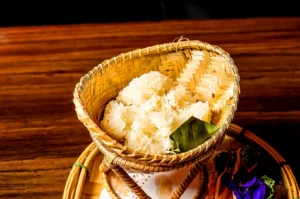
By Dio Asahi for Eat Drink Asia. The lid comes off, and the steam rises first. It’s a warm afternoon in Chiang Mai, and on the table sits a small woven bamboo basket, still holding the heat of the pot it came from. Someone’s grandmother lifts the top and sets it aside without looking. Inside,…
-
Sambal Fried Rice Recipe for People Who Know the Chilli Paste Does the Heavy Lifting
Dio Asahi | September 8, 2026
I used to add the rice too early. The oil would be hot, the sambal barely a minute in, and I’d tip in the cold rice because I was hungry and impatient. Every time, the same result: rice stained red but tasting of nothing much. Sharp. Raw. Flat where it should have been deep. It…
-
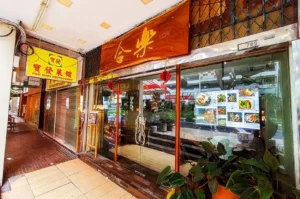
Hup Lok at Havelock Road: A Teochew Fish Soup Carrying Memory Forward
Eda Wong | September 8, 2026
The bowl arrives before anything else does. Steam lifts off it in slow ribbons, carrying the smell of ginger and something warmer underneath: the round, boozy note of hua tiao wine settling into fish. I lean in before I even pick up my spoon. The broth is pale gold and cloudy, thick enough that it…
-
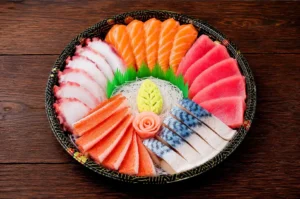
Fresh Sashimi Singapore: Places for Clean Cuts, Quiet Counters, and Fish That Still Feels Alive
Eda Wong | September 5, 2026
I didn’t grow up eating raw fish. For years, sashimi felt like something you learned to appreciate rather than something you loved. Cold, foreign, a little intimidating. Then one afternoon, at a quiet counter, a chef placed a single slice of chutoro in front of me and said nothing. I ate it. And I understood….