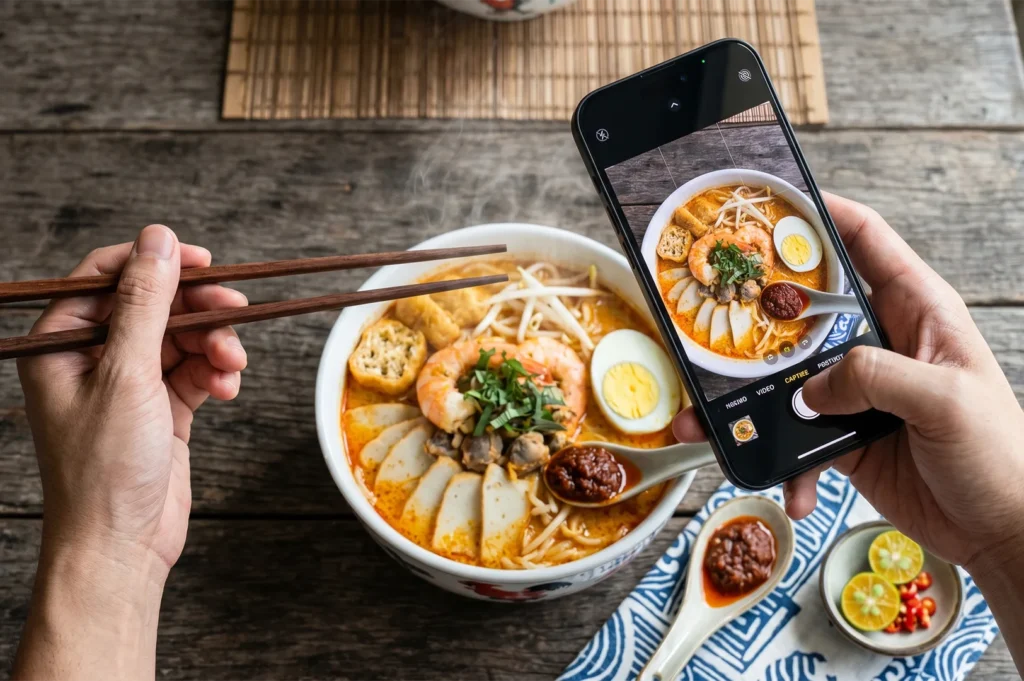
In our first, would probably say, emotional editorial, I would like to open with how there is a particular kind of silence that happens before a dish is eaten now. Not the quiet of anticipation, but the pause of positioning, a hand hovering just above the plate, adjusting the angle of a bowl so the light catches the surface just right. Somewhere between the kitchen and the first bite, food has learned to wait.
I have been a food blogger for a while now, and this topic has a special place in my heart. Because we have watched this shift happen gradually. A bowl of noodles is no longer simply hot and immediate, it is framed. A slice of cake is no longer just soft and sweet, it is cut, rearranged, sometimes rebuilt for the photograph. In this space between aesthetic and appetite, the modern food blogger operates.
At its best, this attention to beauty does something meaningful. SG Food Blogger, and of course us here in Eat Drink Asia, believes that it slows us down and asks us to look closely, to notice the sheen of a sauce or the uneven edges of something handmade. These details carry memory, especially in dishes shaped by long-standing recipes and quiet traditions. In these moments, the visual becomes a form of respect.
But there is a quiet tension underneath. What is being preserved is often not the food itself, but a version of it, styled and adjusted before it is shared. The dish that is eventually eaten is no longer the same one that was captured. It has cooled, settled, and shifted, becoming something slightly removed from its original state.
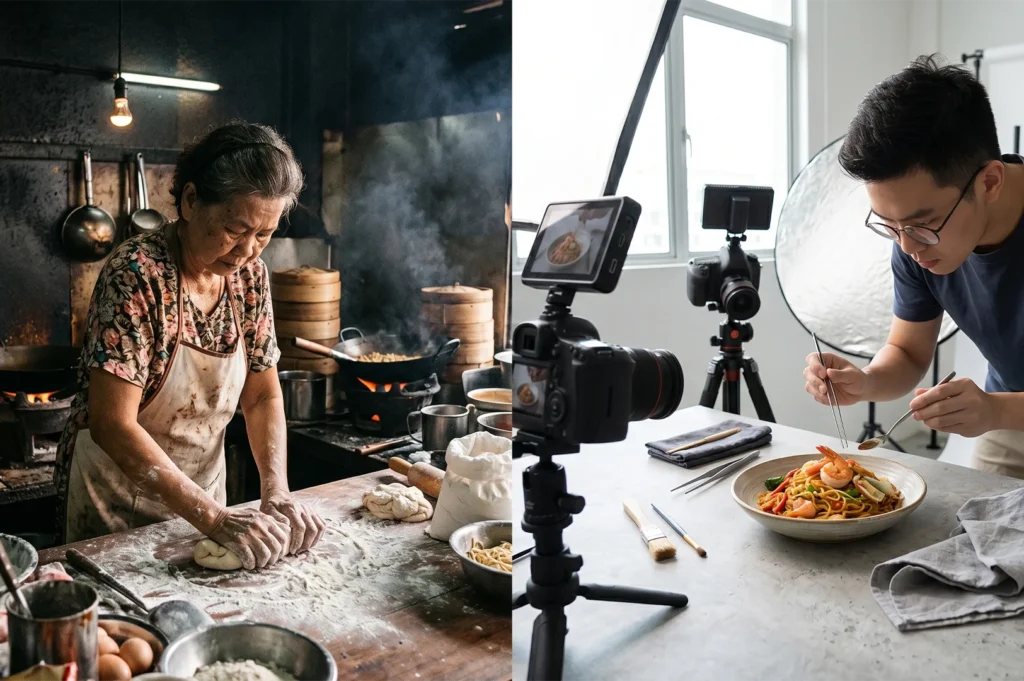
And in that shift, appetite becomes secondary. Food in hawker stalls, family kitchens, and small specialty spaces was never meant to wait. It was built on timing, on being eaten at the exact moment it reaches its peak. To delay that moment is to change the experience.
Yet documentation has also become a form of preservation. Many dishes today are fragile not in texture, but in continuity. Recipes are simplified, techniques forgotten, and entire food traditions begin to fade as the people behind them grow older. In this sense, the camera becomes a tool of memory.
But memory, shaped by aesthetic expectation, begins to change. Colours are adjusted, portions curated, complexity reduced into something more visually clear. A layered dish becomes a clean image, easier to understand but further from how it truly exists.
We see this most clearly in how recipes travel. Traditional preparations are reworked into quicker, simpler versions. Adaptation is not new, it has always been part of how food survives. But there is a point where reduction begins to remove what made the dish whole.
Some food bloggers resist this pressure. They allow dishes to remain slightly uneven, imperfect, and real. Their work feels closer to the act of eating, less controlled but more honest. They remind us that food is not meant to stay still, but to move and be consumed.
Perhaps the balance lies here. Not in rejecting beauty, but in placing it beside appetite rather than ahead of it. A dish is not complete when it is photographed, but when it is eaten. If we are to preserve food meaningfully, we must remember that the recipe is not the image, and the specialty is not the styling. The experience, always, comes after.

Pattaya Garden Restaurant and the Thai Meal That Knows How to Feed a Group
Eat Drink Asia Team | September 3, 2026
The rice came down first. A plain bowl, warm and steaming, set in the middle of the table before anything else. Then the green curry, in a bowl wide enough for four spoons to reach at once. And within a minute the table stopped being a set of individual meals and became one shared thing,…
-
At Keria Japanese Restaurant, the Meal Begins Before the First Bite
Dio Asahi | September 3, 2026
By Dio Asahi for Eat Drink Asia. The lift opens onto a corridor leading to the famed and hidden Cuppage Plaza food, and the building’s age shows in the flickering fluorescent light and the smell of old carpet. Then a sliding door pulls back, and Keria Japanese Restaurant asks you to slow down. Inside, it…
-
The Round Kaya Bun at Chin Mee Chin Confectionery, and the Mornings It Keeps
Eda Wong | September 2, 2026
By Eda Wong for Eat Drink Asia. It’s not quite eight, and the pastel-blue shophouse is already awake. Kopi cups clink against saucers. A ceiling fan turns slow overhead. Someone folds a newspaper at a marble-topped table, and the man behind the counter moves without hurry, sliding buns across in a rhythm he’s clearly done…
-
Nana Original Thai Food and the Thai Meal That Keeps Changing Its Accent
Eda Wong | September 1, 2026
The tom yum arrived first, and the first spoonful hit sour and hot at once, lime and chilli chasing each other down the throat. This classic Thai dish features a spicy sauce and aromatic herbs that awaken the taste buds straight away, setting the stage with its bold flavors. Then the pineapple rice came, sweet…
-
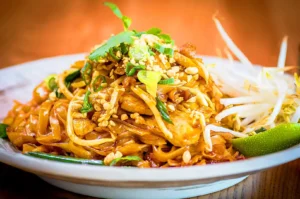
Pad Thai Recipe for People Who Know the Noodles Can’t Be an Afterthought
Dio Asahi | August 29, 2026
The first time I made Pad Thai, I ruined it before the wok was even hot. I’d left the noodles soaking while I answered a phone call. Ten minutes turned into forty. By the time I drained them, they were already soft, already surrendered. Everything I did in the pan after that was damage control….
-
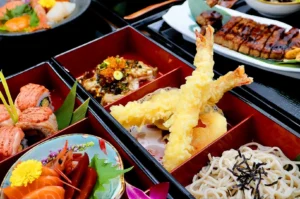
Best Japanese Restaurant Singapore: Places That Nail the “First Bite”
Eat Drink Asia Team | August 27, 2026
I built this list around a very specific feeling: that first bite where the room goes quiet for a second. I’ve tried enough Japanese restaurants in Singapore over the years to know that “best” does not always mean the most expensive, the rarest, or the hardest to book. Sometimes it is the warmth of the…
-
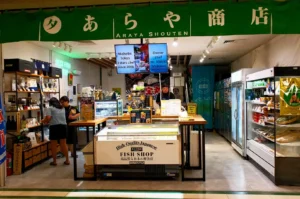
Not Just Seafood: How Araya Shouten Keeps Japanese Fishing Culture Alive in Singapore
Eat Drink Asia Team | August 26, 2026
Japanese cuisine has long been admired for its attention to seasonality, precision, and respect for ingredients. However, behind every piece of sashimi or carefully prepared seafood dish lies a story that begins far away from the dining table, often with fishermen, coastal communities, and generations of knowledge passed down through time. At Araya Shouten, seafood…
-
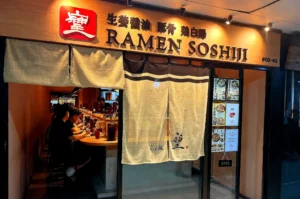
The Ginger Shoyu Ramen at Ramen Soshiji, Where Orchard Goes Quiet
Dio Asahi | August 26, 2026
By Dio Asahi for Eat Drink Asia. The lift opens on the third floor of Orchard Plaza, and for a second I don’t know which way to turn. The corridor is dim and still, the kind of quiet that feels almost accidental in this part of town. A few doors down, an unmarked entrance. Inside,…
-
Indo Rasa Singapore and the Nasi Goreng That Measures a Kitchen’s Confidence
Eat Drink Asia Team | August 25, 2026
There’s a dish I order when I want to know a kitchen quickly. Not the specialty. Not the thing the menu is proud of. I order the fried rice. Because nasi goreng has nowhere to hide. It’s rice, chilli, chicken, egg, a few crackers, some cucumber. Everyone thinks they can make it. Most people can….
-
Bebek Goreng Pak Ndut and the Fried Duck That Makes Nasi Goreng Feel Too Polite
Eda Wong | August 22, 2026
The duck arrived and made a sound before I’d even touched it. Not the plate, the skin. When my fork pressed against it, there was a small, dry crackle, the kind you feel in your fingers before you hear it. That’s when I understood I wasn’t eating a soft meal. This was something with edges….