The afternoon heat in the outskirts of Phnom Penh settles like a thick blanket over the wooden stilt houses. Underneath the corrugated tin roof of an open-air kitchen, the air carries a heavy, sharp scent that instantly commands attention, a deeply pungent, earthen aroma of crushed fish and salt. An elderly woman sits on a low stool, a heavy cleaver rhythmically striking a scarred wooden block. She is mincing small, silvery fish into a coarse paste, the sound of metal on wood echoing through the humid air. Nearby, large earthen clay pots sit quietly in the shadows. Inside them, the true work is already happening, hidden from view.
In that pungency is a familiar truth of Asian cuisine: fermentation is often the quiet engine of flavour. What lies inside those heavy pots is prahok (pronounced prah-hok), the fermented fish paste that forms the unapologetic backbone of Cambodian cuisine. At its core, prahok is an exercise in preservation and patience. During the brief dry season, millions of small mudfish are harvested from the Tonle Sap lake, crushed, heavily salted, and packed into earthen jars. Left to ferment for months or even years under the intense tropical heat, the fish breaks down completely. The proteins transform into a dense, greyish-brown paste that is remarkably high in umami. It is a profoundly intense ingredient. A single spoonful tastes aggressively salty and sharp on its own, but when dissolved into a boiling broth or mashed with lime and chillies, it creates a rich, complex depth that defines the authentic taste of Khmer cooking.
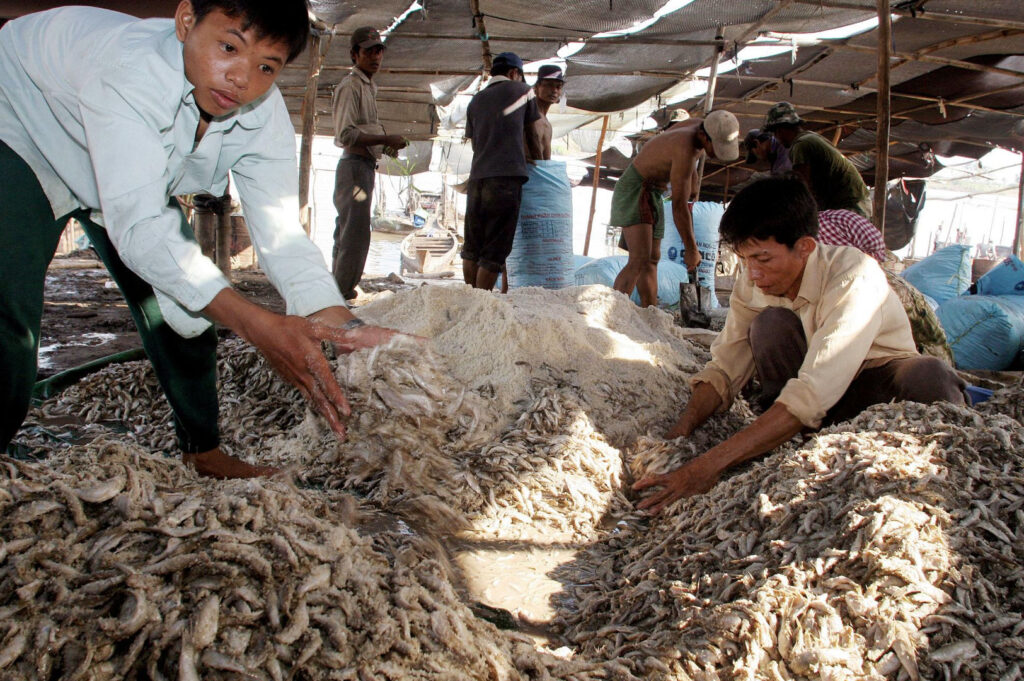
In Cambodia, the prahok pot is far more than a pantry staple; it is an anchor of everyday food memory and a record of the shifting seasons. The rhythm of rural life is tied to the annual fish harvest, turning the messy, communal work of scaling and salting into vital shared experiences for the entire village. A meal without prahok often feels incomplete to a local palate. It is the invisible force that gives body to a clear green papaya soup and the savoury edge to a fiery dipping sauce. It signals a deep connection to the land and water, offering families a reliable source of protein and deep, flavourful comfort long after the floodwaters of the great lake have receded.
Today, this ancient culinary journey faces a quiet tension. Modern urbanisation brings the convenience of factory-produced seasoning cubes and imported MSG, which offer an easier, odourless shortcut to flavour. For many younger city dwellers, the pungent aesthetic of a bubbling clay pot of fermenting fish feels out of step with fast-paced, modern life. Yet, authentic prahok demands that we confront the visceral reality of our food. It refuses to be sanitised or neatly packaged. It requires a surrender to time and the slow, microbial breakdown of nature, standing as a stubborn reminder that the most profound flavours cannot be rushed by industrial efficiency.
Watching the woman carefully seal her earthen jar, the air remains thick with the scent of salt and time. There is no rush, no immediate gratification. The paste will sit in the dark, slowly transforming, quietly waiting to bring life to a future meal.

ABC Hokkien Mee After Renovation: What to Expect When the Woks Return
Dio Asahi | June 27, 2026
When I first walked past a hawker centre undergoing major renovations, the absolute silence unsettled me. The usual rhythmic scrape of metal spatulas against cast-iron woks was gone, replaced by the hum of construction. It made me realise just how much our culinary journeys are tied to the physical spaces we eat in. Right now,…
-
Claypot Rice Crusts: Listening for the First Crackle
Eda Wong | June 26, 2026
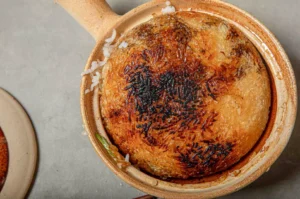
The narrow alleyway in Yau Ma Tei smells of charcoal and dark soy sauce, a thick coastal humidity pressing against the glow of the stoves. An elderly cook stands before a row of blackened sand-clay pots, a long metal tong in his right hand. He does not watch the flames; he listens to them. There…
-
Shiok Hokkien Mee and the Pleasure of a Plate That Clings: Tiong Bahru Hokkien Mee at Midday
Eat Drink Asia Team | June 25, 2026
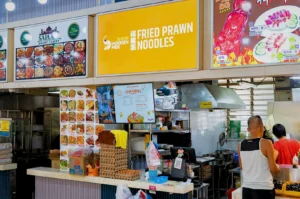
I have always believed that the true test of a neighbourhood’s food scene happens right in the middle of the day. When the midday hunger hits, you don’t want a tasting menu; you want a fast, flavourful culinary journey that hits the spot. That is exactly what led me, representing the Eat Drink Asia team,…
-
When Curry Learns to Breathe
Dio Asahi | June 24, 2026
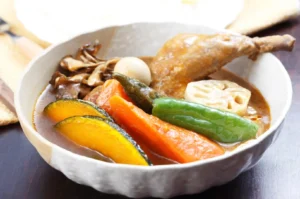
The rain taps lightly against the glass of a quiet Japanese diner, turning the pavement outside a slick, silver grey. Inside, the bowl arrives with steam first, then colour: pumpkin orange, aubergine purple, and a dark curve of chicken set against a broth that looks too light to carry so much heat. The spoon touches…
-
Hong Heng Fried Sotong Prawn Mee: Where Squid Turns Chewy, Broth Turns Glossy, and Time Turns Quiet
Eda Wong | June 23, 2026
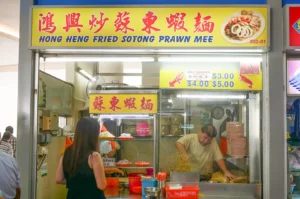
There is something deeply comforting about a hawker centre right before the lunch rush hits. I visited Tiong Bahru Market on a Tuesday around 10:30 am, hoping to beat the infamous queue at Hong Heng Fried Sotong Prawn Mee. Even at that early hour, a line of six people had already formed, waiting quietly under…

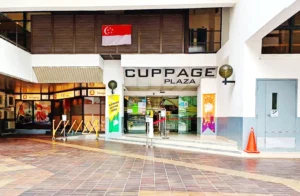
Cuppage Plaza Food: Hidden Japanese Restaurants and Dining Gems Near Orchard
Dio Asahi | June 20, 2026
Orchard Road is a brilliant, trend-setting celebration of flavours, but its gleaming mega-malls can sometimes feel a bit predictable. If you are an urban food enthusiast seeking genuine culinary journeys rather than polished franchise menus, the true heart of the district lies slightly hidden. Cuppage Plaza is a fascinating, liminal space that operates almost like…
-
Makgeolli Bowls and the Soft Grain of Korean Rice Wine
Eda Wong | June 19, 2026
The monsoon rain drums a steady, heavy rhythm against the fogged windows of a narrow tavern in Jongno, muffling the chaotic pulse of the city outside. Inside, the air hangs warm, thick with the scent of toasted mung beans and a subtle, yeasty tang. A dented brass kettle tips forward, and a chalk-white, opaque liquid…
-
Kung Pao Chicken Sauce Is the Real Test: Why It Turns Glossy, Sharp, and Addictive
Eat Drink Asia Team | June 18, 2026
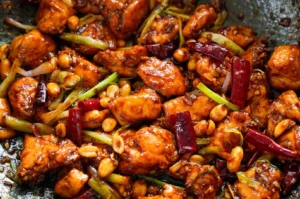
Kung pao chicken is often described by its main ingredients: diced chicken, dried chillies, peanuts, spring onions, and Sichuan peppercorns. But anyone who has cooked it at home knows the truth: the dish succeeds or fails because of the sauce. The sauce decides whether kung pao chicken tastes lively and balanced, or flat, sticky, and…
-
Jeju’s Seaweed Soup and the Memory of Birthday Tables
Dio Asahi | June 17, 2026
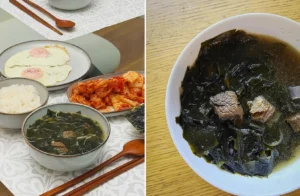
The sharp winter wind rattles the low stone walls of a Jeju Island kitchen, but inside, the air is thick with steam and the deeply marine scent of boiling kelp. An elderly woman stands by a bubbling steel pot, watching the dark green fronds swell and twist in the rolling water. She adds a splash…
-
Chicken Pao Recipe for People Who Respect Heat: Why Kung Pao Works Only When Timing Is Tight
Eda Wong | June 16, 2026
I remember my first attempt at cooking gong bao ji ding a few years ago. I wanted to recreate that authentic, trend-setting dish I had experienced at a traditional Sichuan restaurant, a meal that felt like a genuine celebration of flavours. I heated my wok until it was smoking, tossed in a handful of dried…