The December wind cuts sharply through the narrow alleys of Temple Street, but the ambient heat from the glowing charcoal stoves pushes the chill away. A cook stands before a long row of blackened clay pots, working with a rhythmic, almost meditative focus. Plumes of white steam rise into the night air, carrying the heavy, sweet aroma of cured pork fat, dark soy sauce, and wood smoke. As the cook periodically lifts the lids, a fierce, crackling hiss erupts from the porous clay. They are not just cooking rice; they are carefully managing a delicate, high-stakes balance of heat and time, listening closely to the sizzle to know exactly when the moisture has vanished.
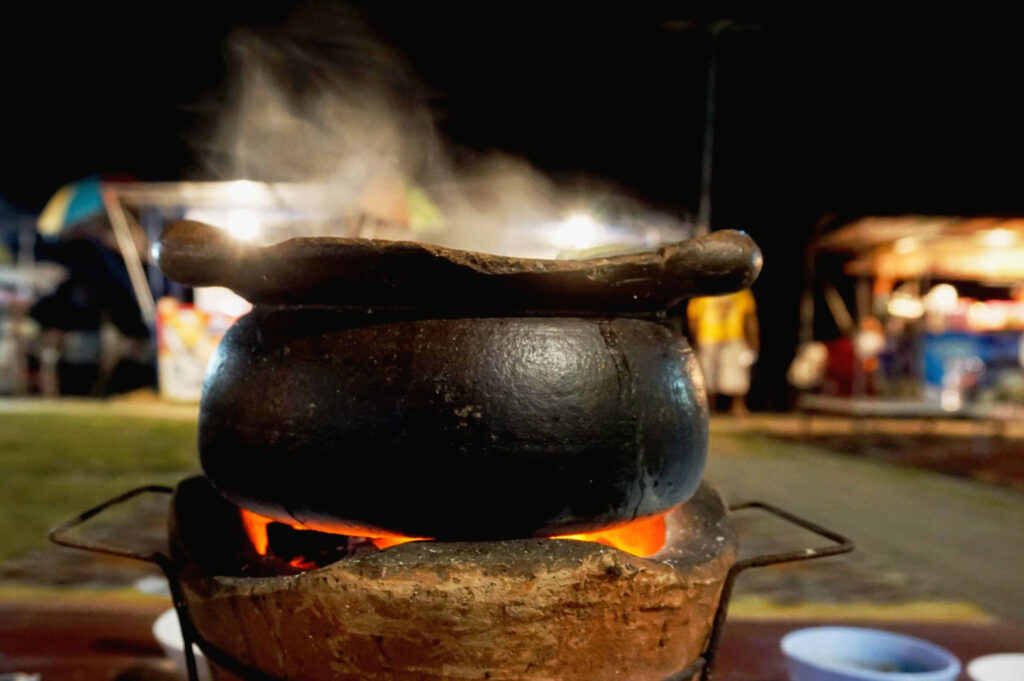
This is bo zai fan, Hong Kong’s traditional winter clay pot rice. While the surface is adorned with rich ingredients—waxed duck, Chinese sausage, or marinated spare ribs—the true soul of the dish lies buried at the bottom. The ultimate prize is fan zeu, the golden, scorched rice crust that forms where the grains meet the intensely hot clay. Creating this crust is an exacting craft. As the rice absorbs the savoury drippings from the meat above, the cook must continually rotate the heavy, unglazed pot over the open flame. The goal is to aggressively toast the rice against the curved walls without letting it cross the line into bitter ash. It yields a thin, glass-like layer of caramelised starch that snaps sharply between your teeth.
In a city defined by its frantic pace, the arrival of clay pot rice season signals a collective, deliberate pause. It is a quintessential winter ritual, a shared experience where diners huddle around wobbly folding tables in thick coats, waiting thirty minutes or more for a single bowl. Eating it requires its own careful etiquette. You must first lift away the tender, sauce-soaked rice and meats, gently scraping the sides of the bowl to unearth the hidden crust. Sharing a pot with friends means negotiating who gets the largest shard of that intensely flavourful, crispy foundation. It is a celebration of flavours that turns a simple grain into a profound, warming comfort against the damp urban winter.
What makes the scorched crust so compelling today is its stubborn defiance of modern convenience. In a culinary landscape increasingly dominated by automated rice cookers and rapid food delivery, genuine fan zeu cannot be shortcut. It demands an open flame, a seasoned pot, and a cook willing to stand in the smoke, listening to the rice hiss. Electric cookers yield soft, predictable uniformity, but the clay pot offers a beautiful, calculated imperfection. It is a bold reminder that some of the most satisfying textures are born from the very edges of burning, requiring human intuition rather than a simple timer.
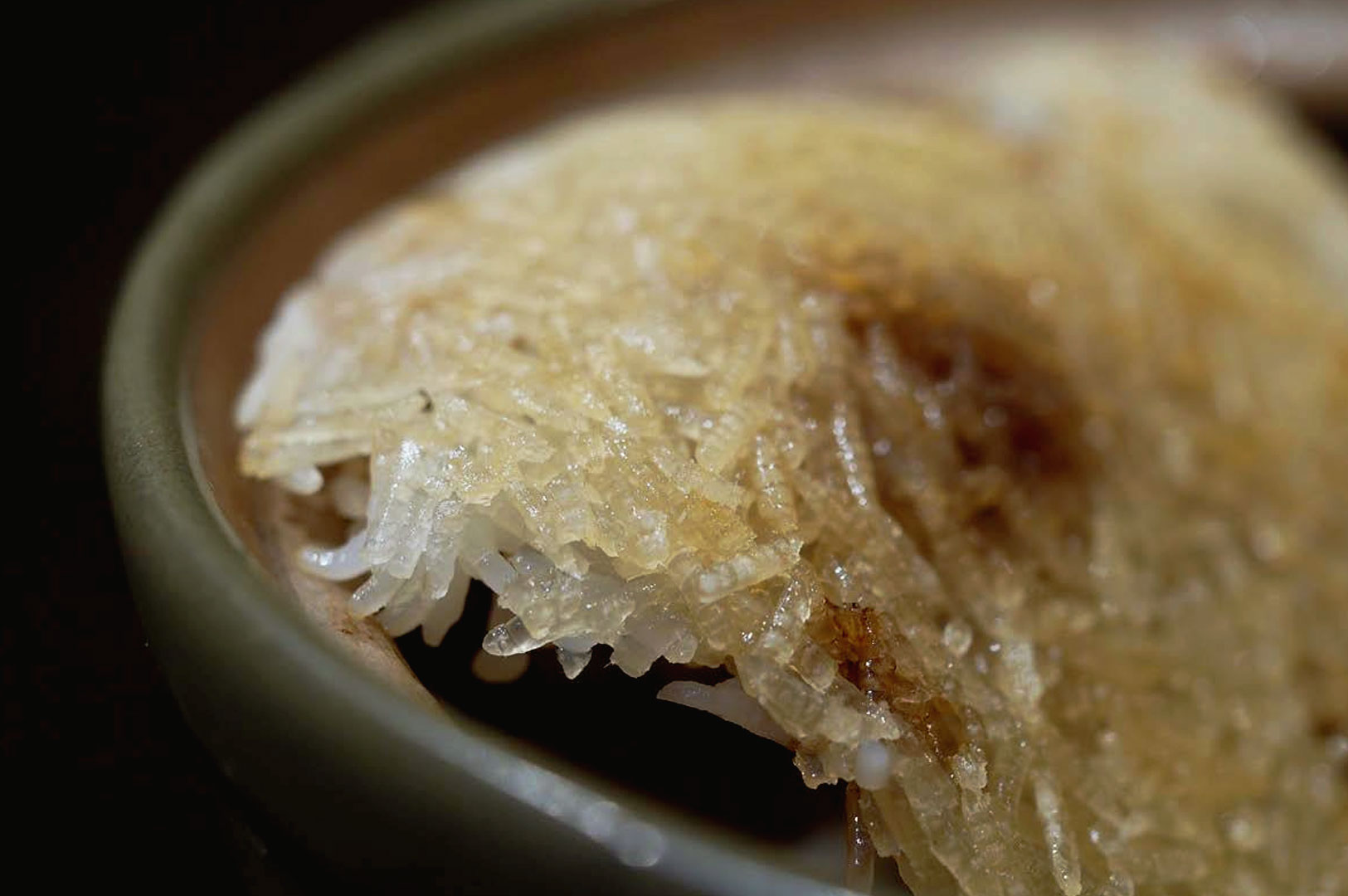
Prying the final piece of golden crust from the bottom of the cooling pot, the effort feels entirely justified. It tastes of roasted earth, rendered fat, and the specific, smoky chill of a Hong Kong winter. It is a quiet testament to the enduring value of patience.
For anyone chasing that same comfort at home, even the most searched-for Hainanese chicken rice cooking instructions can’t replace the practiced ear of a cook listening for the rice to hiss.

The Sizzle of the Wok: An Exploration of Fried Bee Hoon Across Southeast Asia
Eat Drink Asia Team | February 7, 2026
Across Southeast Asia, from bustling hawker centers to family kitchens, the sizzle of rice vermicelli noodles hitting a hot wok is a universal comfort. Few dishes capture the spirit of Asian noodle culture as well as fried bee hoon. This stir fry, made with thin rice noodles, delivers a tasty meal any time of the…
-
The Silk of the East: A Deep Dive into Bee Hoon and the Art of Rice Vermicelli
Eda Wong | February 5, 2026
Across the bustling kitchens of Southeast Asia, one humble ingredient has woven itself into the fabric of countless beloved dishes. Bee hoon, the delicate rice vermicelli that transforms from brittle strands into silky noodles, represents centuries of culinary tradition and innovation. Whether you’ve savored Singapore noodles in a hawker center or encountered fried bee hoon…
-
The Eternal Hearth: A Journey Through the Soul of Indian Foods Vegetarian Traditions
Dio Asahi | February 3, 2026
In the vibrant tapestry of global gastronomy, few cultures have elevated the plant-based plate to an art form quite like India. While much of the world has recently turned toward meat alternatives for health or environmental reasons, Indian cuisine has been centered on the vegetable for millennia. This isn’t merely a dietary choice; it is…
-
The Essence of Jeju Citron Tea: A Distinctive Profile of Yuja Tea in Korea
Dio Asahi | January 31, 2026
Imagine sitting in a quiet, sun-drenched teahouse overlooking the dramatic volcanic coastline of Jeju Island. The steam rising from your cup carries an aroma that is at once familiar and yet entirely new—a version of Korean citron tea, or yuja cha, that tastes of sea salt, volcanic soil, and generations of island tradition. As you…
-
Korean Citron Tea: Health Benefits and Wellness Secrets
Eat Drink Asia Team | January 29, 2026
As the seasons change and a chill enters the air, many of us seek out comforting rituals to support our well-being. Imagine wrapping your hands around a steaming cup of Korean citron tea—also known as yuja-cha—its bright, citrus aroma soothing and revitalizing with every sip. More than just a winter treat, Korean citron tea is…
-
When the Izakaya Becomes the Plan: Izakaya Singapore Top Picks for After-Work Reset
Dio Asahi | January 28, 2026
January 28, 2026 | Dio Asahi Last updated: October 12, 2026 As you step behind the humble noren curtain, you’re greeted by glowing lanterns, sizzling charcoal-grilled skewers, and warm welcomes. This is izakaya, Japan’s casual pub, a vibrant part of Singapore’s dining scene. More than just yakitori and sake, izakayas offer a lively setting for social…
-
Yuja Tea: Korea’s Traditional Citron Tea
Dio Asahi | January 27, 2026
The golden, aromatic steam rising from a cup of yuja tea carries centuries of Korean tradition and wellness wisdom. This caffeine-free citrus beverage has warmed Korean hearts through countless winters, offering both comfort and powerful health benefits in every sip. Made from the Korean citron known as yuja fruit, this simple Korean tea represents one…
-
The Global Phenomenon of Korean Instant Noodle: A Cultural and Culinary Journey
Eda Wong | January 24, 2026
In the high-octane streets of South Korea, where the “pali-pali” (hurry-hurry) culture defines the pace of life, one dish stands as the ultimate equalizer of speed and satisfaction: Korean ramyeon. While the world often uses the terms ramen and ramyeon interchangeably, the Korean version is a distinct entity. It is not merely a quick snack…
-
Traditional Ramyeon: The Soulful Heart of Korean Noodle Culture
Eat Drink Asia Team | January 20, 2026
In the bustling culinary landscape of South Korea, few comfort foods can match the satisfaction of a steaming bowl of ramyeon. While outside of Korea, “ramyeon” often brings to mind Korean instant noodles or instant ramen, true ramyeon Korean style refers to the artful, freshly prepared noodle soup enjoyed in homes and at local restaurants…
-
The Heart of the Korean Noodles: History and Texture
Eda Wong | January 17, 2026
In Korea, a bowl of noodles is far more than a simple dish; it is a cultural anchor that has weathered centuries of change. For generations, the length of the strand has symbolized a long and prosperous life, making Korean noodles a staple at birthdays, weddings, and the milestone 60th birthday celebration known as hwangap….