The December wind cuts sharply through the narrow alleys of Temple Street, but the ambient heat from the glowing charcoal stoves pushes the chill away. A cook stands before a long row of blackened clay pots, working with a rhythmic, almost meditative focus. Plumes of white steam rise into the night air, carrying the heavy, sweet aroma of cured pork fat, dark soy sauce, and wood smoke. As the cook periodically lifts the lids, a fierce, crackling hiss erupts from the porous clay. They are not just cooking rice; they are carefully managing a delicate, high-stakes balance of heat and time, listening closely to the sizzle to know exactly when the moisture has vanished.
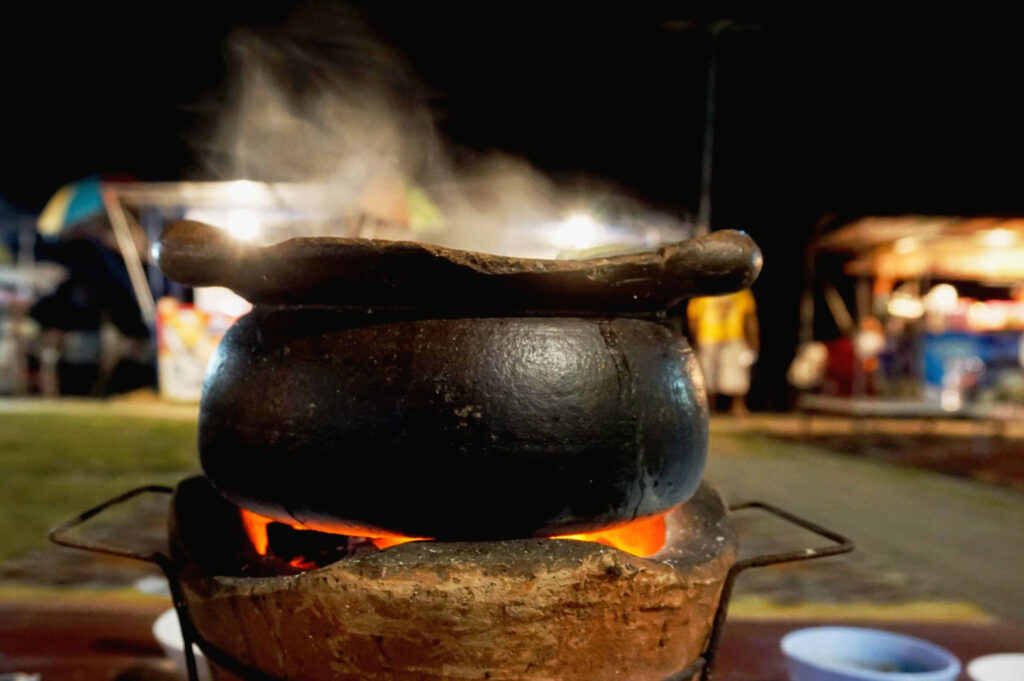
This is bo zai fan, Hong Kong’s traditional winter clay pot rice. While the surface is adorned with rich ingredients—waxed duck, Chinese sausage, or marinated spare ribs—the true soul of the dish lies buried at the bottom. The ultimate prize is fan zeu, the golden, scorched rice crust that forms where the grains meet the intensely hot clay. Creating this crust is an exacting craft. As the rice absorbs the savoury drippings from the meat above, the cook must continually rotate the heavy, unglazed pot over the open flame. The goal is to aggressively toast the rice against the curved walls without letting it cross the line into bitter ash. It yields a thin, glass-like layer of caramelised starch that snaps sharply between your teeth.
In a city defined by its frantic pace, the arrival of clay pot rice season signals a collective, deliberate pause. It is a quintessential winter ritual, a shared experience where diners huddle around wobbly folding tables in thick coats, waiting thirty minutes or more for a single bowl. Eating it requires its own careful etiquette. You must first lift away the tender, sauce-soaked rice and meats, gently scraping the sides of the bowl to unearth the hidden crust. Sharing a pot with friends means negotiating who gets the largest shard of that intensely flavourful, crispy foundation. It is a celebration of flavours that turns a simple grain into a profound, warming comfort against the damp urban winter.
What makes the scorched crust so compelling today is its stubborn defiance of modern convenience. In a culinary landscape increasingly dominated by automated rice cookers and rapid food delivery, genuine fan zeu cannot be shortcut. It demands an open flame, a seasoned pot, and a cook willing to stand in the smoke, listening to the rice hiss. Electric cookers yield soft, predictable uniformity, but the clay pot offers a beautiful, calculated imperfection. It is a bold reminder that some of the most satisfying textures are born from the very edges of burning, requiring human intuition rather than a simple timer.
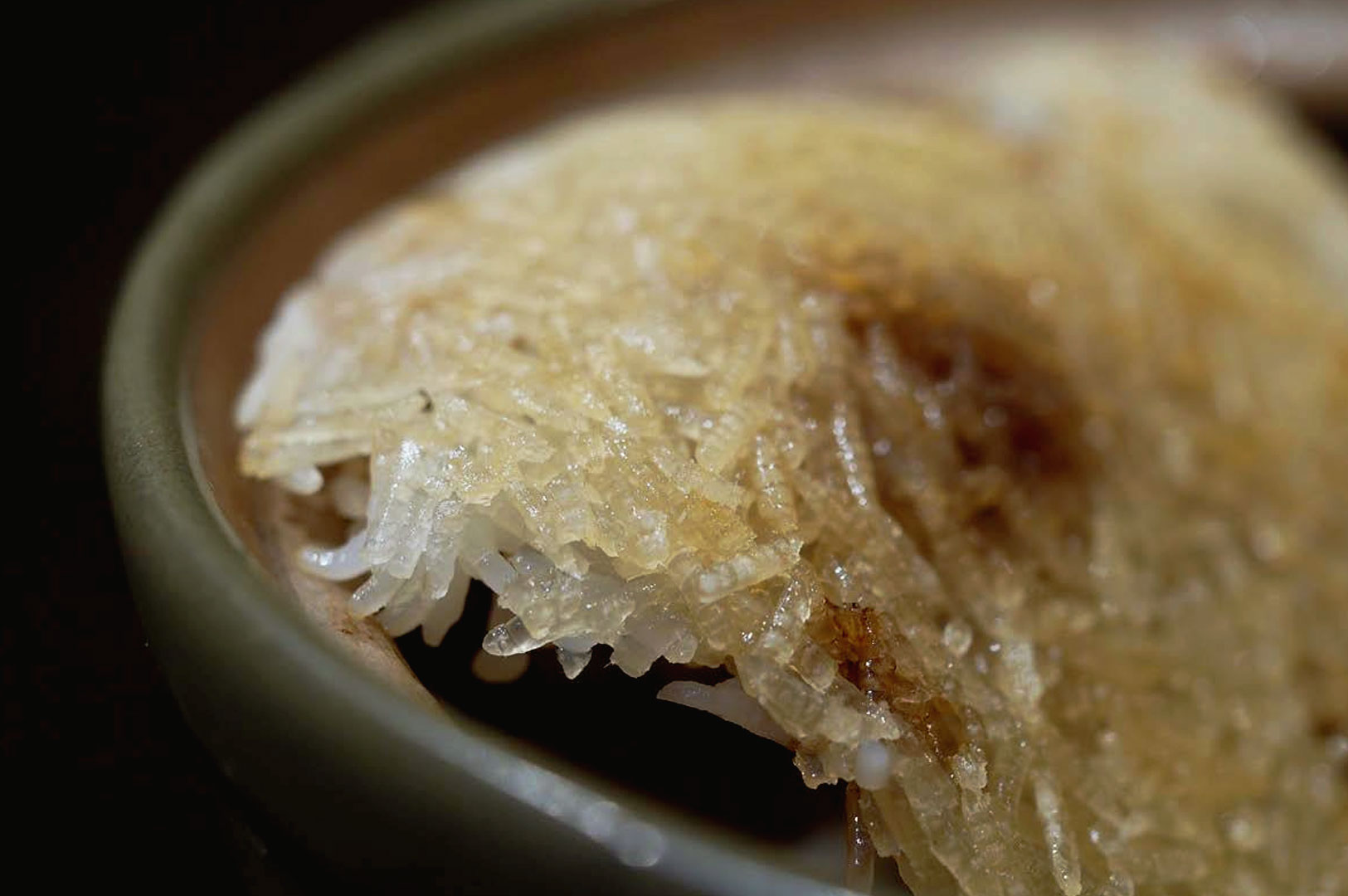
Prying the final piece of golden crust from the bottom of the cooling pot, the effort feels entirely justified. It tastes of roasted earth, rendered fat, and the specific, smoky chill of a Hong Kong winter. It is a quiet testament to the enduring value of patience.
For anyone chasing that same comfort at home, even the most searched-for Hainanese chicken rice cooking instructions can’t replace the practiced ear of a cook listening for the rice to hiss.

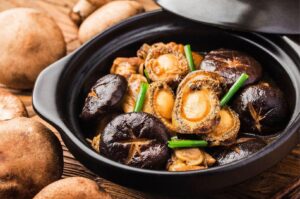
Preserving the ‘Big Bowl’ Tradition with Pen Cai Delivery in the Age of Doorstep Dining
Eat Drink Asia Team | January 15, 2026
Modern Festive Menu: Bringing the Big Bowl Home There is a special, undeniable magic to the Chinese New Year reunion dinner. For many families, Chinese New Year 2026 is another chance to gather loved ones at the table and celebrate with a glorious pen cai—sometimes called the “big bowl feast”—overflowing with premium ingredients and festive…
-
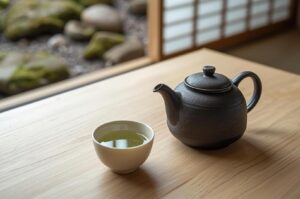
Sencha: Traditions, Flavors, and the Essence of Japanese Tea
Eat Drink Asia Team | January 15, 2026
When people around the world think of Japanese tea, images of tranquil tea ceremonies in small rooms or frothy bowls of matcha often come to mind. Yet, the reality of tea drinking in Japan is much broader, woven deeply into the culture and daily habits. For the vast majority, sencha is the beloved tea that…
-
The Best Restaurants Tokyo Are Rarely the Ones You Plan For
Eda Wong | January 12, 2026
Tokyo, Japan’s capital, does not reward urgency. It rewards return. On my first visit, I chased what everyone told me were the best restaurants Tokyo had to offer. I spent weeks highlighting maps, bookmarking digital “must-eat” lists, and refreshing reservation pages until my eyes blurred. I thought that by conquering the top-tier establishments, I would…
-
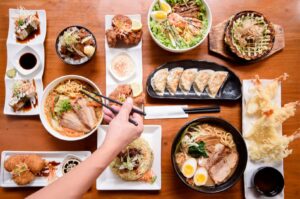
Japan and Food: Culinary Harmony – The Deep Connection Between Japanese Food and Culture
Eat Drink Asia Team | January 11, 2026
When it comes to Japan and food, the two are intertwined in ways that captivate taste buds and awaken the senses. Japanese cuisine stands as one of the world’s most revered traditions—more than nourishing meals, it is an art reflecting centuries of philosophy and a window into Japanese culture itself. Every bowl of miso soup,…
-
The Verdant Cup: A Celebration of Green Tea in Japan
Eda Wong | January 10, 2026
In Japan, green tea is much more than a beverage. It marks a moment of pause, hospitality, and tradition. The story of green tea in Japan weaves through centuries of culture, artistry, and daily life—bridging ancient rituals like the Japanese tea ceremony to everyday meals enjoyed at home. The origins and beginning of Japanese tea…
-
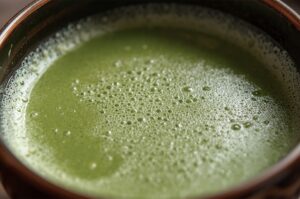
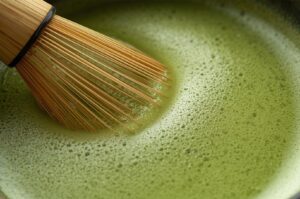
Japanese Green Tea from Japan: The Story of Matcha
Dio Asahi | January 8, 2026
On a misty April morning in Kyoto, I knelt on tatami in a small tea room outside Uji, Japan. The host, dressed in kimono, moved with quiet skill as she scooped matcha powder into a ceramic bowl. The air was filled with the aroma of aged wood mixed with the grassy scent of high quality…
-
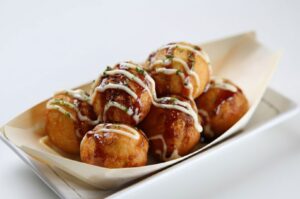
Takoyaki: The Sizzling Heart of Japan Food Culture
Dio Asahi | January 3, 2026
What is Takoyaki and Why Does it Matter in Japanese Food Culture? In the bright heart of Osaka, the sizzle of takoyaki batter signals one of Japan food culture’s most beloved street foods. Lines form at street stalls drawn by the delicious food aromas of sweet-savory sauce and bonito flakes dancing on golden spheres. Takoyaki,…
-
Everything You Need for a Flawless Bubble Tea Cake
Eda Wong | January 1, 2026
The global bubble tea phenomenon has evolved beyond drinks into the world of baking, creating one of the most exciting dessert trends of recent years. Bubble tea cake combines the beloved flavors of milk tea with the satisfying chew of boba pearls, all wrapped up in an adorable bubble tea cake that’s perfect for any…
-
Pad Thai Dish: Everything You Need to Know About the Rice Noodles That Make It Authentic
Eat Drink Asia Team | December 30, 2025
Pad Thai is more than just a staple of Thai Food; it’s a Global Phenomenon. From bustling street carts in Bangkok to high-end Thai Restaurants in New York, this iconic Pad Thai Dish has captured the hearts and palates of food lovers everywhere. The best Pad Thai rivals what you would find in a typical…
-
Thailand Food Pad Thai: Thailand’s Iconic Stir-Fried Noodle Dish
Eda Wong | December 27, 2025
Few dishes capture the essence of Thailand food culture like authentic Pad Thai. This beloved stir fried noodle dish is more than a meal-it’s a symbol of Thai identity, a perfect balance of sweet, savoury, and sour flavors, and a window into the soul of Thai cuisine. Whether you want to eat Pad Thai from…