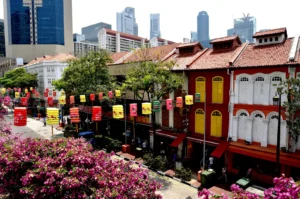
The December wind cuts sharply through the narrow alleys of Temple Street, but the ambient heat from the glowing charcoal stoves pushes the chill away. A cook stands before a long row of blackened clay pots, working with a rhythmic, almost meditative focus. Plumes of white steam rise into the night air, carrying the heavy, sweet aroma of cured pork fat, dark soy sauce, and wood smoke. As the cook periodically lifts the lids, a fierce, crackling hiss erupts from the porous clay. They are not just cooking rice; they are carefully managing a delicate, high-stakes balance of heat and time, listening closely to the sizzle to know exactly when the moisture has vanished.
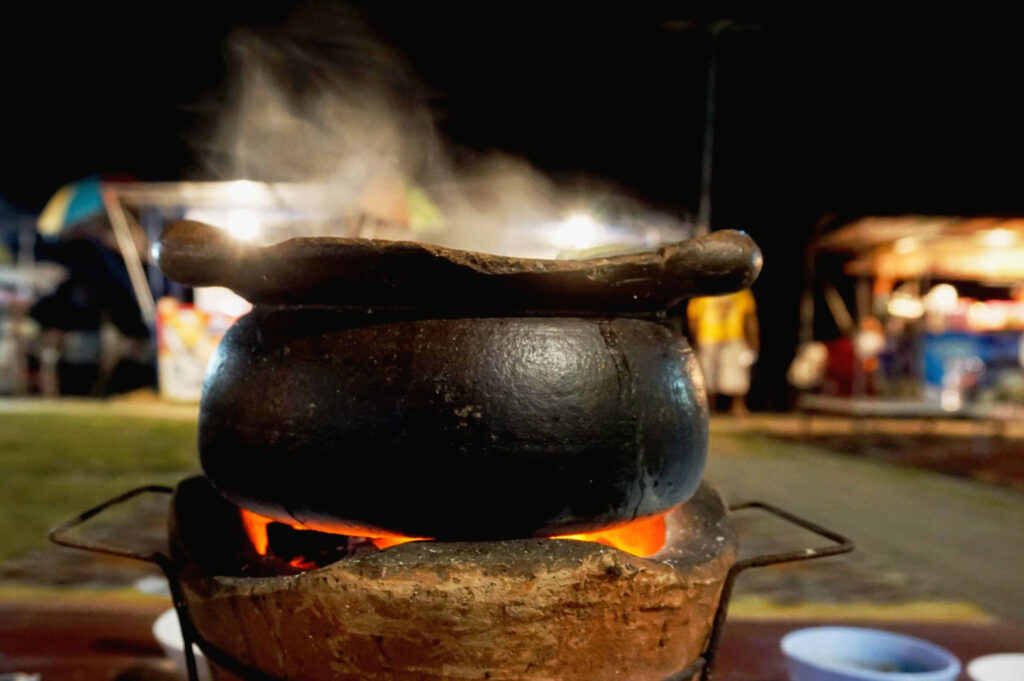
This is bo zai fan, Hong Kong’s traditional winter clay pot rice. While the surface is adorned with rich ingredients—waxed duck, Chinese sausage, or marinated spare ribs—the true soul of the dish lies buried at the bottom. The ultimate prize is fan zeu, the golden, scorched rice crust that forms where the grains meet the intensely hot clay. Creating this crust is an exacting craft. As the rice absorbs the savoury drippings from the meat above, the cook must continually rotate the heavy, unglazed pot over the open flame. The goal is to aggressively toast the rice against the curved walls without letting it cross the line into bitter ash. It yields a thin, glass-like layer of caramelised starch that snaps sharply between your teeth.
In a city defined by its frantic pace, the arrival of clay pot rice season signals a collective, deliberate pause. It is a quintessential winter ritual, a shared experience where diners huddle around wobbly folding tables in thick coats, waiting thirty minutes or more for a single bowl. Eating it requires its own careful etiquette. You must first lift away the tender, sauce-soaked rice and meats, gently scraping the sides of the bowl to unearth the hidden crust. Sharing a pot with friends means negotiating who gets the largest shard of that intensely flavourful, crispy foundation. It is a celebration of flavours that turns a simple grain into a profound, warming comfort against the damp urban winter.
What makes the scorched crust so compelling today is its stubborn defiance of modern convenience. In a culinary landscape increasingly dominated by automated rice cookers and rapid food delivery, genuine fan zeu cannot be shortcut. It demands an open flame, a seasoned pot, and a cook willing to stand in the smoke, listening to the rice hiss. Electric cookers yield soft, predictable uniformity, but the clay pot offers a beautiful, calculated imperfection. It is a bold reminder that some of the most satisfying textures are born from the very edges of burning, requiring human intuition rather than a simple timer.
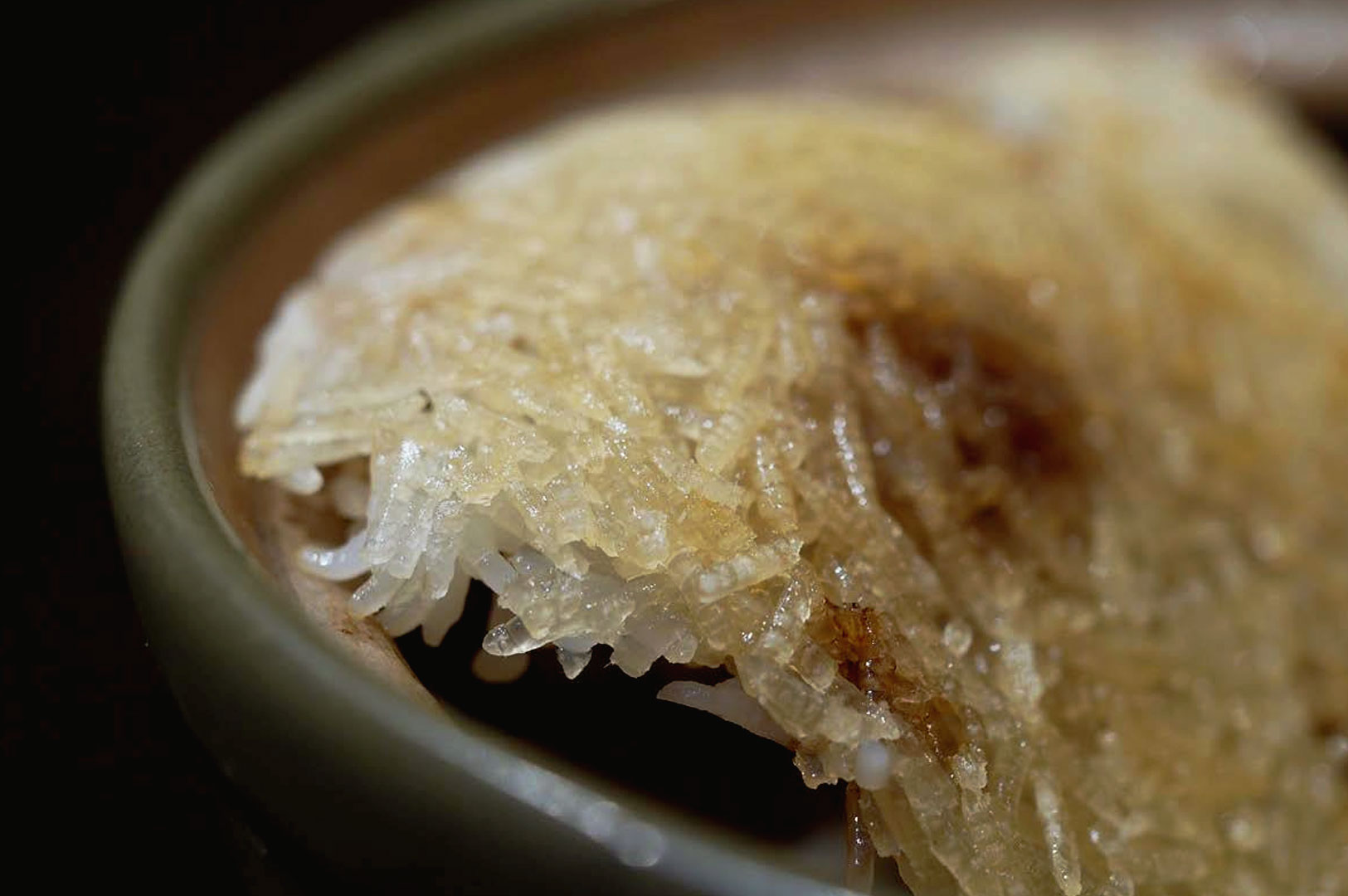
Prying the final piece of golden crust from the bottom of the cooling pot, the effort feels entirely justified. It tastes of roasted earth, rendered fat, and the specific, smoky chill of a Hong Kong winter. It is a quiet testament to the enduring value of patience.
For anyone chasing that same comfort at home, even the most searched-for Hainanese chicken rice cooking instructions can’t replace the practiced ear of a cook listening for the rice to hiss.

The Carving Knife at Colony, and the Way We Mark What Matters
Eda Wong | September 30, 2026
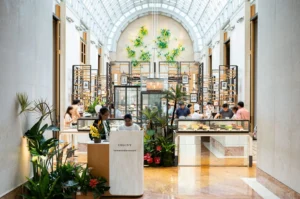
By Eda Wong for Eat Drink Asia. It’s late morning, and the light is doing most of the work. It pours through the high windows of Colony, at The Ritz-Carlton, Millenia Singapore, spilling across white tablecloths and the vintage prints on the walls. Marina Bay hums somewhere outside, but in here the room feels a…
-
Co Chung Vietnamese Restaurant and the Gỏi Cuốn That Makes Fresh Herbs Do the Work
Dio Asahi | September 29, 2026
I found it by accident, the way you find most things in a mall basement. I’d come down to Plaza Singapura’s B2 for something else entirely, drifting past the usual food-court noise, when I caught the smell of star anise and beef bone coming from a corner. I followed it. And there it was —…
-
Vietnamese Spring Roll: The Recipe That Only Works When the Herbs Stay Awake
Eda Wong | September 26, 2026
Fresh Vietnamese spring rolls, or gỏi cuốn, look delicate, but the recipe is really about control: barely softened rice paper, dry herbs, restrained noodles, clean protein, and a dipping sauce sharp enough to wake the whole thing up. This is not the fried version, chả giò or nem rán. This is the cool, translucent, herb-heavy…
-
Best Steakhouse Singapore: From Fire-Kissed Icons to Old-School Beef Plates
Eat Drink Asia Team | September 24, 2026
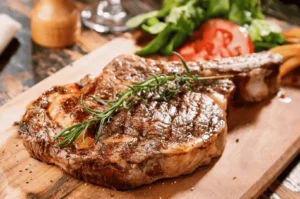
I didn’t set out to write about steak. It started with a bad day and a craving for something that pushed back when I bit into it. One dinner turned into a habit, and over a couple of years I found myself at counters, coffeeshops, and dining rooms all over this island, chasing the same…
-
The Ice Counter at Carousel, and the Table Everyone Can Reach
Dio Asahi | September 23, 2026
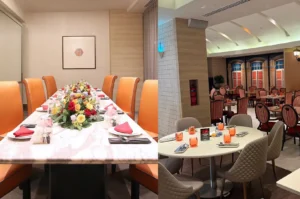
By Dio Asahi for Eat Drink Asia. It’s a Saturday evening, and someone across the room is carrying a birthday cake. The candles are lit, the walk is careful, and a whole table turns to watch. Plates clink. A child laughs somewhere. The room at Carousel, inside Royal Plaza on Scotts, isn’t quiet — it…
-
Tiong Shian Porridge Centre Review: The Soft Counterweight to Chinatown’s Crisp Toast
Dio Asahi | September 22, 2026
I’d spent the morning with kaya toast. Crisp bread, cold butter, the clean snap of it between my teeth. Good, all of it. But by the time I’d walked a few streets over to New Bridge Road, my mouth wanted the opposite. Something warm. Something that gave way instead of shattering. That’s how I ended…
-
Tong Ah Eating House Review: A Chinatown Breakfast That Still Begins with Kaya Toast
Eda Wong | September 19, 2026
I almost walked past it. I’d been looking for the old triangular building, the red-and-white one you see in every photo of Keong Saik, the one that made Tong Ah feel like a landmark before you’d even ordered anything. But that’s not where it lives anymore. It’s a few doors down now, at 35 Keong…
-
Breakfast at Chinatown Singapore: How Migration Built the City’s Morning Table
Eat Drink Asia Team | September 17, 2026
The first time I ate breakfast in Chinatown, I got it wrong. I arrived at eleven, hungry and hopeful, and found the kopi stalls already turning toward lunch. The porridge uncle was packing up. The toast man had switched to slicing char siew. I ate a rushed plate of noodles standing near a pillar, sweating,…
-
The Bitter Leaf Folded Into a Burmese Home Kitchen
Eda Wong | September 16, 2026
The oil is already hot when she reaches for the leaves. It’s late morning in a kitchen off a quiet lane, and a woman I’ve been watching stands over a blackened wok, tearing bitter gourd leaves by hand into a small heap. The garlic hits the oil first, sharp and loud. Then the leaves go…
-
Best Sushi Singapore: From Premium Japanese Restaurants to Exclusive Deals from Affordable Sushi Trains
Dio Asahi | September 15, 2026
I’ve been eating sushi in this city for years now, from S$1.50 plates rolling past on a belt to omakase counters where the bill made me sit up straight. Somewhere along the way I stopped chasing “the best” and started noticing something else — that good sushi answers a mood, not a ranking. Some nights…