The narrow alleyway in Yau Ma Tei smells of charcoal and dark soy sauce, a thick coastal humidity pressing against the glow of the stoves. An elderly cook stands before a row of blackened sand-clay pots, a long metal tong in his right hand. He does not watch the flames; he listens to them. There is a subtle, shifting rhythm in the air. The wet, heavy bubbling of simmering rice slowly gives way to a sharp, staccato crackle. It is the sound of moisture surrendering to extreme heat. He swiftly tilts the pot at an angle, letting the fire lick the curved edges. This brief, fiery moment sets the stage for a deeply authentic culinary journey.
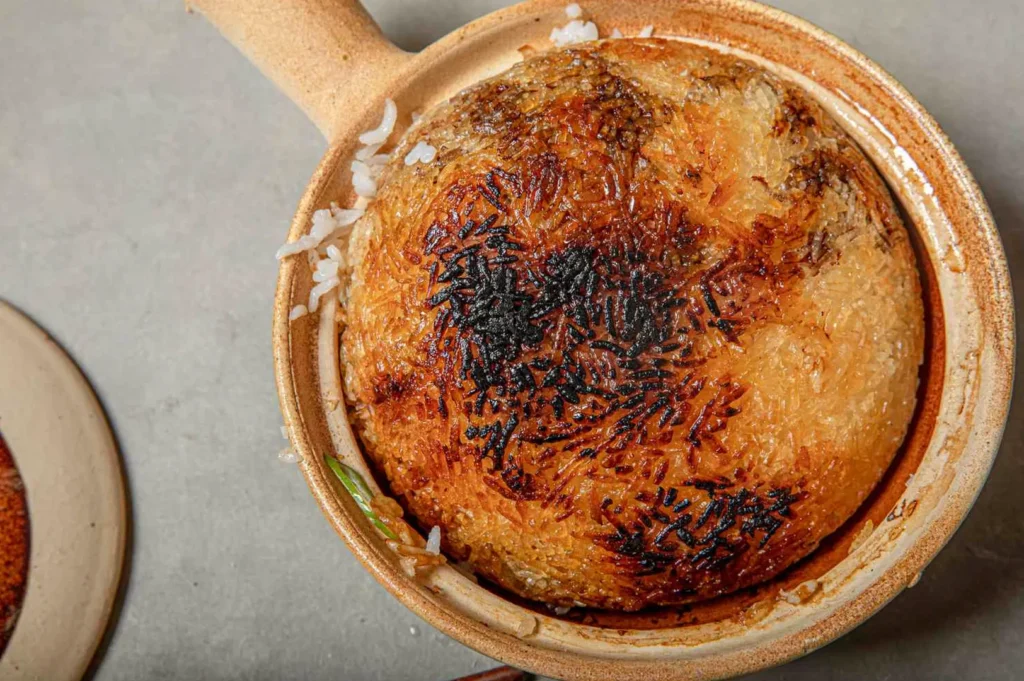
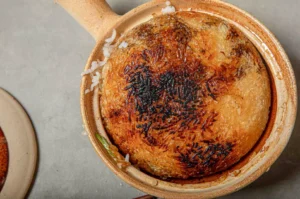
This audible shift announces the birth of fan jiu (pronounced faahn-jeew), the golden, scorched rice crust that clings to the bottom of a traditional claypot. It is not burnt rice, but rather a deliberate caramelisation of starches. Creating this layer requires an intense, technique-led understanding of temperature and timing. The craft demands that the cook rotates the unglazed pot over the open flame at the exact moment the water evaporates, slicking the inner sides with a thin thread of pork lard or peanut oil. This fat seeps down to the base, frying the bottom grains until they harden into a crisp, cohesive shell. When scraped free with a metal spoon, it shatters into fragrant, brittle shards that taste deeply of smoke and toasted earth.
Across southern Chinese neighbourhoods, waiting for these scorched edges is a fundamental shared experience during the cooler, damp monsoon months. Diners gather around folding tables, leaning over steaming pots of cured sausages, marinated chicken, and salted fish. But the meat is often just the prelude. The true celebration of flavours happens at the bottom of the bowl. Extracting the fan jiu is a communal ritual, an act of patience where friends take turns chiselling away the golden crust, sharing the fragmented pieces. It signals a shift in the evening’s pace. You cannot hurry a claypot, and you cannot rush the scraping. The meal forces you to slow down, transforming a simple dinner into a quiet, interactive event. In many parts of Asia, meals like this reflect communal dining traditions in Asia, built around the shared centre of the table where flavour, conversation, and care are passed hand to hand.
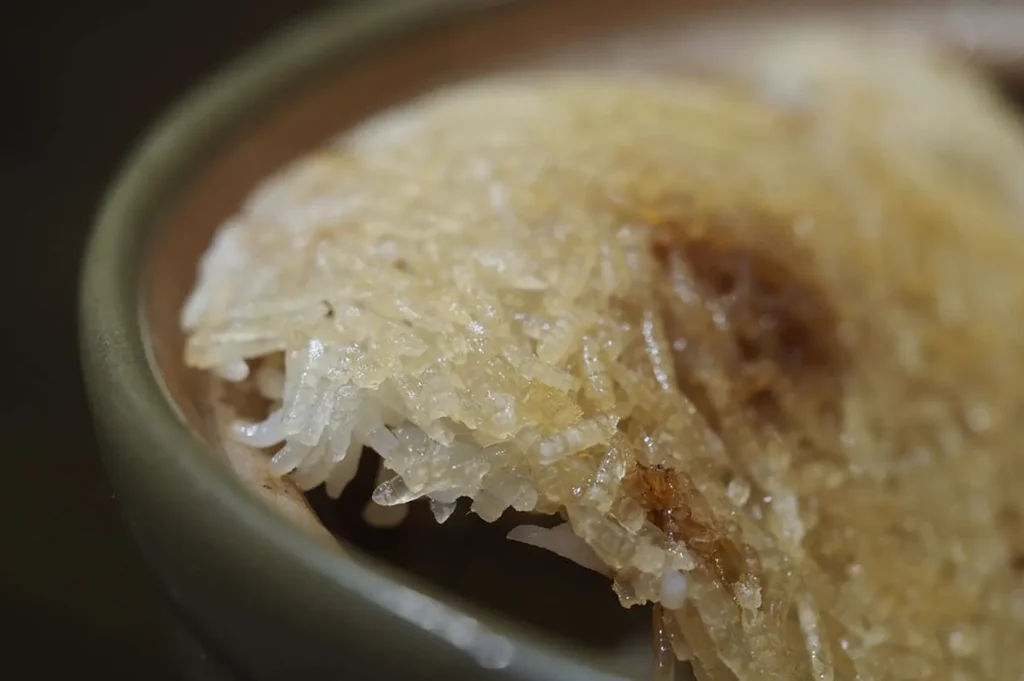
What feels so vital about this charred layer today is its stubborn refusal to adapt to modern culinary convenience. In a landscape dominated by non-stick rice cookers and automated timers that actively prevent rice from sticking, the intentional scorching of grains feels like a quiet rebellion. Electric appliances yield perfectly uniform, soft bowls of rice, but they cannot replicate the rough, uneven texture of an open charcoal fire. The crust demands physical effort, constant vigilance, and a willingness to embrace the messy, unpredictable nature of traditional cooking. It is a trend-setting reminder that beauty is sometimes found in the scorched, imperfect edges.
Setting the spoon down, the residual warmth of the claypot lingers against the cool evening air. The brittle crunch of the last piece of rice fades into a rich, roasted memory. It is a profound, flavourful testament to the simple power of listening, waiting, and letting the fire do its work.

Fish Sauce at the Table: The Quiet Work of Fish Sauce
Dio Asahi | July 1, 2026
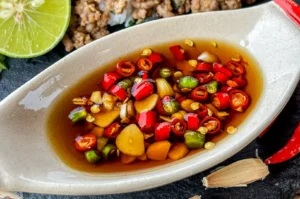
At a narrow lunch table in Bangkok, the bottle arrives before the rice has stopped steaming. It is clear glass, refilled many times, its plastic cap slightly stained from years of fingers and heat. Beside it sits a small bowl of sliced chillies floating in amber liquid, the cut edges pale and sharp. Someone nudges…
-
Eat 3 Bowls Bendemeer Review: A Taiwanese Comfort Food That Delivers
Eda Wong | June 30, 2026
I ordered Eat 3 Bowls @ Bendemeer on a Thursday at about 11:45am, which is my favourite test window for delivery food. It’s close enough to lunch for the kitchen to be in rhythm, but not so late that every rider in the neighbourhood is already fighting the office crowd. By 12:25pm, the bag was…
-
ABC Hokkien Mee After Renovation: What to Expect When the Woks Return
Dio Asahi | June 27, 2026
When I first walked past a hawker centre undergoing major renovations, the absolute silence unsettled me. The usual rhythmic scrape of metal spatulas against cast-iron woks was gone, replaced by the hum of construction. It made me realise just how much our culinary journeys are tied to the physical spaces we eat in. Right now,…
-
Claypot Rice Crusts: Listening for the First Crackle
Eda Wong | June 26, 2026
The narrow alleyway in Yau Ma Tei smells of charcoal and dark soy sauce, a thick coastal humidity pressing against the glow of the stoves. An elderly cook stands before a row of blackened sand-clay pots, a long metal tong in his right hand. He does not watch the flames; he listens to them. There…
-
Shiok Hokkien Mee and the Pleasure of a Plate That Clings: Tiong Bahru Hokkien Mee at Midday
Eat Drink Asia Team | June 25, 2026
I have always believed that the true test of a neighbourhood’s food scene happens right in the middle of the day. When the midday hunger hits, you don’t want a tasting menu; you want a fast, flavourful culinary journey that hits the spot. That is exactly what led me, representing the Eat Drink Asia team,…
-
When Curry Learns to Breathe
Dio Asahi | June 24, 2026
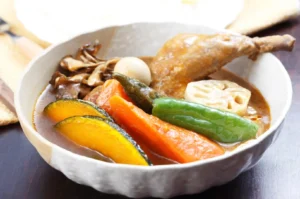
The rain taps lightly against the glass of a quiet Japanese diner, turning the pavement outside a slick, silver grey. Inside, the bowl arrives with steam first, then colour: pumpkin orange, aubergine purple, and a dark curve of chicken set against a broth that looks too light to carry so much heat. The spoon touches…
-
Hong Heng Fried Sotong Prawn Mee: Where Squid Turns Chewy, Broth Turns Glossy, and Time Turns Quiet
Eda Wong | June 23, 2026
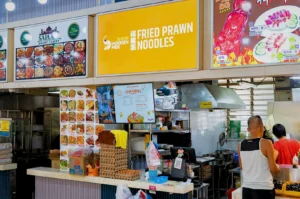
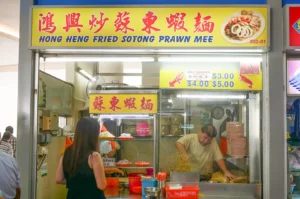
There is something deeply comforting about a hawker centre right before the lunch rush hits. I visited Tiong Bahru Market on a Tuesday around 10:30 am, hoping to beat the infamous queue at Hong Heng Fried Sotong Prawn Mee. Even at that early hour, a line of six people had already formed, waiting quietly under…

Cuppage Plaza Food for People Who Hate Obvious Places: Restaurants That Feel Like a Detour Off Orchard
Dio Asahi | June 20, 2026
Orchard Road is a brilliant, trend-setting celebration of flavours, but its gleaming mega-malls can sometimes feel a bit predictable. If you are an urban food enthusiast seeking genuine culinary journeys rather than polished franchise menus, the true heart of the district lies slightly hidden. Cuppage Plaza is a fascinating, liminal space that operates almost like…
-
Makgeolli Bowls and the Soft Grain of Korean Rice Wine
Eda Wong | June 19, 2026
The monsoon rain drums a steady, heavy rhythm against the fogged windows of a narrow tavern in Jongno, muffling the chaotic pulse of the city outside. Inside, the air hangs warm, thick with the scent of toasted mung beans and a subtle, yeasty tang. A dented brass kettle tips forward, and a chalk-white, opaque liquid…
-
Kung Pao Chicken Sauce Is the Real Test: Why It Turns Glossy, Sharp, and Addictive
Eat Drink Asia Team | June 18, 2026
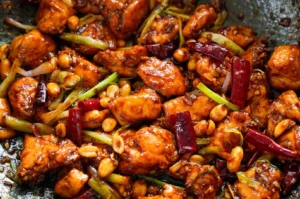
Kung pao chicken is often described by its main ingredients: diced chicken, dried chillies, peanuts, spring onions, and Sichuan peppercorns. But anyone who has cooked it at home knows the truth: the dish succeeds or fails because of the sauce. The sauce decides whether kung pao chicken tastes lively and balanced, or flat, sticky, and…