The pour I’d come back for doesn’t sit still. Selling Sunset arrives as pale beer beneath a cap of dark foam, which gradually settles through the glass. The colour changes while you wait for your food, turning a simple drink into something worth watching.
That small piece of theatre captures what makes Craft Beer by Ki-setsu interesting. The draught selection is short, but the bar has its own house blends and a Japanese kitchen serving more than standard drinking snacks. The question is whether those details justify a visit, especially when the bar opens for only two hours each evening. For me, Ki-setsu offers an alternative in craft beer Singapore as it is built around Japanese food pairings rather than an extensive tap list.
A Beer Bar Built Around Dinner
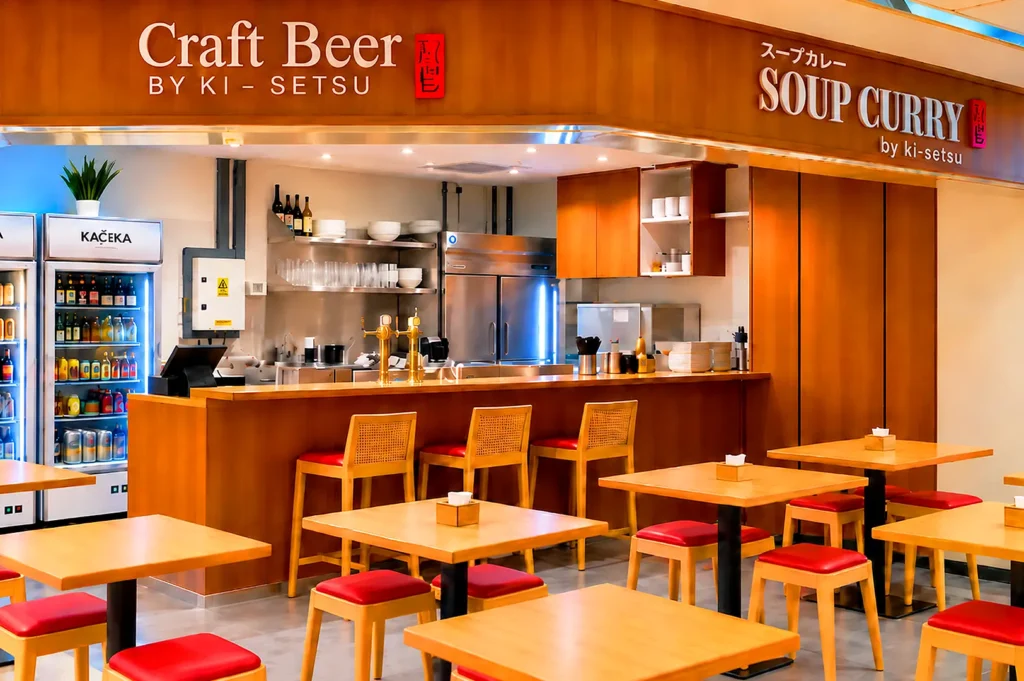
Craft Beer by Ki-setsu opened on 8 October 2026 at Fortune Centre, sharing a Japanese kitchen with Soup Curry by Ki-setsu. It belongs to the Ki-setsu Group, which also operates Sushi Masa, Tea Room, and Daizu. Rather than operating as a conventional taproom, it combines a focused beer programme with Hokkaido soup curry and izakaya dishes.
The Room and Drinks Selection
The space seats 50 people, plus two at the bar, making it reasonably accommodating for smaller groups. However, its walk-in-only policy means larger parties cannot guarantee a table. The arrangement feels more suited to a planned dinner with drinks than an extended drinking session.
Two Suntory draught lines produce four menu pours, supported by 14 bottled lines representing six countries by brand origin. The menu includes Singaporean and Vietnamese craft beers alongside alcohol-free options. It is a modest selection, but the suggested food pairings give the drinks programme a clearer purpose.
What We Would Order Again
Selling Sunset: The House Pour Worth Watching
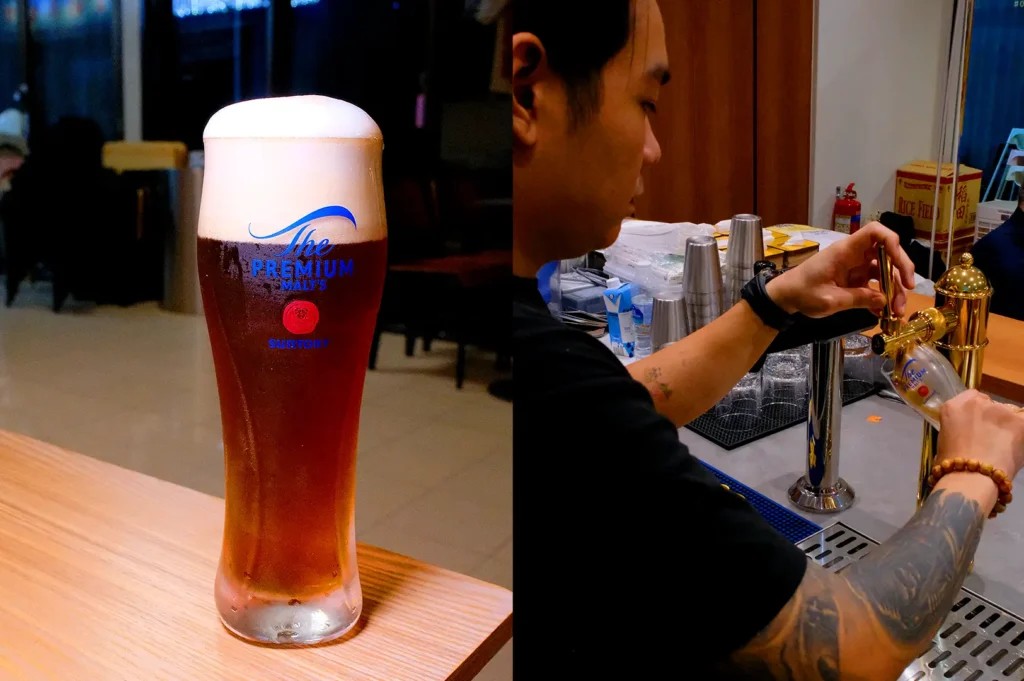
Of the draught options, Selling Sunset (S$8.80) is the most distinctive starting point. The bar combines Suntory’s The Premium Malt’s Pilsner and The Black in two house blends, with Amber using equal proportions. Selling Sunset instead uses 70% pale and 30% dark beer, with the darker portion forming the foam.
Watching that layer descend adds a little theatre before the first sip. Both blends are Ki-setsu creations rather than official Suntory products, and the listed happy-hour prices apply throughout the trading window. For something more straightforward, The Premium Malt’s Pilsner starts at S$7.80, though Selling Sunset is the more memorable choice.
Kani Cream Croquette with Yellow Van Pale Ale
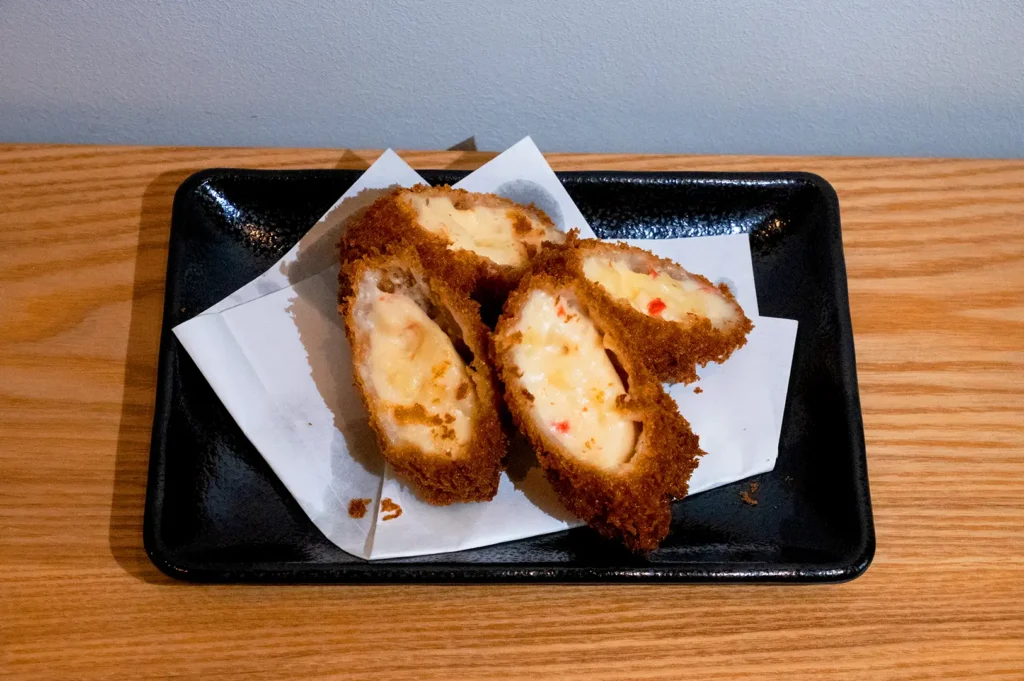
The Kani Cream Croquette consists of three panko-coated pieces filled with a creamy crab-stick mixture. Its appeal lies in the contrast between the golden, crunchy exterior and the soft filling, which makes each bite feel satisfyingly rich. The menu recommends Yellow Van Pale Ale, a 4.8% beer from Singapore’s The 1925 Brewing Co.
The pairing makes sense because a moderately bitter pale ale can cut through the richness of fried food. The same beer is suggested with Renkon Fish Cake, combining soft fish cake with crisp lotus root. Between the two, I would favour the croquettes for their stronger contrast between coating and filling.
Fukushima Mehikari Karaage with Marlow’s Mellow Pomelo IPA
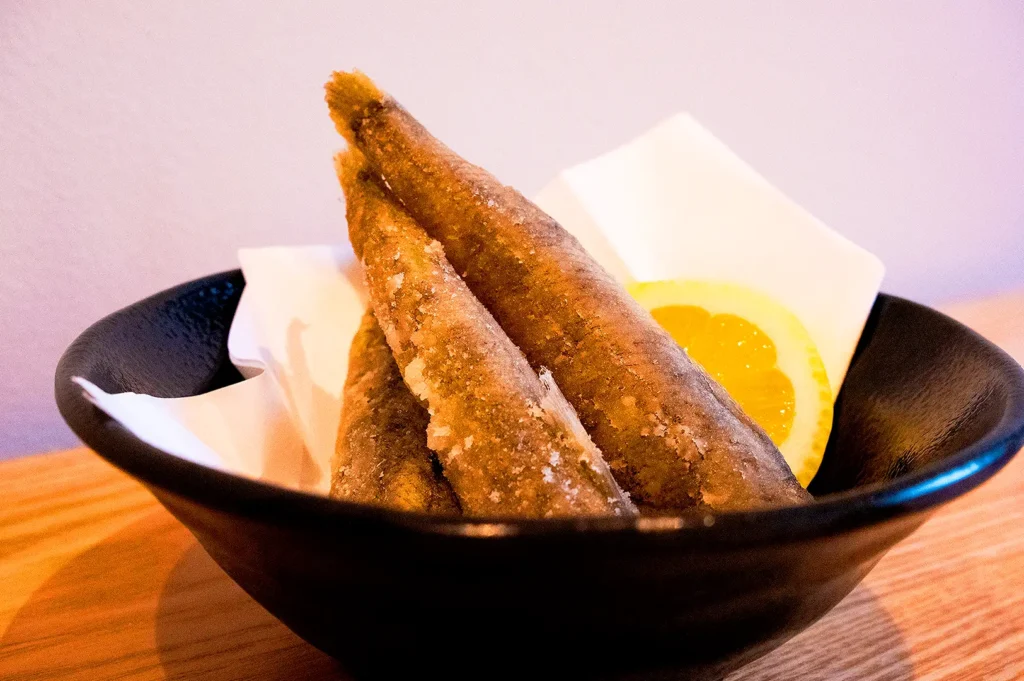
The Fukushima Mehikari Karaage is one of the more unusual items on the menu. Three small whole greeneye fish are lightly floured, fried, and served with lemon, offering a delicate crunch rather than the heavy coating of conventional bar snacks. Their straightforward preparation allows the fish itself to remain the focus.
The suggested pairing is Marlow’s Mellow Pomelo IPA, a 5.8% Vietnamese beer from Heart of Darkness. There is an appealing citrus connection between the lemon garnish and the beer’s pomelo character, while IPA bitterness can balance the fried seafood. This is the combination I would point a curious friend toward because it feels different from what a typical neighbourhood beer bar offers.
Where the Experience Falls Short
The biggest limitation is the two-hour operating window. Craft Beer by Ki-setsu opens Monday to Saturday from 7:30pm to 9:30pm, with food last orders at 9pm. Arriving at 8:45pm leaves little time for a relaxed dinner, particularly if you want to explore several pairings.
The walk-in-only policy creates another inconvenience for groups. Fifty seats may sound generous, but there is no guarantee of space before travelling to Fortune Centre. That uncertainty makes spontaneous visits less appealing when several people need to coordinate.
A Smaller Beer Selection
Two taps and a modest bottled range cannot compete with specialist bars offering extensive rotating draught lists. Experienced craft beer drinkers may find the selection limited, particularly after trying the house blends. The published pairings are also recommendations rather than guarantees of how every combination will taste.
The restaurant’s strength is its kitchen, especially the opportunity to pair Japanese dishes with a focused selection of beers. That gives the experience a clearer identity than its tap count might suggest. Anyone primarily interested in exploring numerous beer styles may prefer a dedicated craft beer bar guide.
Who Will Enjoy Craft Beer by Ki-setsu?
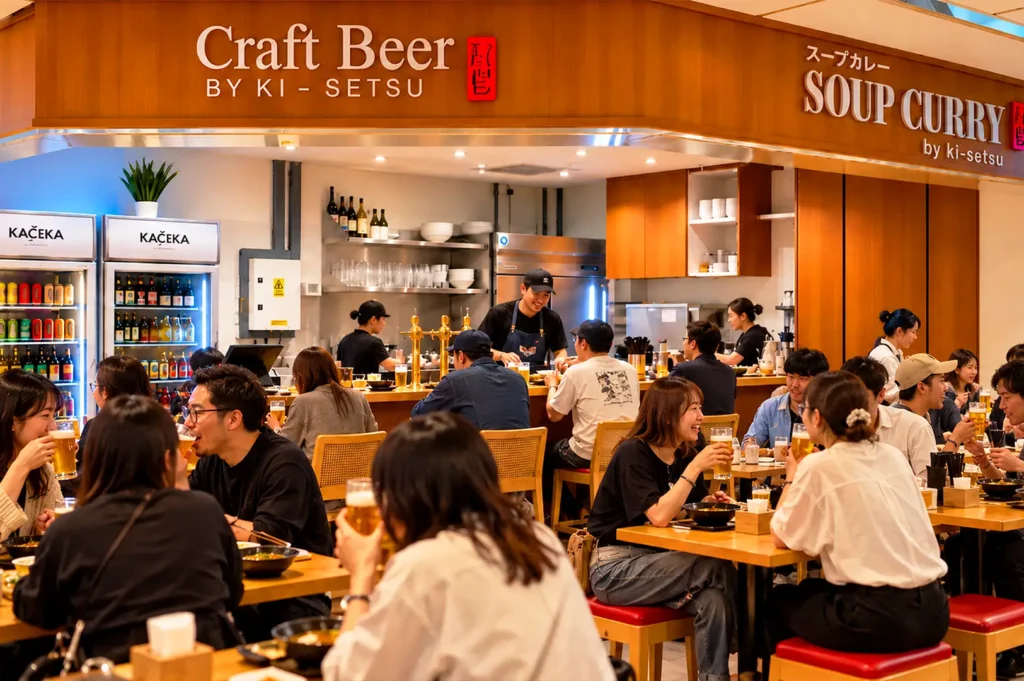
Ki-setsu makes sense for friends who want proper Japanese food alongside their drinks. One person can order soup curry while others share fried fish, croquettes, or chicken dishes, and alcohol-free bottles make the menu more accommodating. It is less suitable for late-night drinking, extensive beer exploration, or large gatherings requiring guaranteed reservations.
Practical Details
Address: #04-19 Fortune Centre, 190 Middle Road, Singapore 188979
Nearest MRT: Bencoolen, approximately 5 minutes on foot
Opening Hours: Monday to Saturday, 7:30pm to 9:30pm; closed Sunday
Food Last Orders: 9pm
Reservations: Walk-in only
Charges: 10% service charge; not GST-registered
Estimated Spend: Approximately S$17 to S$21 for a beer and one side dish, before the 10% service charge.
These details make Ki-setsu better suited to an intentionally planned evening than a last-minute visit. Bottled beer availability and individual menu prices may change between visits. Check the latest information before heading down, particularly if you are interested in a specific pairing.
The Kitchen Gives This Beer Bar Its Identity
Craft Beer by Ki-setsu is not trying to win through the number of taps. Its appeal is having a focused beer selection alongside Japanese izakaya food and Hokkaido soup curry, allowing drinks and dinner to feel connected. My preferred order would begin with Selling Sunset, followed by Fukushima Mehikari Karaage.
Dream Alone Pale Ale would be worth considering alongside the tsukune, assuming it remains available. The short operating hours are genuinely inconvenient, and serious craft beer enthusiasts may want more variety. Still, the concept gives diners a clear reason to visit: the kitchen is the reason to come, and the short hours are the reason to plan.

Traditional Ramyeon: The Soulful Heart of Korean Noodle Culture
Eat Drink Asia Team | January 20, 2026
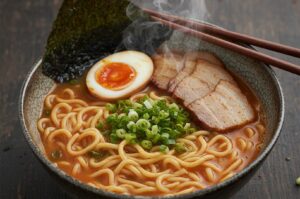
In the bustling culinary landscape of South Korea, few comfort foods can match the satisfaction of a steaming bowl of ramyeon. While outside of Korea, “ramyeon” often brings to mind Korean instant noodles or instant ramen, true ramyeon Korean style refers to the artful, freshly prepared noodle soup enjoyed in homes and at local restaurants…
-
The Heart of the Korean Noodles: History and Texture
Eda Wong | January 17, 2026
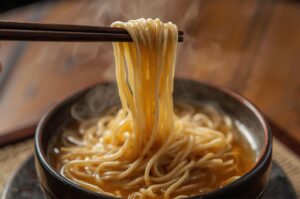
In Korea, a bowl of noodles is far more than a simple dish; it is a cultural anchor that has weathered centuries of change. For generations, the length of the strand has symbolized a long and prosperous life, making Korean noodles a staple at birthdays, weddings, and the milestone 60th birthday celebration known as hwangap….
-
Preserving the ‘Big Bowl’ Tradition with Pen Cai Delivery in the Age of Doorstep Dining
Eat Drink Asia Team | January 15, 2026
Modern Festive Menu: Bringing the Big Bowl Home There is a special, undeniable magic to the Chinese New Year reunion dinner. For many families, Chinese New Year 2026 is another chance to gather loved ones at the table and celebrate with a glorious pen cai—sometimes called the “big bowl feast”—overflowing with premium ingredients and festive…
-
Sencha: Traditions, Flavors, and the Essence of Japanese Tea
Eat Drink Asia Team | January 15, 2026
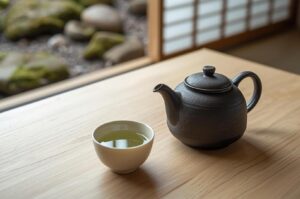
When people around the world think of Japanese tea, images of tranquil tea ceremonies in small rooms or frothy bowls of matcha often come to mind. Yet, the reality of tea drinking in Japan is much broader, woven deeply into the culture and daily habits. For the vast majority, sencha is the beloved tea that…
-
The Best Restaurants Tokyo Are Rarely the Ones You Plan For
Eda Wong | January 12, 2026
Tokyo, Japan’s capital, does not reward urgency. It rewards return. On my first visit, I chased what everyone told me were the best restaurants Tokyo had to offer. I spent weeks highlighting maps, bookmarking digital “must-eat” lists, and refreshing reservation pages until my eyes blurred. I thought that by conquering the top-tier establishments, I would…
-
Japan and Food: Culinary Harmony – The Deep Connection Between Japanese Food and Culture
Eat Drink Asia Team | January 11, 2026
When it comes to Japan and food, the two are intertwined in ways that captivate taste buds and awaken the senses. Japanese cuisine stands as one of the world’s most revered traditions—more than nourishing meals, it is an art reflecting centuries of philosophy and a window into Japanese culture itself. Every bowl of miso soup,…
-
The Verdant Cup: A Celebration of Green Tea in Japan
Eda Wong | January 10, 2026
In Japan, green tea is much more than a beverage. It marks a moment of pause, hospitality, and tradition. The story of green tea in Japan weaves through centuries of culture, artistry, and daily life—bridging ancient rituals like the Japanese tea ceremony to everyday meals enjoyed at home. The origins and beginning of Japanese tea…
-
Japanese Green Tea from Japan: The Story of Matcha
Dio Asahi | January 8, 2026
On a misty April morning in Kyoto, I knelt on tatami in a small tea room outside Uji, Japan. The host, dressed in kimono, moved with quiet skill as she scooped matcha powder into a ceramic bowl. The air was filled with the aroma of aged wood mixed with the grassy scent of high quality…
-
Takoyaki: The Sizzling Heart of Japan Food Culture
Dio Asahi | January 3, 2026
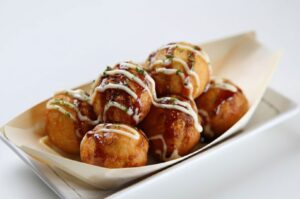
What is Takoyaki and Why Does it Matter in Japanese Food Culture? In the bright heart of Osaka, the sizzle of takoyaki batter signals one of Japan food culture’s most beloved street foods. Lines form at street stalls drawn by the delicious food aromas of sweet-savory sauce and bonito flakes dancing on golden spheres. Takoyaki,…
-
Everything You Need for a Flawless Bubble Tea Cake
Eda Wong | January 1, 2026
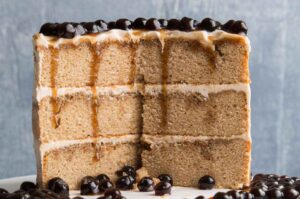
The global bubble tea phenomenon has evolved beyond drinks into the world of baking, creating one of the most exciting dessert trends of recent years. Bubble tea cake combines the beloved flavors of milk tea with the satisfying chew of boba pearls, all wrapped up in an adorable bubble tea cake that’s perfect for any…