The pour I’d come back for doesn’t sit still. Selling Sunset arrives as pale beer beneath a cap of dark foam, which gradually settles through the glass. The colour changes while you wait for your food, turning a simple drink into something worth watching.
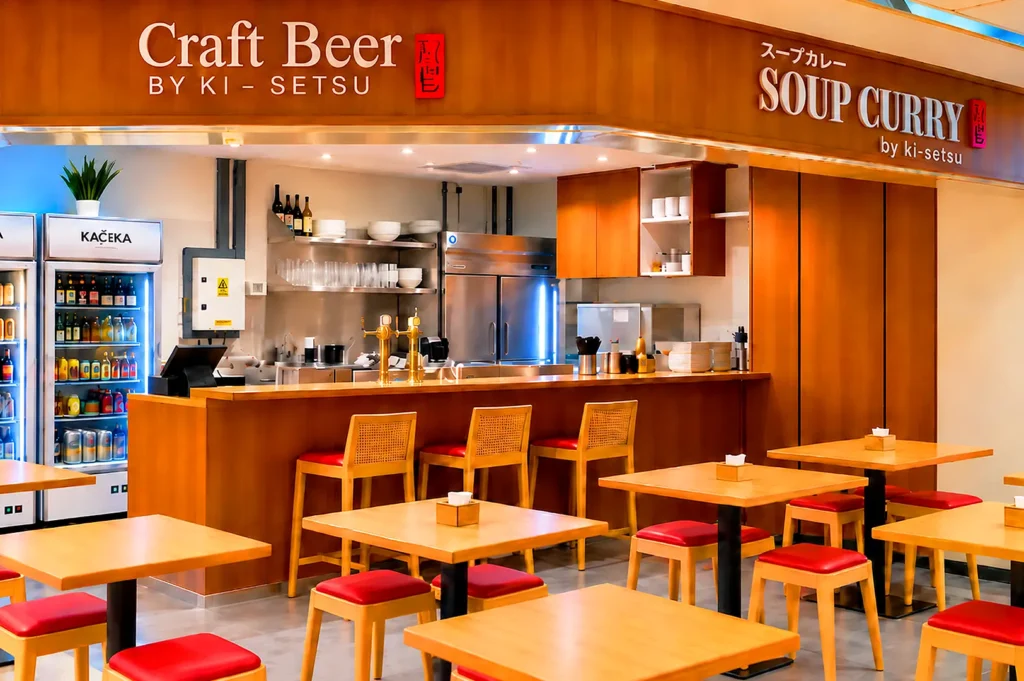
That small piece of theatre captures what makes Craft Beer by Ki-setsu interesting. The draught selection is short, but the bar has its own house blends and a Japanese kitchen serving more than standard drinking snacks. The question is whether those details justify a visit, especially when the bar opens for only two hours each evening. For me, Ki-setsu offers an alternative in craft beer Singapore as it is built around Japanese food pairings rather than an extensive tap list.
A Beer Bar Built Around Dinner
Craft Beer by Ki-setsu opened on 8 October 2026 at Fortune Centre, sharing a Japanese kitchen with Soup Curry by Ki-setsu. It belongs to the Ki-setsu Group, which also operates Sushi Masa, Tea Room, and Daizu. Rather than operating as a conventional taproom, it combines a focused beer programme with Hokkaido soup curry and izakaya dishes.
The Room and Drinks Selection
The space seats 50 people, plus two at the bar, making it reasonably accommodating for smaller groups. However, its walk-in-only policy means larger parties cannot guarantee a table. The arrangement feels more suited to a planned dinner with drinks than an extended drinking session.
Two Suntory draught lines produce four menu pours, supported by 14 bottled lines representing six countries by brand origin. The menu includes Singaporean and Vietnamese craft beers alongside alcohol-free options. It is a modest selection, but the suggested food pairings give the drinks programme a clearer purpose.
What We Would Order Again
Selling Sunset: The House Pour Worth Watching
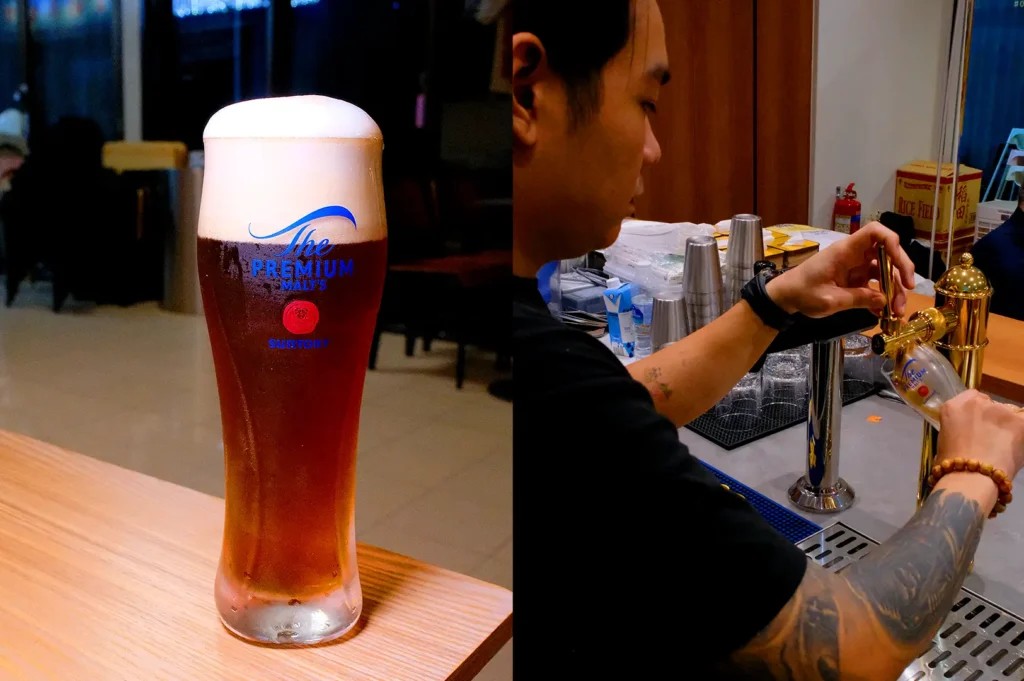
Of the draught options, Selling Sunset (S$8.80) is the most distinctive starting point. The bar combines Suntory’s The Premium Malt’s Pilsner and The Black in two house blends, with Amber using equal proportions. Selling Sunset instead uses 70% pale and 30% dark beer, with the darker portion forming the foam.
Watching that layer descend adds a little theatre before the first sip. Both blends are Ki-setsu creations rather than official Suntory products, and the listed happy-hour prices apply throughout the trading window. For something more straightforward, The Premium Malt’s Pilsner starts at S$7.80, though Selling Sunset is the more memorable choice.
Kani Cream Croquette with Yellow Van Pale Ale
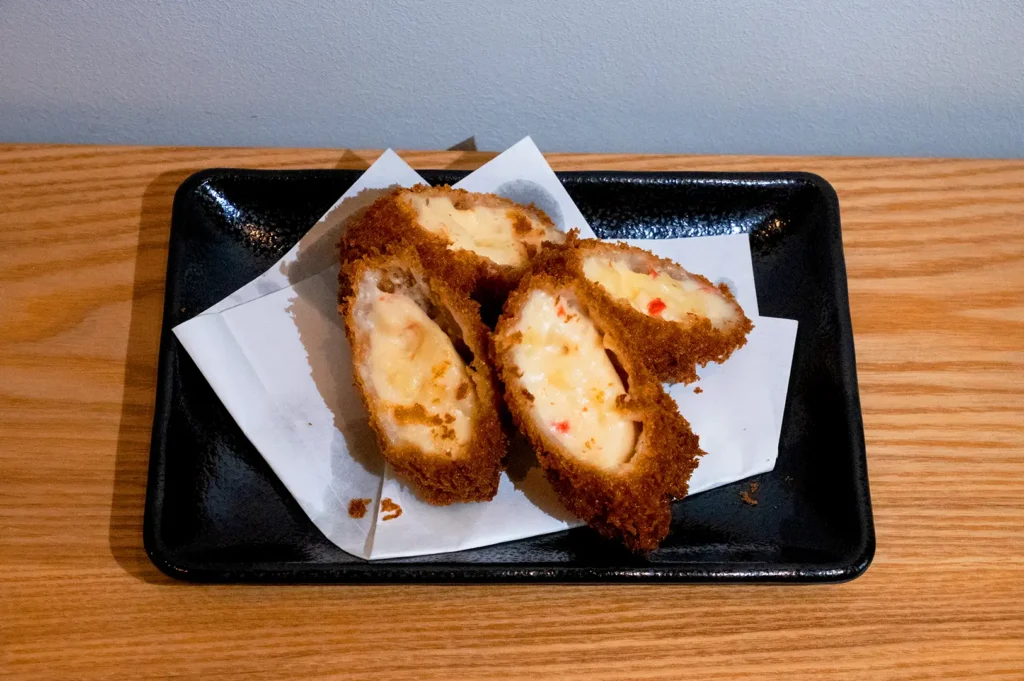
The Kani Cream Croquette consists of three panko-coated pieces filled with a creamy crab-stick mixture. Its appeal lies in the contrast between the golden, crunchy exterior and the soft filling, which makes each bite feel satisfyingly rich. The menu recommends Yellow Van Pale Ale, a 4.8% beer from Singapore’s The 1925 Brewing Co.
The pairing makes sense because a moderately bitter pale ale can cut through the richness of fried food. The same beer is suggested with Renkon Fish Cake, combining soft fish cake with crisp lotus root. Between the two, I would favour the croquettes for their stronger contrast between coating and filling.
Fukushima Mehikari Karaage with Marlow’s Mellow Pomelo IPA
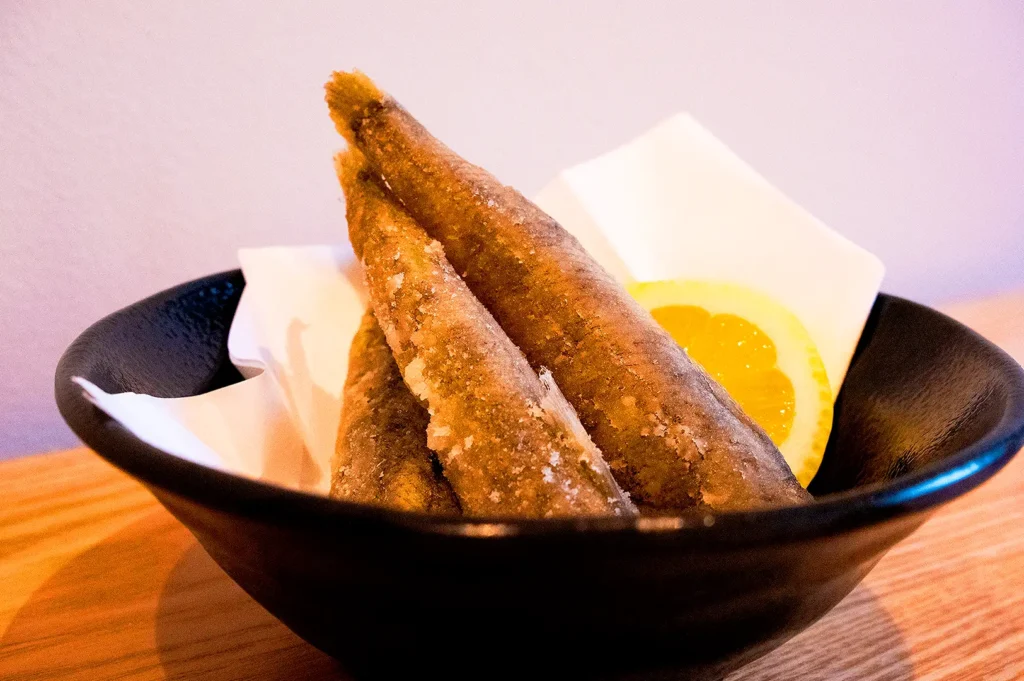
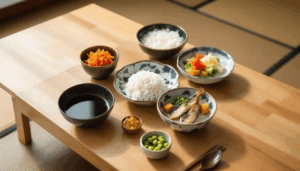
The Fukushima Mehikari Karaage is one of the more unusual items on the menu. Three small whole greeneye fish are lightly floured, fried, and served with lemon, offering a delicate crunch rather than the heavy coating of conventional bar snacks. Their straightforward preparation allows the fish itself to remain the focus.
The suggested pairing is Marlow’s Mellow Pomelo IPA, a 5.8% Vietnamese beer from Heart of Darkness. There is an appealing citrus connection between the lemon garnish and the beer’s pomelo character, while IPA bitterness can balance the fried seafood. This is the combination I would point a curious friend toward because it feels different from what a typical neighbourhood beer bar offers.
Where the Experience Falls Short
The biggest limitation is the two-hour operating window. Craft Beer by Ki-setsu opens Monday to Saturday from 7:30pm to 9:30pm, with food last orders at 9pm. Arriving at 8:45pm leaves little time for a relaxed dinner, particularly if you want to explore several pairings.
The walk-in-only policy creates another inconvenience for groups. Fifty seats may sound generous, but there is no guarantee of space before travelling to Fortune Centre. That uncertainty makes spontaneous visits less appealing when several people need to coordinate.
A Smaller Beer Selection
Two taps and a modest bottled range cannot compete with specialist bars offering extensive rotating draught lists. Experienced craft beer drinkers may find the selection limited, particularly after trying the house blends. The published pairings are also recommendations rather than guarantees of how every combination will taste.
The restaurant’s strength is its kitchen, especially the opportunity to pair Japanese dishes with a focused selection of beers. That gives the experience a clearer identity than its tap count might suggest. Anyone primarily interested in exploring numerous beer styles may prefer a dedicated craft beer bar guide.
Who Will Enjoy Craft Beer by Ki-setsu?
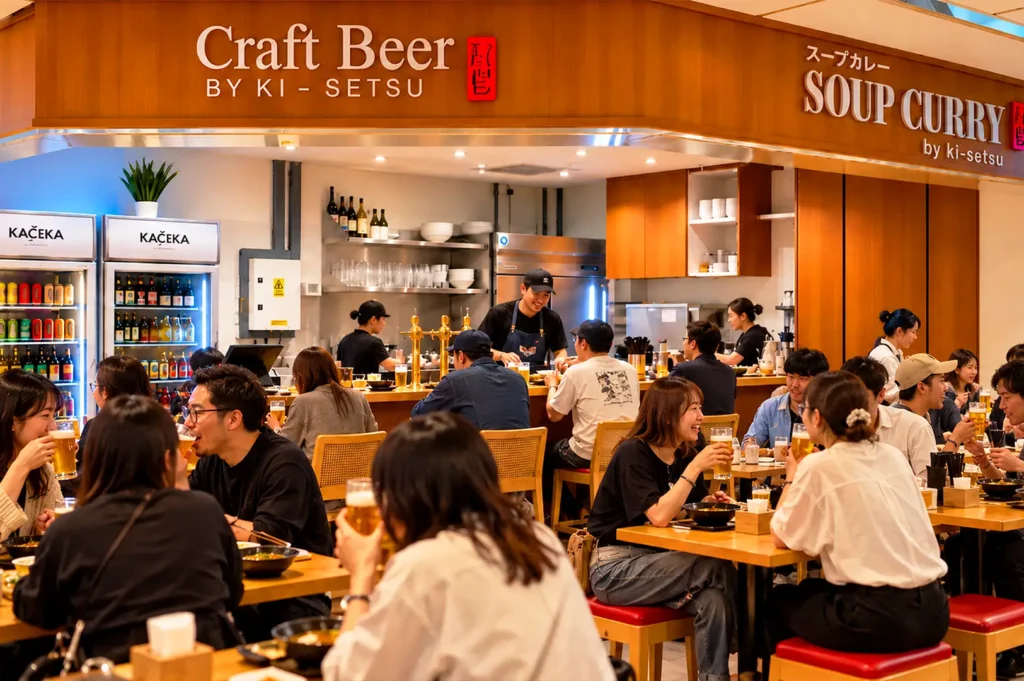
Ki-setsu makes sense for friends who want proper Japanese food alongside their drinks. One person can order soup curry while others share fried fish, croquettes, or chicken dishes, and alcohol-free bottles make the menu more accommodating. It is less suitable for late-night drinking, extensive beer exploration, or large gatherings requiring guaranteed reservations.
Practical Details
Address: #04-19 Fortune Centre, 190 Middle Road, Singapore 188979
Nearest MRT: Bencoolen, approximately 5 minutes on foot
Opening Hours: Monday to Saturday, 7:30pm to 9:30pm; closed Sunday
Food Last Orders: 9pm
Reservations: Walk-in only
Charges: 10% service charge; not GST-registered
Estimated Spend: Approximately S$17 to S$21 for a beer and one side dish, before the 10% service charge.
These details make Ki-setsu better suited to an intentionally planned evening than a last-minute visit. Bottled beer availability and individual menu prices may change between visits. Check the latest information before heading down, particularly if you are interested in a specific pairing.
The Kitchen Gives This Beer Bar Its Identity
Craft Beer by Ki-setsu is not trying to win through the number of taps. Its appeal is having a focused beer selection alongside Japanese izakaya food and Hokkaido soup curry, allowing drinks and dinner to feel connected. My preferred order would begin with Selling Sunset, followed by Fukushima Mehikari Karaage.
Dream Alone Pale Ale would be worth considering alongside the tsukune, assuming it remains available. The short operating hours are genuinely inconvenient, and serious craft beer enthusiasts may want more variety. Still, the concept gives diners a clear reason to visit: the kitchen is the reason to come, and the short hours are the reason to plan.

The Ultimate Guide to Thai Food: Flavors, Traditions, and Culinary Adventures
Dio Asahi | December 6, 2025
Thai cuisine is one of the world’s most beloved and complex culinary traditions, captivating food enthusiasts globally with its masterful balance of flavors and vibrant presentations. From bustling Bangkok street stalls to high-end international restaurants, Thai food has become a global phenomenon that evolves while maintaining its authentic roots. What sets Thai cuisine apart from…

How to Drink Sake: Your Guide to Enjoying Japanese Sake Wine
Eda Wong | December 5, 2025
As Japan’s national beverage, this traditional sake is present at celebrations, quiet dinners, and spiritual offerings, weaving itself into the very fabric of daily life and reflecting Japan’s deep-rooted cultural heritage. Yet, for many outside of Japan, it remains a delightful mystery. You might find yourself wondering, how do you drink sake properly to unlock…
-
What Is Sashimi? A Guide to Raw Fish, Sliced Raw Fish, and Japanese Seafood
Eat Drink Asia Team | December 3, 2025
Sashimi is one of the clearest ways to understand Japanese cuisine because there is very little to hide behind. At its simplest, sashimi is sliced raw fish or seafood served without sushi rice, usually with soy sauce, wasabi, and simple garnishes such as daikon radish. But the dish is not just “raw fish on a…

Understanding Sake Alcohol Content: A Complete Guide to ABV and Flavor
Eda Wong | December 2, 2025
When exploring Japanese sake, many wonder about its grades and complex flavors. Sake’s unique profile offers remarkable versatility, enjoyed in various serving styles and paired with diverse dishes. One fundamental aspect is sake alcohol content. Is sake stronger than wine? How does its alcohol by volume (ABV) compare to beer? The answer is nuanced. Understanding…
-
Japanese Sake: The Complete Guide to Japan’s Traditional Rice Wine
Dio Asahi | November 29, 2025
Japanese Sake: The Complete Guide to Japan’s Traditional Rice Wine While sake has been Japan’s national beverage for over a millennium, its popularity across Asia is at an all-time high. Rooted in Japan’s traditional brewing methods and centuries-old origins. It symbolizes Japan’s cultural heritage and craftsmanship. Understanding this complex brewed alcoholic beverage opens doors to…

Best Japanese Foods in Japan: The Must-Try Dishes
Eda Wong | November 27, 2025
Japan’s culinary world extends far beyond well-known sushi and ramen, revealing a rich variety of regional specialties cherished by locals. While many travelers stick to popular Japanese foods in tourist areas, authentic flavors are best discovered in neighborhood markets, family-run eateries, and seasonal menus reflecting centuries of Japanese cooking tradition. Understanding Japanese cuisine requires more…
-
Japanese Food in Japan: The Ultimate Guide to Authentic Culinary Experiences
Eat Drink Asia Team | November 25, 2025
Experiencing Japanese food in Japan is fundamentally different from eating Japanese cuisine anywhere else. While sushi restaurants and ramen shops have spread globally, the authentic flavors, techniques, and cultural context of Japanese food can only be fully appreciated in its homeland. From meticulously selecting ingredients at peak freshness to centuries-old traditions shaping every meal, eating…
-
Food in Japan: A Complete Guide to Japanese Cuisine and Culinary Culture
Eda Wong | November 22, 2025
The gentle steam rising from a bowl of miso soup carries more than just the earthy aroma of fermented soybeans-it carries centuries of Japanese culture and culinary wisdom. When you eat in Japan, you’re not simply consuming a meal; you’re participating in a ritual that connects you to the seasons, the land, and a philosophy…
-
Ramune Marble Soda: History and Cultural Meaning of Japan’s Iconic Marble Soda
Dio Asahi | November 20, 2025
Among Japan’s beloved fizzy drinks, none evoke nostalgia and uniqueness quite like Ramune marble soda. Instantly recognizable by its quirky Codd neck bottle and glass marble seal, Ramune soda is an essential part of Japanese summer, cherished by generations for its refreshing taste and signature pop sound. This marble soda remains a staple at summer…
-
Hokkaido’s Best Seafood Treasures: Beyond Sushi and Sashimi
Eat Drink Asia Team | November 18, 2025
When visiting Hokkaido, Japan’s northernmost island, food lovers are greeted with some of the most highly regarded seafood specialties in the world. Hokkaido is famous for its abundance of fresh seafood and rich fishing grounds, thanks to the surrounding Sea of Japan, Pacific Ocean, and Sea of Okhotsk. These nutrient-packed waters yield a wide range…