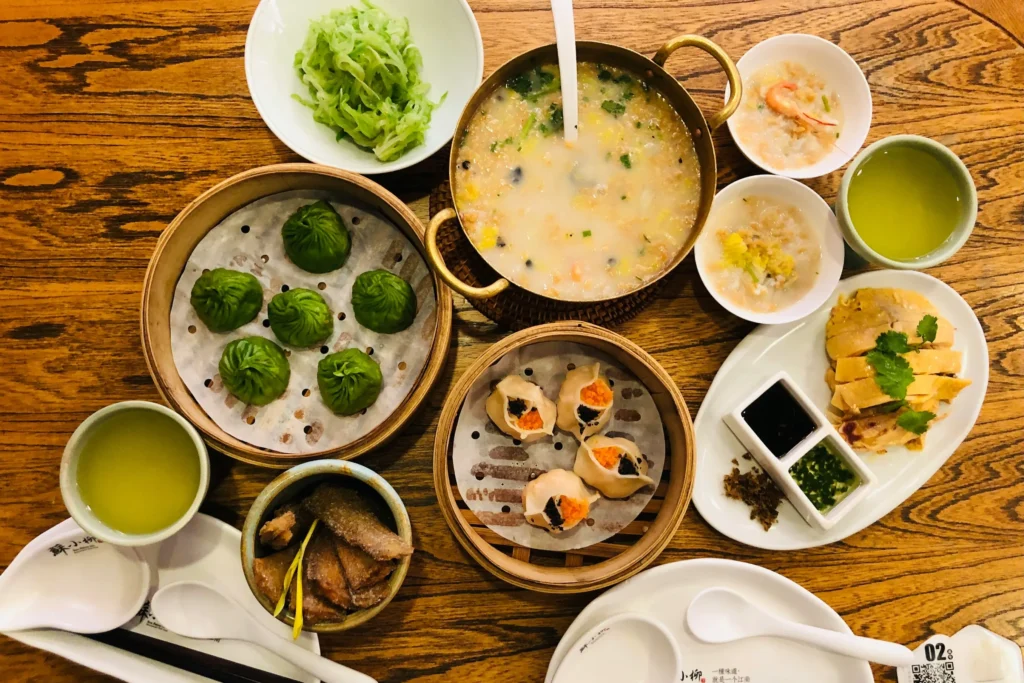
There is a common misconception that the most authentic culinary journeys involve loud, chaotic kitchens with massive wok flames and shouting chefs. I used to think the same thing until I started paying closer attention to the quieter corners of Asian cooking. I visited Din Tai Fung on a Tuesday around 2:30 pm, hoping to dodge the notorious Orchard Road lunch crowds. Walking into their Plaza Singapura outlet, I quickly remembered that famous food in China isn’t always loud. Sometimes, it is entirely about precision.
This restaurant chain is an absolute institution for food enthusiasts hunting for reliable, high-quality meals. You do not come here for a wild, unpredictable celebration of flavours. Instead, you come for the comforting guarantee that every single dumpling will taste exactly as brilliant as the last one. Here is my honest take on whether this iconic spot still holds its crown in Singapore’s incredibly saturated food scene.
A Clean, Efficient Culinary Engine Showcasing Famous Food in China and Chinese Cuisine
Plaza Singapura moves with a steady, almost predictable rhythm. Foot traffic flows in waves, and the restaurant sits right in the middle of it. At #02-32, the glass-enclosed kitchen immediately pulls you in. Chefs in white uniforms fold dough with measured precision, repeating the same motion again and again.
I remember standing there longer than I expected, watching trays of chinese dumplings take shape. Each fold identical. Each movement controlled. It felt less like performance and more like a system, one that reflects the discipline behind famous food in china.
Inside, the dining room is structured and calm. The air conditioning is strong, I reached for my jacket within minutes. Tables are spaced comfortably, making it ideal for sharing traditional dishes. If you want a quieter seat, ask for a corner table. It places you slightly outside the constant movement of staff carrying bamboo baskets and bowls of soup.
Chinese Dumplings, Minced Pork, and the Precision of Xiao Long Bao
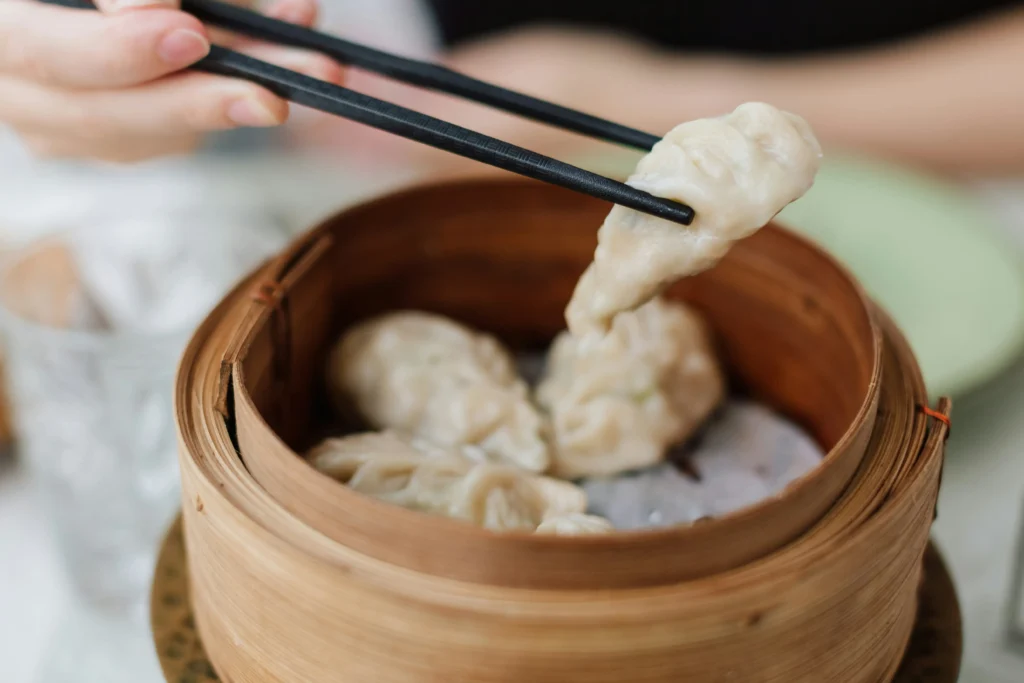
There is no real starting point here. You begin with xiao long bao.
When the lid lifts, steam rises in a dense wave carrying the scent of minced pork, ginger, and broth. These bite sized pieces are fragile but structured. The skin stretches slightly under the weight of the soup inside.
I remember holding one for a second too long. It trembled gently.
The first bite releases everything:
- A clean, rich pork broth
- Light soy sauce depth
- A sharp lift from black vinegar
It lands directly on the taste buds, precise, not overwhelming. That clarity defines many famous food in china dishes.
These dumplings trace back to shui jiao and regional dumplings across china, evolving into something more refined while preserving their roots in everyday chinese food.
Sesame Oil, Deep Fried Pork, and a Study in Texture
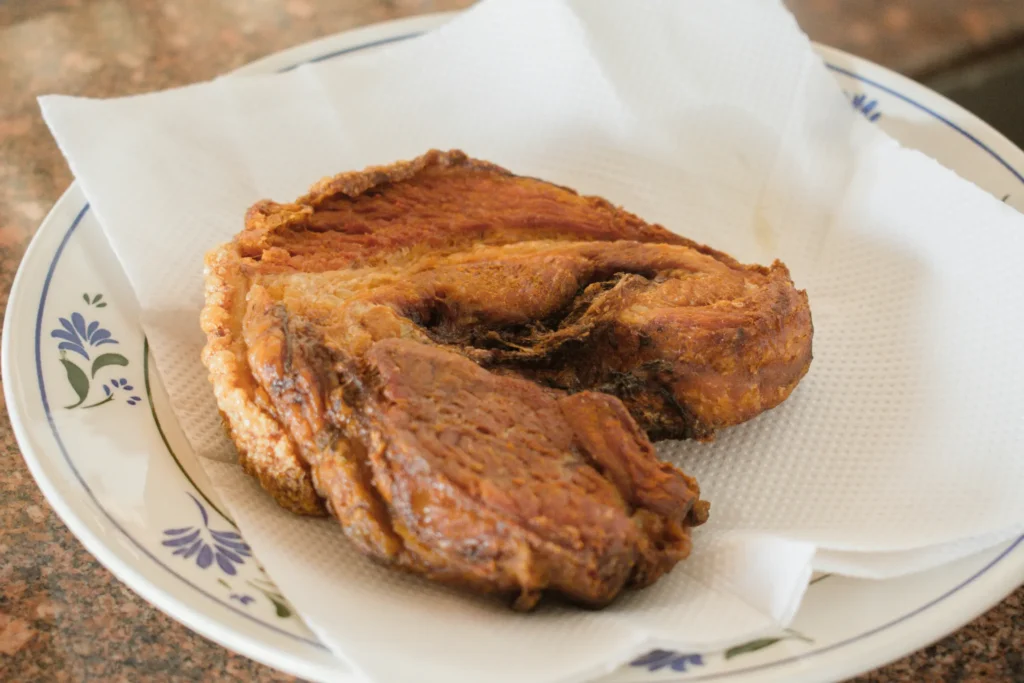
The Fried Rice with Pork Chop looks simple, but it is built on control.
The rice arrives loose and structured. Each grain is separate, lightly coated with sesame oil and soy sauce without excess.
The pork creates contrast:
- Crisp edges from deep fried preparation
- Tender interior
- Subtle warmth from five spice powder
I remember noticing how clean the texture felt. No oil pooling. No heaviness.
This is where chinese cuisine reveals itself. It is not about intensity. It is about execution.
Chicken Soup, Rice Wine, and Quiet Depth
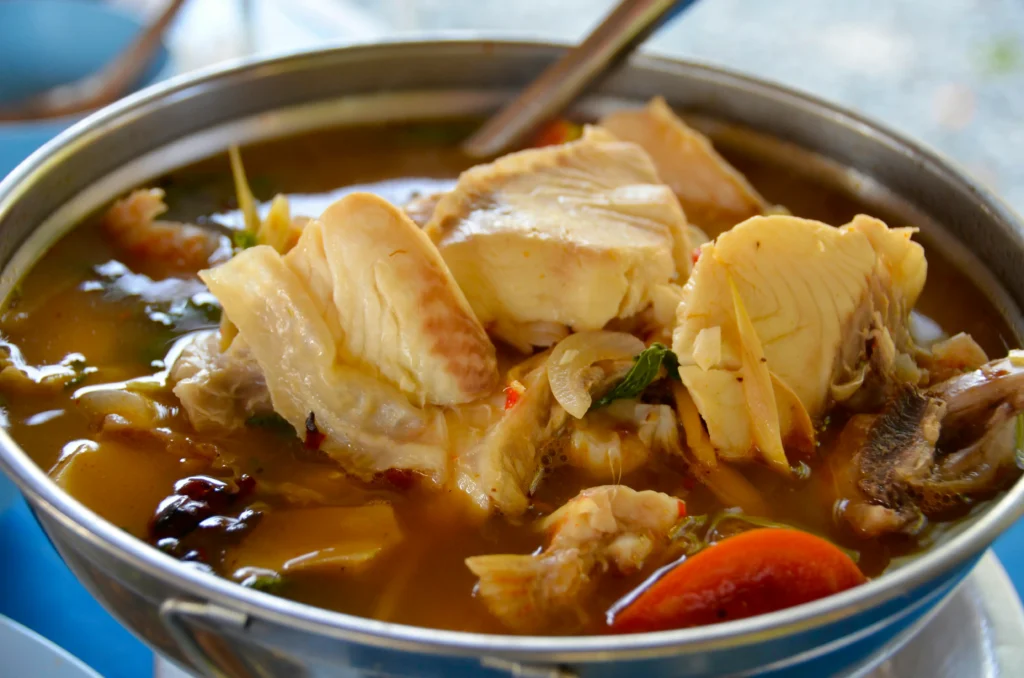
The chicken soup resets the meal completely.
The broth is clear, pale, and steady. No floating oil. No cloudiness.
The first sip is subtle:
- Gentle sweetness from the chicken
- Depth that suggests shaoxing wine
- Warmth that builds slowly
The meat separates easily, soft without collapsing.
I remember slowing down here. This is the quieter side of chinese cuisine, where clarity replaces boldness.
The Reality of Chinese Food Service in a High Volume System
Service operates like a loop.
Orders are placed digitally. Food arrives quickly. Staff move constantly.
On weekdays, the system feels smooth. On weekends, it changes. Queues stretch. The waiting area fills quickly.
There is also a practical layer. Small charges; water, drinks, service; add up.
Still, consistency remains. Among many restaurants, reliability becomes its own strength.
Beyond the Menu: Hot Pot, Bamboo Shoots, and Regional Chinese Cuisine
What Din Tai Fung presents is one branch of a much larger system.
It focuses on dumplings, noodles, rice, and soups; refined, controlled, and precise. But beyond this space, chinese cuisine expands dramatically across regions.
Hot Pot and Sichuan Province
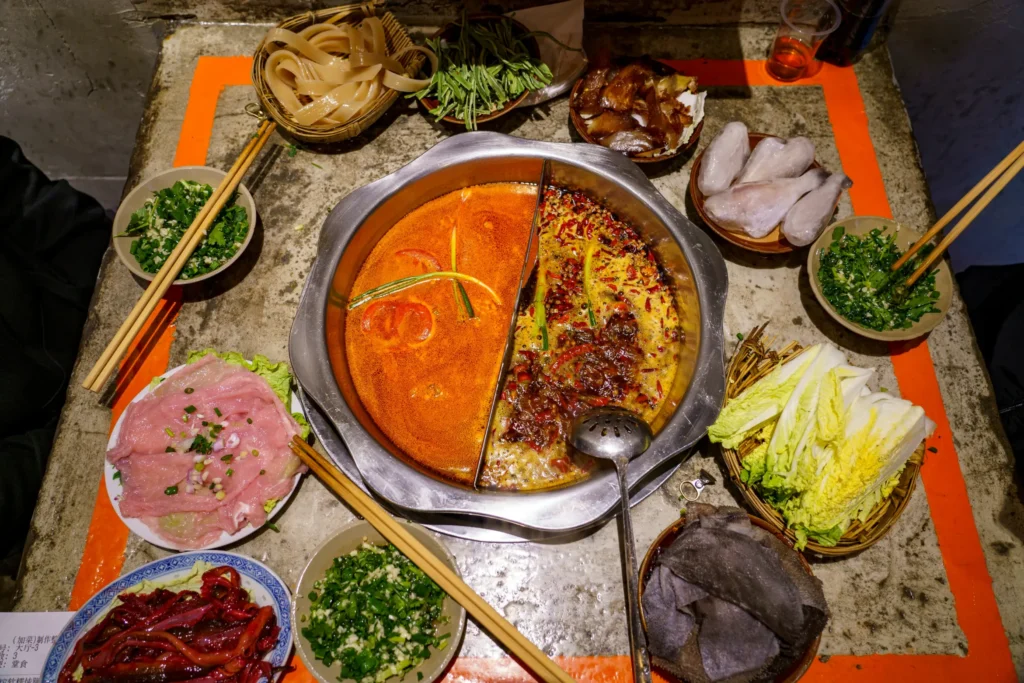
In sichuan cuisine, hot pot operates on a completely different logic. A bubbling broth filled with chili oil and sichuan peppercorns sits at the center.
Diners cook:
- Thin slices of beef and pork
- Seafood like shrimp
- Fresh vegetables and noodles
The experience is intense; spicy, numbing, immediate. It contrasts sharply with the restraint found at Din Tai Fung.
Bamboo Shoots, Preservation, and Flavor Systems
In regions like yunnan province and fujian province, bamboo shoots appear frequently.
Their texture, firm and slightly crisp, cuts through heavier dishes. They are often paired with minced meat, stir fried preparations, or slow braises.
You also find pickled vegetables, preserved vegetables, and chinese sausage used with intention. These reflect a long history of preservation techniques within chinese culture.
The flavor becomes layered:
- Savory from sauces like oyster sauce
- Slightly sweet from cured meats
- Tangy from preserved elements
Peking Duck, Rice Wine, and Celebratory Food
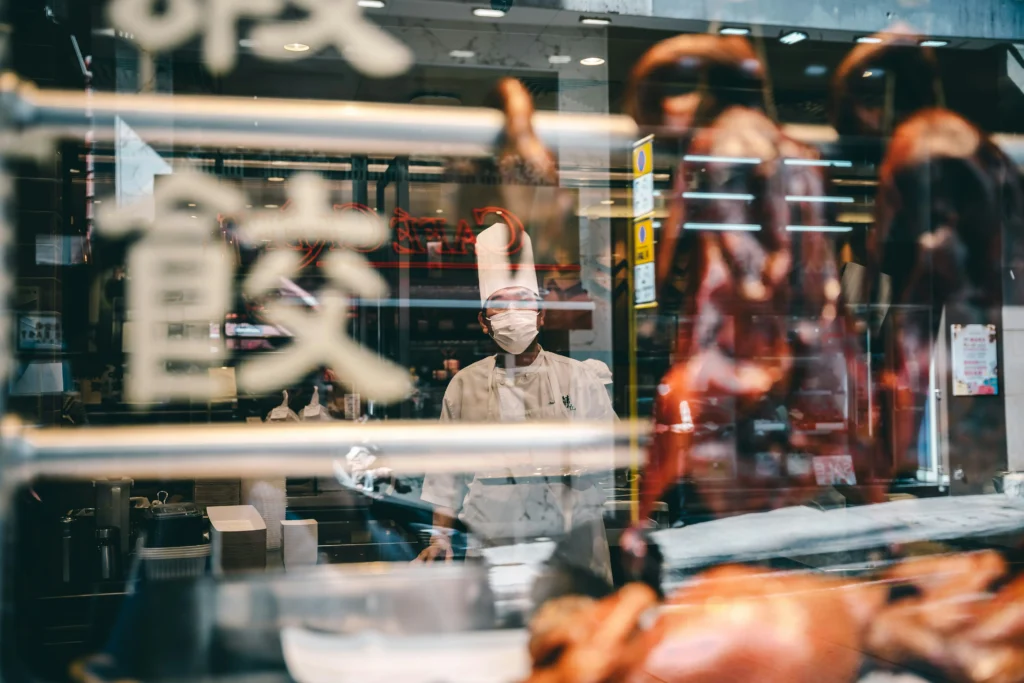
Some dishes sit outside everyday dining and move into celebration.
Peking duck is one of the most recognised examples of famous food in china.
- Crisp, lacquered crispy skin
- Tender duck meat
- Served with pancakes and hoisin sauce
It is often paired with rice wine like shaoxing wine, adding aroma and balance.
Unlike dumplings or fried rice, this is not everyday food. It reflects gatherings, year celebrations, and shared meals.
Hand Pulled Noodles, Street Food, and Everyday Systems
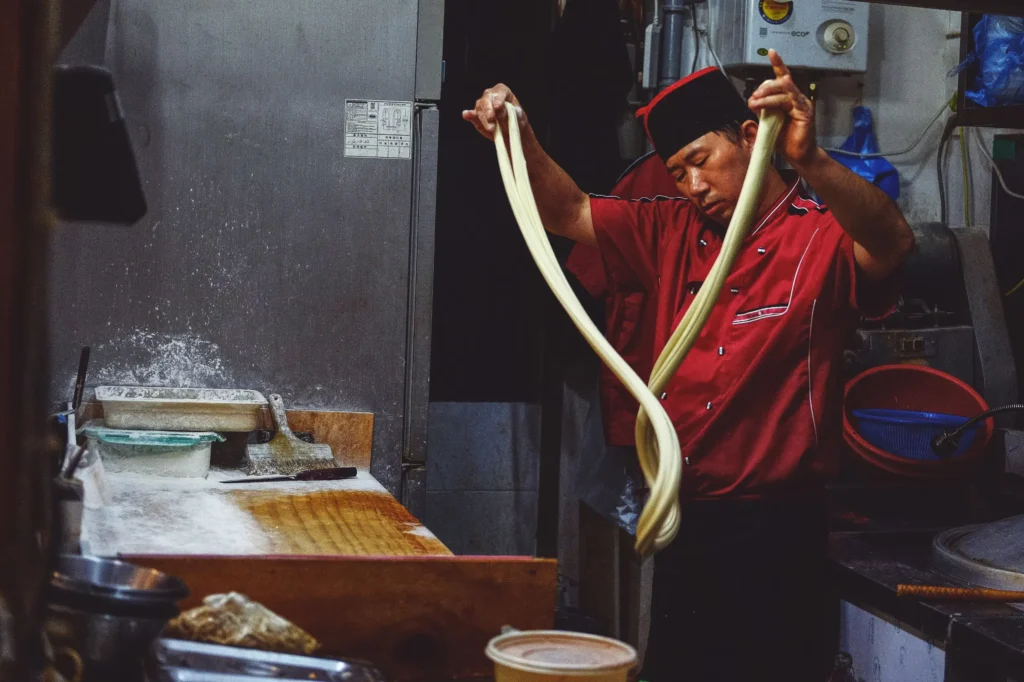
At the other end of the spectrum, everyday street food offers another perspective.
Hand pulled noodles are stretched and folded before being dropped into boiling water. The texture becomes elastic and slightly chewy.
You also see:
- Pan fried dumplings with crisp bases
- Bowls of noodle soup with beef or chicken
- Simple plates of fried fish or vegetables
This answers how traditional food in China Speaks through generations: These dishes rely on the same principles; balance, heat, and timing, but operate in faster, more informal environments.
To Eat or Drink? The Seal of Approval
Din Tai Fung remains a powerhouse in the local dining scene, and for good reason. It offers an interactive, globally influenced menu that never compromises on its core promise of precision. The flavours are exceptionally clean, the ingredients feel premium, and the execution is flawless.
This restaurant is best suited for families, Orchard Road shoppers needing a reliable refuel, and tourists wanting a safe, high-quality introduction to authentic Chinese dumplings. It is also a fantastic choice for mixed-age groups, thanks to a highly accessible menu that features great vegetarian options and universally loved comfort dishes.
It is probably less ideal if you are looking for a long, quiet, chef-led dining experience where you can linger over drinks for hours. The rapid table turnover and systematic efficiency are designed to feed the masses, not to provide a deeply intimate evening.
But if you want to taste the world of perfectly crafted Xiao Long Bao and impeccably balanced fried rice, this is still the gold standard. Din Tai Fung proves that you do not need loud, aggressive flavours to make a lasting impression. Sometimes, the quietest, most precise dishes are the ones you remember for days.
For those looking to complement their culinary exploration with a refined beverage experience, Tea Room by Ki-setsu offers a curated journey through Chinese tea in the heart of Singapore, perfectly bridging tradition and taste.

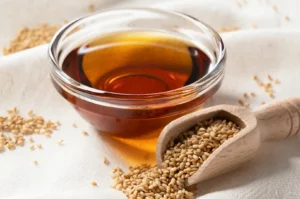
Sesame Oil at the End: Finishing, Not Flavoring
Eda Wong | July 24, 2026
The wok is already off the heat. The greens sit glossy and dark, steam still curling off them. My mother lifts a small bottle, tilts it, and lets a thin line of sesame oil fall across the top. It hisses faintly against the warm leaves, and the smell rises all at once — toasted, nutty,…
-
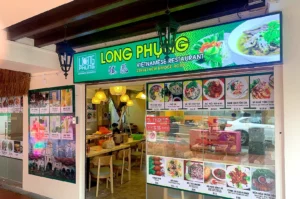
Long Phung Vietnamese Cuisine, Where the Menu Doesn’t Waste Words: A Good Restaurant Close to Me
Eda Wong | July 23, 2026
I came in from the rain on a Tuesday, somewhere past 8pm, hungry and a little defeated by the day. The fan was clacking. A queue of three or four people stood near the doorway, dripping. Someone shouted an order toward the kitchen in Vietnamese, and a bowl of pho slid onto a nearby table…
-
The First Squeeze of Calamansi in a Noodle Stall Bowl
Dio Asahi | July 22, 2026
The bowl lands in front of me, broth still trembling from the walk across the stall. Steam rises and fogs the edge of my glasses. To the side sits a small dish of calamansi halves, cut and waiting, their skins slick under the fluorescent light. I pick one up. It gives slightly between my fingers,…
-
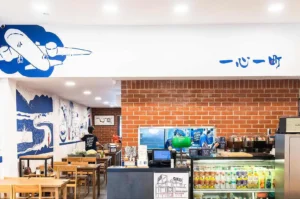
Isshin Machi East Coast: Where Comfort Food Turns Addictive
Dio Asahi | July 21, 2026
Let me clear up the first puzzle right away. The name “Isshin Machi” sounds unmistakably Japanese, and I’ll admit I walked in half-expecting ramen and gyoza. What I found instead was a Taiwanese kitchen, plates of lu rou fan, braised beef noodles, and golden fried chicken that trace straight back to the island’s home cooking….

Best Cafe Singapore: A Map of Brunch Plates, Quiet Corners, and Dangerous Pastries
Dio Asahi | July 18, 2026
I didn’t set out to make a list. I made a habit. Over the years, cafes became the places I went to think, to wait out the rain, to sit with a coffee I didn’t have to rush. Some I returned to for the food. Others, I returned to for the feeling — the way…
-
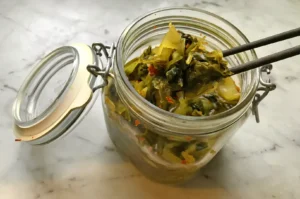
Pickled Mustard Greens: The Sour Note in Clear Broth
Eda Wong | July 17, 2026
Steam lifts from a bowl of clear pork broth, and a spoonful of chopped pickled greens slides in. The broth shifts at once, its richness suddenly cut by a sharp, clean sourness that sits high and bright on the tongue. The greens have softened in the heat but keep a faint, springy crunch. Someone leans…
-
The Potato Curry That Teaches You How Spices Wake Up: A Beginner’s Indian Cooking Lesson
Eda Wong | July 16, 2026
The first time I made aloo curry on my own, I burned the cumin. I remember standing in my tiny HDB kitchen, watching those little seeds go from golden to black in what felt like one breath, and thinking: this is harder than it looks. But here’s what that bitter, smoky disaster taught me, the…
-
Bamboo Skewers and Smoke: Street Grills in Chiang Mai
Dio Asahi | July 15, 2026
The cart glows at the edge of the lane just as the heat of the day finally loosens. A woman fans the coals with a flattened piece of cardboard, and the embers brighten orange under a row of skewers. Fat slides off the pork, hits the charcoal, and hisses upward in a thin curl of…
-
Chana Masala With Warm Roti, Built for Weeknights: Quick Vegetarian Dinner Recipes Indian
Dio Asahi | July 14, 2026
The first time I made chana masala, I started with dried chickpeas at 7:30 on a weeknight, soaking and boiling like the recipe said. By the time the curry was actually done, it was nearly ten and I’d already eaten half a loaf of bread out of sheer hunger. That night taught me something I…
-
One-Pan Chicken Curry With Jeera Rice and Cucumber Raita: Food for Dinner Indian, Made Practical
Eat Drink Asia Team | July 11, 2026
The first time we cooked a full Indian dinner on a weeknight, the curry, rice, and raita felt like three separate tasks—three pans, three timers, and a kitchen full of wonderful smells but chaos. The curry was good, the rice sticky, and the raita watery from being made too early. That night taught us a…