By Dio Asahi for Eat Drink Asia.
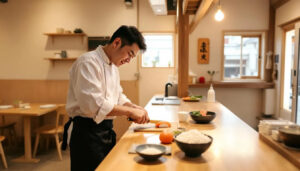
The shop is barely wider than a hallway. Seven stools, a counter worn smooth, and behind it a woman ladling soup into small ceramic bowls before anyone has ordered it. Steam lifts off the surface and fogs the window against the cold morning. The bowl reaches me warm in both hands, heavier than it looks. There’s a smell first — something salted, deep, almost like the sea remembered rather than tasted. Then the sip. Cloudy, gentle, faintly sweet under the salt. Outside, a train sighs into the station. Inside, nobody speaks yet.
What I’m holding is miso soup — 味噌汁, roughly “mee-so shiru.” At its simplest, it’s fermented soybean paste dissolved into dashi, a stock usually drawn from kombu seaweed and dried bonito flakes. That’s the whole architecture. The miso brings the salt and the funk, that living, fermented depth. The dashi brings the quieter thing underneath — a savoury base the Japanese call umami, which is less a flavour you name than one you feel settle in the back of the throat.
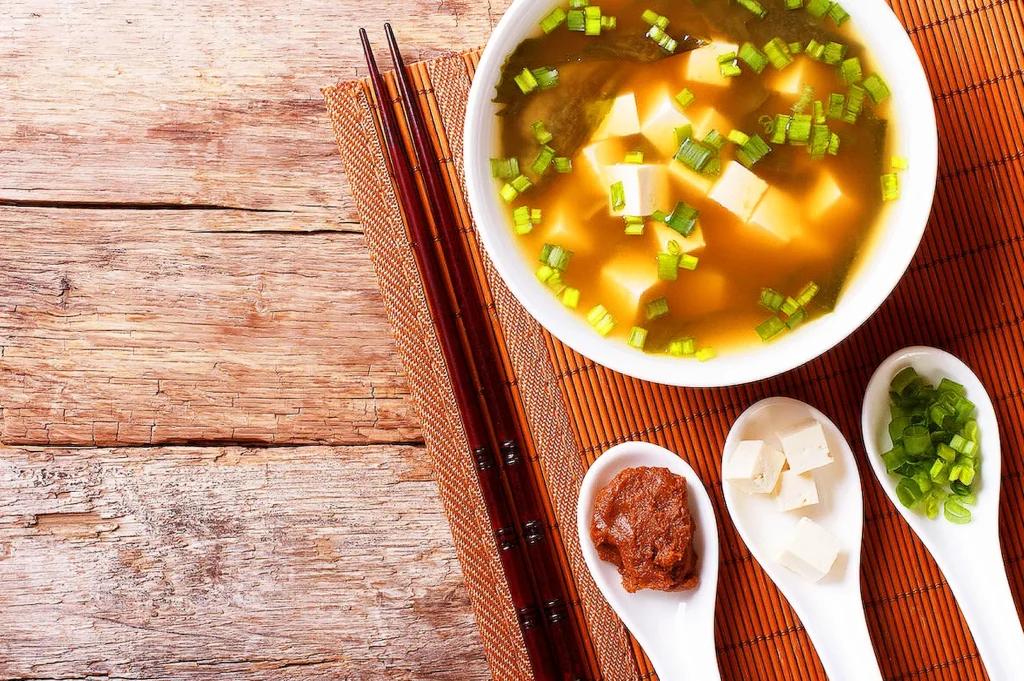
There’s often a little inside the broth. Cubes of soft tofu, a few slippery strands of wakame, sometimes sliced green onion floating on top. But the soup isn’t really about what’s in it. It’s about the liquid itself, and the way it arrives hot and unhurried, at the start of the day, without ceremony.
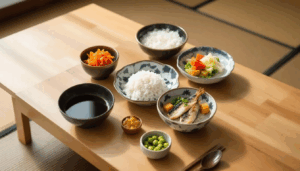
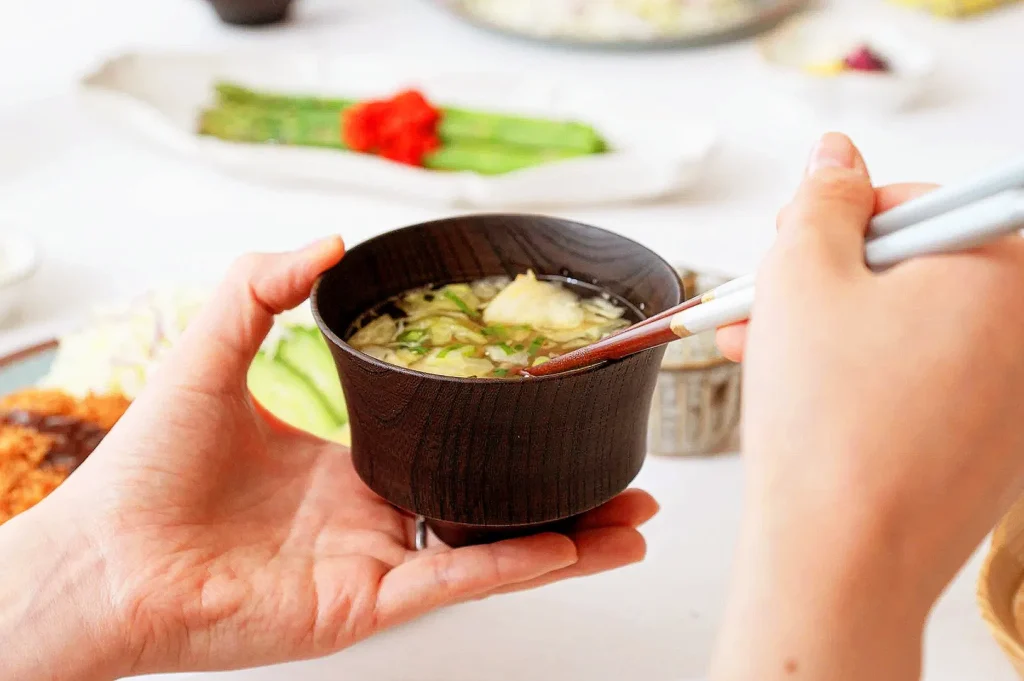
Watch a Tokyo breakfast shop at seven in the morning and you notice the rhythm before you notice the food. People arrive alone, mostly. They sit, they receive the bowl, they eat with a kind of practiced quiet. The soup is rarely the main dish — it comes beside rice, grilled fish, a raw egg. But it’s the first thing lifted, the first warmth of the morning. There’s an etiquette to it, too: you drink from the bowl, tilting it, rather than spooning. It signals something small and communal. Everyone here is doing the same thing at the same hour, in the same silence, before the city asks anything of them.
The craft hides in the timing. Dashi is warmed, but the miso is stirred in only at the end, off the strongest heat — never boiled. Boil it, and the miso turns flat and sour, the living quality cooked out of it. The woman behind the counter dissolves it through a small strainer with the back of a ladle, so no lumps remain, seconds before serving.
You can buy miso in a packet now. Tear, pour, add hot water, done. It’s not bad, and I understand why a tired morning reaches for it. But the packet version is a copy of a gesture, not the gesture itself, it is not what Eat Drink Asia stands for. The handmade bowl carries the memory of someone deciding not to let it boil — a small, deliberate act of care, repeated at dawn, for strangers.
I finished the bowl before I’d finished thinking about it. The woman was already ladling the next.
Some mornings ask for nothing more than that. Warmth, handed over. A quiet way of being fed.

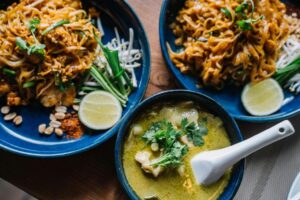
Best Thai Singapore: Discover the Art of Authentic Pad Thai
Dio Asahi | December 11, 2025
In Singapore, a city that celebrates a universe of flavors, the magnetic pull of Thai cuisine is undeniable. From bustling food courts to elegant dining rooms, the kingdom’s culinary ambassadors have firmly planted their flag. When considering the best Thai food, it’s impossible to overlook how integral Pad Thai is to the local Thai food…

Thai Cuisine in Singapore: Finding the Best Authentic Flavors
Eat Drink Asia Team | December 9, 2025
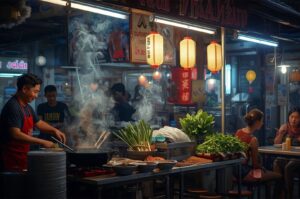
The unmistakable aroma of lemongrass, galangal, and fiery spices mingles with the bustling night air in Singapore, setting the stage for a dining experience that wakes the soul and tantalizes the senses. Thai cuisine in Singapore has become an essential part of the city’s culinary landscape, offering a complete blend of vibrant flavor, tangy notes,…
-
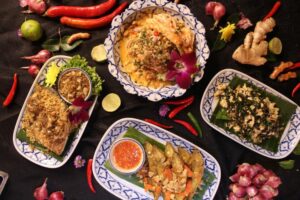
The Ultimate Guide to Thai Food: Flavors, Traditions, and Culinary Adventures
Dio Asahi | December 6, 2025
Thai cuisine is one of the world’s most beloved and complex culinary traditions, captivating food enthusiasts globally with its masterful balance of flavors and vibrant presentations. From bustling Bangkok street stalls to high-end international restaurants, Thai food has become a global phenomenon that evolves while maintaining its authentic roots. What sets Thai cuisine apart from…
-
How to Drink Sake: Your Guide to Enjoying Japanese Sake Wine
Eda Wong | December 5, 2025
As Japan’s national beverage, this traditional sake is present at celebrations, quiet dinners, and spiritual offerings, weaving itself into the very fabric of daily life and reflecting Japan’s deep-rooted cultural heritage. Yet, for many outside of Japan, it remains a delightful mystery. You might find yourself wondering, how do you drink sake properly to unlock…
-
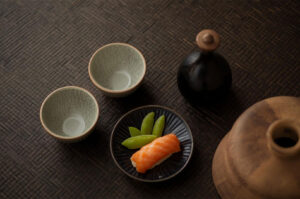
What Is Sashimi? A Guide to Raw Fish, Sliced Raw Fish, and Japanese Seafood
Eat Drink Asia Team | December 3, 2025
Sashimi is one of the clearest ways to understand Japanese cuisine because there is very little to hide behind. At its simplest, sashimi is sliced raw fish or seafood served without sushi rice, usually with soy sauce, wasabi, and simple garnishes such as daikon radish. But the dish is not just “raw fish on a…

Understanding Sake Alcohol Content: A Complete Guide to ABV and Flavor
Eda Wong | December 2, 2025
When exploring Japanese sake, many wonder about its grades and complex flavors. Sake’s unique profile offers remarkable versatility, enjoyed in various serving styles and paired with diverse dishes. One fundamental aspect is sake alcohol content. Is sake stronger than wine? How does its alcohol by volume (ABV) compare to beer? The answer is nuanced. Understanding…
-
Japanese Sake: The Complete Guide to Japan’s Traditional Rice Wine
Dio Asahi | November 29, 2025
Japanese Sake: The Complete Guide to Japan’s Traditional Rice Wine While sake has been Japan’s national beverage for over a millennium, its popularity across Asia is at an all-time high. Rooted in Japan’s traditional brewing methods and centuries-old origins. It symbolizes Japan’s cultural heritage and craftsmanship. Understanding this complex brewed alcoholic beverage opens doors to…

Best Japanese Foods in Japan: The Must-Try Dishes
Eda Wong | November 27, 2025
Japan’s culinary world extends far beyond well-known sushi and ramen, revealing a rich variety of regional specialties cherished by locals. While many travelers stick to popular Japanese foods in tourist areas, authentic flavors are best discovered in neighborhood markets, family-run eateries, and seasonal menus reflecting centuries of Japanese cooking tradition. Understanding Japanese cuisine requires more…
-
Japanese Food in Japan: The Ultimate Guide to Authentic Culinary Experiences
Eat Drink Asia Team | November 25, 2025
Experiencing Japanese food in Japan is fundamentally different from eating Japanese cuisine anywhere else. While sushi restaurants and ramen shops have spread globally, the authentic flavors, techniques, and cultural context of Japanese food can only be fully appreciated in its homeland. From meticulously selecting ingredients at peak freshness to centuries-old traditions shaping every meal, eating…
-
Food in Japan: A Complete Guide to Japanese Cuisine and Culinary Culture
Eda Wong | November 22, 2025
The gentle steam rising from a bowl of miso soup carries more than just the earthy aroma of fermented soybeans-it carries centuries of Japanese culture and culinary wisdom. When you eat in Japan, you’re not simply consuming a meal; you’re participating in a ritual that connects you to the seasons, the land, and a philosophy…