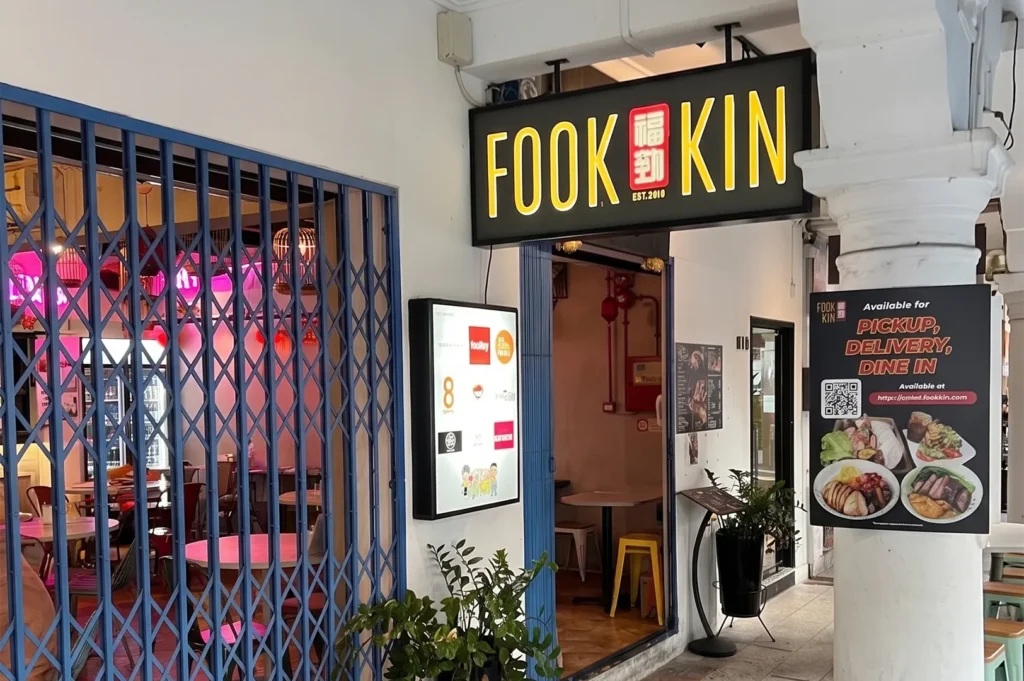
For years, we told ourselves that truly great Asian cooking was a mystical art form, a craft reserved for seasoned hawker uncles or Michelin-starred chefs with decades of experience. Our own attempts at home often felt like pale imitations, lacking that deep, smoky flavour or that perfect textural contrast we craved. Then, we had dinner at Fook Kin, and everything we thought we knew about cooking was turned on its head.
We didn’t just have a great meal; we had a revelation. It wasn’t about a secret ingredient or an impossibly complex technique. It was about balance. Sweet, savoury, smoke, and fat, all working in perfect harmony. Fook Kin didn’t just feed us; it taught us a lesson.
Setting the Scene: First Bites and Vibes at Fook Kin
We visited Fook Kin on a Tuesday around 7 pm, hoping to beat the dinner rush. Nestled along Killiney Road, just a short walk from Somerset MRT, this restaurant offers a warm, inviting atmosphere that feels worlds away from the gleaming malls of Orchard. The “industrial chic” decor, with warm lighting, dark wood accents, and sleek metal finishes, strikes a perfect balance between modern and traditional Chinese eatery vibes.
The moment we stepped inside, the rich aroma of caramelised pork and smoky charcoal hit us, an irresistible sensory sign of the delicious roast pork dishes to come. The compact space buzzed with lively chatter, reminding us how much Singaporeans love gathering over food. We were seated near the open kitchen, a perfect spot to watch the chef at work, preparing the signature asian cuisine recipes that have made Fook Kin so popular.
The Flavor Showdown: Star Dishes Stealing the Spotlight with Fried Rice and Roast Pork
Fook Kin’s menu is focused and confident, showcasing the best things they do: roast pork, fried rice, and a few other inspired dishes designed for sharing. We came with friends, which we highly recommend, since you’ll want to sample multiple plates to appreciate the full combination of flavours.
- Caramelised Char Siu: The dish that put Fook Kin on the map. Thick slices of Cantonese BBQ pork glistened under the restaurant’s warm lighting, with charred edges and a sticky, dark glaze that promised a perfect balance of sweet, smoky, and savoury. The pork was tender and juicy, with just the right fat-to-lean ratio, melting in our mouths with every bite. The complex marinade, combined with the smoky roast, created a flavour profile that was both familiar and exciting.
- Roast Pork (Siu Yuk): This dish was a crispy, crunchy masterpiece. The crackling shattered with a satisfying crunch, revealing moist, fragrant layers of pork belly beneath. It was a delicate balance, crispy skin without any greasy heaviness. The contrast between textures made every mouthful a delicious celebration of Asian street food tradition, elevated to restaurant quality.
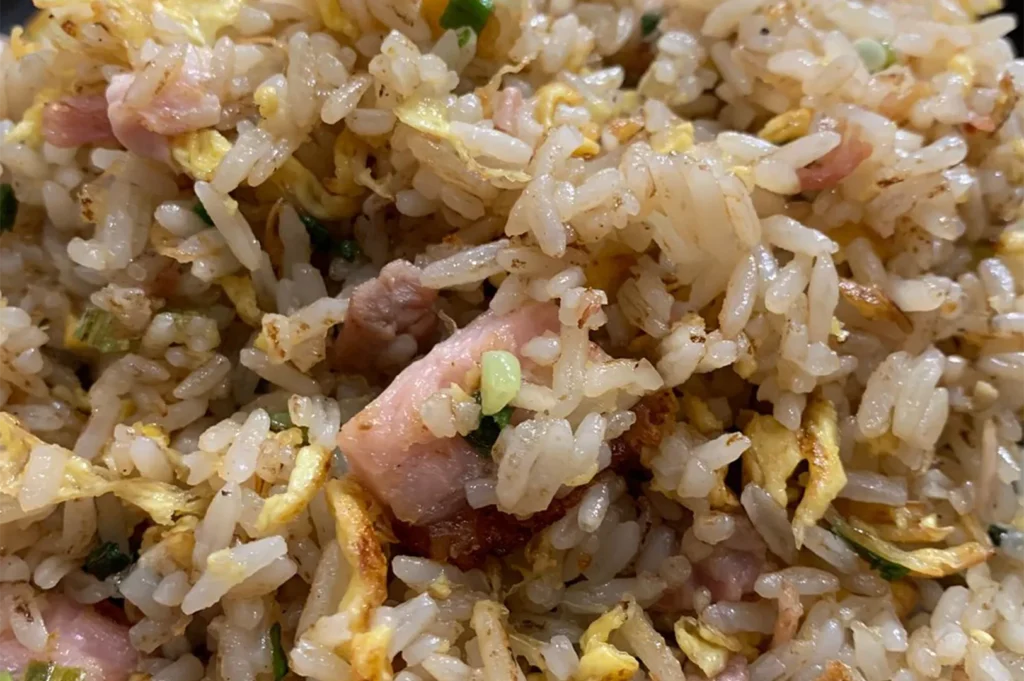
- Fried Rice: Often overlooked, but here it was a star in its own right. The rice was fluffy, each grain distinct and lightly seasoned to complement the rich roast pork and sweet sauces. The unmistakable wok hei, the smoky breath of the wok, perfumed the dish, making it a perfect warm accompaniment to the meats.
Behind the Scenes: Insider Tips and Friendly Service
The service was friendly and efficient, with staff eager to share their knowledge about the dishes and recommend pairings. Despite the busy atmosphere, our food arrived promptly, and our water glasses were always topped up.
A heads-up: even on a Tuesday, a queue forms quickly. For weekends, we recommend making a reservation or arriving before 6:30 pm to avoid a 20–40 minute wait. Walk-ins are possible but expect some patience during peak times.
The cost is not budget-level, but definitely worth it for the quality and experience. Our bill for two was about S$70, including roast pork, char siu, fried rice, and a vegetable dish. It’s an ideal spot for a casual dinner with friends or a date where you want to enjoy delicious asian cuisine recipes in a lively, welcoming setting.
The Fook Kin Lesson: Mastering Char Siu at Home
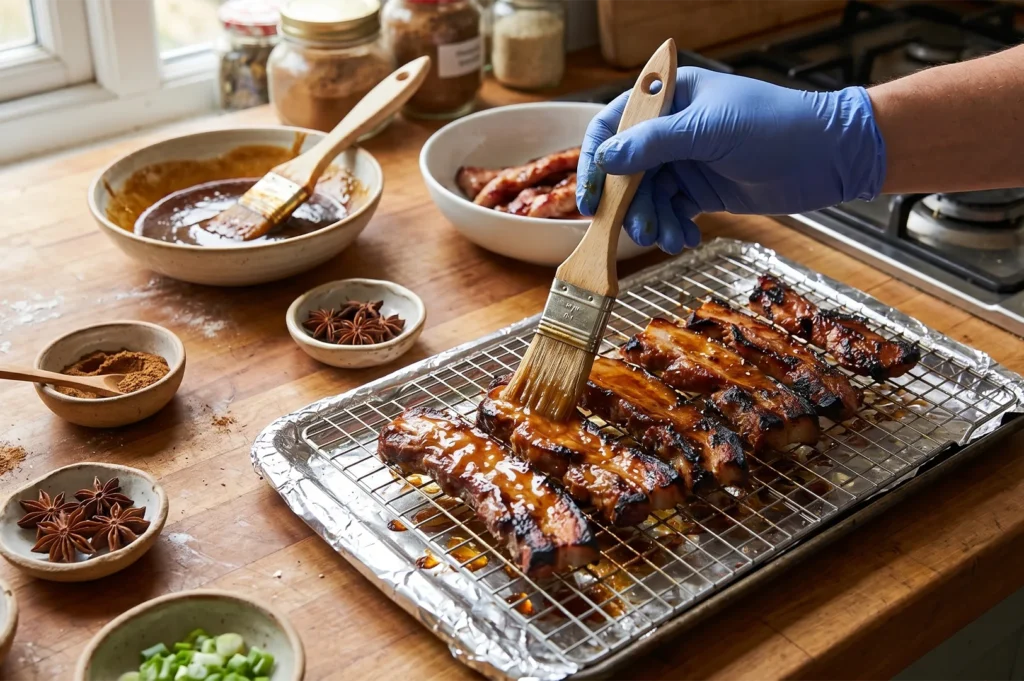
Char Siu was a revelation. We realized that the secret to incredible Asian cuisine recipes isn’t exotic ingredients but mastering balance, the perfect harmony of sweet, savoury, smoky, and crispy. Inspired, we developed this simplified home recipe to get you close to Fook Kin’s signature char siu experience.
Simplified Home Recipe for Cantonese Char Siu
This recipe focuses on the marinade and final glaze, don’t rush it!
Ingredients:
- 500g pork shoulder or pork collar, cut into long strips
- 2 tbsp hoisin sauce
- 2 tbsp light soy sauce
- 1 tbsp oyster sauce
- 1 tbsp honey, plus extra for glazing
- 1 tbsp sugar
- 1 tsp five-spice powder
- 2 cloves garlic, finely minced
- 1 tbsp Shaoxing wine (or dry sherry)
- 1/2 cube red fermented bean curd (optional, for colour and depth)
Method:
- Marinate the Pork: Mix all ingredients except extra honey until smooth. Mash in fermented bean curd if using. Massage marinade into pork strips. Cover and refrigerate overnight or at least 8 hours, longer is better for flavour to develop.
- Roast: Preheat oven to 200°C (400°F). Place pork on a wire rack over a foil-lined tray for easy cleanup. Roast for 20–25 minutes.
- Glaze: Brush with honey and roast for another 5 minutes to build a sticky, sweet crust.
- Caramelise: Turn on the grill (broiler) to high. Place pork under it for 1–2 minutes to char edges, watch carefully to avoid burning.
- Rest: Let rest 10 minutes before slicing thickly. This keeps the meat juicy and tender, just like Fook Kin’s perfect version.
Why Fook Kin Stands Out in Singapore’s Asian Cuisine Scene
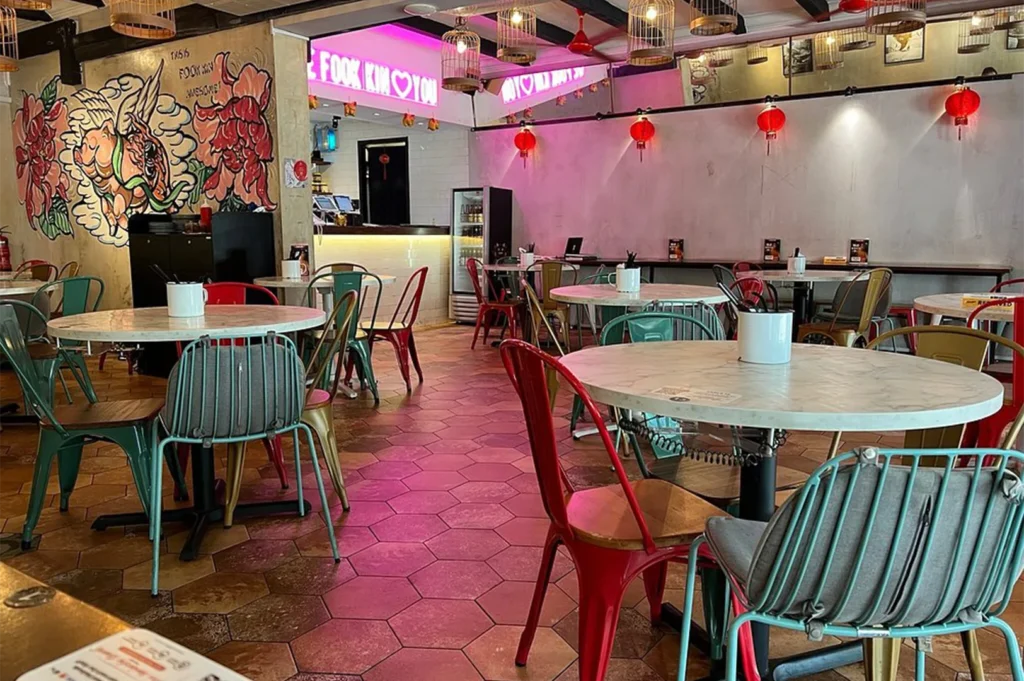
Fook Kin is more than a restaurant; it’s a house of culinary craft where traditional asian cuisine recipes meet modern flair. Located at 111 Killiney Road, it’s easy to find yet feels like a hidden gem. The combination of crispy roast pork, sweet and tangy sauces, and perfectly cooked fried rice makes it a must-visit for lovers of authentic Singaporean flavours.
If you’re inspired by the vibrant street food culture that defines much of Singapore’s food scene, Fook Kin offers a refined, delicious take that still captures the soul of those bustling hawker stalls. Whether you’re enjoying a warm dinner with family or sharing with friends, the experience here hits all the right notes.
Bringing the Flavours Home: Grocery Tips and Easy Prep
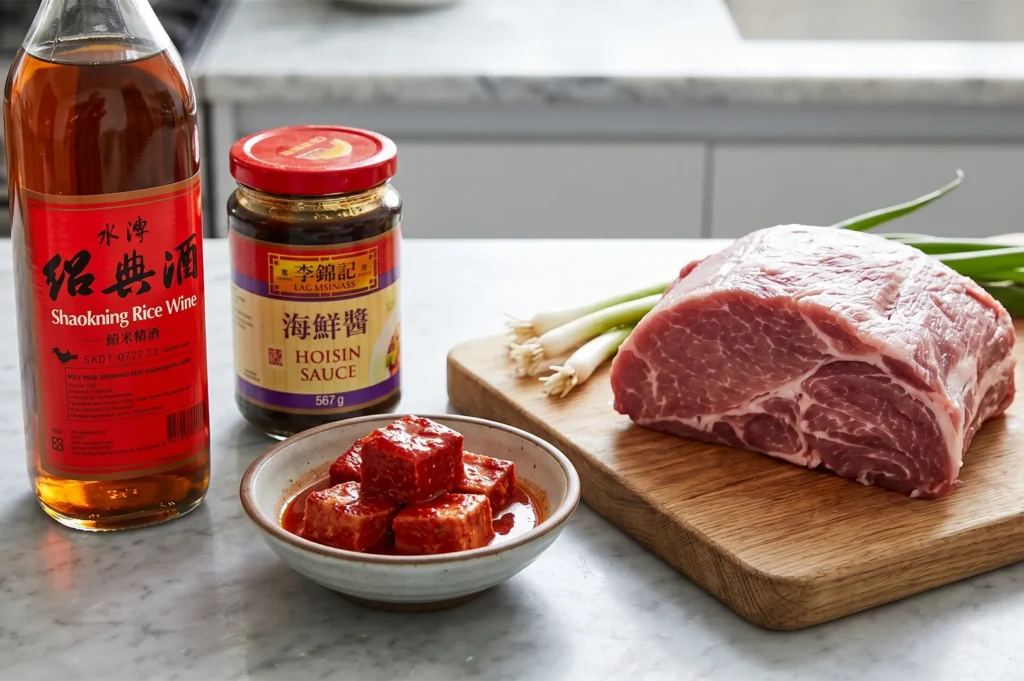
Inspired by Fook Kin’s dishes? Here are some tips to prepare these asian cuisine recipes at home:
- Stock Your Fridge and Pantry: Essential groceries include hoisin sauce, oyster sauce, five-spice powder, and Shaoxing wine. These staples bring authentic flavour to many dishes.
- Fresh Pork Cuts: Look for pork shoulder or collar for char siu and pork belly for roast pork. Buying fresh ensures juicy, tender results.
- Easy Prep: Marinate your pork overnight to develop deep flavours. Use a wire rack for roasting to get that crispy skin all around.
- Rice and Noodles: Use day-old rice for fried rice to get fluffy, non-clumpy grains. For noodle dishes, fresh or dried rice noodles work well, just soak or boil according to package instructions.
Asian Cuisine Recipes: A Journey Worth Taking
Singapore is a country where the best things in life often revolve around food. The vibrant street food culture, the fusion of flavours from across Asia, and the passion of chefs like those at Fook Kin make it a world-class destination for food lovers.
Whether you’re travelling or cooking at home, exploring asian cuisine recipes is a delicious adventure. From the crispy roast pork to the tangy sauces and chewy noodles, every dish tells a story of culture, family, and love for food. So, check out local restaurants, subscribe to recipe channels, and don’t hesitate to try making these dishes yourself. The perfect combination of flavours is just a kitchen away.
For those eager to deepen their culinary skills, a comprehensive resource for oriental foods recipes designed for the modern home cook, could be what you need. Blending traditional flavors with approachable techniques to bring authentic Asian dishes right into your kitchen.
Who Should Pencil in a Date with Fook Kin?
Fook Kin is a must-visit for any true roast meat lover. It’s for the food enthusiast who understands that quality often comes in small, flavour-packed portions. If you’re looking for a trendy, casual spot to have a fantastic meal with friends or a date, this is your place.
However, it might not be the best choice for large family gatherings due to the compact space, or for those on a strict budget. But if you’re willing to spend a little more for what is arguably some of the best char siu in Singapore, you won’t be disappointed.
We went to Fook Kin chasing flavour, and we left with a lesson in cooking. It taught us that the soul of great food lies in balance, a principle we now carry into our own kitchens.
Eat Drink Asia offer a wealth of inspiration and insights, just like this one, to deepen your appreciation and enjoyment of the vibrant flavours across the continent.

The Eternal Hearth: A Journey Through the Soul of Indian Foods Vegetarian Traditions
Dio Asahi | February 3, 2026
In the vibrant tapestry of global gastronomy, few cultures have elevated the plant-based plate to an art form quite like India. While much of the world has recently turned toward meat alternatives for health or environmental reasons, Indian cuisine has been centered on the vegetable for millennia. This isn’t merely a dietary choice; it is…
-
The Essence of Jeju Citron Tea: A Distinctive Profile of Yuja Tea in Korea
Dio Asahi | January 31, 2026
Imagine sitting in a quiet, sun-drenched teahouse overlooking the dramatic volcanic coastline of Jeju Island. The steam rising from your cup carries an aroma that is at once familiar and yet entirely new—a version of Korean citron tea, or yuja cha, that tastes of sea salt, volcanic soil, and generations of island tradition. As you…
-
Korean Citron Tea: Health Benefits and Wellness Secrets
Eat Drink Asia Team | January 29, 2026
As the seasons change and a chill enters the air, many of us seek out comforting rituals to support our well-being. Imagine wrapping your hands around a steaming cup of Korean citron tea—also known as yuja-cha—its bright, citrus aroma soothing and revitalizing with every sip. More than just a winter treat, Korean citron tea is…
-
When the Izakaya Becomes the Plan: Izakaya Singapore Beyond Dinner
Dio Asahi | January 27, 2026
As you step behind the humble noren curtain, you’re greeted by glowing lanterns, sizzling charcoal-grilled skewers, and warm welcomes. This is izakaya, Japan’s casual pub, a vibrant part of Singapore’s dining scene. More than just yakitori and sake, izakayas offer a lively setting for social drinking and dining, perfect for fans of Japanese culture. Dating…
-
Yuja Tea: Korea’s Traditional Citron Tea
Dio Asahi | January 27, 2026
The golden, aromatic steam rising from a cup of yuja tea carries centuries of Korean tradition and wellness wisdom. This caffeine-free citrus beverage has warmed Korean hearts through countless winters, offering both comfort and powerful health benefits in every sip. Made from the Korean citron known as yuja fruit, this simple Korean tea represents one…
-
The Global Phenomenon of Korean Instant Noodle: A Cultural and Culinary Journey
Eda Wong | January 24, 2026
In the high-octane streets of South Korea, where the “pali-pali” (hurry-hurry) culture defines the pace of life, one dish stands as the ultimate equalizer of speed and satisfaction: Korean ramyeon. While the world often uses the terms ramen and ramyeon interchangeably, the Korean version is a distinct entity. It is not merely a quick snack…
-
Traditional Ramyeon: The Soulful Heart of Korean Noodle Culture
Eat Drink Asia Team | January 20, 2026
In the bustling culinary landscape of South Korea, few comfort foods can match the satisfaction of a steaming bowl of ramyeon. While outside of Korea, “ramyeon” often brings to mind Korean instant noodles or instant ramen, true ramyeon Korean style refers to the artful, freshly prepared noodle soup enjoyed in homes and at local restaurants…
-
The Heart of the Korean Noodles: History and Texture
Eda Wong | January 17, 2026
In Korea, a bowl of noodles is far more than a simple dish; it is a cultural anchor that has weathered centuries of change. For generations, the length of the strand has symbolized a long and prosperous life, making Korean noodles a staple at birthdays, weddings, and the milestone 60th birthday celebration known as hwangap….
-
Preserving the ‘Big Bowl’ Tradition with Pen Cai Delivery in the Age of Doorstep Dining
Eat Drink Asia Team | January 15, 2026
Modern Festive Menu: Bringing the Big Bowl Home There is a special, undeniable magic to the Chinese New Year reunion dinner. For many families, Chinese New Year 2026 is another chance to gather loved ones at the table and celebrate with a glorious pen cai—sometimes called the “big bowl feast”—overflowing with premium ingredients and festive…
-
Sencha: Traditions, Flavors, and the Essence of Japanese Tea
Eat Drink Asia Team | January 15, 2026
When people around the world think of Japanese tea, images of tranquil tea ceremonies in small rooms or frothy bowls of matcha often come to mind. Yet, the reality of tea drinking in Japan is much broader, woven deeply into the culture and daily habits. For the vast majority, sencha is the beloved tea that…