I didn’t grow up eating raw fish.
For years, sashimi felt like something you learned to appreciate rather than something you loved. Cold, foreign, a little intimidating. Then one afternoon, at a quiet counter, a chef placed a single slice of chutoro in front of me and said nothing. I ate it. And I understood.
That was the beginning. Over the years since, I’ve eaten my way across this city, from marble-topped omakase counters where a meal costs more than my monthly groceries, to a mall stall where five slices of salmon go for less than a coffee. I’ve sat alone. I’ve sat in a queue. I’ve watched knives move.
This reminds me of omakase experience, often described as the chef’s choice, offers a curated journey through the freshest catches and seasonal delights that showcase the art of Japanese cuisine.
These are the places that stayed with me. Not ranked, sashimi doesn’t work that way. Just gathered here, from the most formal to the most everyday, so you can find the one that fits your evening.
| Restaurant | Rating |
|---|---|
| Shinji by Kanesaka | ★★★★★ |
| Sushi Sakuta | ★★★★★ |
| Shoukouwa | ★★★★★ |
| Sushi Jin | ★★★★☆ |
| Sen-ryo | ★★★★☆ |
| The Sushi Bar | ★★★☆☆ |
| Tomi Sushi | ★★★☆☆ |
| Standing Sushi Bar | ★★★☆☆ |
1. Shinji by Kanesaka: Fresh Sashimi Singapore at the Peak of Japanese Cuisine
Nearest MRT: Orchard Boulevard MRT, about 8–10 minutes on foot
Price: $$$$
Rating: ★★★★★
Shinji by Kanesaka is one of the clearest answers for diners searching for fresh sashimi Singapore at the luxury end. Now focused at The St. Regis Singapore, it offers a deeply traditional Japanese cuisine experience built around counter dining, quiet precision, and seafood flown from Japan.
The room feels intimate without being soft. The hinoki counter gives the space a pale, woody calm, while the skilled chefs work with the control of people who know every slice matters. This is not the place for casual rolls or a quick lunch. It is a place to watch sushi, sashimi, and rice become a form of restraint. The pacing is quiet, almost ceremonial, which makes each bite feel more deliberate.
The Sashimi
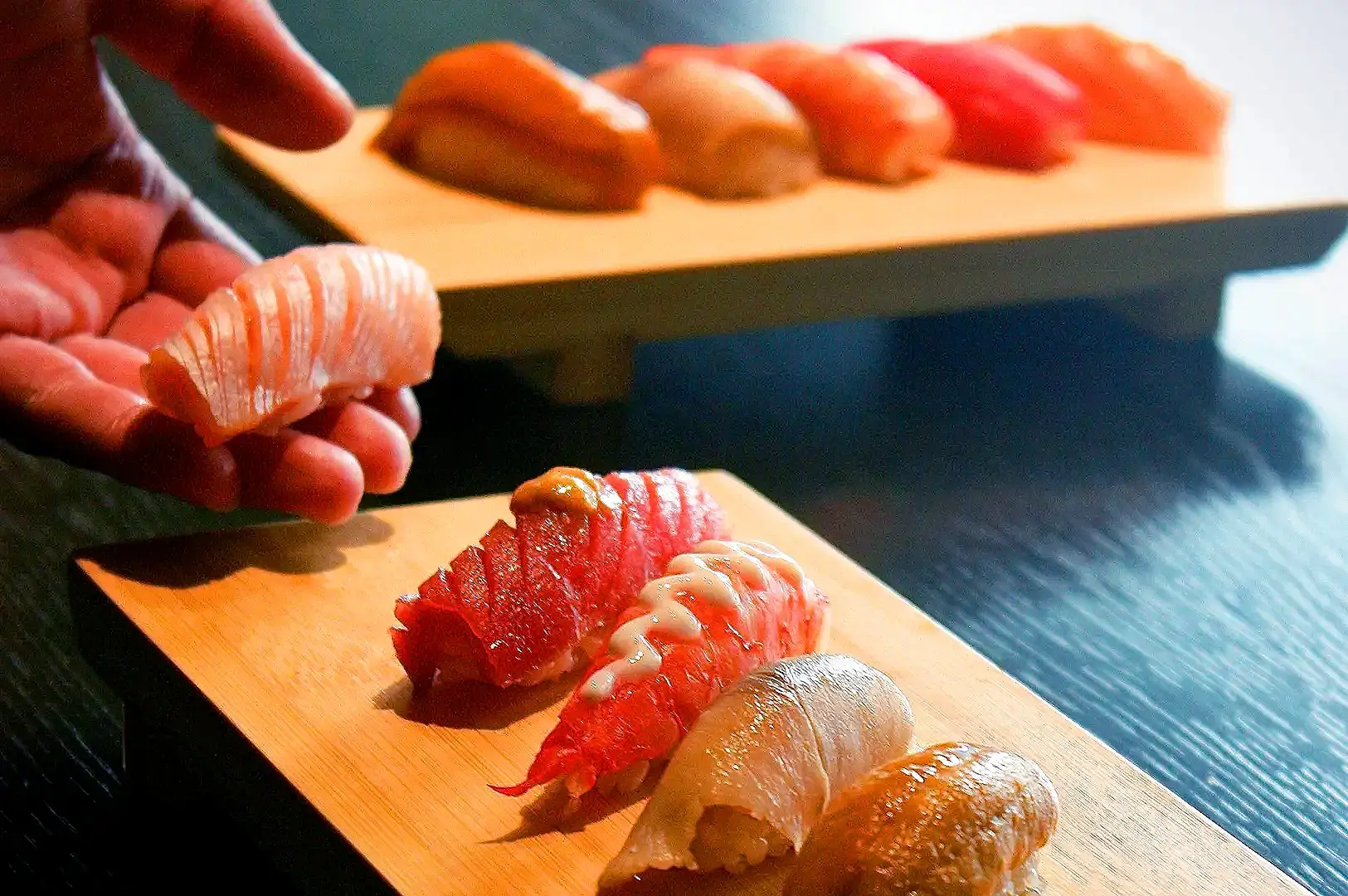
The sashimi here is defined by clean slicing and temperature. The fish has a gentle sheen, a faint ocean scent, and a texture that gives slightly before melting. Depending on the season, you may see tuna, white fish, uni, or other fresh seafood rather than a fixed plate of salmon sashimi. The pleasure is in the freshness, not excess.
Best Counter for: Anniversaries, serious sashimi diners, quiet business meals.
Not Your Counter If: You want cheap salmon, big groups, or à la carte freedom.
What Regulars Know: Sit at the counter. The chef work is part of the meal.
2. Sushi Sakuta: Japanese Food as a Quiet Sanctuary
Nearest MRT: Promenade MRT, about 3–5 minutes on foot
Price: $$$$
Rating: ★★★★★
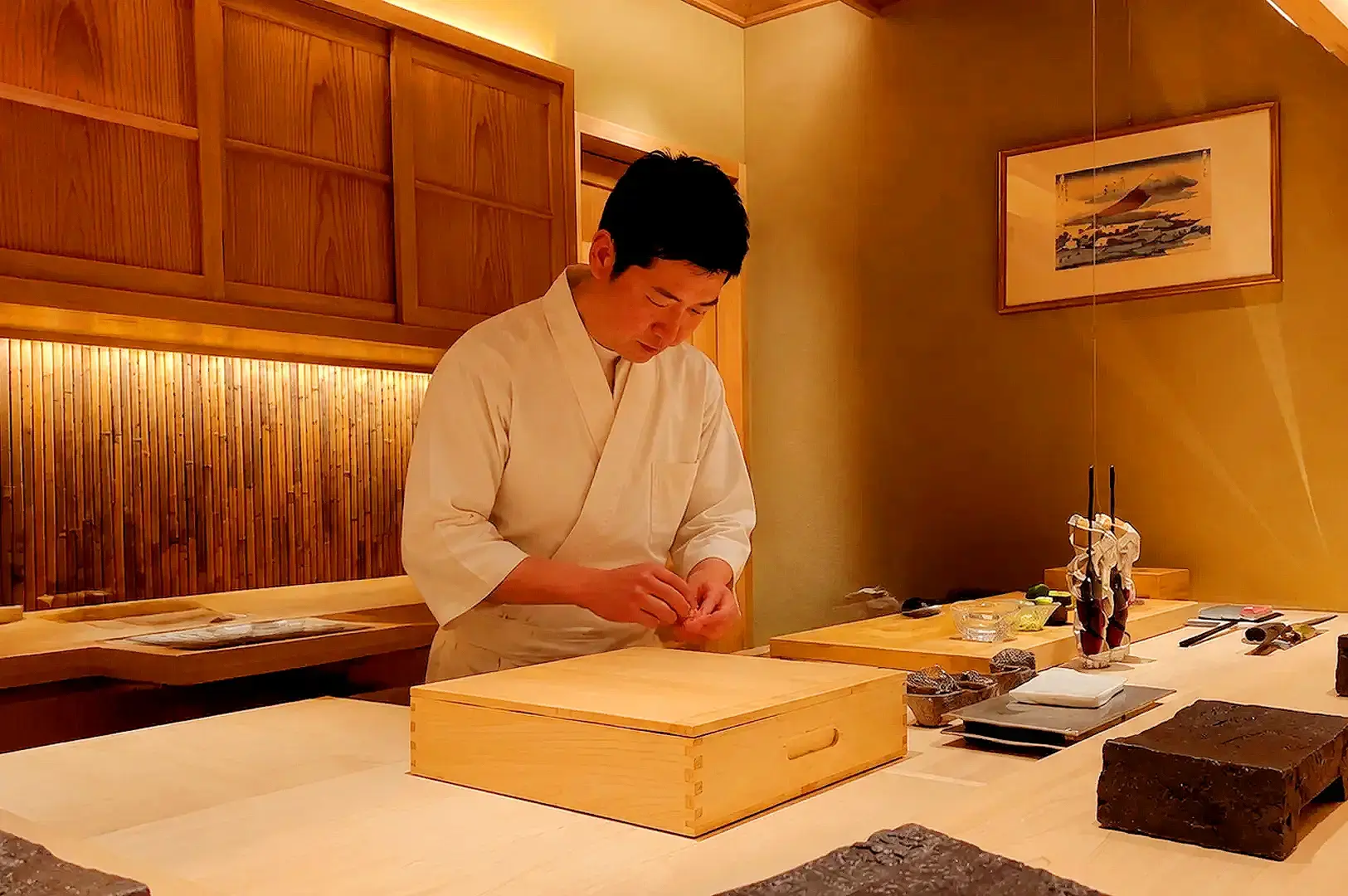
Sushi Sakuta is for diners who want Japanese food to slow the room down. The space is small, polished, and reservation-led, with a long hinoki counter and a pace that feels meditative rather than showy. Its omakase menu changes with the season, so do not come expecting a predictable sashimi platter.
The style is Edomae: aging, seasoning, rice temperature, and cut all matter. The experience is expensive, but for a discerning palate, that cost goes into detail. Each bite is prepared to make the taste of the seafood clearer, not louder. It is a restaurant for guests who enjoy silence, attention, and the small drama of a chef placing one perfect piece before them.
The Sashimi
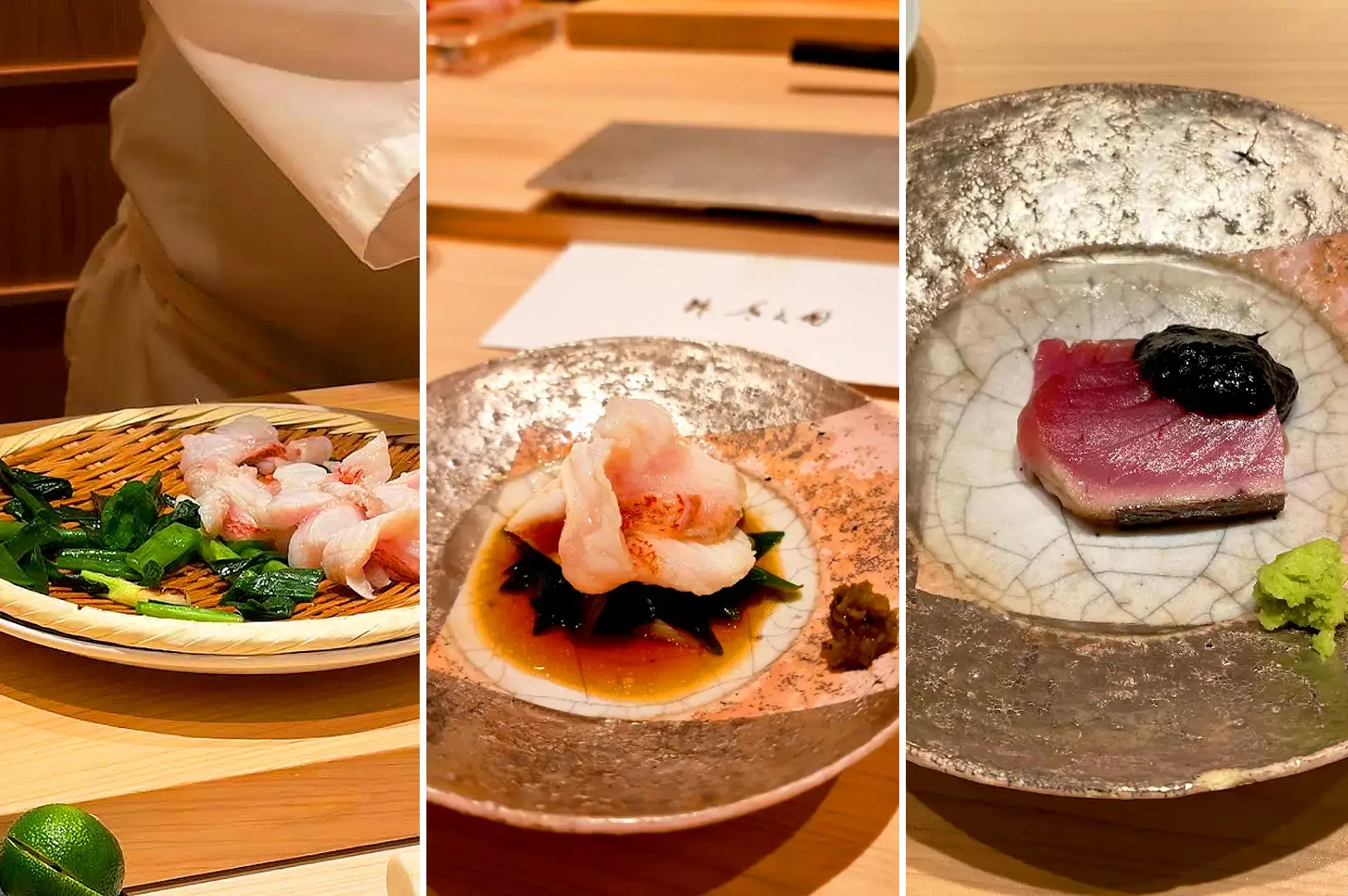
Sashimi at Sushi Sakuta is usually part of a progression. Lighter cuts may open the meal before richer pieces like bluefin tuna, fatty tuna, or uni appear. The fish is sliced to keep its natural texture intact: firm at first, then delicate as it warms on the palate. Traditional condiments are used sparingly, so the authentic taste stays central.
Best Counter for: Milestone meals, omakase lovers, diners who care about details.
Not Your Counter If: You want walk-ins, big platters, or casual sushi rolls.
What Regulars Know: Ask about sake pairing if you want the meal to feel more complete.
3. Shoukouwa: Two-Michelin-Starred Fresh Seafood and Japanese Food
Nearest MRT: Raffles Place MRT, about 5–8 minutes on foot
Price: $$$$
Rating: ★★★★★
Shoukouwa is one of Singapore’s most serious sushi restaurants, currently recognised with two Michelin stars. Located at One Fullerton, it focuses on Edomae sushi with seafood flown from Toyosu Market and a schedule that follows Japanese market closures.
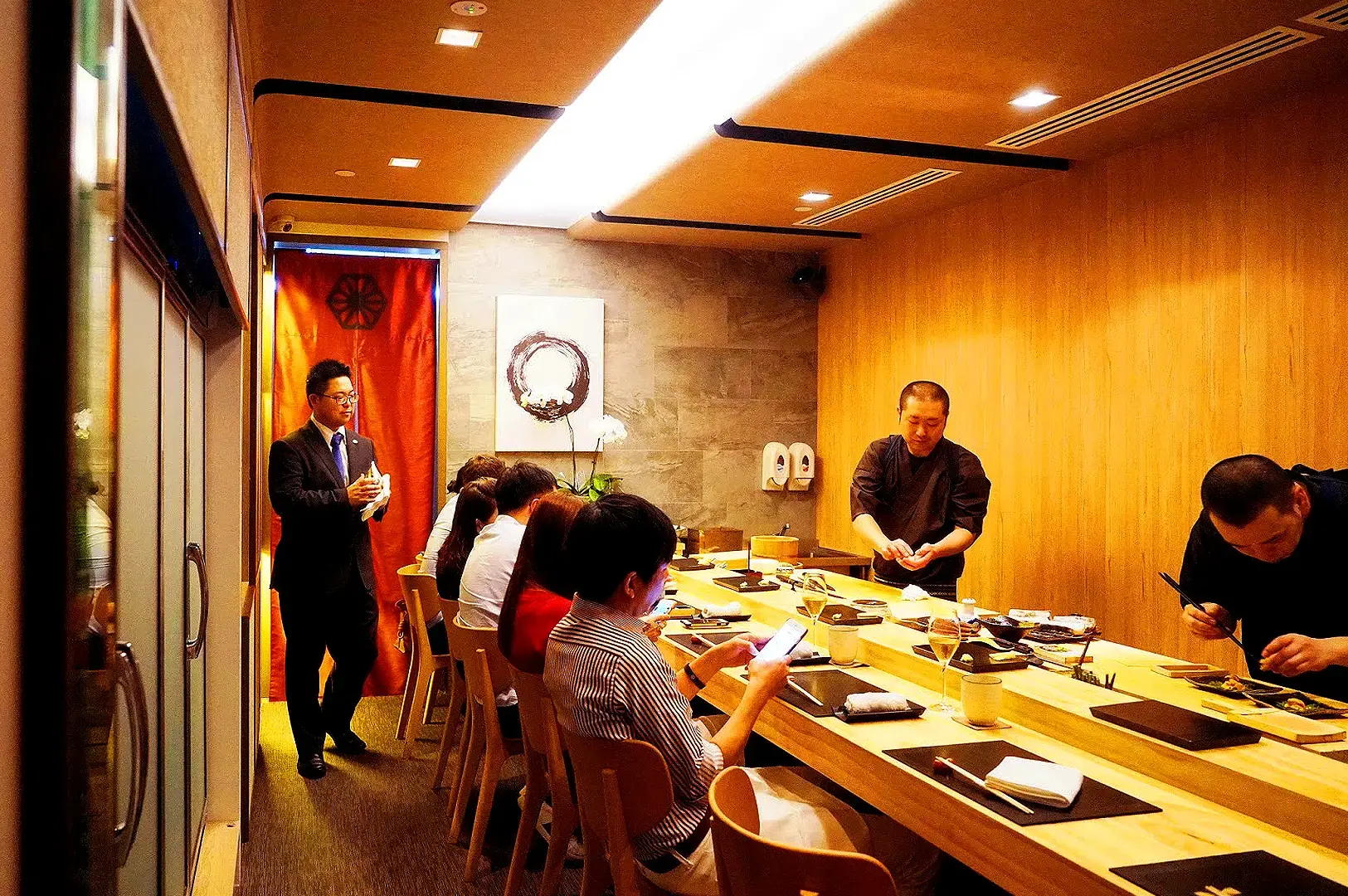
The dining room is quiet, polished, and best suited to guests who want a structured dinner rather than casual browsing. This is where fresh sashimi becomes part of a larger narrative: rice, fish, knife work, and restraint. It has the feeling of a room built for focus, where conversation naturally lowers around the counter.
The Sashimi
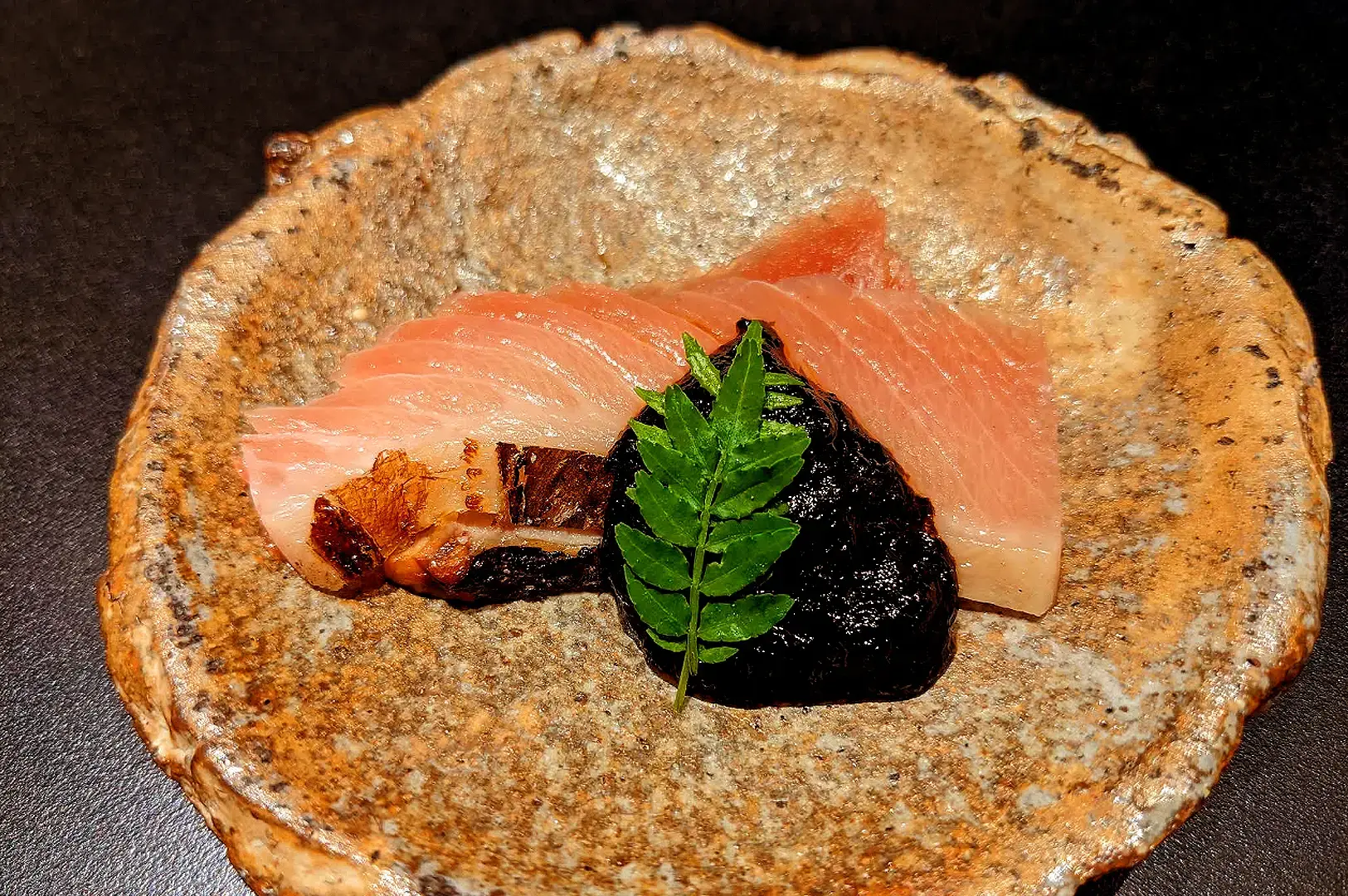
Expect premium seasonal cuts rather than a fixed list. When tuna appears, the progression may move from leaner akami to richer chutoro or otoro, each slice carrying a different balance of iron, fat, and softness. The best pieces feel clean and oceanic, with no heaviness on the tongue.
Best Counter for: Special occasions, quiet hosting, diners who follow sourcing closely.
Not Your Counter If: You dislike raw fish, fixed courses, or long omakase meals.
What Regulars Know: Check closure dates before booking, especially around market breaks.
4. Sushi Jin: Quality Japanese Cuisine Without the Ultra-Luxury Price
Nearest MRT: Orchard MRT, via Shaw Centre
Price: $$–$$$
Rating: ★★★★☆
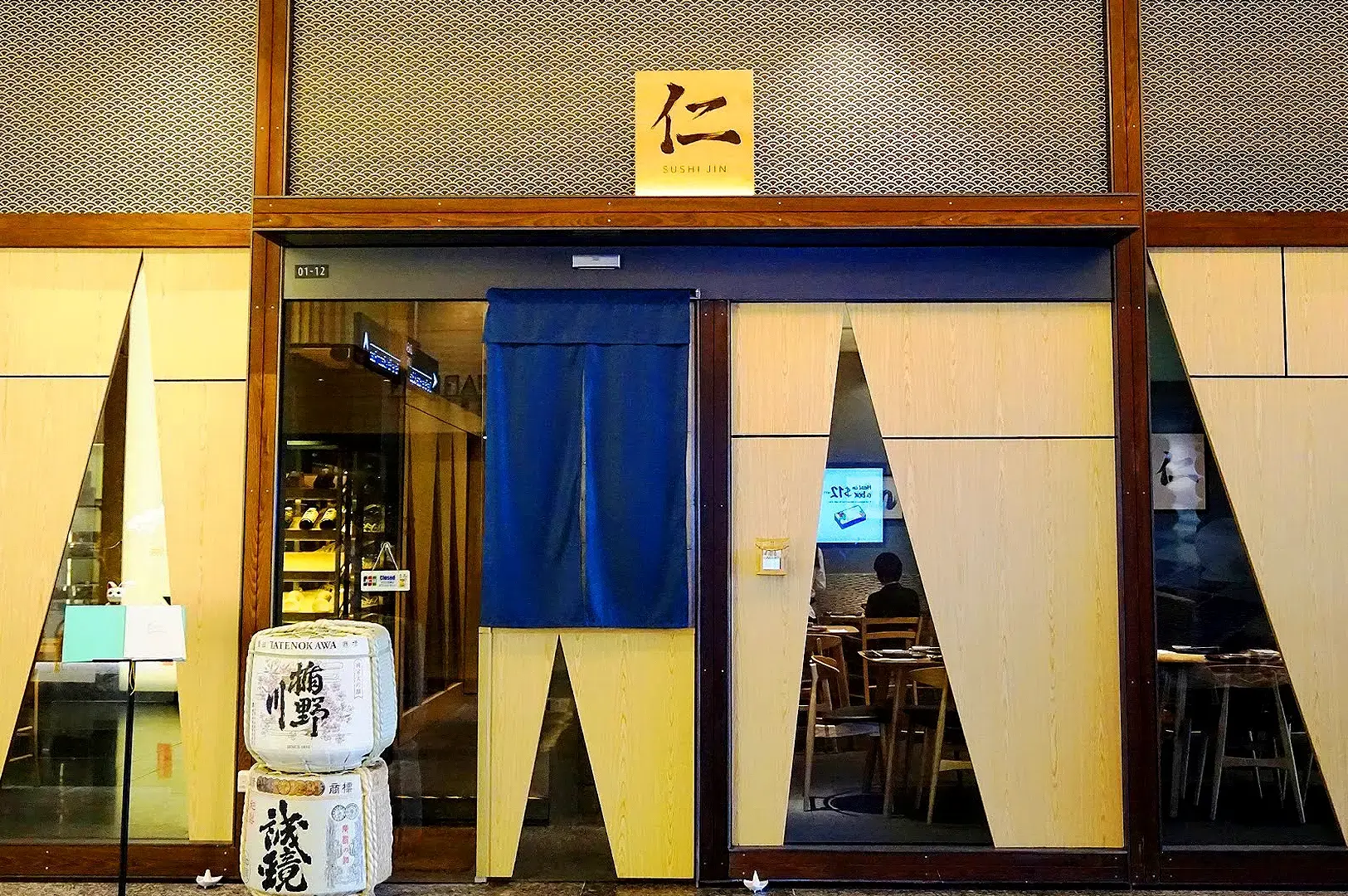
Sushi Jin is now best framed around its Shaw Centre outlet. It offers premium Japanese cuisine without the ceremony or cost of the top-tier omakase rooms. The room feels warm and controlled, suitable for lunch, quiet dinners, or small celebrations.
Its appeal is balance: better sourcing, calmer service, and a menu that lets diners choose between omakase, donburi, sushi, sashimi, and sake. It is not budget sushi, but it gives good value for the level of quality. For diners upgrading from casual sushi bars, it feels like a sensible middle step.
The Sashimi
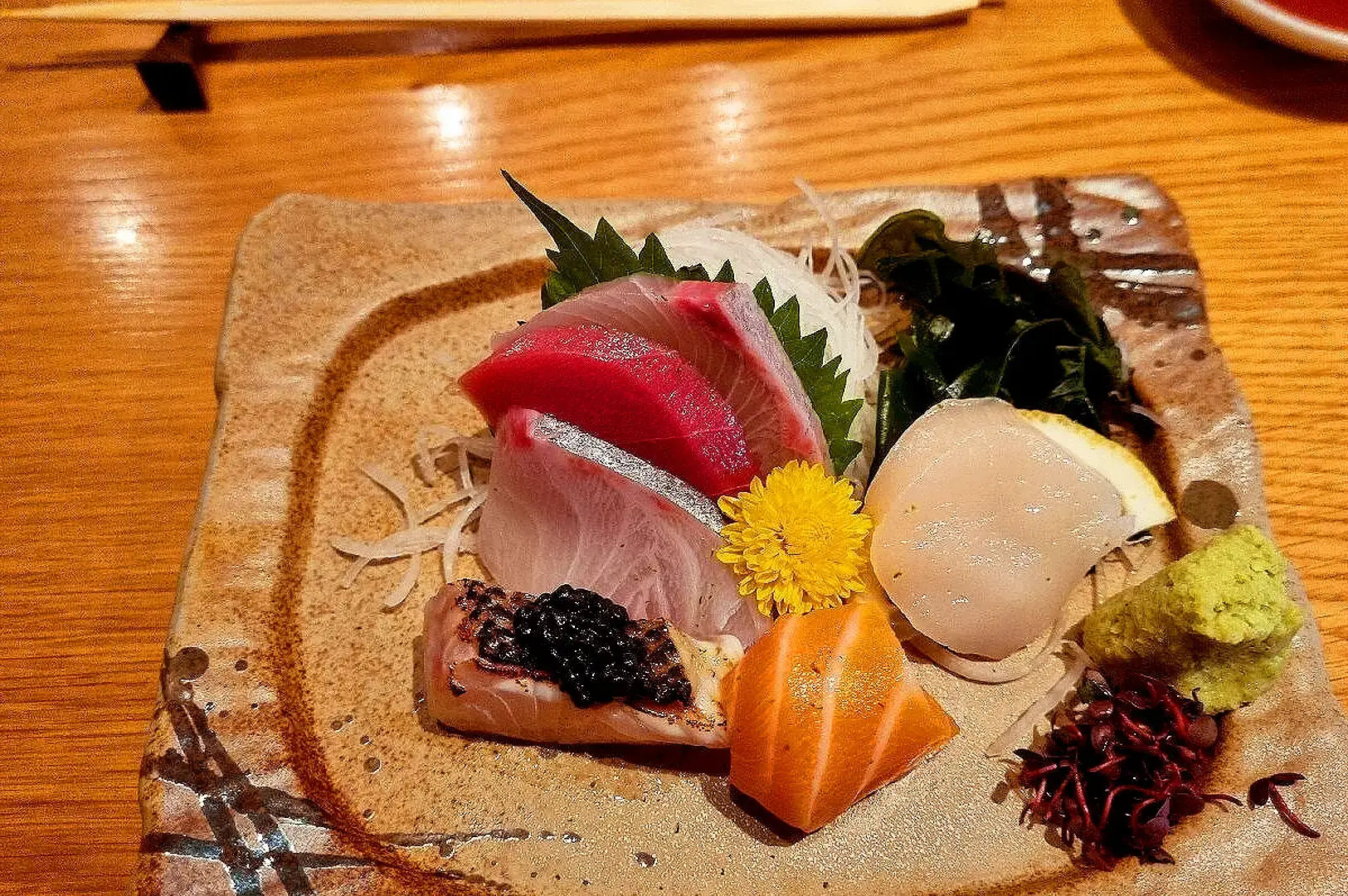
The sashimi is cleanly cut and served cold, with salmon, tuna, and seasonal fish forming the accessible core. The texture tends to be firm, glossy, and straightforward. Traditional condiments like soy and wasabi support the fish rather than overwhelm it.
Best Counter for: Better-quality sashimi without ultra-luxury pricing.
Not Your Counter If: You want bargain plates or a loud casual room.
What Regulars Know: Lunch is the smarter entry point for value.
5. Sen-ryo: Casual Japanese Food with a Plethora of Sashimi Choices
Nearest MRT: Orchard MRT, connected to ION Orchard
Price: $$
Rating: ★★★★☆
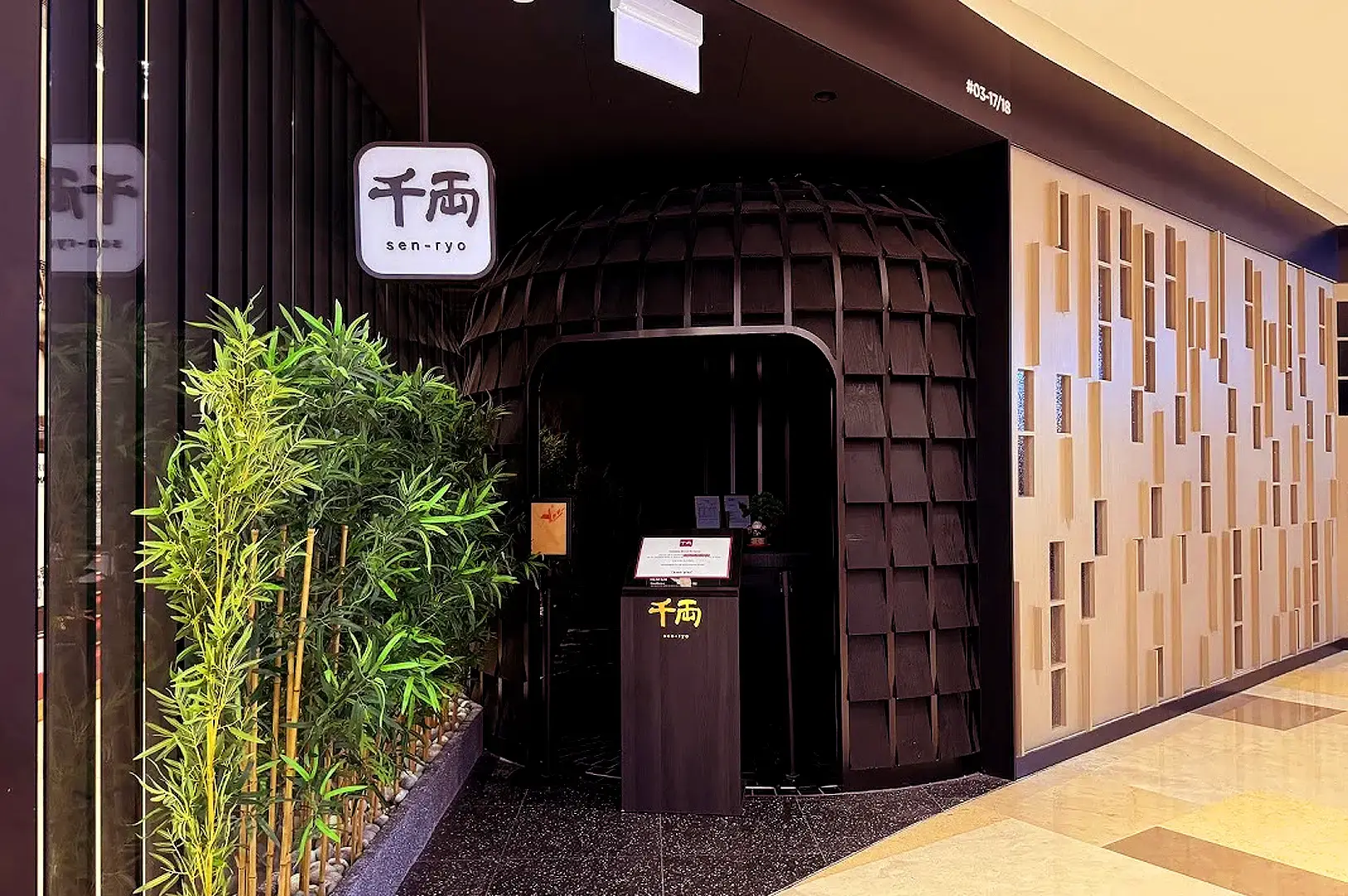
Sen-ryo is a convenient choice for Orchard diners who want polished but casual Japanese food. It has a broad menu of sushi, sashimi, grilled items, tempura, and seasonal specials, which makes it easier for groups with mixed appetites.
The atmosphere is lively but still composed. It is less intimate than a counter-only omakase room, but more refined than a fast sushi chain. For diners who want fresh sashimi without committing to a full omakase, this is its strength. It works especially well when one person wants salmon, another wants cooked dishes, and someone else just wants a dependable meal after shopping.
The Sashimi
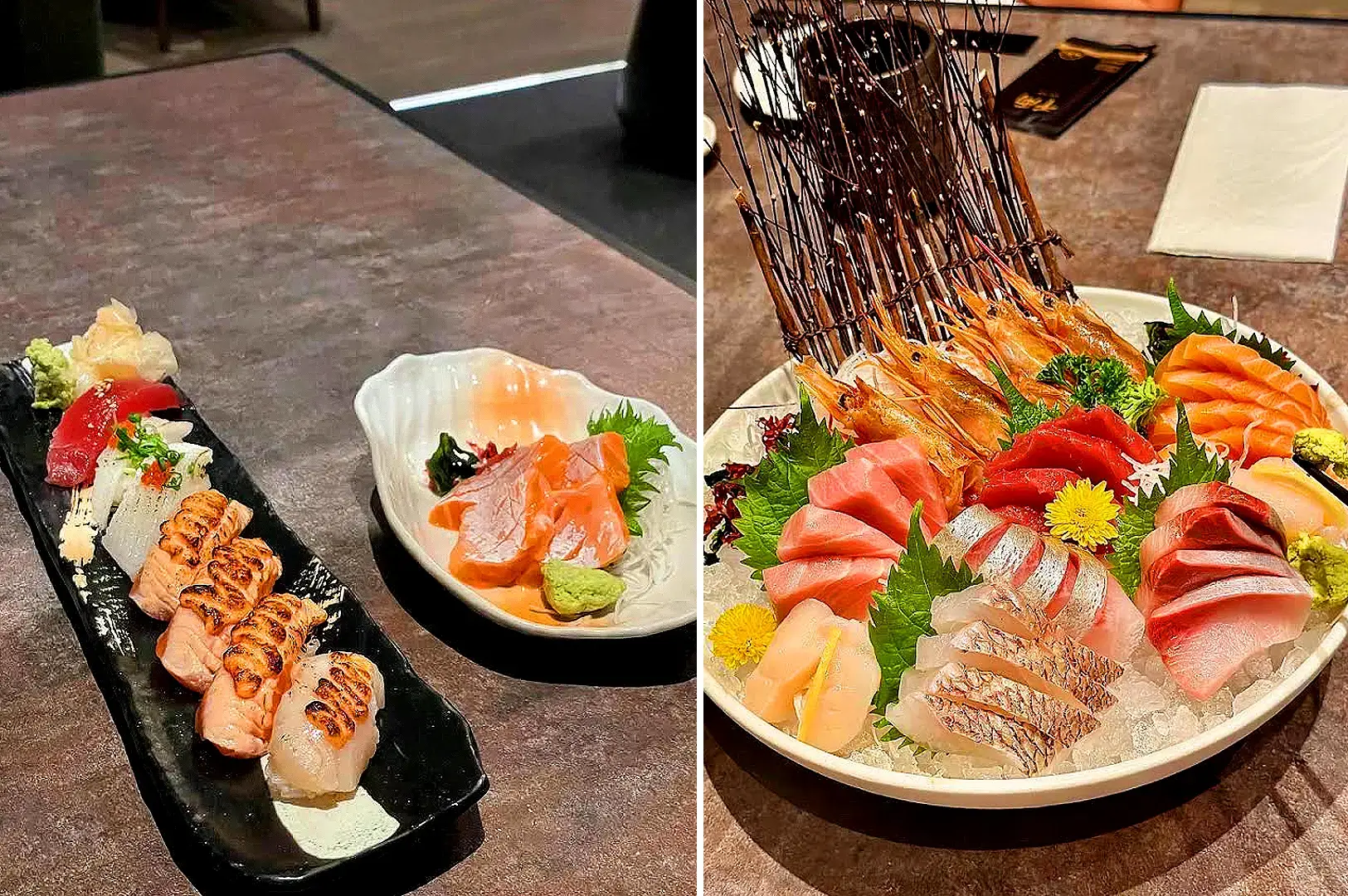
Sen-ryo’s sashimi leans accessible and well-presented, with maguro, salmon, scallop, uni, and richer tuna cuts appearing across the menu depending on availability. The slices are chilled, clean, and tidy, suited to diners who want variety in one meal.
Best Counter for: Orchard shoppers, casual dates, small groups.
Not Your Counter If: You want quiet counter intimacy or the cheapest fish.
What Regulars Know: Ask about seasonal specials and limited items before ordering.
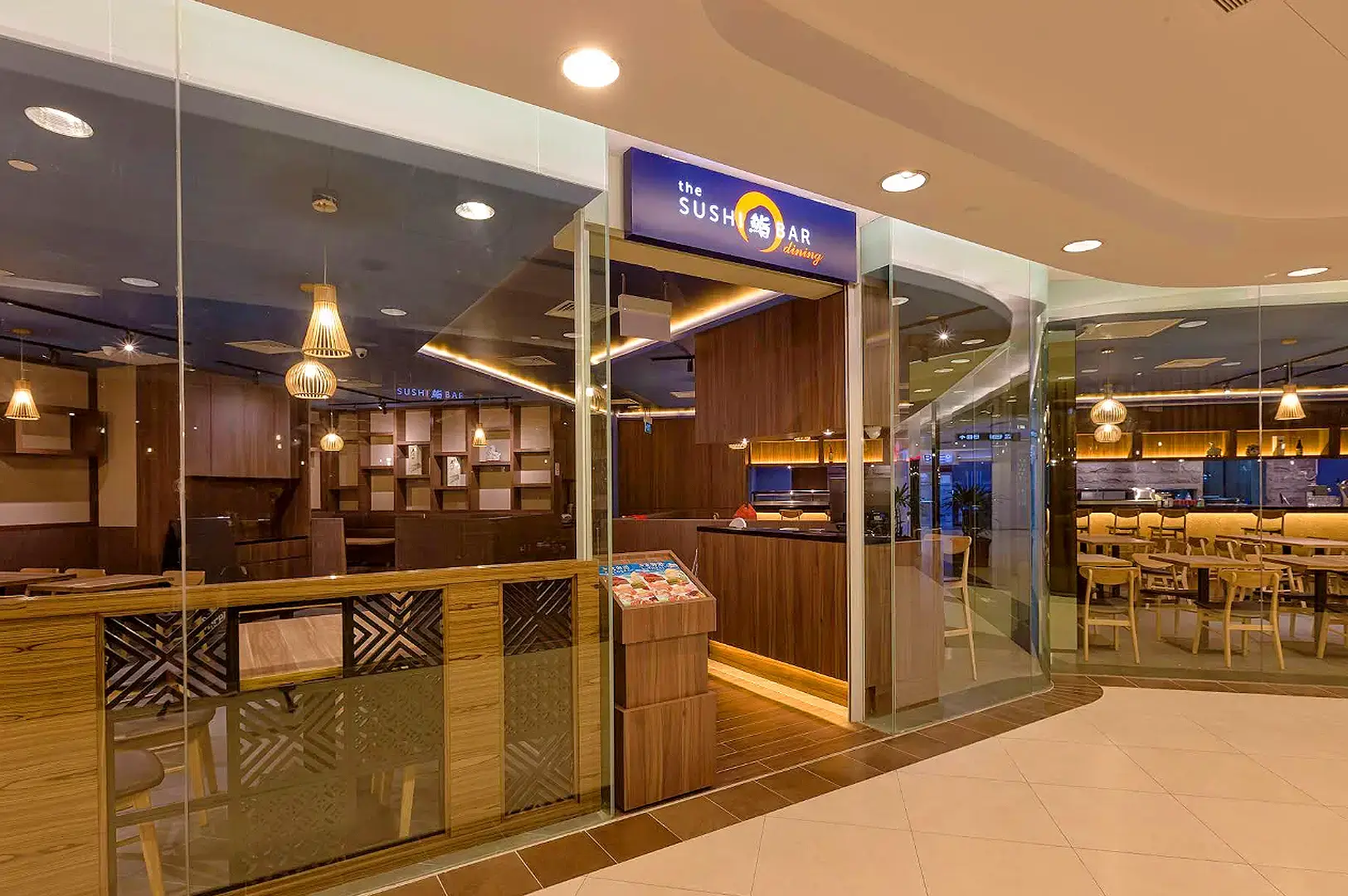
6. The Sushi Bar: Affordable Salmon Sashimi and Ngee Ann City Convenience
Nearest MRT: Orchard MRT, via Far East Plaza or Ngee Ann City outlet
Price: $–$$
Rating: ★★★☆☆
The Sushi Bar is popular because it understands appetite. It serves generous chirashi bowls, maki, aburi items, and sashimi in a casual setting that suits friends, group meals, and diners with a craving for accessible Japanese food. It also offers a lively atmosphere reminiscent of an izakaya Singapore experience.
Compared with luxury sushi restaurants, the room is louder and simpler. But that is part of the point. This is where you go when you want a full plate, not hushed ceremony. The value comes through in portions and familiarity, especially for diners who want sashimi without making it an occasion.
The Sashimi
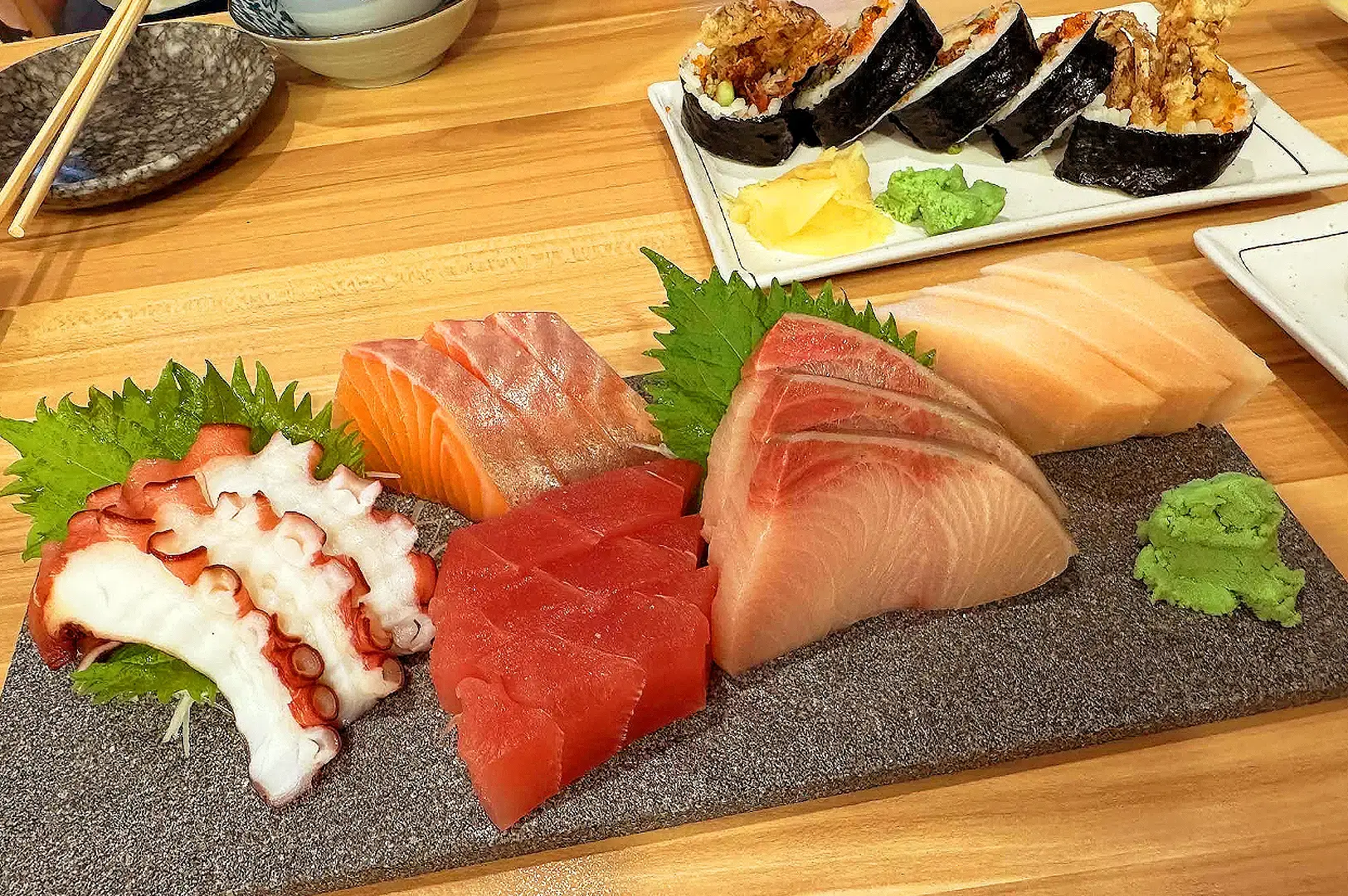
The sashimi focuses on approachable favourites like salmon sashimi, tuna, scallop, yellowtail, swordfish, and ikura in chirashi sets. The fish is not presented with omakase theatre, but the portions are satisfying, the colours are bright, and the bite is clean for the price.
Best Counter for: Casual sashimi cravings, chirashi bowls, group meals.
Not Your Counter If: You want formal service or quiet counter dining.
What Regulars Know: Go during off-peak hours to avoid long waiting times.
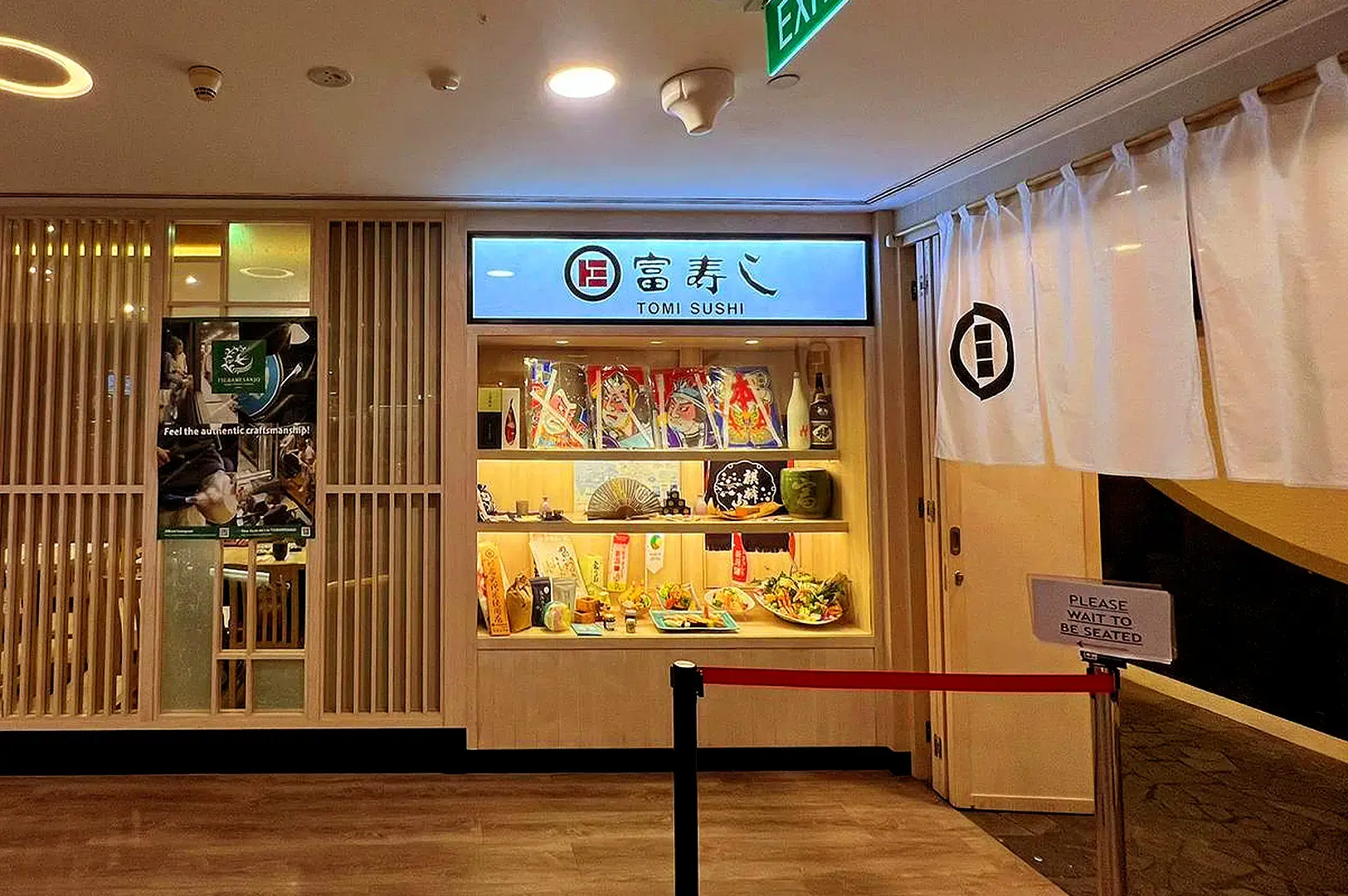
7. Tomi Sushi: Traditional Japanese Food for Family Dining
Nearest MRT: Novena MRT, about 2–3 minutes to Novena Square Velocity
Price: $$
Rating: ★★★☆☆
Tomi Sushi is a traditional, unpretentious Japanese restaurant that works well for everyday dining. It serves sushi, sashimi, noodles, grilled items, and set meals, making it useful for families or mixed groups who do not all want raw fish.
The atmosphere is relaxed and practical, with less polish than the luxury counters but more tradition than trend-driven sushi bars. It feels like a place built on regulars. There is comfort in that: a menu broad enough for everyone, and a pace that does not ask diners to perform sophistication.
The Sashimi
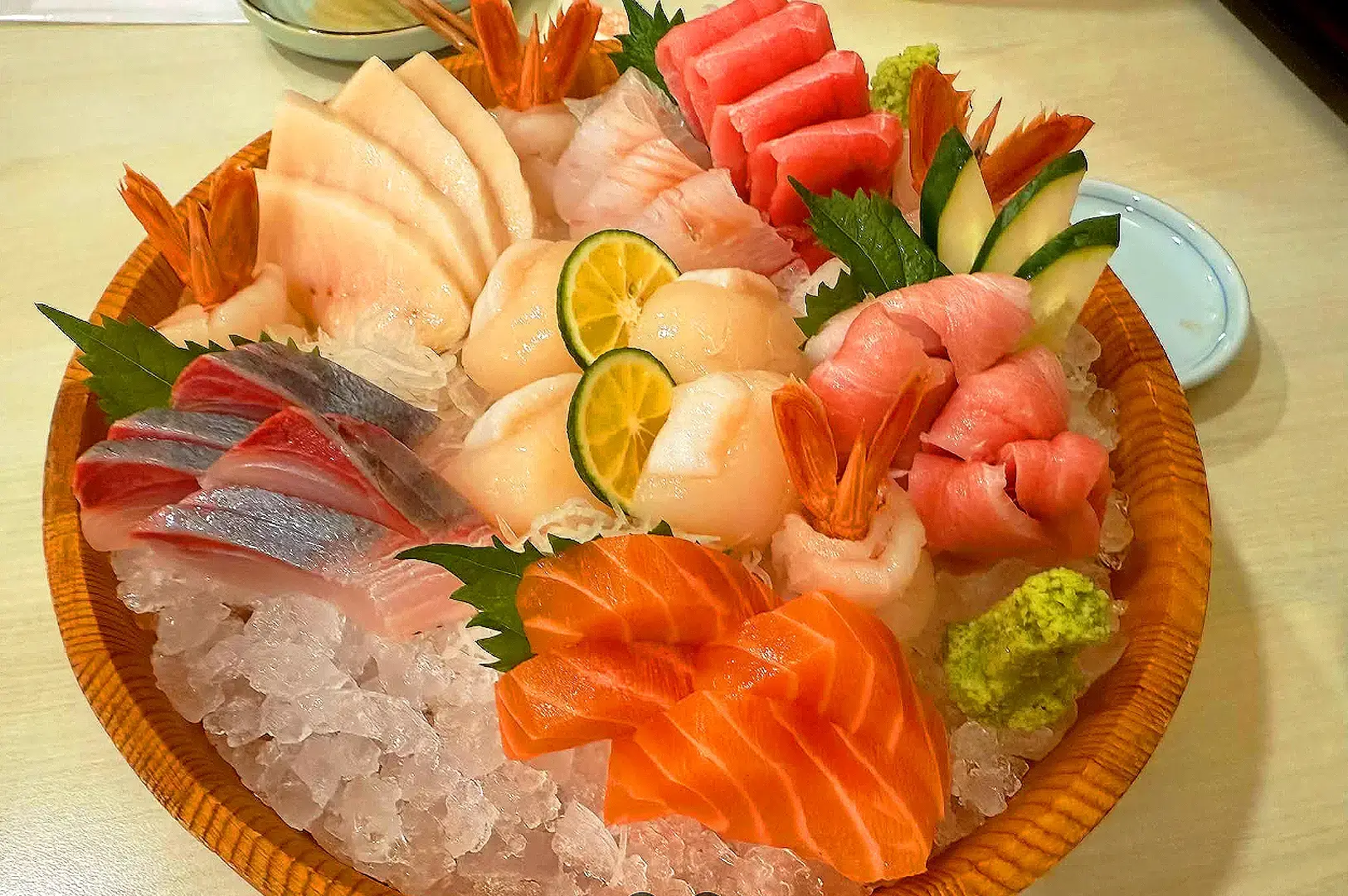
Sashimi here is about reliability. The cuts are clean, the fish is chilled, and the overall taste is straightforward rather than theatrical. You come here for a dependable restaurant meal, not a once-in-a-lifetime omakase.
Best Counter for: Family meals, everyday sashimi, diners near Novena.
Not Your Counter If: You want Michelin-level omakase or fashionable décor.
What Regulars Know: Pair sashimi with sushi or a set meal to get better balance.
8. Standing Sushi Bar: Quick Sushi Bar Value and Fresh Salmon Sashimi
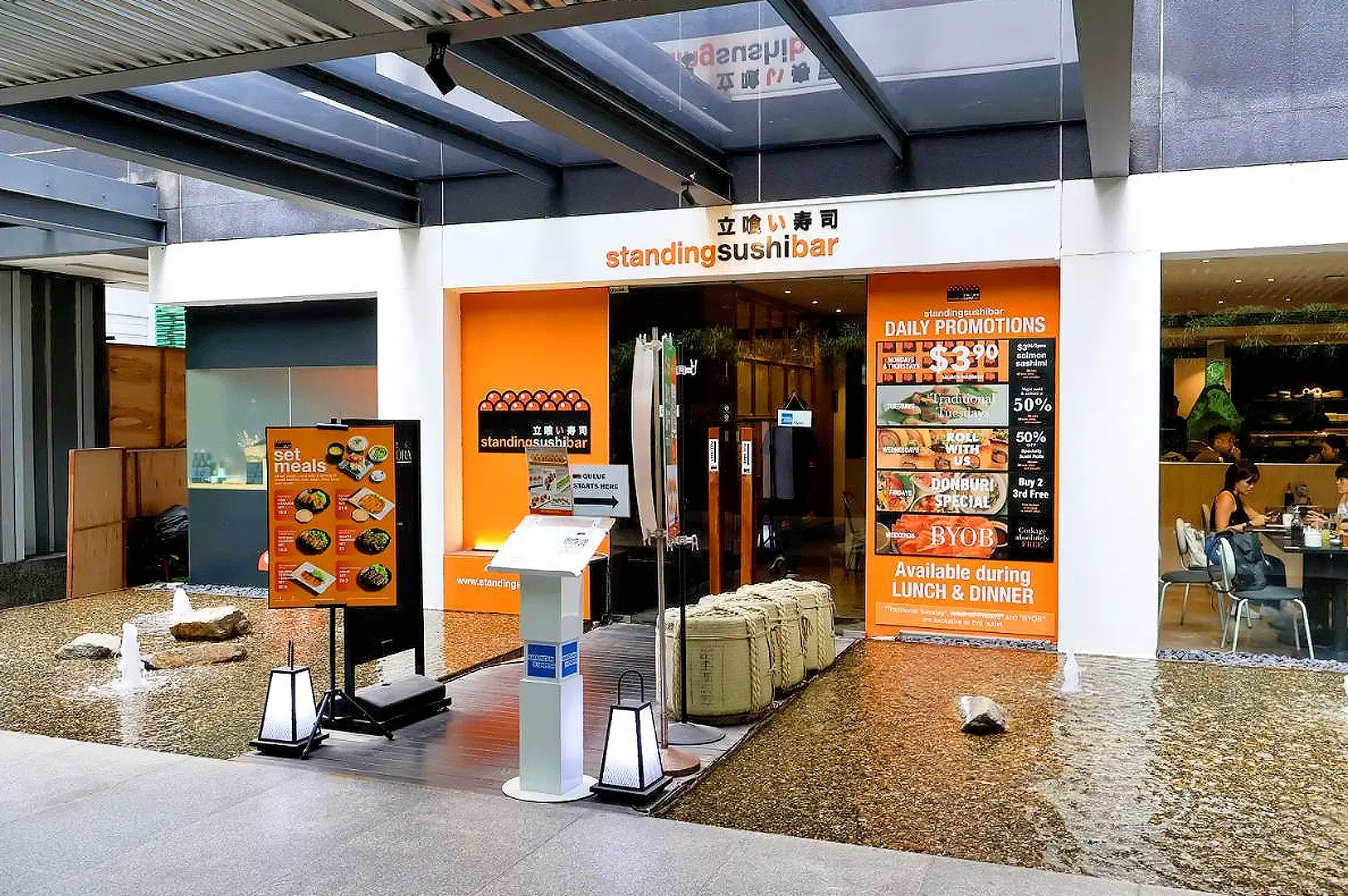
Nearest MRT: City Hall or Bras Basah MRT, depending on outlet
Price: $–$$
Rating: ★★★☆☆
Standing Sushi Bar is the value play in this list. It makes fresh sashimi and casual sushi bar dining accessible through promotions, fast service, and a lively room. The mood is energetic rather than intimate, especially on promotion days.
Its verified salmon promotion is the draw: fresh Norwegian salmon fish arrives daily, and the team fillets whole fish in-house into sashimi blocks. That detail matters because it supports both price and freshness. The setup is not refined, but it is honest about what it offers: quick sushi, cold fish, and strong value.
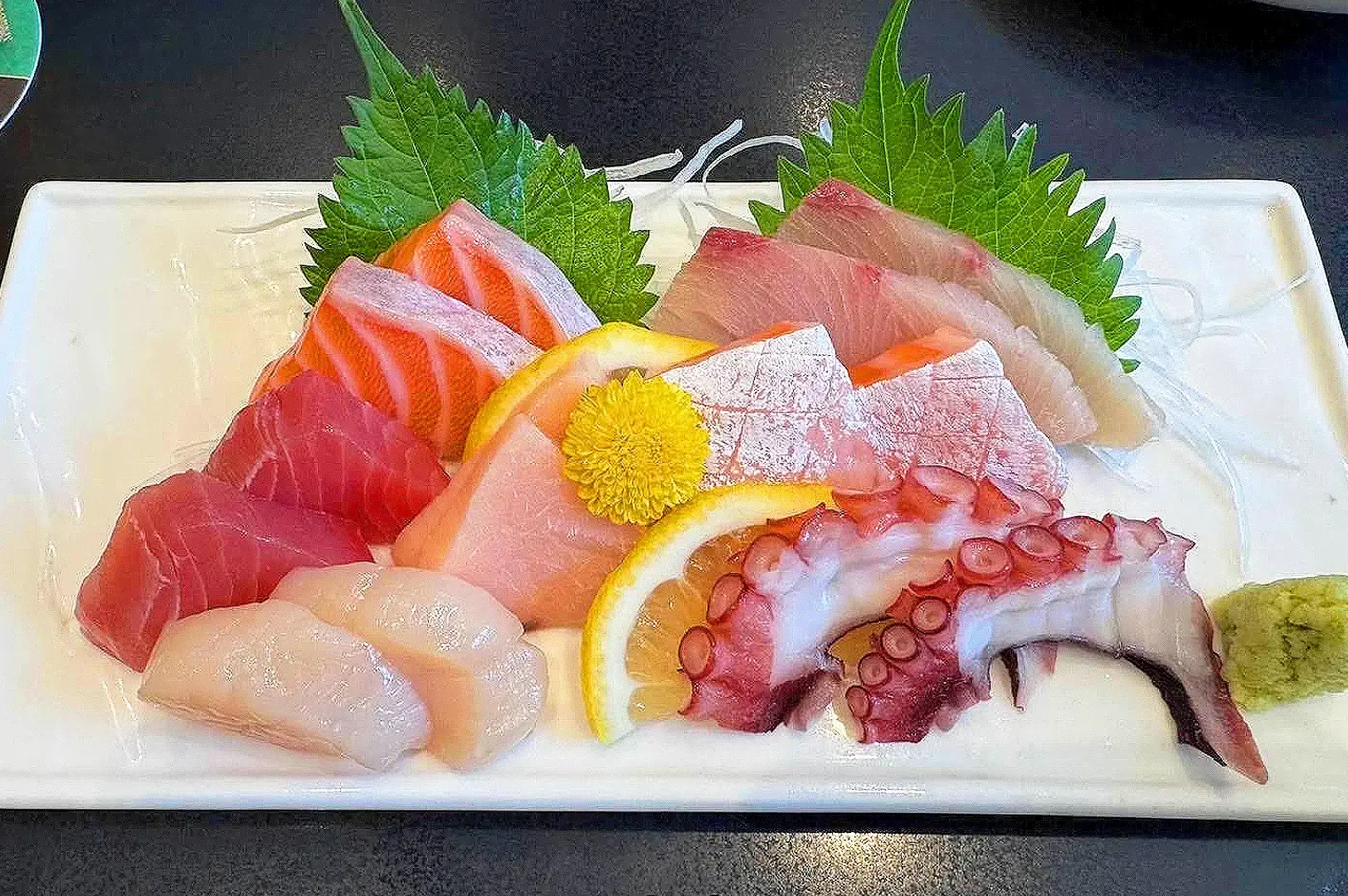
The Sashimi
The salmon sashimi is the thing to order: bright, clean, and sliced for immediate pleasure rather than ceremony. On busy days, the room can feel crowded, but the value is difficult to ignore.
Best Counter for: Salmon lovers, quick meals, affordable sashimi.
Not Your Counter If: You dislike crowds, time pressure, or promotion-day queues.
What Regulars Know: Arrive early on Monday, Tuesday, Thursday, or weekend promo windows, depending on the deal you want. Promotions change, so check before going.
Different Counters, One City
I keep coming back to that first slice of chutoro, and how little the chef said. Good sashimi rarely needs words.
What I’ve gathered here isn’t a ranking, it’s a range. On one end, the hushed omakase counters where a meal is a slow, deliberate ceremony and the bill reflects it. On the other, a mall stall where five slices of salmon cost less than your bus fare and still taste like the sea.
Both are honest. Both have their place.
So don’t choose by price alone. Choose by the evening you’re having. A milestone worth marking, a quiet weekday lunch, a craving on the way home from Orchard. The fish will meet you wherever you are.
I’ve eaten at all of them. I’d go back to each, on the right day, for the right reason.

Yuja Tea: Korea’s Traditional Citron Tea
Dio Asahi | January 27, 2026
The golden, aromatic steam rising from a cup of yuja tea carries centuries of Korean tradition and wellness wisdom. This caffeine-free citrus beverage has warmed Korean hearts through countless winters, offering both comfort and powerful health benefits in every sip. Made from the Korean citron known as yuja fruit, this simple Korean tea represents one…
-
The Global Phenomenon of Korean Instant Noodle: A Cultural and Culinary Journey
Eda Wong | January 24, 2026
In the high-octane streets of South Korea, where the “pali-pali” (hurry-hurry) culture defines the pace of life, one dish stands as the ultimate equalizer of speed and satisfaction: Korean ramyeon. While the world often uses the terms ramen and ramyeon interchangeably, the Korean version is a distinct entity. It is not merely a quick snack…
-
Traditional Ramyeon: The Soulful Heart of Korean Noodle Culture
Eat Drink Asia Team | January 20, 2026
In the bustling culinary landscape of South Korea, few comfort foods can match the satisfaction of a steaming bowl of ramyeon. While outside of Korea, “ramyeon” often brings to mind Korean instant noodles or instant ramen, true ramyeon Korean style refers to the artful, freshly prepared noodle soup enjoyed in homes and at local restaurants…
-
The Heart of the Korean Noodles: History and Texture
Eda Wong | January 17, 2026
In Korea, a bowl of noodles is far more than a simple dish; it is a cultural anchor that has weathered centuries of change. For generations, the length of the strand has symbolized a long and prosperous life, making Korean noodles a staple at birthdays, weddings, and the milestone 60th birthday celebration known as hwangap….
-
Preserving the ‘Big Bowl’ Tradition with Pen Cai Delivery in the Age of Doorstep Dining
Eat Drink Asia Team | January 15, 2026
Modern Festive Menu: Bringing the Big Bowl Home There is a special, undeniable magic to the Chinese New Year reunion dinner. For many families, Chinese New Year 2026 is another chance to gather loved ones at the table and celebrate with a glorious pen cai—sometimes called the “big bowl feast”—overflowing with premium ingredients and festive…
-
Sencha: Traditions, Flavors, and the Essence of Japanese Tea
Eat Drink Asia Team | January 15, 2026
When people around the world think of Japanese tea, images of tranquil tea ceremonies in small rooms or frothy bowls of matcha often come to mind. Yet, the reality of tea drinking in Japan is much broader, woven deeply into the culture and daily habits. For the vast majority, sencha is the beloved tea that…
-
The Best Restaurants Tokyo Are Rarely the Ones You Plan For
Eda Wong | January 12, 2026
Tokyo, Japan’s capital, does not reward urgency. It rewards return. On my first visit, I chased what everyone told me were the best restaurants Tokyo had to offer. I spent weeks highlighting maps, bookmarking digital “must-eat” lists, and refreshing reservation pages until my eyes blurred. I thought that by conquering the top-tier establishments, I would…
-
Japan and Food: Culinary Harmony – The Deep Connection Between Japanese Food and Culture
Eat Drink Asia Team | January 11, 2026
When it comes to Japan and food, the two are intertwined in ways that captivate taste buds and awaken the senses. Japanese cuisine stands as one of the world’s most revered traditions—more than nourishing meals, it is an art reflecting centuries of philosophy and a window into Japanese culture itself. Every bowl of miso soup,…
-
The Verdant Cup: A Celebration of Green Tea in Japan
Eda Wong | January 10, 2026
In Japan, green tea is much more than a beverage. It marks a moment of pause, hospitality, and tradition. The story of green tea in Japan weaves through centuries of culture, artistry, and daily life—bridging ancient rituals like the Japanese tea ceremony to everyday meals enjoyed at home. The origins and beginning of Japanese tea…
-
Japanese Green Tea from Japan: The Story of Matcha
Dio Asahi | January 8, 2026
On a misty April morning in Kyoto, I knelt on tatami in a small tea room outside Uji, Japan. The host, dressed in kimono, moved with quiet skill as she scooped matcha powder into a ceramic bowl. The air was filled with the aroma of aged wood mixed with the grassy scent of high quality…