There’s something special about visiting a place that has seen decades of Singapore’s history unfold. Guan Hoe Soon, tucked away on Joo Chiat Road, holds the title of Singapore’s oldest Nyonya restaurant, and you can feel that heritage the moment you step inside. I’d heard about it for years, a place where recipes aren’t just instructions but treasured heirlooms. So, on a quiet Tuesday evening around 7 pm, I finally went to see if this culinary time capsule lived up to its legendary status.
First Impressions: A Step Back in Time
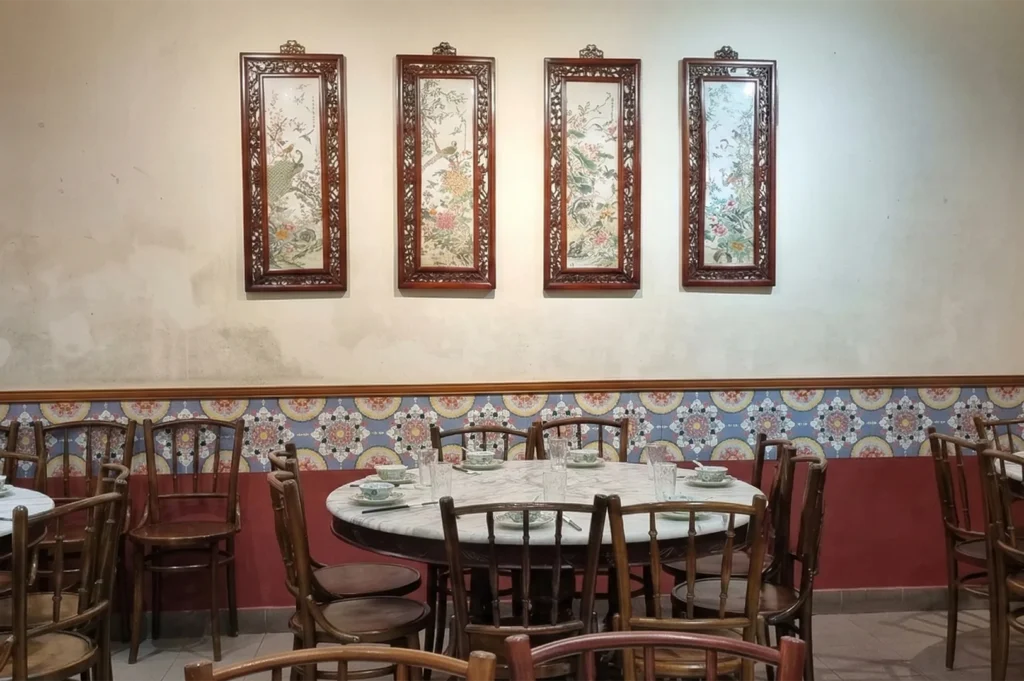
Walking into Guan Hoe Soon is like visiting a respected elder’s home. The decor is traditional and warm, filled with dark wood furniture and Peranakan ceramics. It’s not trendy or modern; it’s timeless. The atmosphere is calm and welcoming, a world away from the noise of the city. You get the immediate sense that this is a place built on consistency, not gimmicks. It felt like the perfect setting for a deep dive into classic Peranakan food, a cuisine that beautifully blends Chinese immigrants’ traditions with Malay dishes, rich in savory flavors and spices.
I often look for this kind of ‘Source Code’ preservation when scouting locations for Eat Drink Asia, and Guan Hoe Soon is a masterclass in how heritage should feel.
The Main Event: A Culinary Journey
To get a real sense of the place, I had to order the classics.
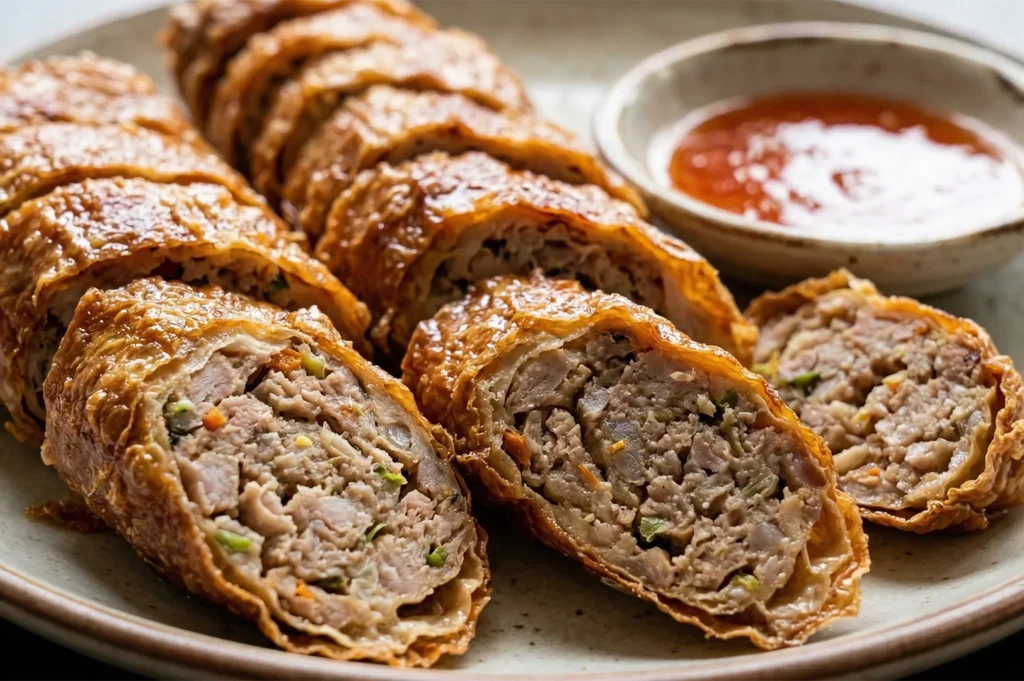
Ngoh Hiang (S$13.80)
It arrived perfectly fried, golden-brown and crispy. The filling of minced pork and ground meat seasoned with five-spice powder was flavorful without being overpowering.
- The Verdict: It’s a classic starter done right, exactly what you’d hope for from a heritage spot like this.
- Context: The dish pairs wonderfully with other Peranakan favorites such as fried tofu and rice cakes, often found at hawker centres around Singapore.
Beef Rendang & Dessert
- Beef Rendang: While the flavor of the rempah (spice paste) was rich and aromatic, I have to be honest and say I wished the beef was a little more tender. It was a good dish, but it didn’t quite hit the highs of the Ayam Buah Keluak.
- Chendol (S$4.80): This was a true star. The gula melaka was insanely good—rich, smoky, and complex, complemented by the creamy condensed milk. It was the perfect sweet note to end the meal on.
A Note on Value, Service, and Price
Value: One thing to note is that some diners have found the portion sizes a bit small for the price, which is something I could see if you have a very large appetite. For our group, sharing a few dishes was just right.
Service: It was exactly what you’d expect from an established restaurant: quietly efficient. The staff were attentive without hovering, and our dishes arrived at a steady, comfortable pace. It felt very much like a well-oiled machine, honed by years of practice.
Price: It’s reasonable for the quality and heritage. Our meal for two included came around S$60 to S$70 in total. You could easily spend more if you order fresh seafood or roast meats, but it feels like fair value for an authentic experience. For transport, Bus 33 stops nearby, or you can take the MRT to Paya Lebar and hop on the bus from there.
What to Eat for Dinner Tonight Singapore: A Culinary Adventure with Hawker Stalls, Carrot Cake, and Food Tours
Leaving the timeless vibe of Guan Hoe Soon, I stepped into the lively streets of Joo Chiat, realizing my dinner was just a glimpse of Singapore’s rich food scene. Whether exploring hawker stalls, savoring the famous carrot cake, or joining a food tour, Singapore offers flavors to thrill every palate. From iconic Peranakan food to roast meats, it’s a food lover’s paradise eager to eat in Singapore like a local.
Wondering what to eat for dinner tonight Singapore? The city offers endless dishes to excite your taste buds. From savory street food to meals at the best Singapore restaurants, options abound. Craving fragrant rice cooked just right or a fiery spicy sauce? Singapore’s food scene delivers.
The “Heavy Hitters”: Iconic Signature Dishes at Hawker Centres and Food Courts
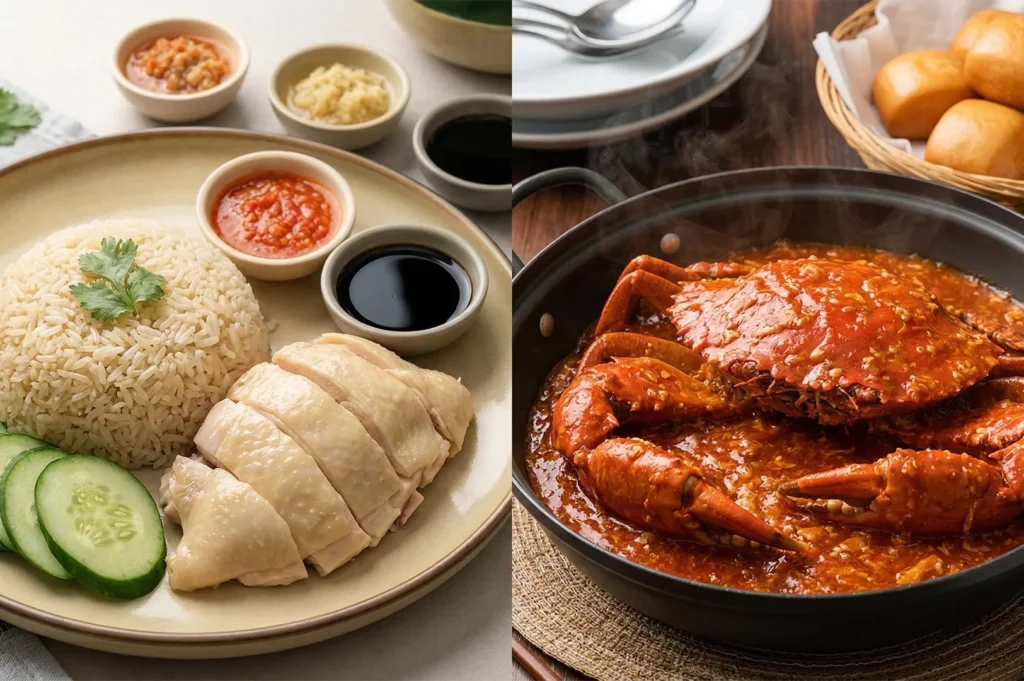
Hainanese Chicken Rice: Singapore’s Iconic Delight
No Singapore food list is complete without Hainanese chicken rice—tender poached or roasted chicken over fragrant rice cooked with chicken fat, garlic, and ginger.
- The Essentials: Served with a trio of sauces—chili sauce, dark soy sauce, and ginger paste.
- Where to Go: Try Maxwell Food Centre or other hawker stalls for an authentic taste. Pair it with soft boiled eggs for a traditional breakfast or dinner.
Chili Crab: The King of Seafood in Singapore
Famous chili crab features fresh seafood, usually mud crabs, in a thick sauce that’s sweet, tangy, and rich with tomato and chili paste.
- Tip: Enjoy with flavorful rice or fried mantou buns to soak up the sauce. Many best Singapore restaurants and hawker stalls serve this must-try dish.
The “Wok & Broth”: Soulful Noodle & Soup Traditions
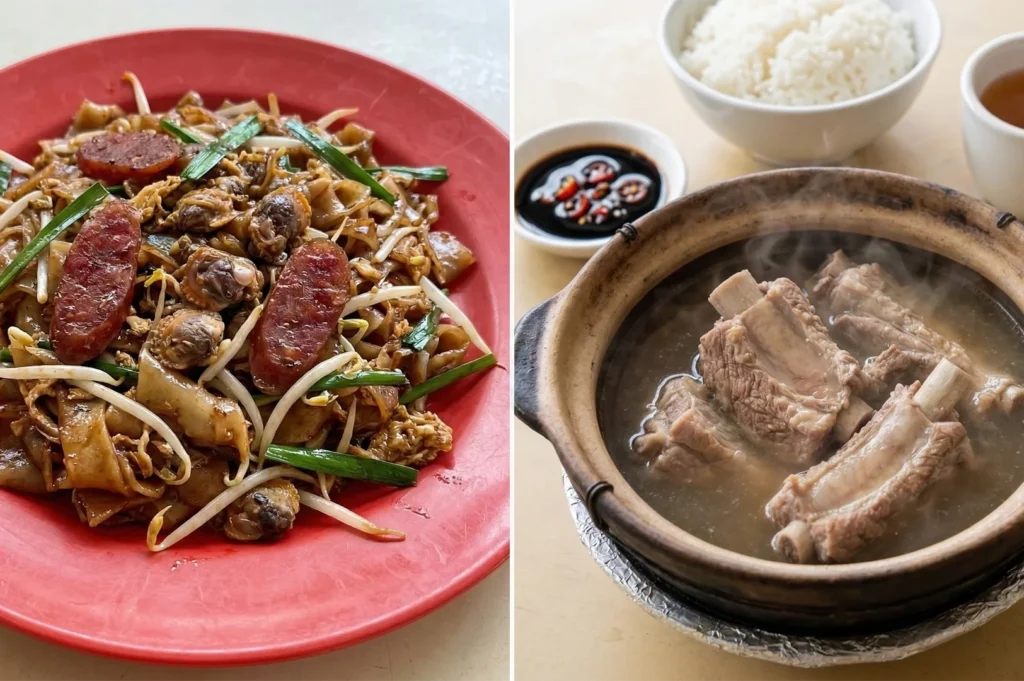
Char Kway Teow: The Smoky Stir-Fried Noodle Dish
Char kway teow is a beloved noodle dish of flat rice noodles stir-fried in pork lard, dark soy sauce, and spicy chili sauce.
- Flavor Boost: Often mixed with Chinese sausage, pork slices, egg noodles, crunchy bean sprouts, and fresh seafood. The smoky wok hei is irresistible.
Bak Kut Teh: The Herbal Pork Bone Soup
Bak kut teh (“pork bone tea”) features pork ribs simmered with garlic, herbs, and peppercorns for a savory broth.
- Serve With: Typically enjoyed alongside fragrant rice, sometimes with fried tofu and rice cakes. Found at top hawker stalls and food centres citywide.
Understanding the Landscape: Where to Eat
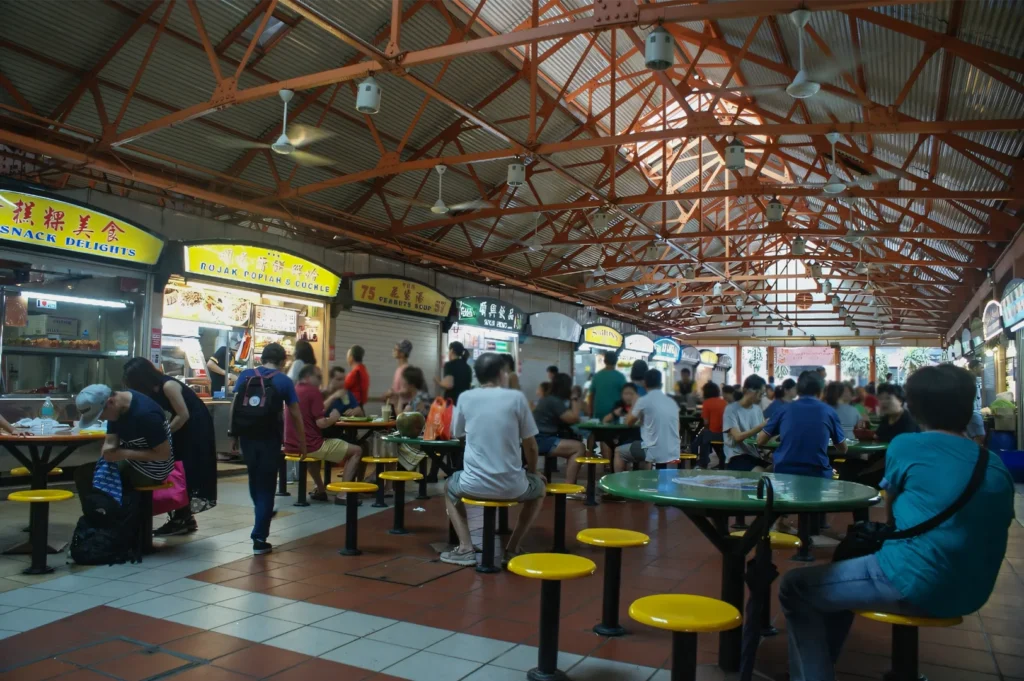
Hawker Centres: The Heartbeat of Singapore’s Food Culture
Hawker centres like Maxwell Food Centre, Old Airport Road, and Lau Pa Sat offer everything from rice noodles and flat rice noodles to grilled meat skewers and fried fish. Favorites include bak kut teh, nasi lemak, and carrot cake.
Food Centre Favorites: A Taste of Singapore’s Diversity
Beyond classics, find street food like roti prata, kaya toast, and Indian food specialties. Whether craving glutinous rice desserts or hearty beef rendang, food centres offer authentic, affordable eats.
Unique Bites & Hidden Gems
- Carrot Cake: Made from rice flour and daikon radish, fried with eggs and pork lard, this snack blends textures uniquely.
- Chicken Rice Variations: Includes roasted chicken and chicken curry, adding variety.
- Peranakan & Modern Excellence: Great restaurants range from heritage Peranakan food spots to creative takes on classics.
How to Explore the Scene
“To find the best hawker stalls and restaurants in Singapore, a food tour is ideal. Guides lead you to signature dishes like black pepper crabs, oyster omelette, and curry laksa, easing navigation through the vast options. Exploring these best culinary experiences in Singapore is the final step in mastering the local food scene, ensuring you don’t miss the hidden gems that lie just beyond the tourist trails.
Additional Flavors: More Must-Try Singaporean Delights
Here are more dishes to enrich your culinary journey:
Dish Name | Description | Where to Find / Notes |
|---|---|---|
Fried Chicken | Singapore-style crispy fried chicken paired with spicy sauce. | Common at hawker stalls and food courts. |
Basmati Rice | Aromatic rice accompanying Indian dishes. | Served in many Indian restaurants. |
Fish Cake | Chewy, savory, often in noodle soups or sides. | Included in various dishes and hawker stalls. |
Pork Belly | Crispy skin, tender meat in roast meats. | Found at roast meat stalls and restaurants. |
Garlic Butter | Enhances richness in seafood dishes. | Used in seafood spots and hawker stalls. |
This diverse array ensures whether dining at restaurants in Singapore or grabbing a bite at a hawker centre, your food adventure will be rich and satisfying.
The Final Verdict: Who Should Visit?
Navigating through the sheer variety of Hainanese chicken rice, smoky char kway teow, and the bustling energy of the city’s hawker centres highlights just how diverse the what to eat for dinner tonight Singapore question truly is. Yet, while the city’s food courts offer a fast-paced, high-octane taste of local life, my evening at Guan Hoe Soon provided a grounding experience. It reminded me that behind every iconic chili sauce and fragrant rice dish lies a deeper story of lineage and preservation.
After exploring Singapore’s vast culinary landscape, returning to that quiet, dark-wood dining room in Joo Chiat felt like coming home to the very roots of these flavors.
Guan Hoe Soon is a true treasure. It doesn’t seek to reinvent the wheel but is dedicated to preserving it. This makes it the perfect spot for families wanting to share a hearty meal or anyone eager to immerse themselves in the fundamentals of Peranakan cuisine.
If you value tradition, authenticity, and a home-cooked feel over flashy trends, you will love this place. It’s a delicious celebration of flavors that has truly stood the test of time.

The Global Phenomenon of Korean Instant Noodle: A Cultural and Culinary Journey
Eda Wong | January 24, 2026
In the high-octane streets of South Korea, where the “pali-pali” (hurry-hurry) culture defines the pace of life, one dish stands as the ultimate equalizer of speed and satisfaction: Korean ramyeon. While the world often uses the terms ramen and ramyeon interchangeably, the Korean version is a distinct entity. It is not merely a quick snack…
-
Traditional Ramyeon: The Soulful Heart of Korean Noodle Culture
Eat Drink Asia Team | January 20, 2026
In the bustling culinary landscape of South Korea, few comfort foods can match the satisfaction of a steaming bowl of ramyeon. While outside of Korea, “ramyeon” often brings to mind Korean instant noodles or instant ramen, true ramyeon Korean style refers to the artful, freshly prepared noodle soup enjoyed in homes and at local restaurants…
-
The Heart of the Korean Noodles: History and Texture
Eda Wong | January 17, 2026
In Korea, a bowl of noodles is far more than a simple dish; it is a cultural anchor that has weathered centuries of change. For generations, the length of the strand has symbolized a long and prosperous life, making Korean noodles a staple at birthdays, weddings, and the milestone 60th birthday celebration known as hwangap….
-
Preserving the ‘Big Bowl’ Tradition with Pen Cai Delivery in the Age of Doorstep Dining
Eat Drink Asia Team | January 15, 2026
Modern Festive Menu: Bringing the Big Bowl Home There is a special, undeniable magic to the Chinese New Year reunion dinner. For many families, Chinese New Year 2026 is another chance to gather loved ones at the table and celebrate with a glorious pen cai—sometimes called the “big bowl feast”—overflowing with premium ingredients and festive…
-
Sencha: Traditions, Flavors, and the Essence of Japanese Tea
Eat Drink Asia Team | January 15, 2026
When people around the world think of Japanese tea, images of tranquil tea ceremonies in small rooms or frothy bowls of matcha often come to mind. Yet, the reality of tea drinking in Japan is much broader, woven deeply into the culture and daily habits. For the vast majority, sencha is the beloved tea that…
-
The Best Restaurants Tokyo Are Rarely the Ones You Plan For
Eda Wong | January 12, 2026
Tokyo, Japan’s capital, does not reward urgency. It rewards return. On my first visit, I chased what everyone told me were the best restaurants Tokyo had to offer. I spent weeks highlighting maps, bookmarking digital “must-eat” lists, and refreshing reservation pages until my eyes blurred. I thought that by conquering the top-tier establishments, I would…
-
Japan and Food: Culinary Harmony – The Deep Connection Between Japanese Food and Culture
Eat Drink Asia Team | January 11, 2026
When it comes to Japan and food, the two are intertwined in ways that captivate taste buds and awaken the senses. Japanese cuisine stands as one of the world’s most revered traditions—more than nourishing meals, it is an art reflecting centuries of philosophy and a window into Japanese culture itself. Every bowl of miso soup,…
-
The Verdant Cup: A Celebration of Green Tea in Japan
Eda Wong | January 10, 2026
In Japan, green tea is much more than a beverage. It marks a moment of pause, hospitality, and tradition. The story of green tea in Japan weaves through centuries of culture, artistry, and daily life—bridging ancient rituals like the Japanese tea ceremony to everyday meals enjoyed at home. The origins and beginning of Japanese tea…
-
Japanese Green Tea from Japan: The Story of Matcha
Dio Asahi | January 8, 2026
On a misty April morning in Kyoto, I knelt on tatami in a small tea room outside Uji, Japan. The host, dressed in kimono, moved with quiet skill as she scooped matcha powder into a ceramic bowl. The air was filled with the aroma of aged wood mixed with the grassy scent of high quality…
-
Takoyaki: The Sizzling Heart of Japan Food Culture
Dio Asahi | January 3, 2026
What is Takoyaki and Why Does it Matter in Japanese Food Culture? In the bright heart of Osaka, the sizzle of takoyaki batter signals one of Japan food culture’s most beloved street foods. Lines form at street stalls drawn by the delicious food aromas of sweet-savory sauce and bonito flakes dancing on golden spheres. Takoyaki,…