By Eda Wong for Eat Drink Asia.
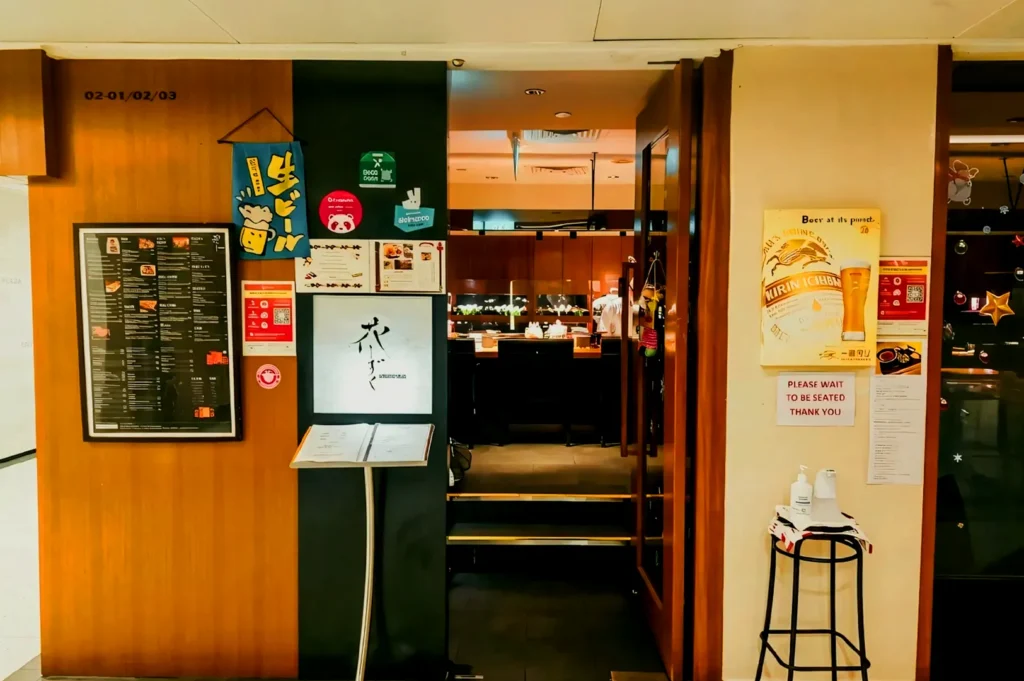
The lift doors open on a floor of Cuppage Plaza that has seen better decades. Peeling signage. A corridor that smells faintly of old carpet and cigarette smoke drifting from somewhere. Then a door slides shut behind me, and the noise falls away.
Inside Hanashizuku Japanese Cuisine, the room is warm and low-lit. The izakaya clatter of the building — the shouting, the beer glasses, the laughter — doesn’t reach here. It’s quiet enough that I can hear the knife.
Chef Steven Lee stands behind the counter, and I take a seat where I can watch. He doesn’t look up much. He has been doing this for twenty-eight years, and it shows in the economy of his hands. No wasted motion. The blade moves through a block of tuna in a single unhurried pull, and the slice falls away clean, thick, its edge catching the light.
The sashimi moriawase arrives without ceremony. Fatty tuna. Salmon. A few seasonal cuts I don’t recognise, arranged simply on the plate. The fish came in from Toyosu, flown over on a rhythm the kitchen keeps but never advertises. You can smell it before you taste it — not fishy, but clean, almost like cold seawater. That smell tells you more than any menu could.
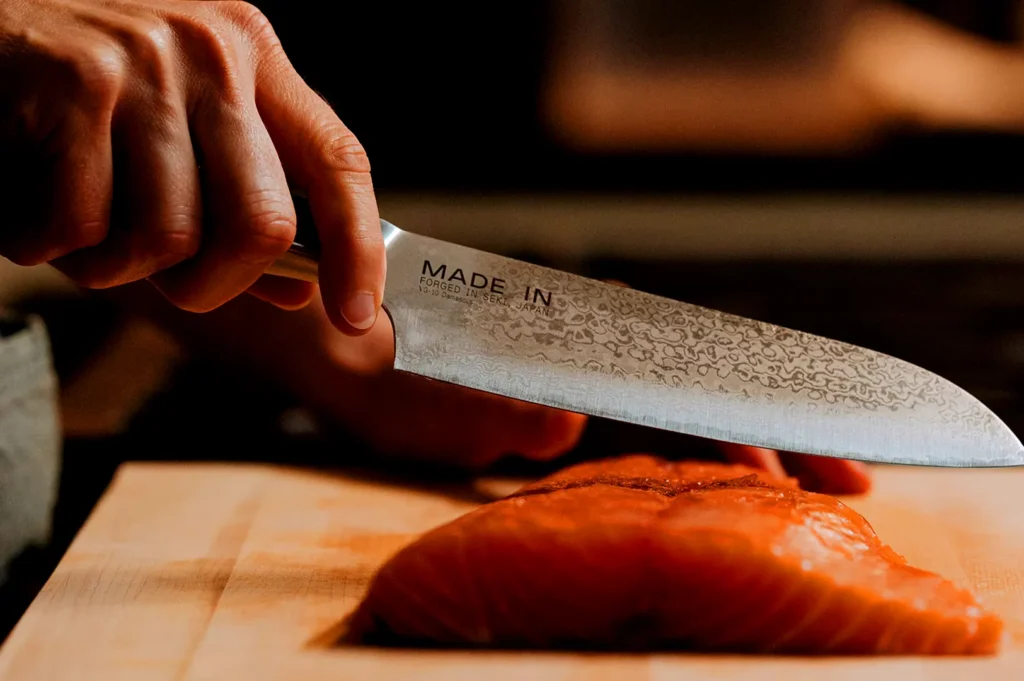
For Eat Drink Asia, this is sashimi at its most honest: Toyosu-fresh cuts that taste like clean seawater.
I take a piece of the tuna. It’s buttery in the way people overuse that word, but here it earns it — soft, giving, dissolving somewhere at the back of the tongue before I’ve decided what to do with it. The salmon is thick, cool, faintly sweet. I slow down. There’s no reason to rush a plate someone spent nearly three decades learning to cut.
What stays with me isn’t the fish, exactly. It’s the quiet. The way a counter like this asks you to pay attention.
There’s a ritual to it that the izakayas outside don’t have. Out there, food is fuel for the evening — loud, communal, fast. Here, it’s something closer to watching. The chef cuts. You eat. Neither of you says much. It’s an old rhythm, and it survives in a corner of a building that doesn’t look like it should hold something so careful.
That’s the part I keep turning over. Hanashizuku sits three floors above a stairwell that hasn’t been renovated in years, in a plaza most people walk past. And inside, a man who has cut fish for twenty-eight years does it the same way he always has, whether the room is full or empty.
There’s a kind of honesty in that mismatch. The setting makes no promises. It doesn’t try to charm you before the food does. Which means the knife has to speak for itself — and it does.
I finish the last slice. Chef Lee is already preparing the next order, the same pull of the blade, the same clean fall of fish.
Outside, the noise waits. In here, for a little while longer, there is only the counter, and the quiet, and the sound of a knife that knows exactly what it’s doing.

Sanook Kitchen’s Thai Omelette Rice: A Heartland Answer to Singapore’s Thai Food Saturation
Eda Wong | April 21, 2026
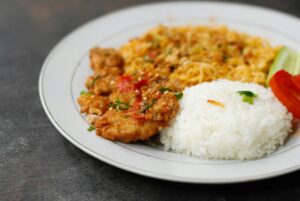
If you live in Singapore, you know that finding Thai food is about as difficult as finding a humid day. We are spoiled for choice. From gritty hawker stalls serving fiery basil pork to upscale restaurants where a bowl of tom yum costs more than a taxi ride, the options are endless. But sometimes, you…

The Golden Fold: How Thailand’s Street-Side Omelette Became a Morning Ritual
Dio Asahi | April 18, 2026
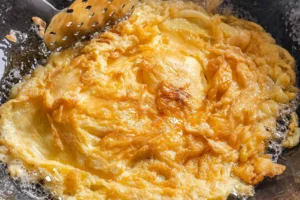
Dawn breaks over Bangkok with a familiar symphony. Before the intense heat settles and the traffic swells into a steady roar, the city streets belong to the food vendors. Amid the clatter of metal tools and the hum of early commuters, one sound stands out: the furious, bubbling sizzle of eggs hitting smoking-hot oil. This…

Lesson I Didn’t Expect: How Fourgather’s Easy Asian Recipes Taught Me to Cook at Home
Eda Wong | April 16, 2026
For the longest time, I was convinced that cooking authentic Thai food at home was out of my league. I imagined complex pastes, hours of simmering, and a mountain of ingredients I couldn’t pronounce. I was happy to leave it to the experts. But a casual dinner at Fourgather, a stylish Thai eatery in Telok…
-
Between Aesthetic and Appetite: The Modern Food Blogger’s Dilemma
Eda Wong | April 15, 2026
In our first, would probably say, emotional editorial, I would like to open with how there is a particular kind of silence that happens before a dish is eaten now. Not the quiet of anticipation, but the pause of positioning, a hand hovering just above the plate, adjusting the angle of a bowl so the…
-
Chasing Flavor: How Fook Kin Taught Us to Cook Asian Cuisine Recipes the Right Way
Eat Drink Asia Team | April 14, 2026
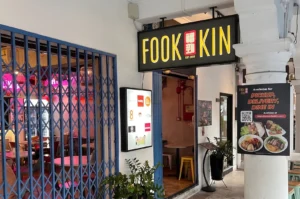
For years, we told ourselves that truly great Asian cooking was a mystical art form, a craft reserved for seasoned hawker uncles or Michelin-starred chefs with decades of experience. Our own attempts at home often felt like pale imitations, lacking that deep, smoky flavour or that perfect textural contrast we craved. Then, we had dinner…
-
Connecting Generations: How Asiatic Food Builds Family Bonds Across Time
Dio Asahi | April 11, 2026
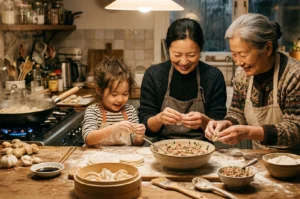
Whenever I smell toasted sesame oil hitting a hot wok, I am instantly transported back to a tiny, bustling kitchen from my childhood. The air would be thick with the aroma of ginger, garlic, and slow-simmering soy sauce. Before a single word was spoken, the meal was already telling a story. For many of us,…
-
A Comprehensive Resource for Oriental Foods Recipes for the Modern Home Cook
Eda Wong | April 10, 2026
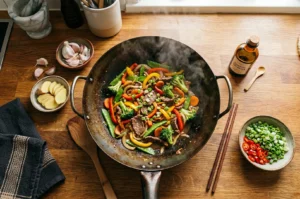
For years, I thought cooking Asian food at home required something mystical. My stir-fries were soggy, lacking that smoky breath of the wok. My fried rice was inconsistent, sometimes clumpy, other times dry. My sauces tasted flat, missing the balance of savory, sweet, and tangy flavors I craved. I assumed restaurants had secrets I’d never…
-
Pour Decisions: The Best Bars in Singapore for Craft Beers and More
Dio Asahi | April 9, 2026
Walking through the humid streets of Singapore at dusk, you can feel the city transforming. The tropical heat fades into neon lights, and the clinking of glasses begins to echo from narrow shophouses and towering skyscrapers. Singapore boasts a dynamic bar scene that rivals any global metropolis. From opulent destinations like to the laid back charm,…
-
The 8 Best Chinese Restaurants in Singapore: From Dim Sum to Peking Duck
Dio Asahi | April 7, 2026
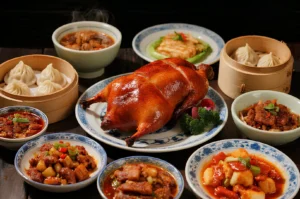
Singapore’s best chinese restaurants in singapore function less like isolated dining rooms and more like a networked system of technique. Across these chinese restaurants, you see branches of chinese cuisine expressed through roast mastery, controlled fermentation, seafood purity, and banquet choreography. This is not simply a guide to chinese food. It’s a mapped culinary journey…
-
The Neighbourhood Restaurant Test: How to Spot Truly Authentic Cuisine Restaurants in Your Area
Eda Wong | March 31, 2026
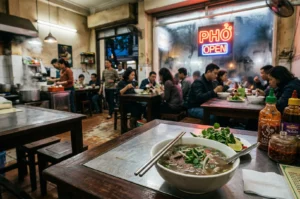
A friend texted me last week: “I’m outside this new Vietnamese place. How do I know if it’s legit before I waste my money?” It’s a question I get often. We’ve all been there, drawn in by a cool sign, only to get a plate of sad, sweet, tourist-grade pad thai that tastes like ketchup….