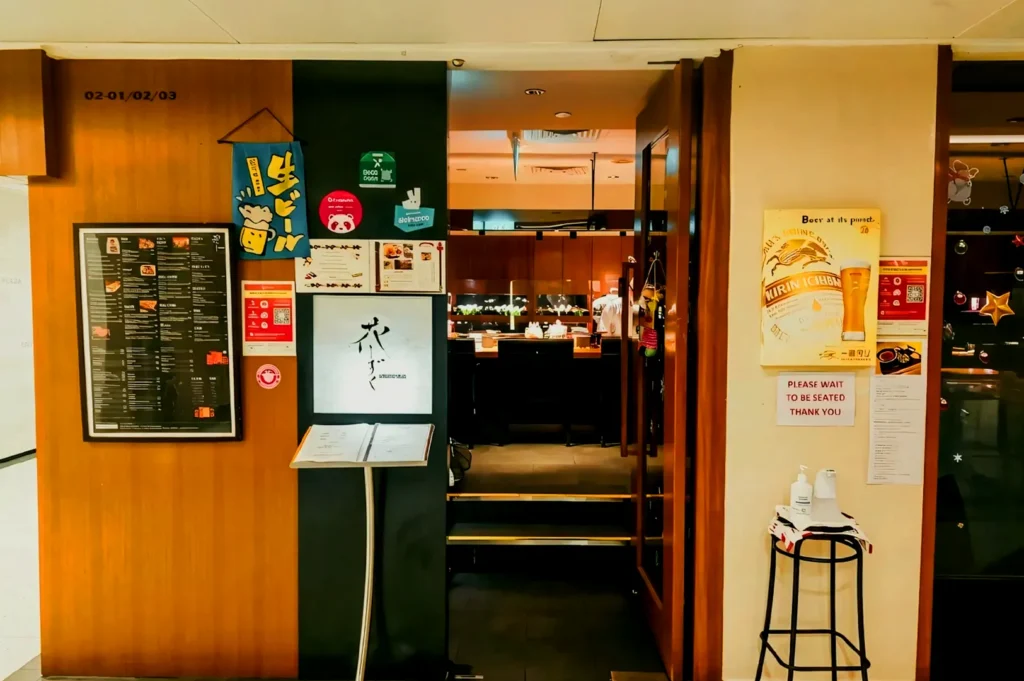
By Eda Wong for Eat Drink Asia.
The lift doors open on a floor of Cuppage Plaza that has seen better decades. Peeling signage. A corridor that smells faintly of old carpet and cigarette smoke drifting from somewhere. Then a door slides shut behind me, and the noise falls away.
Inside Hanashizuku Japanese Cuisine, the room is warm and low-lit. The izakaya clatter of the building — the shouting, the beer glasses, the laughter — doesn’t reach here. It’s quiet enough that I can hear the knife.
Chef Steven Lee stands behind the counter, and I take a seat where I can watch. He doesn’t look up much. He has been doing this for twenty-eight years, and it shows in the economy of his hands. No wasted motion. The blade moves through a block of tuna in a single unhurried pull, and the slice falls away clean, thick, its edge catching the light.
The sashimi moriawase arrives without ceremony. Fatty tuna. Salmon. A few seasonal cuts I don’t recognise, arranged simply on the plate. The fish came in from Toyosu, flown over on a rhythm the kitchen keeps but never advertises. You can smell it before you taste it — not fishy, but clean, almost like cold seawater. That smell tells you more than any menu could.
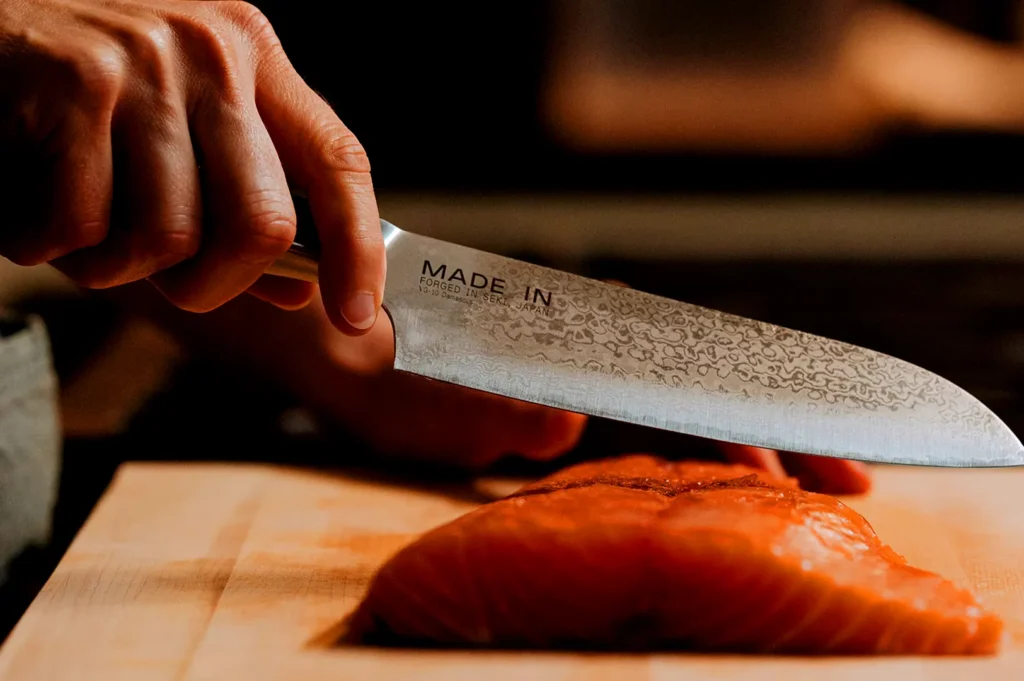
For Eat Drink Asia, this is sashimi at its most honest: Toyosu-fresh cuts that taste like clean seawater.
I take a piece of the tuna. It’s buttery in the way people overuse that word, but here it earns it — soft, giving, dissolving somewhere at the back of the tongue before I’ve decided what to do with it. The salmon is thick, cool, faintly sweet. I slow down. There’s no reason to rush a plate someone spent nearly three decades learning to cut.
What stays with me isn’t the fish, exactly. It’s the quiet. The way a counter like this asks you to pay attention.
There’s a ritual to it that the izakayas outside don’t have. Out there, food is fuel for the evening — loud, communal, fast. Here, it’s something closer to watching. The chef cuts. You eat. Neither of you says much. It’s an old rhythm, and it survives in a corner of a building that doesn’t look like it should hold something so careful.
That’s the part I keep turning over. Hanashizuku sits three floors above a stairwell that hasn’t been renovated in years, in a plaza most people walk past. And inside, a man who has cut fish for twenty-eight years does it the same way he always has, whether the room is full or empty.
There’s a kind of honesty in that mismatch. The setting makes no promises. It doesn’t try to charm you before the food does. Which means the knife has to speak for itself — and it does.
I finish the last slice. Chef Lee is already preparing the next order, the same pull of the blade, the same clean fall of fish.
Outside, the noise waits. In here, for a little while longer, there is only the counter, and the quiet, and the sound of a knife that knows exactly what it’s doing.

Ramune Marble Soda: History and Cultural Meaning of Japan’s Iconic Marble Soda
Dio Asahi | November 20, 2025
Among Japan’s beloved fizzy drinks, none evoke nostalgia and uniqueness quite like Ramune marble soda. Instantly recognizable by its quirky Codd neck bottle and glass marble seal, Ramune soda is an essential part of Japanese summer, cherished by generations for its refreshing taste and signature pop sound. This marble soda remains a staple at summer…
-
Hokkaido’s Best Seafood Treasures: Beyond Sushi and Sashimi
Eat Drink Asia Team | November 18, 2025
When visiting Hokkaido, Japan’s northernmost island, food lovers are greeted with some of the most highly regarded seafood specialties in the world. Hokkaido is famous for its abundance of fresh seafood and rich fishing grounds, thanks to the surrounding Sea of Japan, Pacific Ocean, and Sea of Okhotsk. These nutrient-packed waters yield a wide range…
-
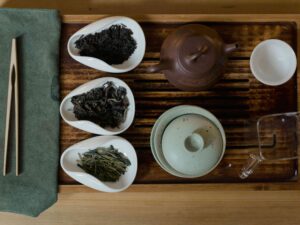
The Art of Asian Tea Ceremony Traditions: Ancient Rituals and Cultural Values Across Asia
Dio Asahi | November 15, 2025
A cup of tea, in many parts of Asia, represents far more than a beverage-it is a conduit to ancestral tradition, intellectual pursuit, and the cultivation of mindfulness. Asian tea ceremony traditions turn the act of drinking tea into a sophisticated art form, layered with symbolism, philosophy, and socio-cultural values. Each gesture, from scooping powdered…

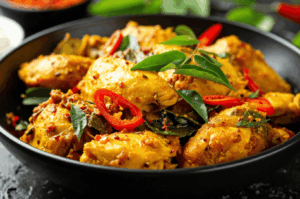
The Art of Slow-Cooked Curry Recipes: Time’s Magic in South Asian Cuisine
Eda Wong | November 13, 2025
Step into a South Asian kitchen, and the senses are instantly enveloped by the inviting aroma of food slowly simmering in a sturdy clay pot or heavy vessel. The allure is undeniable: in this space, slow-cooked curry recipes are a celebration of patient tradition, spices, and the richness of South Asian cuisine. Here, time and…
-
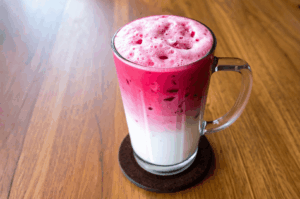
Bandung Drink Recipe: A Singaporean Rose Syrup Drink Tradition
Eat Drink Asia Team | November 11, 2025
Step into any night market or hawker centre in Singapore, and you’ll spot a vibrant, glowing glass filled with a cold, beautiful drink-Bandung. Known for its iconic blush-pink hue and refreshing taste, this rose syrup drink is an integral part of Singapore’s beverages scene and a cherished tradition in Southeast Asian gatherings. More than just…
-
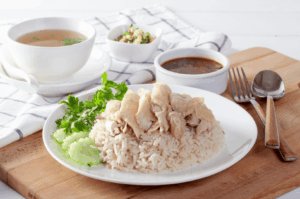
The Ultimate Hainanese Chicken Rice Recipe: A Deep Dive
Eda Wong | November 8, 2025
To wander through Singapore’s bustling hawker centres on a humid evening is to experience a symphony of sights, sounds, and smells. Among the many other dishes sizzling away, one plate stands out for its elegant simplicity: Hainanese Chicken Rice. It arrives without fanfare-gleaming slices of poached chicken over fragrant rice, flanked by a trio of…
-
Bubble Tea Origins: How Taiwan Created a Global Beverage Phenomenon
Dio Asahi | November 6, 2025
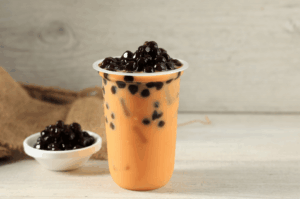
From Taipei to New York, a single drink has captured the world’s taste buds: bubble tea. This beverage, known as pearl milk tea or boba tea, and also known as boba in many regions, is celebrated for its delightful combination of sweet, creamy tea and signature chewy tapioca pearls. What began as a novel creation…
-
A Food Lover’s Guide to the Taiwanese Oyster Omelet
Eat Drink Asia Team | November 4, 2025
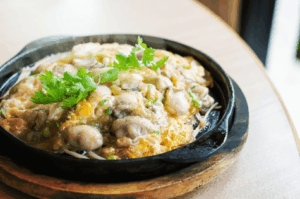
As twilight descends upon Taipei City, a vibrant energy pulses through its streets. This is the hour of the night markets, bustling hubs of community, commerce, and some of the world’s most incredible street food. Amidst the steam from soup dumplings and the sizzle of Taiwanese fried chicken, one iconic dish reigns supreme: the Taiwanese…
-
Jamu: Indonesian Herbal Medicine for Modern Well-Being
Dio Asahi | November 1, 2025
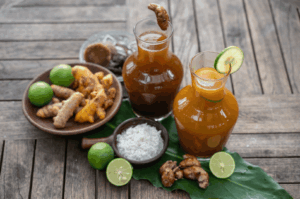
Across the Indonesian archipelago, a vibrant tradition of herbal healing has flourished for centuries. This is jamu, a cornerstone of Indonesian cultural heritage and a sophisticated system of traditional herbal medicine. Far more than just a refreshing drink, jamu represents a philosophy of balance, a deep connection to nature, and a form of indigenous medicine…
-
Padang Beef Rendang: The Complex Process Behind Indonesia’s Most Famous Dish
Eda Wong | October 30, 2025
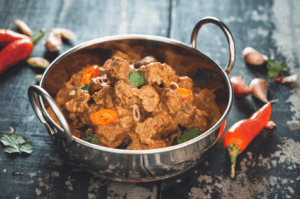
This post may contain affiliate links. For full transparency, this article may contain affiliate links. To call Padang beef rendang simply a dish is to miss the soul of Indonesian cuisine. This legendary slow-cooked dry curry, a centerpiece of both festive tables and humble meals, has earned its fame as one of the world’s most…