The escalator carries me down to Basement 3, past the lunch noise of 313 Somerset, and the air changes somewhere along the way. Less mall, more kitchen. The smell finds me first — chilli, vinegar, something warm and sharp that cuts through the perfume of the shops above.
Hi Noodle sits there, plain and bright. I order, then I’m sent to the condiment bar, and this is where the meal really begins.
It’s a small wall of jars and ladles. Chilli oil, dark vinegar, pickled greens, sesame, crushed peanuts, spring onion. The setup feels familiar to anyone who’s been to a steamboat place — that same invitation to make the bowl your own. I stand there a moment, deciding. A spoon of chilli. More vinegar than most people would. A scatter of peanuts for the crunch.
Then the noodles arrive, and I understand the point of all that fuss — the kind of small ritual Eat Drink Asia is always noticing.
They’re springy, fresh, the kind that hold their bite even as they sit in the broth. And the broth is the thing — rich, spicy, still steaming when it reaches me. The noodles drink it in slowly, each strand carrying more of that heat the longer I take. By the bottom of the bowl, the flavour has changed completely from the first mouthful. That’s the small craft hiding inside a fast meal: noodles made to soak, broth made to be soaked up.
I think about where I’m eating this. A basement. A shopping centre on Orchard Road, of all places, where everything is built for speed and turnover. You’re meant to eat, return your tray, and rejoin the crowd above. There’s even a free ice cream waiting if you bring the tray back — a clean transaction, start to finish.
And yet the bowl in front of me doesn’t feel rushed. It feels like something I made.
That’s the quiet tension here. We’ve grown used to noodles as convenience — a quick fix between errands, eaten standing or scrolling. Singapore moves fast, and our food has learned to keep pace. The mall noodle bar is part of that. Efficient. Cheap. Forgettable, usually.
But the condiment bar pushes back, gently. It hands the seasoning to you. It asks you to taste, adjust, decide. For a few minutes, in a place designed for speed, you’re slowed down by your own choosing. The bowl becomes a small act of attention rather than a thing handed over and gone.
I don’t want to make too much of it. This isn’t a generational stall or a recipe carried across decades. It’s a noodle counter in a basement, doing an honest job well. But there’s something worth noticing in how it lets you build your own comfort, even here, even now.
I finish the broth. It’s hotter at the bottom, the chilli settled there, waiting.
Then I carry my tray back, take the ice cream, and step toward the escalator. The mall is still loud. The bowl was quiet. I’ll remember the bowl.

Jamu: Indonesian Herbal Medicine for Modern Well-Being
Dio Asahi | November 1, 2025
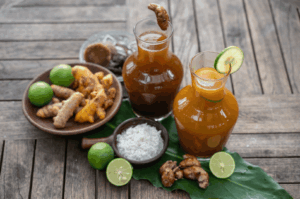
Across the Indonesian archipelago, a vibrant tradition of herbal healing has flourished for centuries. This is jamu, a cornerstone of Indonesian cultural heritage and a sophisticated system of traditional herbal medicine. Far more than just a refreshing drink, jamu represents a philosophy of balance, a deep connection to nature, and a form of indigenous medicine…
-
Padang Beef Rendang: The Complex Process Behind Indonesia’s Most Famous Dish
Eda Wong | October 30, 2025
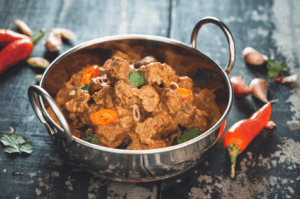
This post may contain affiliate links. For full transparency, this article may contain affiliate links. To call Padang beef rendang simply a dish is to miss the soul of Indonesian cuisine. This legendary slow-cooked dry curry, a centerpiece of both festive tables and humble meals, has earned its fame as one of the world’s most…
-
Teh Tarik Malaysia: The Art and Science Behind Iconic Pulled Tea
Eat Drink Asia Team | October 28, 2025
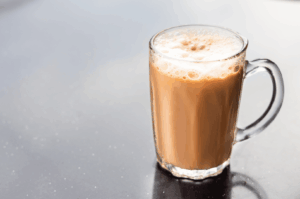
In Malaysia, ordering a cup of teh tarik is about so much more than just enjoying a hot drink. Teh tarik, literally translated as “pulled tea,” is Malaysia’s national beverage, famous for its sweet, creamy taste, frothy top, and the spectacular pulling technique seen in bustling mamak stalls and coffee shops across the country. A…
-
The Legendary Penang Char Kway Teow: A Culinary Journey
Dio Asahi | October 25, 2025
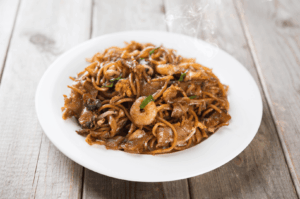
The air in Penang is thick with anticipation, carrying the sounds and smells of Malaysian street food being crafted with expert care. Your attention is captured by one of the many street vendors, a master standing before a seasoned wok glowing over an intense fire. The rhythmic clanging of metal on metal is the soundtrack…
-
Traditional Korean Sikhye: Sweet Rice Punch Through the Seasons
Eda Wong | October 23, 2025
In the vibrant world of Korean food, beyond the fiery spice of gochujang and the savoury comfort of bulgogi, lies a gentler, more subtle delight. Meet traditional Korean sikhye (식혜), a beloved Korean sweet rice punch that holds a special place in the nation’s heart. With its cloudy, amber hue and delicate sweetness, this drink…
-
Authentic Jeonju Bibimbap: Why Korea’s Culinary Capital Makes It Best
Eat Drink Asia Team | October 21, 2025
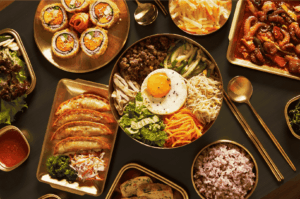
Picture this: A steaming Korean rice bowl is placed before you in Jeonju, South Korea. Vibrant arcs of seasoned bean sprouts, glossy strips of Korean beef, a golden runny yolk resting atop perfectly cooked mixed rice, and a dollop of rich red bibimbap sauce invite you to mix it all together. As you stir, the…
-
Communal Dining Traditions in Asia: Shared Meals, Lasting Bonds, and Cultural Heritage
Dio Asahi | October 18, 2025
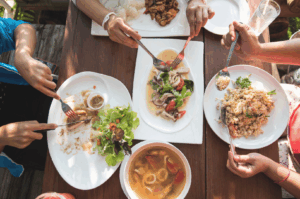
Imagine a dining table crowded with large platters of steaming food, the smell of spices in the air, small bowls arranged neatly around the shared table, and laughter echoing across the room. Across Asia, dining tables play a central role in communal dining traditions, serving as the focal point for etiquette, social interaction, and the…
-
Century-Old Dumpling Techniques: Ancient Wisdom in Modern Kitchens
Eda Wong | October 16, 2025
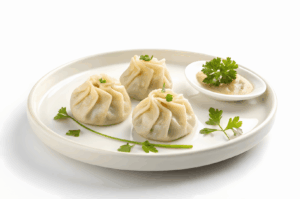
Her hands move in a blur, a dance of muscle memory refined over sixty years. In a small, steam-filled kitchen in Shanghai, an elderly woman transforms a humble circle of dumpling dough into a perfect, 20-pleat xiao long bao. Each pinch and fold is a syllable in a story passed down through generations-prime examples of…
-
Ca Phe Sua Da: The Cultural Phenomenon of Authentic Vietnamese Coffee
Eat Drink Asia Team | October 14, 2025
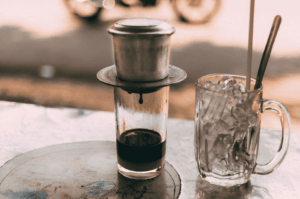
The dawn breaks over Hanoi, and the city awakens not to alarm clocks but to the clatter of tiny spoons and the metallic click of filters. The air fills with the dark, roasted aroma of authentic Vietnamese coffee drifting from bustling corners and sidewalk stalls. They are not rushing. Instead, they are waiting-waiting for the…
-
Cao Lầu Noodles: Hoi An’s Legendary Noodle Dish with Japanese Origins
Dio Asahi | October 11, 2025
Imagine sitting on a low stool in a bustling alleyway of Hoi An’s ancient town. The warm, fragrant air is thick with the scent of sizzling marinated pork, fresh herbs, and the unmistakable aroma of fish sauce and fried rice crackers. In front of you, a bowl of Cao Lau noodles gleams, their golden brown…