The bowl arrives before anything else does.
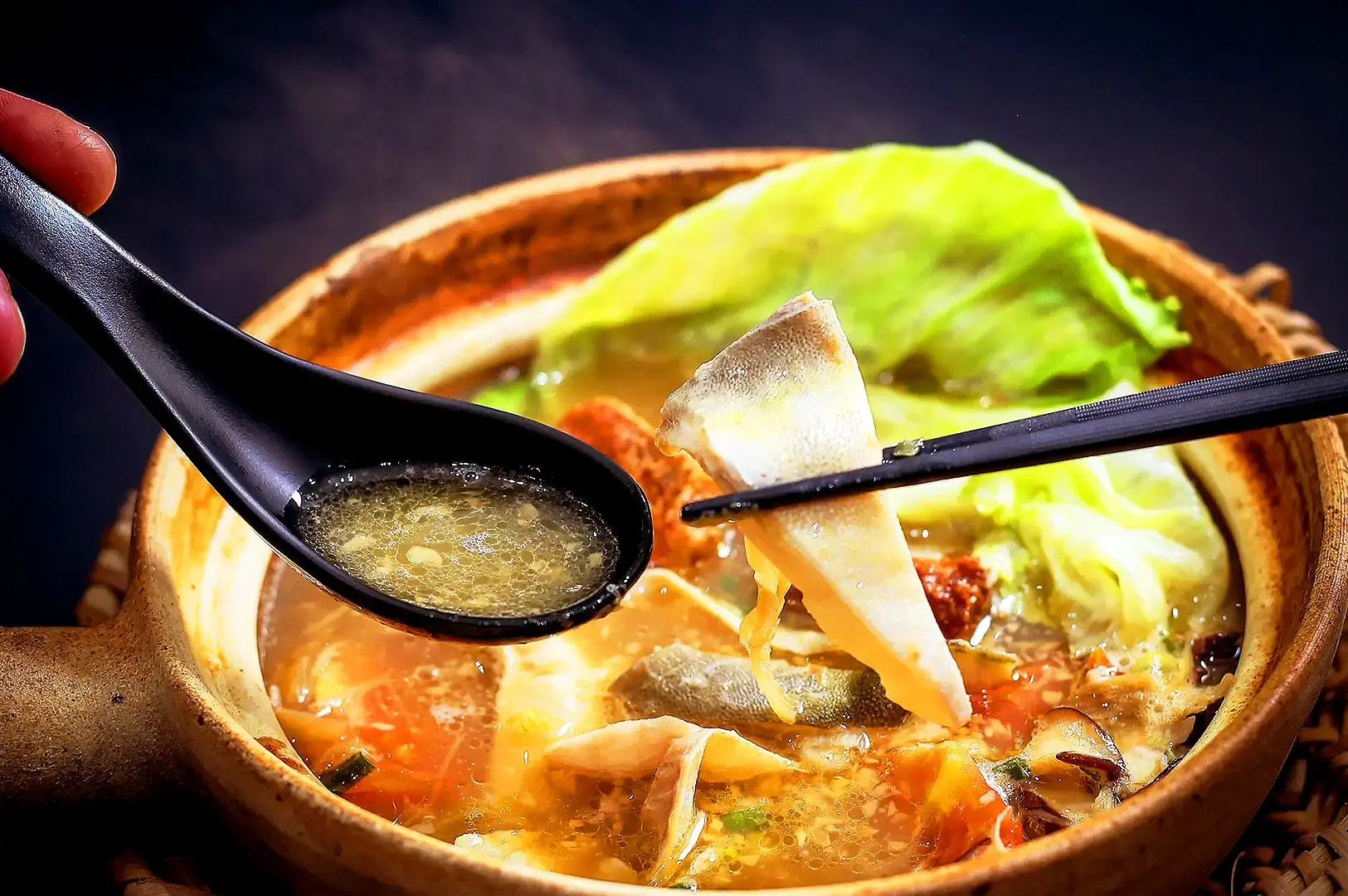
Steam lifts off it in slow ribbons, carrying the smell of ginger and something warmer underneath: the round, boozy note of hua tiao wine settling into fish. I lean in before I even pick up my spoon. The broth is pale gold and cloudy, thick enough that it clings a little to the sides of the bowl. Pieces of pomfret sit half-submerged, pale and generous.
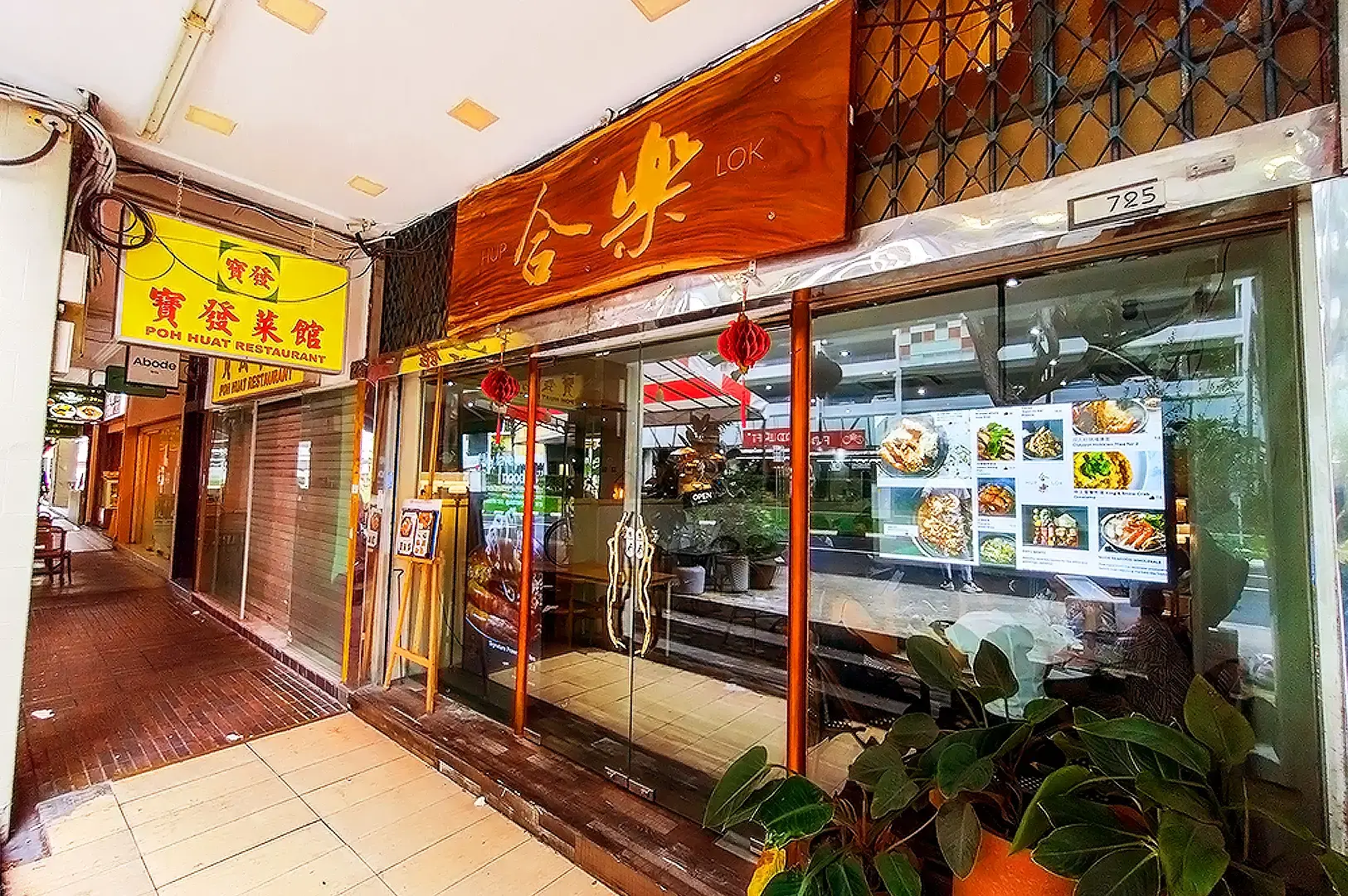
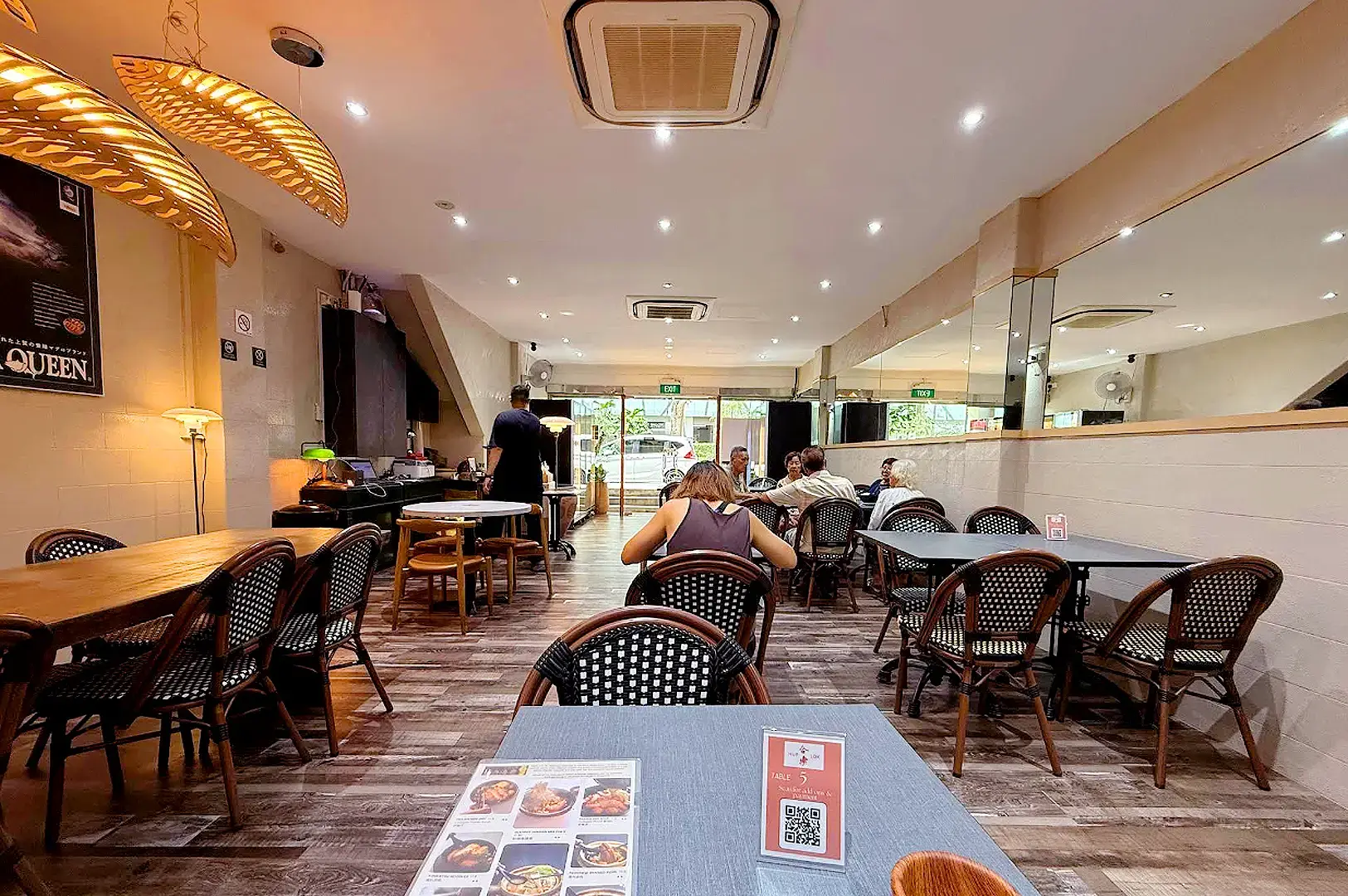
This is Grandpa’s Pomfret Soup at Hup Lok, a young restaurant tucked along 725 Havelock Road. The place opened in September 2025, which makes the whole thing a small contradiction. The room is new. The taste in the bowl is not.
Here, the menu features this signature dish, known for its tender fish slices and rich broth, which many gave positive reviews online. Which lead me here, experience the it myself.
What the Broth Carries
I eat the fish first, because you have to.
The soup keeps working even after it reaches the table, and the residual heat will carry on cooking the pomfret if you let it sit. So I go in early, while the flesh is still just barely set. It comes away in soft, meaty flakes: clean-tasting, without the muddiness that lesser fish soups sometimes hide behind. There’s a lot of it, too. This isn’t a bowl rationing its protein.
Then the broth.
It’s the kind of soup that looks like it should be heavy, but isn’t. There’s real body to it, a savoury weight that coats the tongue, and my first instinct is to assume milk. There isn’t any. That richness comes from fish bones: batang bones simmered down until the collagen loosens and thickens the liquid on its own. It’s a quiet lesson in how a broth earns its texture honestly, without a shortcut.
The rest of the bowl keeps it from turning one-note. Salted plums cut through with a soft, tart edge. Tomatoes add a rounder acidity. Shiitake and julienned ginger sit in the background, and the hua tiao wine ties everything together with that low, warming hum. It’s umami, but it’s also bright; which is exactly what a good teochew pomfret fish soup should be.
Tradition Without Pretending the Recipe Is Ancient
Here’s the part I keep turning over.
The recipe in front of me isn’t old. Chef Keeling built it during COVID, when kitchens were cooking for delivery boxes rather than dining rooms, and it later found a permanent home at Hup Lok. So this is not some family formula guarded through the decades, unchanged.
And yet the flavour vocabulary is older than the dish.
The owner, Hong Junchen, comes from a family that has worked in Singapore’s fish trade across three generations; his father started at street level before the trade grew into wholesale. Three generations in the trade, one restaurant to show for it. That connection to seafood is part of what sets traditional Chinese restaurants apart: the ingredients aren’t just components, but part of the cuisine’s history.
So the soup isn’t repeating an inherited recipe. It’s carrying something quieter forward: Teochew taste memory, seafood knowledge, the logic of how these flavours are supposed to sit together. That, to me, is what tradition actually is. Not a frozen thing. A remembered one.
Claypot Hokkien Mee: Abundance at the Same Table
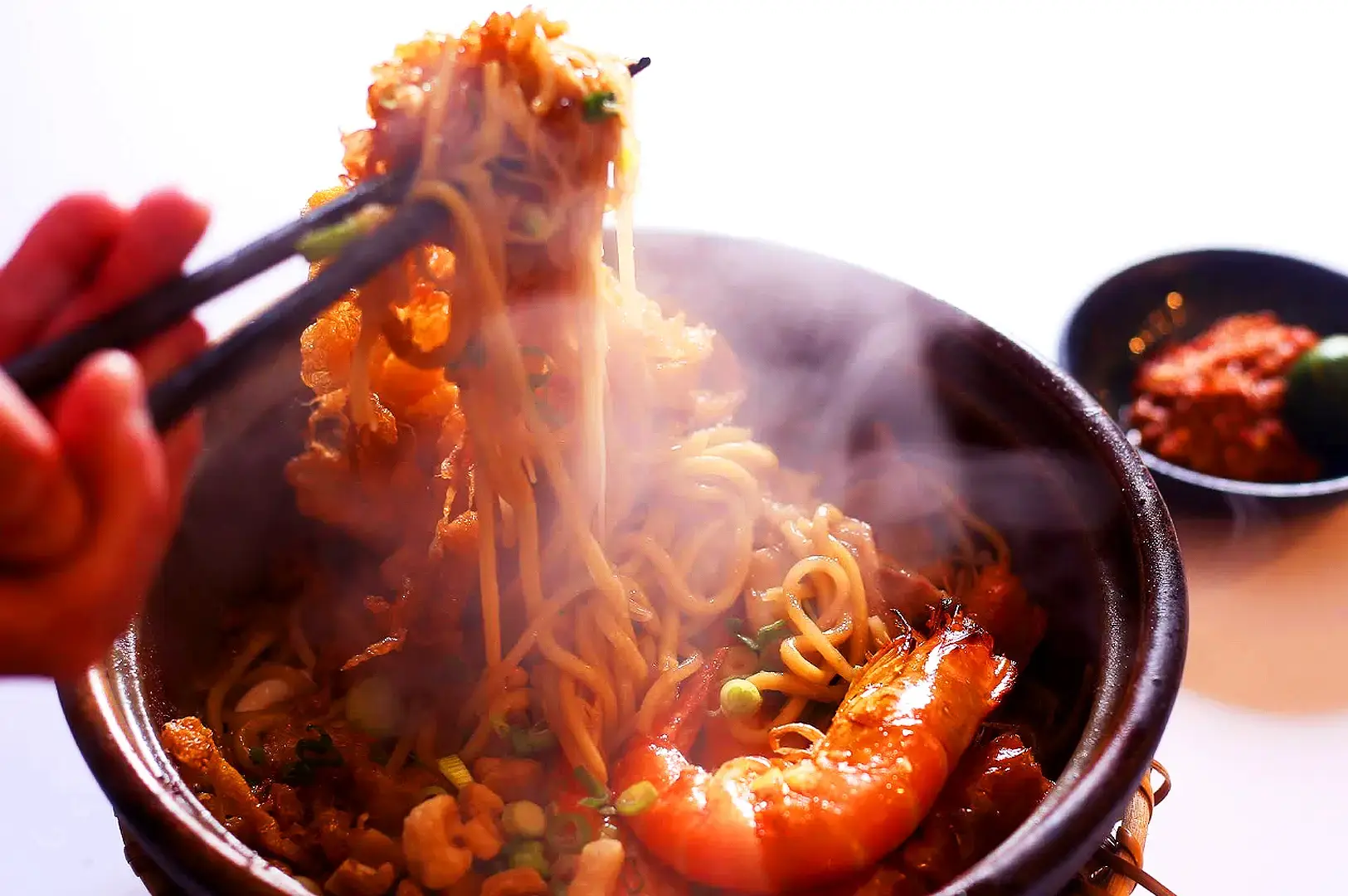
The Claypot Hokkien Mee arrives loud where the soup was gentle.
It comes still bubbling in its claypot, the heat trapped and hissing at the edges. This generous portions dish is perfect for sharing as a communal meal: noodles slick with a rich seafood sauce, studded with big Kami no Ebi prawns, slices of pork belly, and squid rings that hold their bite. A lacy omelette drapes over part of it. Crispy little cubes of lard are scattered through, and they crackle against the soft noodles.
There’s sambal on the side, spooned in for a tasty spike of heat, though it doesn’t try to run the show. The claypot keeps everything hot right down to the last strands. It’s the kind of dish you want to order and dig into with other people, shoulders leaning in.
Good as it is, it isn’t the centre. It’s the loud cousin at a table where the quiet one has more to say, adding just a bit of spice to the overall experience.
What Deserves to Continue
I come back to the fish soup.
By the end, the pomfret is gone and I’m just spooning up the last of the broth, still warm, still holding its body. Over time and years of tasting, I’ve noticed that what stays with me isn’t the technique or the collagen or any single ingredient. It’s the sense of nostalgia that someone decided these flavours were worth keeping alive and then simply kept cooking them.
That’s how food memory actually survives. Not through perfect replication of an old recipe. Through someone understanding the ingredients, trusting the taste and putting the bowl back on the table exactly what you expect from a place like Hup Lok.
Hup Lok does that. Quietly and well.

Best Thai Singapore: Discover the Art of Authentic Pad Thai
Dio Asahi | December 11, 2025
In Singapore, a city that celebrates a universe of flavors, the magnetic pull of Thai cuisine is undeniable. From bustling food courts to elegant dining rooms, the kingdom’s culinary ambassadors have firmly planted their flag. When considering the best Thai food, it’s impossible to overlook how integral Pad Thai is to the local Thai food…

Thai Cuisine in Singapore: Finding the Best Authentic Flavors
Eat Drink Asia Team | December 9, 2025
The unmistakable aroma of lemongrass, galangal, and fiery spices mingles with the bustling night air in Singapore, setting the stage for a dining experience that wakes the soul and tantalizes the senses. Thai cuisine in Singapore has become an essential part of the city’s culinary landscape, offering a complete blend of vibrant flavor, tangy notes,…
-
The Ultimate Guide to Thai Food: Flavors, Traditions, and Culinary Adventures
Dio Asahi | December 6, 2025
Thai cuisine is one of the world’s most beloved and complex culinary traditions, captivating food enthusiasts globally with its masterful balance of flavors and vibrant presentations. From bustling Bangkok street stalls to high-end international restaurants, Thai food has become a global phenomenon that evolves while maintaining its authentic roots. What sets Thai cuisine apart from…
-
How to Drink Sake: Your Guide to Enjoying Japanese Sake Wine
Eda Wong | December 5, 2025
As Japan’s national beverage, this traditional sake is present at celebrations, quiet dinners, and spiritual offerings, weaving itself into the very fabric of daily life and reflecting Japan’s deep-rooted cultural heritage. Yet, for many outside of Japan, it remains a delightful mystery. You might find yourself wondering, how do you drink sake properly to unlock…
-
What Is Sashimi? A Guide to Raw Fish, Sliced Raw Fish, and Japanese Seafood
Eat Drink Asia Team | December 3, 2025
Sashimi is one of the clearest ways to understand Japanese cuisine because there is very little to hide behind. At its simplest, sashimi is sliced raw fish or seafood served without sushi rice, usually with soy sauce, wasabi, and simple garnishes such as daikon radish. But the dish is not just “raw fish on a…

Understanding Sake Alcohol Content: A Complete Guide to ABV and Flavor
Eda Wong | December 2, 2025
When exploring Japanese sake, many wonder about its grades and complex flavors. Sake’s unique profile offers remarkable versatility, enjoyed in various serving styles and paired with diverse dishes. One fundamental aspect is sake alcohol content. Is sake stronger than wine? How does its alcohol by volume (ABV) compare to beer? The answer is nuanced. Understanding…
-
Japanese Sake: The Complete Guide to Japan’s Traditional Rice Wine
Dio Asahi | November 29, 2025
Japanese Sake: The Complete Guide to Japan’s Traditional Rice Wine While sake has been Japan’s national beverage for over a millennium, its popularity across Asia is at an all-time high. Rooted in Japan’s traditional brewing methods and centuries-old origins. It symbolizes Japan’s cultural heritage and craftsmanship. Understanding this complex brewed alcoholic beverage opens doors to…

Best Japanese Foods in Japan: The Must-Try Dishes
Eda Wong | November 27, 2025
Japan’s culinary world extends far beyond well-known sushi and ramen, revealing a rich variety of regional specialties cherished by locals. While many travelers stick to popular Japanese foods in tourist areas, authentic flavors are best discovered in neighborhood markets, family-run eateries, and seasonal menus reflecting centuries of Japanese cooking tradition. Understanding Japanese cuisine requires more…
-
Japanese Food in Japan: The Ultimate Guide to Authentic Culinary Experiences
Eat Drink Asia Team | November 25, 2025
Experiencing Japanese food in Japan is fundamentally different from eating Japanese cuisine anywhere else. While sushi restaurants and ramen shops have spread globally, the authentic flavors, techniques, and cultural context of Japanese food can only be fully appreciated in its homeland. From meticulously selecting ingredients at peak freshness to centuries-old traditions shaping every meal, eating…
-
Food in Japan: A Complete Guide to Japanese Cuisine and Culinary Culture
Eda Wong | November 22, 2025
The gentle steam rising from a bowl of miso soup carries more than just the earthy aroma of fermented soybeans-it carries centuries of Japanese culture and culinary wisdom. When you eat in Japan, you’re not simply consuming a meal; you’re participating in a ritual that connects you to the seasons, the land, and a philosophy…