The sharp winter wind rattles the low stone walls of a Jeju Island kitchen, but inside, the air is thick with steam and the deeply marine scent of boiling kelp. An elderly woman stands by a bubbling steel pot, watching the dark green fronds swell and twist in the rolling water. She adds a splash of toasted sesame oil, and the liquid hisses, sending up a rich, nutty aroma that temporarily masks the salt air. She is not rushing. She carefully adjusts the flame, allowing the broth to simmer until it turns a milky, opaque jade. It is a slow, methodical morning rhythm, a quiet act of preparation that fills the room with warmth.
This is miyeok-guk (pronounced mee-yuhk-gook), the traditional Korean seaweed soup. At its core, the dish is an exercise in extracting profound depth from minimalist ingredients. While mainland versions often rely on a heavy beef broth, the Jeju iteration draws its power straight from the surrounding ocean, frequently incorporating fresh abalone, sea urchin, or delicate white fish. The true craft, however, lies in the preparation of the kelp itself. Before water ever touches the pot, the dried seaweed is soaked until soft, then aggressively kneaded by hand and sautéed in sesame oil and minced garlic. This crucial friction releases the seaweed’s natural starches, transforming what could be a thin, watery liquid into a velvety, substantial broth that coats the spoon.
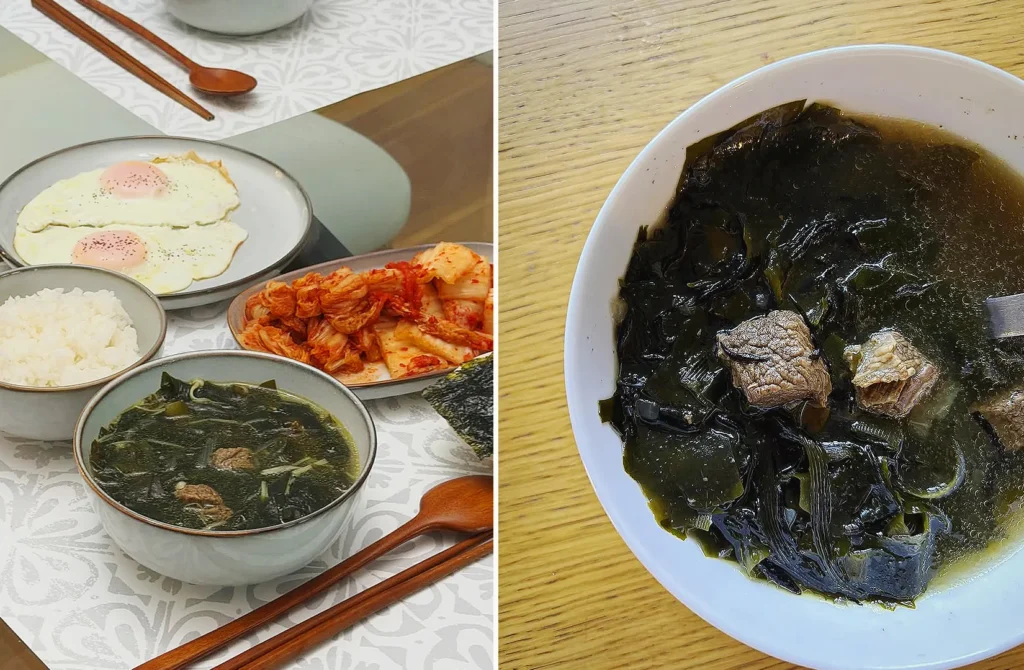
Across the Korean peninsula, this simple soup carries a massive cultural weight. In its quietly Asiatic way; ritualistic, elemental, and rooted in place, it links the body to ancestry through taste. It is the mandatory birthday breakfast, a culinary journey repeated every year to honour the exact meal a mother consumes for postpartum recovery. Waking up to a bowl of miyeok-guk signals care; it is an edible reminder of birth, sacrifice, and shared lineage. In the coastal villages of Jeju, where the female free divers known as haenyeo harvest the kelp directly from the cold currents, the soup feels even more tethered to the environment. Serving it is an act of deep familial devotion, a celebration of flavours that grounds the individual within their immediate community.
What makes this traditional preparation so compelling today is its quiet defiance of the instant food era. Supermarket shelves are currently lined with freeze-dried, microwaveable packets of seaweed soup that promise the taste of home in three minutes. Yet, those thin, uniform broths completely lack the heavy, oily emulsion that only comes from physically kneading the kelp and coaxing out its depth over a low, persistent flame. The authentic soup demands tactile interaction and patience. It reminds us that convenience cannot replicate the specific texture and emotional resonance born from deliberate human effort.
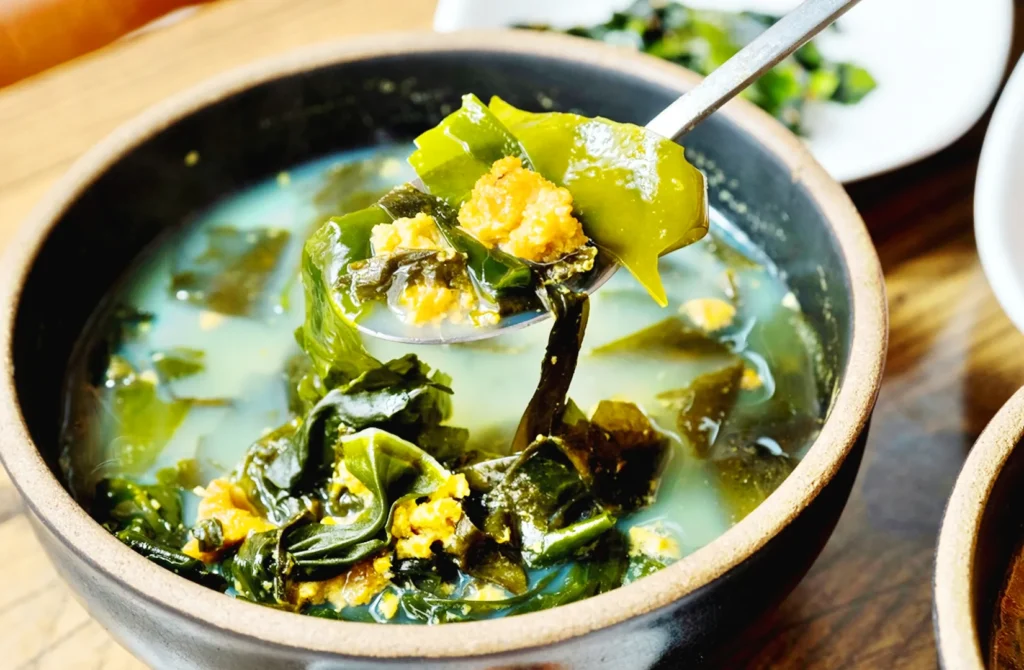
Taking a slow sip of the hot, opaque broth, the taste of the island is immediate. It is savoury, oceanic, and deeply grounding. It remains a profound reminder that our most meaningful food rituals are often the simplest ones, woven quietly into the fabric of our everyday lives.

Why My Quest Ended at Yummy Western (409 AMK)
Dio Asahi | March 10, 2026
There’s a specific magic to a late-night supper hunt in Singapore. It’s the ritual of chasing a craving through the humidity to find that one stall that hits the spot. For me, that meant a pilgrimage to Ang Mo Kio Avenue 10. I arrived at 10 PM on a Friday, just as the ‘supper soul’…
-
A Taste of Time: My Dinner at Guan Hoe Soon
Eda Wong | March 7, 2026
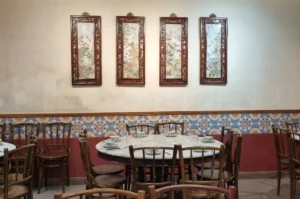
There’s something special about visiting a place that has seen decades of Singapore’s history unfold. Guan Hoe Soon, tucked away on Joo Chiat Road, holds the title of Singapore’s oldest Nyonya restaurant, and you can feel that heritage the moment you step inside. I’d heard about it for years, a place where recipes aren’t just…
-
The 6 Best Halal Restaurant in Singapore for Authentic Nasi Padang
Eda Wong | March 5, 2026
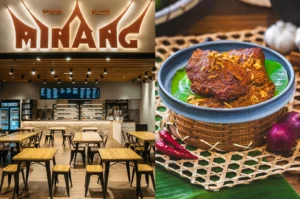
There are few meals as satisfying as Nasi Padang, a colourful feast where you choose from a variety of dishes to create your perfect plate. Over the years, I’ve explored Singapore’s Nasi Padang scene, especially in Kampong Glam, sampling everything from humble hawker stalls to renowned spots. This list highlights the best halal Nasi Padang…
-
The Global Soup Bowl: How Indonesian Soto Shapes the Future of Asiatic Food Traditions
Dio Asahi | March 3, 2026
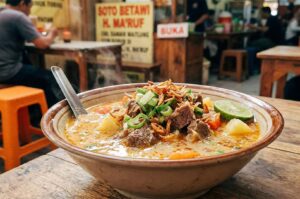
I still remember my first “real” bowl of Indonesian soto. Sitting on a low plastic stool in a cramped warung, I ordered Soto Betawi, expecting it to be like the clear Soto Ayam from Singaporean weddings. I was wrong. The rich, milky broth was intense, creamy, and boldly spiced. That first spoonful rewired my idea…
-
Shun: Japan’s Seasonal Treasures – A Deep Dive Into the Ingredients Behind True Omakase
Eat Drink Asia Team | February 28, 2026
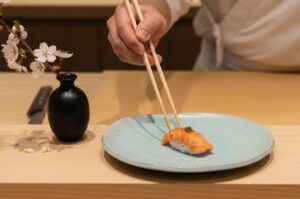
In the world of Asian food, few dining experiences capture the soul of traditional Japanese food culture like omakase. At a premier omakase restaurant, diners entrust their meal entirely to the chef, whose artistry is guided not just by mastery, but by shun—the appreciation of seasonal and fresh ingredients at the absolute peak of their…

My Trip to Bánh Mì Saigon and How It Compares to Best Food in Singapore
Eda Wong | February 26, 2026
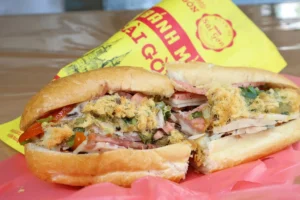
Located in the bustling neighborhood of Ang Mo Kio, Bánh Mì Saigon offers a taste of Vietnam right here in Singapore. From traditional bánh mì sandwiches to hearty pho bowls and refreshing Vietnamese iced coffee, this restaurant has it all. I arrived at Bánh Mì Saigon on a busy Saturday evening and was immediately drawn…
-
Tea Room by Ki-setsu: A Curated Journey Through Chinese Tea in the Heart of Singapore
Dio Asahi | February 25, 2026
Most people arrive at Chinese tea the way they arrive at any beverage: thirsty, curious, maybe looking for something sweet or soothing. But traditional chinese tea isn’t built like a single drink. It’s a network: leaf origin, processing choices, vessel physics, water, pacing, and the quiet social technology of sitting down long enough for a…
-
Tandoori Chicken: The Signature Indian Chicken Dish
Eda Wong | February 24, 2026
Tandoori chicken stands tall among the best Indian chicken recipes. With its vibrant hue and smoky aroma, this iconic Indian chicken dish is celebrated in Indian restaurants worldwide. Emerging from Punjab, it pairs perfectly with fragrant basmati rice or fresh naan and is a favorite for anyone who loves bold flavors. The hallmark of tandoori…
-
Chicken 65: A Fiery Indian Chicken Recipe You Must Try
Eat Drink Asia Team | February 21, 2026
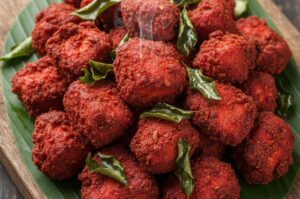
We’ve spent months tracking the ‘shatter-rate’ of chicken across the South, and here’s the truth: most of what you find is a pale, food-colored imitation. The real Chicken 65 isn’t just spicy; it’s an atmospheric experience. It starts with the sharp, herbal snap of curry leaves hitting 180°C oil and ends with a deep, earthy…
-
Mastering the Art of Indian Dishes with Chicken
Eda Wong | February 19, 2026
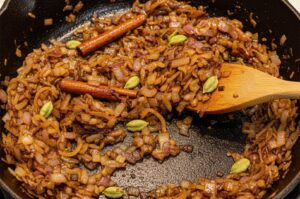
The story of India’s culinary identity is deeply tied to its poultry dishes. I remember my first attempt at an Indian chicken recipe, failing to brown the onions properly left the dish hollow, missing its soul. The sound of mustard seeds popping in hot oil signals layers of flavor to come. The steam from the…