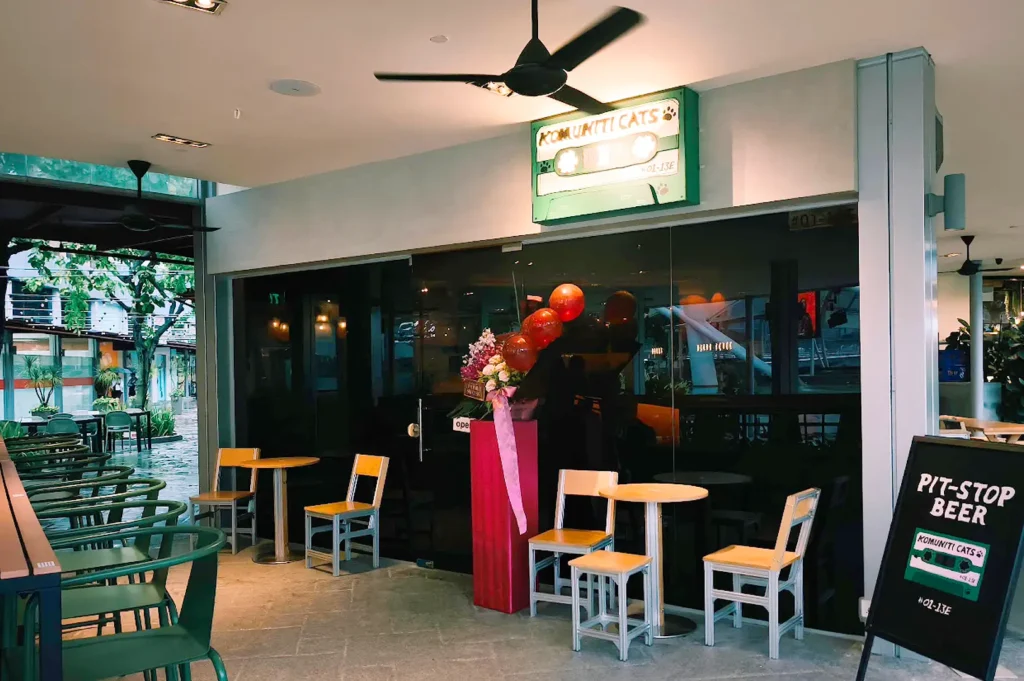
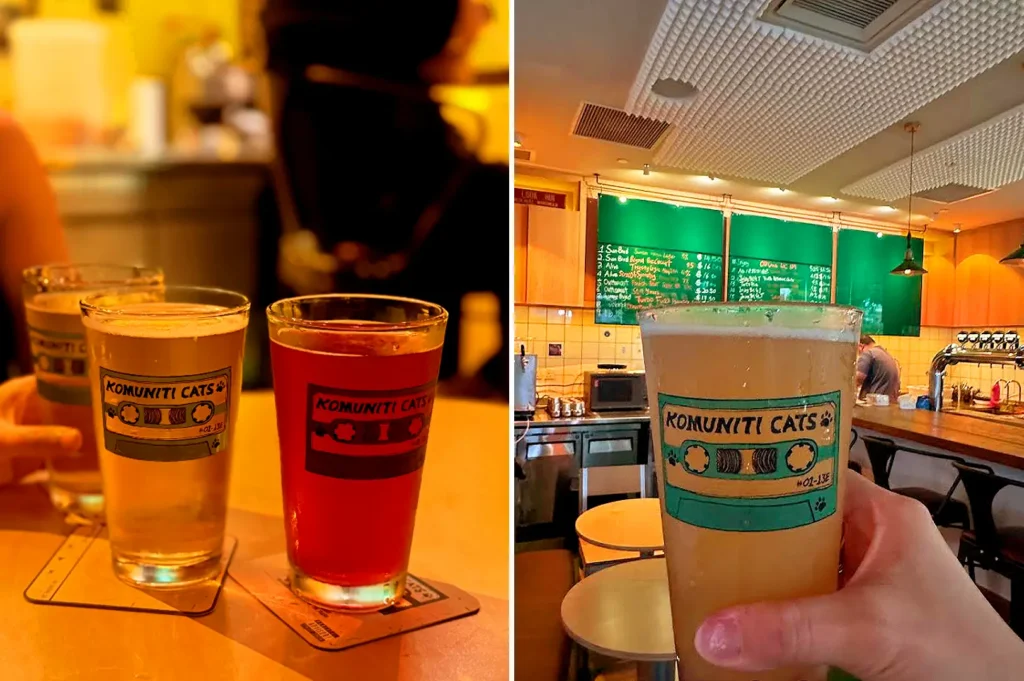
People who describe finding Komuniti Cats usually mention the same landmark: a large cassette-tape sign marked with paw prints. It’s a playful thing to look for at the Esplanade, a stretch of the city better known for concert halls and the bay. The sign marks a bar with a clear purpose. It pours Singapore’s independent breweries, with a few regional beers alongside, near the water. This komuniti cats review looks at why that focus matters and where the plan still feels unfinished.
Inside Komuniti Cats
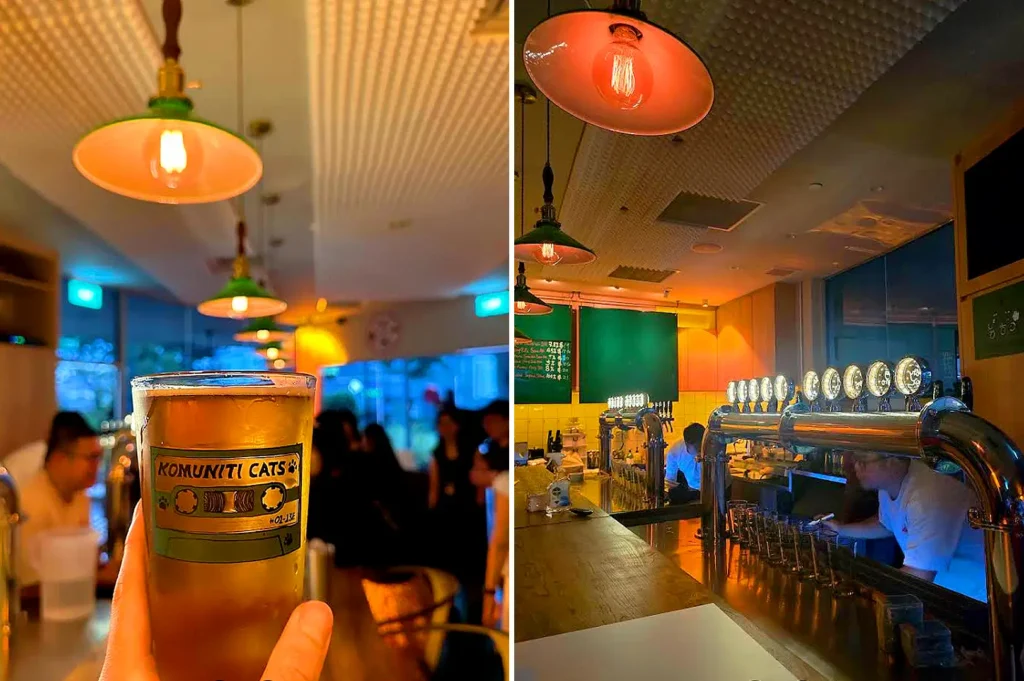
Komuniti Cats sits in the Esplanade Annexe in Downtown Core. It’s an independent craft beer bar, and its team is associated with Locality Craft Beers and AfterJourney. That link is the most useful thing to know before you go.
The people behind it come from smaller, community-minded beer bars. Here, that same loyalty to local brewing moves to a far more prominent address. The space is described as casual, with a covered terrace that faces the waterfront.
In my reading of the craft beer Singapore scene, that’s an interesting shift. A bar devoted to small producers would usually sit somewhere quieter. This one sits where concertgoers and visitors already pass.
What Komuniti Cats Pours
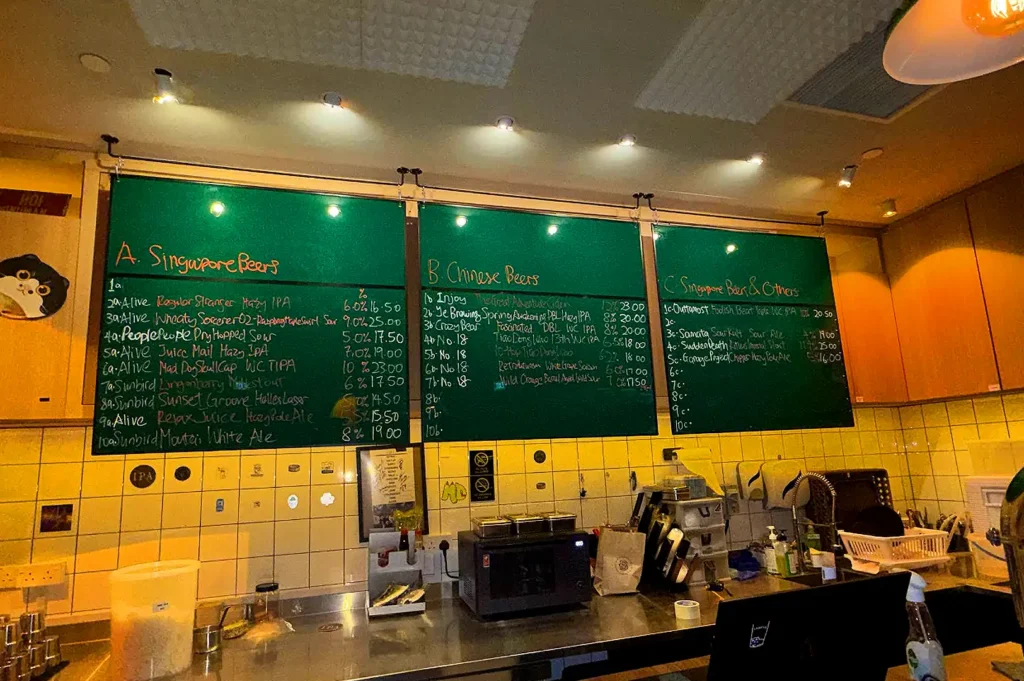
Public listings point to capacity for up to 20 draught taps. Treat that number as a ceiling, not a promise. The taps rotate, so fewer beers may be pouring on any given night.
The emphasis falls on Singapore’s independent breweries, with selected regional beers beside them. That narrower lens is the point. You don’t come here for a world tour of styles. You come to see what small local brewers are making right now.
Past check-ins give a sense of the bar’s taste:
- Outtamost Brewery: First Crush and Unbreak My Heart
- Sunbird Brewing Company: Breezy Summer NEIPA and Island Breeze White Ale
- West Coast Brewing: Starwatcher
None of these is guaranteed to be on when you arrive. They’re a record of what the bar has poured, not a fixed menu.
The two Sunbird styles still say something useful. A New England IPA generally leans on a hazy, soft body and juicy hop aroma, with gentler bitterness than many IPAs. A white ale is usually lighter and often brewed with wheat. Either style makes sense as an opening glass on a warm evening.
Here’s how I’d approach the board. I’d read the full tap list before ordering anything. Then I’d ask which local breweries are pouring that night and start with the one I know least. If a regional beer is on, I’d order it next to a Singapore beer and compare the two. A rotating list rewards curiosity more than loyalty to one favorite.
The Setting and the Drinking Experience
The covered, waterfront-facing terrace is the bar’s clearest advantage. Cover matters in Singapore. A sudden downpour doesn’t have to end the evening.
The location also changes who might walk in. Komuniti Cats suits a drink before or after an Esplanade performance, which few beer bars can offer. A neighborhood taproom depends on regulars. A bar here can also welcome someone with a ticket in their pocket and an hour to spare.
Food is the main practical uncertainty. The available venue information does not establish a regular kitchen menu, although an earlier listing indicated that a food offering was being developed. Anyone planning dinner alongside their beer should confirm the current options before visiting.
That uncertainty matters most for groups organising a complete evening around one venue. Until a regular menu can be confirmed, Komuniti Cats is easier to recommend for its beer selection and waterfront setting than as a guaranteed dinner destination.
What Komuniti Cats Could Do Better
The honest weak spot is predictability. Regular food availability is uncertain, and the rotating selection means you can’t count on any specific beer being there.
For a casual drinker, that’s manageable. For someone crossing the island to try one particular Sunbird or Outtamost release, it’s a real risk.
The food question weighs more. Without a confirmed menu, a group can’t easily treat Komuniti Cats as a full night out. Hungry drinkers will need a second stop. Whereas Craft Beer by Ki-setsu at Fortune Centre pairs a compact beer range with a full Japanese izakaya kitchen, Komuniti Cats puts its weight on independent and regional brewing in a waterfront setting.
Who Should Visit
Komuniti Cats suits drinkers who follow independent breweries and enjoy discovering what’s new on a tap list. It also works for Esplanade audiences who want a drink before or after a performance. Groups looking for a casual waterfront round will find it a natural fit.
If you want a guaranteed meal or a beer you already know you love, another singapore craft beer bar may serve you better. For more options, browse the rest of the craft beer bars we rate in Singapore.
Practical Details and Verdict
- Address: #01-13E, Esplanade Annexe, 8 Raffles Avenue, Singapore 039802
- Hours: Listed as daily, 4pm to 1am. Confirm before you go.
- Beer: Up to 20 rotating draught taps, focused on Singapore independents plus regional picks
- Food: Not confirmed. Check ahead or eat beforehand.
- Prices: Check the board on arrival.
So, is Komuniti Cats worth finding? Yes, if the beer is your reason for going. It brings the instincts of smaller community bars to a far more public stretch of waterfront. Arrive curious, arrive fed, and let the tap list decide.

The Global Phenomenon of Korean Instant Noodle: A Cultural and Culinary Journey
Eda Wong | January 24, 2026
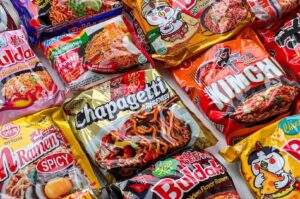
In the high-octane streets of South Korea, where the “pali-pali” (hurry-hurry) culture defines the pace of life, one dish stands as the ultimate equalizer of speed and satisfaction: Korean ramyeon. While the world often uses the terms ramen and ramyeon interchangeably, the Korean version is a distinct entity. It is not merely a quick snack…
-
Traditional Ramyeon: The Soulful Heart of Korean Noodle Culture
Eat Drink Asia Team | January 20, 2026
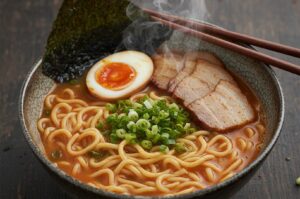
In the bustling culinary landscape of South Korea, few comfort foods can match the satisfaction of a steaming bowl of ramyeon. While outside of Korea, “ramyeon” often brings to mind Korean instant noodles or instant ramen, true ramyeon Korean style refers to the artful, freshly prepared noodle soup enjoyed in homes and at local restaurants…
-
The Heart of the Korean Noodles: History and Texture
Eda Wong | January 17, 2026
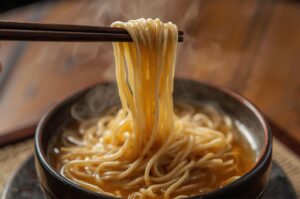
In Korea, a bowl of noodles is far more than a simple dish; it is a cultural anchor that has weathered centuries of change. For generations, the length of the strand has symbolized a long and prosperous life, making Korean noodles a staple at birthdays, weddings, and the milestone 60th birthday celebration known as hwangap….
-
Preserving the ‘Big Bowl’ Tradition with Pen Cai Delivery in the Age of Doorstep Dining
Eat Drink Asia Team | January 15, 2026
Modern Festive Menu: Bringing the Big Bowl Home There is a special, undeniable magic to the Chinese New Year reunion dinner. For many families, Chinese New Year 2026 is another chance to gather loved ones at the table and celebrate with a glorious pen cai—sometimes called the “big bowl feast”—overflowing with premium ingredients and festive…
-
Sencha: Traditions, Flavors, and the Essence of Japanese Tea
Eat Drink Asia Team | January 15, 2026
When people around the world think of Japanese tea, images of tranquil tea ceremonies in small rooms or frothy bowls of matcha often come to mind. Yet, the reality of tea drinking in Japan is much broader, woven deeply into the culture and daily habits. For the vast majority, sencha is the beloved tea that…
-
The Best Restaurants Tokyo Are Rarely the Ones You Plan For
Eda Wong | January 12, 2026
Tokyo, Japan’s capital, does not reward urgency. It rewards return. On my first visit, I chased what everyone told me were the best restaurants Tokyo had to offer. I spent weeks highlighting maps, bookmarking digital “must-eat” lists, and refreshing reservation pages until my eyes blurred. I thought that by conquering the top-tier establishments, I would…
-
Japan and Food: Culinary Harmony – The Deep Connection Between Japanese Food and Culture
Eat Drink Asia Team | January 11, 2026
When it comes to Japan and food, the two are intertwined in ways that captivate taste buds and awaken the senses. Japanese cuisine stands as one of the world’s most revered traditions—more than nourishing meals, it is an art reflecting centuries of philosophy and a window into Japanese culture itself. Every bowl of miso soup,…
-
The Verdant Cup: A Celebration of Green Tea in Japan
Eda Wong | January 10, 2026
In Japan, green tea is much more than a beverage. It marks a moment of pause, hospitality, and tradition. The story of green tea in Japan weaves through centuries of culture, artistry, and daily life—bridging ancient rituals like the Japanese tea ceremony to everyday meals enjoyed at home. The origins and beginning of Japanese tea…
-
Japanese Green Tea from Japan: The Story of Matcha
Dio Asahi | January 8, 2026
On a misty April morning in Kyoto, I knelt on tatami in a small tea room outside Uji, Japan. The host, dressed in kimono, moved with quiet skill as she scooped matcha powder into a ceramic bowl. The air was filled with the aroma of aged wood mixed with the grassy scent of high quality…
-
Takoyaki: The Sizzling Heart of Japan Food Culture
Dio Asahi | January 3, 2026
What is Takoyaki and Why Does it Matter in Japanese Food Culture? In the bright heart of Osaka, the sizzle of takoyaki batter signals one of Japan food culture’s most beloved street foods. Lines form at street stalls drawn by the delicious food aromas of sweet-savory sauce and bonito flakes dancing on golden spheres. Takoyaki,…