By Eda Wong for Eat Drink Asia.
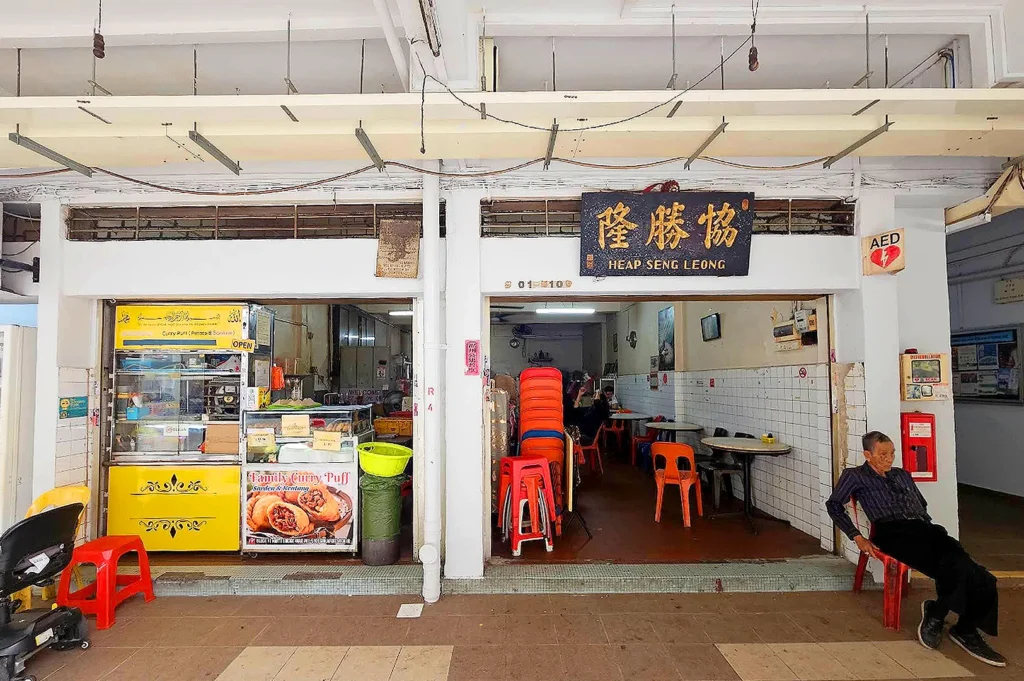
It is not yet seven, and the uncle at Heap Seng Leong has the pot going. He works the sock strainer over the tin cup with both hands, dipping and lifting, dipping and lifting, coaxing the coffee through the worn cloth. Steam rises between his fingers. The smell reaches me before the cup does, dark, smoky, almost burnt at the edges, sweetened by something warmer underneath. He doesn’t look up. His hands know the rhythm without him.
In this new era of cafe-hopping, you can find cafes in which their interiors speak before their roasts do in situations like these, https://sgnomadphotographer.com/how-to-photograph-cafes/.
What the uncle is pouring is kopi, said simply “koh-pee.” The beans are roasted dark, often with sugar and a little butter or margarine folded into the roast, which is why the aroma carries that toasted, caramel weight you don’t find in a plain espresso. The cloth strainer — that soft sock, stained deep from years of use, is the whole quiet secret. He steeps the grounds in it like tea, then strains, then strains again, pulling the coffee back and forth until the body turns thick and rounded. Paper filters would strip that away. The cloth lets the oils through. It gives kopi its weight on the tongue, that particular softness no machine quite manages.
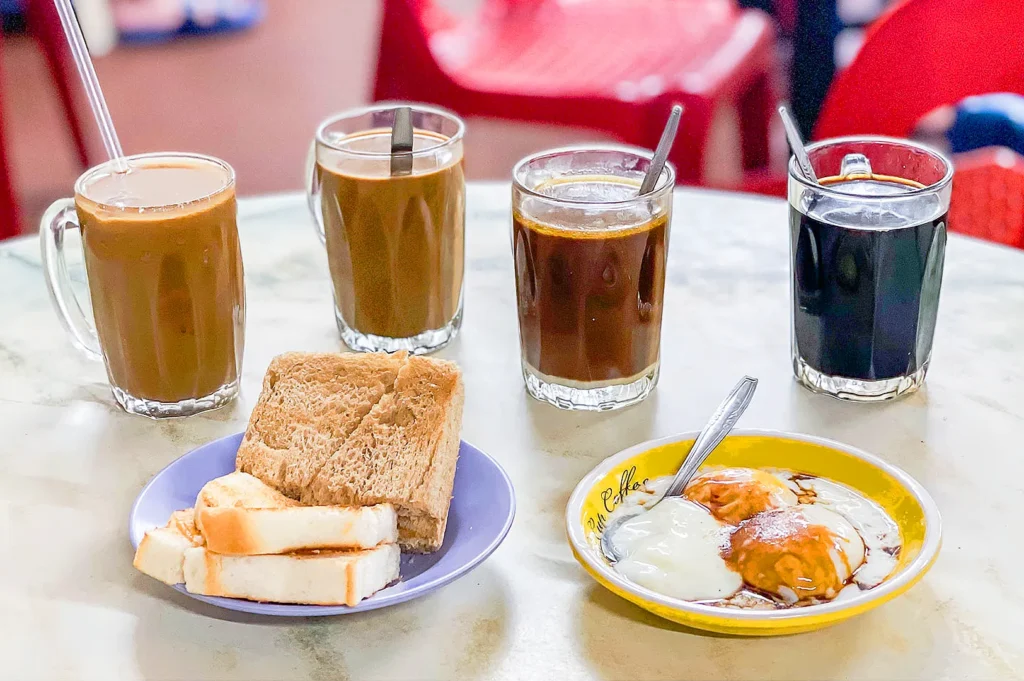
You order it in a shorthand that sounds like code until you grow up with it. Kopi, with condensed milk. Kopi-o, black with sugar. Kopi-c, with evaporated milk instead. Kopi siu dai, less sweet, for the ones watching their sugar in later years. Nobody explains it to you. You learn it the way you learn most things at a kopitiam table, by listening, by ordering wrong once, by watching your grandfather do it a thousand mornings. The stall is where the neighbourhood wakes up together. Old men with newspapers. A taxi driver on his break. The same faces, the same seats, the same nod from the uncle who already knows what you want.
Capsules that click into a machine. Even the so-called best cafés in Singapore with single-origin beans and latte art and prices that would make the uncle laugh. I don’t begrudge any of it. But the sock strainer is a slower thing, and slower things tend to leave first. Fewer hands know the pour now, the timing of it, the wrist, how long to let the grounds sit before the cloth is lifted. It is a skill held in the body, not written down anywhere, and bodies grow tired. When this uncle retires, the pour retires with him.
He sets the cup in front of me. Dark, glossy, a thin skin already forming on top. I don’t reach for a photo. I just drink it, the way it’s meant to be drunk — hot, quick, before the morning fully arrives.
The cloth goes back into the pot for the next one.

Cracking the Code of Telur Thai: Inside Egg Thai West Mall, a Kitchen That Tells a Story
Dio Asahi | April 23, 2026
I visited on a Tuesday around 7pm, completely exhausted from a long day of meetings and staring at screens. I wasn’t looking for a fancy culinary journey or a trend-setting dining experience. Honestly, I just wanted a quick, comforting meal that would hit the spot without emptying my wallet. That specific craving led me to…

Sanook Kitchen’s Thai Omelette Rice: A Heartland Answer to Singapore’s Thai Food Saturation
Eda Wong | April 21, 2026
If you live in Singapore, you know that finding Thai food is about as difficult as finding a humid day. We are spoiled for choice. From gritty hawker stalls serving fiery basil pork to upscale restaurants where a bowl of tom yum costs more than a taxi ride, the options are endless. But sometimes, you…
-
The Golden Fold: How Thailand’s Street-Side Omelette Became a Morning Ritual
Dio Asahi | April 18, 2026
Dawn breaks over Bangkok with a familiar symphony. Before the intense heat settles and the traffic swells into a steady roar, the city streets belong to the food vendors. Amid the clatter of metal tools and the hum of early commuters, one sound stands out: the furious, bubbling sizzle of eggs hitting smoking-hot oil. This…

Lesson I Didn’t Expect: How Fourgather’s Easy Asian Recipes Taught Me to Cook at Home
Eda Wong | April 16, 2026
For the longest time, I was convinced that cooking authentic Thai food at home was out of my league. I imagined complex pastes, hours of simmering, and a mountain of ingredients I couldn’t pronounce. I was happy to leave it to the experts. But a casual dinner at Fourgather, a stylish Thai eatery in Telok…
-
Between Aesthetic and Appetite: The Modern Food Blogger’s Dilemma
Eda Wong | April 15, 2026
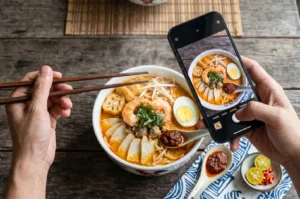
In our first, would probably say, emotional editorial, I would like to open with how there is a particular kind of silence that happens before a dish is eaten now. Not the quiet of anticipation, but the pause of positioning, a hand hovering just above the plate, adjusting the angle of a bowl so the…
-
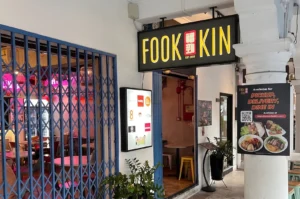
Chasing Flavor: How Fook Kin Taught Us to Cook Asian Cuisine Recipes the Right Way
Eat Drink Asia Team | April 14, 2026
For years, we told ourselves that truly great Asian cooking was a mystical art form, a craft reserved for seasoned hawker uncles or Michelin-starred chefs with decades of experience. Our own attempts at home often felt like pale imitations, lacking that deep, smoky flavour or that perfect textural contrast we craved. Then, we had dinner…
-
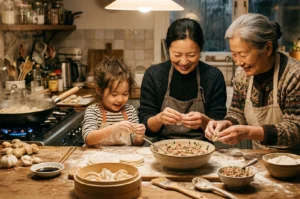
Connecting Generations: How Asiatic Food Builds Family Bonds Across Time
Dio Asahi | April 11, 2026
Whenever I smell toasted sesame oil hitting a hot wok, I am instantly transported back to a tiny, bustling kitchen from my childhood. The air would be thick with the aroma of ginger, garlic, and slow-simmering soy sauce. Before a single word was spoken, the meal was already telling a story. For many of us,…
-
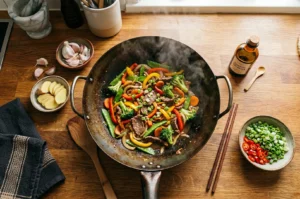
A Comprehensive Resource for Oriental Foods Recipes for the Modern Home Cook
Eda Wong | April 10, 2026
For years, I thought cooking Asian food at home required something mystical. My stir-fries were soggy, lacking that smoky breath of the wok. My fried rice was inconsistent, sometimes clumpy, other times dry. My sauces tasted flat, missing the balance of savory, sweet, and tangy flavors I craved. I assumed restaurants had secrets I’d never…
-
Pour Decisions: The Best Bars in Singapore for Craft Beers and More
Dio Asahi | April 9, 2026
Walking through the humid streets of Singapore at dusk, you can feel the city transforming. The tropical heat fades into neon lights, and the clinking of glasses begins to echo from narrow shophouses and towering skyscrapers. Singapore boasts a dynamic bar scene that rivals any global metropolis. From opulent destinations like to the laid back charm,…
-
The 8 Best Chinese Restaurants in Singapore: From Dim Sum to Peking Duck
Dio Asahi | April 7, 2026
Singapore’s best chinese restaurants in singapore function less like isolated dining rooms and more like a networked system of technique. Across these chinese restaurants, you see branches of chinese cuisine expressed through roast mastery, controlled fermentation, seafood purity, and banquet choreography. This is not simply a guide to chinese food. It’s a mapped culinary journey…