The afternoon humidity presses against the open-air teahouse in downtown Yangon, where the sharp clatter of a silver spoon against ceramic cuts through the low hum of conversation. A small plate sits in the centre of a low plastic table, holding a dense, dark green cluster that smells faintly of damp earth and sharp lime. Surrounding it are neat little mounds of toasted peanuts, fried garlic, roasted sesame seeds, and dried shrimp. As the server pours pale, steaming green tea into small handleless cups, the diner begins to toss the ingredients together. The rhythmic crunch of the fried aromatics blending into the wet, bruised leaves creates a sound that is entirely distinct: the quiet, constant percussion of a shared culinary journey.
Communal dining traditions in Asia are shaped by shared meals that forge lasting bonds, carrying cultural heritage forward from one table to the next.
At the heart of this dish is lahpet (pronounced lah-pet), the fermented tea leaves that define Myanmar’s signature tea leaf salad, or lahpet thoke. Unlike the rest of the world, which primarily drinks its tea, Myanmar eats it. The process of transforming a bitter, astringent leaf into an edible delicacy is an exercise in profound patience. After the young leaves are harvested, they are steamed to halt oxidation, packed tightly into bamboo vats or clay pots, and buried underground or weighed down with heavy stones for months. This slow, anaerobic fermentation breaks down the rigid cellular structure. Once unearthed, the leaves are thoroughly rinsed and kneaded by hand with peanut oil, garlic, and chilli until they yield a soft, velvety texture. The result is an intensely complex ingredient: tart, slightly bitter, and deeply savoury, offering a celebration of flavours that grounds the entire dish.
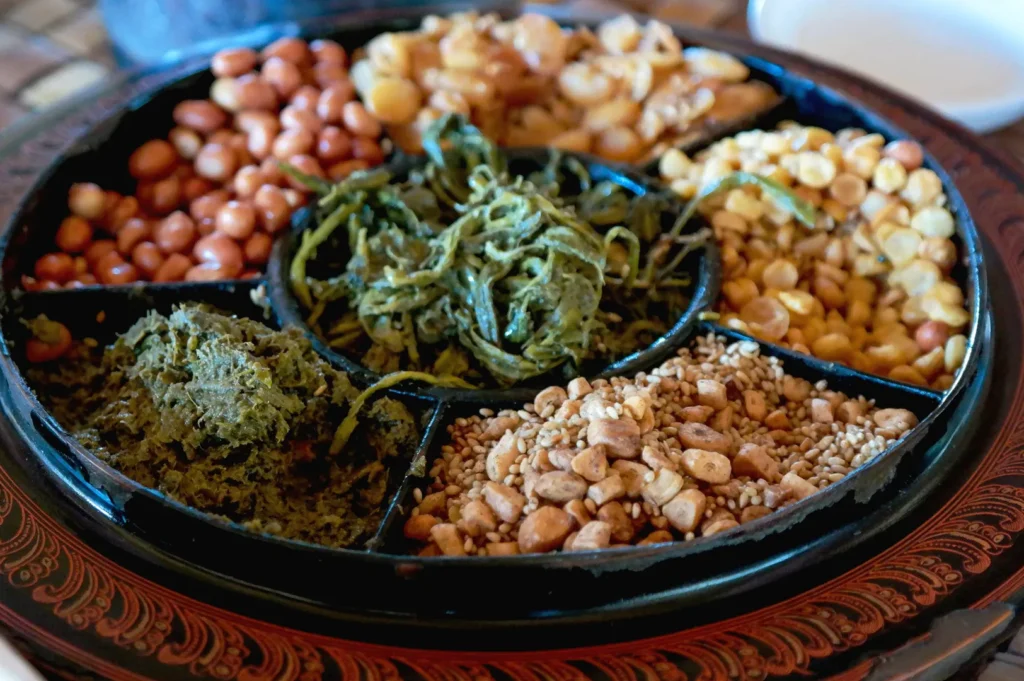
To understand lahpet is to understand the mechanics of Burmese hospitality. It is rarely consumed alone; rather, it is the anchor of shared experiences. Historically presented to guests in a shallow, compartmentalised lacquerware tray called a lahpet ohk, the leaves sit in the centre while the crunchy garnishes occupy the outer ring. This deliberate separation allows each person to customise their bite, negotiating the exact ratio of sour tea to rich nuts and sharp garlic. Serving it is an act of welcoming, an unspoken etiquette that transforms a simple visit into an occasion. It functions as both a stimulant and a social lubricant, keeping conversations going long into the evening while providing a bright, textural contrast to the heavy heat of the day.
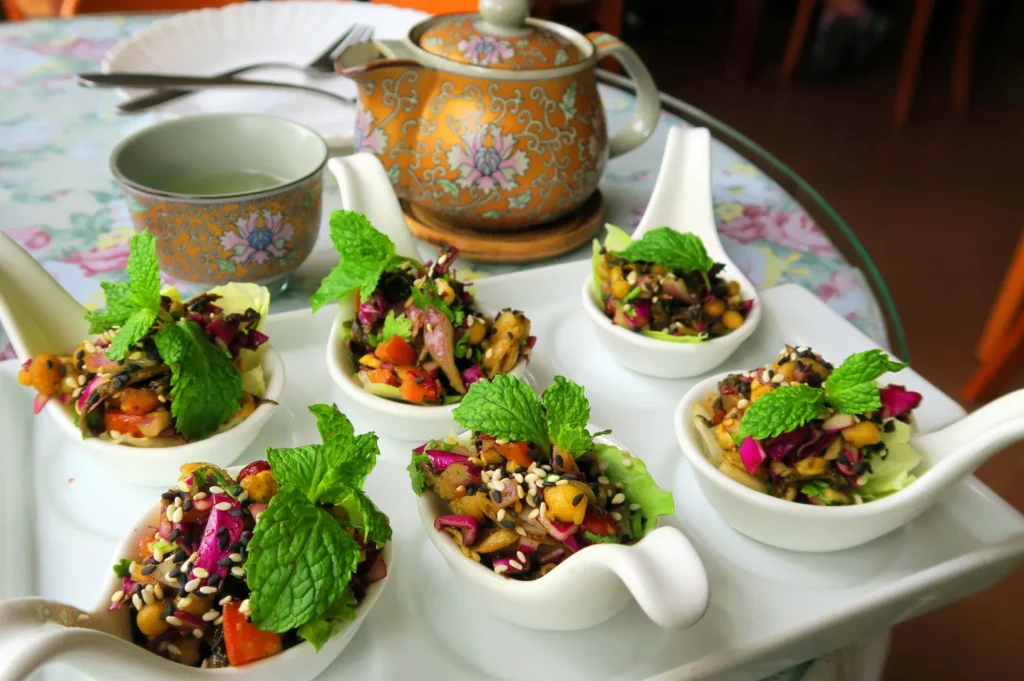
What feels vital about this dish right now is its resistance to complete uniform convenience. While modern urbanisation has introduced vacuum-sealed, ready-to-mix packets for quick consumption on the go, a true lahpet thoke demands physical interaction. The aesthetic appeal of a pre-mixed, visually flawless salad cannot replace the tactile appetite required to build the bitter-sour balance yourself. The tension between the soft, oily leaves and the brittle crunch of the fried beans must be immediate; if left sitting too long, the texture collapses. It is an innovative yet ancient approach to eating that requires the diner to be entirely present in the moment.
Scraping the last remaining cluster of seeds and tea from the bottom of the plate, the lingering astringency leaves a clean, waking sensation on the palate. It is a quiet reminder that the most compelling foods do not just feed us; they invite us to taste the world through the slow, deliberate work of time and shared tables.

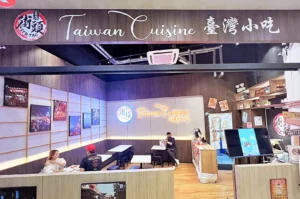
STR TAO Taiwan Cuisine and the Comfort of a Menu That’s Too Big to Be Lazy: Food Places Nearby
Eat Drink Asia Team | July 25, 2026
It was the kind of evening where you don’t want to think too hard about dinner. I’d been walking up East Coast Road, the air still thick from an afternoon shower, when I ducked into a coffeeshop just to sit down. The Bullion Hawker Bar. And tucked among the usual suspects — wanton mee, Hokkien…
-
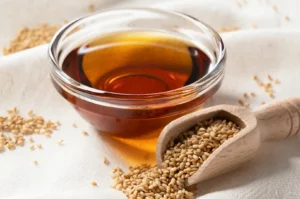
Sesame Oil at the End: Finishing, Not Flavoring
Eda Wong | July 24, 2026
The wok is already off the heat. The greens sit glossy and dark, steam still curling off them. My mother lifts a small bottle, tilts it, and lets a thin line of sesame oil fall across the top. It hisses faintly against the warm leaves, and the smell rises all at once — toasted, nutty,…
-
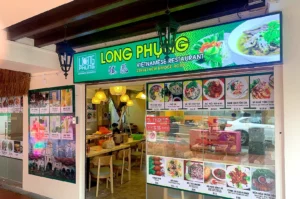
Long Phung Vietnamese Cuisine, Where the Menu Doesn’t Waste Words: A Good Restaurant Close to Me
Eda Wong | July 23, 2026
I came in from the rain on a Tuesday, somewhere past 8pm, hungry and a little defeated by the day. The fan was clacking. A queue of three or four people stood near the doorway, dripping. Someone shouted an order toward the kitchen in Vietnamese, and a bowl of pho slid onto a nearby table…
-
The First Squeeze of Calamansi in a Noodle Stall Bowl
Dio Asahi | July 22, 2026
The bowl lands in front of me, broth still trembling from the walk across the stall. Steam rises and fogs the edge of my glasses. To the side sits a small dish of calamansi halves, cut and waiting, their skins slick under the fluorescent light. I pick one up. It gives slightly between my fingers,…
-
Isshin Machi East Coast: Where Comfort Food Turns Addictive
Dio Asahi | July 21, 2026
Let me clear up the first puzzle right away. The name “Isshin Machi” sounds unmistakably Japanese, and I’ll admit I walked in half-expecting ramen and gyoza. What I found instead was a Taiwanese kitchen, plates of lu rou fan, braised beef noodles, and golden fried chicken that trace straight back to the island’s home cooking….

Best Cafe Singapore: A Map of Brunch Plates, Quiet Corners, and Dangerous Pastries
Dio Asahi | July 18, 2026
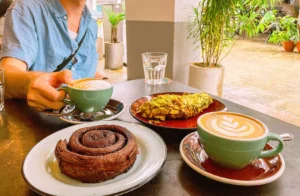
I didn’t set out to make a list. I made a habit. Over the years, cafes became the places I went to think, to wait out the rain, to sit with a coffee I didn’t have to rush. Some I returned to for the food. Others, I returned to for the feeling — the way…
-
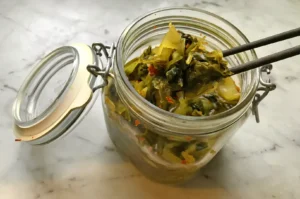
Pickled Mustard Greens: The Sour Note in Clear Broth
Eda Wong | July 17, 2026
Steam lifts from a bowl of clear pork broth, and a spoonful of chopped pickled greens slides in. The broth shifts at once, its richness suddenly cut by a sharp, clean sourness that sits high and bright on the tongue. The greens have softened in the heat but keep a faint, springy crunch. Someone leans…
-
The Potato Curry That Teaches You How Spices Wake Up: A Beginner’s Indian Cooking Lesson
Eda Wong | July 16, 2026
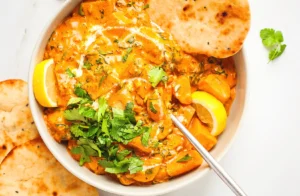
The first time I made aloo curry on my own, I burned the cumin. I remember standing in my tiny HDB kitchen, watching those little seeds go from golden to black in what felt like one breath, and thinking: this is harder than it looks. But here’s what that bitter, smoky disaster taught me, the…
-
Bamboo Skewers and Smoke: Street Grills in Chiang Mai
Dio Asahi | July 15, 2026
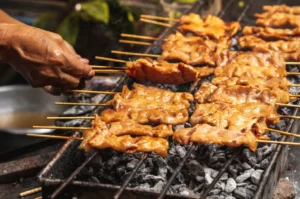
The cart glows at the edge of the lane just as the heat of the day finally loosens. A woman fans the coals with a flattened piece of cardboard, and the embers brighten orange under a row of skewers. Fat slides off the pork, hits the charcoal, and hisses upward in a thin curl of…
-
Chana Masala With Warm Roti, Built for Weeknights: Quick Vegetarian Dinner Recipes Indian
Dio Asahi | July 14, 2026
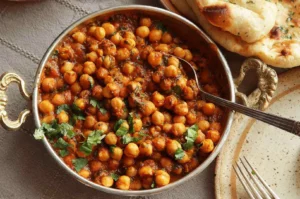
The first time I made chana masala, I started with dried chickpeas at 7:30 on a weeknight, soaking and boiling like the recipe said. By the time the curry was actually done, it was nearly ten and I’d already eaten half a loaf of bread out of sheer hunger. That night taught me something I…