The afternoon humidity presses against the open-air teahouse in downtown Yangon, where the sharp clatter of a silver spoon against ceramic cuts through the low hum of conversation. A small plate sits in the centre of a low plastic table, holding a dense, dark green cluster that smells faintly of damp earth and sharp lime. Surrounding it are neat little mounds of toasted peanuts, fried garlic, roasted sesame seeds, and dried shrimp. As the server pours pale, steaming green tea into small handleless cups, the diner begins to toss the ingredients together. The rhythmic crunch of the fried aromatics blending into the wet, bruised leaves creates a sound that is entirely distinct: the quiet, constant percussion of a shared culinary journey.
Communal dining traditions in Asia are shaped by shared meals that forge lasting bonds, carrying cultural heritage forward from one table to the next.
At the heart of this dish is lahpet (pronounced lah-pet), the fermented tea leaves that define Myanmar’s signature tea leaf salad, or lahpet thoke. Unlike the rest of the world, which primarily drinks its tea, Myanmar eats it. The process of transforming a bitter, astringent leaf into an edible delicacy is an exercise in profound patience. After the young leaves are harvested, they are steamed to halt oxidation, packed tightly into bamboo vats or clay pots, and buried underground or weighed down with heavy stones for months. This slow, anaerobic fermentation breaks down the rigid cellular structure. Once unearthed, the leaves are thoroughly rinsed and kneaded by hand with peanut oil, garlic, and chilli until they yield a soft, velvety texture. The result is an intensely complex ingredient: tart, slightly bitter, and deeply savoury, offering a celebration of flavours that grounds the entire dish.
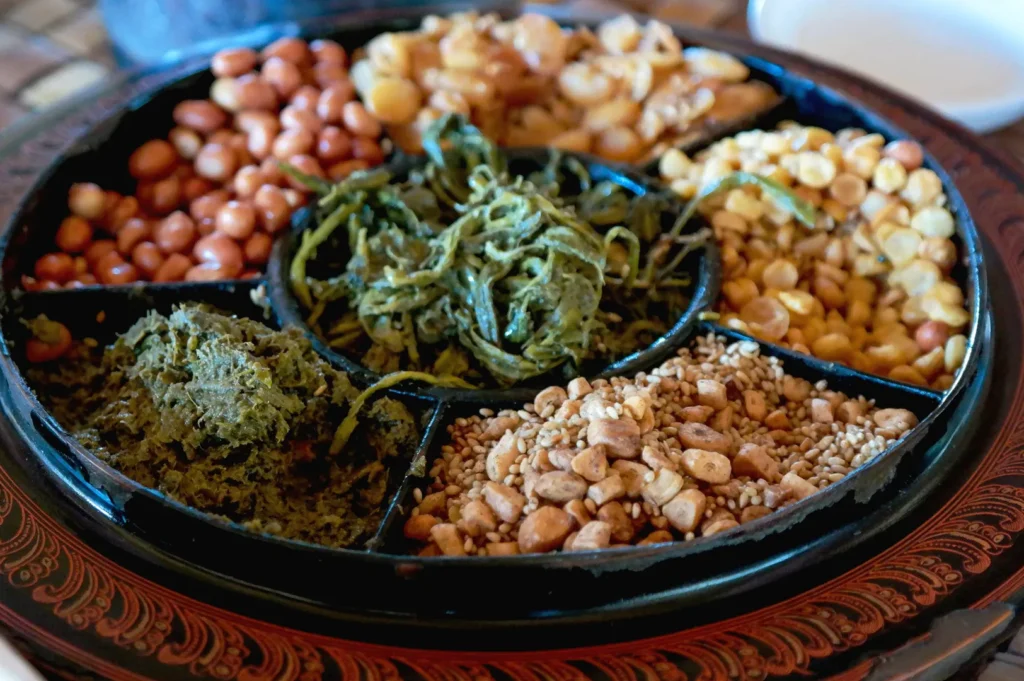
To understand lahpet is to understand the mechanics of Burmese hospitality. It is rarely consumed alone; rather, it is the anchor of shared experiences. Historically presented to guests in a shallow, compartmentalised lacquerware tray called a lahpet ohk, the leaves sit in the centre while the crunchy garnishes occupy the outer ring. This deliberate separation allows each person to customise their bite, negotiating the exact ratio of sour tea to rich nuts and sharp garlic. Serving it is an act of welcoming, an unspoken etiquette that transforms a simple visit into an occasion. It functions as both a stimulant and a social lubricant, keeping conversations going long into the evening while providing a bright, textural contrast to the heavy heat of the day.
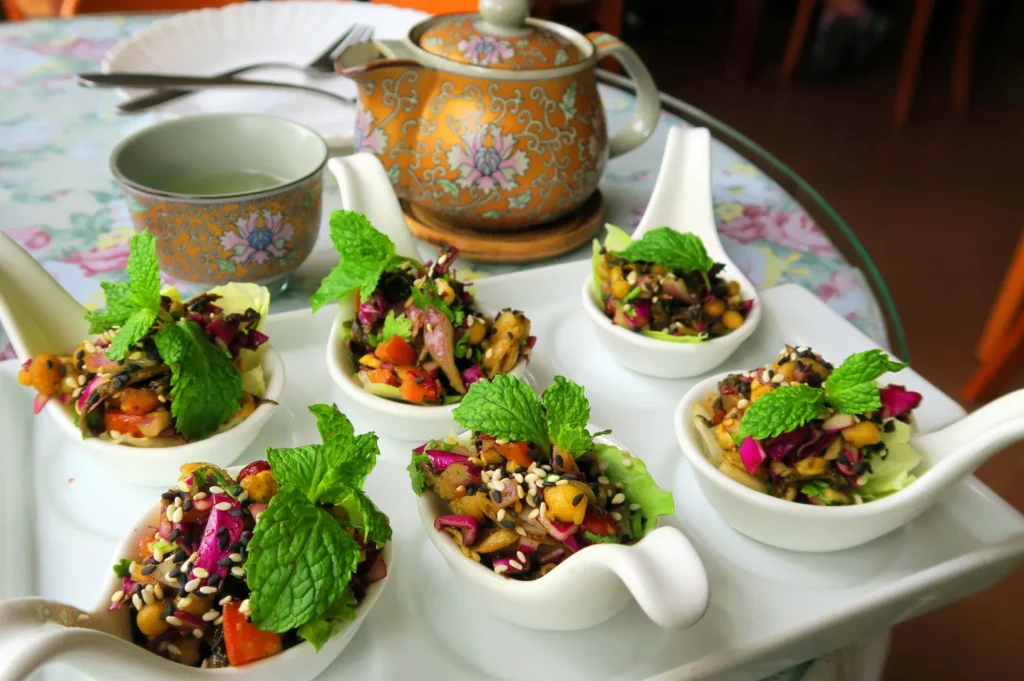
What feels vital about this dish right now is its resistance to complete uniform convenience. While modern urbanisation has introduced vacuum-sealed, ready-to-mix packets for quick consumption on the go, a true lahpet thoke demands physical interaction. The aesthetic appeal of a pre-mixed, visually flawless salad cannot replace the tactile appetite required to build the bitter-sour balance yourself. The tension between the soft, oily leaves and the brittle crunch of the fried beans must be immediate; if left sitting too long, the texture collapses. It is an innovative yet ancient approach to eating that requires the diner to be entirely present in the moment.
Scraping the last remaining cluster of seeds and tea from the bottom of the plate, the lingering astringency leaves a clean, waking sensation on the palate. It is a quiet reminder that the most compelling foods do not just feed us; they invite us to taste the world through the slow, deliberate work of time and shared tables.

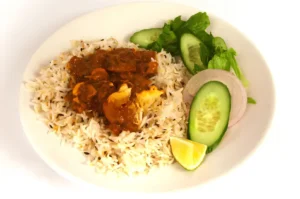
One-Pan Chicken Curry With Jeera Rice and Cucumber Raita: Food for Dinner Indian, Made Practical
Eat Drink Asia Team | July 11, 2026
The first time we cooked a full Indian dinner on a weeknight, the curry, rice, and raita felt like three separate tasks—three pans, three timers, and a kitchen full of wonderful smells but chaos. The curry was good, the rice sticky, and the raita watery from being made too early. That night taught us a…
-
Banana Leaf Steam: Why Some Rice Smells Like Home
Eda Wong | July 10, 2026
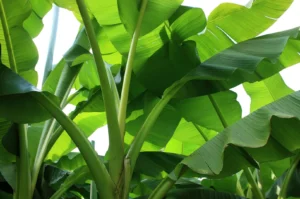
Steam rises from the pot, and a woman lifts a banana leaf over the open flame, turning it once, twice, until its stiff green softens and the surface goes glossy and pliant. She wipes it down with a damp cloth, then spoons hot rice into its center while the grains still steam. The leaf releases…
-
Tambuah Mas Paragon, Delivered: Unique Food Delivery Singapore With Old-School Comfort
Eda Wong | July 9, 2026
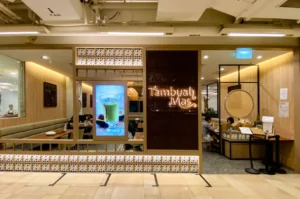
I ordered from Tambuah Mas on a rainy Sunday at around 6:15pm, mostly because I wasn’t in the mood to dress up and head into town, but I still wanted a proper meal. Not a sad one-bowl lunch. A real spread. That’s the thing about Tambuah Mas. It’s been around since 1981, serving Indonesian home-style…
-
Toasted Rice Powder: The Dust That Makes Larb Sing
Dio Asahi | July 8, 2026
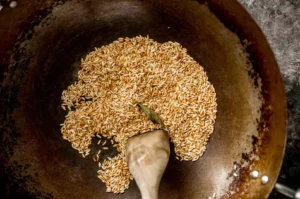
A wok sits over a low flame, and a handful of raw sticky rice slides across its dry surface. No oil, no water—nothing but heat and patience. The grains pale, then blush amber, then deepen toward the color of weak tea. Someone shakes the pan in a slow, even rhythm, listening as much as watching….
-
Ordering Lunch From Co Hai Banh Mi, and Finding Out the Definition of Good Food Delivery
Dio Asahi | July 7, 2026
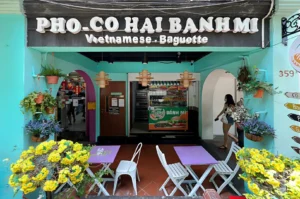
I ordered lunch from Co Hai Banh Mi & Phở Vietnamese Restaurant on a Thursday at 12:08pm, which is probably the worst and most honest time to test delivery food. It was raining lightly, the kind of Singapore lunch rain that makes every rider slower and every office worker hungrier. I had been thinking about…

Orchard Plaza Food: Hidden Japanese Restaurants and Local Eats Near Somerset
Eat Drink Asia Team | July 4, 2026
Orchard Plaza is one of those buildings we kept walking past before we properly understood it. From the street, it looks more like an office block than a dinner plan. But over repeated visits, usually after work or during odd lunch windows, we’ve found that the real charm sits behind lift doors, quiet corridors, and…
-
Salted Egg, Properly Treated: Sauce, Not Shortcut
Eda Wong | July 3, 2026
By Eda Wong for Eat Drink Asia. The wok station is already hot when the cook lowers the flame. In the narrow back of a Singapore zi char kitchen, the air smells of butter, curry leaves, and the faint mineral edge of salted duck egg. A metal spatula presses cooked yolks through oil until they…
-
Fish Sauce at the Table: The Quiet Work of Fish Sauce
Dio Asahi | July 1, 2026
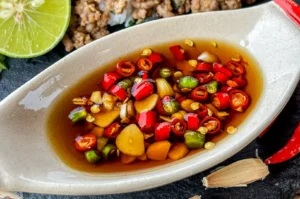
At a narrow lunch table in Bangkok, the bottle arrives before the rice has stopped steaming. It is clear glass, refilled many times, its plastic cap slightly stained from years of fingers and heat. Beside it sits a small bowl of sliced chillies floating in amber liquid, the cut edges pale and sharp. Someone nudges…
-
Eat 3 Bowls Bendemeer Review: A Taiwanese Comfort Food That Delivers
Eda Wong | June 30, 2026
I ordered Eat 3 Bowls @ Bendemeer on a Thursday at about 11:45am, which is my favourite test window for delivery food. It’s close enough to lunch for the kitchen to be in rhythm, but not so late that every rider in the neighbourhood is already fighting the office crowd. By 12:25pm, the bag was…
-
ABC Hokkien Mee After Renovation: What to Expect When the Woks Return
Dio Asahi | June 27, 2026
When I first walked past a hawker centre undergoing major renovations, the absolute silence unsettled me. The usual rhythmic scrape of metal spatulas against cast-iron woks was gone, replaced by the hum of construction. It made me realise just how much our culinary journeys are tied to the physical spaces we eat in. Right now,…