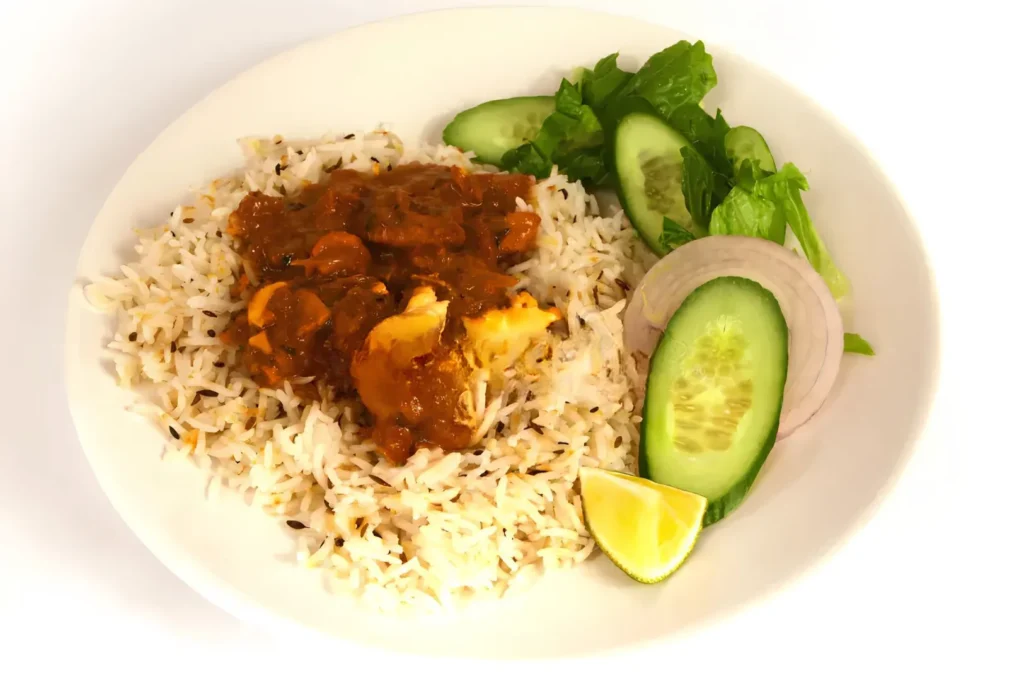
The first time we cooked a full Indian dinner on a weeknight, the curry, rice, and raita felt like three separate tasks—three pans, three timers, and a kitchen full of wonderful smells but chaos. The curry was good, the rice sticky, and the raita watery from being made too early.
That night taught us a key lesson: an Indian dinner is one coordinated system. The curry brings warmth and spice, the jeera rice offers a fragrant base, and the cucumber raita cools and balances the meal, much like Japanese curry featured on Eat Drink Asia.
Once we treated it as a single dinner with a clear workflow, everything became easier. Now, we can have this meal ready in 45 to 60 minutes, even after a long day. Here’s how we do it, including mistakes to avoid.
What You’ll Need for Food for Dinner Indian: Chicken Curry, Jeera Rice, and Raita
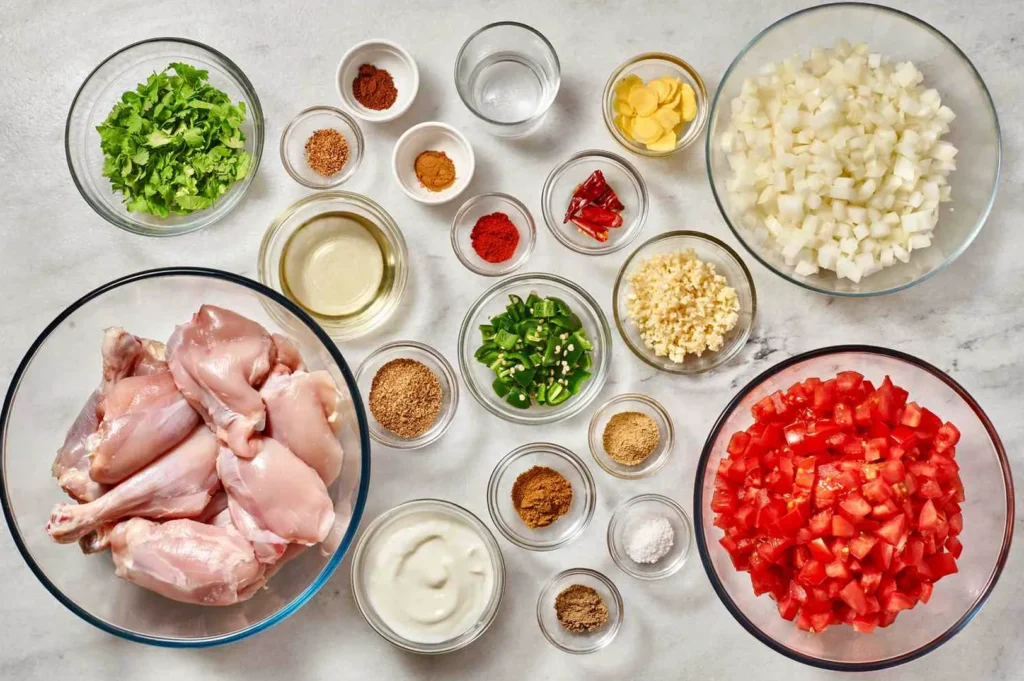
Before you turn on the stove, gather everything. Many indian recipes move quickly once indian spices hit hot oil, and you do not want to be chopping onions while your garlic starts to burn.
This meal has three parts: a mildly spiced chicken curry, fluffy jeera rice, and cool cucumber raita. Together, they make the kind of food for dinner indian home cooks need on busy nights — practical, fragrant, and deeply comforting.
For the Chicken Curry
- 500g boneless chicken thigh, cut into bite-sized pieces
- 2 tablespoons oil or ghee
- 2 medium onions, finely chopped
- 1 tablespoon ginger, grated
- 1 tablespoon garlic, minced
- 2 medium tomatoes, chopped
- 1 teaspoon cumin powder
- 1 teaspoon coriander powder
- ½ teaspoon turmeric
- ½ to 1 teaspoon chilli powder
- 1 teaspoon garam masala
- Salt to taste
- Fresh coriander
- Around 150ml water or stock
This is not as rich as butter chicken, paneer butter masala, or dal makhani, which rely more on dairy, butter, or slow cooking. It is closer to a practical home-style indian curry — aromatic, balanced, and achievable for weeknight dinners.
For the Jeera Rice
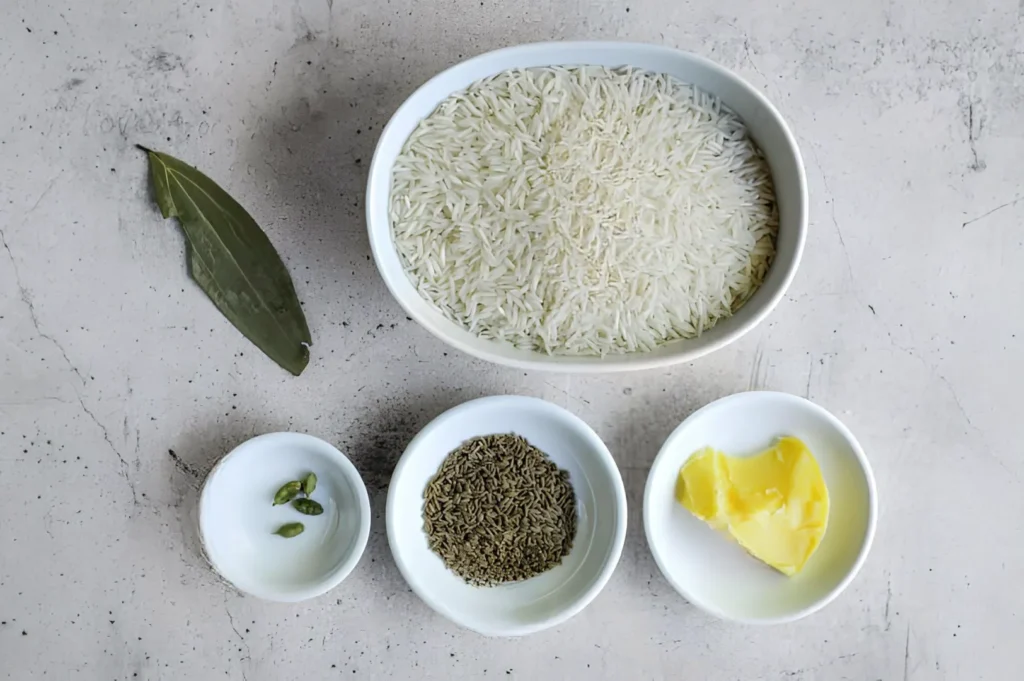
- 1.5 cups basmati rice
- 1 tablespoon ghee or oil
- 1 teaspoon cumin seeds
- 3 cups water
- Salt to taste
Among Indian rice dishes, jeera rice is one of the most useful. It is simpler than ghee rice or coconut rice, but still fragrant enough to make plain white rice feel special.
For the Cucumber Raita
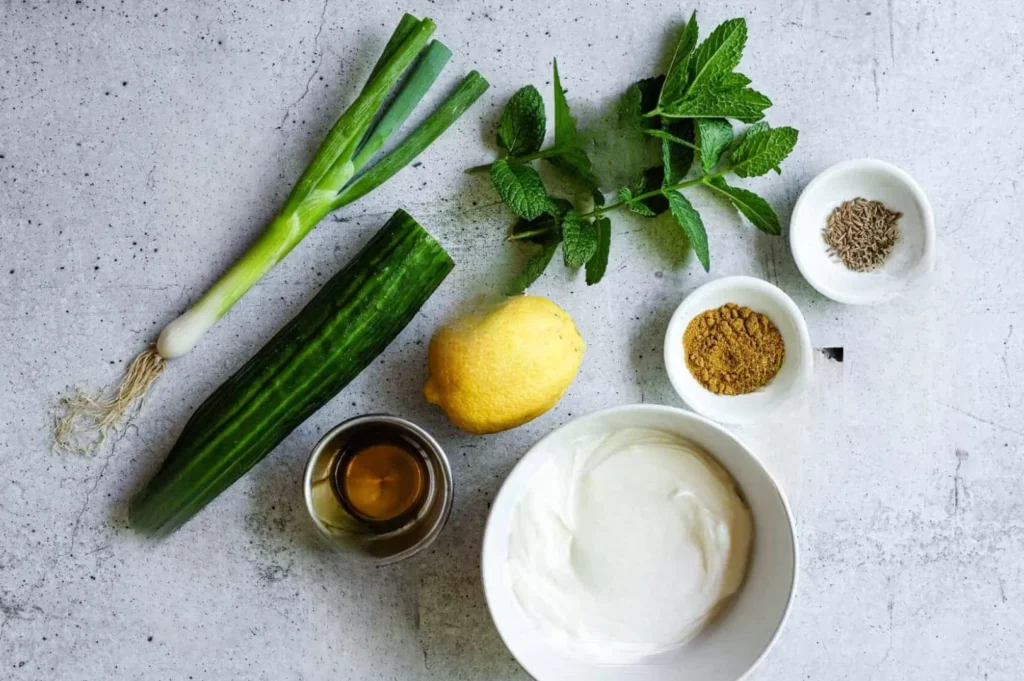
- 1 cup plain yogurt
- 1 small cucumber, grated
- ¼ teaspoon roasted cumin powder
- Salt to taste
- Chopped coriander or mint
The raita cools the meal down. Its tangy creaminess softens the heat of the curry sauce, turning the plate into a balanced comforting meal rather than something heavy.
In Singapore, sourcing these pantry staples is easy. FairPrice and Cold Storage cover the basics, while Mustafa Centre, Tekka Market, and Little India shops are excellent for ground spices, fresh curry leaves, toor dal, urad dal, chana dal, and sambar powder.
Insider tip: Buy spices in smaller quantities. Fresh cumin, turmeric, chilli powder, and garam masala smell warm and alive. Stale spice powder is the quiet reason many home curries taste flat.
The 45–60 Minute Indian Dinner Workflow
The rhythm is simple: start the curry first, cook the rice while it simmers, then make the raita last.
Time | Task |
|---|---|
0:00 | Rinse and soak the rice. Chop onion, tomato, chicken, cucumber, and herbs. |
0:10 | Start the curry sauce with oil, onion, ginger, garlic, and spices. |
0:20 | Add tomato and cook into a thick, golden brown masala. |
0:25 | Add chicken and simmer until tender. |
0:30 | Start the jeera rice in a pot, rice cooker, pressure cooker, or Instant Pot. |
0:40 | Make cucumber raita. |
0:50 | Rest the rice, adjust the curry, garnish, and serve. |
This sequence keeps the meal calm. The curry takes the longest, the rice cooks quietly, and the raita stays fresh because it comes together at the end. |
Step One: Prep the Rice First
Rinse 1.5 cups of basmati rice until the water runs mostly clear, then soak it for about 20 minutes. This removes excess starch and helps the grains cook long, separate, and fluffy.
Skipping this step is the easiest way to end up with mushy rice. Done properly, jeera rice holds the curry beautifully without turning sticky.
For a shortcut, toast cumin seeds in ghee, then add them to rinsed rice with water and salt in a rice cooker or Instant Pot. It gives you restaurant style jeera rice with minimal effort — a genuinely easy recipe technique worth keeping.
Step Two: Build the Chicken Curry Sauce
Heat oil or ghee in a wide pan over medium flame. Add onions and cook patiently until softened and turning golden brown. This slow caramelisation builds sweetness and gives the curry its base.
Add ginger and garlic, then stir in cumin, coriander, turmeric, chilli powder, and garam masala. Let the aromatic spices bloom in fat for about 30 seconds. This matters because spices need oil and heat to release their full fragrance.
Add tomatoes and cook until they collapse into a thick masala. The sharp tomato smell should soften into something rounder and richer.
Add the chicken, coat it well, then pour in water or stock. Simmer until the chicken is tender and the sauce clings to each bite. Finish with fresh coriander and a little more garam masala.
You’ll know it is ready when the oil lightly separates at the edges and the sauce smells cooked, not raw. The result should be mildly spiced, super flavorful, and satisfying — lighter than a rich north indian curry, but still full enough for indian dinner.
Step Three: Cook the Jeera Rice
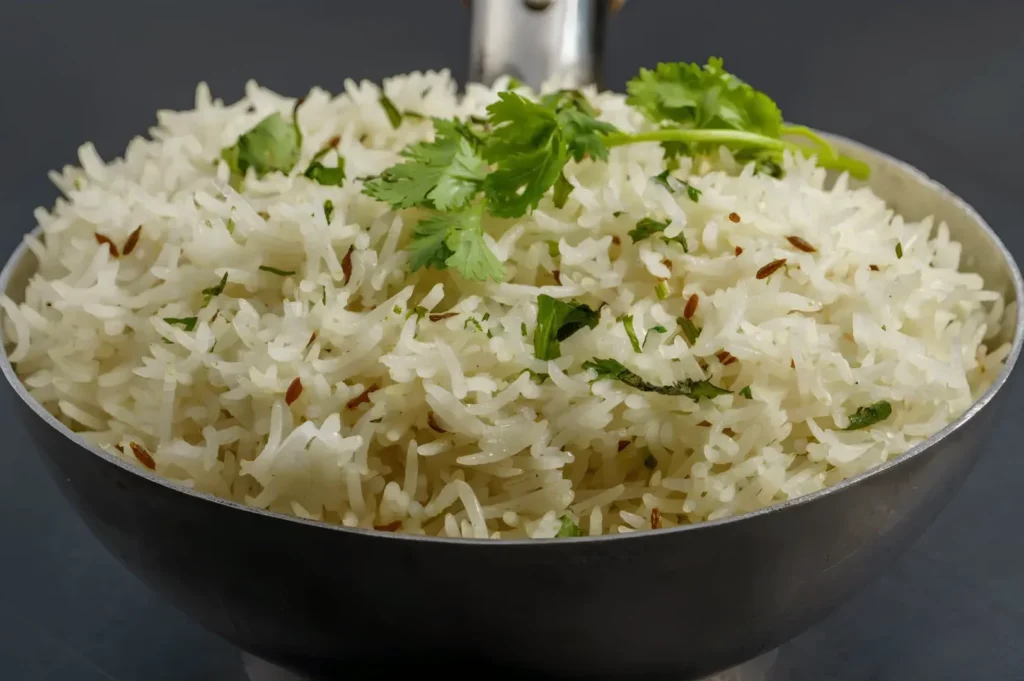
Drain the soaked rice. Heat ghee in a pot, add cumin seeds, and let them sizzle until fragrant. Add the rice and stir gently so the grains are coated in the cumin-scented fat.
Pour in water, add salt, bring to a boil, then cover and lower the heat. Let it cook undisturbed. Once done, rest for 5–10 minutes before fluffing with a fork.
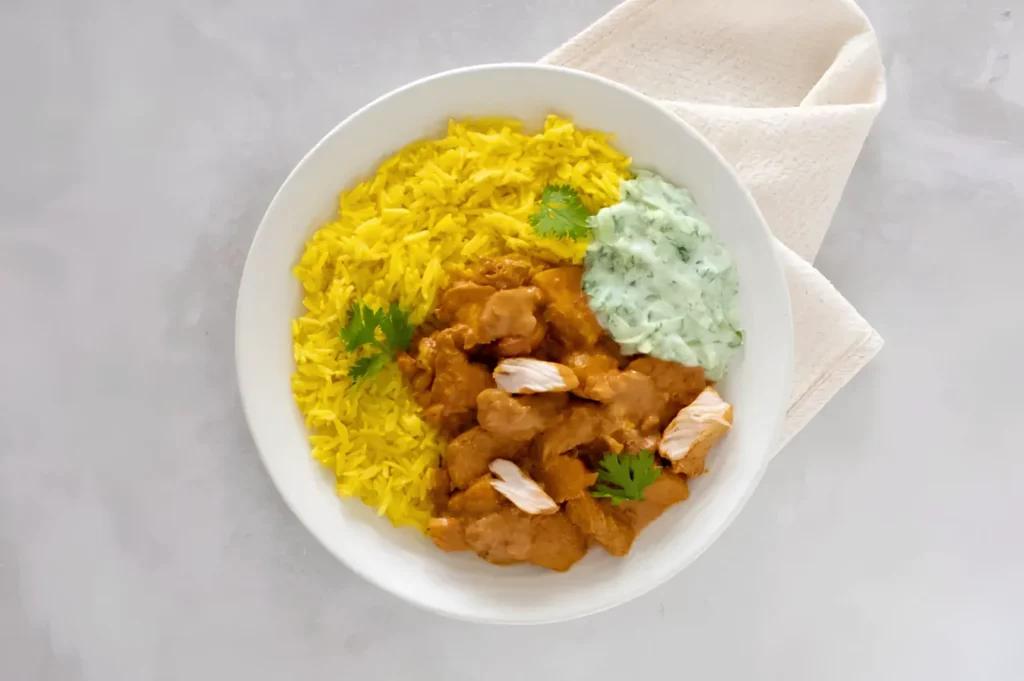
Serve the curry with hot rice, or spoon it alongside the jeera rice so everyone can mix their own plate. The cumin aroma makes the whole meal feel like a warm hug after a long day.
Step Four: Make the Cucumber Raita Last
Grate the cucumber and squeeze out excess liquid if needed. Mix it into yogurt with roasted cumin powder, salt, and chopped coriander or mint.
Make this last. If cucumber sits too long in yogurt, it releases water and turns the raita thin. Fresh raita should be creamy, cool, and gently tangy — the quiet counterpoint to the warmth of the curry.
Build a Bigger Indian Dinner Menu
Once you master chicken curry and jeera rice, the same pantry can lead you into amazing recipes across north indian and south indian cooking.
For vegetarian recipes, try creamy palak paneer, matar paneer, butter paneer, paneer butter masala, chana masala, or rajma made with kidney beans. These indian dishes show how legumes, dairy, and spices can create a delicious dish without meat.
For south indian recipes, add coconut chutney, curd rice, or sambar made with toor dal, curry leaves, and sambar powder. A popular south indian breakfast like dosa with potato masala can also become a light dinner when served with chutney and dal. Many of these options are naturally vegan or gluten free, depending on the ingredients used.
If you want something outside traditional Indian food, hakka noodles or Indian-style fried rice can work well with leftover vegetables and spices. These quick dinner recipes borrow from other cuisine influences while still feeling familiar to many indian restaurants.
Why This Recipe Works for Weeknight Dinners
The strength of this meal is flexibility. It does not ask you to master all the recipes in the whole world of Indian cooking. It teaches a reliable base: onions, tomatoes, fat, spice, rice, and patience.
From there, you can build. Add coconut milk for a softer curry, use chicken tikka for a smokier version, or make a one pot variation when time is tight. You can even review recipe notes after each cook: more chilli next time, less water, longer onion browning, extra garam masala at the end.
That is how a great recipe becomes your own. The goal is not perfection. It is a delicious home dinner that tastes delicious, feels balanced, and gives you confidence to cook more Indian food at home, much like the relaxed yet refined experience you find at an izakaya Singapore.
A Few Honest Final Thoughts
This dinner is forgiving once you get its rhythm. The first time, you might feel behind; by the third, it’s second nature, and delivery seems unnecessary.
Remember this: cook the base well. Patiently soften onions, ginger, garlic, bloom the spices, and cook tomatoes until no rawness remains. Get this right, and the rest falls into place.
Treat it as one system, not three recipes, and you’ll have a satisfying Indian dinner in under an hour. Try it, adjust spices to taste, and make it your own. You’ll be proud of the result.

Not Just ‘Fresh Fish’: The Best Omakase Singapore Has for Storytelling Courses & Seasonal Bites
Eat Drink Asia Team | May 19, 2026
May 19, 2026 | Eat Drink Asia Team | Last Updated September 29, 2026 When you sit at an omakase counter, you’re paying for a culinary journey. A memorable omakase is more than fresh fish; it’s a delicate celebration of flavors. The best chefs act as storytellers, sequencing each bite to build anticipation and contrast, guiding…
-
Indonesian Traditional Food at Warong Nasi Pariaman: A Plate That Doesn’t Explain Itself—It Proves It
Dio Asahi | May 16, 2026
It’s always a little heartbreaking when a true culinary landmark decides to close its doors. Warong Nasi Pariaman, the iconic nasi padang spot at 738 North Bridge Road, served its final plates in January 2026. For decades, it stood as a testament to heritage, feeding generations of Singaporeans and becoming an essential part of the…
-
Indonesian Dishes, the IndoChili Way: A Restaurant Review Written in Smoke and Sweet Soy
Eda Wong | May 14, 2026
There are evenings when only a very specific type of comfort food will do. I wasn’t craving a standard bowl of noodles or a generic curry. I wanted that unmistakable, deeply fragrant balance of charcoal smoke and sticky sweet soy sauce that defines authentic Indonesian cooking. Finding that perfect harmony in Singapore without sitting outside…
-
The Sweet Darkness of Kecap Manis: The Flavour That Makes Food in Indonesia Feel Like Home
Dio Asahi | May 12, 2026
When I first tried to cook authentic Indonesian nasi goreng at home, I was incredibly confident. I had my wok smoking hot, my garlic and shallots perfectly fragrant, and a generous splash of regular soy sauce ready to go. But when I took that first bite, my heart sank. It tasted flat, salty, and entirely…

Fortune Centre Food Guide: Vegetarian Finds, Quick Lunches, and Hidden Dinner Spots
Eda Wong | May 9, 2026
May 9, 2026 | Eda Wong | Last Updated: October 08, 2026 I have spent the last six months navigating the tight corridors and bustling walkways of Fortune Centre, determined to map out the Fortune Centre food scene beyond its best-known stalls. I’ve tried all of these famous stalls, sampling everything from intricate plant-based creations to…
-
Types of Chinese Food Hidden in Plain Sight: Imperial Treasure, Reviewed Through Their Orders
Eat Drink Asia Team | May 7, 2026
For a long time, many viewed Chinese food as one giant, delicious monolith, characterized by intense heat, heavy sauces, and wok-tossed brilliance. However, as more time is spent exploring Singapore’s incredible dining scene, it becomes clear that true culinary mastery often whispers rather than shouts. To demonstrate this to visitors, a table at Imperial Treasure…
-
Famous Food in China Isn’t Loud: Din Tai Fung’s Dumplings and the Power of Precision
Dio Asahi | May 5, 2026
There is a common misconception that the most authentic culinary journeys involve loud, chaotic kitchens with massive wok flames and shouting chefs. I used to think the same thing until I started paying closer attention to the quieter corners of Asian cooking. I visited Din Tai Fung on a Tuesday around 2:30 pm, hoping to…
-
The Morning Steam of Baozi Along a Beijing Street
Eda Wong | May 2, 2026
The first thing I noticed was the steam. It rose in soft, continuous bursts from stacked bamboo baskets, drifting into the cold Beijing morning like breath made visible. The vendor lifted each lid with practiced rhythm, a quick tilt, a release of heat, then the faint scent of yeast, pork, and warm flour rolling outward….
-
Moo Ping and the Structure of Thai Grilled Street Meat
Dio Asahi | April 30, 2026
The first thing I noticed was the smoke, thin, controlled, rising steadily from a charcoal grill along a Bangkok street. Skewers of pork turned in a quiet rhythm, fat dripping and hissing as it met the heat. The air carried layers of scent: sweet palm sugar, garlic, and a faint fermented depth beneath it. I…
-
Where Kuala Lumpur Actually Begins: Reading the City Through Its Food
Eat Drink Asia Team | April 30, 2026
There are cities you can understand through maps, and then there are cities like Kuala Lumpur that only begin to make sense when you follow what people eat. Not what is recommended or ranked, but what is repeated. The same stall visited every week, the same dish ordered without hesitation, the same flavours that feel…