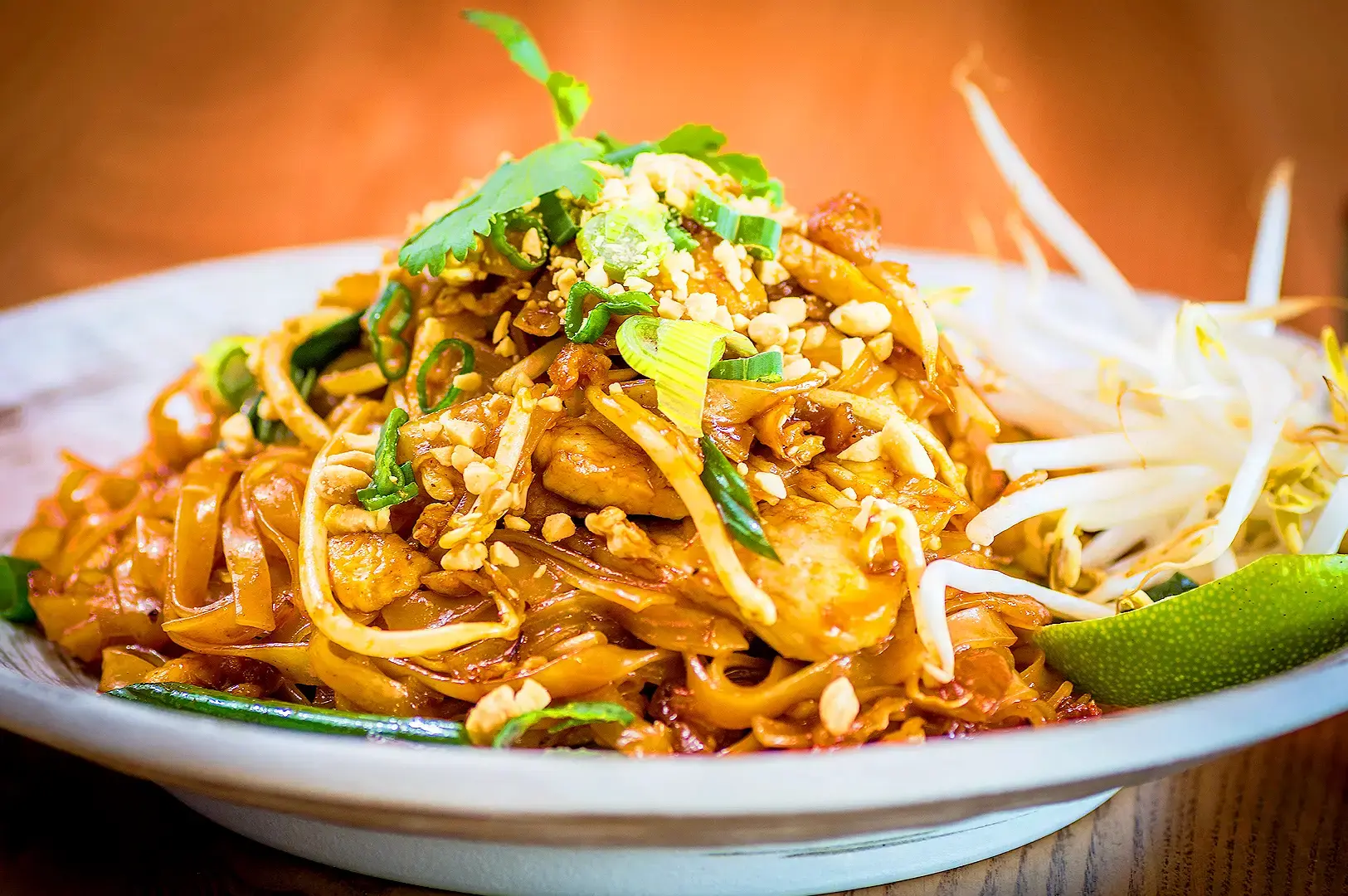
The first time I made Pad Thai, I ruined it before the wok was even hot.
I’d left the noodles soaking while I answered a phone call. Ten minutes turned into forty. By the time I drained them, they were already soft, already surrendered. Everything I did in the pan after that was damage control.
That’s the thing nobody tells you. Pad Thai isn’t hard because the ingredient list looks foreign. It’s hard because the noodles decide everything, and they decide it early. This is a pad thai recipe built around that truth: get the noodles right, and the rest of the dish starts to make sense on its own.
Ingredients You Need and What Each One Does for the Best Pad Thai Recipe
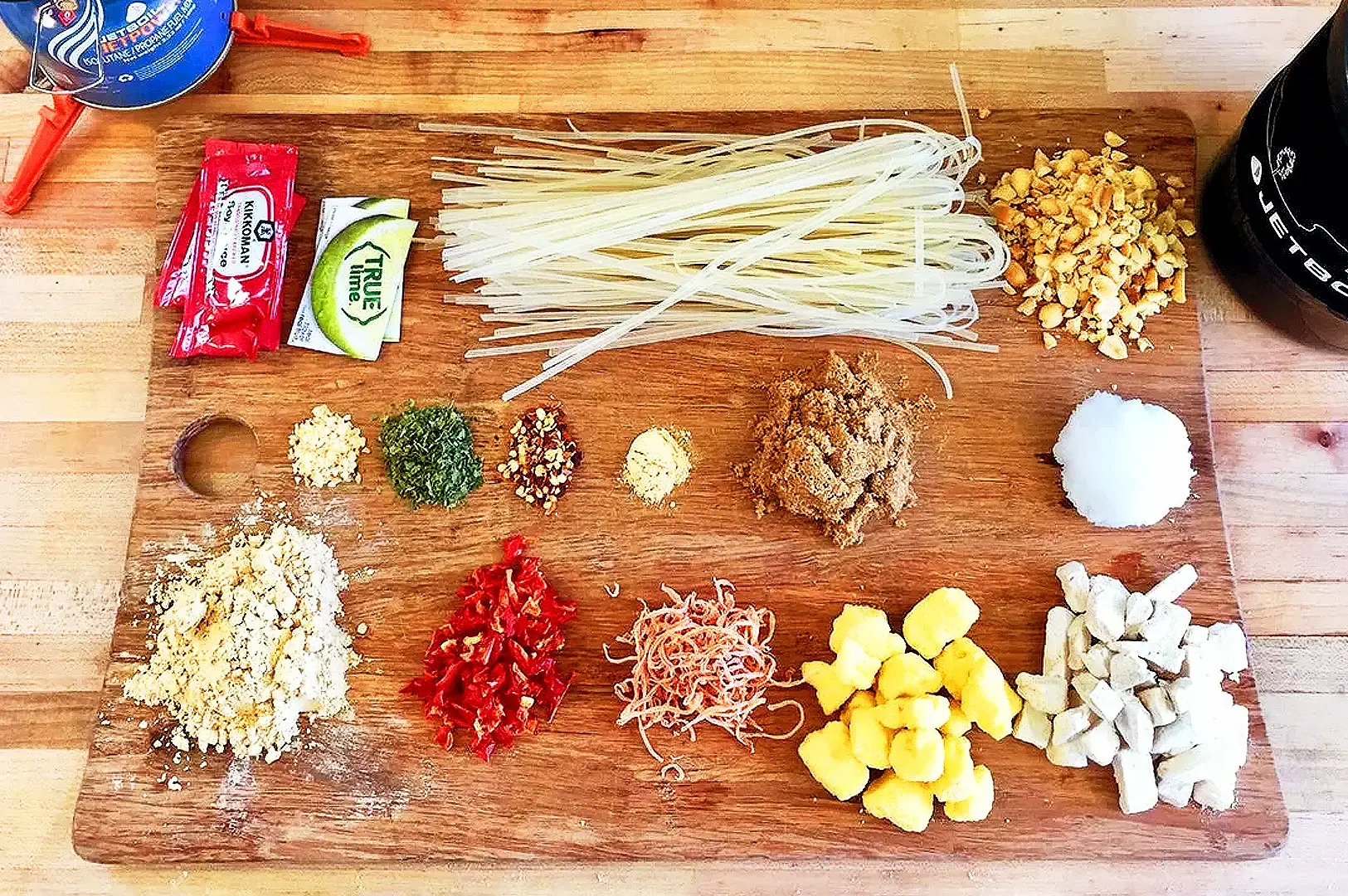
This makes two generous servings of classic Pad Thai, a stir fried noodle dish that balances sweet, sour, and salty flavors in every bite. I’d suggest reading the roles, not just the amounts, because knowing why something is there tells you how to fix it later.
For the noodles and stir-fry:
- 200g dry rice noodles for Pad Thai (medium width flat rice noodles soaked in hot water)
- 4 to 5 tablespoons neutral oil
- 150g protein — prawns, sliced chicken, or extra-firm tofu cut small
- 2 eggs, lightly beaten (scrambled egg is key for texture)
- 3 cloves garlic, minced (finely chop for aroma)
- 2 tablespoons dried shrimp, roughly chopped (optional, but authentic Pad Thai relies on this umami boost)
- 1 tablespoon pickled radish (or sweet preserved radish), chopped finely
- A large handful of fresh bean sprouts (mung bean sprouts)
- A small bunch of garlic chives or Chinese chives, cut into short lengths (add garlic chives for authentic flavor)
- 3 tablespoons crushed roasted peanuts (crunchy peanuts add essential texture)
- Lime wedges and chilli flakes to serve (fresh lime juice brightens the dish)
Why these ingredients matter:
- The pad thai noodlesare the backbone. Use flat dry rice noodles soaked properly in hot water (not boiling water) for about 15-20 minutes to prevent mushy noodles. This pad thai soak step is crucial for the right chew.
- Tamarind pulp or your own tamarind concentrate forms the sour heart of the pad thai sauce. It’s what sets authentic pad thai apart from generic noodle dishes.
- Fish sauce is the salty, fermented soul of the sauce. A good fish sauce, or vegan fish sauce if preferred, brings depth that soy sauce or light soy sauce alone can’t replicate.
- Palm sugar or light brown sugar balances the sour and salty with a gentle sweetness.
- The scrambled egg adds silkiness and richness, weaving through the noodles for that classic pad thai mouthfeel.
- Dried shrimp and pickled radish contribute layers of umami and subtle tang, staples in traditional pad thai recipes.
- Fresh bean sprouts and garlic chives are tossed in at the end to maintain a crisp, fresh flavor and texture.
- Crushed roasted peanuts finish the dish with a nutty crunch that contrasts the tender noodles.
The Pad Thai Sauce: Balancing Sweet, Sour, and Salty
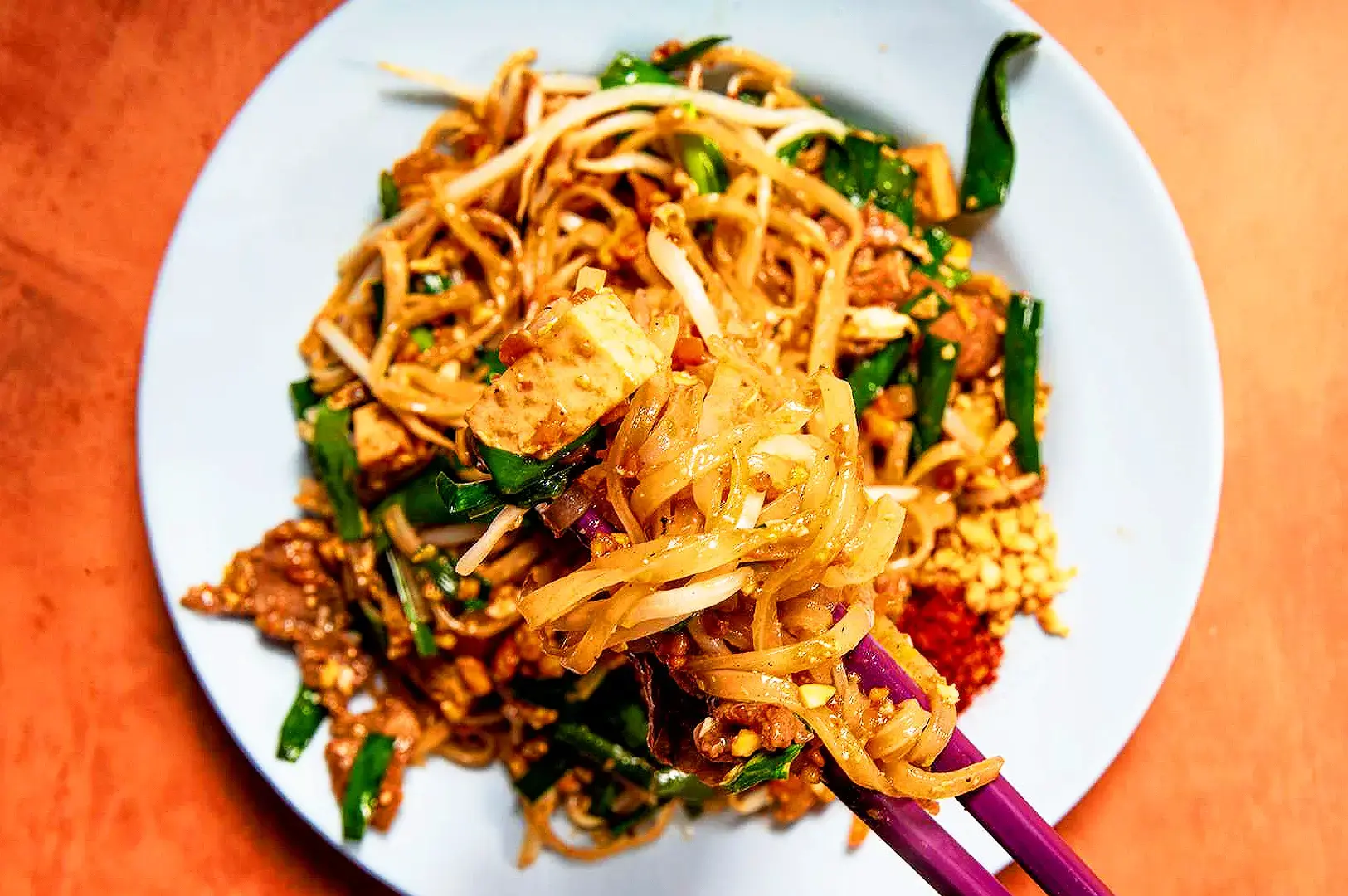
Before you even heat your seasoned wok, mix your pad thai sauce. This blend of tamarind concentrate or pulp, fish sauce, oyster sauce, palm sugar, and a touch of rice vinegar or lime juice is the magic that transforms simple noodles into the best pad thai.
Pad Thai Sauce Ingredients:
- 2 tablespoons tamarind concentrate or rehydrated tamarind pulp
- 2 tablespoons fish sauce (or vegan fish sauce)
- 1 tablespoon oyster sauce
- 2 tablespoons palm sugar or light brown sugar, dissolved
- 1 teaspoon rice vinegar or fresh lime juice for brightness
Mix until the sugar dissolves completely—undissolved sugar can burn and cause uneven sweetness. Taste the sauce before cooking. It should be boldly balanced: sour, salty, and sweet. Adjust with more tamarind concentrate for sourness, more palm sugar for sweetness, or more fish sauce for saltiness. Avoid adding ketchup; authentic pad thai never uses it and it alters the flavor and color undesirably.
How to Make Pad Thai: Step-by-Step with Sensory Cues
Prep time: 45 minutes (mostly soaking)
Cook time: 10 minutes
Serves: 2
Pad Thai is a fast-moving stir fried noodle dish best made in a well seasoned wok over medium high heat. The aroma of garlic cloves sizzling in oil, the snap of fresh vegetables, and the glossy sheen of pad thai sauce coating every noodle strand are the markers of success.
Step 1: Pad Thai Noodle Soak
Soak your dry rice noodles in hot water (not boiling) for about 15-20 minutes until flexible but still slightly firm to the bite. Drain and rinse under cold water to stop cooking. This pad thai soak prevents mushy noodles and helps maintain the chewy texture prized in Thai cuisine.
Step 2: Cook Protein and Scramble Egg
Heat 2 tablespoons oil in your wok over medium high heat. Stir-fry your protein (prawns, chicken, or tofu) until just cooked through. Push aside or remove. Add more oil if needed, then pour in beaten eggs. Let them set briefly before gently scrambling into soft folds. This scrambled egg weaves through the noodles, adding richness without wetness.
Step 3: Aromatics and Umami
Add garlic cloves, dried shrimp, and pickled radish to the wok. The sizzling garlic releases its pungent aroma, while dried shrimp and pickled radish add savory depth and a subtle tang. Fry until the tofu turns golden and the wok smells fragrant with the smoky breath of the pan.
The same lesson shows up across top Chinese restaurants too: aromatics, heat, and timing often do more than expensive ingredients ever could.
Step 4: Noodles and Sauce
Add the soaked pad thai noodles to the wok, then pour over your pad thai sauce. Toss quickly and continuously, ensuring every strand is coated in the glossy, tangy sauce. If the noodles seem dry or sticky, splash a little hot water to loosen them. The noodles should be supple, springy, and infused with the fresh flavor of the sauce.
Step 5: Finish with Freshness
Turn off the heat. Toss in fresh bean sprouts, garlic chives, and most of the crushed roasted peanuts. These fresh vegetables add a crisp contrast to the tender noodles. Plate immediately, scattering the remaining peanuts on top, and serve with lime wedges to squeeze fresh lime juice over the dish just before eating.
Singapore Kitchen Notes
You can find most of this at NTUC FairPrice, Sheng Siong, or Cold Storage — rice noodles, fish sauce, tamarind paste, eggs, tofu, bean sprouts, peanuts, and limes. FairPrice carries Dahlia tamarind paste for a little over a dollar, which is fine as long as you taste and adjust for strength.
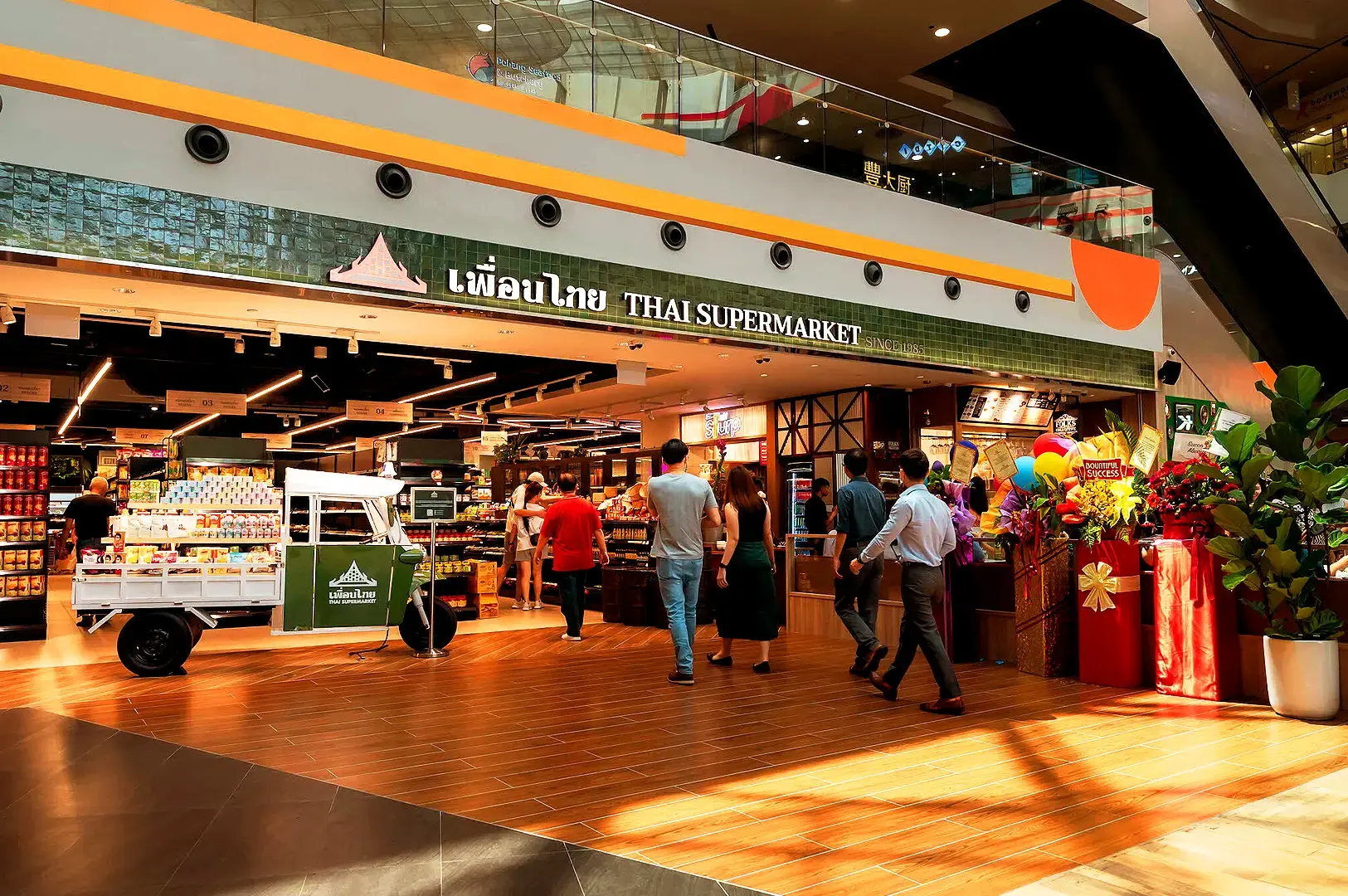
For the fussier ingredients — preserved radish, good Thai fish sauce, palm sugar, garlic chives, proper Thai rice noodles — the Thai Supermarket at Aperia Mall is your better bet. If you can’t find preserved radish, the pickled daikon used for sushi stands in well.
A tofu version runs cheaper, somewhere around S$15 for a few servings. Prawns push it closer to S$35. The pantry staples last well beyond one batch.
For cooks leaning toward tofu and meatless versions, Eat Drink Asia’s Fortune Centre food guide is a useful companion, especially for seeing how vegetarian Asian meals can still carry texture, savoury depth, and proper comfort.
Storing and Serving
Pad Thai is best served immediately to enjoy the perfect texture and fresh flavors. If you must store leftovers, keep them in an airtight container in the fridge and reheat gently in a well seasoned wok over medium heat with a splash of water to prevent drying out. Fresh bean sprouts and crushed peanuts can be added after reheating to revive the dish.
Role of Fresh Herbs and Vegetables
While the classic pad thai recipe focuses on the essential ingredients, adding fresh herbs like Thai basil or green onions can elevate the dish with aromatic layers. Bell pepper slices or other fresh vegetables add color and crunch, complementing the pad thai noodles and sauce.
For a truly authentic pad thai recipe, use fresh tamarind pulp soaked in hot water to make your own tamarind concentrate. This homemade pad thai sauce carries a fresher, more vibrant flavor than store-bought pastes.
When the Noodles Are Right
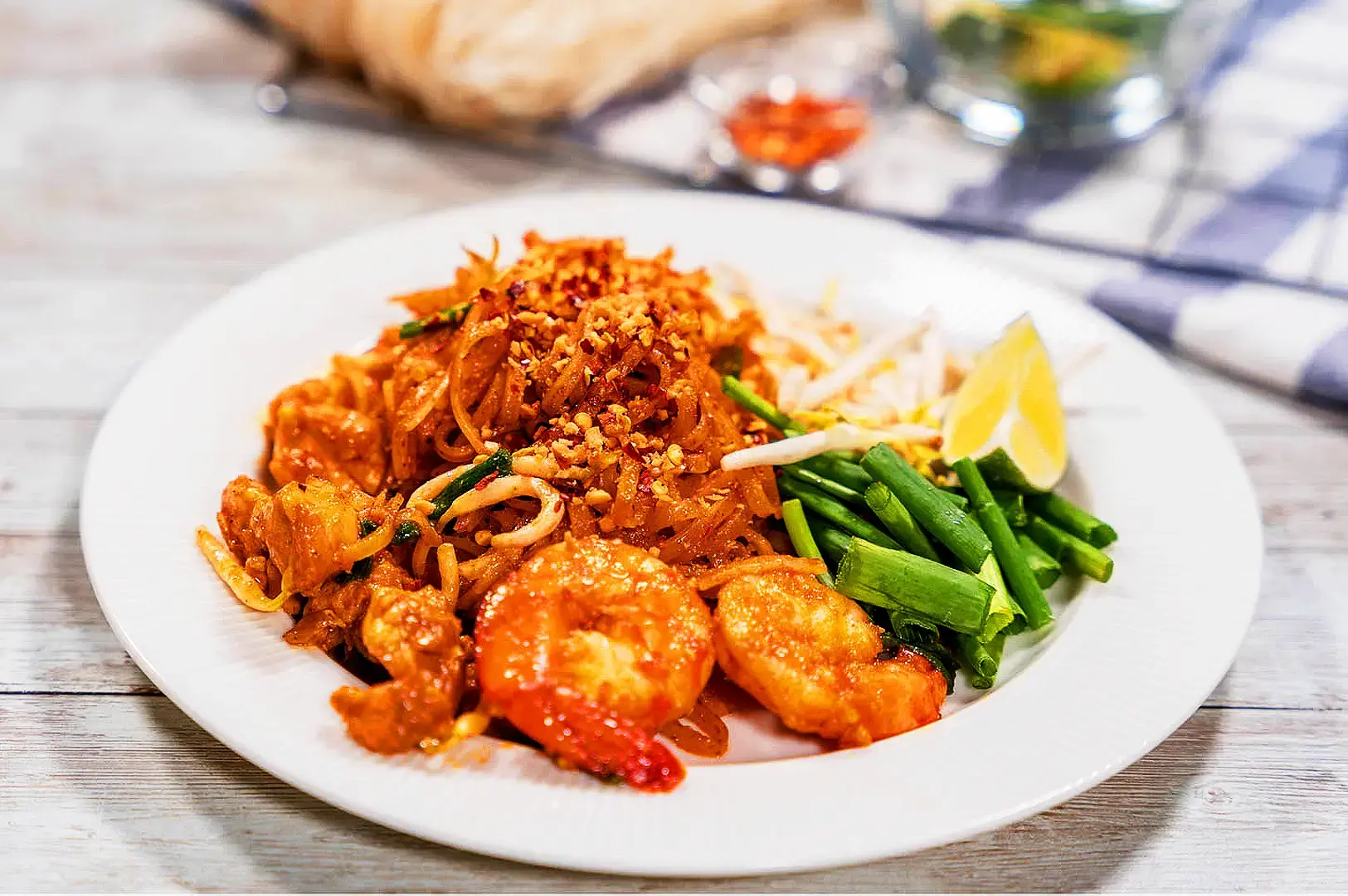
The final toss is the whole recipe in miniature — heat, sauce, noodles, egg, sprouts, and the restraint to stop before you overdo any of it.
I’ve made this enough times now to know the moment it turns. The noodles stop looking wet. They gloss over, catch the light, and slide apart instead of gripping each other. That’s the moment you’re chasing.
Control the noodles, and everything downstream falls into place. Get them wrong, and no amount of lime will save you.
So soak them with intention. Drain them properly. And treat the pan like it’s telling you something — because it is.

Makgeolli Bowls and the Soft Grain of Korean Rice Wine
Eda Wong | June 19, 2026
The monsoon rain drums a steady, heavy rhythm against the fogged windows of a narrow tavern in Jongno, muffling the chaotic pulse of the city outside. Inside, the air hangs warm, thick with the scent of toasted mung beans and a subtle, yeasty tang. A dented brass kettle tips forward, and a chalk-white, opaque liquid…

Kung Pao Chicken Sauce Is the Real Test: Why It Turns Glossy, Sharp, and Addictive
Eat Drink Asia Team | June 18, 2026
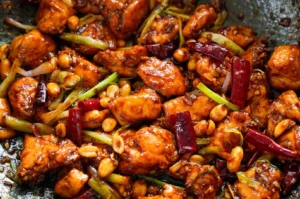
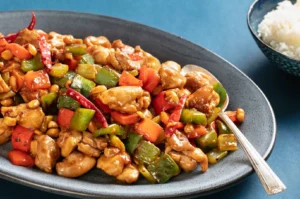
Kung pao chicken is often described by its main ingredients: diced chicken, dried chillies, peanuts, spring onions, and Sichuan peppercorns. But anyone who has cooked it at home knows the truth: the dish succeeds or fails because of the sauce. The sauce decides whether kung pao chicken tastes lively and balanced, or flat, sticky, and…
-
Jeju’s Seaweed Soup and the Memory of Birthday Tables
Dio Asahi | June 17, 2026
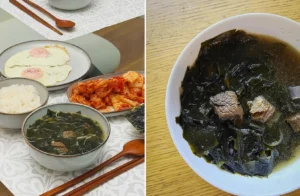
The sharp winter wind rattles the low stone walls of a Jeju Island kitchen, but inside, the air is thick with steam and the deeply marine scent of boiling kelp. An elderly woman stands by a bubbling steel pot, watching the dark green fronds swell and twist in the rolling water. She adds a splash…
-
Chicken Pao Recipe for People Who Respect Heat: Why Kung Pao Works Only When Timing Is Tight
Eda Wong | June 16, 2026
I remember my first attempt at cooking gong bao ji ding a few years ago. I wanted to recreate that authentic, trend-setting dish I had experienced at a traditional Sichuan restaurant, a meal that felt like a genuine celebration of flavours. I heated my wok until it was smoking, tossed in a handful of dried…
-
A Shu Yan Sichuan Cuisine Review Written in Pepper and Smoke: Chicken Pao That Wakes Up the Table
Dio Asahi | June 13, 2026
I used to think of authentic Sichuan food as a sheer test of endurance. For a long time, I assumed the goal was simply to survive the fiery onslaught of chillies rather than actually taste anything. But my recent culinary journey at Shu Yan Sichuan Cuisine completely rewired how I understand this region’s flavour map….
-
In Luang Prabang, Or Lam Carries the Taste of Sakhan
Eda Wong | June 12, 2026
The damp morning mist still clings to the teakwood houses of Luang Prabang as an elderly cook tends to a glowing charcoal brazier. Sparks jump lightly into the cool air, illuminating the blackened belly of an aluminium pot. Inside, a thick, dark liquid bubbles rhythmically, releasing an incredibly aromatic cloud of charred lemongrass, sweet Thai…
-
The Malayan Council, Reviewed: Local Food in Malaysia, Plated Like a Memory
Eat Drink Asia Team | June 11, 2026
Our Eat Drink Asia team spends a lot of time debating what makes a truly unforgettable meal. The team has previously published articles exploring the redefinition of comfort food. That is exactly what led me to The Malayan Council at 71 Bussorah Street. I visited on a Friday around 7:30 pm, just as the weekend…
-
Sushi in Singapore: Why There Is a Style for Every Budget
Eda Wong | June 11, 2026
Few Japanese dishes have travelled as successfully across Asia as sushi. What began as a culinary tradition deeply rooted in Japan has evolved into something remarkably diverse in Singapore. Today, sushi in Singapore can mean many different things. It can be a quick lunch grabbed from a conveyor belt restaurant, a carefully curated omakase meal…
-
The Quiet Pull of Lahpet in Myanmar’s Tea Leaf Salad
Dio Asahi | June 10, 2026
The afternoon humidity presses against the open-air teahouse in downtown Yangon, where the sharp clatter of a silver spoon against ceramic cuts through the low hum of conversation. A small plate sits in the centre of a low plastic table, holding a dense, dark green cluster that smells faintly of damp earth and sharp lime….
-
Dining at Suntec: The Restaurants That Feel Like Different Cities in One Mall
Eda Wong | June 9, 2026
Over the past six months, I’ve navigated the sprawling, sometimes disorientating corridors of Suntec City more times than I can count. What started as a simple quest to find decent spots for post-meeting lunches quickly turned into a genuine culinary journey. I have tried over a dozen venues within this massive complex, and I’ve found…