There is a very specific kind of exhaustion that hits you right before a flight or just after you land. You are dragging your suitcase, staring blankly at the departure boards, and suddenly, you realize you are starving. But you don’t want just any food. You want something warm, familiar, and deeply comforting.
I felt exactly this way last week. I was navigating through Changi Airport, dealing with the usual pre-flight anxiety, when a familiar craving hit. I didn’t want a cold sandwich or a sterile fast-food burger. I wanted the rich, fragrant embrace of Malaysian comfort food.
That craving led me straight to PappaRich, tucked away in the Viewing Mall South of Changi Airport Terminal 2. I’ve eaten my fair share of airport food, so I always keep my expectations in check. But when you need a taste of home, or at least, a taste of Southeast Asia, a kopitiam-style menu is usually a safe bet. I visited on a Tuesday around 7pm, right in the middle of the evening flight rush, to see if this popular halal-certified spot could deliver the goods.
PappaRich: A Malaysian Staple Food Haven
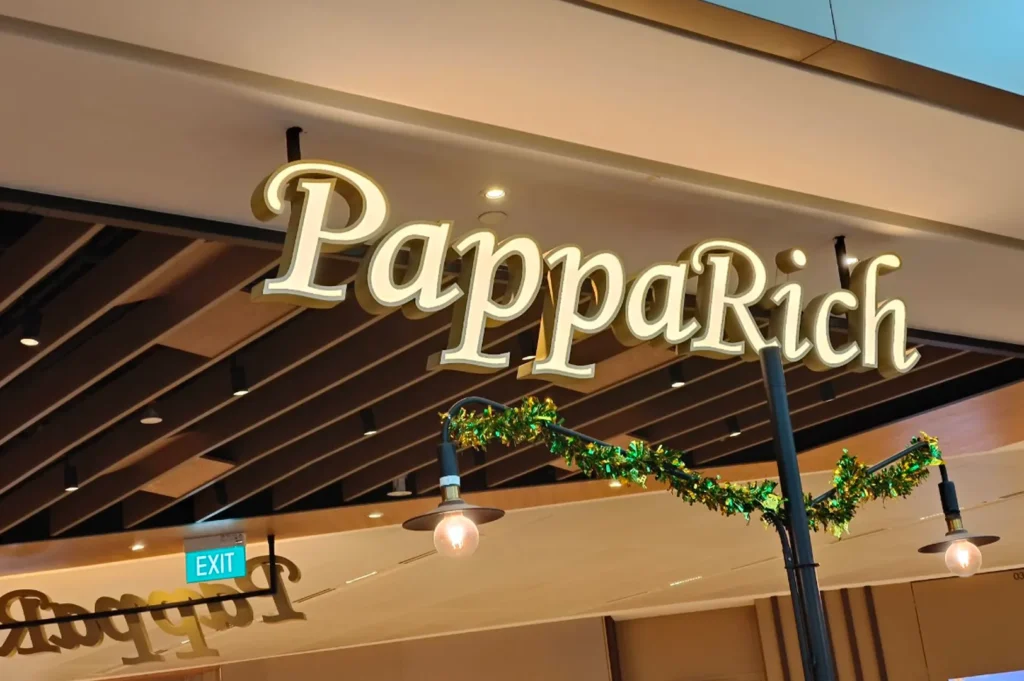
Finding PappaRich in Terminal 2 isn’t difficult, but it does require a little navigation up to the third floor. As I walked in, the space greeted me with bright, clean lines and a functional layout. It doesn’t have the intimate, moody lighting of a hidden city speakeasy; instead, it buzzes with the lively, transient energy of a major international transit hub.
The decor embraces a modern kopitiam aesthetic, marble-top tables, wooden accents, and a welcoming vibe that suits solo business travelers and families alike. I felt immediately at ease, blending into the sea of luggage carts and tired passengers.
The restaurant’s openness to the terminal’s hum means noise rises during peak meal times. For a bit of calm, ask for the corner table near the edge of the viewing mall. Here, the air conditioning is strong (typical for Changi Airport), and you get prime people-watching with quick access to your gate.
The Food: Familiar Flavours and Comforting Classics of Malaysian Cuisine
PappaRich promises authentic Malaysian staple food, a melting pot of Malay, Chinese, and Indian influences that define Malaysia’s culinary identity. The menu boasts over 60 dishes, from rice to noodles and breads, but I focused on the comforting classics that showcase the essence of Malaysian food.
Nasi Lemak ($16.90): The National Dish
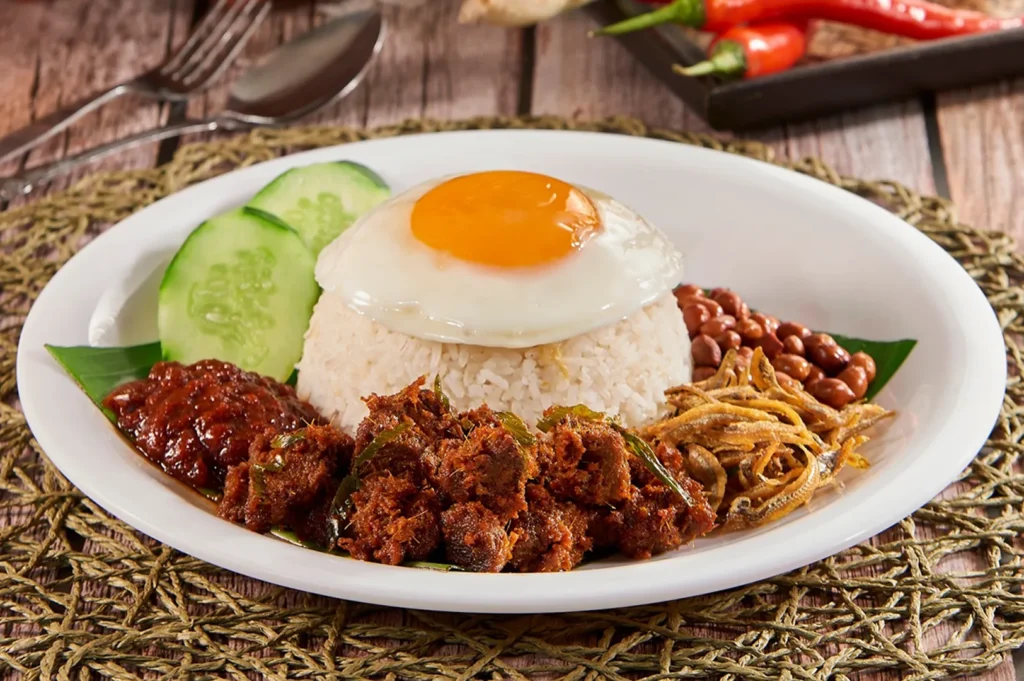
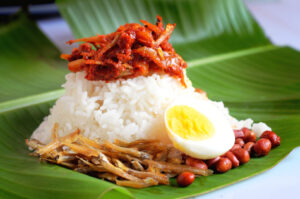
I started with the iconic Nasi Lemak, Malaysia’s national dish and a true staple food. The plate arrived generously portioned, and the aromas of coconut milk-infused rice, gently scented with pandan leaves, immediately stirred memories of Kuala Lumpur’s bustling hawker stalls.
The rice was creamy and fragrant, a perfect coconut sanctuary. The sambal, a spicy-sweet sauce made with shrimp paste, delivered a punch that balanced beautifully with the crunchy roasted peanuts and salted fried anchovies. Cucumber slices and a hard-boiled egg rounded out the plate, adding freshness and texture.
However, the rice was lukewarm, which dulled the full aromatic impact. For Nasi Lemak, warmth is key, it unlocks the richness of the coconut milk and the subtle sweetness of the pandan leaves. Still, the dish was tasty and satisfying, especially when paired with a side of crispy fried chicken.
Roti Canai with Curry Chicken ($15.50): Flaky Flatbread Meets Rich Curry Sauce
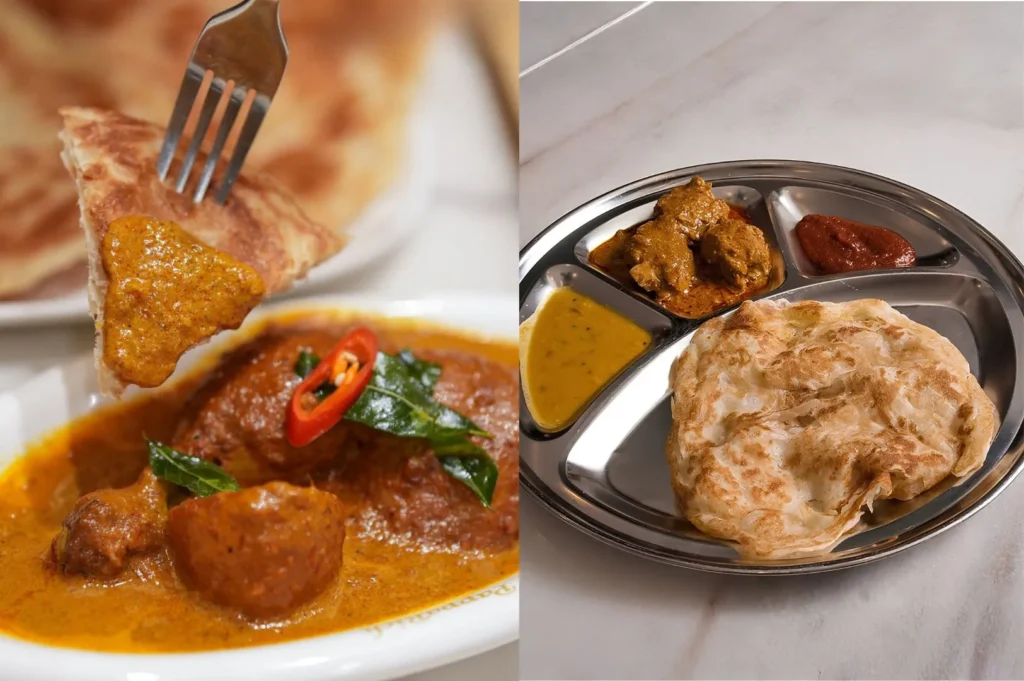
Next, I savored the Roti Canai with chicken curry, a beloved Malaysian staple influenced by Indian cuisine. The roti was a flaky, buttery masterpiece, with crisp edges and a chewy center that begged to be torn apart by hand.
The chicken curry was a rich, aromatic curry sauce, thick with coconut milk and infused with spices that warmed the palate without overwhelming heat. Tender chicken slices fell apart in the sauce, which was perfect for dipping the roti. This dish is a comforting staple that embodies the best of Malaysian food, simple yet deeply satisfying.
Satay ($12.00 for a half-dozen): Sweet, Smoky, and Nutty
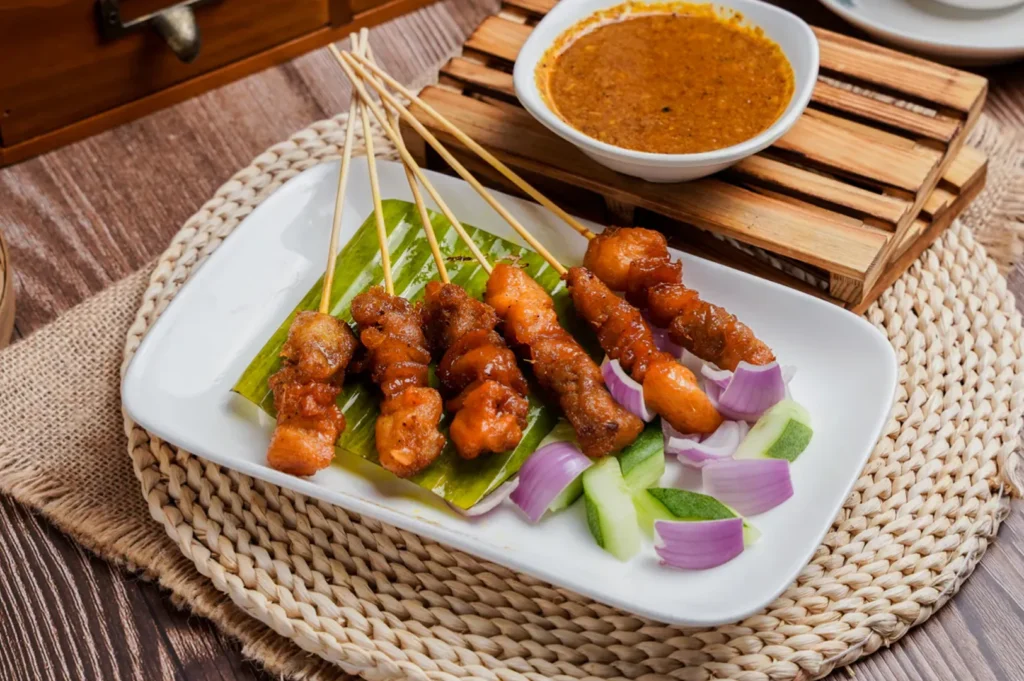
For a shareable bite, I chose the satay skewers. The meat was glazed and charred just right, with a smoky breath of the wok that gave each bite a satisfying depth. The peanut sauce was thick and nutty, with a subtle kick from chili that complemented the sweet-savory meat.
This casual dish perfectly captures the essence of Malaysian street food, quick, tasty, and indulgent. It’s a great protein hit before a long flight, served with a side of cucumber slices and onions to balance the richness.
Functional and Fast Service Experience
Service at PappaRich is brisk and transactional, typical of an airport restaurant prioritizing efficiency over polish. Staff were friendly and seated me quickly, but getting a glass of water required some effort, and the wait for the bill was longer than expected.
This is not a place for leisurely dining; it’s about convenient access to familiar Malaysian dishes in a bustling, high-traffic environment. The focus is on feeding hungry travelers quickly, which is exactly what you need when racing against flight times.
Need-to-Know Details Before You Dine
Location and Access:
PappaRich is located at 60 Airport Boulevard, #03-24/25-01, inside Changi Airport Terminal 2’s Viewing Mall South on the third floor. It’s in the public area, so you don’t need a boarding pass. The restaurant is wheelchair friendly and easily accessible via the Changi Airport MRT.
Pricing:
Expect to spend around $12 to $25 per person for a sit-down meal. Kaya toast and coffee with condensed milk cost about $5 to $8, while mains like nasi lemak or curry mee hover near $20.
Timing and Booking:
Open daily from 8:30 am to 10:00 pm, PappaRich is walk-in friendly. Peak hours are busy, so mid-morning or mid-afternoon visits offer a quieter experience.
Malaysian Classics You Can’t Miss
If your journey allows, try to explore other Malaysian staples on the menu or nearby. Assam Laksa offers a tangy, spicy broth with thick rice noodles, garnished with mint, pineapple, and ginger flower, a refreshing contrast to the creamy coconut milk of curry laksa, also known as curry mee. Both soups showcase Malaysia’s diverse laksa heritage.
Assam Laksa
Assam Laksa features a tangy, spicy broth made from tamarind and mackerel, served with thick rice noodles and garnished with mint, pineapple, and ginger flower. It provides a refreshing and sour flavor profile that contrasts beautifully with other Malaysian dishes.
Curry Laksa (Curry Mee)
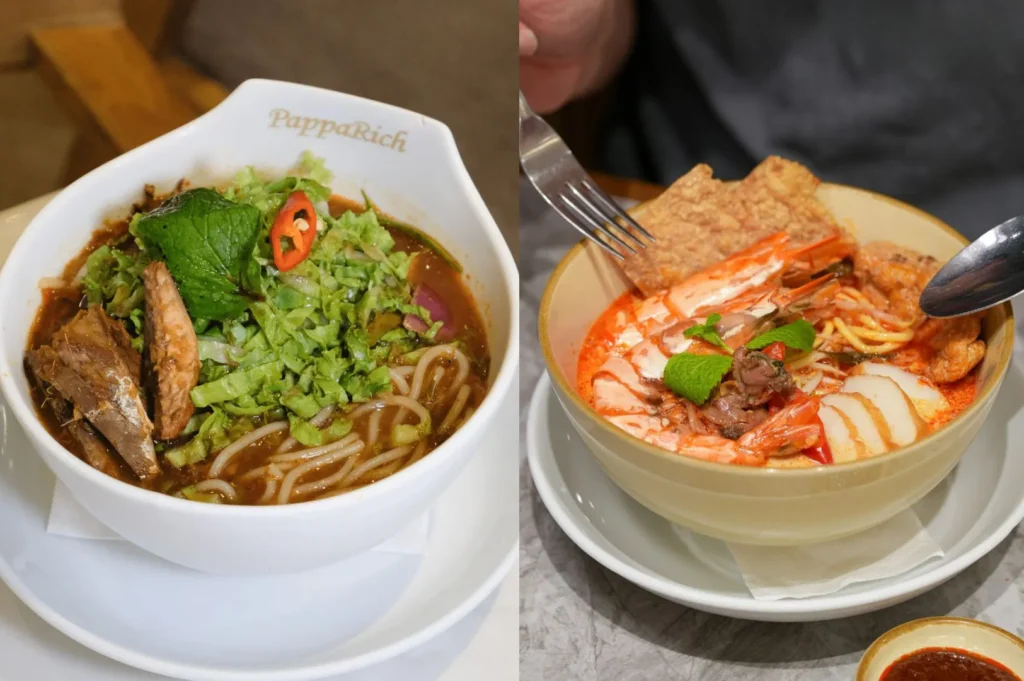
Curry Laksa, or curry mee, is a creamy coconut milk-based soup with a fragrant spice paste, served with prawns, fish cake, or tofu. This dish highlights the rich, aromatic flavors of Malaysian Nyonya cuisine.
Char Kuey Teow
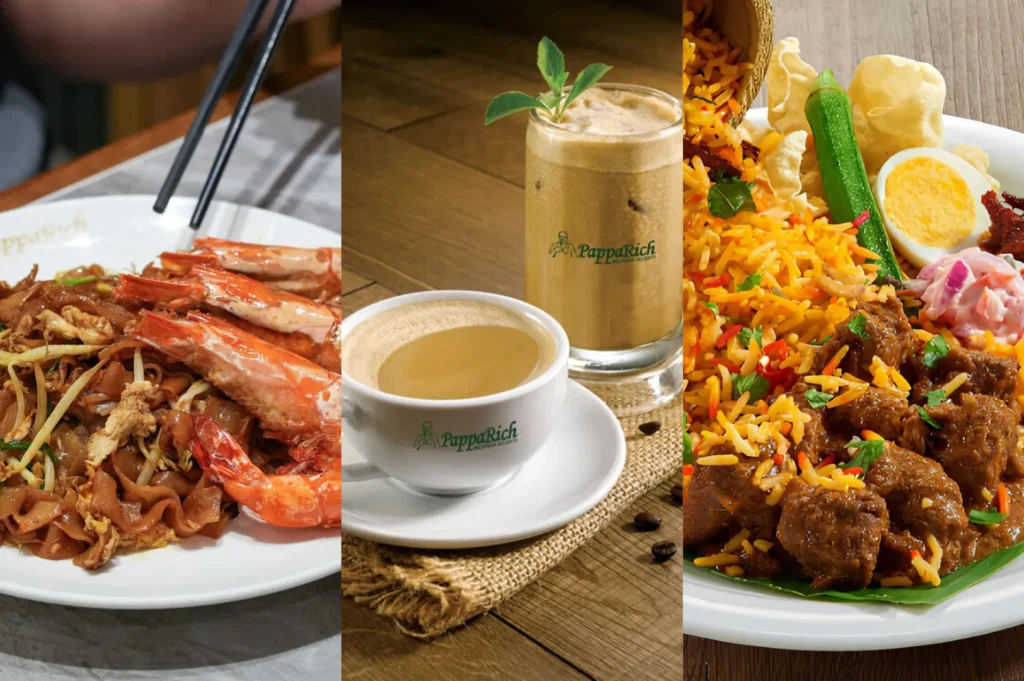
For noodle lovers, the smoky char kuey teow is a must-try. Wok-fried with soy sauce, prawns, Chinese sausage, bean sprouts, and egg, it delivers a complex texture and flavor that embodies the melting pot of Malaysian cuisine.
Curry Chicken and Beef Rendang
Fans of curry chicken and beef rendang will find rich, aromatic options here too. Beef rendang is a slow-cooked curry, perfect for special occasions, while black pepper sauce adds a spicy, savory punch to chicken slices or fried chicken dishes.
Teh Tarik
Finally, don’t miss the chance to pair your meal with teh tarik, Malaysia’s iconic “pulled tea” sweetened with condensed milk, offering a creamy, frothy finish to your dining experience.
Malaysian Street Food Culture and Its Influence on Airport Dining
Malaysian street food culture is a vibrant and essential part of the country’s culinary identity, with bustling hawker stalls and night markets offering an array of delicious, affordable dishes. In cities like Kuala Lumpur, these street food vendors serve as culinary landmarks where locals and tourists alike gather to enjoy iconic Malaysian staple food such as sambal prawns, hokkien mee, and nasi kandar. The lively atmosphere, bold flavors, and diverse ingredients, from spring onions and garlic to fresh fish and tofu, create an unforgettable sensory experience.
This rich street food heritage profoundly influences airport dining options like PappaRich, which brings the essence of Kuala Lumpur’s hawker stalls to the international traveler. Highlights include:
- Classic dishes such as nasi lemak with sambal, char kuey teow with prawns and pork, and roti canai served with curry
- Use of traditional condiments, fresh vegetables, and banana leaf-inspired presentations
- A menu that reflects the diverse and bold flavors of Malaysian street food
In this way, PappaRich not only satisfies hunger but also serves as a cultural bridge, delivering the delicious, familiar flavors of Malaysia’s street food scene to visitors passing through Changi Airport.
Travel Tired? Here’s Why PappaRich Hits the Spot
So, is PappaRich at Changi Airport Terminal 2 worth a visit? Yes, if you manage your expectations. Traditional Malaysian foods aren’t a museum; they evolve and adapt, keeping the vibrant spirit of the culture alive.
It’s ideal for travelers craving Malaysian comfort food before or after a journey, families seeking halal-certified meals, and vegetarians with plenty of meat-free options. However, don’t expect destination-level cooking or a quiet, romantic meal. Food can be inconsistent, like my lukewarm Nasi Lemak, and service is functional.
Pair your meal with a traditional Asian tea to complete the authentic experience. When tired and hauling luggage, craving flaky Roti Canai or smoky Satay, PappaRich delivers comforting, familiar Southeast Asian flavors just when you need them.

The Malayan Council, Reviewed: Local Food in Malaysia, Plated Like a Memory
Eat Drink Asia Team | June 11, 2026
Our Eat Drink Asia team spends a lot of time debating what makes a truly unforgettable meal. The team has previously published articles exploring the redefinition of comfort food. That is exactly what led me to The Malayan Council at 71 Bussorah Street. I visited on a Friday around 7:30 pm, just as the weekend…

Sushi in Singapore: Why There Is a Style for Every Budget
Eda Wong | June 11, 2026
Few Japanese dishes have travelled as successfully across Asia as sushi. What began as a culinary tradition deeply rooted in Japan has evolved into something remarkably diverse in Singapore. Today, sushi in Singapore can mean many different things. It can be a quick lunch grabbed from a conveyor belt restaurant, a carefully curated omakase meal…
-
The Quiet Pull of Lahpet in Myanmar’s Tea Leaf Salad
Dio Asahi | June 10, 2026
The afternoon humidity presses against the open-air teahouse in downtown Yangon, where the sharp clatter of a silver spoon against ceramic cuts through the low hum of conversation. A small plate sits in the centre of a low plastic table, holding a dense, dark green cluster that smells faintly of damp earth and sharp lime….
-
Dining at Suntec: The Restaurants That Feel Like Different Cities in One Mall
Eda Wong | June 9, 2026
Over the past six months, I’ve navigated the sprawling, sometimes disorientating corridors of Suntec City more times than I can count. What started as a simple quest to find decent spots for post-meeting lunches quickly turned into a genuine culinary journey. I have tried over a dozen venues within this massive complex, and I’ve found…
-
PappaRich SG and the Comfort of Malaysian Staple Food: A Restaurant Review in Familiar Flavours
Dio Asahi | June 6, 2026
There is a very specific kind of exhaustion that hits you right before a flight or just after you land. You are dragging your suitcase, staring blankly at the departure boards, and suddenly, you realize you are starving. But you don’t want just any food. You want something warm, familiar, and deeply comforting. I felt…
-
Sri Lanka’s Ambul Thiyal and the Sourness of Goraka
Eda Wong | June 5, 2026
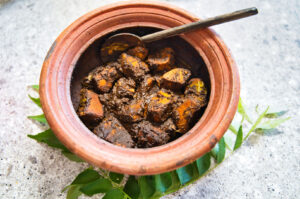
In the open-air kitchen of a coastal home in southern Sri Lanka, a low fire crackles under a wide, unglazed clay pot. The air is thick with the scent of roasted black pepper and something deeply, aggressively tart. A wooden spoon scrapes the bottom of the pot, turning cubes of firm yellowfin tuna until they…
-
Traditional Malaysian Foods Aren’t a Museum: They’re a Living Argument at the Table
Eda Wong | June 4, 2026
When I first really started digging into traditional Malaysian food, I made a classic rookie mistake. I was sitting at a crowded kopitiam in Kuala Lumpur, looking at a plate of nasi lemak, and I thought I understood exactly what it was supposed to be. I thought it was a fixed, rigid recipe, a museum…
-
In Gifu, Hoba Miso Warms Slowly Over Magnolia Leaves
Dio Asahi | June 3, 2026
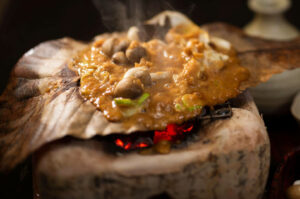
Frost clings to the wooden window frames in the highlands of Gifu. Inside, the air is thick with the scent of woodsmoke and fermented soybeans. On the table, a small ceramic charcoal grill known as a shichirin radiates a gentle, localized heat. Resting directly above the glowing embers is a large, brittle brown leaf holding…
-
The Stir Fried Egg Plant That Taught Me Restraint at Si Chuan Dou Hua Restaurant
Eat Drink Asia Team | June 2, 2026
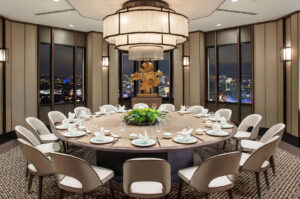
I’ve always had a love-hate relationship with Sichuan food. Usually, you walk into a spot, order your food, and spend the rest of the night sweating through your shirt, chugging ice water, and wondering why you did this to yourself. But when I visited Si Chuan Dou Hua Restaurant on a Tuesday around 7 pm,…
-
What the Wok Is Really Doing to the Vegetable: The Question Behind Every ‘Brinjal Recipe Chinese Style’
Dio Asahi | May 30, 2026
When I first tried cooking brinjal at home, I was completely convinced that all I needed was a hot pan, some oil, and a good recipe. I chopped the vibrant purple vegetable, threw it into a standard frying pan with a generous pour of oil, and waited for the magic to happen. Instead of the…