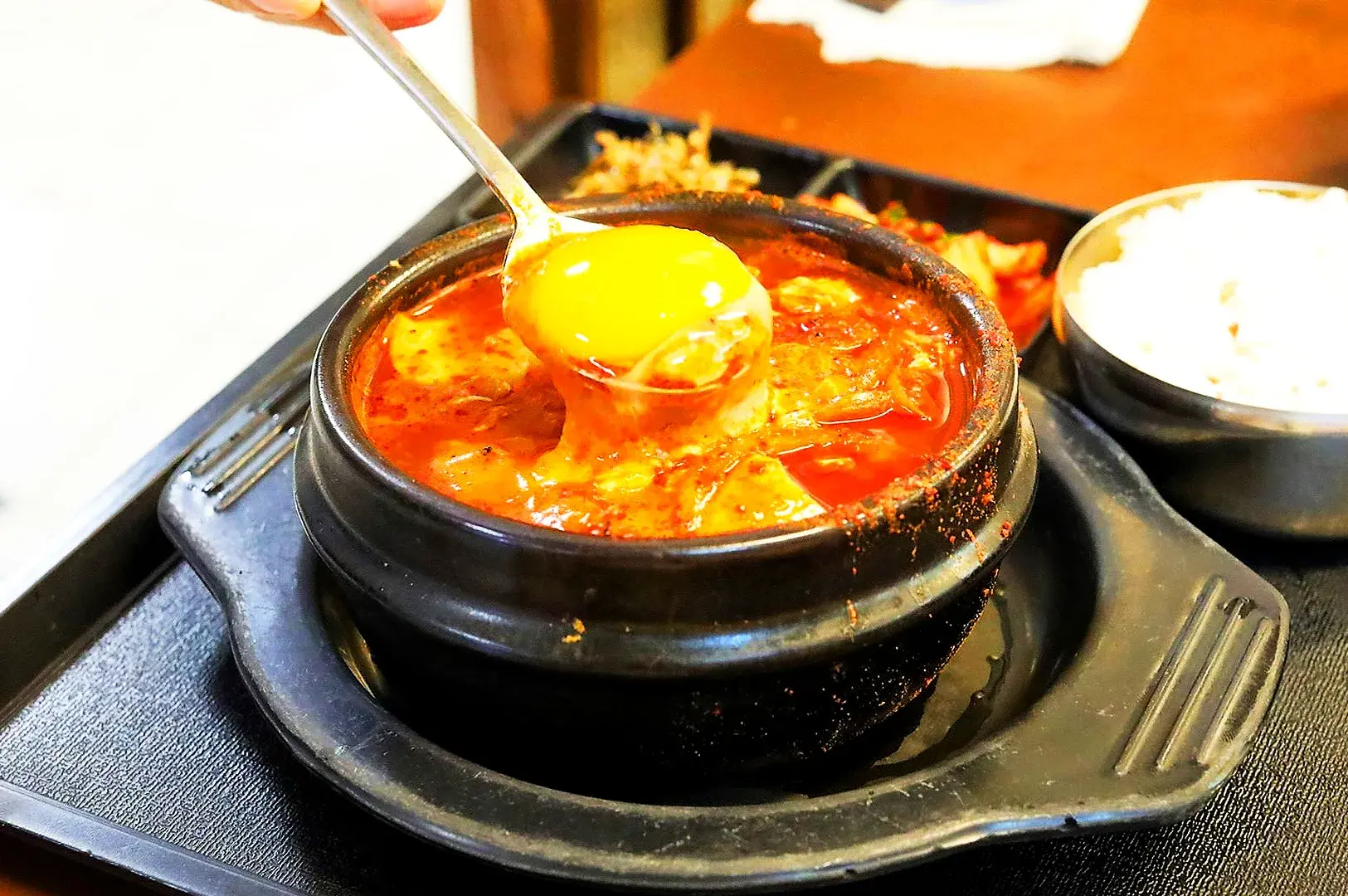
The first time I ordered kimchi jjigae in Singapore, I made a small mistake.
It came bubbling in a stone pot, and I ate it like soup, spoonful after spoonful, straight down, until my mouth was on fire and the bowl was half gone. The auntie across the counter watched me for a moment, then quietly slid the rice a little closer.
That gesture taught me more than any recipe. Korean food isn’t meant to be eaten in a straight line. You move across the table. Rice softens the heat. Kimchi cuts the fat. The soup returns you to warmth. Nothing is meant to stand alone.
I’ve eaten Korean food for years now, in cramped Tanjong Pagar BBQ joints, in quiet lunch spots over a single bowl of bibimbap, on rainy nights when only stew would do. And the thing I keep coming back to is this: famous Korean food feels complete because it remembers the table it came from.
Let me show you what I mean.
The Table Is the Real Main Dish in Popular Korean Cuisine
Here’s the shift that changed how I eat korean food.
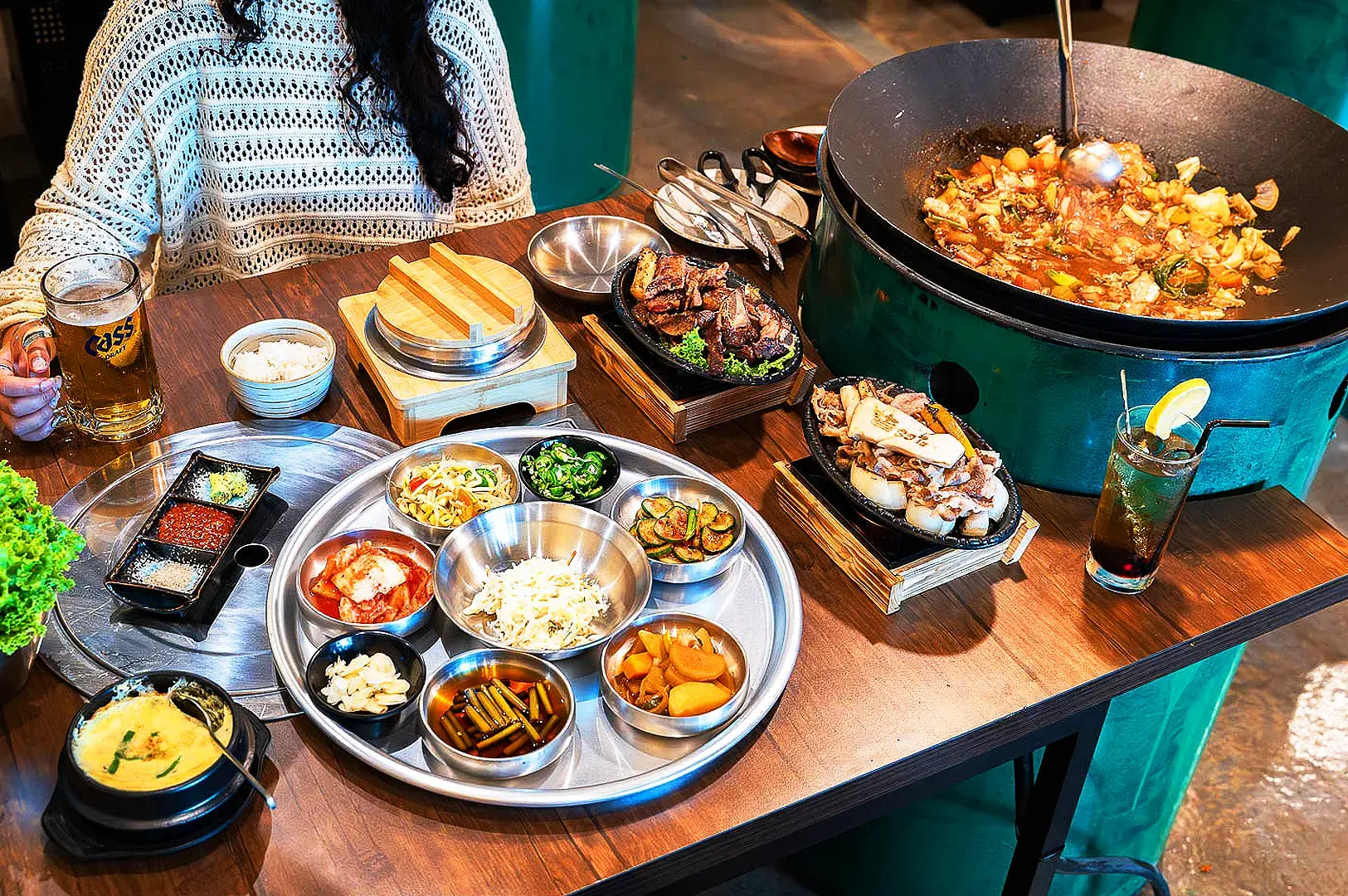
In many cuisines, you order a main dish and everything else sits around it. But popular korean cuisine works differently. A Korean meal stands on three quiet pillars: bap or cooked rice, guk or stew, and banchan, the small korean side dishes that arrive before you even ask.
At first, I treated banchan like table snacks. Something to nibble while waiting for the “real” food. Wrong.
The napa cabbage kimchi, seasoned spinach with sesame oil, crunchy bean sprouts, and other fermented vegetables are not decorative. They bring acidity, salt, freshness, and texture. They reset your mouth between bites of pork belly, kimchi stew, or grilled meat so nothing feels flat or repetitive.
Once you understand the table as one connected meal rather than a main dish with side dishes, korean cuisine starts to feel complete.
Eatdrinkers knowledge: If your banchan bowls run empty and you enjoyed them, most korean restaurants will refill them at no charge. It is part of the culture, not a favour. Just do not over-order before you see how filling the full table already is.
How to Read a Korean Meal
When friends ask me how to order without feeling lost, I give them the same method.
1. Find Your Anchor
Every meal needs one centrepiece. It might be dolsot bibimbap, where steamed rice crisps against a hot stone bowl under vegetables, fried egg, and chili paste. It might be kimchi jjigae, a bubbling kimchi stew with tofu, green onions, pork, and aged kimchi. Or it might be korean bbq, where you cook your own meat over the grill.
Other anchors work too:
- Ginseng chicken soup for comfort
- Tofu stew when you want spice and softness
- Cold noodles or buckwheat noodles on a hot summer day
- Hot pot or army stew for sharing
- Korean fried chicken when the craving is crisp, saucy, and loud
2. Notice the Supporting Cast
Once the anchor arrives, look at what surrounds it: rice, sauces, lettuce, banchan, soup, and pickles. This is why even a modest korean barbecue order feels generous. The meat is only one instrument in the arrangement.
3. Balance Your Bites
Do not finish one dish before touching another. Try rice with a spoon of stew. Wrap pork belly with a little sauce and kimchi. Eat a pickle after something fatty. Pair fried chicken and beer with radish cubes. This rhythm is the whole point.
4. Order for Contrast, Not Volume
A solo diner needs only a rice bowl or stew with banchan. Two people can share one stew, one noodle or rice dish, and korean pancakes like kimchi jeon, kimchi pancake, or mung bean pancake. Four people can order Korean barbecue, steamed egg, a stew, and noodles.
The table always becomes larger than it looks on paper.
What Famous Korean Dishes Remember
The best korean food does not feel complete by accident. Each dish carries the memory of a bigger table.
Bibimbap: The Whole Meal in One Bowl
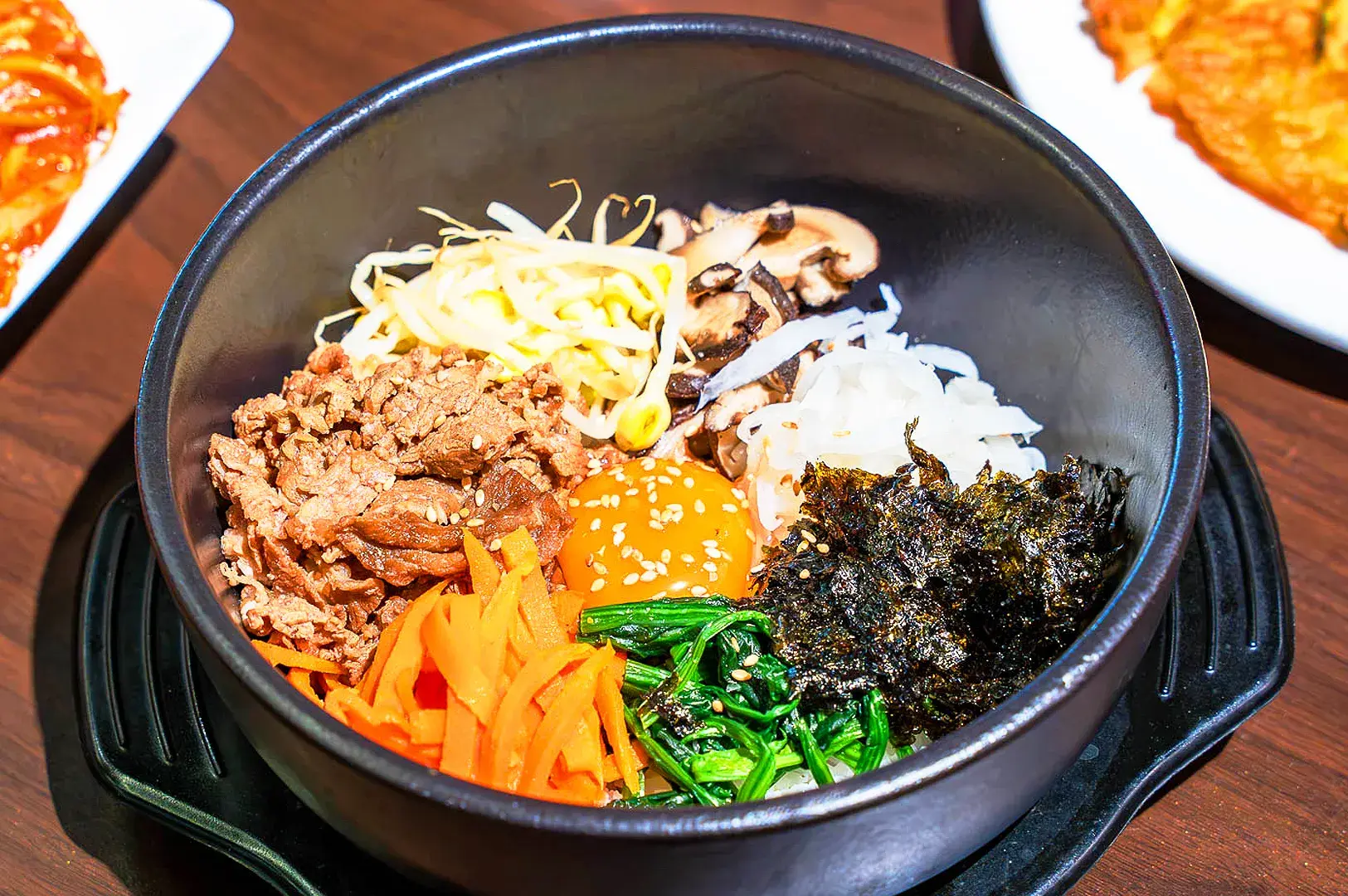
Bibimbap remembers the Korean meal compressed into one bowl. Before mixing, vegetables, rice, egg, and gochujang sit in their own spaces. Then you stir, and separate things become one. The dolsot bibimbap version adds crisp rice at the bottom, giving every spoonful a toasted edge.
Bulgogi: Shared Dinners and Lettuce Wraps
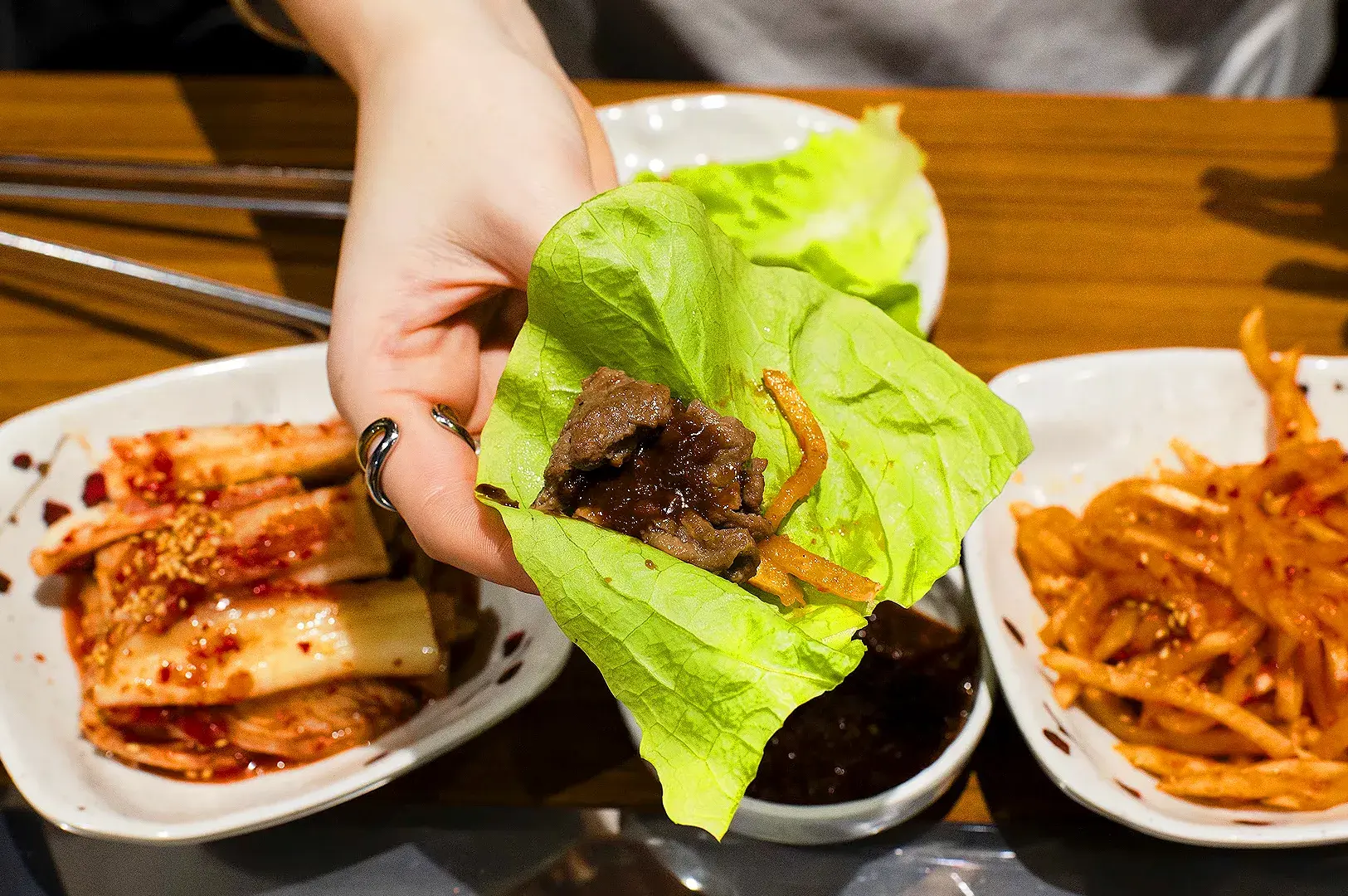
Bulgogi remembers shared dinners. Thin slices of beef or pork are marinated in soy sauce, sweet soy sauce, korean pear, garlic, and sesame oil until tender. The meat cooks into a glossy sweet sauce that wants lettuce, rice, and a dab of ssamjang.
Kimchi Jjigae: The Taste of Aged Kimchi
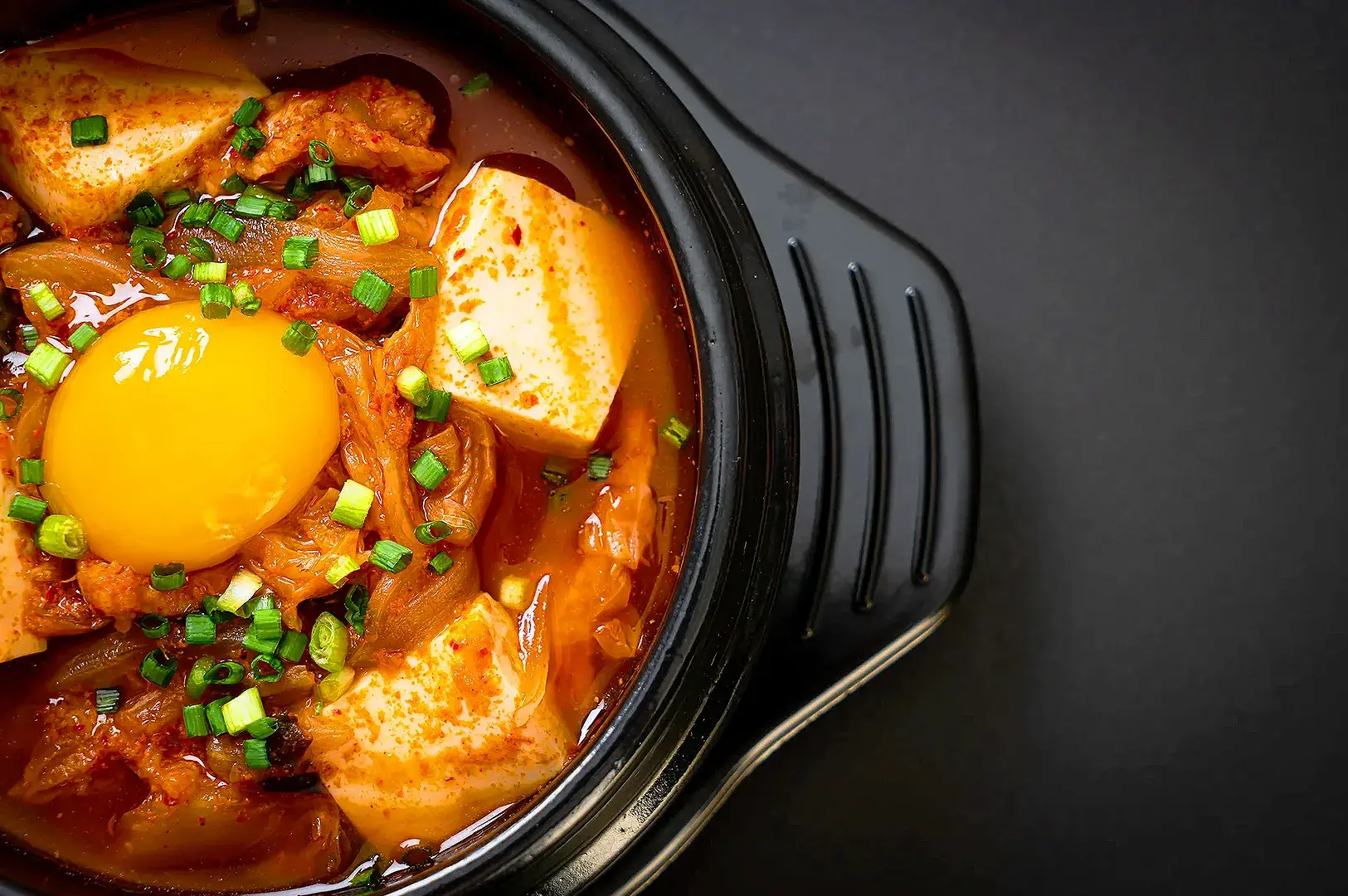
Kimchi jjigae remembers aged kimchi. The best versions taste of fermentation, not just heat. A good bowl carries tang, pork richness, tofu softness, and the deep savoury pull of fermented bean paste and red chili paste.
Tteokbokki: Street Food Memory
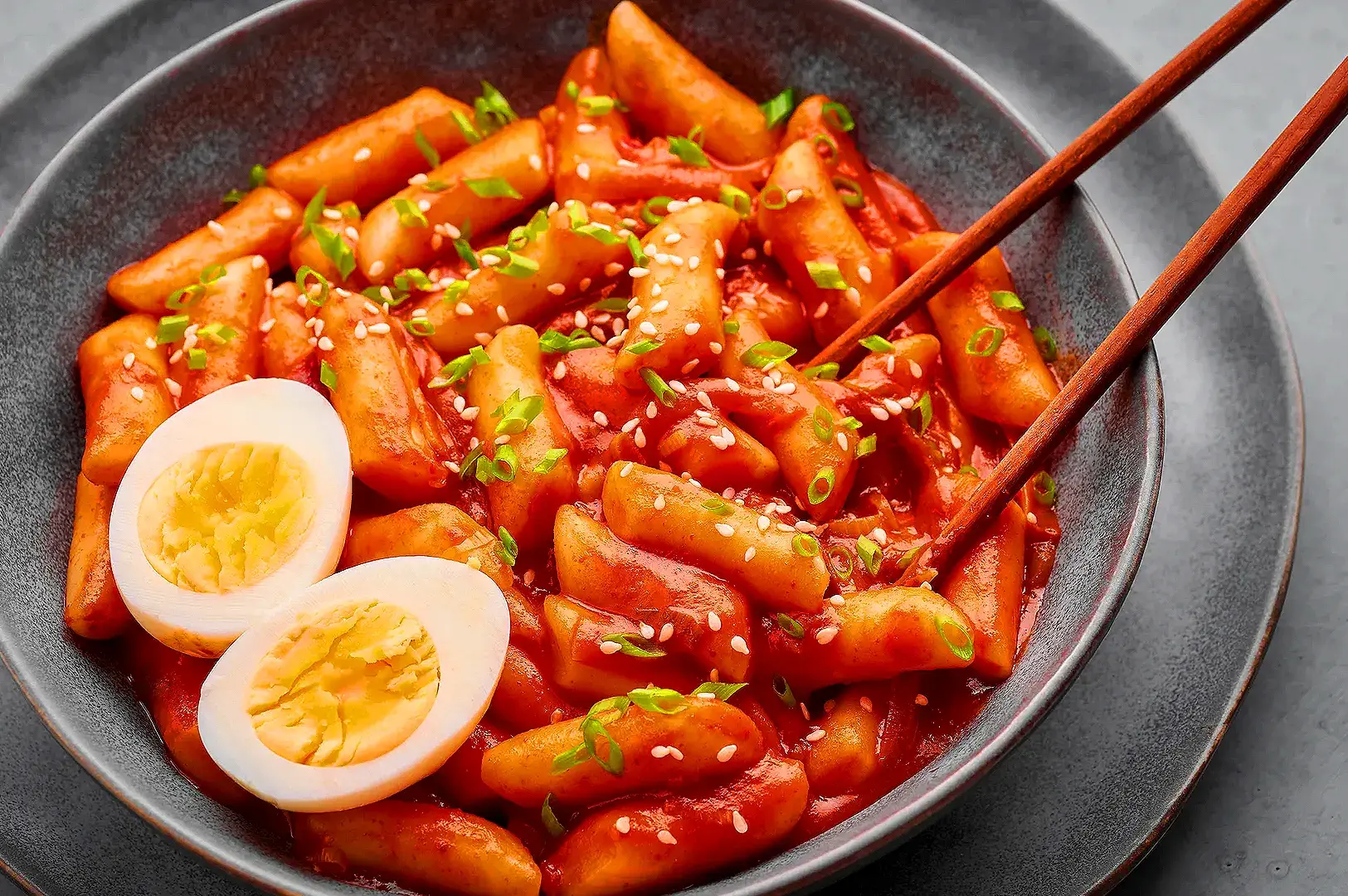
Tteokbokki remembers the street food stall. Its glutinous rice cake texture is the point: chewy, springy, coated in spicy sauce, often with fish cakes and a boiled egg. It is one of Korea’s favorite korean street foods because it feels nostalgic before it feels refined.
Japchae: Celebration Without Fire
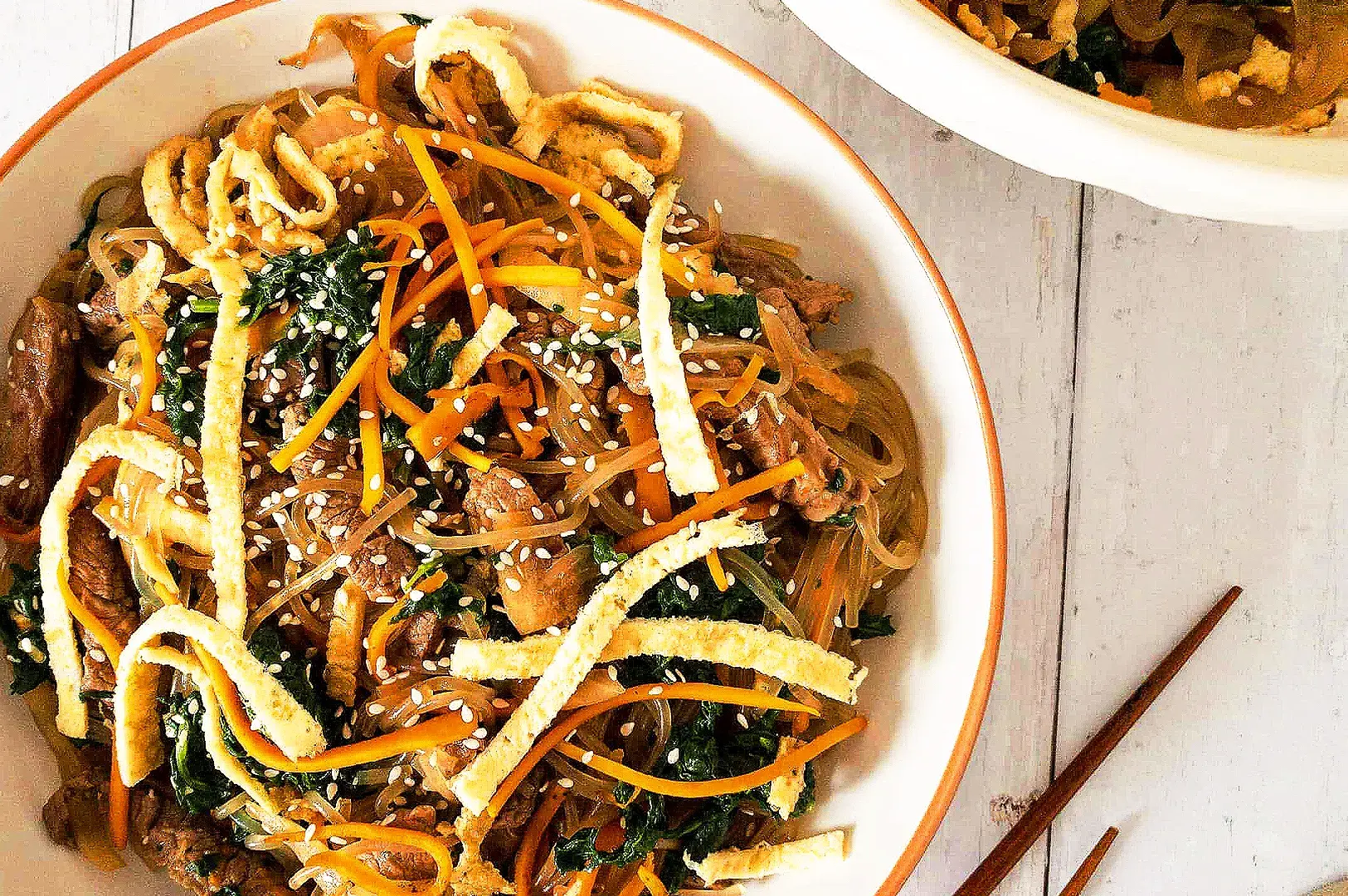
Japchae remembers celebration food. These glass noodles are stir fried with vegetables, sesame oil, and sweet soy sauce. It is gentle, glossy, and fragrant, a reminder that not all korean dishes are fiery.
South Korea’s Street Food Scene
The street food scene in South Korea gives Korean cuisine another kind of completeness: food built around movement, noise, and memory.
In food markets and food stalls, you will see deep fried snacks, egg bread, hotteok filled with brown sugar, fish cakes in broth, and tteokbokki bubbling in red sauce. Some stalls sell a sweet drink like sikhye, while cafés might offer green tea, barley tea, or ice cream with sweet red bean.
Korean Fried Chicken
Korean fried chicken belongs in this world too, even when served in restaurants. The best versions stay crisp under glaze. Soy garlic gives shine and salt. Spicy yangnyeom brings heat, sweetness, and stickiness. The crust should crack before the chicken gives way to juicy meat.
Kimchi Jeon
Then there is kimchi jeon. The pancake should be crisp-edged, tangy, and slightly chewy from the batter. Good kimchi pancakes taste like aged kimchi meeting hot oil: sour, savoury, and deeply snackable.
This is why street food matters. It shows how Korean food can be casual and complete at the same time.
Misconceptions About Traditional Korean Food
A few things are worth unlearning.
First, Korean food is not only barbecue and fried chicken. Those are popular, but traditional korean food also includes porridge, mild soups, korean dumplings, noodles, stews, and quiet home dishes that rarely trend online.
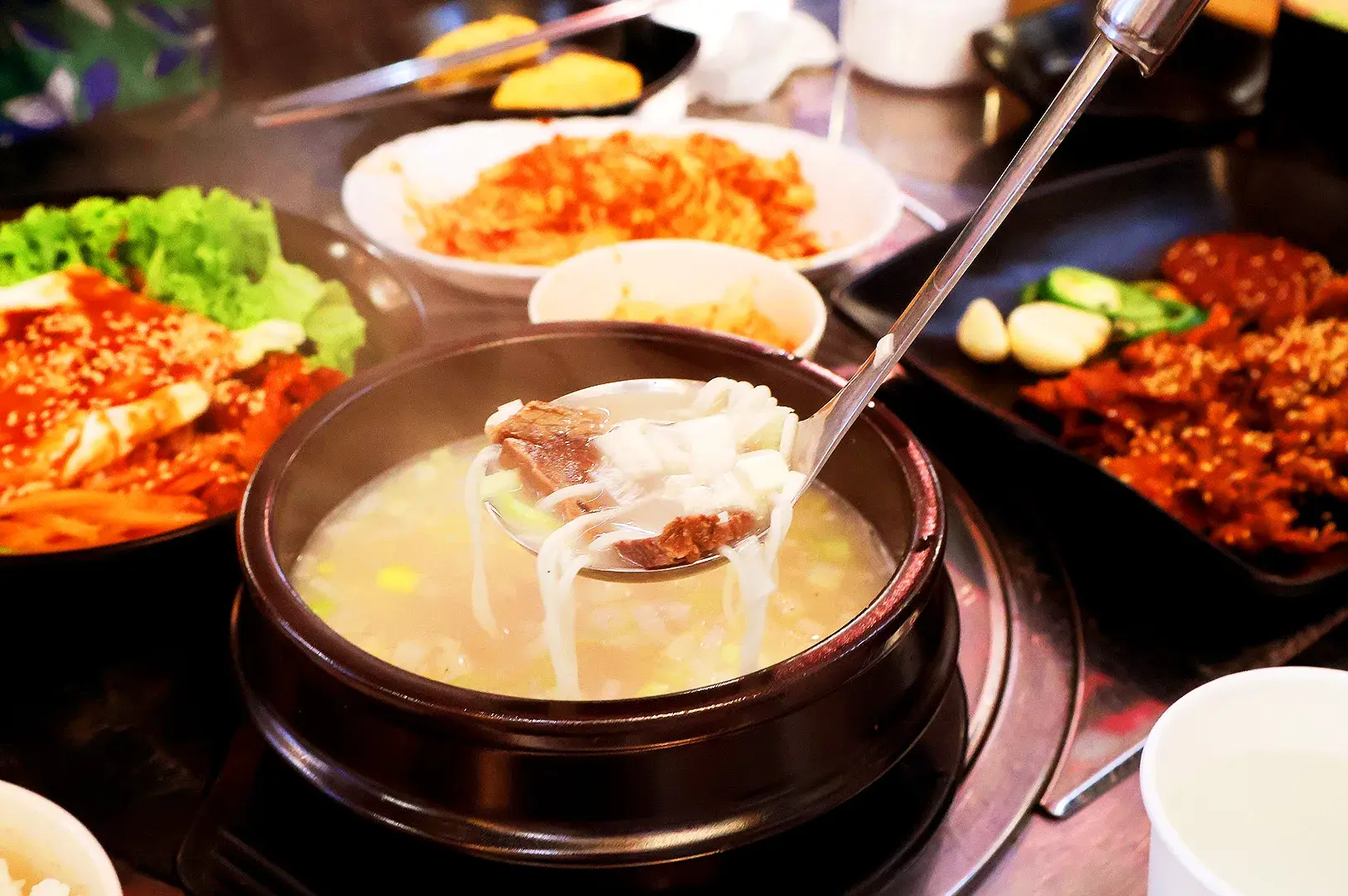
Second, more red does not mean more Korean. Some of the most rooted dishes are pale and calm: seolleongtang with beef bones, samgyetang, gimbap, and mild tofu soups. Spicy food is important, but it is not the whole identity.
Third, Korean cuisine is not famous only because of dramas and music. Media opened the door, but the dishes lasted because they are structurally satisfying. A bowl that gives rice, vegetables, protein, sauce, heat, and texture does not need a trend to survive.
Even historical context is broader than most people assume. Foodways across the Korean peninsula include both South Korea and North Korea, with regional differences shaped by climate, agriculture, migration, and scarcity. One meal cannot represent all of Korea, and that is exactly why the cuisine is so layered.
How to Tell Good Korean Food From Tired Versions
After enough meals, you start reading quality through small signs.
Good kimchi stew tastes of aged, fermented kimchi, not chilli water. A strong bibimbap lets you see the vegetables before mixing; the sauce binds, it does not drown. Bulgogi should be tender and lightly caramelised, glazed with soy sauce, fruit sweetness, and sesame oil.
Fried chicken should hold its crunch under the glaze. Tteokbokki rice cakes should be chewy all the way through, never hard in the centre. Banchan should taste varied and purposeful, not like five cold bowls repeating the same tired note.
Eatdrinkers tip: The banchan is your honesty test. When the side dishes taste fresh and each one does something different, the kitchen usually cares about the mains too.
Ordering Korean Food in Singapore by Occasion
Korean food fits Singapore well because we love sharing, late meals, and bold flavours. Tanjong Pagar remains the famous place for Korean barbecue, kimchi jjigae, fried chicken, and supper spots, but you will also find strong options in Telok Ayer, Beauty World, Orchard, and neighbourhood malls.
Here is how I would order:
- Office lunch: Dolsot bibimbap, kimchi jjigae, tofu stew, gimbap
- Rainy dinner: Army hot pot, sundubu jjigae, ramyeon
- Group dinner: Korean bbq, seafood pancake, steamed egg, stew
- Late-night craving: Fried chicken and beer, tteokbokki, ramyeon
- Beginner-friendly: Bulgogi, japchae, bibimbap, mandu
Premium BBQ or specialty dishes like soy sauce marinated crab can climb quickly in price, so match the restaurant to the occasion. If you want to go deeper, Korean cooking classes can also help you understand why rice, banchan, soup, and sauce work together so naturally.
When the occasion calls for omakase and storytelling, Eat Drink Asia has a note about these unforgettable dining experiences. For a highlight of the diverse culinary food scene in Singapore, consider exploring the best halal restaurant in Singapore.
Come to the Table
The auntie who slid the rice toward me never said a word. She didn’t need to. The meal explained itself once I stopped treating it like a single dish and started reading it like a table.
That’s the quiet gift of popular Korean cuisine. It remembers where it came from, the rice, the soup, the small fermented sides, the habit of balancing every bite. Even a bowl eaten alone carries that whole logic inside it.
So don’t overthink your first order. Pick an anchor. Trust the banchan. Move across the table instead of down it.
The food knows how to make you feel full. Not just in the stomach, in the memory too.

The Quiet Trick Behind Loud Noodles: A Samyang Instant Noodle Recipe Built on Emulsion
Eda Wong | May 21, 2026
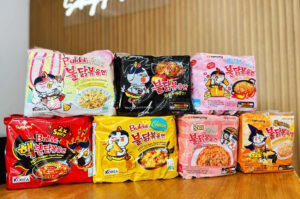
When I first tried making Samyang Buldak noodles at home, I expected the fiery heat but was surprised by the watery, separated red oil at the bottom of my bowl. I had boiled the noodles, drained them, and dumped the flavor packets on top, ending with a dry, clumpy mess that burned my throat without…
-
Taiwan’s Iron Egg and the Patience of Soy-Braised Time
Dio Asahi | May 20, 2026
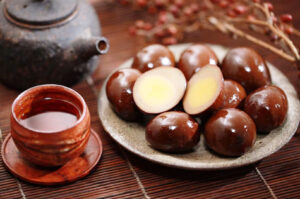
The wind coming off the Tamsui River carries a sharp, saline chill, but the narrow lanes bordering the waterfront offer a different atmosphere entirely. Here, the air is thick with the heavy, sweet-savoury aroma of star anise, cassia bark, and boiling soy sauce. Behind a modest storefront, dark liquid bubbles in massive, dented metal vats….

Not Just ‘Fresh Fish’: The Best Omakase Singapore Has for Storytelling Courses & Seasonal Bites
Eat Drink Asia Team | May 19, 2026
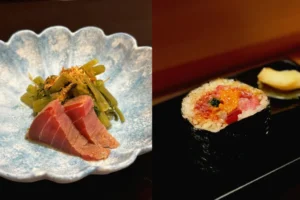
May 19, 2026 | Eat Drink Asia Team | Last Updated September 7, 2026 When you sit at an omakase counter, you’re paying for a culinary journey. A memorable omakase is more than fresh fish; it’s a delicate celebration of flavors. The best chefs act as storytellers, sequencing each bite to build anticipation and contrast, guiding…
-
Indonesian Traditional Food at Warong Nasi Pariaman: A Plate That Doesn’t Explain Itself—It Proves It
Dio Asahi | May 16, 2026
It’s always a little heartbreaking when a true culinary landmark decides to close its doors. Warong Nasi Pariaman, the iconic nasi padang spot at 738 North Bridge Road, served its final plates in January 2026. For decades, it stood as a testament to heritage, feeding generations of Singaporeans and becoming an essential part of the…
-
Indonesian Dishes, the IndoChili Way: A Restaurant Review Written in Smoke and Sweet Soy
Eda Wong | May 14, 2026
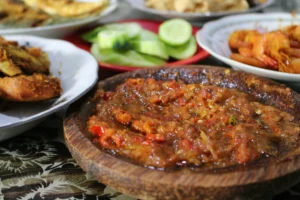
There are evenings when only a very specific type of comfort food will do. I wasn’t craving a standard bowl of noodles or a generic curry. I wanted that unmistakable, deeply fragrant balance of charcoal smoke and sticky sweet soy sauce that defines authentic Indonesian cooking. Finding that perfect harmony in Singapore without sitting outside…
-
The Sweet Darkness of Kecap Manis: The Flavour That Makes Food in Indonesia Feel Like Home
Dio Asahi | May 12, 2026
When I first tried to cook authentic Indonesian nasi goreng at home, I was incredibly confident. I had my wok smoking hot, my garlic and shallots perfectly fragrant, and a generous splash of regular soy sauce ready to go. But when I took that first bite, my heart sank. It tasted flat, salty, and entirely…
-
Fortune Centre Food Guide: Vegetarian Finds, Quick Lunches, and Hidden Dinner Spots
Eda Wong | May 9, 2026
May 9, 2026 | Eda Wong | Last Updated September 24, 2026 I have spent the last six months navigating the tight corridors and bustling walkways of Fortune Centre, determined to map out the Fortune Centre food scene beyond its best-known stalls. I’ve tried all of these famous stalls, sampling everything from intricate plant-based creations to…
-
Types of Chinese Food Hidden in Plain Sight: Imperial Treasure, Reviewed Through Their Orders
Eat Drink Asia Team | May 7, 2026
For a long time, many viewed Chinese food as one giant, delicious monolith, characterized by intense heat, heavy sauces, and wok-tossed brilliance. However, as more time is spent exploring Singapore’s incredible dining scene, it becomes clear that true culinary mastery often whispers rather than shouts. To demonstrate this to visitors, a table at Imperial Treasure…
-
Famous Food in China Isn’t Loud: Din Tai Fung’s Dumplings and the Power of Precision
Dio Asahi | May 5, 2026
There is a common misconception that the most authentic culinary journeys involve loud, chaotic kitchens with massive wok flames and shouting chefs. I used to think the same thing until I started paying closer attention to the quieter corners of Asian cooking. I visited Din Tai Fung on a Tuesday around 2:30 pm, hoping to…
-
The Morning Steam of Baozi Along a Beijing Street
Eda Wong | May 2, 2026
The first thing I noticed was the steam. It rose in soft, continuous bursts from stacked bamboo baskets, drifting into the cold Beijing morning like breath made visible. The vendor lifted each lid with practiced rhythm, a quick tilt, a release of heat, then the faint scent of yeast, pork, and warm flour rolling outward….