It was raining the afternoon I went. Not the polite kind, the sort that drums against the glass of Guoco Tower and makes you glad you’re already underground.
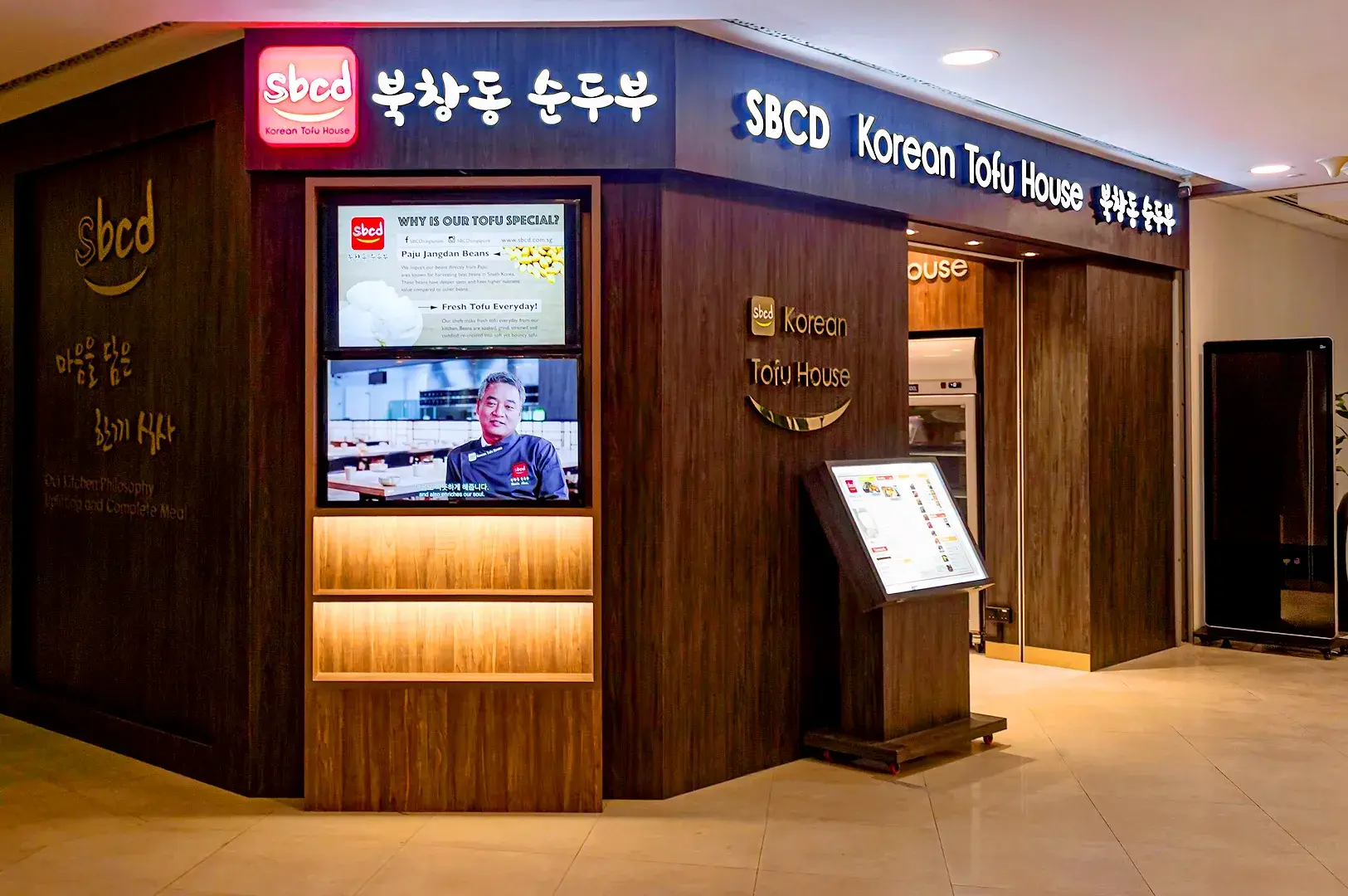
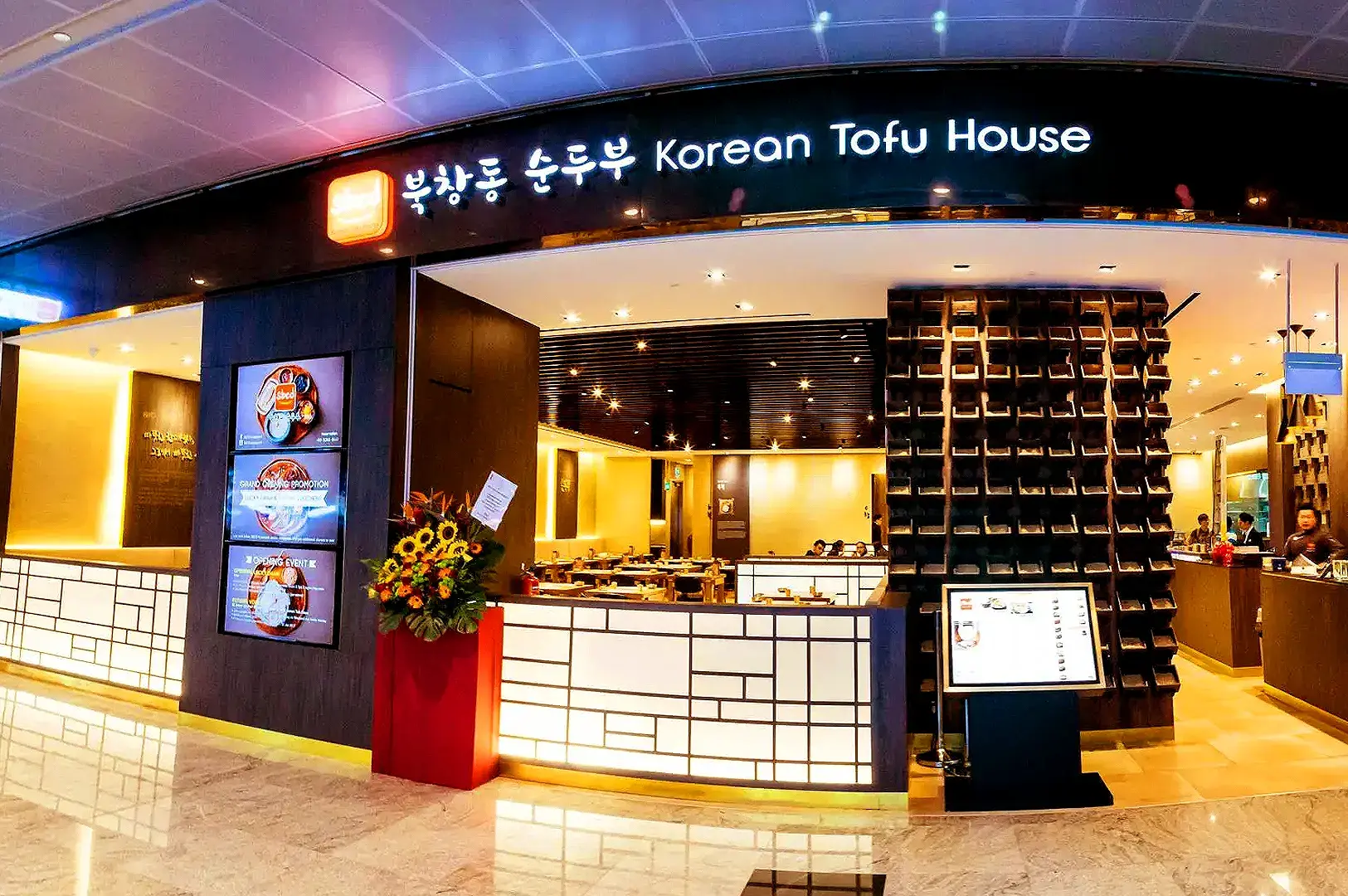
I hadn’t planned on soondubu. I’d planned on something quick, something I could eat between the errands piling up in my head. But the rain does something to your appetite. It asks for warmth. So I went down to the basement, past the office crowd thinning out after the lunch rush, and found SBCD Korean Tofu House waiting there like it knew I’d come, offering a comforting taste of famous Korean cuisine.
Walking In: A Korean Restaurant in Tanjong Pagar Centre
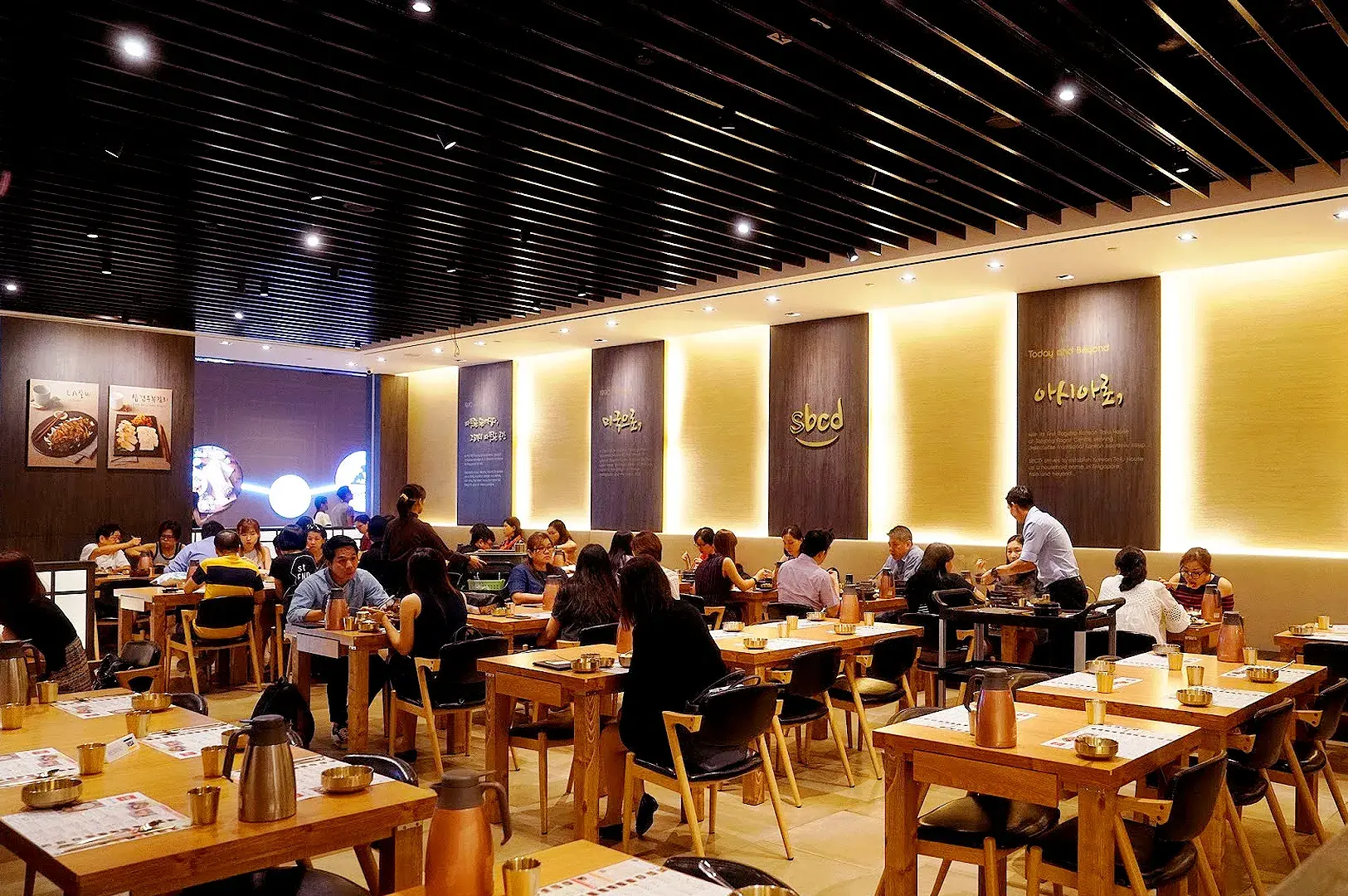
The room is bright and expansive—more spacious than the typical Korean diners scattered around Tanjong Pagar town, those cozy little spots with three tables and fogged-up windows. This place, located at B1 01 02, Tanjong Pagar Centre, Singapore 078884, feels different.
Clean lines and ample seating create an atmosphere of efficient flow rather than intimacy. At 1:45pm, tables turn over quickly, with staff clearing plates almost before diners have stood up. You can feel the pulse of the CBD in the walls here—a space that understands lunch is borrowed time.
I chose a corner table, perfect if you want to hear yourself think, while the center of the room buzzes with energy. The menu offers a variety of mains and side dishes, including soft tofu stews, spicy grilled chicken, and spicy squid strips—each dish served with care and designed to satisfy the working crowd nearby. This restaurant also highlights dining experiences in major complexes in the Singapore CBD, similar to Suntec City, making dining at Suntec a convenient choice.
The Combo Meal and Set Arrives
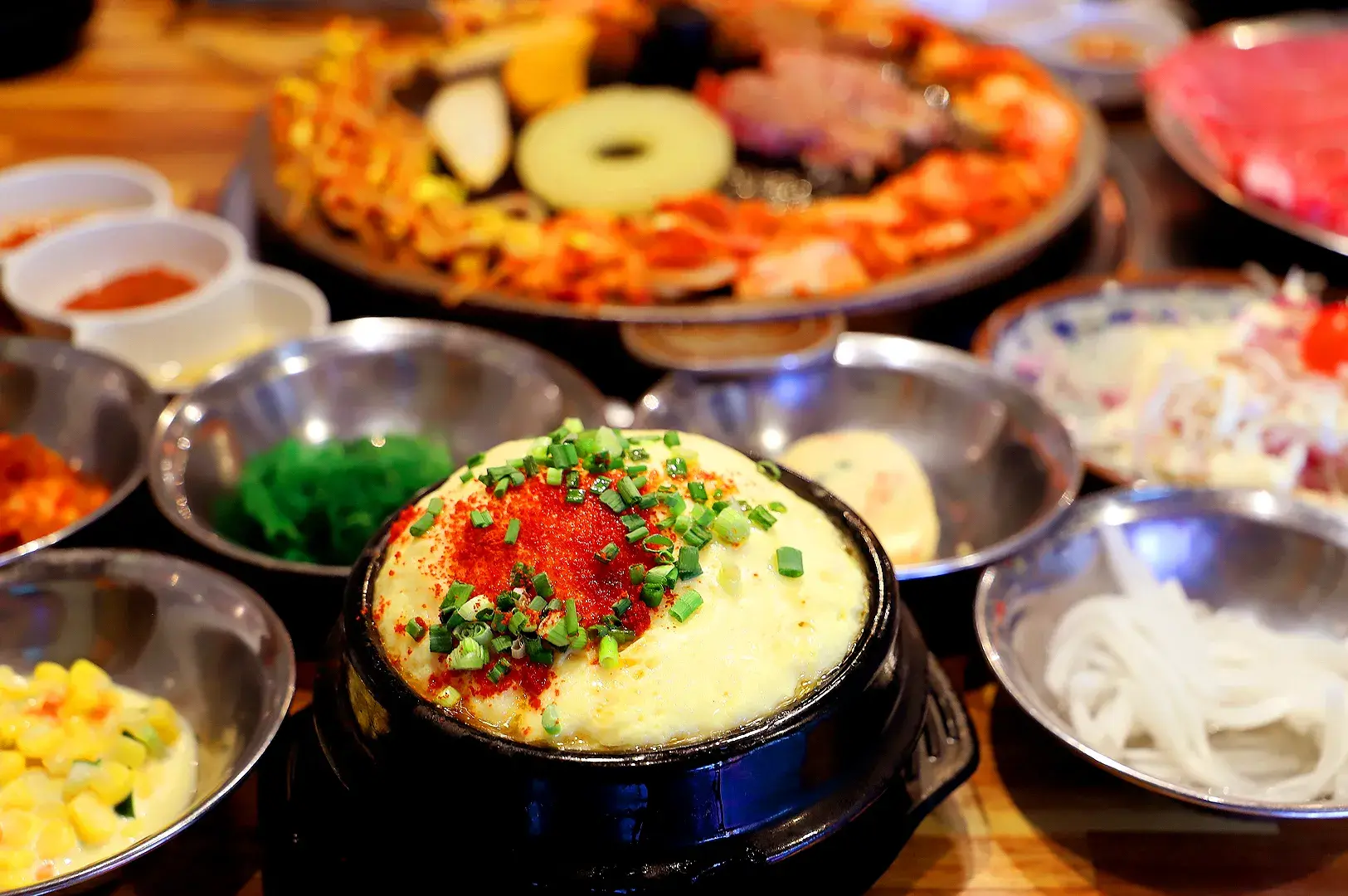
At SBCD Korean Tofu House, you don’t just order a bowl of soup—you order a combo meal that fills the whole table.
Assorted Soontofu and Side Dishes
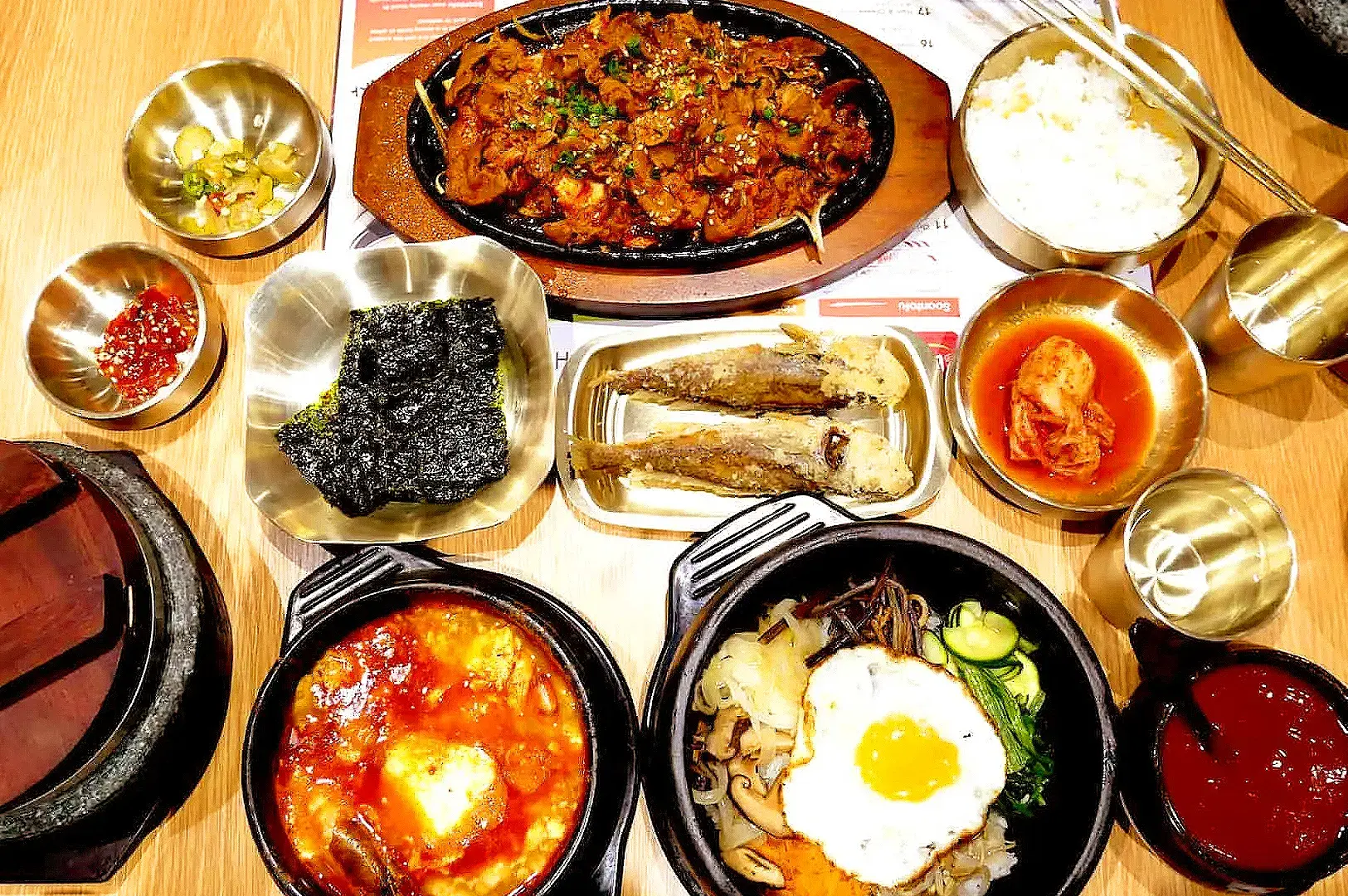
I picked the Assorted Soondubu (around S$19.90), a delicious choice that arrived with an array of side dishes—kimchi, seaweed, spicy squid strips, and crisp cucumber. Most are refillable, except for a delightful surprise: a whole fried yellow croaker, soft beneath its crisp skin, a generous gesture from the kitchen.
Hot Stone Rice and Scorched-Rice Tea
The rice came in a hot stone pot, crackling softly as it cooled. After scooping most out, the server poured hot water over the scorched rice crust, covering it to create that comforting scorched-rice tea—the kind that warms you long after the meal ends.
Then came the tofu stew itself.
Bubbling, bright red, and still moving when it hit the table, it radiated a temperature that demands respect. You don’t touch it for a full minute, knowing the heat will reward your patience.
The Broth, the Tofu, and the Comfort Logic
The tofu is the quiet hero here.
Handmade daily from organic soybeans sourced from Paju, South Korea, it’s soft—almost custard-like—breaking apart with the lightest touch of the spoon. It doesn’t compete with the broth; it carries it.
The broth was loaded with beef slices, prawns, clams, and squid, all resting on a pork-and-vegetable base that had absorbed the briny sweetness of the seafood. The spice level was set to medium, a warming heat that settles in your chest without shouting. For those who dare, the crazy hot option is available, but the mild and medium levels provide a balanced experience.
This is the essence of comfort logic:
- The stew stands strong on its own.
- The rice catches the heat.
- The side dishes reset your palate between spoonfuls.
- The fried fish offers a gentle contrast.
Nothing works alone—the whole table works in harmony.
I ate more than I planned. The rain outside only made the stew more inviting.
The La Galbi Combo Meal: Where It Wobbles
Curious about the combo meal options, I also ordered the La Galbi (S$35.90), a Korean beef rib dish served sizzling on a hot plate.
The marinated beef was sweet, savory, and lightly charred, tender in most bites and generously portioned. It came with its own hot stone rice, repeating the comforting structure of the tofu stew meal.
But here’s the honest truth: while the tofu stew is consistently excellent, the grilled meats can be a gamble. On another visit, the La Galbi was tougher and chewier than expected, with fattier ribs that didn’t quite justify the price.
If you want the sizzle and fullness of a bigger meal, the combo meal is a good choice. Just don’t let it overshadow the star of the show—the soft tofu stews.
The Seafood Pancake and Spicy Squid Strips
We shared a seafood pancake that was crisp at the edges and generously studded with bits of squid and prawn. It wasn’t too starchy in the middle, a common pitfall for pancakes, and held together beautifully.
The spicy squid strips from the side dishes complemented the pancake perfectly—tangy, chewy, and with a gentle kick that balanced the richness of the stew.
I’ve heard the kimchi pancake can be bland, so I’d stick with the seafood version. It earns its place on the menu.
Service and Atmosphere: A Real Experience
The staff were kind and patient, especially when I hesitated over the spice level. They talked me through the options without rush.
Still, it’s clear that during peak lunch hours, the small team strains under the pressure. On a busy weekday at noon, you might experience delays or uneven timing with orders. It’s not carelessness—just the reality of a popular spot in a bustling Singapore CBD.
For a warmer, more attentive experience, try coming off-peak, just before noon or after 1:30pm.
Why SBCD Korean Tofu House Stands Out in Tanjong Pagar
SBCD Korean Tofu House isn’t the cheapest Korean restaurant in Tanjong Pagar, nor is it the flashiest. But it’s inspired by the tradition of Korean soft tofu stews and delivers a delicious experience served with an understanding of what customers truly want.
Whether you’re a CBD worker needing a quick, warming lunch or a visitor seeking authentic soft tofu stews with a variety of side dishes, this spot near Tanjong Pagar MRT station offers a comforting meal that stays with you.
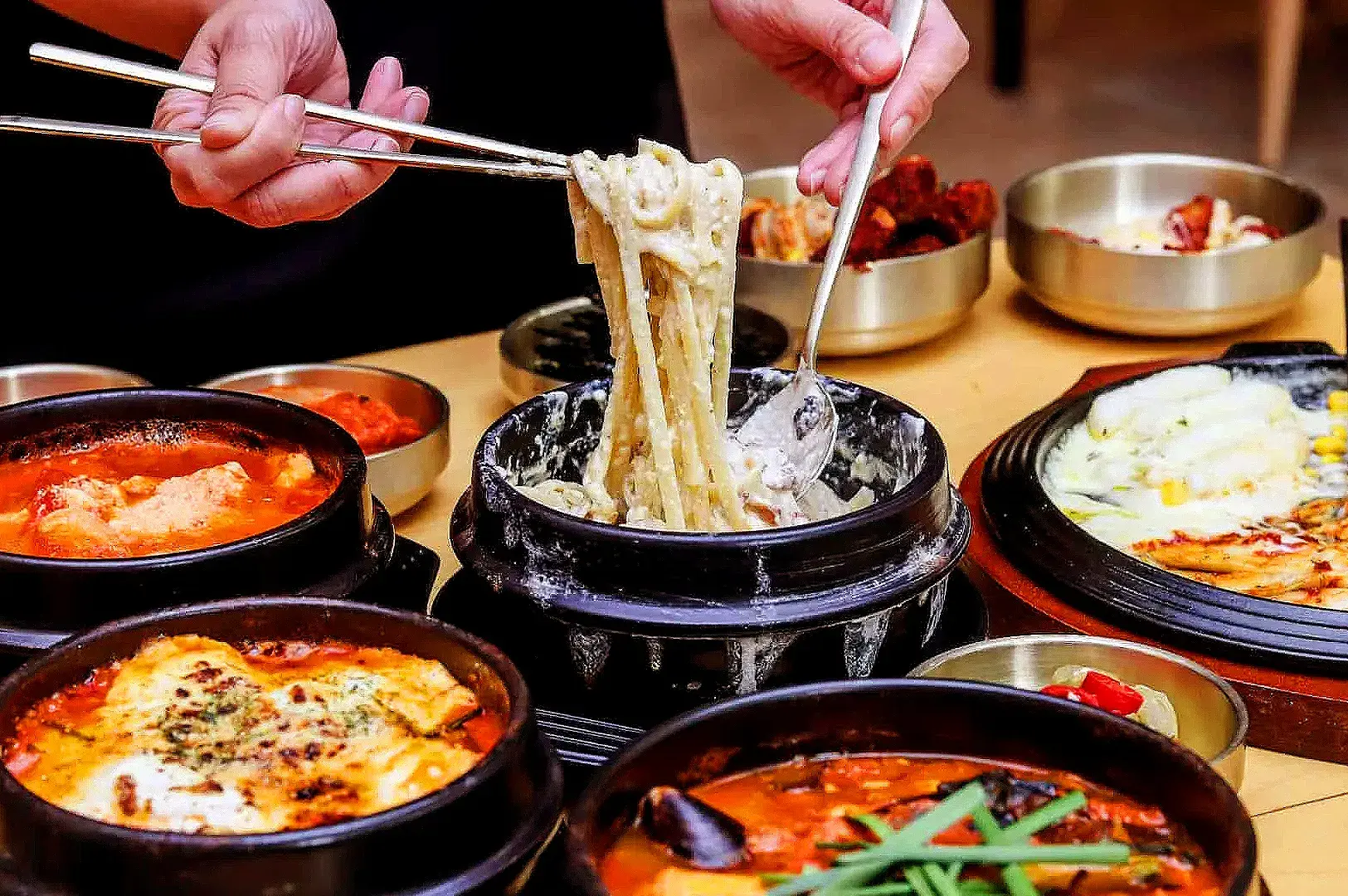
The ham & cheese soontofu is a standout for those looking for a creamy twist, while the spicy grilled chicken offers a flavorful alternative to the stews.
If you want to enjoy Korean comfort food in a clean, efficient space with a choice of spice levels from mild to crazy hot, SBCD Korean Tofu House is a close, convenient option in the heart of Singapore’s financial district.
What You’ll Want to Know
Category | Details |
|---|---|
Getting there | Tanjong Pagar MRT, one to three minutes on foot. Inside Guoco Tower, basement level. Rain-free access if timed right. |
Hours | Lunch: 11:30am to 2:30pm; Dinner: 6pm to 9pm, daily. Listings vary, check booking page before visits. |
Spend | Around S$25 to S$45 per head depending on stew set, combo, and pancake orders. Not cheap but full table justifies cost. Includes rice, banchan, fried fish, and bubbling stew. |
Booking | Reserve through Chope or official site, especially for groups or peak hours. Walk-ins at lunch are uncertain. |
When to go | Just before noon, after 1:30pm, or early dinner before 7pm crowd. Same food quality; calmer atmosphere. |
Would I Go Back
Yes. On a rainy day, without thinking twice.
SBCD isn’t the cheapest Korean meal in Tanjong Pagar, and it isn’t trying to be the most exciting. What it understands is why soondubu works in the first place. The stew bubbles. The tofu softens the heat. The rice catches the broth. The banchan keeps the whole table moving, and the little fried fish makes it feel like someone wanted to feed you well.
It’s a meal for the CBD worker who needs twenty minutes of warmth between meetings. For the rainy afternoon when soup is the only sensible answer. For anyone who loves a Korean stew and wants the full set around it, not just the bowl.
It’s less for vegetarians — the base is built on pork and vegetables, so this isn’t your table. And less for anyone counting every dollar, because the comfort here comes at a price.
But I left full. Not just my stomach — the whole grey afternoon felt a little kinder walking back out into it.
The rain had stopped. The tofu stayed with me longer than it did.

Ramune Marble Soda: History and Cultural Meaning of Japan’s Iconic Marble Soda
Dio Asahi | November 20, 2025
Among Japan’s beloved fizzy drinks, none evoke nostalgia and uniqueness quite like Ramune marble soda. Instantly recognizable by its quirky Codd neck bottle and glass marble seal, Ramune soda is an essential part of Japanese summer, cherished by generations for its refreshing taste and signature pop sound. This marble soda remains a staple at summer…
-
Hokkaido’s Best Seafood Treasures: Beyond Sushi and Sashimi
Eat Drink Asia Team | November 18, 2025
When visiting Hokkaido, Japan’s northernmost island, food lovers are greeted with some of the most highly regarded seafood specialties in the world. Hokkaido is famous for its abundance of fresh seafood and rich fishing grounds, thanks to the surrounding Sea of Japan, Pacific Ocean, and Sea of Okhotsk. These nutrient-packed waters yield a wide range…
-
The Art of Asian Tea Ceremony Traditions: Ancient Rituals and Cultural Values Across Asia
Dio Asahi | November 15, 2025
A cup of tea, in many parts of Asia, represents far more than a beverage-it is a conduit to ancestral tradition, intellectual pursuit, and the cultivation of mindfulness. Asian tea ceremony traditions turn the act of drinking tea into a sophisticated art form, layered with symbolism, philosophy, and socio-cultural values. Each gesture, from scooping powdered…

The Art of Slow-Cooked Curry Recipes: Time’s Magic in South Asian Cuisine
Eda Wong | November 13, 2025
Step into a South Asian kitchen, and the senses are instantly enveloped by the inviting aroma of food slowly simmering in a sturdy clay pot or heavy vessel. The allure is undeniable: in this space, slow-cooked curry recipes are a celebration of patient tradition, spices, and the richness of South Asian cuisine. Here, time and…
-
Bandung Drink Recipe: A Singaporean Rose Syrup Drink Tradition
Eat Drink Asia Team | November 11, 2025
Step into any night market or hawker centre in Singapore, and you’ll spot a vibrant, glowing glass filled with a cold, beautiful drink-Bandung. Known for its iconic blush-pink hue and refreshing taste, this rose syrup drink is an integral part of Singapore’s beverages scene and a cherished tradition in Southeast Asian gatherings. More than just…
-
The Ultimate Hainanese Chicken Rice Recipe: A Deep Dive
Eda Wong | November 8, 2025
To wander through Singapore’s bustling hawker centres on a humid evening is to experience a symphony of sights, sounds, and smells. Among the many other dishes sizzling away, one plate stands out for its elegant simplicity: Hainanese Chicken Rice. It arrives without fanfare-gleaming slices of poached chicken over fragrant rice, flanked by a trio of…
-
Bubble Tea Origins: How Taiwan Created a Global Beverage Phenomenon
Dio Asahi | November 6, 2025
From Taipei to New York, a single drink has captured the world’s taste buds: bubble tea. This beverage, known as pearl milk tea or boba tea, and also known as boba in many regions, is celebrated for its delightful combination of sweet, creamy tea and signature chewy tapioca pearls. What began as a novel creation…
-
A Food Lover’s Guide to the Taiwanese Oyster Omelet
Eat Drink Asia Team | November 4, 2025
As twilight descends upon Taipei City, a vibrant energy pulses through its streets. This is the hour of the night markets, bustling hubs of community, commerce, and some of the world’s most incredible street food. Amidst the steam from soup dumplings and the sizzle of Taiwanese fried chicken, one iconic dish reigns supreme: the Taiwanese…
-
Jamu: Indonesian Herbal Medicine for Modern Well-Being
Dio Asahi | November 1, 2025
Across the Indonesian archipelago, a vibrant tradition of herbal healing has flourished for centuries. This is jamu, a cornerstone of Indonesian cultural heritage and a sophisticated system of traditional herbal medicine. Far more than just a refreshing drink, jamu represents a philosophy of balance, a deep connection to nature, and a form of indigenous medicine…
-
Padang Beef Rendang: The Complex Process Behind Indonesia’s Most Famous Dish
Eda Wong | October 30, 2025
This post may contain affiliate links. For full transparency, this article may contain affiliate links. To call Padang beef rendang simply a dish is to miss the soul of Indonesian cuisine. This legendary slow-cooked dry curry, a centerpiece of both festive tables and humble meals, has earned its fame as one of the world’s most…