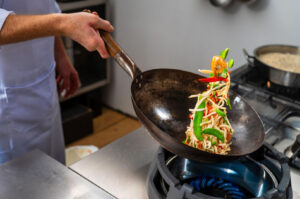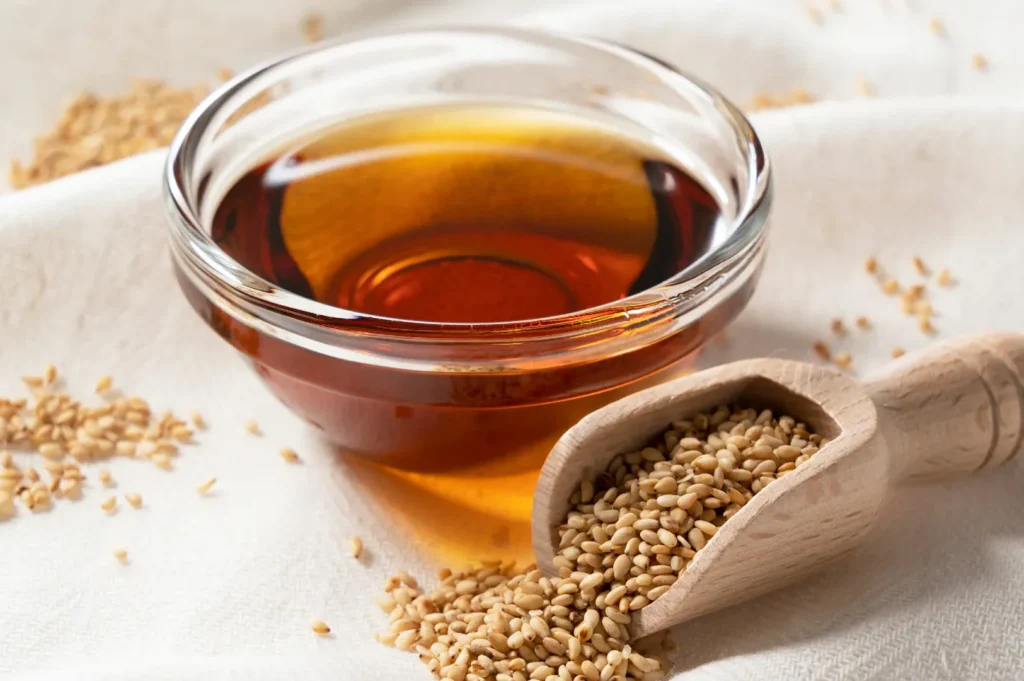
The wok is already off the heat. The greens sit glossy and dark, steam still curling off them. My mother lifts a small bottle, tilts it, and lets a thin line of sesame oil fall across the top. It hisses faintly against the warm leaves, and the smell rises all at once — toasted, nutty, almost smoky. She doesn’t stir much. Just a fold or two, enough to coat. The kitchen fills with it before the plate even reaches the table. That scent, more than anything, tells me dinner is ready.
What she’s doing is using sesame oil — 芝麻油, zhī ma yóu — as a finish, not a cooking fat. There’s an important difference. It’s the same kind of quiet, inherited precision you see in century-old dumpling techniques, timing and restraint that only shows itself at the end. Toasted sesame oil carries its flavour in volatile aromatics, the kind that burn off fast under high heat. Cook it in the wok from the start and you lose most of what makes it worth using.
Add it at the very end, off the flame, and it stays alive — fragrant, sharp, present. The skill here has nothing to do with how much you pour. A few drops, timed right, do more than a generous splash added too soon. It’s a technique built entirely around the moment, not the measure.
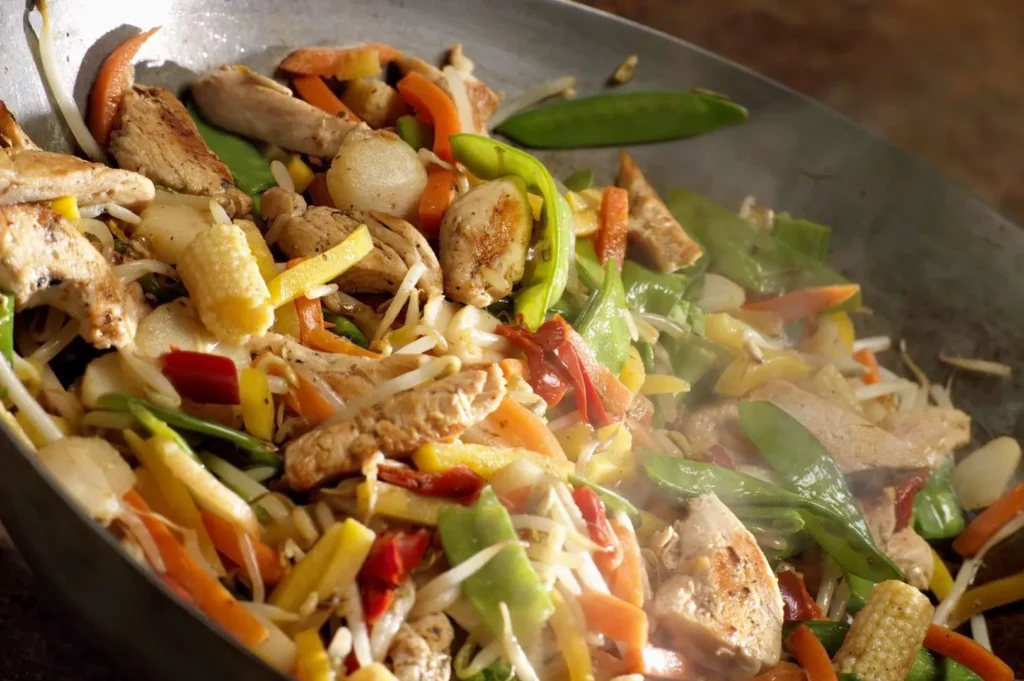
You see it everywhere once you start looking. The hawker who ladles soup, then circles a thread of sesame oil over the surface just before passing the bowl across. The home cook who keeps the bottle near the stove, not in the cupboard, because it’s the last thing reached for, not the first. In many kitchens, that final drizzle is how a dish announces itself as done. Not the plating. Not the garnish. The smell of sesame oil meeting heat — that’s the signal. It says the cooking is finished and the eating can begin. Nobody explains this. You simply learn it from the kitchens you grew up in.
What stays with me is how instinctive the good version is, and how easily it gets lost. A practised hand knows when to stop — a restraint that comes from years of watching a dish, not reading a recipe. But sesame oil is cheap and forgiving to misuse, so it’s easy to overdo, to drown a bowl until everything tastes the same, or to cook it in early out of habit and never notice the fragrance gone flat. What disappears isn’t flavour exactly. It’s the brightness. The lift. The reason the oil was reached for at all.
I think of that thin line falling across warm greens. It asks for almost nothing — a steady hand, a sense of timing, the patience to wait until the flame is off. A small thing, easy to rush past. But it’s there, in the last second of cooking, that a dish quietly becomes itself.

The Malayan Council, Reviewed: Local Food in Malaysia, Plated Like a Memory
Eat Drink Asia Team | June 11, 2026
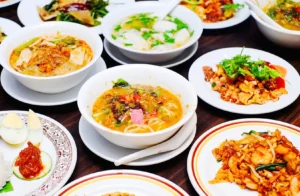
Our Eat Drink Asia team spends a lot of time debating what makes a truly unforgettable meal. The team has previously published articles exploring the redefinition of comfort food. That is exactly what led me to The Malayan Council at 71 Bussorah Street. I visited on a Friday around 7:30 pm, just as the weekend…

Sushi in Singapore: Why There Is a Style for Every Budget
Eda Wong | June 11, 2026
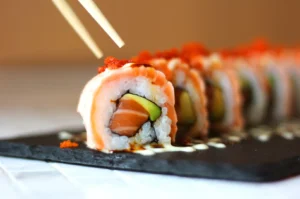
Few Japanese dishes have travelled as successfully across Asia as sushi. What began as a culinary tradition deeply rooted in Japan has evolved into something remarkably diverse in Singapore. Today, sushi in Singapore can mean many different things. It can be a quick lunch grabbed from a conveyor belt restaurant, a carefully curated omakase meal…
-
The Quiet Pull of Lahpet in Myanmar’s Tea Leaf Salad
Dio Asahi | June 10, 2026
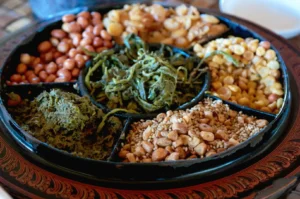
The afternoon humidity presses against the open-air teahouse in downtown Yangon, where the sharp clatter of a silver spoon against ceramic cuts through the low hum of conversation. A small plate sits in the centre of a low plastic table, holding a dense, dark green cluster that smells faintly of damp earth and sharp lime….
-
Dining at Suntec: The Restaurants That Feel Like Different Cities in One Mall
Eda Wong | June 9, 2026
Over the past six months, I’ve navigated the sprawling, sometimes disorientating corridors of Suntec City more times than I can count. What started as a simple quest to find decent spots for post-meeting lunches quickly turned into a genuine culinary journey. I have tried over a dozen venues within this massive complex, and I’ve found…
-
PappaRich SG and the Comfort of Malaysian Staple Food: A Restaurant Review in Familiar Flavours
Dio Asahi | June 6, 2026
There is a very specific kind of exhaustion that hits you right before a flight or just after you land. You are dragging your suitcase, staring blankly at the departure boards, and suddenly, you realize you are starving. But you don’t want just any food. You want something warm, familiar, and deeply comforting. I felt…
-
Sri Lanka’s Ambul Thiyal and the Sourness of Goraka
Eda Wong | June 5, 2026
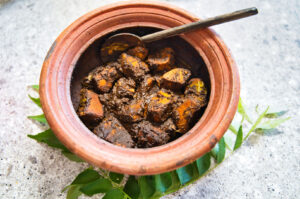
In the open-air kitchen of a coastal home in southern Sri Lanka, a low fire crackles under a wide, unglazed clay pot. The air is thick with the scent of roasted black pepper and something deeply, aggressively tart. A wooden spoon scrapes the bottom of the pot, turning cubes of firm yellowfin tuna until they…
-
Traditional Malaysian Foods Aren’t a Museum: They’re a Living Argument at the Table
Eda Wong | June 4, 2026
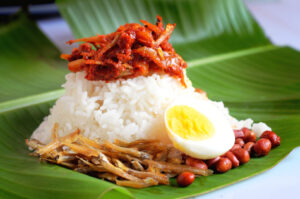
When I first really started digging into traditional Malaysian food, I made a classic rookie mistake. I was sitting at a crowded kopitiam in Kuala Lumpur, looking at a plate of nasi lemak, and I thought I understood exactly what it was supposed to be. I thought it was a fixed, rigid recipe, a museum…
-
In Gifu, Hoba Miso Warms Slowly Over Magnolia Leaves
Dio Asahi | June 3, 2026
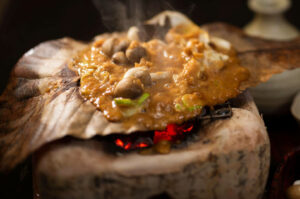
Frost clings to the wooden window frames in the highlands of Gifu. Inside, the air is thick with the scent of woodsmoke and fermented soybeans. On the table, a small ceramic charcoal grill known as a shichirin radiates a gentle, localized heat. Resting directly above the glowing embers is a large, brittle brown leaf holding…
-
The Stir Fried Egg Plant That Taught Me Restraint at Si Chuan Dou Hua Restaurant
Eat Drink Asia Team | June 2, 2026
I’ve always had a love-hate relationship with Sichuan food. Usually, you walk into a spot, order your food, and spend the rest of the night sweating through your shirt, chugging ice water, and wondering why you did this to yourself. But when I visited Si Chuan Dou Hua Restaurant on a Tuesday around 7 pm,…
-
What the Wok Is Really Doing to the Vegetable: The Question Behind Every ‘Brinjal Recipe Chinese Style’
Dio Asahi | May 30, 2026
When I first tried cooking brinjal at home, I was completely convinced that all I needed was a hot pan, some oil, and a good recipe. I chopped the vibrant purple vegetable, threw it into a standard frying pan with a generous pour of oil, and waited for the magic to happen. Instead of the…