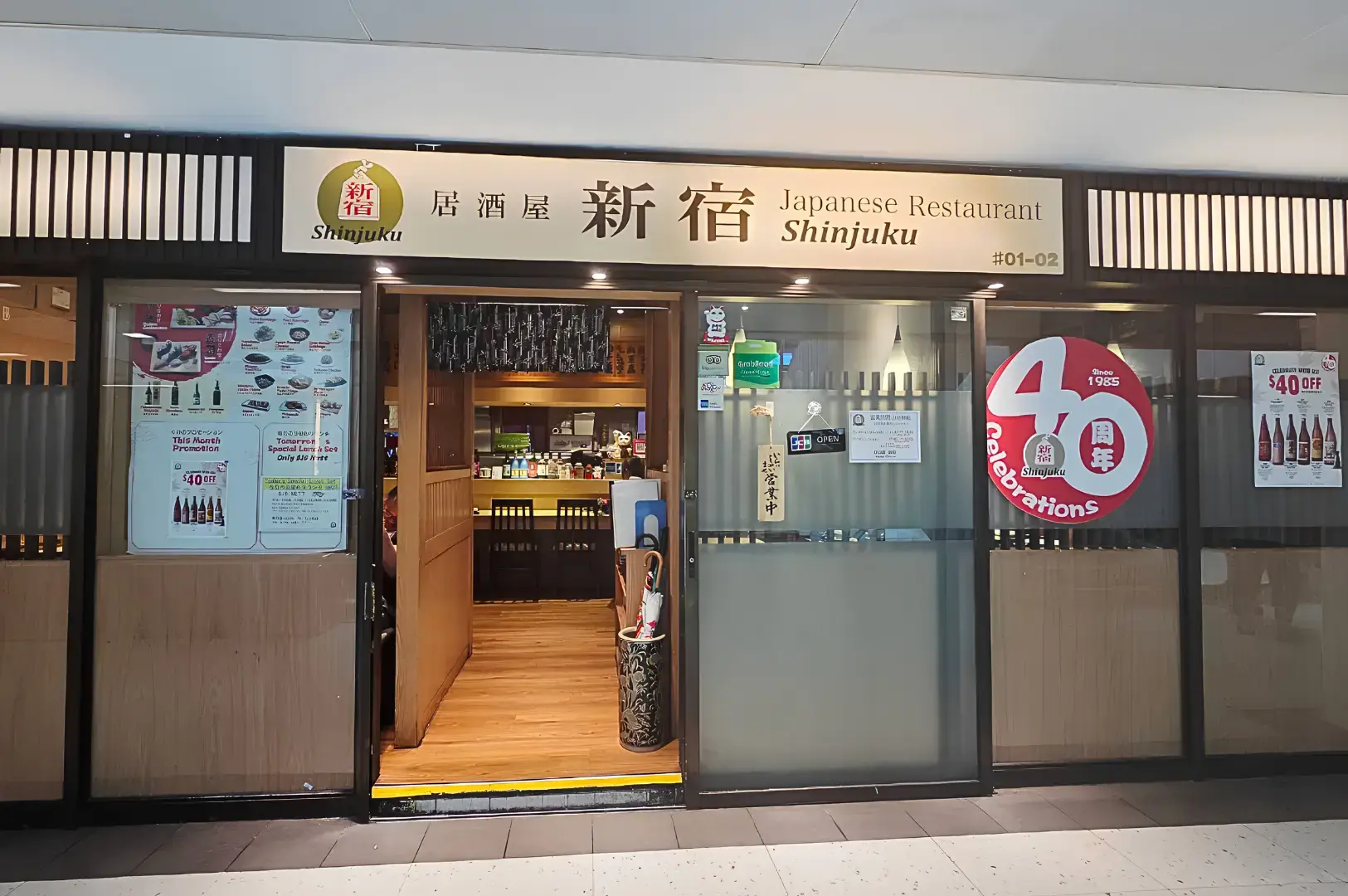
I almost walked past Shinjuku Restaurant. That is easy to do in Cuppage Plaza. Step away from the polish of Orchard Road and the building feels older, quieter, and much less interested in catching your attention. Shinjuku sits on the ground floor at 5 Koek Road, behind a frontage that gives little away about the Japanese cuisine waiting inside.
I went on a Tuesday just before noon, early enough to see the restaurant before the lunch crowd changed the room completely.
My takeaway was simple: Shinjuku is at its best when it stops trying to impress you.
Shinjuku Restaurant at Cuppage Plaza: Old School Charm Near Orchard Road
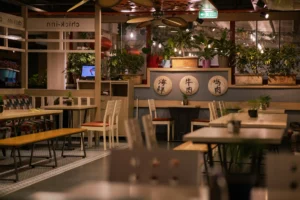
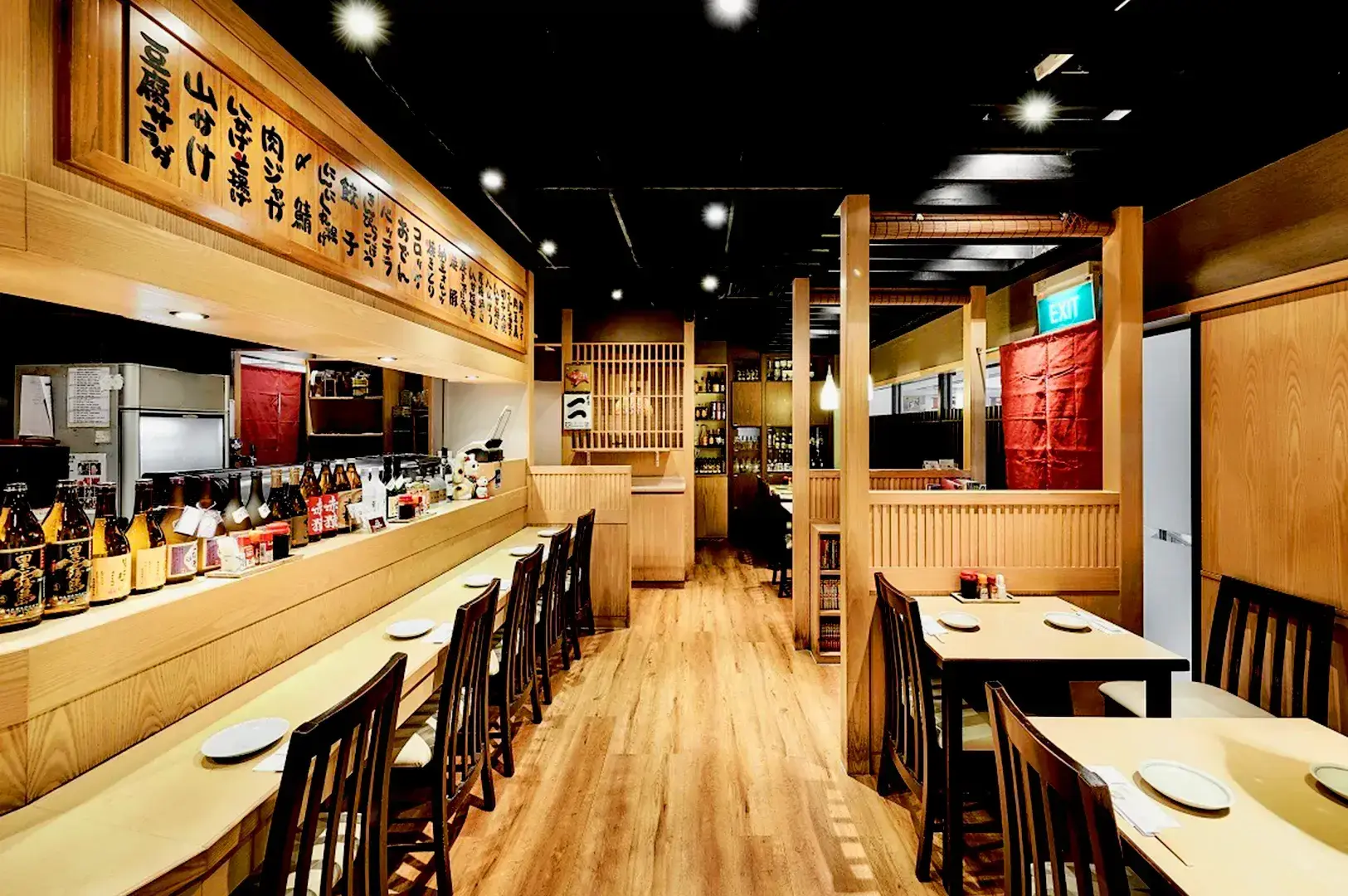
Shinjuku does not look newly designed because it is not trying to. There is a sushi counter, ordinary tables, shelves of sake, and a raised Japanese-style seating area. Wood dominates the space, softened by years of visits rather than chosen to manufacture a nostalgic atmosphere.
The restaurant says it has been serving Japanese food for around 40 years, which explains why the room feels lived-in rather than themed. Its current website describes the focus simply as sake, sashimi, and grill, while the menu ranges much further into everyday Japanese comfort food.
Little Tokyo Character Without Pretending to Be Tokyo
Cuppage Plaza is often treated as a kind of Little Tokyo in Singapore because Japanese restaurants, bars, sake, grilled skewers, and late-night dinners are packed into a relatively small building.
Shinjuku fits that setting naturally. It does not feel like a reproduction of Tokyo. Its appeal lies more in continuity: a familiar room, broad menu, regular diners, and dishes that have little interest in chasing whatever Japanese dining trend happens to be current.
For the wider building context, Cuppage Plaza Food: Hidden Japanese Restaurants and Dining Gems Near Orchard maps the hidden Japanese restaurants and dining gems that give this old Orchard corner its character.

Somerset MRT, Noise Level, and the Best Seat for a Quiet Meal
I chose the counter. If you like watching sashimi being cut or seeing plates move between the kitchen and dining room, it is the more interesting corner. Groups will probably prefer a table, particularly if the plan involves several rounds of grilled dishes, beer, sake, and other beverages.
At noon, the noise level was low. By about 12:30pm, the atmosphere had changed. Tables filled, orders were called, chopsticks clicked against bowls, and the room became noticeably louder.
If you prefer a quiet meal, arrive near opening. If you want the energy of an old-school Japanese restaurant at dinner, a packed room may actually be part of the appeal.
Japanese Cuisine at Shinjuku: The Familiar Dishes Matter Most
The official menu is enormous. Sashimi and sushi sit beside tofu, pan-fried dishes, tempura, grilled seafood, kushiyaki skewers, rice bowls, hot pots, noodles, ramen, homemade gyoza, set meals, and drinks.
Dashimaki Tamago: The Dish That Justified the Meal
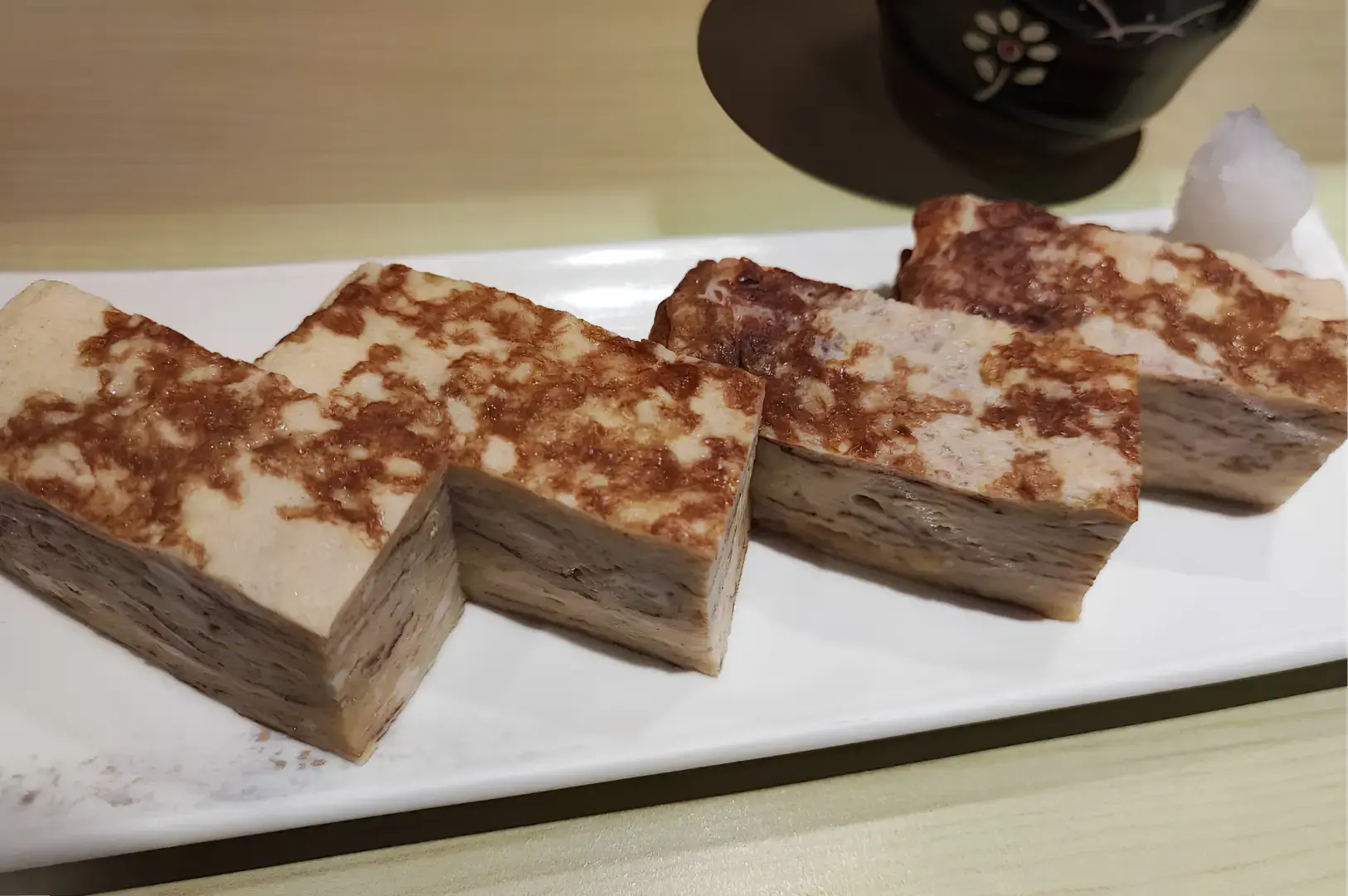
I came particularly interested in the Dashimaki Tamago, the Japanese-style rolled omelette enriched with dashi. It ended up being my favourite dish.
The egg arrived pale gold and visibly layered, without the dark browning that can make dashimaki feel closer to an ordinary fried omelette. Under the chopsticks, each piece gave slightly before holding together. The middle was tender, moist, and almost custard-like.
More importantly, I could taste the dashi. That sounds obvious, but it is the difference between proper dashimaki and rolled eggs that taste mainly of sugar. Here, savoury soup stock seemed woven through the layers rather than trapped between them.
If this was the dish that made the meal click, Dashimaki Tamago recipe explains why dashi, heat, and soft layers matter so much in a proper Japanese rolled omelette.
Why the Eggs Work
The balance was what impressed me:
- Soft, defined layers without becoming watery
- Dashi appearing before sweetness
- Little aggressive browning
- A moist centre that retained structure
- Enough seasoning that extra soy sauce felt unnecessary
Beside richer grilled food or crispy fried plates, the omelette almost disappears. That restraint is exactly why I liked it. I would order it again paired with sake, especially between heavier dishes.
Sashimi and Sushi: Freshness Matters More Than Presentation
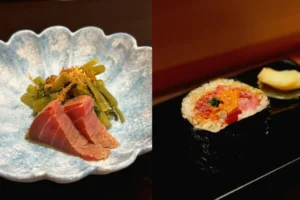
Presentation was plain. No sculpted ice, elaborate garnish, or oversized plate. The fish had nowhere to hide. The salmon was soft and fatty without turning mushy. The tuna was firmer and cooler, with a clean bite rather than the watery texture that makes sashimi immediately disappointing.
That simplicity suits the restaurant.
Ask What Seafood Is Best That Day
Freshness should matter more than presentation in a restaurant like this. Because the menu covers so many kinds of seafood, I would rather ask what is particularly good that day than automatically order the biggest sashimi assortment.
The official menu also includes sushi combinations, chirashi don, tuna and salmon don, grilled mackerel, salmon, eel, cod, squid, and other seafood options, although fresh items are explicitly subject to availability.
Mentaiko Cabbage: Simple Japanese Cuisine With Real Character
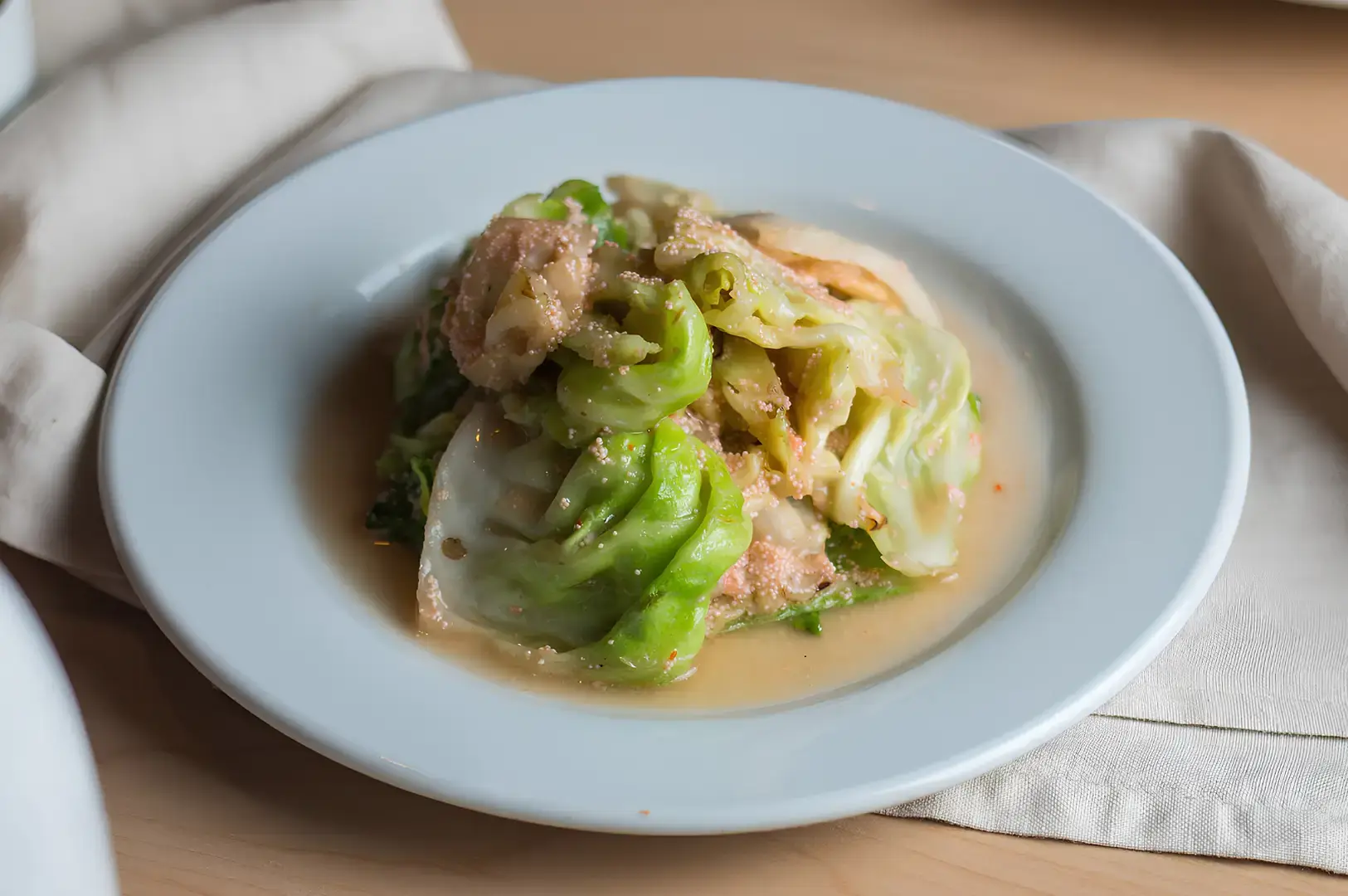
Mentaiko Cabbage is not complicated. Warm cabbage meets the salty, slightly spicy richness of mentaiko. The leaves soften from the pan but keep enough crisp texture to resist the bite, which stops the plate becoming limp and heavy.
Small pockets of fish roe cling to the cabbage rather than drowning it. That balance matters. Too much mentaiko and the cabbage disappears. Too much cooking and everything becomes soft.
Here, I could still taste both. This is where Shinjuku’s appeal lies: familiar ingredients treated with enough restraint to keep their individual character.
Tori Karaage, Grilled Dishes, and Other Dishes Worth Exploring
The grilled chicken wings were among the stronger savoury plates. Their edges picked up a light char while the meat stayed juicy and tender, with chicken fat and smoke doing more of the work than heavy seasoning.
The Tori Karaage was less distinctive. The crust was crisp, the chicken tender, and the seasoning balanced, but it did not stay in my mind the way the dashimaki or mentaiko cabbage did. Nothing was wrong with it. It was simply good fried chicken in a restaurant with more interesting choices.
What I Would Order Again
My repeat round would be:
- Dashimaki Tamago
- Seasonal Assorted Sashimi
- Mentaiko Cabbage
- Grilled chicken wings or another kushiyaki skewer
- Sake or beer
For a larger table, there is plenty more to explore. The official menu lists homemade gyoza, agedashi tofu, wagyu tofu, grilled squid, Kagoshima wagyu steak, tempura, chirashi don, garlic rice, shoyu ramen, udon, seaweed noodles, and multiple set meals.
Rice, Chirashi Don, Ramen, and Set Meals Make Lunch Easier
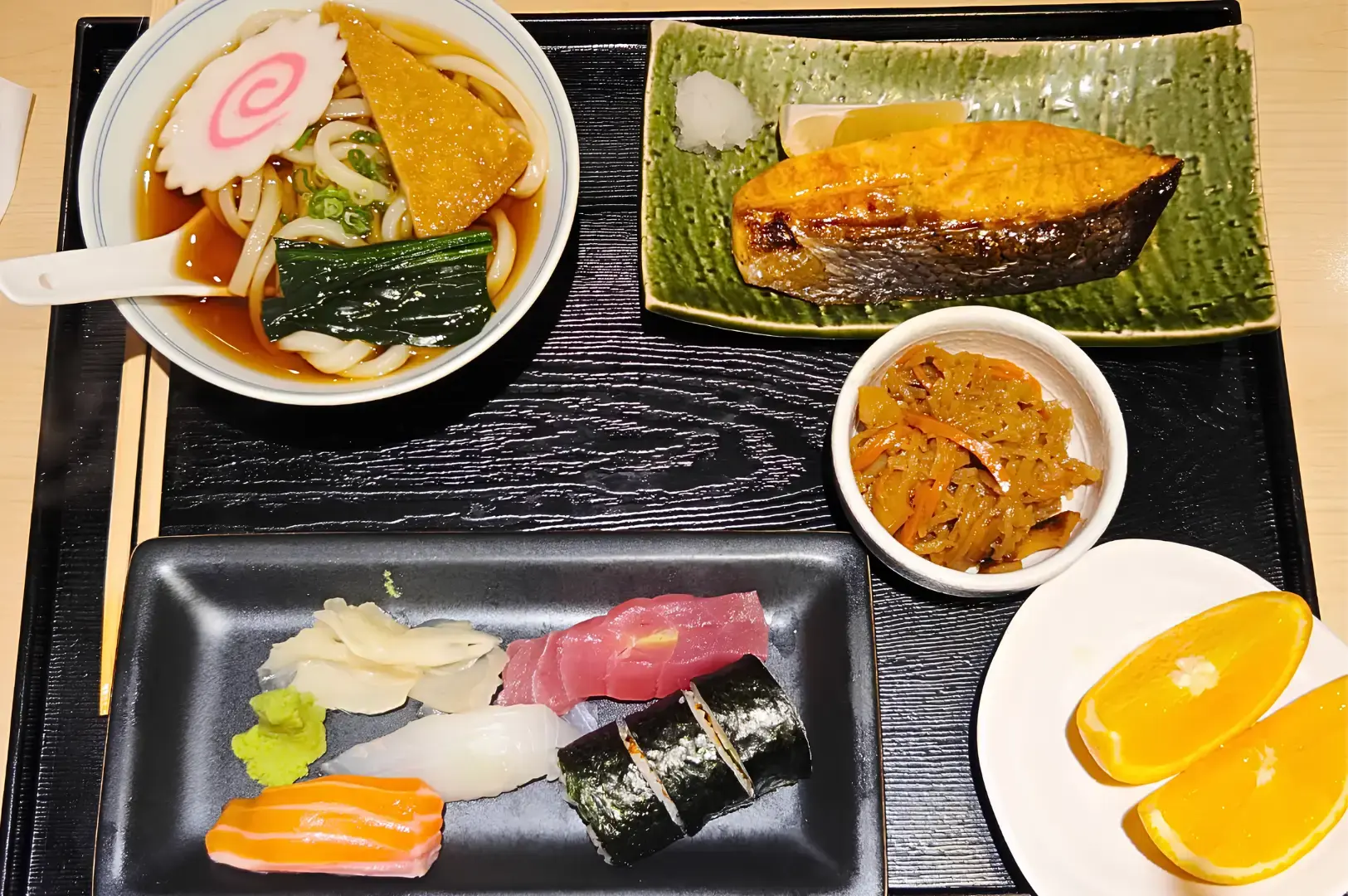
Its current menu includes katsu don, oyako don, tempura don, unagi don, chirashi don, yakitori don, tuna or salmon don, takana fried rice, garlic rice, udon, traditional-style shoyu ramen, and Kurobuta Miso Seaweed Noodles.
That matters at lunch because not every visit needs to become a long round of sashimi and sake. A rice or noodle set gives you something hearty and self-contained, while the wider set-meal section makes it easier to dine alone or get back to work without constructing an entire table of small plates.
Better Before the Room Gets Packed
Service during my visit was warm without hovering. Tea was topped up. I was left alone when I wanted to sit with the sashimi. The staff seemed comfortable allowing diners to set their own pace.
That rhythm changes once the room fills. The restaurant’s own customer feedback praises the value and filling set meals, while the general impression across recent diner accounts is that busier periods can slow the kitchen.
My experience can be reduced to one line: Attentive when calm, more stretched when packed.
Is Shinjuku Restaurant Good Value?
Shinjuku actively promotes its set lunches as a value-focused part of the menu, and customer comments on its website repeatedly mention balanced, filling portions and reasonable central-Singapore pricing.
Dinner is different. Once the table starts accumulating sashimi, sushi, skewers, seafood, fried plates, sake, and beer, the bill naturally rises.
A Practical Budget
I would work with approximately:
- Lunch: S$25 to S$35 per person
- Dinner: S$40 to S$60+ per person, depending heavily on seafood and drinks
I would not describe Shinjuku as cheap. But it also does not behave like a refined Japanese restaurant charging a premium for elaborate presentation. Most of the value comes from menu range, location, portion satisfaction, and the freedom to dine casually.
What to Know Before Visiting Shinjuku at Cuppage Plaza
Address: 5 Koek Road, #01-01/02, Cuppage Plaza, Singapore 228796
Nearest MRT: Somerset MRT
Opening Hours: Daily, 11:45am to 2:30pm and 6pm to 11pm
Reservations: Available through Shinjuku’s official website.
Lunch or Dinner?
For the calmest visit, I would arrive close to 11:45am on a weekday. Come later for more atmosphere, but expect a louder room and potentially slower service once tables fill. For dinner, particularly Thursday through Saturday, I would make a reservation if you have a group or care about where you sit.
Would I Return to Shinjuku Restaurant?
Yes, although not because every dish was exceptional.
That is actually part of its old-school charm. Shinjuku feels built for repeat visits rather than one flawless showcase meal. The menu is too broad for every plate to carry equal weight. The Tori Karaage was competent rather than memorable, and diners who prefer contemporary Japanese restaurants may find both the room and plating plain.
Shinjuku does not need to compete with Singapore’s hushed omakase counters or restaurants chasing modern Japanese refinement. Its character comes from something less glamorous and more difficult to manufacture: familiar Japanese cuisine served in a room that has been doing this for decades.

Not Just ‘Fresh Fish’: The Best Omakase Singapore Has for Storytelling Courses & Seasonal Bites
Eat Drink Asia Team | May 19, 2026
May 19, 2026 | Eat Drink Asia Team | Last Updated September 29, 2026 When you sit at an omakase counter, you’re paying for a culinary journey. A memorable omakase is more than fresh fish; it’s a delicate celebration of flavors. The best chefs act as storytellers, sequencing each bite to build anticipation and contrast, guiding…
-
Indonesian Traditional Food at Warong Nasi Pariaman: A Plate That Doesn’t Explain Itself—It Proves It
Dio Asahi | May 16, 2026
It’s always a little heartbreaking when a true culinary landmark decides to close its doors. Warong Nasi Pariaman, the iconic nasi padang spot at 738 North Bridge Road, served its final plates in January 2026. For decades, it stood as a testament to heritage, feeding generations of Singaporeans and becoming an essential part of the…
-
Indonesian Dishes, the IndoChili Way: A Restaurant Review Written in Smoke and Sweet Soy
Eda Wong | May 14, 2026
There are evenings when only a very specific type of comfort food will do. I wasn’t craving a standard bowl of noodles or a generic curry. I wanted that unmistakable, deeply fragrant balance of charcoal smoke and sticky sweet soy sauce that defines authentic Indonesian cooking. Finding that perfect harmony in Singapore without sitting outside…
-
The Sweet Darkness of Kecap Manis: The Flavour That Makes Food in Indonesia Feel Like Home
Dio Asahi | May 12, 2026
When I first tried to cook authentic Indonesian nasi goreng at home, I was incredibly confident. I had my wok smoking hot, my garlic and shallots perfectly fragrant, and a generous splash of regular soy sauce ready to go. But when I took that first bite, my heart sank. It tasted flat, salty, and entirely…

Fortune Centre Food Guide: Vegetarian Finds, Quick Lunches, and Hidden Dinner Spots
Eda Wong | May 9, 2026
May 9, 2026 | Eda Wong | Last Updated: October 08, 2026 I have spent the last six months navigating the tight corridors and bustling walkways of Fortune Centre, determined to map out the Fortune Centre food scene beyond its best-known stalls. I’ve tried all of these famous stalls, sampling everything from intricate plant-based creations to…
-
Types of Chinese Food Hidden in Plain Sight: Imperial Treasure, Reviewed Through Their Orders
Eat Drink Asia Team | May 7, 2026
For a long time, many viewed Chinese food as one giant, delicious monolith, characterized by intense heat, heavy sauces, and wok-tossed brilliance. However, as more time is spent exploring Singapore’s incredible dining scene, it becomes clear that true culinary mastery often whispers rather than shouts. To demonstrate this to visitors, a table at Imperial Treasure…
-
Famous Food in China Isn’t Loud: Din Tai Fung’s Dumplings and the Power of Precision
Dio Asahi | May 5, 2026
There is a common misconception that the most authentic culinary journeys involve loud, chaotic kitchens with massive wok flames and shouting chefs. I used to think the same thing until I started paying closer attention to the quieter corners of Asian cooking. I visited Din Tai Fung on a Tuesday around 2:30 pm, hoping to…
-
The Morning Steam of Baozi Along a Beijing Street
Eda Wong | May 2, 2026
The first thing I noticed was the steam. It rose in soft, continuous bursts from stacked bamboo baskets, drifting into the cold Beijing morning like breath made visible. The vendor lifted each lid with practiced rhythm, a quick tilt, a release of heat, then the faint scent of yeast, pork, and warm flour rolling outward….
-
Moo Ping and the Structure of Thai Grilled Street Meat
Dio Asahi | April 30, 2026
The first thing I noticed was the smoke, thin, controlled, rising steadily from a charcoal grill along a Bangkok street. Skewers of pork turned in a quiet rhythm, fat dripping and hissing as it met the heat. The air carried layers of scent: sweet palm sugar, garlic, and a faint fermented depth beneath it. I…
-
Where Kuala Lumpur Actually Begins: Reading the City Through Its Food
Eat Drink Asia Team | April 30, 2026
There are cities you can understand through maps, and then there are cities like Kuala Lumpur that only begin to make sense when you follow what people eat. Not what is recommended or ranked, but what is repeated. The same stall visited every week, the same dish ordered without hesitation, the same flavours that feel…