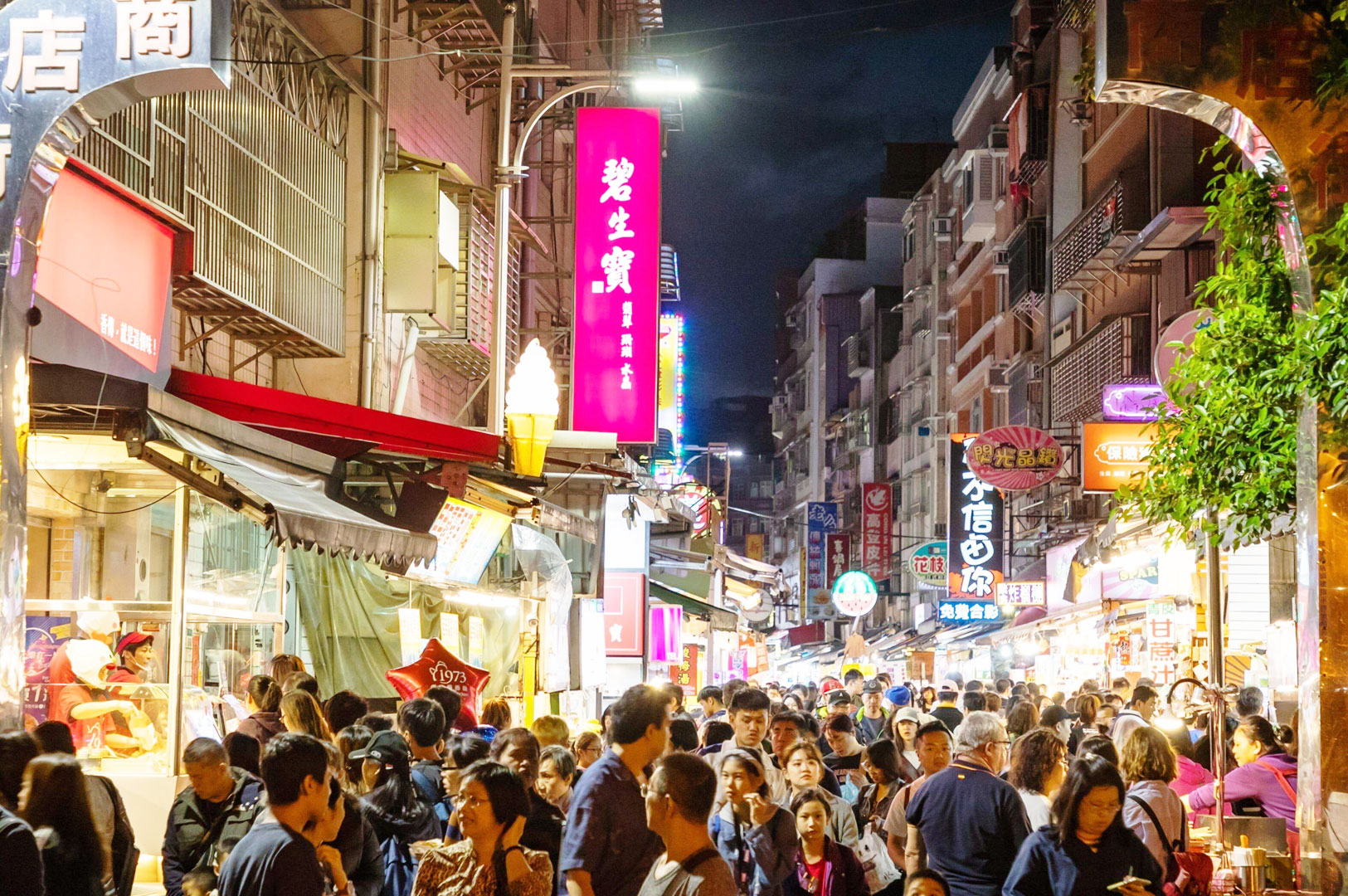
The wind coming off the Tamsui River carries a sharp, saline chill, but the narrow lanes bordering the waterfront offer a different atmosphere entirely. Here, the air is thick with the heavy, sweet-savoury aroma of star anise, cassia bark, and boiling soy sauce. Behind a modest storefront, dark liquid bubbles in massive, dented metal vats. A vendor wielding a long wooden paddle gently turns hundreds of small, blackened orbs, ensuring they do not stick to the bottom. Steam rises in thick plumes, fogging the glass display cases where these obsidian spheres are piled high. It is a quiet, repetitive rhythm that has defined this northern coastal town for generations.
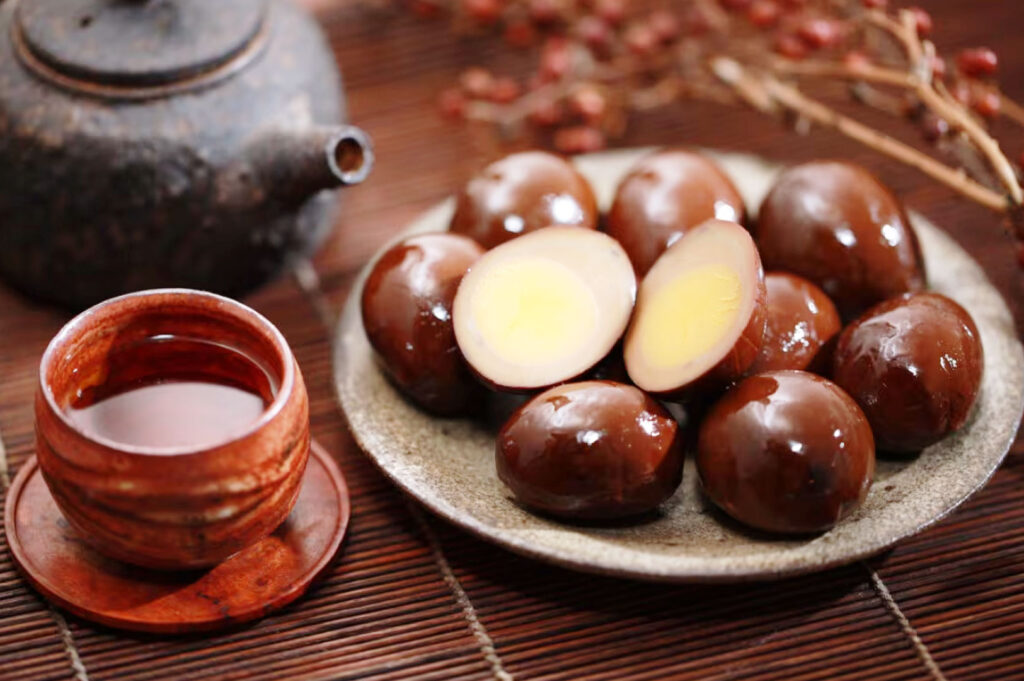
These are tie dan (pronounced tee-eh dahn), literally translated as iron eggs. At first glance, they look almost entirely unyielding—shrunken, coal-black, and slightly wrinkled. But their creation is an exercise in extreme patience rather than brute force. Fresh quail or chicken eggs are hard-boiled, peeled, and then plunged into a master stock of spiced soy sauce. After braising for several hours, they are hauled out and left to cool and shrink in the coastal air. This cycle of braising and air-drying is repeated relentlessly over the course of a week. The result is a dramatic transformation: the white of the egg compresses into a dense, rubbery shell, deeply stained by the dark soy, while the yolk inside becomes incredibly rich and creamy, absorbing the cumulative flavour of a hundred hours of simmering.
In Tamsui, the iron egg is not an occasion food; it is a pragmatic anchor of everyday life. Originally born out of necessity—a clever method of preservation for unsold goods by dockside vendors before modern refrigeration—it became the perfect portable fuel for ferrymen and labourers working the damp harbour. Today, it remains an accessible, functional snack. You see students eating them straight from small plastic bags on their way home, and commuters chewing on them thoughtfully while staring out at the river traffic. It is a food stripped of ceremony, yet it forms a vital thread in the community’s shared experiences, offering a reliable, highly concentrated burst of energy that speaks directly to the working-class roots of this port town.
What makes the iron egg so fascinating today is the quiet tension it represents. We live in an era of instant gratification, where food is engineered for rapid production and immediate consumption. Many snacks are now factory-pressed, artificially flavoured, and vacuum-sealed for global export. Yet, genuine tie dan demands the opposite. It requires a vendor to surrender to the slow, unyielding physical laws of evaporation and absorption. The egg asks for space, air, and, above all, time. In a fast-paced culinary landscape, this stubborn adherence to a days-long process feels like a quiet rebellion—a refusal to let efficiency overwrite texture and depth.
Standing on the pavement, breaking through that firm, spiced outer layer to reach the powdery yolk inside, the commitment of the craft becomes obvious. The iron egg is a testament to the beauty of waiting. In the same spirit of Taiwanese culinary invention, see Bubble Tea Origins: How Taiwan Created a Global Beverage Phenomenon.
It is a reminder that some flavours cannot be hurried, only carefully earned through the slow, deliberate passage of time.

Pour Decisions: The Best Bars in Singapore for Craft Beers and More
Dio Asahi | April 9, 2026
Walking through the humid streets of Singapore at dusk, you can feel the city transforming. The tropical heat fades into neon lights, and the clinking of glasses begins to echo from narrow shophouses and towering skyscrapers. Singapore boasts a dynamic bar scene that rivals any global metropolis. From opulent destinations like to the laid back charm,…
-
The 8 Best Chinese Restaurants in Singapore: From Dim Sum to Peking Duck
Dio Asahi | April 7, 2026
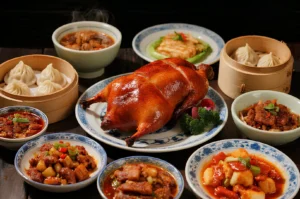
Singapore’s best chinese restaurants in singapore function less like isolated dining rooms and more like a networked system of technique. Across these chinese restaurants, you see branches of chinese cuisine expressed through roast mastery, controlled fermentation, seafood purity, and banquet choreography. This is not simply a guide to chinese food. It’s a mapped culinary journey…
-
The Neighbourhood Restaurant Test: How to Spot Truly Authentic Cuisine Restaurants in Your Area
Eda Wong | March 31, 2026
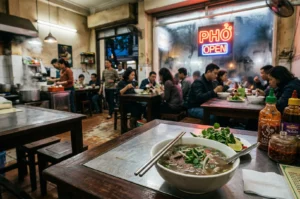
A friend texted me last week: “I’m outside this new Vietnamese place. How do I know if it’s legit before I waste my money?” It’s a question I get often. We’ve all been there, drawn in by a cool sign, only to get a plate of sad, sweet, tourist-grade pad thai that tastes like ketchup….
-
Cuisine in the World Meets Singapore: Inside Nakhon Kitchen’s Cross-Cultural Magic
Dio Asahi | March 26, 2026
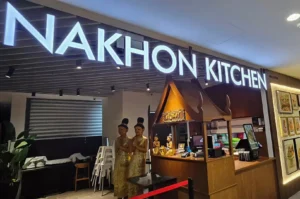
There’s a rite of passage for any food lover living in the East of Singapore, and it involves a queue. Specifically, the perpetually long, snaking queue outside Nakhon Kitchen in Bedok. I’d heard the legends for years: authentic Thai food, rock-bottom prices, and a wait time that tests your commitment. So, on a Tuesday evening…
-
The Spice Route Secrets: A Deep Dive into Malay Ethnic Food
Eda Wong | March 24, 2026
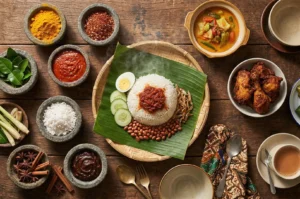
My first time ordering Nasi Padang in Geylang Serai was overwhelming, I randomly picked dishes and was shocked by a $20 bill due to premium beef rendang and squid. That taught me to always ask seafood prices and that Malay food is a complex, modular cuisine. Malay food is everywhere in Singapore, in hawker centres,…
-
The Shokunin Spirit: How Japan’s Craftsman Philosophy Lives Inside Singapore’s Most Disciplined Omakase Counter
Dio Asahi | March 21, 2026
The fire is not roaring; it is breathing. In a small, darkened workshop in Sakai, a swordsmith watches the colour of the steel with eyes that have tracked the same transformation for forty years. He does not look at a clock. He listens to the hum of the charcoal. He waits for the metal to…
-
The Evolution of the Plate: How History Transformed Iconic Malaysian Dishes
Eda Wong | March 19, 2026
I used to think I understood Malaysian food. As a Singaporean, it’s practically in my DNA, right? Nasi lemak for breakfast, a cheeky roti canai for supper – I thought I had it all figured out. Then I spent a week eating my way through Penang and Kuala Lumpur, and I realised I knew absolutely…
-
The Soul of the Table: An Educational Guide to the Role of Food in Malaysian Culture
Eat Drink Asia Team | March 17, 2026
We still remember our first collective Rumah Terbuka (Open House) experience in Kuala Lumpur.Standing at the doorway of a home during Hari Raya, we were utterly paralyzed by the sheer volume of people and the aroma of Malaysian cooking. There were aunties ladling beef rendang and tables groaning under the weight of colourful kuih. “Do…
-
Asian Food Comfort Trends: Why Broths and Bowls are Dominating Globally
Eda Wong | March 14, 2026
I still remember the first time I faced a “build-your-own” Mala Xiang Guo counter. I stood there, plastic tongs in hand, completely paralyzed by the mountain of choices. Lotus root? Kelp knots? three different types of tofu skin? My anxiety spiked. I panicked, grabbed way too much luncheon meat, and ended up with a $28…
-
The Fifth Element: A Masterclass on Umami in East Asian Cuisine
Dio Asahi | March 12, 2026
I’ll never forget the first time I made miso soup from scratch. Not the instant kind, but the “proper” way. I boiled water, dissolved miso paste, added tofu, and waited. It tasted flat, salty and cloudy but missing the deep, satisfying flavor I loved in Japanese restaurants. I thought maybe I needed better miso. Years…