Tokyo, Japan’s capital, does not reward urgency. It rewards return. On my first visit, I chased what everyone told me were the best restaurants Tokyo had to offer. I spent weeks highlighting maps, bookmarking digital “must-eat” lists, and refreshing reservation pages until my eyes blurred. I thought that by conquering the top-tier establishments, I would conquer the city itself. On later visits, I learned to listen instead—to hours, to closures, to the rhythm of kitchens that were never meant to feed the internet.
The city operates on a clock that feels both ancient and industrial. Some places are closed Mondays. Others, closed Tuesdays or Wednesdays. A few still close Sundays. Not as inconvenience, but as boundary. The city respects those boundaries. Visitors often do not. We arrive with our itineraries clutched like shields, frustrated when a sliding wooden door remains shut. But in that closure is a lesson: the chef is resting, the market is shifting, and the city is breathing. This is where the real Tokyo food guide begins—not with names, but with patience.
Japanese Food Is Built for Continuity, Not Applause
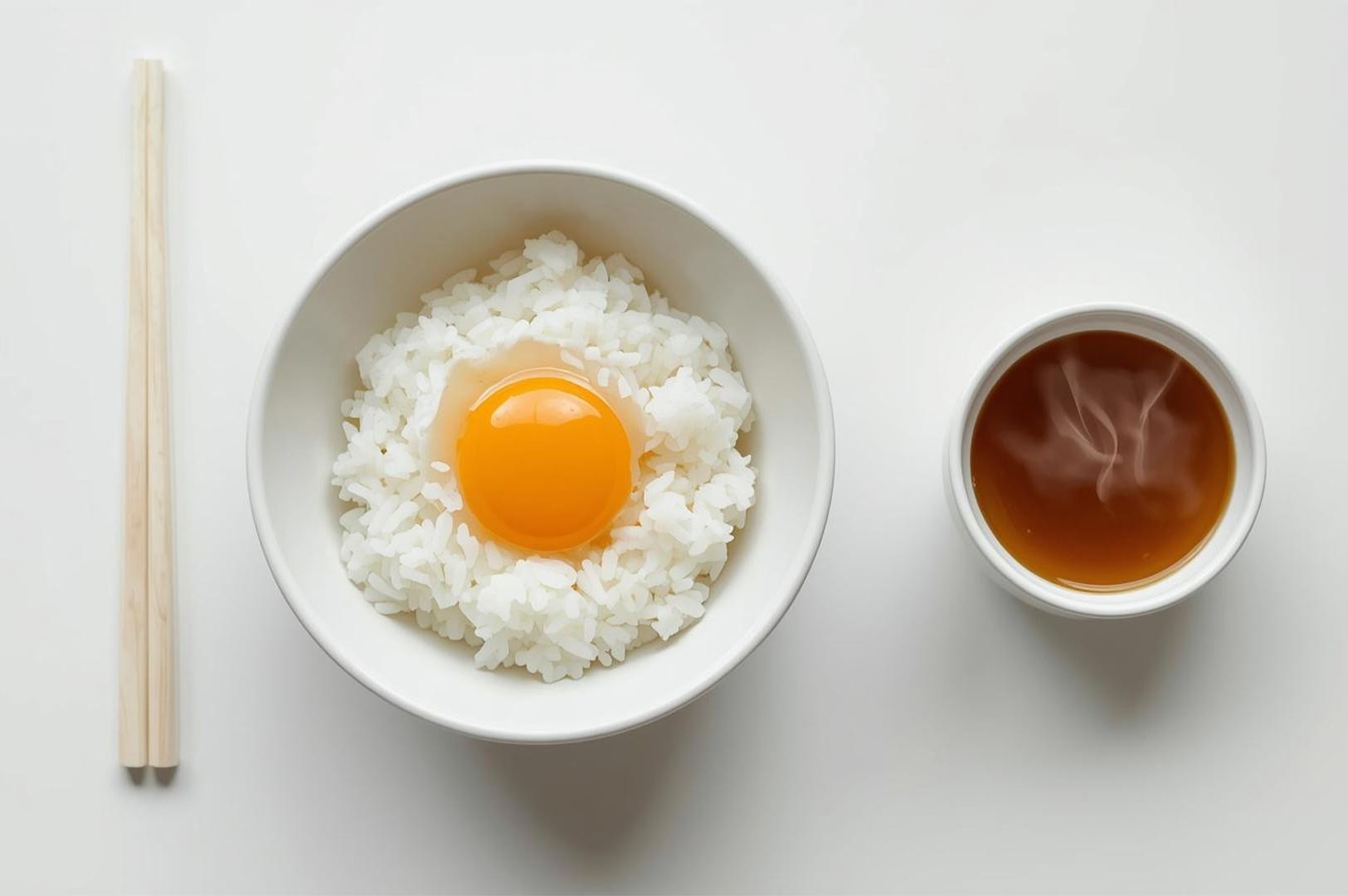
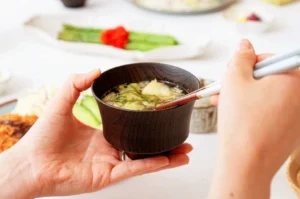
Japanese food has never been about abundance. Traditional Japanese cuisine exists because restraint once mattered more than choice. The geography of the archipelago dictated a diet of what could be pulled from the sea and coaxed from the soil. A bowl of miso soup anchors a meal, providing a fermented depth that signals the start of the day or the end of a long night. Soy sauce deepens rather than dominates, used to highlight the salinity of a scallop or the earthiness of a mushroom. A raw egg appears without explanation, cracked gently over rice (tamago kake gohan), trusted to speak for itself.
In small Tokyo restaurants, you will notice that Japanese people eat without performance. They do not rearrange the plate for a better camera angle. They come alone. They eat quickly. They leave quietly. Food here is not content; it is maintenance. It is the fuel required to navigate the dense, neon-lit labyrinth of the world’s most populous metropolitan area. When you sit at a counter and watch a salaryman finish a bowl of soba in under four minutes, you realize that for him, the “best” restaurant is the one that is consistent, honest, and there when he needs it.
Fine Dining Still Answers to Time
Fine dining in Tokyo is often misunderstood by those used to the grand, velvet-curtained dining rooms of Europe or North America. Michelin starred rooms—some holding two Michelin stars—rarely feel theatrical. Many offer only counter seats, where thin slices of fish, sea urchin, and seasonal seafood are placed with quiet accuracy. There is no background music to fill the silence, only the sound of a knife meeting a wooden board and the low hum of the refrigerator.
What makes these meals absolutely delicious is not luxury, but repetition. It is the shokunin spirit—the artisan’s lifelong dedication to a single craft. Chefs return to the same gestures thousands of times, year after year, until the movement is no longer thought, but reflex. Vegetable tempura is deep fried only long enough to breathe, the batter a mere whisper of lace that shatters upon impact. Panko breadcrumbs on a tonkatsu cutlet crack softly, then disappear, leaving only the richness of the pork. This is precision, not indulgence. It is a commitment to the idea that perfection is not a destination, but a daily practice.
Tokyo Food Is Repeated Daily by Local Office Workers
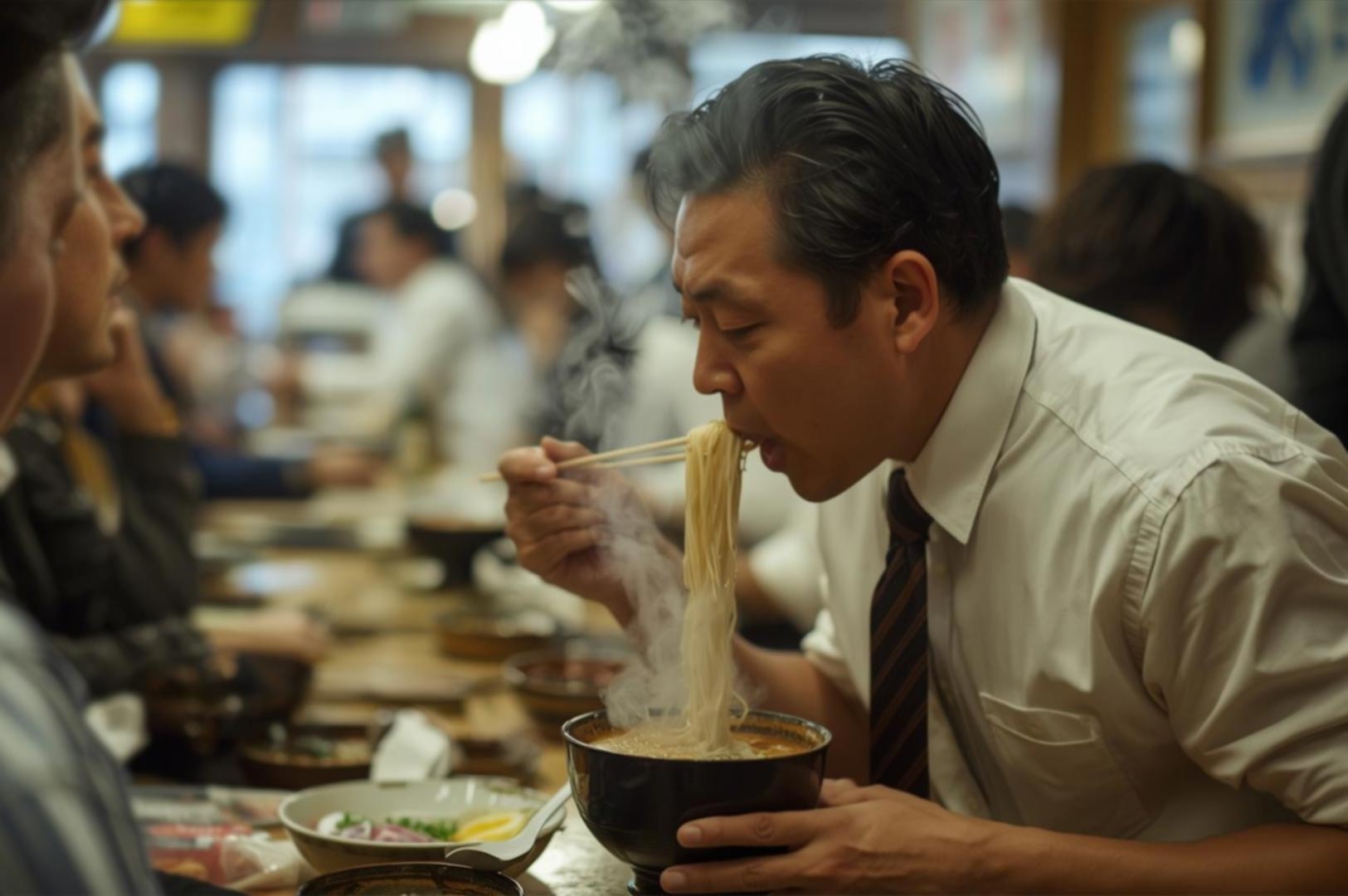
At lunch, local office workers form lines that look accidental until you realize they happen every day. This is the heartbeat of Tokyo’s food scene. Between 12:00 PM and 1:00 PM, the city undergoes a massive, coordinated migration. Ramen shops fill, empty, refill. The best ramen is not debated—it is recognized. It is the bowl that offers the exact right balance of alkalinity in the noodle and collagen in the broth, served at a temperature that borders on the volcanic.
Udon noodles appear thicker here, heavier, meant to sustain the body through a long afternoon of spreadsheets and meetings. At Udon Shin near Shinjuku Station, the noodles are served separately, paired with dipping sauces and crisp tempura. People wait without checking the time, standing in narrow alleys or under umbrellas in the rain. They know it is absolutely worth it because the texture of a hand-stretched noodle is a physical comfort that no quick-service chain can replicate. In these lines, the hierarchy of the corporate world vanishes; everyone is equal before the steam of a hot bowl.
Conveyor Belt Sushi Has Its Place
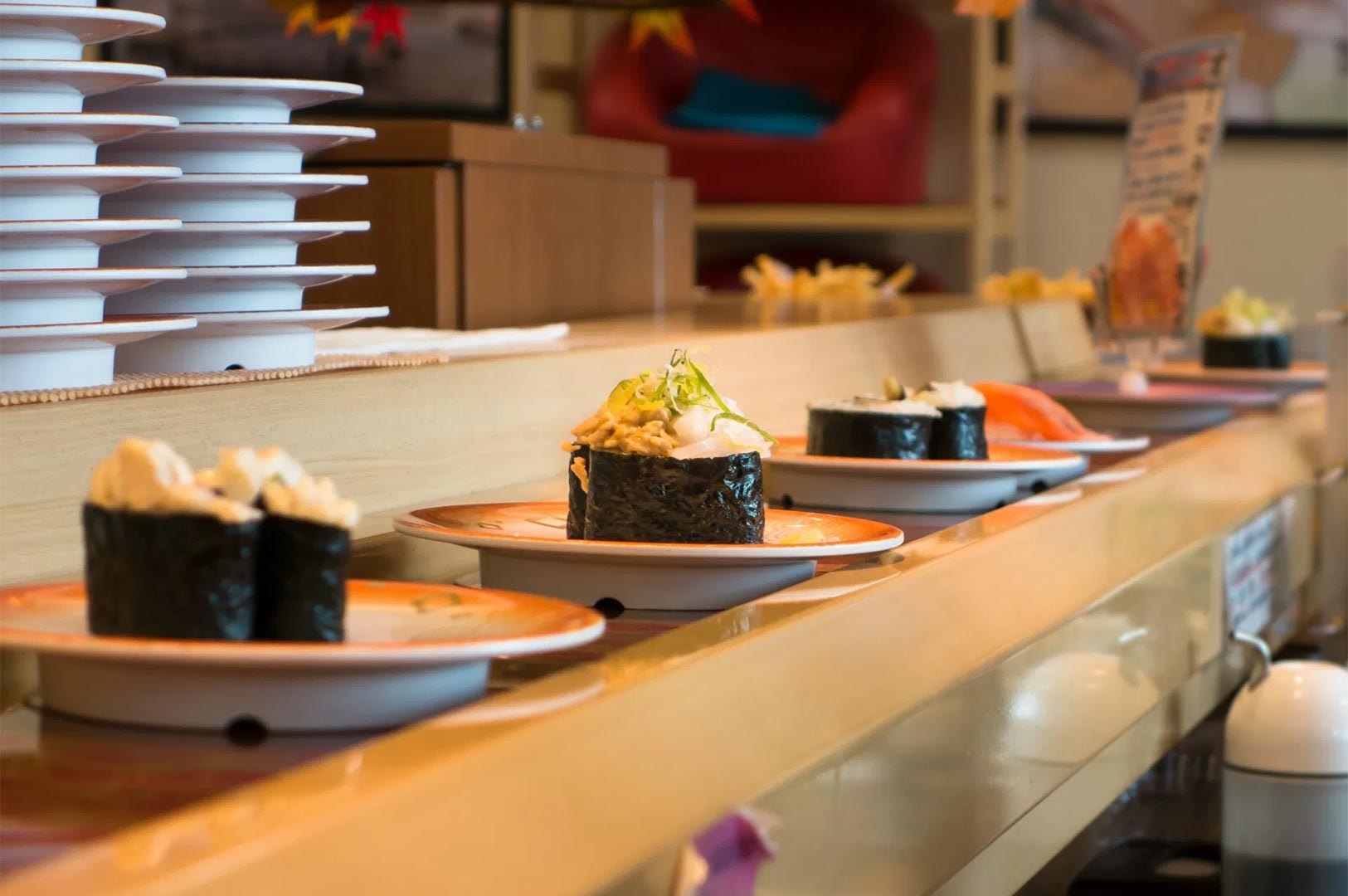
Conveyor belt sushi (kaiten-zushi) is often dismissed by outsiders as a gimmick or a lower-tier experience, but places like Kura Sushi or Sushiro serve a role Tokyo understands well. Conveyor belts move because the city moves. They represent the democratization of a cuisine that can otherwise be prohibitively expensive. An English menu on a touch-screen helps first-time visitors navigate the sheer variety of toppings, from standard tuna to creative additions like seared salmon with basil cheese.
Familiarity keeps everyone else coming back. Families bring children here on weekends; students gather here after class. There is a specific joy in watching the plates glide past, a visual buffet that requires no translation. Not all sushi must be ceremonial to be respected. In the context of a busy Tuesday, a plate of fresh yellowtail delivered by a miniature high-speed train is not just “good for the price”—it is a marvel of logistics and flavor.
Tsukiji Outer Market Still Feeds the Morning
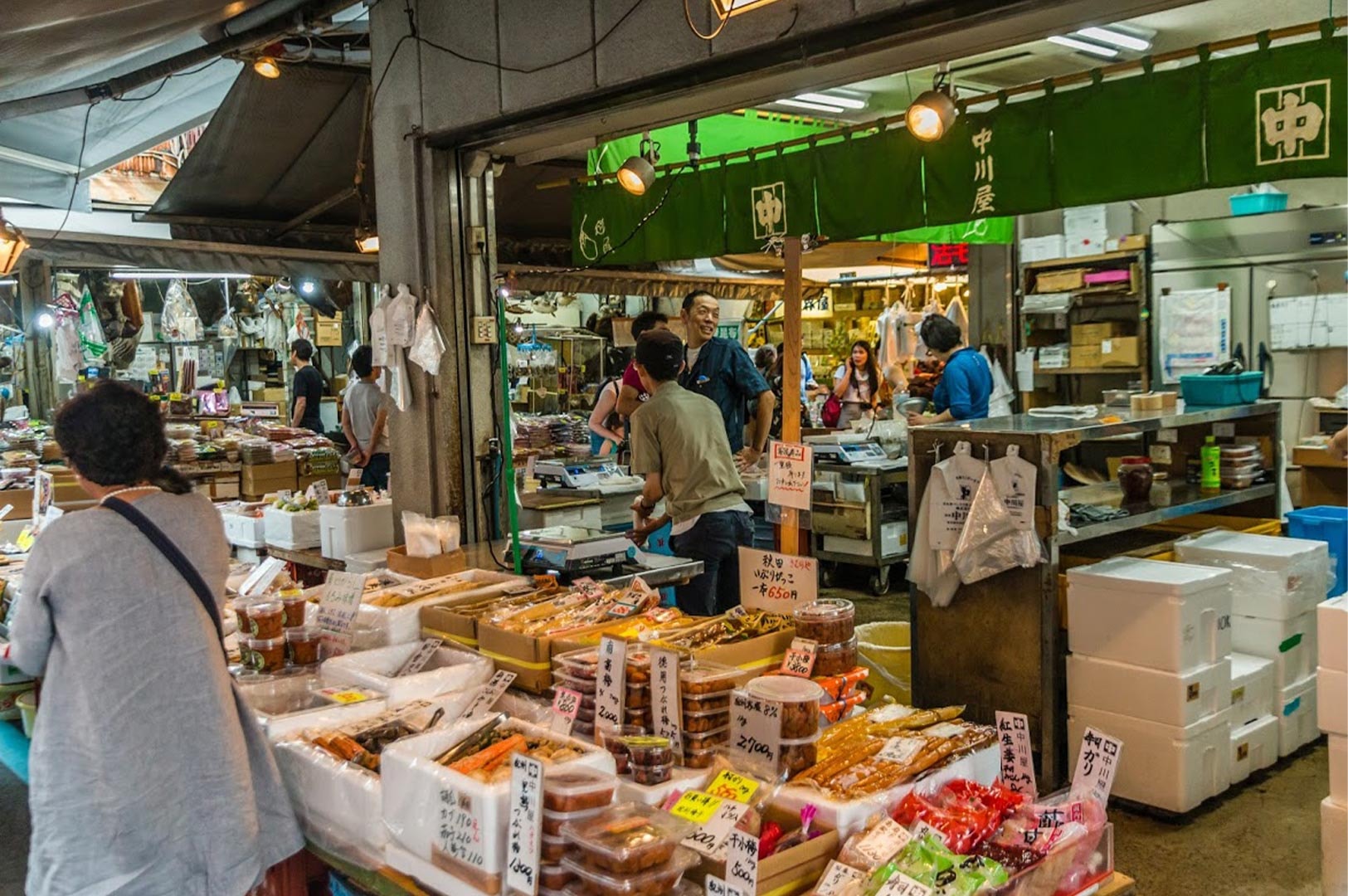
While the wholesale inner market moved to Toyosu, Tsukiji Outer Market remains the soul of Tokyo’s morning. Before Tokyo performs, it eats. Tsukiji wakes early, long before the sun manages to pierce the gray skyline. Seafood arrives cold and quiet, packed in styrofoam and ice. A tempura bowl (tendon) eaten standing at a narrow counter tastes different than one eaten seated in a quiet room; it tastes of salt air and ambition.
Tomato sauce does not belong here. Olive oil appears only where it has earned its place, perhaps in a fusion Italian-Japanese stall that sources its clams directly from the stalls next door. Food here is incredibly delicious because it is timely. You are eating the ocean’s harvest within hours of it being unloaded. To eat a piece of otoro (fatty tuna) at 8:00 AM is to understand that freshness is the ultimate luxury, one that requires no silver service or white tablecloths.
Tokyo Restaurants That Remain Small on Purpose
Some of the most meaningful Tokyo restaurants are hidden gem places in Chuo City, Minato City, or Chiyoda City. They are often tucked into the basements of unremarkable office buildings or located on the second floor of a narrow walk-up. They do not expand. They do not franchise. They do not seek to be “global brands.” They close when they run out of the day’s ingredients because to serve more would be to compromise the quality.
In these six-seat nooks, grilled chicken skewers (yakitori) are turned by hand over binchotan charcoal, the smoke seasoning the very walls of the room. Beef tongue is sliced thick, grilled until the edges are crisp but the center remains tender. Miso soup is ladled without measuring, the chef knowing by the weight of the ladle exactly how much is needed. These meals stay with you because they are not trying to impress you. They are simply trying to be the best version of themselves for the few people lucky enough to find a seat that evening.
Coffee Shops, Convenience Stores, and Everyday Eating
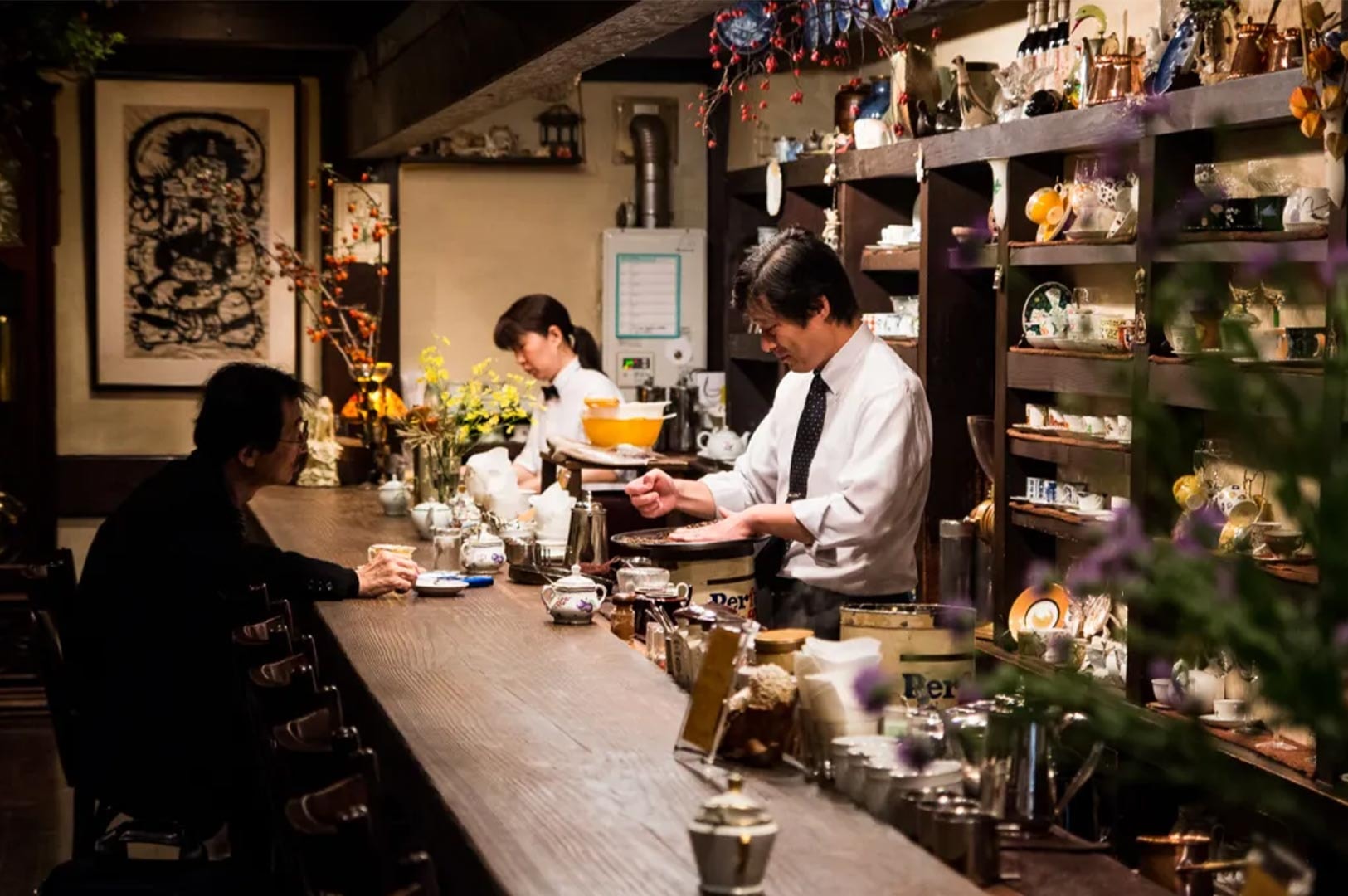
A coffee shop (kissaten) in central Tokyo might feel like a time capsule. It might serve whipped cream over thick-cut “shokupan” toast, or a plate of “Napolitan” pasta—spaghetti finished with a sauce that resembles ketchup but tastes of nostalgia, often tossed with mozzarella cheese and olive oil. These meals exist alongside the ultra-modern convenience stores like Family Mart, Lawson, or 7-Eleven, where meals are assembled with quiet competence.
Convenience stores, or konbini, feed the city between meals. They are not a compromise; they are infrastructure. The egg salad sandwich is legendary for its creamy consistency, and the onigiri (rice balls) are wrapped in a way that keeps the seaweed crisp until the very moment you open it. For the traveler, the konbini is a safety net. For the resident, it is a reliable neighbor. They offer a baseline of quality that is shockingly high, reminding us that in Tokyo, even the “ordinary” is treated with extraordinary care.
Restaurants in Tokyo Reveal Themselves Over Time
Google Maps helps you find the door. Google Translate helps you read the specials scrawled on a chalkboard. But neither replaces observation. In Tokyo, you must look for the “curated” signs of quality: a well-swept entrance, a simple fabric curtain (noren) that looks cared for, or the specific sound of laughter from behind a closed door. Menus may be limited. English menus may exist, or they may not. Questions are answered briefly, often with a polite bow.
This is not unkindness. It is efficiency. The chef is focusing on the tempura; the server is focusing on the timing. On multiple visits, patterns emerge. Shibuya Crossing empties as the last trains depart. Shinjuku City exhales in the blue light of dawn. Lunch ends with the sound of shutters coming down. Dinner begins with the smell of charcoal. You start to realize that the city isn’t hiding its best spots from you; it’s simply waiting for you to slow down enough to notice them.
Tokyo Japan Is Best Understood One Meal at a Time
The best restaurants are not destinations to be checked off a list. They are habits. They are the places you return to because the owner remembers your preference for hot tea, or because the window overlooks a specific, quiet corner of a park. They reveal themselves slowly, across meals that feel ordinary until they are remembered later as the highlight of the trip.
Tokyo restaurants do not ask for your attention with loud signs or aggressive marketing. They ask for your respect—for the ingredients, for the tradition, and for the quiet labor that goes into every bowl. The city is a teacher, and its curriculum is flavor. When you stop trying to “find” the best and start allowing yourself to “experience” the available, the city opens up.
And when you find a place you love—a tiny curry shop, a master sushi counter, or a basement ramen joint—return. Don’t go looking for the next thing on the list. Go back to the place that moved you. That is how the city knows you were listening. That is how a visitor becomes a part of the rhythm of Tokyo. By choosing to linger where others rush, you discover the stories that define Eat Drink Asia, finding that the most profound flavors are often found in the quietest corners.

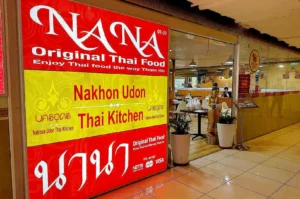
Nana Original Thai Food and the Thai Meal That Keeps Changing Its Accent
Eda Wong | September 1, 2026
The tom yum arrived first, and the first spoonful hit sour and hot at once, lime and chilli chasing each other down the throat. This classic Thai dish features a spicy sauce and aromatic herbs that awaken the taste buds straight away, setting the stage with its bold flavors. Then the pineapple rice came, sweet…
-
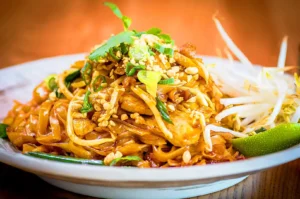
Pad Thai Recipe for People Who Know the Noodles Can’t Be an Afterthought
Dio Asahi | August 29, 2026
The first time I made Pad Thai, I ruined it before the wok was even hot. I’d left the noodles soaking while I answered a phone call. Ten minutes turned into forty. By the time I drained them, they were already soft, already surrendered. Everything I did in the pan after that was damage control….
-
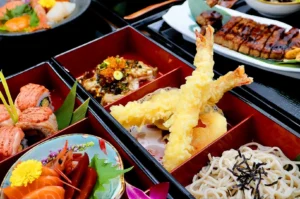
Best Japanese Restaurant Singapore: Places That Nail the “First Bite”
Eat Drink Asia Team | August 27, 2026
I built this list around a very specific feeling: that first bite where the room goes quiet for a second. I’ve tried enough Japanese restaurants in Singapore over the years to know that “best” does not always mean the most expensive, the rarest, or the hardest to book. Sometimes it is the warmth of the…
-
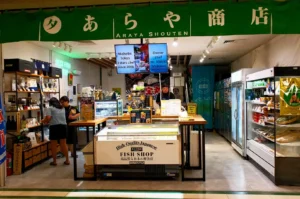
Not Just Seafood: How Araya Shouten Keeps Japanese Fishing Culture Alive in Singapore
Eat Drink Asia Team | August 26, 2026
Japanese cuisine has long been admired for its attention to seasonality, precision, and respect for ingredients. However, behind every piece of sashimi or carefully prepared seafood dish lies a story that begins far away from the dining table, often with fishermen, coastal communities, and generations of knowledge passed down through time. At Araya Shouten, seafood…
-
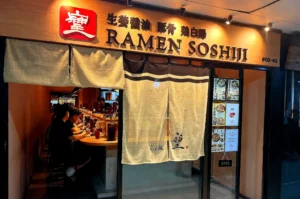
The Ginger Shoyu Ramen at Ramen Soshiji, Where Orchard Goes Quiet
Dio Asahi | August 26, 2026
By Dio Asahi for Eat Drink Asia. The lift opens on the third floor of Orchard Plaza, and for a second I don’t know which way to turn. The corridor is dim and still, the kind of quiet that feels almost accidental in this part of town. A few doors down, an unmarked entrance. Inside,…
-
Indo Rasa Singapore and the Nasi Goreng That Measures a Kitchen’s Confidence
Eat Drink Asia Team | August 25, 2026
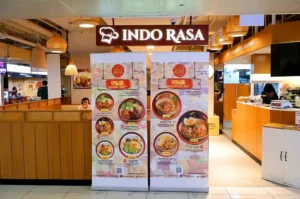
There’s a dish I order when I want to know a kitchen quickly. Not the specialty. Not the thing the menu is proud of. I order the fried rice. Because nasi goreng has nowhere to hide. It’s rice, chilli, chicken, egg, a few crackers, some cucumber. Everyone thinks they can make it. Most people can….
-
Bebek Goreng Pak Ndut and the Fried Duck That Makes Nasi Goreng Feel Too Polite
Eda Wong | August 22, 2026
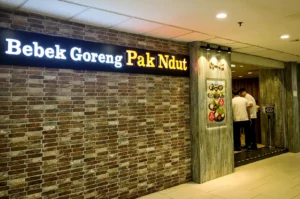
The duck arrived and made a sound before I’d even touched it. Not the plate, the skin. When my fork pressed against it, there was a small, dry crackle, the kind you feel in your fingers before you hear it. That’s when I understood I wasn’t eating a soft meal. This was something with edges….
-
The Coconut Spoon That Shapes Nyonya Kueh Salat
Eda Wong | August 21, 2026
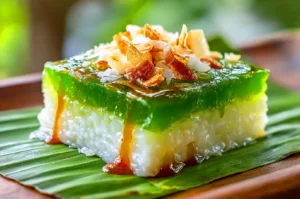
By Eda Wong for Eat Drink Asia. Steam curls up from a tray in the back of the kitchen, and the whole room smells green. Pandan, crushed and knotted, pushed through wet cloth until the leaves give up their colour. An auntie leans over the tray with a spoon carved from coconut shell, dark and…
-
Chicken Nasi Goreng Recipe: What Leftover Rice Becomes After the Wok Gets Serious
Dio Asahi | August 20, 2026
There’s a container of rice at the back of my fridge most weeks. Cold, a little hard, forgotten from a dinner two nights ago. Some people see that and think of waste. I see the start of something better. Because leftover rice doesn’t want to be reheated. It wants to be fried. And when it…
-
The First Ladle of Miso Soup in a Tokyo Breakfast Shop
Dio Asahi | August 19, 2026
By Dio Asahi for Eat Drink Asia. The shop is barely wider than a hallway. Seven stools, a counter worn smooth, and behind it a woman ladling soup into small ceramic bowls before anyone has ordered it. Steam lifts off the surface and fogs the window against the cold morning. The bowl reaches me warm…