I almost walked past it.
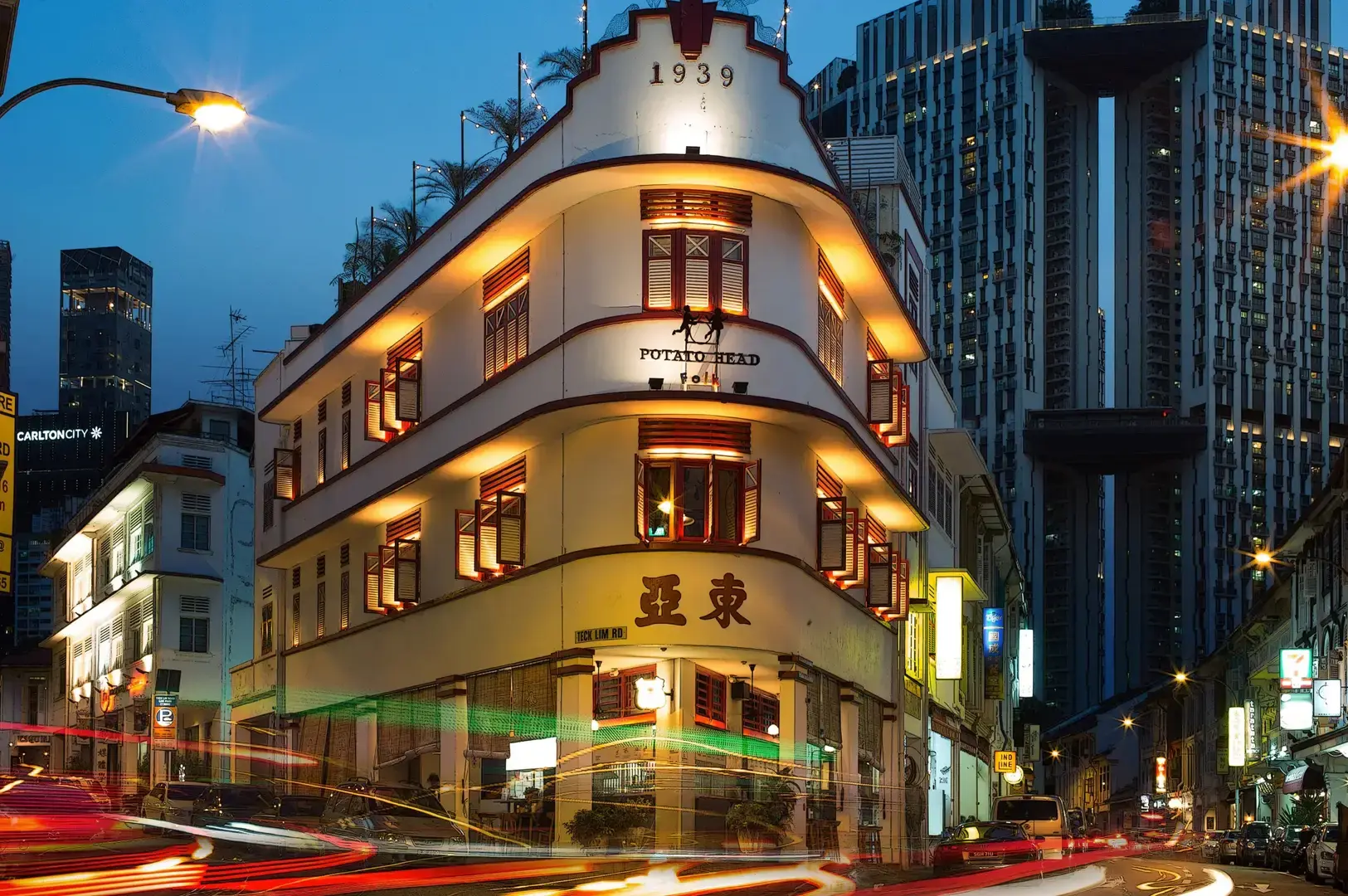
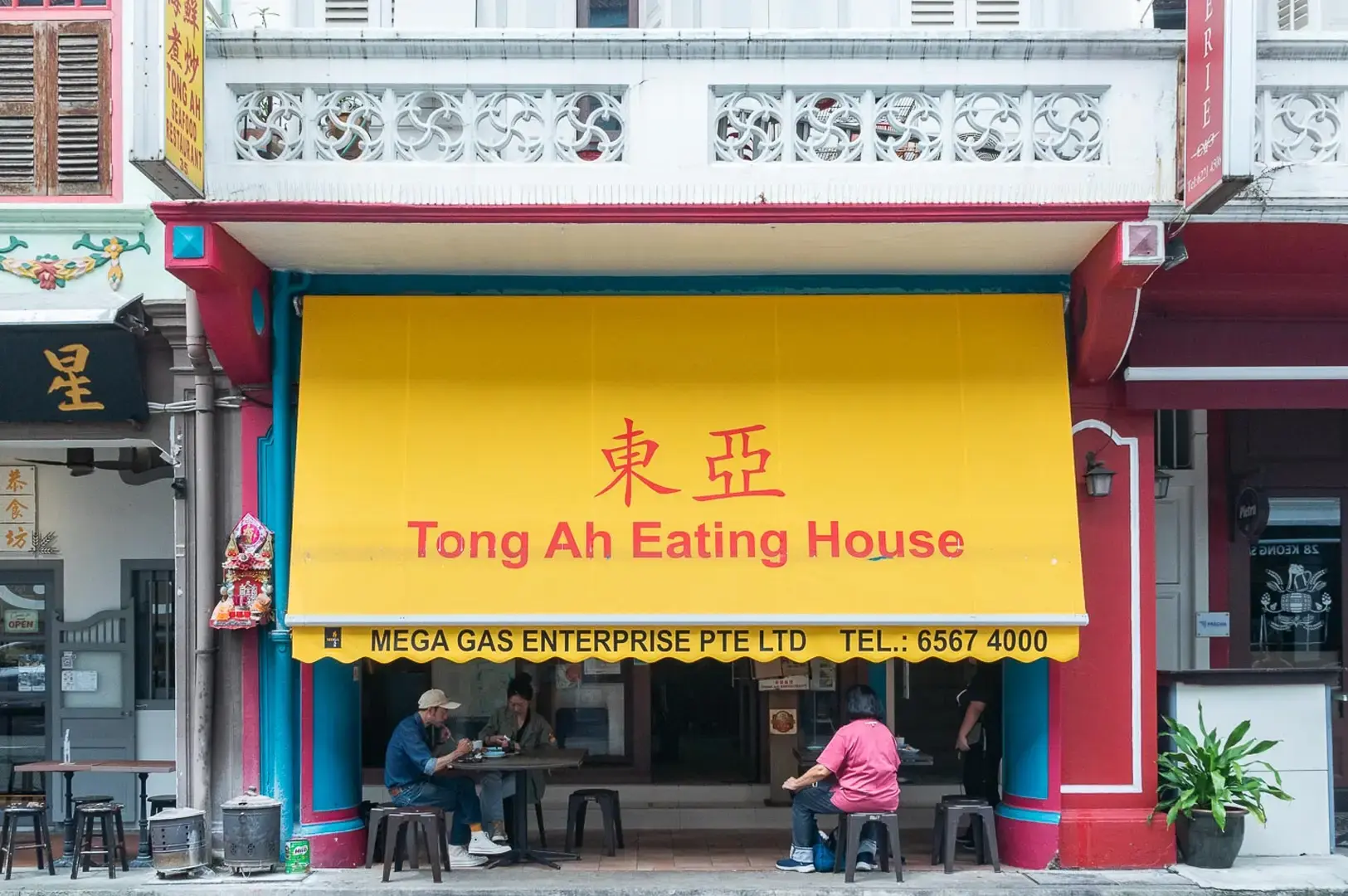
I’d been looking for the old triangular building, the red-and-white one you see in every photo of Keong Saik, the one that made Tong Ah feel like a landmark before you’d even ordered anything. But that’s not where it lives anymore. It’s a few doors down now, at 35 Keong Saik Road, in a plainer shophouse that doesn’t announce itself.
I stood outside for a second, a little disappointed. Then I smelled the kopi and the toast, and I stopped caring about the building.
It was just before eight on a weekday. The room was already awake.
A Room That Moves Faster Than Nostalgia
Inside the Tong Ah Eating House, a traditional coffee shop along Keong Saik Road, it’s a working space, not a heritage café dressed up for the camera.
- Plastic stools.
- Marble-topped tables worn smooth by decades of elbows.
- A ceiling fan turning somewhere overhead, doing very little against the morning heat that had already settled in.
It gets warm in here, the kind of warm that has you reaching for your iced kopi sooner than you planned.
I found a seat near the front, close enough to watch the street. Office workers coming through for a quick traditional breakfast set. An older regular reading the paper the way it looks like they’ve probably read it here for years. A pair of tourists three tables over, phones out, trying to line up the perfect shot of their crispy kaya toast before it cooled.
Tong Ah is one small expression of the wider morning culture. Explore our guide to breakfast at Chinatown Singapore.
The old building (and why it doesn’t matter as much as you think)
I’ll be honest, the new space doesn’t have the charm of the old one. The triangular building had a shape you remembered. This one doesn’t. If you came chasing that particular ghost, you might feel the gap.
But the thing about Tong Ah is that the nostalgia was never really in the walls. It’s in the charcoal grilled toast. It’s in the traditional kopi brewed from beans roasted slowly over slow fire, the kind that gives the coffee its full-bodied flavor. It’s in the fast, unfussy rhythm of a room that’s been serving breakfast since 1939, and doesn’t have time to be sentimental about it.
The Toast That Carries Everything
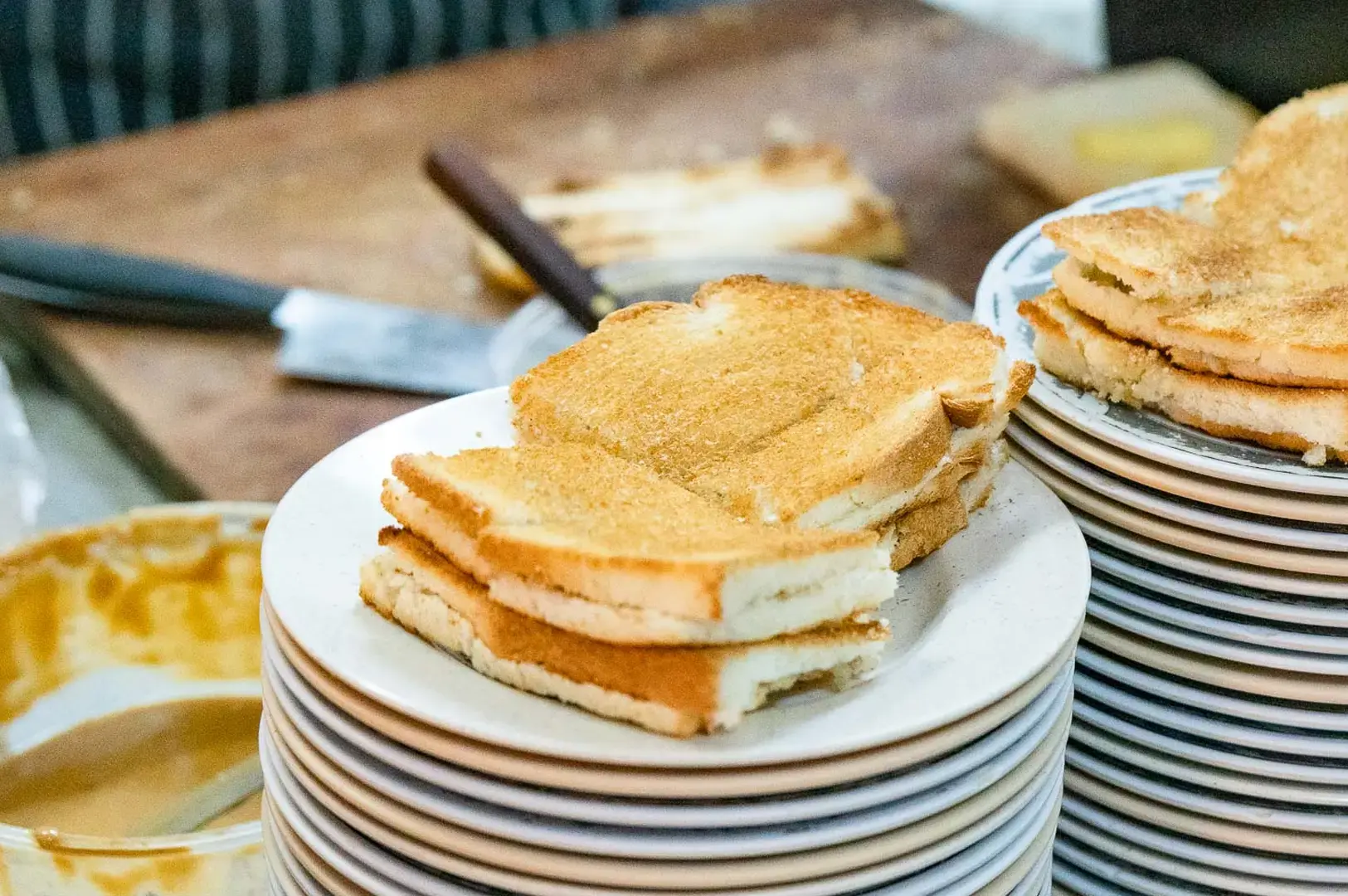
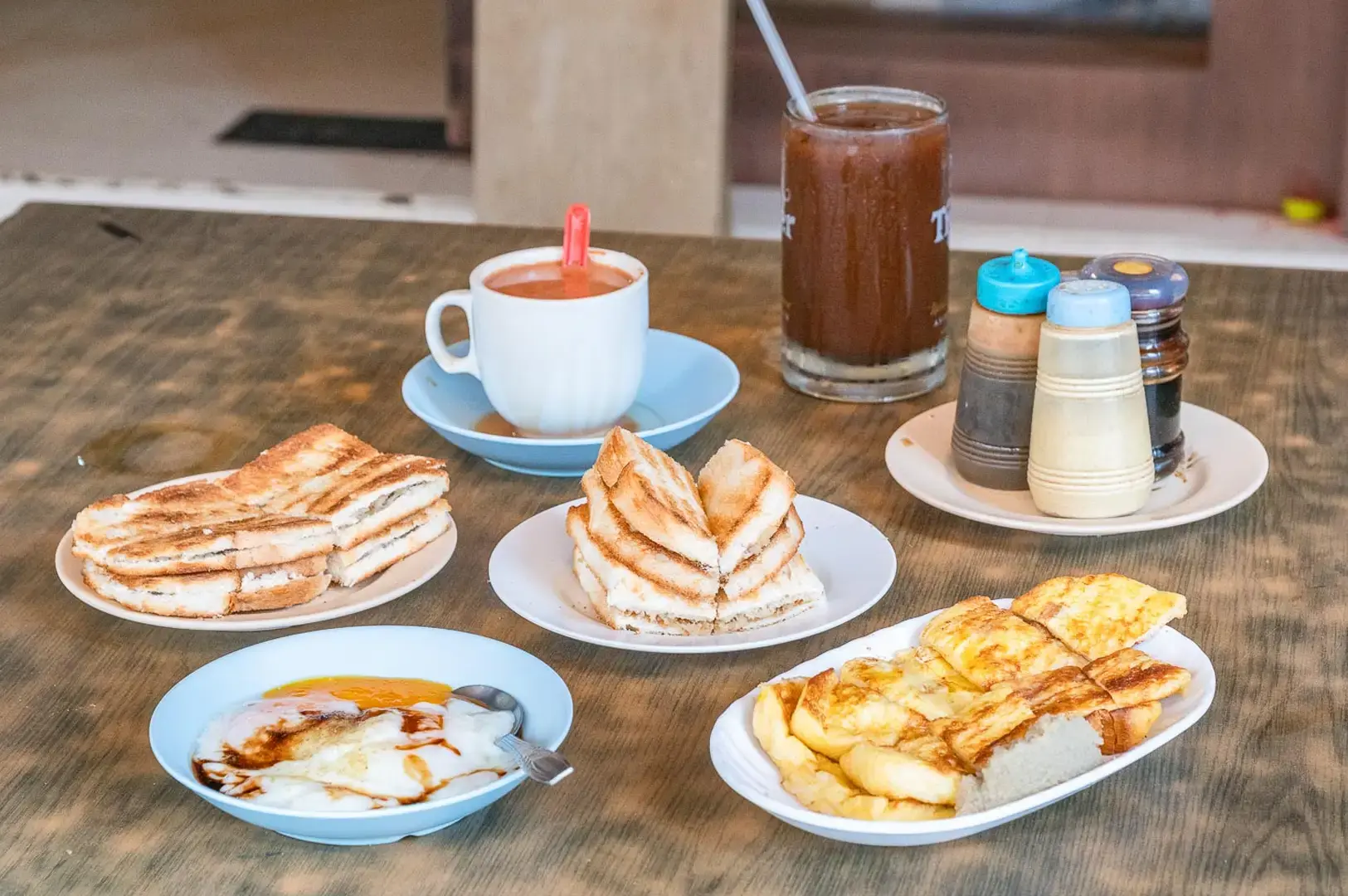
I ordered the Crispy Thin Toast Kaya set, around S$6 with half boiled eggs and black kopi, because that’s the whole reason to be here.
The toast came out fast, and it looked like nothing special. Thin slices, browned, cut into strips. This isn’t the thick, fluffy café toast that’s everywhere now. It’s brittle. Almost delicate, a super crispy toast with a satisfying snap.
Then I bit into it.
That’s the thing you feel first: the crunch. A real, clean snap, the bread shattering a little at the edges. Inside, a slab of cold butter, still firm, still holding its shape against the warmth of the bread. And the kaya spread, sweet with coconut and pandan, dark and fragrant, spread just thick enough to matter without drowning the toast.
Why it works
Cold butter against crisp bread against sweet kaya. That contrast is the entire point.
It’s not a loud flavour. Some people come expecting fireworks and leave saying it was plain. I understand why. If you want bold, this isn’t bold. But I think that misses what the toast is doing. It’s not trying to overwhelm you. It’s trying to get out of the way of the butter and the kaya.
The Eggs and the Kopi Finish the Sentence
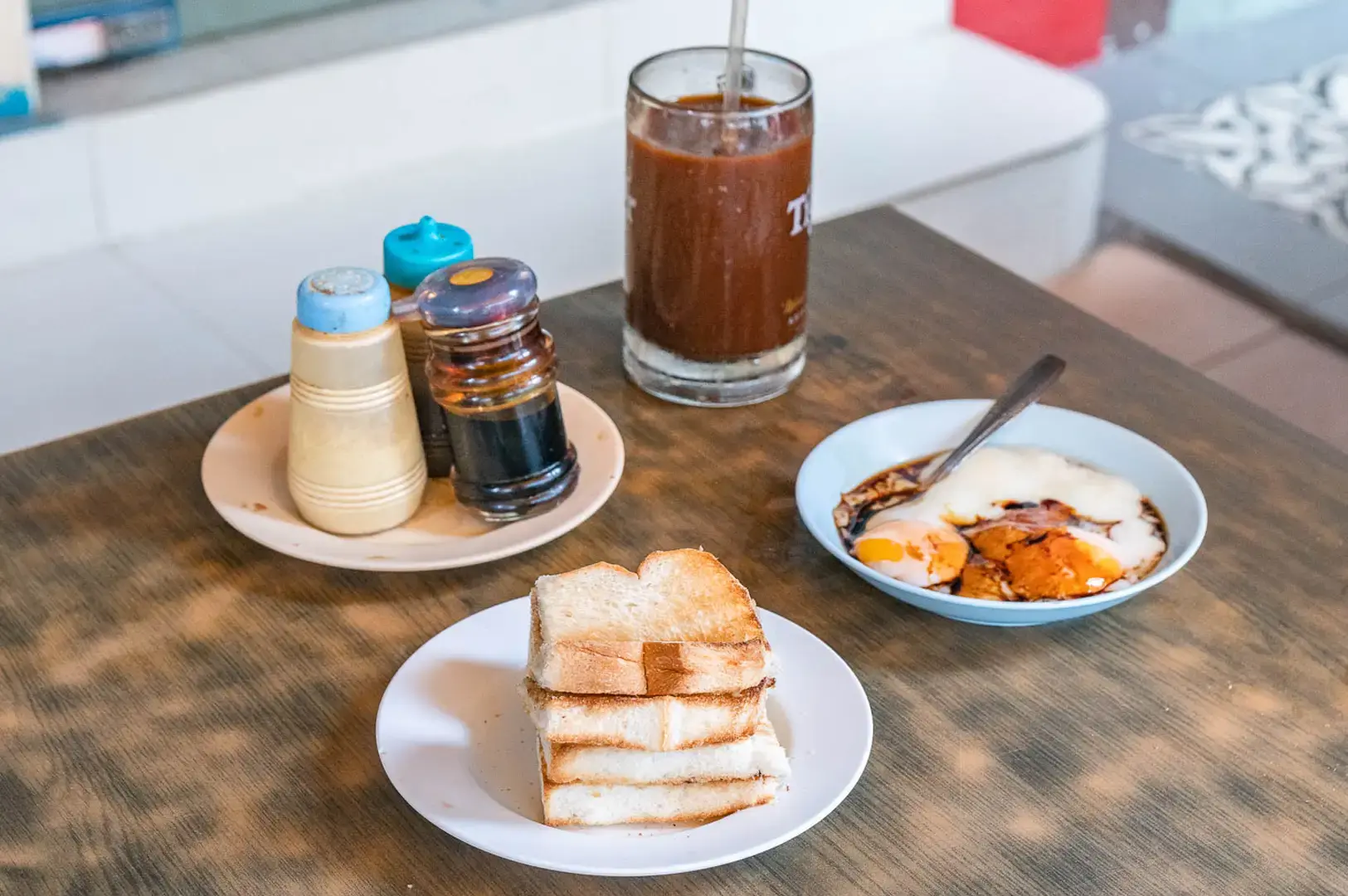
The soft boiled eggs arrived in their little saucer, and this is where the breakfast becomes a ritual rather than a meal.
I cracked them in, added a few dashes of dark soy and a good shake of white pepper, and stirred until the yolks turned glossy and loose. The whites were barely set, the yolks runny the way they should be. Warm, silky, a little peppery.
How the toast and egg click
Then you dip the crisp toast into the egg, and the two things finally make sense together.
- The egg softens the brittle edge of the toast.
- The toast gives the egg something to hold onto.
Neither works quite as well alone.
The kopi that keeps it balanced
The traditional kopi, black coffee sweetened with condensed milk, tied it together. I’d ordered it iced against the heat, and it was strong, properly dark, a little bitter under the sweetness. It’s the kind of coffee that cuts clean through the kaya so the sweetness never turns cloying. That’s the grammar of a Singapore morning right there: toast, egg, kopi. Each one doing a job the others can’t.
If you’re still hungry
If you’ve got room, the French Toast with Kaya (around S$4.20) is the softer, richer cousin, worth a try if the crispy toast leaves you wanting something more indulgent. But I’d order it second, after the thin toast, not instead of it.
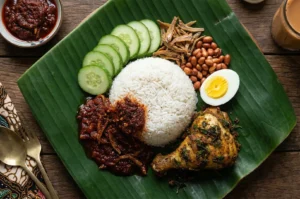
And there’s another side to Tong Ah Eating House entirely that I didn’t see this morning. Come back past eleven and it turns into a zi char kitchen, with fragrant chicken, nasi lemak wrapped in banana leaf the traditional way, and other cooked plates. Two lives in one eating house. But breakfast is the one I came for, and breakfast is the one that still holds.
If you want to keep exploring Singapore’s Chinese dining scene beyond breakfast, continue with The 8 Best Chinese Restaurants in Singapore: From Dim Sum to Peking Duck
Service That Depends on the Morning
Service here is quick, and how you feel about it depends on what you want from it.
My order came fast, no fuss, nobody performing warmth they didn’t have time for. On a busy morning, that briskness reads as efficient.
I’ve heard from others that it can tip the other way:
- Order mix-ups
- A curt word
- Identical toast plates arriving a few minutes apart when the kitchen’s slammed
I didn’t run into that. But I can see how it happens. This is a room built for turnover, and turnover doesn’t always leave space for gentleness.
If you need a barista to remember your name, this isn’t that place. If you just want your toast hot and your kopi strong, it delivers.
I’d rather have honest speed than practised charm, personally. But it’s worth knowing the trade before you sit down.
What You Should Know Before You Go
The practical bits are simple.
Tong Ah Eating House is at 35 Keong Saik Road. The easiest way in is Outram Park MRT — about a five-minute walk.
Opening Hours and Best Time to Visit
Time | Description |
|---|---|
Opens at 7am | The coffee and toast side opens early, from 7am daily, which is exactly when you want to come. |
Weekday mornings | Go early on a weekday if you can to enjoy a quieter atmosphere. |
Mid-morning | By mid-morning, especially on weekends, the room fills with a mix of tourists and locals, and queues start to form. |
Before 8am | Before eight, it still feels like it belongs to the regulars, and that’s when the place is at its best. |
Booking and Costs
There’s no booking. It’s walk-in, always. Breakfast will run you somewhere around S$6 to S$10 a person, depending on how much toast and coffee you order. It’s a light breakfast, not a brunch. One set is enough for most, though if you came hungry you’ll want a second toast or an extra dish.
Getting There
Public transport is recommended over driving. Keong Saik’s parking is tight and paid, and the MRT drops you close.
Who It’s For and Who It Isn’t
I’d come back. Not because it’s the most comfortable breakfast in Chinatown, and not because it’s the prettiest. It’s neither.
Why You Should Come Back
I’d come back because it does the simple thing properly:
- The toast is genuinely super crispy version of crispy toast.
- The kaya is fragrant and sweet.
- The eggs are soft.
- The black coffee is strong.
- The whole thing costs less than a fancy flat white somewhere with better lighting.
Who It Won’t Suit
It won’t suit everyone. If you want bold, punchy flavours, the toast will read as mild. If you want a quiet café to linger in with a laptop, this room moves too fast for that. If you’re chasing the exact magic of the old triangular building, that particular photo, that particular shape, you should know it isn’t there anymore.
But the breakfast is. And the breakfast, it turns out, was always the thing worth keeping.
Where the Morning Lands
Tong Ah still works because the point was never the building, it’s the rhythm and the breakfast. Come early, order the thin kaya toast set, and let it be simple.
If you show up chasing a postcard of the old triangular shophouse, you might feel the missing piece. But once the toast hits the table; thin, crackling, butter still cool, you realize the place has always been about momentum: orders called, plates moving, kopi doing its steady work.
I finished the last strip of toast, drained the kopi down to the ice, and left quietly full, the way a familiar breakfast can do, even on a first visit.

Pour Decisions: The Best Bars in Singapore for Craft Beers and More
Dio Asahi | April 9, 2026
Walking through the humid streets of Singapore at dusk, you can feel the city transforming. The tropical heat fades into neon lights, and the clinking of glasses begins to echo from narrow shophouses and towering skyscrapers. Singapore boasts a dynamic bar scene that rivals any global metropolis. From opulent destinations like to the laid back charm,…
-
The 8 Best Chinese Restaurants in Singapore: From Dim Sum to Peking Duck
Dio Asahi | April 7, 2026
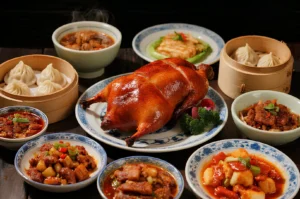
Singapore’s best chinese restaurants in singapore function less like isolated dining rooms and more like a networked system of technique. Across these chinese restaurants, you see branches of chinese cuisine expressed through roast mastery, controlled fermentation, seafood purity, and banquet choreography. This is not simply a guide to chinese food. It’s a mapped culinary journey…
-
The Neighbourhood Restaurant Test: How to Spot Truly Authentic Cuisine Restaurants in Your Area
Eda Wong | March 31, 2026
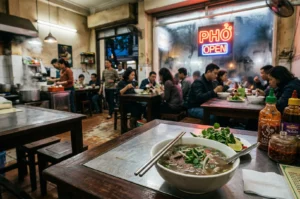
A friend texted me last week: “I’m outside this new Vietnamese place. How do I know if it’s legit before I waste my money?” It’s a question I get often. We’ve all been there, drawn in by a cool sign, only to get a plate of sad, sweet, tourist-grade pad thai that tastes like ketchup….
-
Cuisine in the World Meets Singapore: Inside Nakhon Kitchen’s Cross-Cultural Magic
Dio Asahi | March 26, 2026
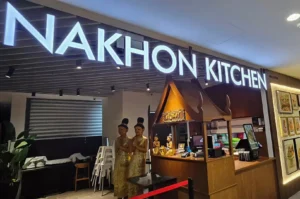
There’s a rite of passage for any food lover living in the East of Singapore, and it involves a queue. Specifically, the perpetually long, snaking queue outside Nakhon Kitchen in Bedok. I’d heard the legends for years: authentic Thai food, rock-bottom prices, and a wait time that tests your commitment. So, on a Tuesday evening…
-
The Spice Route Secrets: A Deep Dive into Malay Ethnic Food
Eda Wong | March 24, 2026
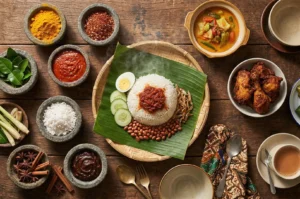
My first time ordering Nasi Padang in Geylang Serai was overwhelming, I randomly picked dishes and was shocked by a $20 bill due to premium beef rendang and squid. That taught me to always ask seafood prices and that Malay food is a complex, modular cuisine. Malay food is everywhere in Singapore, in hawker centres,…
-
The Shokunin Spirit: How Japan’s Craftsman Philosophy Lives Inside Singapore’s Most Disciplined Omakase Counter
Dio Asahi | March 21, 2026
The fire is not roaring; it is breathing. In a small, darkened workshop in Sakai, a swordsmith watches the colour of the steel with eyes that have tracked the same transformation for forty years. He does not look at a clock. He listens to the hum of the charcoal. He waits for the metal to…
-
The Evolution of the Plate: How History Transformed Iconic Malaysian Dishes
Eda Wong | March 19, 2026
I used to think I understood Malaysian food. As a Singaporean, it’s practically in my DNA, right? Nasi lemak for breakfast, a cheeky roti canai for supper – I thought I had it all figured out. Then I spent a week eating my way through Penang and Kuala Lumpur, and I realised I knew absolutely…
-
The Soul of the Table: An Educational Guide to the Role of Food in Malaysian Culture
Eat Drink Asia Team | March 17, 2026
We still remember our first collective Rumah Terbuka (Open House) experience in Kuala Lumpur.Standing at the doorway of a home during Hari Raya, we were utterly paralyzed by the sheer volume of people and the aroma of Malaysian cooking. There were aunties ladling beef rendang and tables groaning under the weight of colourful kuih. “Do…
-
Asian Food Comfort Trends: Why Broths and Bowls are Dominating Globally
Eda Wong | March 14, 2026
I still remember the first time I faced a “build-your-own” Mala Xiang Guo counter. I stood there, plastic tongs in hand, completely paralyzed by the mountain of choices. Lotus root? Kelp knots? three different types of tofu skin? My anxiety spiked. I panicked, grabbed way too much luncheon meat, and ended up with a $28…
-
The Fifth Element: A Masterclass on Umami in East Asian Cuisine
Dio Asahi | March 12, 2026
I’ll never forget the first time I made miso soup from scratch. Not the instant kind, but the “proper” way. I boiled water, dissolved miso paste, added tofu, and waited. It tasted flat, salty and cloudy but missing the deep, satisfying flavor I loved in Japanese restaurants. I thought maybe I needed better miso. Years…