The rain taps lightly against the glass of a quiet Japanese diner, turning the pavement outside a slick, silver grey. Inside, the bowl arrives with steam first, then colour: pumpkin orange, aubergine purple, and a dark curve of chicken set against a broth that looks too light to carry so much heat. The spoon touches the ceramic with a soft clink. A small mound of rice sits separately on a side plate, waiting like a quiet island. Outside, the evening air is heavy and damp, but inside, this dish does not sit heavily. It moves, releasing a fragrant, earthy warmth that slowly unfurls across the table.
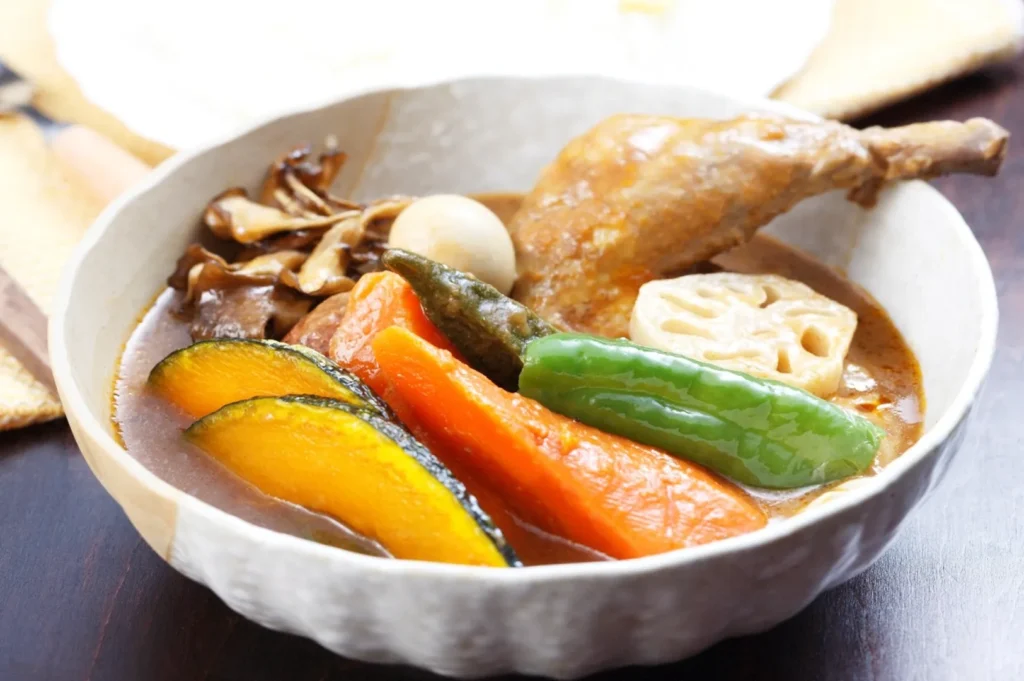
This is soup curry, or sūpu karē (pronounced soo-poo kah-ray). It is a dish that reimagines a familiar comfort, loosening dense gravies into an aromatic, spoonable broth. Unlike the thick, roux-heavy Japanese curry rice that blankets a plate, soup curry is an exercise in clarity and layered depth. The rice waits beside it, not buried underneath, allowing each diner to decide exactly how much spiced broth a single spoonful should carry. Born in the northern chill of Hokkaido, this creation relies on complex stocks and toasted spices rather than flour to build its character. The fragrant spice oil floats lightly on the surface, blooming gradually on the palate instead of launching a sharp attack, resulting in a celebration of flavours that feels both innovative and deeply grounding.
Eating it is a slow, deliberate culinary journey, a bowl that quietly honours the shun, the Japanese sense of ingredients at their seasonal peak. The vegetables are never mere side characters or afterthought garnishes; they are the slow punctuation of the meal. A thick wedge of lotus root retains its crisp bite, while the flash-fried aubergine drinks the broth like a sponge. The kabocha squash softens at its edges, slowly releasing its natural sweetness into the liquid. Because of this, the bowl keeps evolving. By the third spoonful, the liquid has changed slightly, carrying more earthiness from the root vegetables and quiet richness from the chicken that yields easily near the bone. It offers the specific, transportive comfort of a cold-weather logic, providing warmth that lingers long after you put the spoon down.

What makes this bowl stand out right now is its quiet resistance to immediate gratification. In an era where culinary convenience often smooths over distinct textures, soup curry rewards patience and restraint. Its modern appeal might seem to lie in how customisable the spice levels and toppings are, but its deeper charm is that it refuses to be rushed. The heat is not a dare; it is a shape that widens slowly in the chest. It maintains a delicate tension between the hearty appetite of a stew and the precise, clean finish of a clear soup.
As the rain softens outside, the last drops of the broth leave a clean, waking sensation on the tongue. By the end, the bowl has not overwhelmed anything; it has simply warmed the room around it. Some foods comfort by heavily covering the world, but soup curry comforts by clearing a small, peaceful space within it.

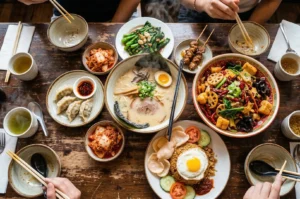
Asian Food Comfort Trends: Why Broths and Bowls are Dominating Globally
Eda Wong | March 14, 2026
I still remember the first time I faced a “build-your-own” Mala Xiang Guo counter. I stood there, plastic tongs in hand, completely paralyzed by the mountain of choices. Lotus root? Kelp knots? three different types of tofu skin? My anxiety spiked. I panicked, grabbed way too much luncheon meat, and ended up with a $28…
-
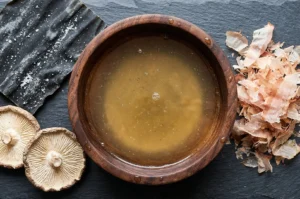
The Fifth Element: A Masterclass on Umami in East Asian Cuisine
Dio Asahi | March 12, 2026
I’ll never forget the first time I made miso soup from scratch. Not the instant kind, but the “proper” way. I boiled water, dissolved miso paste, added tofu, and waited. It tasted flat, salty and cloudy but missing the deep, satisfying flavor I loved in Japanese restaurants. I thought maybe I needed better miso. Years…
-
Why My Quest Ended at Yummy Western (409 AMK)
Dio Asahi | March 10, 2026
There’s a specific magic to a late-night supper hunt in Singapore. It’s the ritual of chasing a craving through the humidity to find that one stall that hits the spot. For me, that meant a pilgrimage to Ang Mo Kio Avenue 10. I arrived at 10 PM on a Friday, just as the ‘supper soul’…
-
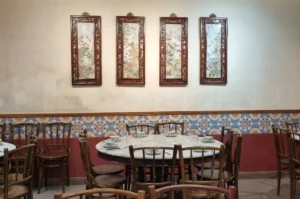
A Taste of Time: My Dinner at Guan Hoe Soon
Eda Wong | March 7, 2026
There’s something special about visiting a place that has seen decades of Singapore’s history unfold. Guan Hoe Soon, tucked away on Joo Chiat Road, holds the title of Singapore’s oldest Nyonya restaurant, and you can feel that heritage the moment you step inside. I’d heard about it for years, a place where recipes aren’t just…
-
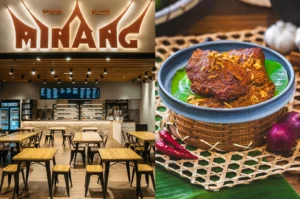
The 6 Best Halal Restaurant in Singapore for Authentic Nasi Padang
Eda Wong | March 5, 2026
There are few meals as satisfying as Nasi Padang, a colourful feast where you choose from a variety of dishes to create your perfect plate. Over the years, I’ve explored Singapore’s Nasi Padang scene, especially in Kampong Glam, sampling everything from humble hawker stalls to renowned spots. This list highlights the best halal Nasi Padang…
-
The Global Soup Bowl: How Indonesian Soto Shapes the Future of Asiatic Food Traditions
Dio Asahi | March 3, 2026
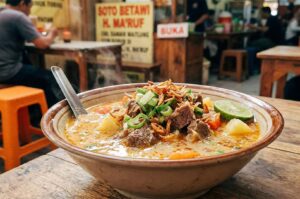
I still remember my first “real” bowl of Indonesian soto. Sitting on a low plastic stool in a cramped warung, I ordered Soto Betawi, expecting it to be like the clear Soto Ayam from Singaporean weddings. I was wrong. The rich, milky broth was intense, creamy, and boldly spiced. That first spoonful rewired my idea…
-
Shun: Japan’s Seasonal Treasures – A Deep Dive Into the Ingredients Behind True Omakase
Eat Drink Asia Team | February 28, 2026
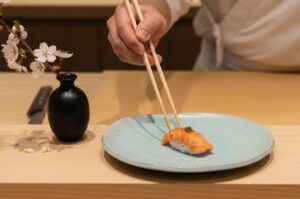
In the world of Asian food, few dining experiences capture the soul of traditional Japanese food culture like omakase. At a premier omakase restaurant, diners entrust their meal entirely to the chef, whose artistry is guided not just by mastery, but by shun—the appreciation of seasonal and fresh ingredients at the absolute peak of their…

My Trip to Bánh Mì Saigon and How It Compares to Best Food in Singapore
Eda Wong | February 26, 2026
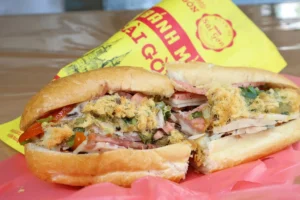
Located in the bustling neighborhood of Ang Mo Kio, Bánh Mì Saigon offers a taste of Vietnam right here in Singapore. From traditional bánh mì sandwiches to hearty pho bowls and refreshing Vietnamese iced coffee, this restaurant has it all. I arrived at Bánh Mì Saigon on a busy Saturday evening and was immediately drawn…
-
Tea Room by Ki-setsu: A Curated Journey Through Chinese Tea in the Heart of Singapore
Dio Asahi | February 25, 2026
Most people arrive at Chinese tea the way they arrive at any beverage: thirsty, curious, maybe looking for something sweet or soothing. But traditional chinese tea isn’t built like a single drink. It’s a network: leaf origin, processing choices, vessel physics, water, pacing, and the quiet social technology of sitting down long enough for a…
-
Tandoori Chicken: The Signature Indian Chicken Dish
Eda Wong | February 24, 2026
Tandoori chicken stands tall among the best Indian chicken recipes. With its vibrant hue and smoky aroma, this iconic Indian chicken dish is celebrated in Indian restaurants worldwide. Emerging from Punjab, it pairs perfectly with fragrant basmati rice or fresh naan and is a favorite for anyone who loves bold flavors. The hallmark of tandoori…