The rain taps lightly against the glass of a quiet Japanese diner, turning the pavement outside a slick, silver grey. Inside, the bowl arrives with steam first, then colour: pumpkin orange, aubergine purple, and a dark curve of chicken set against a broth that looks too light to carry so much heat. The spoon touches the ceramic with a soft clink. A small mound of rice sits separately on a side plate, waiting like a quiet island. Outside, the evening air is heavy and damp, but inside, this dish does not sit heavily. It moves, releasing a fragrant, earthy warmth that slowly unfurls across the table.
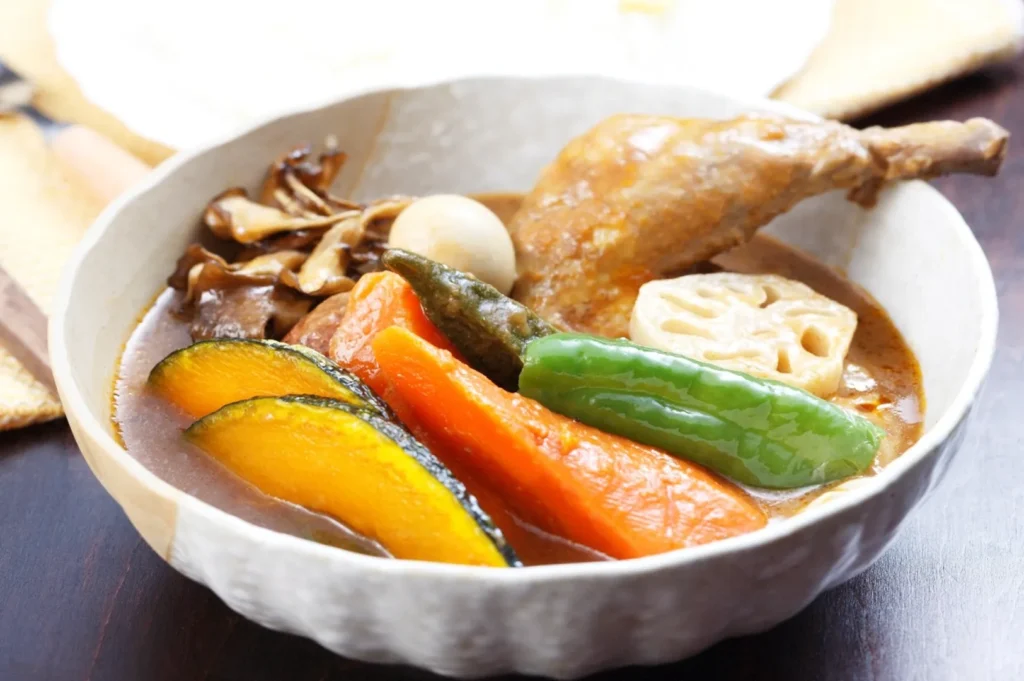
This is soup curry, or sūpu karē (pronounced soo-poo kah-ray). It is a dish that reimagines a familiar comfort, loosening dense gravies into an aromatic, spoonable broth. Unlike the thick, roux-heavy Japanese curry rice that blankets a plate, soup curry is an exercise in clarity and layered depth. The rice waits beside it, not buried underneath, allowing each diner to decide exactly how much spiced broth a single spoonful should carry. Born in the northern chill of Hokkaido, this creation relies on complex stocks and toasted spices rather than flour to build its character. The fragrant spice oil floats lightly on the surface, blooming gradually on the palate instead of launching a sharp attack, resulting in a celebration of flavours that feels both innovative and deeply grounding.
Eating it is a slow, deliberate culinary journey, a bowl that quietly honours the shun, the Japanese sense of ingredients at their seasonal peak. The vegetables are never mere side characters or afterthought garnishes; they are the slow punctuation of the meal. A thick wedge of lotus root retains its crisp bite, while the flash-fried aubergine drinks the broth like a sponge. The kabocha squash softens at its edges, slowly releasing its natural sweetness into the liquid. Because of this, the bowl keeps evolving. By the third spoonful, the liquid has changed slightly, carrying more earthiness from the root vegetables and quiet richness from the chicken that yields easily near the bone. It offers the specific, transportive comfort of a cold-weather logic, providing warmth that lingers long after you put the spoon down.

What makes this bowl stand out right now is its quiet resistance to immediate gratification. In an era where culinary convenience often smooths over distinct textures, soup curry rewards patience and restraint. Its modern appeal might seem to lie in how customisable the spice levels and toppings are, but its deeper charm is that it refuses to be rushed. The heat is not a dare; it is a shape that widens slowly in the chest. It maintains a delicate tension between the hearty appetite of a stew and the precise, clean finish of a clear soup.
As the rain softens outside, the last drops of the broth leave a clean, waking sensation on the tongue. By the end, the bowl has not overwhelmed anything; it has simply warmed the room around it. Some foods comfort by heavily covering the world, but soup curry comforts by clearing a small, peaceful space within it.

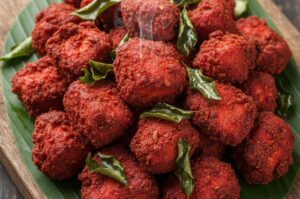
Chicken 65: A Fiery Indian Chicken Recipe You Must Try
Eat Drink Asia Team | February 21, 2026
We’ve spent months tracking the ‘shatter-rate’ of chicken across the South, and here’s the truth: most of what you find is a pale, food-colored imitation. The real Chicken 65 isn’t just spicy; it’s an atmospheric experience. It starts with the sharp, herbal snap of curry leaves hitting 180°C oil and ends with a deep, earthy…
-
Mastering the Art of Indian Dishes with Chicken
Eda Wong | February 19, 2026
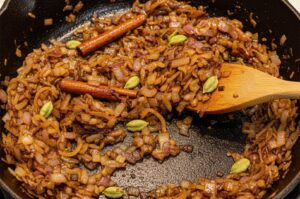
The story of India’s culinary identity is deeply tied to its poultry dishes. I remember my first attempt at an Indian chicken recipe, failing to brown the onions properly left the dish hollow, missing its soul. The sound of mustard seeds popping in hot oil signals layers of flavor to come. The steam from the…
-
Crunch, Sweet, and Heat: The Irresistible Textures of Southeast Asian Snacks
Dio Asahi | February 17, 2026
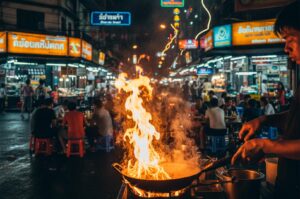
In the humid, sticky heat of Southeast Asia, where your shirt clings to your back and the air is thick with the sharp scent of oxidising oil, there’s a particular clink that always gets me. It’s the sound of a metal spatula striking a wok, a rhythmic percussion that’s as familiar to me now as…
-
The Living Pantry: How Geography and Trade Shaped the Food in the Southeast Region
Eat Drink Asia Team | February 14, 2026
To understand the plate is to understand the map. If you were to trace the spice routes of the 15th century or follow the monsoon winds that carried merchant ships across the Indian Ocean, you would find yourself at the epicenter of the world’s most vibrant pantry. The food in the Southeast region of Asia…
-
A Symphony of Senses: Why Southeast Asian Food is the World’s Greatest Culinary Journey
Dio Asahi | February 12, 2026
If you were to stand at a busy intersection in Bangkok, Ho Chi Minh City, or Jakarta and close your eyes, your nose would tell you a story before your eyes ever could. There is a specific, intoxicating perfume that defines Southeast Asian food: the sharp tang of lime juice hitting a hot wok, the…
-
The Alchemy of the Wok: The Story of Singapore-Style Bee Hoon
Eda Wong | February 10, 2026
Across the humid evening air of Singapore, a rhythmic clatter echoes from hawker stalls to high-rise kitchens—the sound of a metal spatula against a seasoned wok. Within that intense heat, rice vermicelli noodles undergoes a profound transformation, absorbing the golden hues of curry powder, the savory depths of soy sauce, and the smoky “breath” of…
-
The Sizzle of the Wok: An Exploration of Fried Bee Hoon Across Southeast Asia
Eat Drink Asia Team | February 7, 2026
Across Southeast Asia, from bustling hawker centers to family kitchens, the sizzle of rice vermicelli noodles hitting a hot wok is a universal comfort. Few dishes capture the spirit of Asian noodle culture as well as fried bee hoon. This stir fry, made with thin rice noodles, delivers a tasty meal any time of the…
-
The Silk of the East: A Deep Dive into Bee Hoon and the Art of Rice Vermicelli
Eda Wong | February 5, 2026
Across the bustling kitchens of Southeast Asia, one humble ingredient has woven itself into the fabric of countless beloved dishes. Bee hoon, the delicate rice vermicelli that transforms from brittle strands into silky noodles, represents centuries of culinary tradition and innovation. Whether you’ve savored Singapore noodles in a hawker center or encountered fried bee hoon…
-
The Eternal Hearth: A Journey Through the Soul of Indian Foods Vegetarian Traditions
Dio Asahi | February 3, 2026
In the vibrant tapestry of global gastronomy, few cultures have elevated the plant-based plate to an art form quite like India. While much of the world has recently turned toward meat alternatives for health or environmental reasons, Indian cuisine has been centered on the vegetable for millennia. This isn’t merely a dietary choice; it is…
-
The Essence of Jeju Citron Tea: A Distinctive Profile of Yuja Tea in Korea
Dio Asahi | January 31, 2026
Imagine sitting in a quiet, sun-drenched teahouse overlooking the dramatic volcanic coastline of Jeju Island. The steam rising from your cup carries an aroma that is at once familiar and yet entirely new—a version of Korean citron tea, or yuja cha, that tastes of sea salt, volcanic soil, and generations of island tradition. As you…