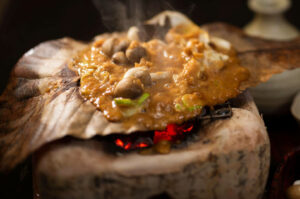
Steam rises from the pot, and a woman lifts a banana leaf over the open flame, turning it once, twice, until its stiff green softens and the surface goes glossy and pliant. She wipes it down with a damp cloth, then spoons hot rice into its center while the grains still steam. The leaf releases a green, grassy warmth the moment heat touches it, a scent halfway between cut grass and something sweeter. Her fingers fold the edges in quick, practiced creases, tuck the ends under, and the bundle sits in her palm, warm and sealed, ready to travel.
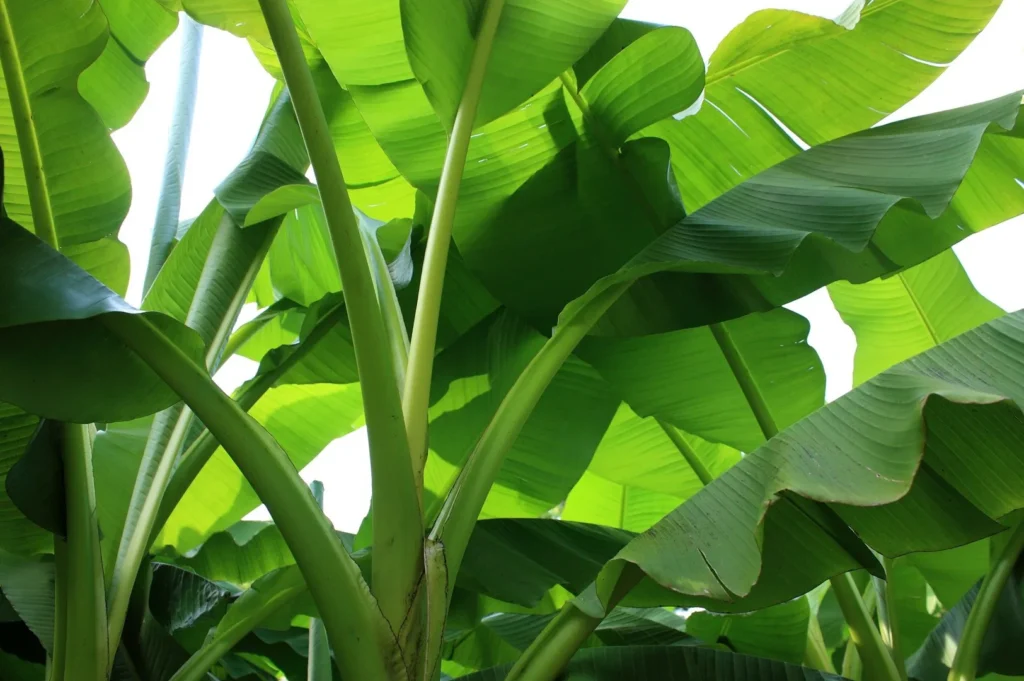
Fresh green banana leaves used for wrapping and steaming rice.
The leaf is daun pisang, pronounced roughly dow-oon pee-sahng, the broad blade of the banana plant used as wrapper, plate, and quiet seasoning all at once. The craft is simple to describe and harder to master. You pass the leaf briefly over flame or hot steam to soften it, because a cold leaf cracks and tears when you fold. You wipe it clean, never wash it heavily, and you wrap the rice while it is still hot.
That heat is the whole point. It coaxes a faint oil from the leaf into the grains, lending a perfume that no pot alone can give. If you’ve ever chased the comforting aroma in a steamed chicken rice recipe, you already know how much fragrance can live in plain grains. The rice comes out with a thin sheen and a smell that clings to your fingers long after the meal.
I have watched grandmothers do this without looking, mid-conversation, the folding so automatic it seems boneless. A wrapped parcel of rice is breakfast at a crowded market, lunch carried into a paddy field, food packed for a long bus ride home. The wrapping is portable warmth, a way to keep rice hot and fragrant for hours without a single container. There is etiquette in the unwrapping too: you peel the leaf back slowly, careful not to lose the grains stuck to its inner face, and you eat with attention to the steam escaping. The folding is often shared labor, several pairs of hands at one table, talking as they work.
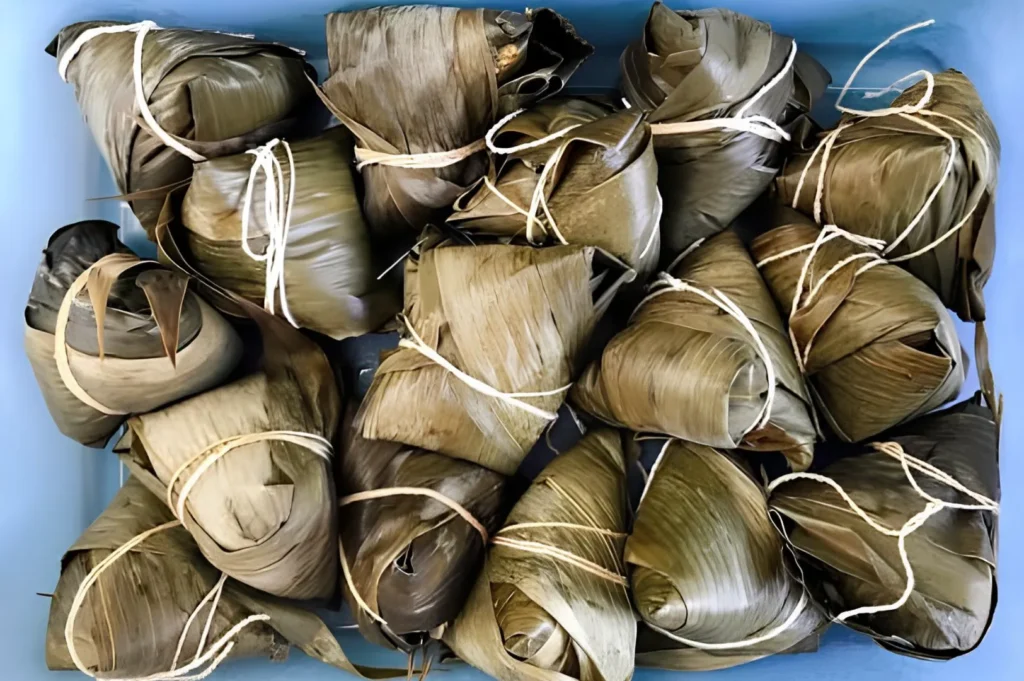
Traditional banana leaf wrapped rice parcels tied with natural string.
What stays with me now is how quietly this is slipping. Plastic and styrofoam wrap faster, seal tighter, cost less in effort. They keep rice hot, yes, but they give nothing back: no scent, no sheen, no green warmth rising when you open the parcel. The leaf asks more of you — a flame, a wiping cloth, hands that know the fold — and in return it seasons the food itself. That exchange, small and unhurried, is exactly what convenience cannot replicate, and exactly what we lose without noticing.
I think of the smell most of all. It is the reason some rice tastes like a particular kitchen, a particular pair of hands, a particular morning you cannot get back.

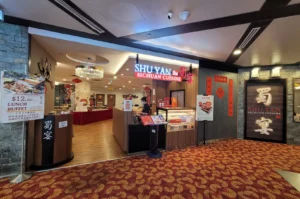
A Shu Yan Sichuan Cuisine Review Written in Pepper and Smoke: Chicken Pao That Wakes Up the Table
Dio Asahi | June 13, 2026
I used to think of authentic Sichuan food as a sheer test of endurance. For a long time, I assumed the goal was simply to survive the fiery onslaught of chillies rather than actually taste anything. But my recent culinary journey at Shu Yan Sichuan Cuisine completely rewired how I understand this region’s flavour map….
-
In Luang Prabang, Or Lam Carries the Taste of Sakhan
Eda Wong | June 12, 2026
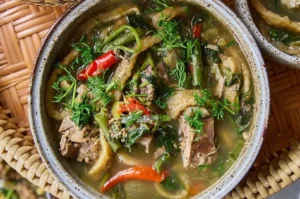
The damp morning mist still clings to the teakwood houses of Luang Prabang as an elderly cook tends to a glowing charcoal brazier. Sparks jump lightly into the cool air, illuminating the blackened belly of an aluminium pot. Inside, a thick, dark liquid bubbles rhythmically, releasing an incredibly aromatic cloud of charred lemongrass, sweet Thai…

The Malayan Council, Reviewed: Local Food in Malaysia, Plated Like a Memory
Eat Drink Asia Team | June 11, 2026
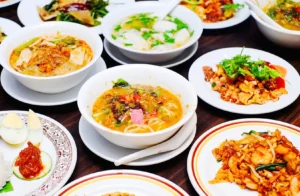
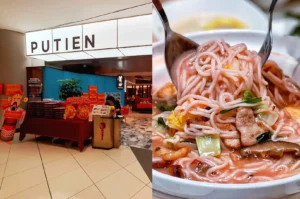
Our Eat Drink Asia team spends a lot of time debating what makes a truly unforgettable meal. The team has previously published articles exploring the redefinition of comfort food. That is exactly what led me to The Malayan Council at 71 Bussorah Street. I visited on a Friday around 7:30 pm, just as the weekend…
-
Sushi in Singapore: Why There Is a Style for Every Budget
Eda Wong | June 11, 2026
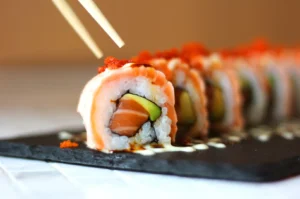
Few Japanese dishes have travelled as successfully across Asia as sushi. What began as a culinary tradition deeply rooted in Japan has evolved into something remarkably diverse in Singapore. Today, sushi in Singapore can mean many different things. It can be a quick lunch grabbed from a conveyor belt restaurant, a carefully curated omakase meal…
-
The Quiet Pull of Lahpet in Myanmar’s Tea Leaf Salad
Dio Asahi | June 10, 2026
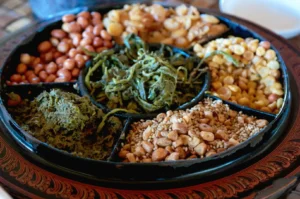
The afternoon humidity presses against the open-air teahouse in downtown Yangon, where the sharp clatter of a silver spoon against ceramic cuts through the low hum of conversation. A small plate sits in the centre of a low plastic table, holding a dense, dark green cluster that smells faintly of damp earth and sharp lime….
-
Dining at Suntec: The Restaurants That Feel Like Different Cities in One Mall
Eda Wong | June 9, 2026
Over the past six months, I’ve navigated the sprawling, sometimes disorientating corridors of Suntec City more times than I can count. What started as a simple quest to find decent spots for post-meeting lunches quickly turned into a genuine culinary journey. I have tried over a dozen venues within this massive complex, and I’ve found…
-
PappaRich SG and the Comfort of Malaysian Staple Food: A Restaurant Review in Familiar Flavours
Dio Asahi | June 6, 2026
There is a very specific kind of exhaustion that hits you right before a flight or just after you land. You are dragging your suitcase, staring blankly at the departure boards, and suddenly, you realize you are starving. But you don’t want just any food. You want something warm, familiar, and deeply comforting. I felt…
-
Sri Lanka’s Ambul Thiyal and the Sourness of Goraka
Eda Wong | June 5, 2026
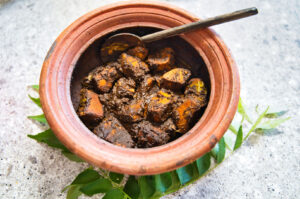
In the open-air kitchen of a coastal home in southern Sri Lanka, a low fire crackles under a wide, unglazed clay pot. The air is thick with the scent of roasted black pepper and something deeply, aggressively tart. A wooden spoon scrapes the bottom of the pot, turning cubes of firm yellowfin tuna until they…
-
Traditional Malaysian Foods Aren’t a Museum: They’re a Living Argument at the Table
Eda Wong | June 4, 2026
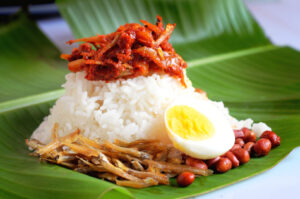
When I first really started digging into traditional Malaysian food, I made a classic rookie mistake. I was sitting at a crowded kopitiam in Kuala Lumpur, looking at a plate of nasi lemak, and I thought I understood exactly what it was supposed to be. I thought it was a fixed, rigid recipe, a museum…
-
In Gifu, Hoba Miso Warms Slowly Over Magnolia Leaves
Dio Asahi | June 3, 2026
Frost clings to the wooden window frames in the highlands of Gifu. Inside, the air is thick with the scent of woodsmoke and fermented soybeans. On the table, a small ceramic charcoal grill known as a shichirin radiates a gentle, localized heat. Resting directly above the glowing embers is a large, brittle brown leaf holding…