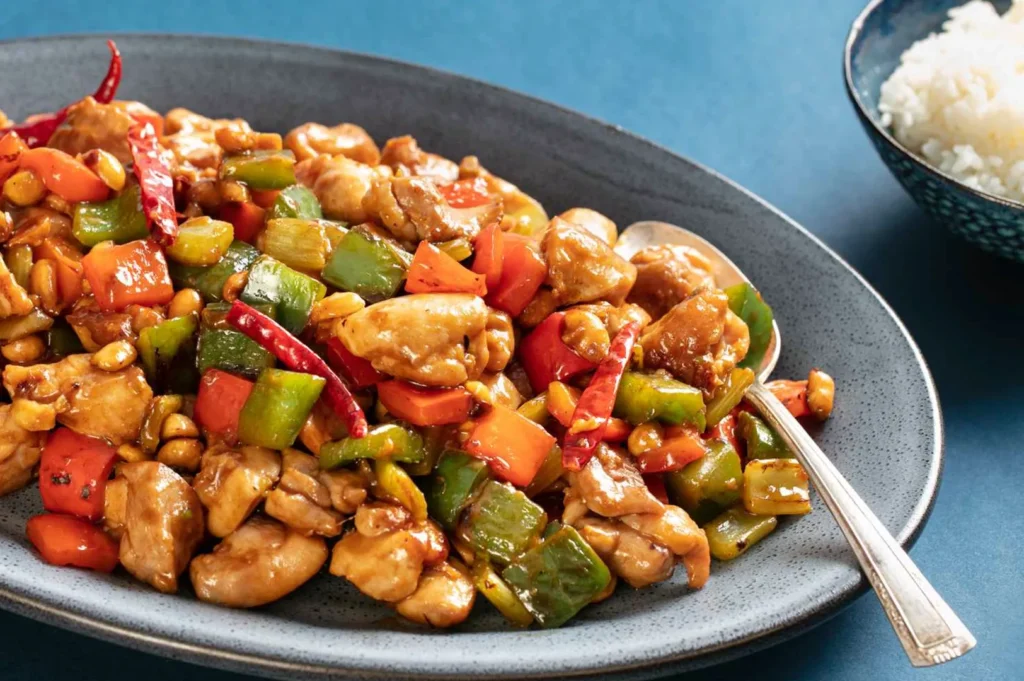
I remember my first attempt at cooking gong bao ji ding a few years ago. I wanted to recreate that authentic, trend-setting dish I had experienced at a traditional Sichuan restaurant, a meal that felt like a genuine celebration of flavours. I heated my wok until it was smoking, tossed in a handful of dried chillies, and immediately started searching my kitchen counter for the chicken. By the time I found it and dropped the meat into the pan, the chillies were blackened, the oil smelled acrid, and my kitchen was filled with bitter smoke. The resulting dish was a tough, oily, and intensely bitter disaster.
If you have ever tried to make kung pao chicken at home and ended up with a sticky, overly sweet mess or rubbery meat, you are not alone. In my experience, first-timers usually worry about three things: burning the chillies, drying out the chicken, and missing that restaurant-style glossy coating. We tend to think these are ingredient problems, assuming we just need a secret sauce recipe or a different type of chilli.
But I’ve found that the real secret is entirely different. Proper kung pao chicken is not a dare built from chilli heat; it is a rigorous timing exercise. When you learn to respect the sequence, allowing heat, vinegar, chicken, and peanuts to arrive in the exact right order. you preserve the true soul of the dish. Here is how you can master the timing and taste the world from your own kitchen. For more articles about kung pao, Shu Yan Sichuan Cuisine’s kung pao chicken earns high praise for its authentic balance of spice and savor, as reviewed by Eat Drink Asia.
Kung Pao Chicken Recipe
Ingredients
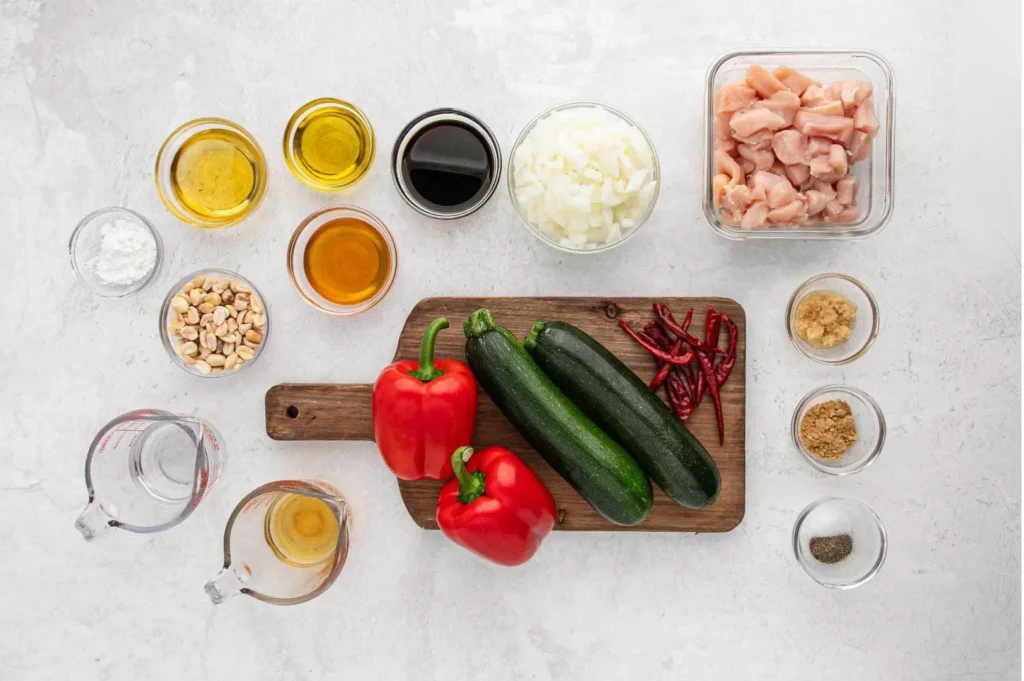
- 300g boneless skinless chicken thighs or skinless chicken breasts, cut into bite-sized cubes
- 1 tbsp light soy sauce
- 1 tbsp shaoxing rice wine (or dry sherry as a substitute)
- 1 tsp cornstarch
- 1 tbsp vegetable oil
- 4-5 dried chili peppers, preferably dried red chili peppers
- 1 tsp ground sichuan peppercorns
- 2 cloves garlic, minced
- 1-inch piece ginger, julienned
- 2 spring onions, white and green parts separated and chopped
- 2 tbsp roasted peanuts or cashew nuts
Sauce:
- 1 tbsp light soy sauce
- 1 tsp dark soy sauce
- 1 tbsp chinese black vinegar (or rice vinegar/balsamic vinegar)
- 1 tsp sugar
- 1 tsp sesame oil
- 1 tsp cornstarch mixed with 2 tbsp water (cornstarch slurry)
Instructions
- Marinate the Chicken:
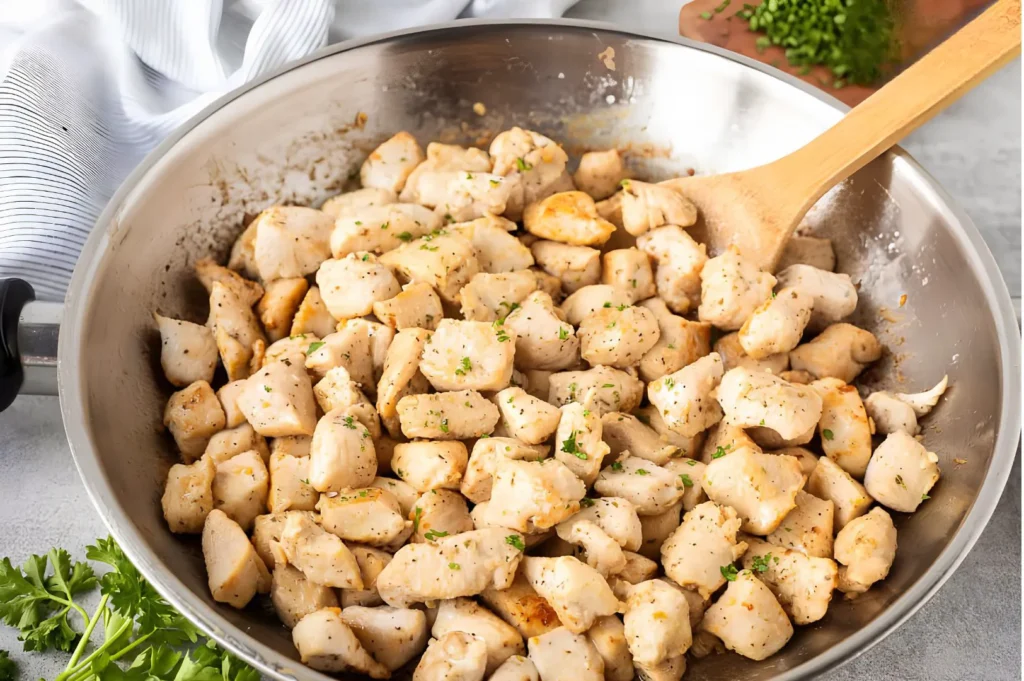
In a medium bowl, combine the chicken pieces with light soy sauce, shaoxing rice wine, cornstarch, and a few drops of vegetable oil. Toss well and let marinate the chicken for 15 to 20 minutes to velvet the chicken for tenderness. - Prepare the Sauce:
In a separate bowl, whisk together all sauce ingredients except the cornstarch slurry. Just before use, stir in the slurry to help the kung pao sauce thicken during cooking. - Toast the Peanuts:
If using raw peanuts, toast them in a dry pan over low heat until golden and fragrant. Set aside. - Bloom the Spices:
Heat a wok or large skillet over medium heat and add vegetable oil. Add the dried red chili peppers and ground sichuan peppercorns. Stir briefly until the chilies darken slightly and release aroma, about 10-15 seconds. - Stir-Fry the Chicken:
Increase heat to high heat and add chicken. Spread them out and let them sear for about 1 minute without stirring. Toss and stir fry chicken until the chicken is just opaque and lightly browned. - Add Aromatics:
Push the chicken to the side of the wok. Add garlic, ginger, and the white parts of the green onions to the center. Stir quickly until fragrant, about 30 seconds, avoiding burning. - Add Sauce and Finish:
Pour the prepared kung pao sauce over the chicken. Turn the heat to high heat and stir vigorously as the sauce bubbles and sauce thickens to a glossy coating. Once thickened, toss in the toasted peanuts and green parts of the spring onions. Stir to combine. - Serve Immediately:
Serve immediately with steamed white rice or your preferred side. Enjoy the contrast of tender chicken, crunchy peanuts, and the numbing, spicy kung pao sauce.
Tips for Success
- Cook in batches to avoid overcrowding the wok, which causes steaming instead of searing.
- Adjust the number of dried chili peppers and sichuan peppers to suit your spicy food tolerance.
- Always add the peanuts at the end to keep their crunchy texture.
- Use chicken thighs for juicier results or chicken breast for leaner meat.
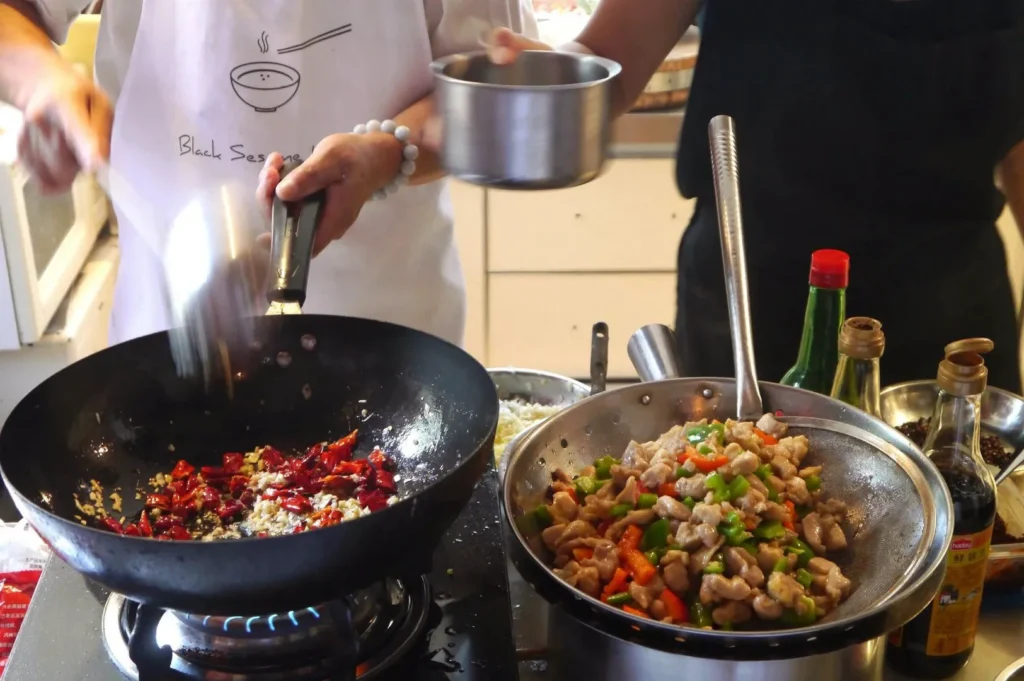
Understanding the Timing of Kung Pao Chicken
The biggest misconception about this global favourite is that it is simply “spicy chicken” or that the sauce should be thick and sugary like the versions you find in food court takeout boxes. Authentic gong bao ji ding, the classic kung pao chicken, relies on a highly specific “lychee flavour” profile. This means the kung pao sauce balances sweet, sour, and savoury notes, usually achieved through a precise mix of light soy sauce, dark soy sauce, chinese black vinegar (or black rice vinegar), and sugar, rather than relying on a heavy syrupy glaze.
When we talk about this dish working only when timing is tight, we are talking about the wok sequence for this quick stir fry. Experienced cooks treat kung pao chicken as a fast-moving timeline, not a sauce dump. The dried red chili peppers are not there only for pain; they are meant to quickly perfume the vegetable oil and sesame oil without scorching. The sichuan peppers should add a light, citrusy numbing lift, rather than a gritty bitterness. The marinated chicken, whether boneless skinless chicken thighs or skinless chicken breasts, must cook just until it turns opaque and lightly browned. The roasted peanuts or cashew nuts must enter at the very last second so they stay perfectly crisp.
If the garlic burns before the chicken cooks, your wok was too hot too early. If the sauce turns watery, the pan was not hot enough when the liquid went in. The dish works beautifully because each ingredient enters at the exact moment it can do its job without ruining the others. It is an innovative, interactive culinary journey that takes place entirely over high heat.
Cooking Errors That Kill the Kung Pao Magic
The Burnt Chili Version
If you heat the wok until it is smoking, add dried chillies, and then pause for even ten seconds to grab your chicken, the chillies will turn black. Blackened chillies release a bitter flavour into the oil. The fix is simple: have your marinated chicken literally in your hand, hovering over the wok, before the chillies go in.
The Watery Kung Pao
If your kung pao sauce never becomes thick and glossy but instead pools sadly at the bottom of the plate, you likely added too much liquid or overcrowded the pan. The chicken steamed and released its internal water. The fix is to cook only one or two portions at a time, ensuring the wok stays hot enough to evaporate excess moisture instantly.
The Takeout-Style Sweetness Problem
If your result tastes like sticky sweet chicken with peanuts, you used too much sugar and not enough vinegar. Treat the chinese black vinegar as a primary structural ingredient, not an optional sharpener. The sourness cuts the sugar and the heat, creating that complex, highly desirable “lychee” balance.
Gluten-Free Adaptation
This chicken pao recipe and kung pao chicken recipe are naturally gluten free when you use gluten-free soy sauce and ensure your stir fry sauce ingredients are free from wheat. This makes it an excellent choice for those with gluten sensitivities who want to make kung pao chicken without compromise. For those looking to experience authentic flavors beyond home cooking, exploring the best Chinese restaurants in Singapore offers an exceptional culinary journey.
Singaporean Adaptations and Local Tips
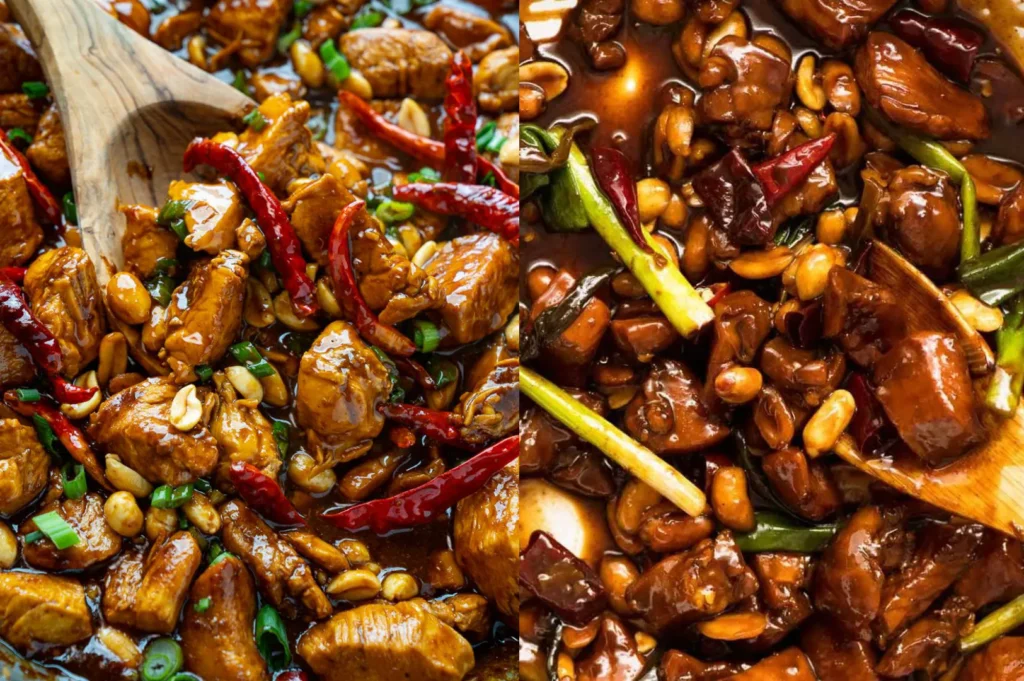
Here in Singapore, style kung pao chicken appears across diverse dining contexts, from high-end Sichuan restaurants where it is numbing and sharp, to local zi char menus where it tends to be sweeter and highly accessible. Both styles celebrate the vibrant taste buds of the region.
Ingredients are easy to source locally. Fresh boneless skinless chicken thighs or chicken breasts are affordable and perfect for this stir fry chicken dish. For a family with mixed spice tolerance, reduce the crushed red pepper flakes and omit sichuan peppers for a milder, family-friendly version. Serve with steamed rice and simple greens to balance the spicy food heat.
Savour the Journey
Mastering kung pao chicken is an incredibly rewarding culinary journey. When you finally pull off that perfect sequence, when the chicken is tender, the nuts are crisp, the chillies are aromatic, and the sauce is a brilliant, glossy balance of sweet and sour, you realise that restaurant-quality food is completely within your reach.
Do not let the fear of a hot wok stop you. Prep your ingredients carefully, respect the timing, and embrace the fast-paced energy of the stir-fry. Taste the world from your own kitchen, share these vibrant, trend-setting flavours with your friends, and enjoy the beautiful, fiery results.

Asian Food Comfort Trends: Why Broths and Bowls are Dominating Globally
Eda Wong | March 14, 2026
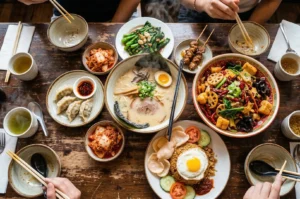
I still remember the first time I faced a “build-your-own” Mala Xiang Guo counter. I stood there, plastic tongs in hand, completely paralyzed by the mountain of choices. Lotus root? Kelp knots? three different types of tofu skin? My anxiety spiked. I panicked, grabbed way too much luncheon meat, and ended up with a $28…
-
The Fifth Element: A Masterclass on Umami in East Asian Cuisine
Dio Asahi | March 12, 2026
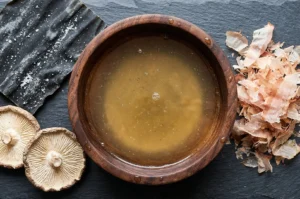
I’ll never forget the first time I made miso soup from scratch. Not the instant kind, but the “proper” way. I boiled water, dissolved miso paste, added tofu, and waited. It tasted flat, salty and cloudy but missing the deep, satisfying flavor I loved in Japanese restaurants. I thought maybe I needed better miso. Years…
-
Why My Quest Ended at Yummy Western (409 AMK)
Dio Asahi | March 10, 2026
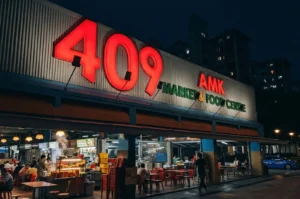
There’s a specific magic to a late-night supper hunt in Singapore. It’s the ritual of chasing a craving through the humidity to find that one stall that hits the spot. For me, that meant a pilgrimage to Ang Mo Kio Avenue 10. I arrived at 10 PM on a Friday, just as the ‘supper soul’…
-
A Taste of Time: My Dinner at Guan Hoe Soon
Eda Wong | March 7, 2026
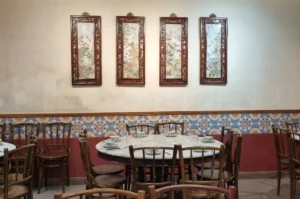
There’s something special about visiting a place that has seen decades of Singapore’s history unfold. Guan Hoe Soon, tucked away on Joo Chiat Road, holds the title of Singapore’s oldest Nyonya restaurant, and you can feel that heritage the moment you step inside. I’d heard about it for years, a place where recipes aren’t just…
-
The 6 Best Halal Restaurant in Singapore for Authentic Nasi Padang
Eda Wong | March 5, 2026
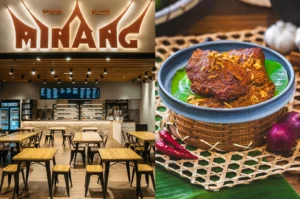
There are few meals as satisfying as Nasi Padang, a colourful feast where you choose from a variety of dishes to create your perfect plate. Over the years, I’ve explored Singapore’s Nasi Padang scene, especially in Kampong Glam, sampling everything from humble hawker stalls to renowned spots. This list highlights the best halal Nasi Padang…
-
The Global Soup Bowl: How Indonesian Soto Shapes the Future of Asiatic Food Traditions
Dio Asahi | March 3, 2026
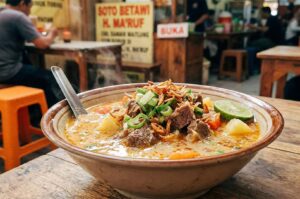
I still remember my first “real” bowl of Indonesian soto. Sitting on a low plastic stool in a cramped warung, I ordered Soto Betawi, expecting it to be like the clear Soto Ayam from Singaporean weddings. I was wrong. The rich, milky broth was intense, creamy, and boldly spiced. That first spoonful rewired my idea…
-
Shun: Japan’s Seasonal Treasures – A Deep Dive Into the Ingredients Behind True Omakase
Eat Drink Asia Team | February 28, 2026
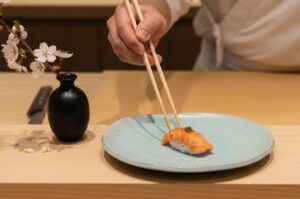
In the world of Asian food, few dining experiences capture the soul of traditional Japanese food culture like omakase. At a premier omakase restaurant, diners entrust their meal entirely to the chef, whose artistry is guided not just by mastery, but by shun—the appreciation of seasonal and fresh ingredients at the absolute peak of their…

My Trip to Bánh Mì Saigon and How It Compares to Best Food in Singapore
Eda Wong | February 26, 2026
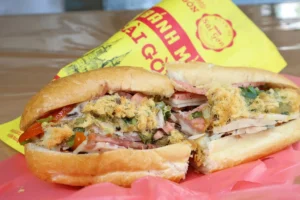
Located in the bustling neighborhood of Ang Mo Kio, Bánh Mì Saigon offers a taste of Vietnam right here in Singapore. From traditional bánh mì sandwiches to hearty pho bowls and refreshing Vietnamese iced coffee, this restaurant has it all. I arrived at Bánh Mì Saigon on a busy Saturday evening and was immediately drawn…
-
Tea Room by Ki-setsu: A Curated Journey Through Chinese Tea in the Heart of Singapore
Dio Asahi | February 25, 2026
Most people arrive at Chinese tea the way they arrive at any beverage: thirsty, curious, maybe looking for something sweet or soothing. But traditional chinese tea isn’t built like a single drink. It’s a network: leaf origin, processing choices, vessel physics, water, pacing, and the quiet social technology of sitting down long enough for a…
-
Tandoori Chicken: The Signature Indian Chicken Dish
Eda Wong | February 24, 2026
Tandoori chicken stands tall among the best Indian chicken recipes. With its vibrant hue and smoky aroma, this iconic Indian chicken dish is celebrated in Indian restaurants worldwide. Emerging from Punjab, it pairs perfectly with fragrant basmati rice or fresh naan and is a favorite for anyone who loves bold flavors. The hallmark of tandoori…