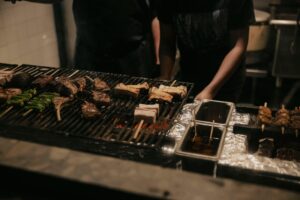
At a narrow lunch table in Bangkok, the bottle arrives before the rice has stopped steaming. It is clear glass, refilled many times, its plastic cap slightly stained from years of fingers and heat. Beside it sits a small bowl of sliced chillies floating in amber liquid, the cut edges pale and sharp. Someone nudges it towards the centre, not as an announcement but as a gesture of readiness. The spoon taps porcelain. The fan turns above us. From the kitchen comes the smell of garlic, hot oil, and fish sauce meeting flame for one brief, salty second.
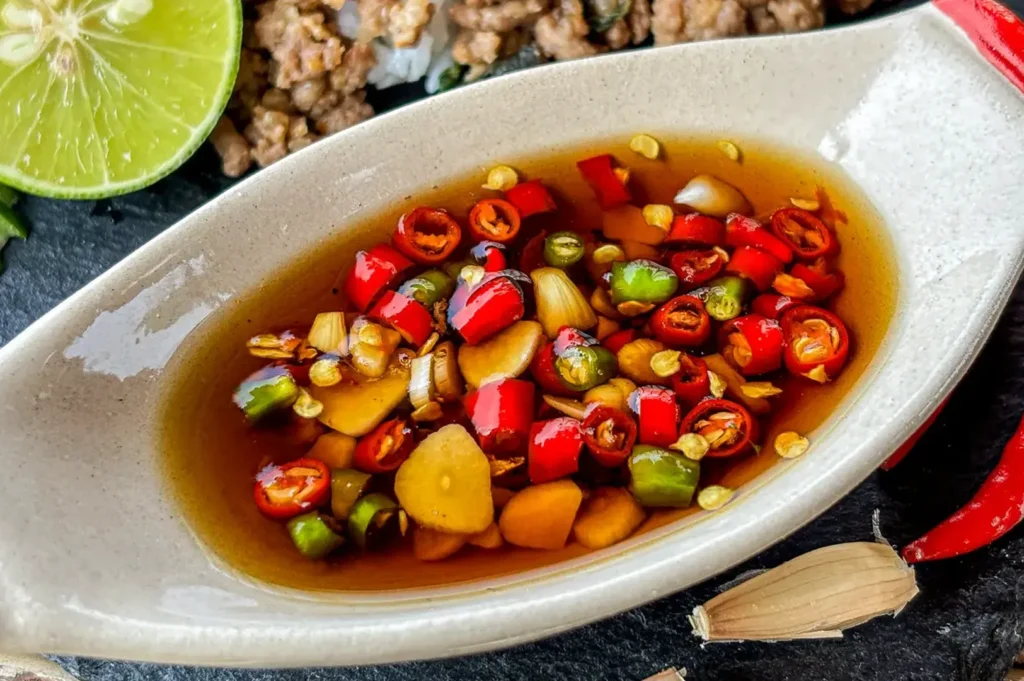
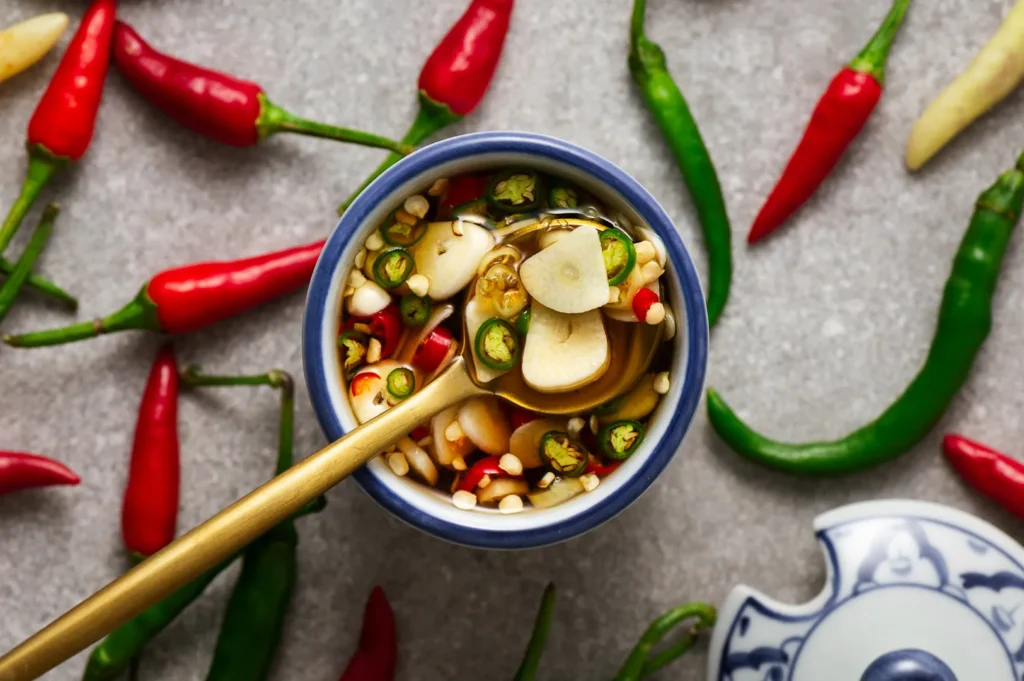
This is nam pla — น้ำปลา — pronounced roughly “nahm plah”, Thai fish sauce. In plain terms, it is a liquid seasoning made from fish and salt, left to transform slowly until it becomes clear, savoury, and deeply aromatic. At the table, it does not behave like a sauce poured for abundance. It works more quietly than that. A few drops can pull sweetness forward, sharpen a bowl of rice, or give soup a firmer edge. In many Thai meals, it appears as part of prik nam pla, fish sauce with sliced chillies, sometimes lime and garlic. The craft begins long before the table: in the patience of salting, pressing, waiting, and drawing off a liquid that carries depth without heaviness.
What interests Eat Drink Asia is not only its flavour, but the way people use it. At a shared table, seasoning is both personal and social. You adjust your own spoonful, not the whole dish. You taste first, then decide. Too much fish sauce can flatten a meal into salt; too little can leave it polite but unfinished. This small act teaches restraint without making restraint feel severe. It also holds memory. Someone may add more chillies because that is how their father ate noodles. Someone else may avoid touching the bottle because the cook has already balanced the dish. These choices happen quickly, almost invisibly, yet they reveal how people carry appetite, habit, and respect into the same bowl.
There is a tension now between convenience and care. Fish sauce comes in sachets with takeaway meals, in neat supermarket bottles, in polished restaurant cruets designed to look clean rather than lived in. None of this is wrong; food has to move with the speed of the city. But something changes when the table loses the small, shared grammar of seasoning. The old bottle with its cloudy rim asks for attention. It asks you to notice before you alter. It reminds you that flavour is not only built in the kitchen, but completed in relation to others.
By the end of lunch, the bowl of chillies has darkened slightly, its seeds resting at the bottom like sand. The bottle returns to the side of the table. Nothing dramatic has happened. Still, the meal feels more exact because of that quiet liquid, waiting to be used carefully.

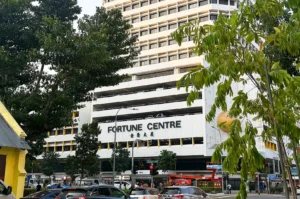
Fortune Centre Food Guide: Vegetarian Finds, Quick Lunches, and Hidden Dinner Spots
Eda Wong | May 9, 2026
May 9, 2026 | Eda Wong | Last Updated September 24, 2026 I have spent the last six months navigating the tight corridors and bustling walkways of Fortune Centre, determined to map out the Fortune Centre food scene beyond its best-known stalls. I’ve tried all of these famous stalls, sampling everything from intricate plant-based creations to…

Types of Chinese Food Hidden in Plain Sight: Imperial Treasure, Reviewed Through Their Orders
Eat Drink Asia Team | May 7, 2026
For a long time, many viewed Chinese food as one giant, delicious monolith, characterized by intense heat, heavy sauces, and wok-tossed brilliance. However, as more time is spent exploring Singapore’s incredible dining scene, it becomes clear that true culinary mastery often whispers rather than shouts. To demonstrate this to visitors, a table at Imperial Treasure…
-
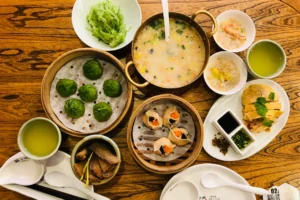
Famous Food in China Isn’t Loud: Din Tai Fung’s Dumplings and the Power of Precision
Dio Asahi | May 5, 2026
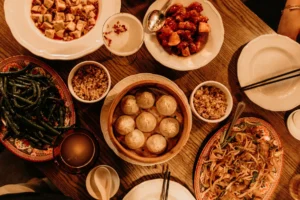
There is a common misconception that the most authentic culinary journeys involve loud, chaotic kitchens with massive wok flames and shouting chefs. I used to think the same thing until I started paying closer attention to the quieter corners of Asian cooking. I visited Din Tai Fung on a Tuesday around 2:30 pm, hoping to…
-
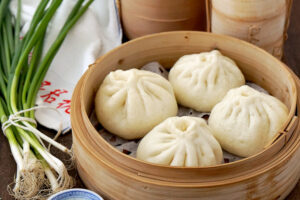
The Morning Steam of Baozi Along a Beijing Street
Eda Wong | May 2, 2026
The first thing I noticed was the steam. It rose in soft, continuous bursts from stacked bamboo baskets, drifting into the cold Beijing morning like breath made visible. The vendor lifted each lid with practiced rhythm, a quick tilt, a release of heat, then the faint scent of yeast, pork, and warm flour rolling outward….
-
Moo Ping and the Structure of Thai Grilled Street Meat
Dio Asahi | April 30, 2026
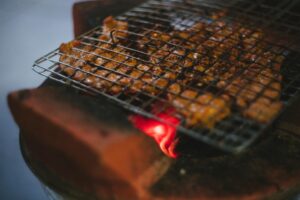
The first thing I noticed was the smoke, thin, controlled, rising steadily from a charcoal grill along a Bangkok street. Skewers of pork turned in a quiet rhythm, fat dripping and hissing as it met the heat. The air carried layers of scent: sweet palm sugar, garlic, and a faint fermented depth beneath it. I…
-
Where Kuala Lumpur Actually Begins: Reading the City Through Its Food
Eat Drink Asia Team | April 30, 2026
There are cities you can understand through maps, and then there are cities like Kuala Lumpur that only begin to make sense when you follow what people eat. Not what is recommended or ranked, but what is repeated. The same stall visited every week, the same dish ordered without hesitation, the same flavours that feel…
-
The Silent Language of the Table: How Traditional Food in China Speaks Through Generations
Eda Wong | April 28, 2026
When I first tried to navigate a traditional Cantonese family dinner, I made a spectacularly embarrassing mistake. I sat down, looked at the sprawling, beautifully written menu, and confidently ordered an individual plate of sweet and sour pork just for myself. The table went completely quiet. My host gently nudged the menu back towards the…
-
The Golden Roux Revolution: Best Japanese Curry Singapore Spots That Redefine Comfort Food
Eat Drink Asia Team | April 25, 2026
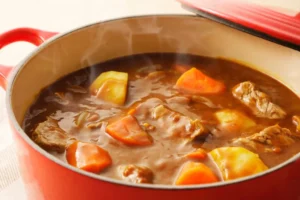
April 25, 2026 | Eat Drink Asia Team Last updated: September 17, 2026 We have always believed that a brilliant plate of Japanese curry is the ultimate culinary hug. Over the past eight months, we made it our personal mission to embark on a comprehensive culinary journey across Singapore, hunting down the absolute best bowls…

Noodle Masterpieces: Celebrating the Craft
Eat Drink Asia Team | April 24, 2026
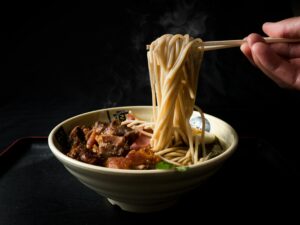
Noodles have a timeless place in the world of food, and Taste Our Traditions can attest that only few dishes are as universally loved. What makes a bowl of noodles truly stand out is not just the ingredients, but the artistry and skill behind their creation. Noodle-making is an ancient craft that demands patience, precision,…
-
Charcoal Smoke and Yakitori Evenings in Osaka
Eda Wong | April 24, 2026
The first thing I noticed was the smoke. It didn’t rise all at once, but in thin, steady ribbons that curled upward from a narrow grill set just inches from the counter. The scent came first, warm and unmistakable, a mix of rendered chicken fat and binchōtan charcoal, clean but deeply present. Inside the small…