The bowl arrives before anything else does.
Steam lifts off it in slow ribbons, carrying the smell of ginger and something warmer underneath: the round, boozy note of hua tiao wine settling into fish. I lean in before I even pick up my spoon. The broth is pale gold and cloudy, thick enough that it clings a little to the sides of the bowl. Pieces of pomfret sit half-submerged, pale and generous.
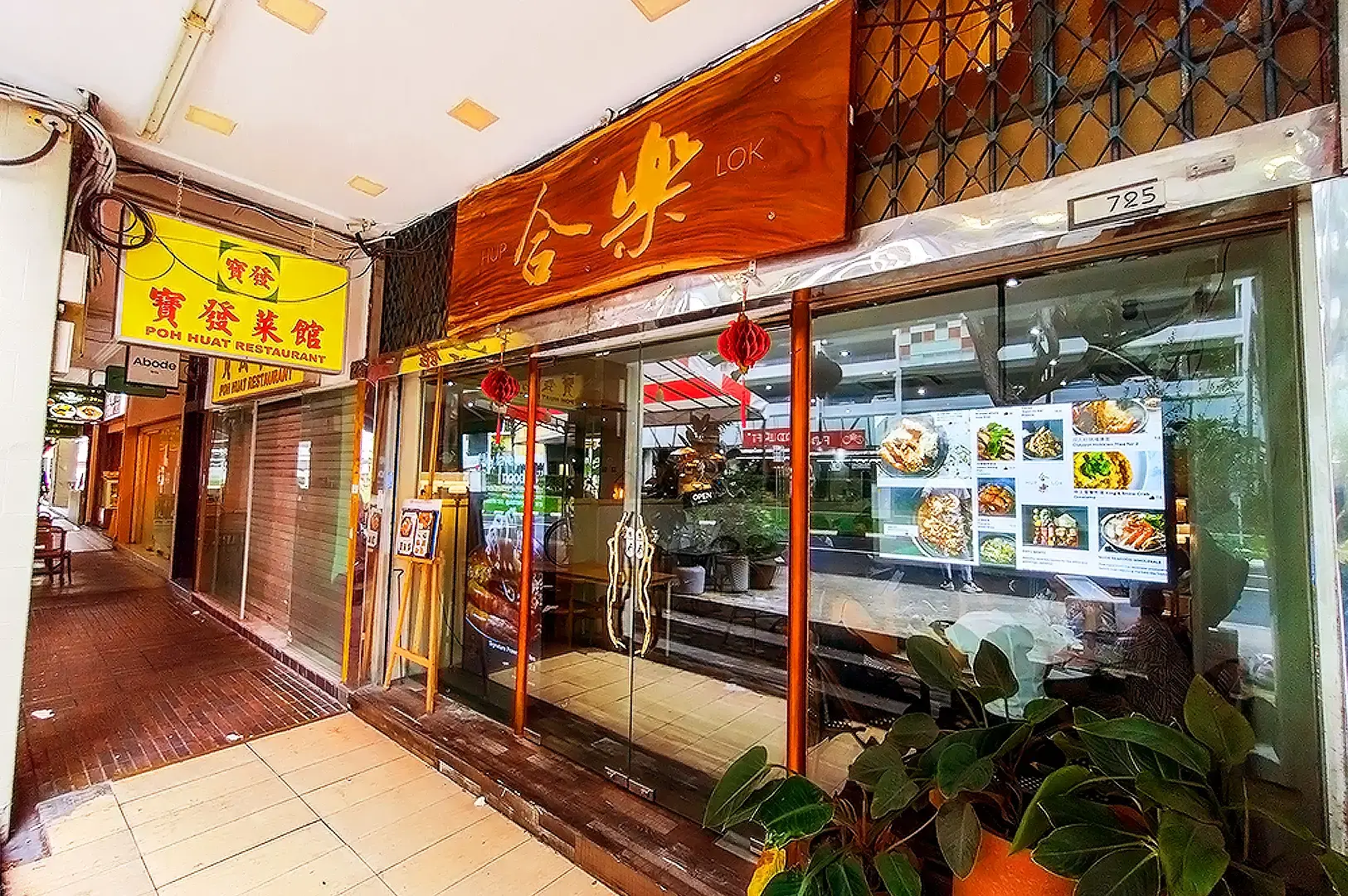
This is Grandpa’s Pomfret Soup at Hup Lok, a young restaurant tucked along 725 Havelock Road. The place opened in September 2025, which makes the whole thing a small contradiction. The room is new. The taste in the bowl is not.
Here, the menu features this signature dish, known for its tender fish slices and rich broth, which many gave positive reviews online. Which lead me here, experience the it myself.
What the Broth Carries
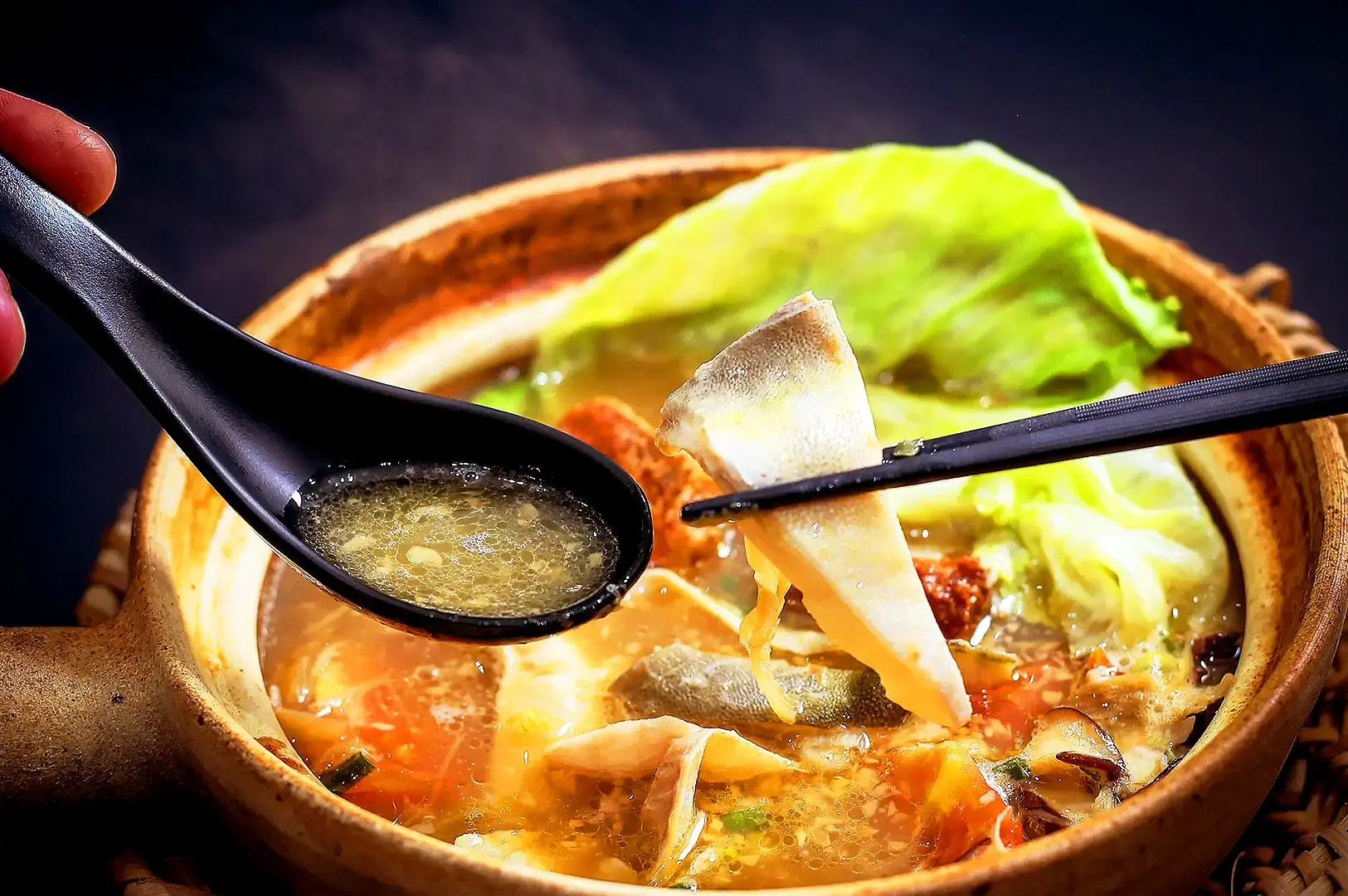
I eat the fish first, because you have to.
The soup keeps working even after it reaches the table, and the residual heat will carry on cooking the pomfret if you let it sit. So I go in early, while the flesh is still just barely set. It comes away in soft, meaty flakes: clean-tasting, without the muddiness that lesser fish soups sometimes hide behind. There’s a lot of it, too. This isn’t a bowl rationing its protein.
Then the broth.
It’s the kind of soup that looks like it should be heavy, but isn’t. There’s real body to it, a savoury weight that coats the tongue, and my first instinct is to assume milk. There isn’t any. That richness comes from fish bones: batang bones simmered down until the collagen loosens and thickens the liquid on its own. It’s a quiet lesson in how a broth earns its texture honestly, without a shortcut.
The rest of the bowl keeps it from turning one-note. Salted plums cut through with a soft, tart edge. Tomatoes add a rounder acidity. Shiitake and julienned ginger sit in the background, and the hua tiao wine ties everything together with that low, warming hum. It’s umami, but it’s also bright; which is exactly what a good teochew pomfret fish soup should be.
Tradition Without Pretending the Recipe Is Ancient
Here’s the part I keep turning over.
The recipe in front of me isn’t old. Chef Keeling built it during COVID, when kitchens were cooking for delivery boxes rather than dining rooms, and it later found a permanent home at Hup Lok. So this is not some family formula guarded through the decades, unchanged.
And yet the flavour vocabulary is older than the dish.
The owner, Hong Junchen, comes from a family that has worked in Singapore’s fish trade across three generations; his father started at street level before the trade grew into wholesale. Three generations in the trade, one restaurant to show for it. That connection to seafood is part of what sets traditional Chinese restaurants apart: the ingredients aren’t just components, but part of the cuisine’s history.
So the soup isn’t repeating an inherited recipe. It’s carrying something quieter forward: Teochew taste memory, seafood knowledge, the logic of how these flavours are supposed to sit together. That, to me, is what tradition actually is. Not a frozen thing. A remembered one.
Claypot Hokkien Mee: Abundance at the Same Table
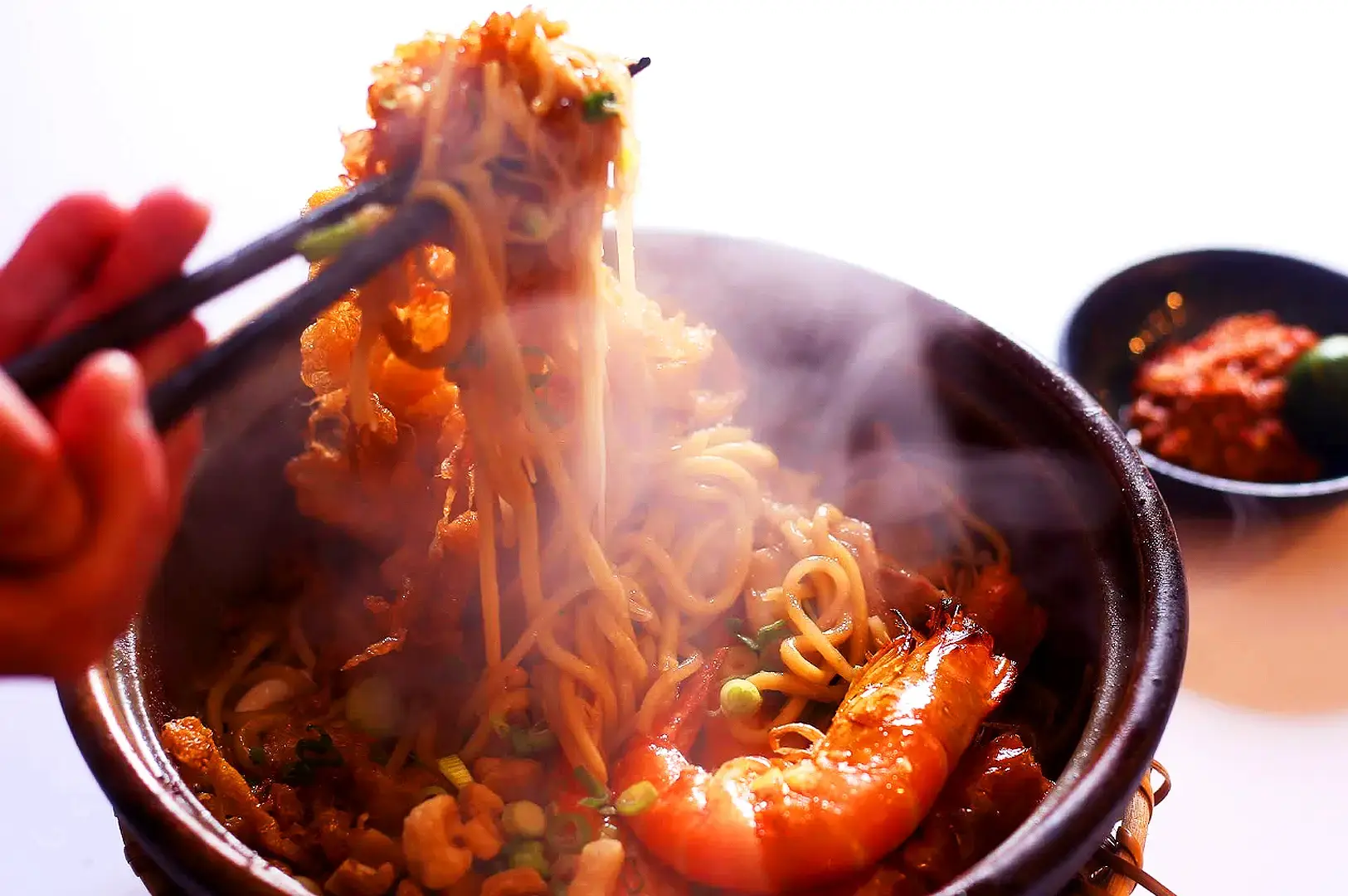
The Claypot Hokkien Mee arrives loud where the soup was gentle.
It comes still bubbling in its claypot, the heat trapped and hissing at the edges. This generous portions dish is perfect for sharing as a communal meal: noodles slick with a rich seafood sauce, studded with big Kami no Ebi prawns, slices of pork belly, and squid rings that hold their bite. A lacy omelette drapes over part of it. Crispy little cubes of lard are scattered through, and they crackle against the soft noodles.
There’s sambal on the side, spooned in for a tasty spike of heat, though it doesn’t try to run the show. The claypot keeps everything hot right down to the last strands. It’s the kind of dish you want to order and dig into with other people, shoulders leaning in.
Good as it is, it isn’t the centre. It’s the loud cousin at a table where the quiet one has more to say, adding just a bit of spice to the overall experience.
What Deserves to Continue
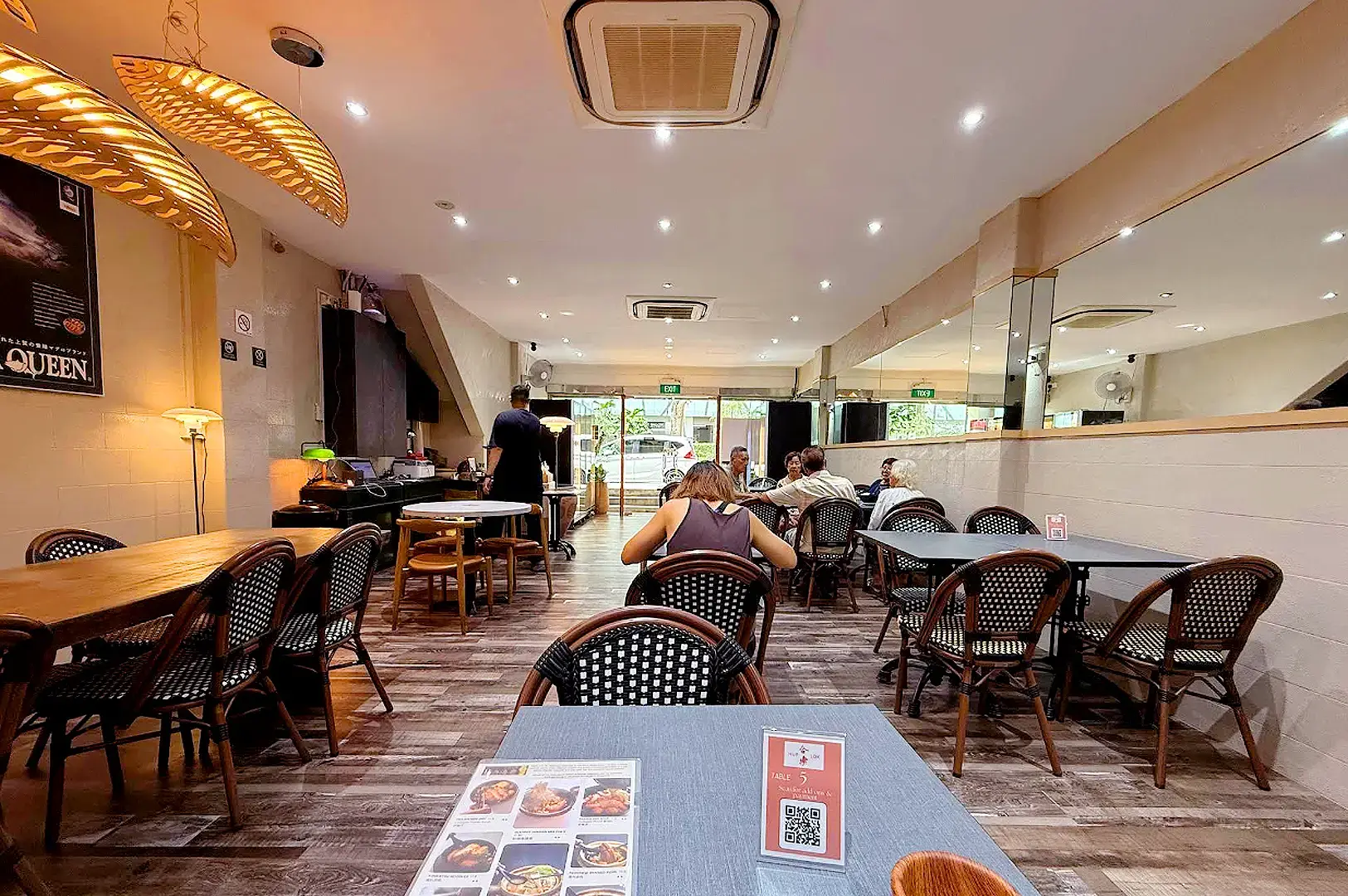
I come back to the fish soup.
By the end, the pomfret is gone and I’m just spooning up the last of the broth, still warm, still holding its body. Over time and years of tasting, I’ve noticed that what stays with me isn’t the technique or the collagen or any single ingredient. It’s the sense of nostalgia that someone decided these flavours were worth keeping alive and then simply kept cooking them.
That’s how food memory actually survives. Not through perfect replication of an old recipe. Through someone understanding the ingredients, trusting the taste and putting the bowl back on the table exactly what you expect from a place like Hup Lok.
Hup Lok does that. Quietly and well.

Crunch, Sweet, and Heat: The Irresistible Textures of Southeast Asian Snacks
Dio Asahi | February 17, 2026
In the humid, sticky heat of Southeast Asia, where your shirt clings to your back and the air is thick with the sharp scent of oxidising oil, there’s a particular clink that always gets me. It’s the sound of a metal spatula striking a wok, a rhythmic percussion that’s as familiar to me now as…
-
The Living Pantry: How Geography and Trade Shaped the Food in the Southeast Region
Eat Drink Asia Team | February 14, 2026
To understand the plate is to understand the map. If you were to trace the spice routes of the 15th century or follow the monsoon winds that carried merchant ships across the Indian Ocean, you would find yourself at the epicenter of the world’s most vibrant pantry. The food in the Southeast region of Asia…
-
A Symphony of Senses: Why Southeast Asian Food is the World’s Greatest Culinary Journey
Dio Asahi | February 12, 2026
If you were to stand at a busy intersection in Bangkok, Ho Chi Minh City, or Jakarta and close your eyes, your nose would tell you a story before your eyes ever could. There is a specific, intoxicating perfume that defines Southeast Asian food: the sharp tang of lime juice hitting a hot wok, the…
-
The Alchemy of the Wok: The Story of Singapore-Style Bee Hoon
Eda Wong | February 10, 2026
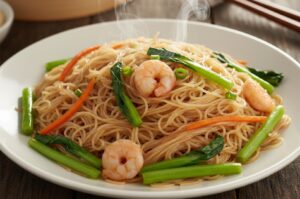
Across the humid evening air of Singapore, a rhythmic clatter echoes from hawker stalls to high-rise kitchens—the sound of a metal spatula against a seasoned wok. Within that intense heat, rice vermicelli noodles undergoes a profound transformation, absorbing the golden hues of curry powder, the savory depths of soy sauce, and the smoky “breath” of…
-
The Sizzle of the Wok: An Exploration of Fried Bee Hoon Across Southeast Asia
Eat Drink Asia Team | February 7, 2026
Across Southeast Asia, from bustling hawker centers to family kitchens, the sizzle of rice vermicelli noodles hitting a hot wok is a universal comfort. Few dishes capture the spirit of Asian noodle culture as well as fried bee hoon. This stir fry, made with thin rice noodles, delivers a tasty meal any time of the…
-
The Silk of the East: A Deep Dive into Bee Hoon and the Art of Rice Vermicelli
Eda Wong | February 5, 2026
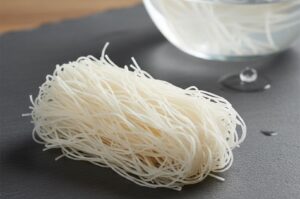
Across the bustling kitchens of Southeast Asia, one humble ingredient has woven itself into the fabric of countless beloved dishes. Bee hoon, the delicate rice vermicelli that transforms from brittle strands into silky noodles, represents centuries of culinary tradition and innovation. Whether you’ve savored Singapore noodles in a hawker center or encountered fried bee hoon…
-
The Eternal Hearth: A Journey Through the Soul of Indian Foods Vegetarian Traditions
Dio Asahi | February 3, 2026
In the vibrant tapestry of global gastronomy, few cultures have elevated the plant-based plate to an art form quite like India. While much of the world has recently turned toward meat alternatives for health or environmental reasons, Indian cuisine has been centered on the vegetable for millennia. This isn’t merely a dietary choice; it is…
-
The Essence of Jeju Citron Tea: A Distinctive Profile of Yuja Tea in Korea
Dio Asahi | January 31, 2026
Imagine sitting in a quiet, sun-drenched teahouse overlooking the dramatic volcanic coastline of Jeju Island. The steam rising from your cup carries an aroma that is at once familiar and yet entirely new—a version of Korean citron tea, or yuja cha, that tastes of sea salt, volcanic soil, and generations of island tradition. As you…
-
Korean Citron Tea: Health Benefits and Wellness Secrets
Eat Drink Asia Team | January 29, 2026
As the seasons change and a chill enters the air, many of us seek out comforting rituals to support our well-being. Imagine wrapping your hands around a steaming cup of Korean citron tea—also known as yuja-cha—its bright, citrus aroma soothing and revitalizing with every sip. More than just a winter treat, Korean citron tea is…
-
When the Izakaya Becomes the Plan: Izakaya Singapore Top Picks for After-Work Reset
Dio Asahi | January 28, 2026
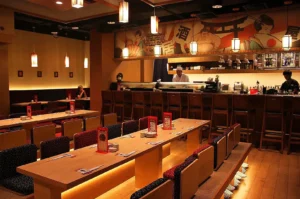
January 28, 2026 | Dio Asahi Last updated: October 12, 2026 As you step behind the humble noren curtain, you’re greeted by glowing lanterns, sizzling charcoal-grilled skewers, and warm welcomes. This is izakaya, Japan’s casual pub, a vibrant part of Singapore’s dining scene. More than just yakitori and sake, izakayas offer a lively setting for social…