I walked into Kintamani Singapore with one question in mind. Buffets ask food to wait. Rendang, sambal, grilled meats, and fried seafood all sit under heat while diners circle the spread. That is not necessarily kind to Indonesian dishes built around texture, reduction, chilli, coconut, and freshly cooked aromatics.
So I was less interested in whether Kintamani could feed me generously. Of course it could. I wanted to know whether an all-you-can-eat buffet could still taste distinctly of Indonesia after the food had spent time on the line.
The answer is mostly yes. Not every dish survives equally well, but the strongest plates still have enough spice, aroma, and personality to feel recognisably Indonesian.
Kintamani Indonesian Restaurant at Furama RiverFront Hotel
Kintamani Indonesian Restaurant sits on Level 3 of Furama RiverFront Hotel, 405 Havelock Road. Havelock MRT is the easiest rail option, followed by a short walk to Furama RiverFront.
I arrived around noon on a weekday, as the lunch buffet was getting underway. That turned out to be good timing. The food looked fresh, the trays were full, and the dining room had not yet filled with big groups and family gathering tables.
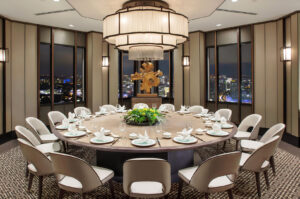
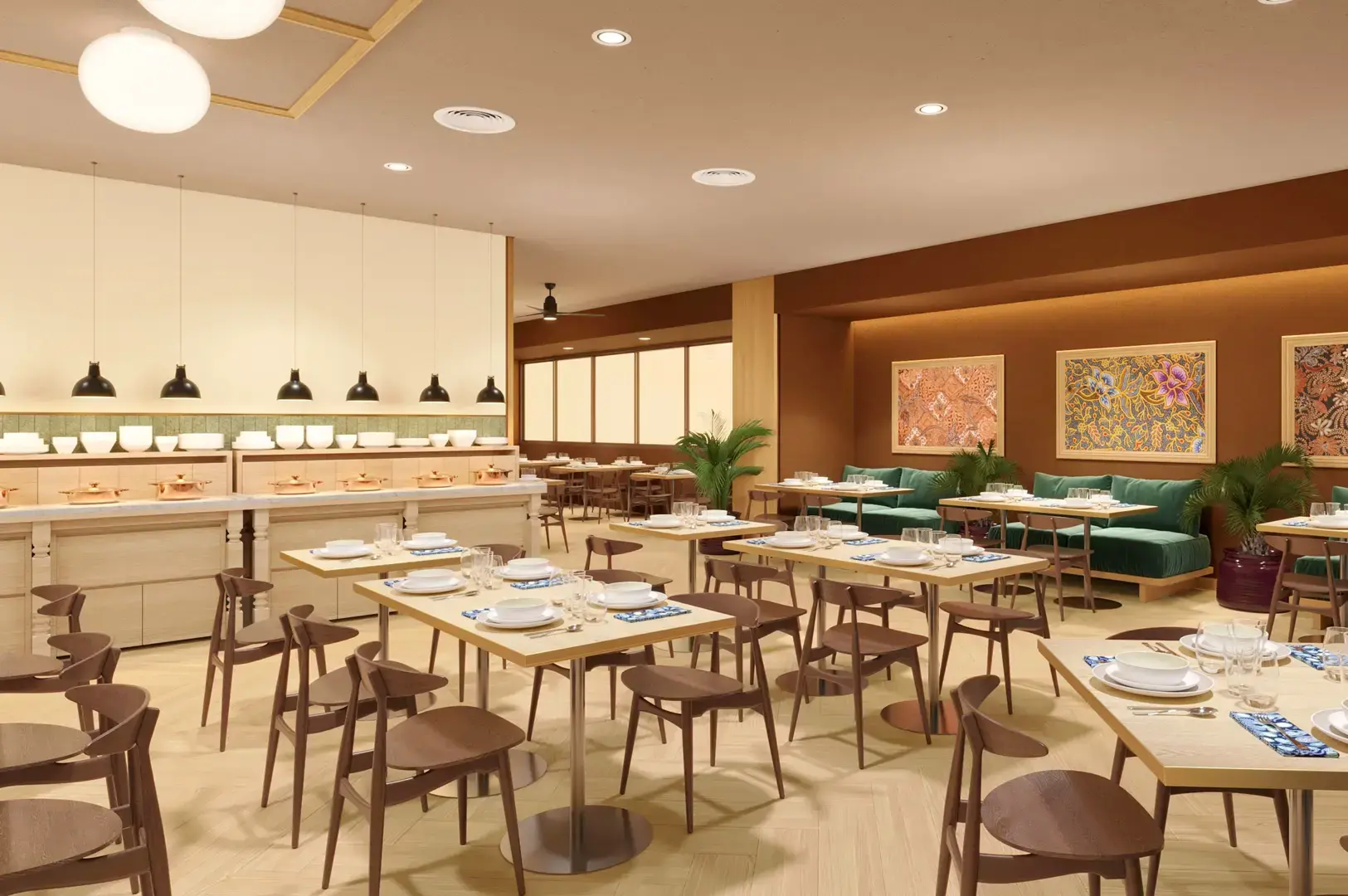
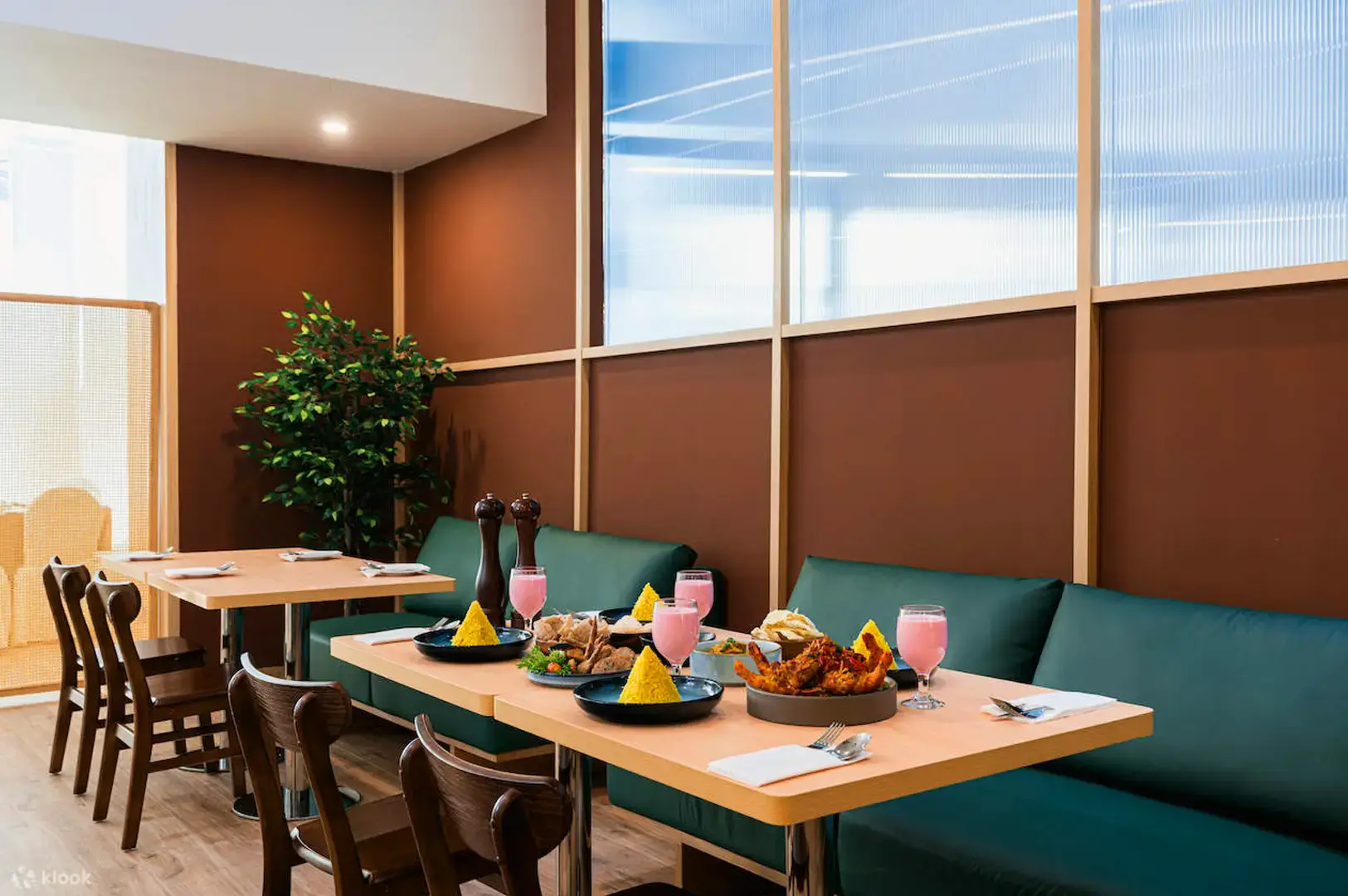
Furama describes Kintamani as a refreshed space offering an elevated dining experience while honouring its rich Indonesian heritage. In practice, I would set expectations slightly lower than the marketing language. The room is bright, contemporary, and comfortable, but it is functional hotel dining rather than plush destination dining.
Better for Groups Than Romance
Light timber, simple furniture, and restrained Indonesian touches give the restaurant a clean look. The ambience works for kids, extended families, birthdays, and groups who want to dine without worrying about keeping the table quiet.
The trade-off is sound. Hard surfaces mean conversations bounce around once the place fills up, and the firm seating becomes noticeable during a long buffet. Once I stopped expecting hushed hotel luxury, I enjoyed the space more for what it was: a relaxed restaurant built around abundance and sharing.
Where the Buffet Works Best
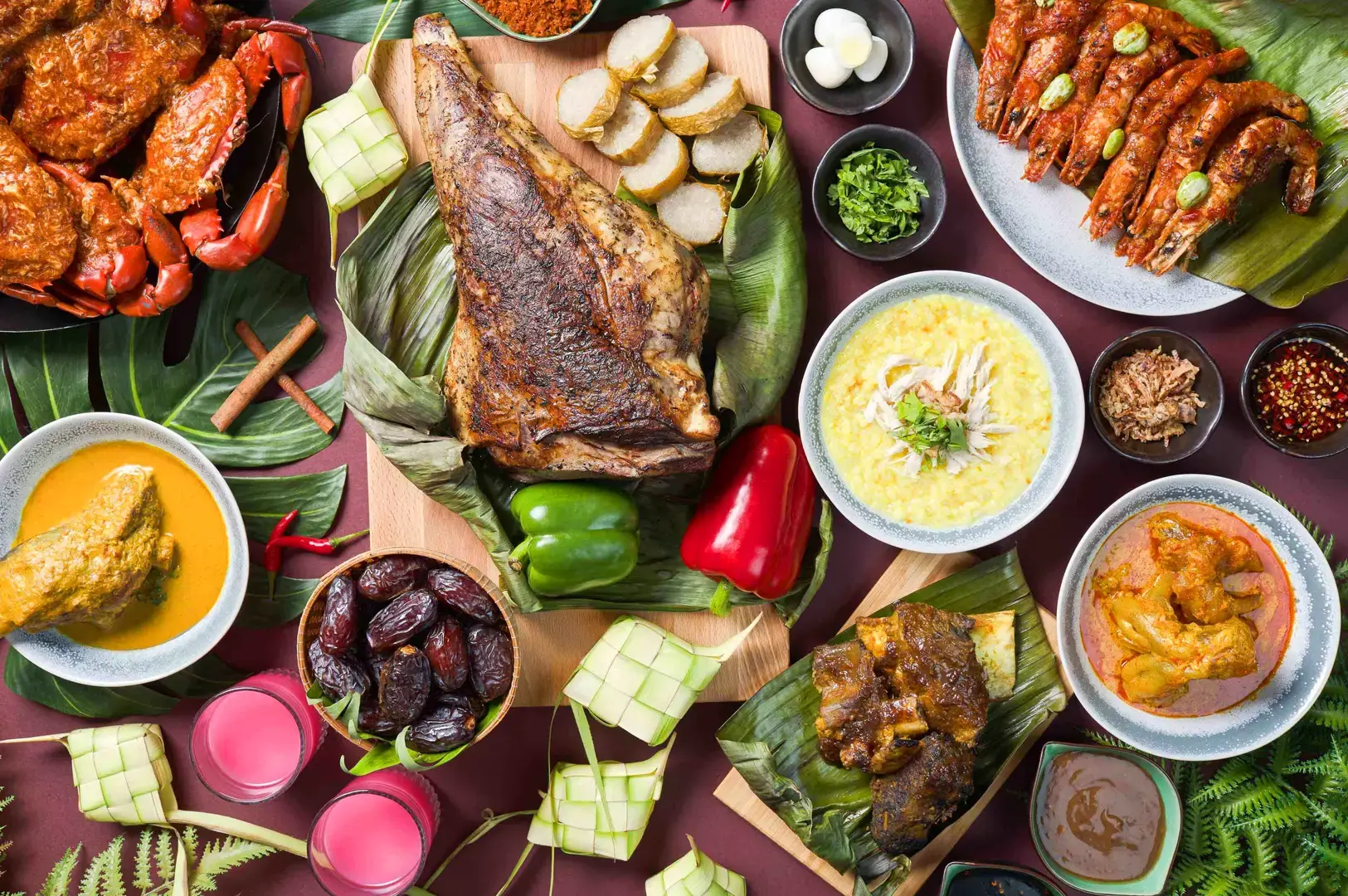
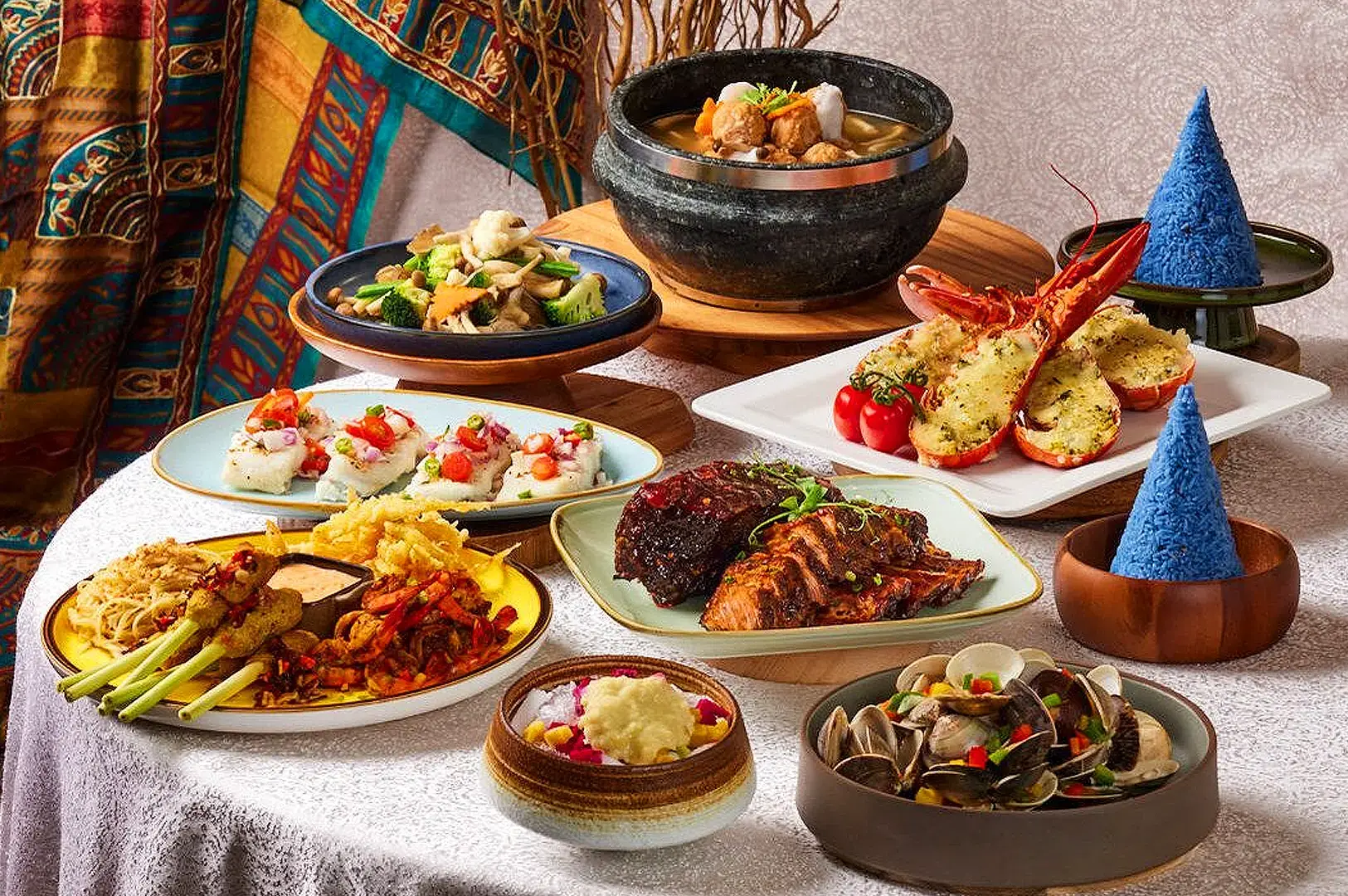
The current menu highlights include Rendang Daging Sapi, Ayam Panggang Rica Rica, Udang Goreng Mentega, Remis Sambal, and the signature Peha Kaki Kambing. Furama positions the offering as authentic all-you-can-eat Indonesian fare with big flavours, and that description is reasonably accurate when the kitchen leans into spice and slow cooking.
Not every bite is a hit. That is almost inevitable with a buffet this broad. But the better dishes taste specific rather than generic, and that matters more to me than having dozens of forgettable options. That range supports the argument that the national dish of Indonesia is not one plate; rendang, rica-rica, sambal and regional seafood traditions all carry different parts of the country’s identity.
Rendang Daging Sapi
The first thing I checked was the sauce. Had it reduced enough to cling to the beef, or was the meat sitting in something closer to thin curry?
It clung.
The sauce was dark, glossy, and rich, wrapping the beef with coconut, toasted spice, and slow-cooked depth. The meat pulled apart easily without collapsing into mush.
Was it the deepest rendang I have tasted? No. A specialist Indonesian restaurant cooking smaller batches can drive the caramelisation further. But this did not taste like a failure of the buffet format. It still tasted like rendang, with enough concentration to survive the warming tray.
Udang Goreng Mentega
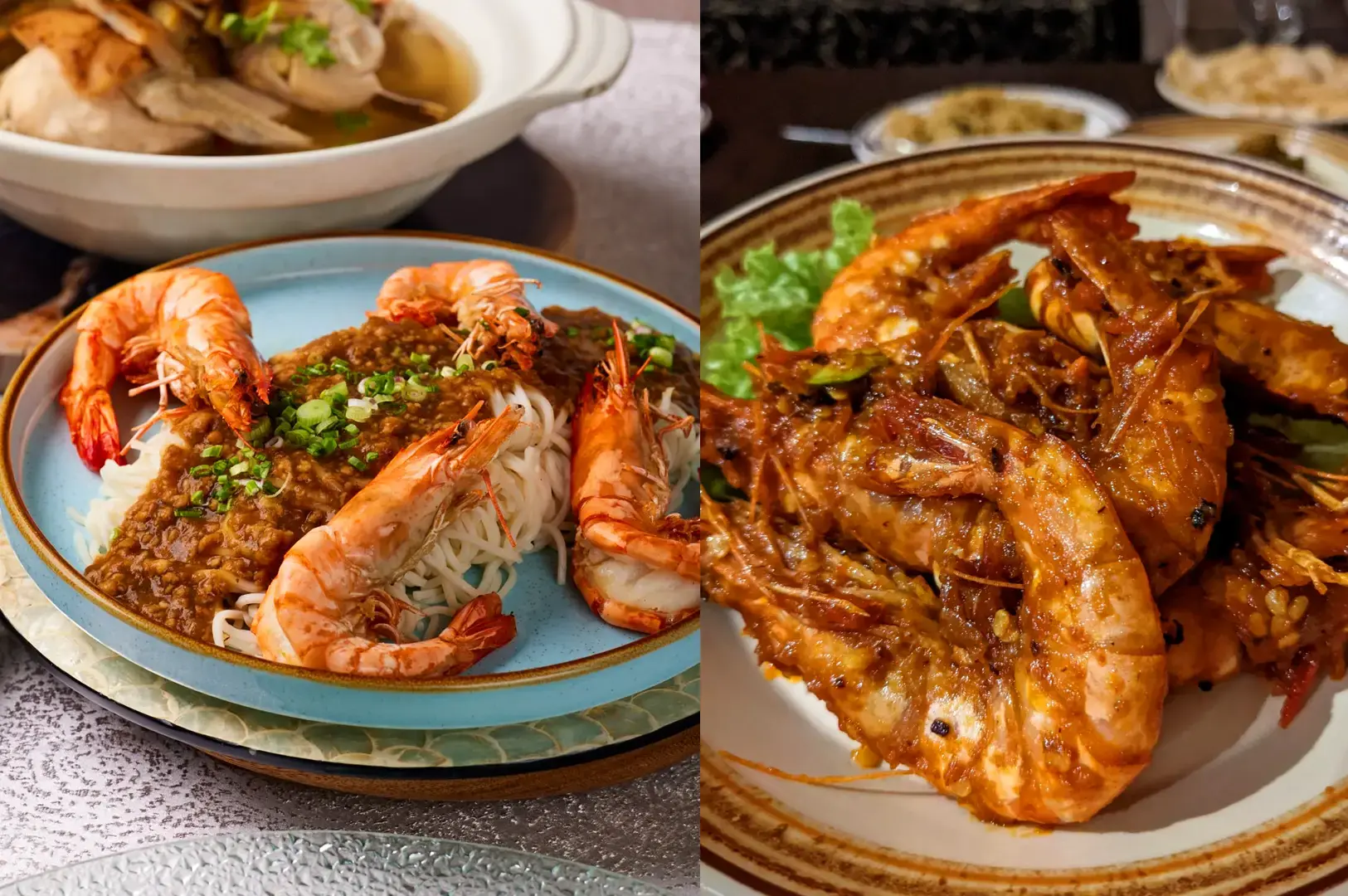
Buffet prawns have a bad habit of turning rubbery. Here, the prawn still had a juicy centre and enough resistance in the bite, with lightly crisp edges beneath its buttery coating. Then came the aroma: butter, curry leaves, fried edges, and a sweet-savoury fragrance that reached me before the first bite.
Against the earthy rendang, this felt brighter and quicker. One dish was slow and dark; the other was fragrant and lively. That contrast was one of the highlights of my first round.
Signature Peha Kaki Kambing
The lamb itself was tender and carved warm, with a soft texture and pleasant roasted flavour. But without sauce, it drifted toward familiar hotel roast lamb. The chef’s homemade sauces are what give it identity. Once I added the chilli-forward sauce, the meat picked up heat, sweetness, and spice.
Do not treat the sauce as optional. It is what connects the roasted lamb leg back to the wider Indonesian flavour profile.
Ayam Panggang Rica Rica
Its chilli heat arrived quickly, followed by a peppery warmth that cut through the heavier dishes already on my palate. I was thrilled that the kitchen had not softened it into something sweet and harmless. That restraint matters. An Indonesian buffet serving a broad Singapore audience could easily sand down every strong flavour.
Kintamani does not always do that. The rica rica still has enough fire to make you pay attention.
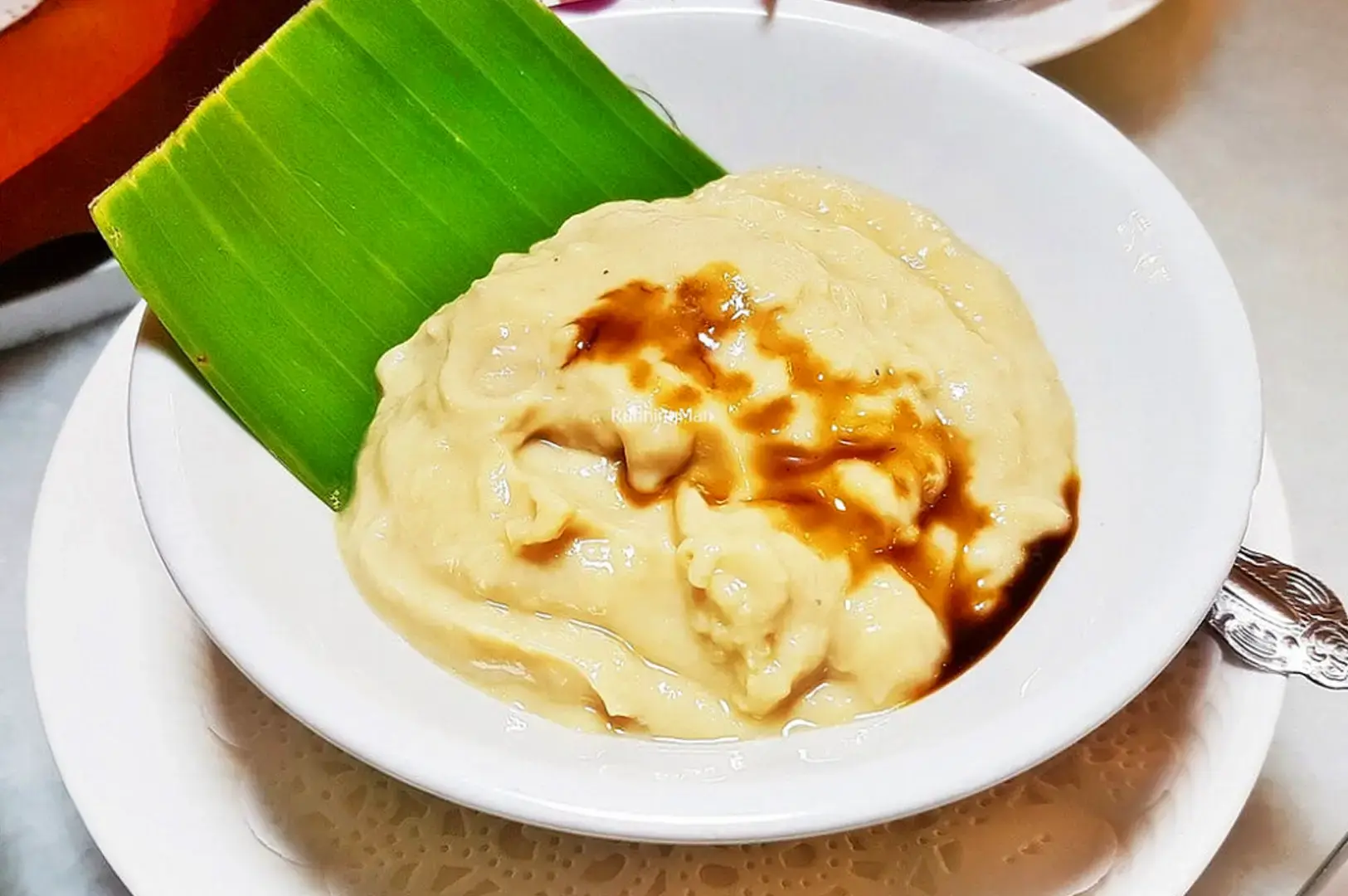
Durian Pengat: The Dessert That Won Me Over
I remember saving it for my last round because durian is difficult to fake. You can add sugar or coconut, but the fruit’s ripe fragrance and custardy funk will still tell you whether the kitchen has committed to it.
The durian pengat was dense, creamy, ripe, and unapologetically durian-forward. It coated the spoon rather than running off it, and the sweetness supported the fruit instead of burying its original taste. That is exactly what I wanted. A buffet desperately trying to please every diner could turn durian into something bland and polite. This was neither.
For me, the durian pengat was more convincing proof of Kintamani’s identity than any sign, menu description, or marketing line about authenticity.
Service at Kintamani Singapore
At Kintamani, it mostly went right. Used plates disappeared quickly. Trays were refreshed before they looked abandoned. Staff were friendly without hovering, and I never felt pressured to finish a round so someone could reclaim the table.
That kind of support matters when people are constantly moving between food stations, carrying drinks, helping kids, or returning to the table with another plate. The service did not turn the meal into fine dining, but it made the experience smooth, relaxed, and easy to enjoy.
Is It Worth It?
Current official pricing puts the buffet in a middle ground where value depends heavily on how much you enjoy Indonesian food.
- Weekday lunch, Monday to Thursday: S$45++
- Weekday dinner, Monday to Thursday: S$48++
- Weekend lunch, Friday to Sunday, eve of public holidays and public holidays: S$48++
- Weekend dinner: S$52++
- Kids aged 8 to 12: 40% off
- Seniors aged 60 and above: 30% off
- In-house hotel guests: 50% off
You are paying for variety, unlimited rounds, hotel convenience, service, desserts, and the chance to build a feast from several types of Indonesian fare rather than committing to one main dish.
For comparison with other hotel spreads, our Best Buffet Singapore examines how restaurants across the city balance variety, service and value.
Look for a Discounted Price
Reservation platforms sometimes offer a discounted price, although availability, timing, and cancellation terms can change by date and booking app. Recent Eatigo listings, for example, have advertised substantial percentage discounts on selected slots. If you book through an app or promotion link, check the final price and conditions before confirming rather than assuming the offer will apply to every lunch or dinner.
At full tariff, I would arrive hungry. At a strong discount, the value equation becomes much more attractive.
Lunch Buffet, Dinner Buffet and Reservation
Furama currently lists Kintamani as open daily:
- Lunch: 12:00 PM to 2:30 PM
- Dinner: 6:00 PM to 10:00 PM
A reservation is not something I would leave to chance for weekend dinner, public holidays, celebrations, or a large group. Menus, promotions, and buffet dishes can also be updated, so check Furama’s current restaurant page before visiting if there is a particular signature dish you do not want to miss.
Halal Status
This needs clarification because older references online can be misleading.
Furama’s current FAQ states that Kintamani Indonesian Restaurant serves pork-free and lard-free food but is not halal-certified. If certification is important to you, use the hotel’s updated statement rather than relying on an older restaurant listing.
Who Should Dine at Kintamani Indonesian Restaurant?
Kintamani makes the most sense if you want:
- A family gathering or big group meal with something for different appetites
- A broad introduction to Indonesian flavours in one sitting
- Rendang, spicy chicken, seafood, sambal, roasted meats, and durian on the same menu
- A relaxed hotel buffet rather than a formal dining experience
- The chance to indulge without ordering every dish separately
- Stronger value when a discounted price is available
Does Kintamani at Furama RiverFront Still Taste Like Indonesia?
Mostly, yes.
Kintamani is not trying to compete with Singapore’s top restaurants on precision, intimacy, or luxury. What it offers instead is a generous, approachable buffet that still respects enough of Indonesia’s flavours to feel culturally grounded rather than generically “Asian.” The format inevitably creates compromises. Fried food softens. Sauces sit. Some dishes survive the buffet line better than others.
If I return, I will do exactly what worked the first time: arrive near the start of service, take the rendang while it is fresh, grab the prawns before their edges soften, use the lamb sauces generously, and leave more room than seems reasonable for the durian pengat.
That final spoonful is still the taste I remember.

The Malayan Council, Reviewed: Local Food in Malaysia, Plated Like a Memory
Eat Drink Asia Team | June 11, 2026
Our Eat Drink Asia team spends a lot of time debating what makes a truly unforgettable meal. The team has previously published articles exploring the redefinition of comfort food. That is exactly what led me to The Malayan Council at 71 Bussorah Street. I visited on a Friday around 7:30 pm, just as the weekend…

Sushi in Singapore: Why There Is a Style for Every Budget
Eda Wong | June 11, 2026
Few Japanese dishes have travelled as successfully across Asia as sushi. What began as a culinary tradition deeply rooted in Japan has evolved into something remarkably diverse in Singapore. Today, sushi in Singapore can mean many different things. It can be a quick lunch grabbed from a conveyor belt restaurant, a carefully curated omakase meal…
-
The Quiet Pull of Lahpet in Myanmar’s Tea Leaf Salad
Dio Asahi | June 10, 2026
The afternoon humidity presses against the open-air teahouse in downtown Yangon, where the sharp clatter of a silver spoon against ceramic cuts through the low hum of conversation. A small plate sits in the centre of a low plastic table, holding a dense, dark green cluster that smells faintly of damp earth and sharp lime….
-
Dining at Suntec: The Restaurants That Feel Like Different Cities in One Mall
Eda Wong | June 9, 2026
Over the past six months, I’ve navigated the sprawling, sometimes disorientating corridors of Suntec City more times than I can count. What started as a simple quest to find decent spots for post-meeting lunches quickly turned into a genuine culinary journey. I have tried over a dozen venues within this massive complex, and I’ve found…
-
PappaRich SG and the Comfort of Malaysian Staple Food: A Restaurant Review in Familiar Flavours
Dio Asahi | June 6, 2026
There is a very specific kind of exhaustion that hits you right before a flight or just after you land. You are dragging your suitcase, staring blankly at the departure boards, and suddenly, you realize you are starving. But you don’t want just any food. You want something warm, familiar, and deeply comforting. I felt…
-
Sri Lanka’s Ambul Thiyal and the Sourness of Goraka
Eda Wong | June 5, 2026
In the open-air kitchen of a coastal home in southern Sri Lanka, a low fire crackles under a wide, unglazed clay pot. The air is thick with the scent of roasted black pepper and something deeply, aggressively tart. A wooden spoon scrapes the bottom of the pot, turning cubes of firm yellowfin tuna until they…
-
Traditional Malaysian Foods Aren’t a Museum: They’re a Living Argument at the Table
Eda Wong | June 4, 2026
When I first really started digging into traditional Malaysian food, I made a classic rookie mistake. I was sitting at a crowded kopitiam in Kuala Lumpur, looking at a plate of nasi lemak, and I thought I understood exactly what it was supposed to be. I thought it was a fixed, rigid recipe, a museum…
-
In Gifu, Hoba Miso Warms Slowly Over Magnolia Leaves
Dio Asahi | June 3, 2026
Frost clings to the wooden window frames in the highlands of Gifu. Inside, the air is thick with the scent of woodsmoke and fermented soybeans. On the table, a small ceramic charcoal grill known as a shichirin radiates a gentle, localized heat. Resting directly above the glowing embers is a large, brittle brown leaf holding…
-
The Stir Fried Egg Plant That Taught Me Restraint at Si Chuan Dou Hua Restaurant
Eat Drink Asia Team | June 2, 2026
I’ve always had a love-hate relationship with Sichuan food. Usually, you walk into a spot, order your food, and spend the rest of the night sweating through your shirt, chugging ice water, and wondering why you did this to yourself. But when I visited Si Chuan Dou Hua Restaurant on a Tuesday around 7 pm,…
-
What the Wok Is Really Doing to the Vegetable: The Question Behind Every ‘Brinjal Recipe Chinese Style’
Dio Asahi | May 30, 2026
When I first tried cooking brinjal at home, I was completely convinced that all I needed was a hot pan, some oil, and a good recipe. I chopped the vibrant purple vegetable, threw it into a standard frying pan with a generous pour of oil, and waited for the magic to happen. Instead of the…