Steam lifts from a bowl of clear pork broth, and a spoonful of chopped pickled greens slides in. The broth shifts at once, its richness suddenly cut by a sharp, clean sourness that sits high and bright on the tongue. The greens have softened in the heat but keep a faint, springy crunch. Someone leans over the pot, breathes in, and adds another small handful, tasting after each one. The smell is unmistakable: tangy, slightly funky, alive in a way fresh vegetables never are. It is a small adjustment, almost invisible, and it changes everything in the bowl.
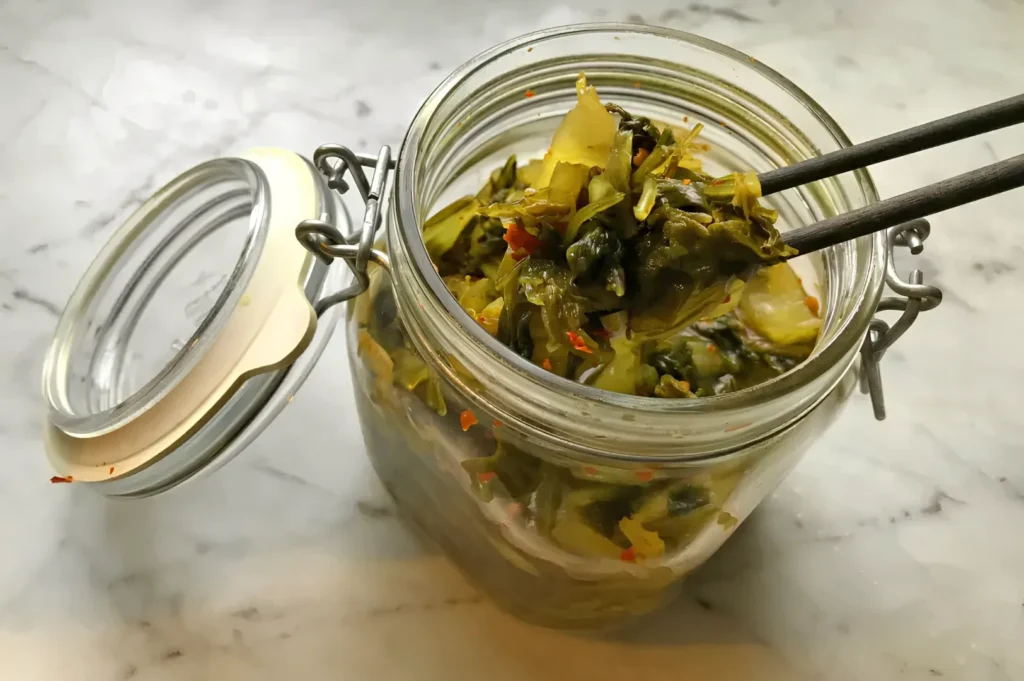
These are pickled mustard greens, known across regions as suancai (pronounced roughly swan-tsai), or as cải chua, or pak gard dong. The making is humble. Whole mustard greens are washed, salted, and pressed under a weight, then left to ferment in their own brine until the leaves turn translucent and deeply sour. Time does the work. A few days yields a gentle tang; longer brings a sharper, more pungent edge. Before they go into broth, the greens are usually rinsed and squeezed, a quiet act of calibration that decides how much sourness the cook wants. Too little rinsing and the soup turns aggressive; too much and the brightness disappears. In a clear broth, the greens do one thing perfectly: they lift fat, sharpen flavor, and keep the whole bowl from feeling heavy.
I learned this watching my grandmother tend her jar on the kitchen ledge, pressing the leaves down each evening with the flat of her hand. She never measured. She tasted the brine on a fingertip and knew. That jar was a household clock of sorts, a thing checked daily, replenished when it ran low, drawn from for noodle breakfasts and weekend soups. The greens were never the centerpiece. They were the note that made the rest make sense, the sour thread running through ordinary meals. It felt inseparable from an asian communal dining tradition—a shared table where one person’s careful jar quietly tuned everyone’s bowl. Whole families calibrated their cooking around one cook’s particular fermentation, a private standard passed hand to hand, rarely written down, often slightly different from the household next door.
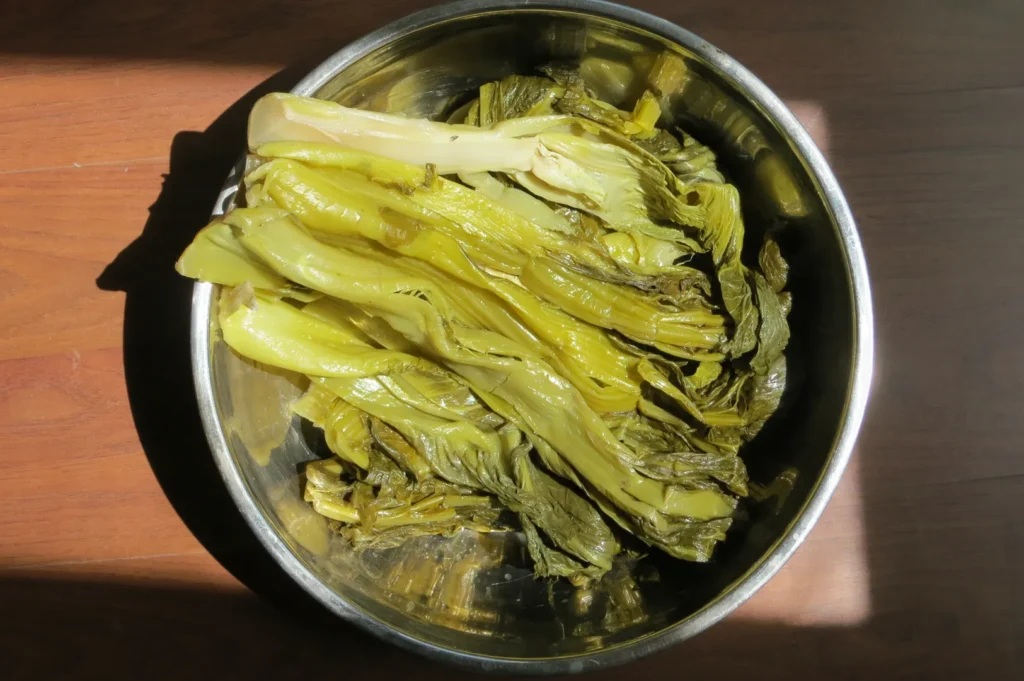
What stays with me now is how easily that calibration slips away. Factory-fermented greens fill the shelves, sealed in bright packets, consistent and convenient. They save the salting, the pressing, the daily tasting. But they arrive at a single fixed sourness, decided by a machine, not by a hand reading the brine. The skill of adjusting sour to suit a particular broth, a particular evening, a particular person’s tongue, fades when the jar disappears from the ledge. We gain ease. We lose the small, attentive judgment that made each bowl personal.
I think of that finger dipped in brine. It asked nothing of anyone, yet it carried a whole way of cooking—a quiet fluency in time and salt that a kitchen keeps alive only by tending it, day after day.

Nana Original Thai Food and the Thai Meal That Keeps Changing Its Accent
Eda Wong | September 1, 2026
The tom yum arrived first, and the first spoonful hit sour and hot at once, lime and chilli chasing each other down the throat. This classic Thai dish features a spicy sauce and aromatic herbs that awaken the taste buds straight away, setting the stage with its bold flavors. Then the pineapple rice came, sweet…
-
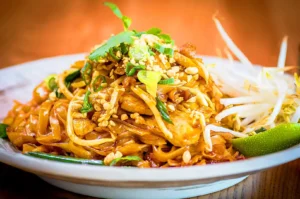
Pad Thai Recipe for People Who Know the Noodles Can’t Be an Afterthought
Dio Asahi | August 29, 2026
The first time I made Pad Thai, I ruined it before the wok was even hot. I’d left the noodles soaking while I answered a phone call. Ten minutes turned into forty. By the time I drained them, they were already soft, already surrendered. Everything I did in the pan after that was damage control….
-
Best Japanese Restaurant Singapore: Places That Nail the “First Bite”
Eat Drink Asia Team | August 27, 2026
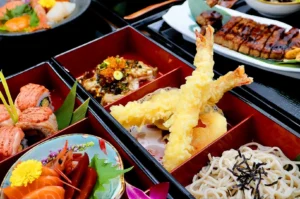
I built this list around a very specific feeling: that first bite where the room goes quiet for a second. I’ve tried enough Japanese restaurants in Singapore over the years to know that “best” does not always mean the most expensive, the rarest, or the hardest to book. Sometimes it is the warmth of the…
-
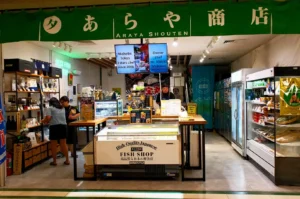
Not Just Seafood: How Araya Shouten Keeps Japanese Fishing Culture Alive in Singapore
Eat Drink Asia Team | August 26, 2026
Japanese cuisine has long been admired for its attention to seasonality, precision, and respect for ingredients. However, behind every piece of sashimi or carefully prepared seafood dish lies a story that begins far away from the dining table, often with fishermen, coastal communities, and generations of knowledge passed down through time. At Araya Shouten, seafood…
-
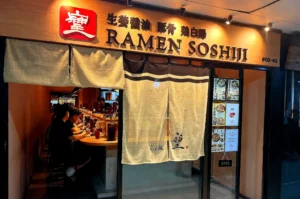
The Ginger Shoyu Ramen at Ramen Soshiji, Where Orchard Goes Quiet
Dio Asahi | August 26, 2026
By Dio Asahi for Eat Drink Asia. The lift opens on the third floor of Orchard Plaza, and for a second I don’t know which way to turn. The corridor is dim and still, the kind of quiet that feels almost accidental in this part of town. A few doors down, an unmarked entrance. Inside,…
-
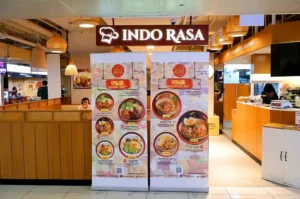
Indo Rasa Singapore and the Nasi Goreng That Measures a Kitchen’s Confidence
Eat Drink Asia Team | August 25, 2026
There’s a dish I order when I want to know a kitchen quickly. Not the specialty. Not the thing the menu is proud of. I order the fried rice. Because nasi goreng has nowhere to hide. It’s rice, chilli, chicken, egg, a few crackers, some cucumber. Everyone thinks they can make it. Most people can….
-
Bebek Goreng Pak Ndut and the Fried Duck That Makes Nasi Goreng Feel Too Polite
Eda Wong | August 22, 2026
The duck arrived and made a sound before I’d even touched it. Not the plate, the skin. When my fork pressed against it, there was a small, dry crackle, the kind you feel in your fingers before you hear it. That’s when I understood I wasn’t eating a soft meal. This was something with edges….
-
The Coconut Spoon That Shapes Nyonya Kueh Salat
Eda Wong | August 21, 2026
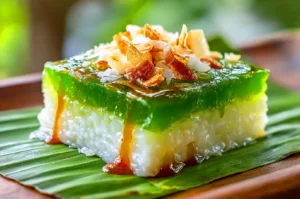
By Eda Wong for Eat Drink Asia. Steam curls up from a tray in the back of the kitchen, and the whole room smells green. Pandan, crushed and knotted, pushed through wet cloth until the leaves give up their colour. An auntie leans over the tray with a spoon carved from coconut shell, dark and…
-
Chicken Nasi Goreng Recipe: What Leftover Rice Becomes After the Wok Gets Serious
Dio Asahi | August 20, 2026
There’s a container of rice at the back of my fridge most weeks. Cold, a little hard, forgotten from a dinner two nights ago. Some people see that and think of waste. I see the start of something better. Because leftover rice doesn’t want to be reheated. It wants to be fried. And when it…
-
The First Ladle of Miso Soup in a Tokyo Breakfast Shop
Dio Asahi | August 19, 2026
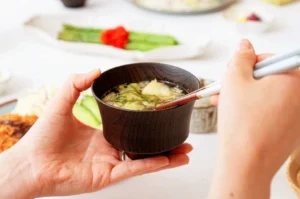
By Dio Asahi for Eat Drink Asia. The shop is barely wider than a hallway. Seven stools, a counter worn smooth, and behind it a woman ladling soup into small ceramic bowls before anyone has ordered it. Steam lifts off the surface and fogs the window against the cold morning. The bowl reaches me warm…