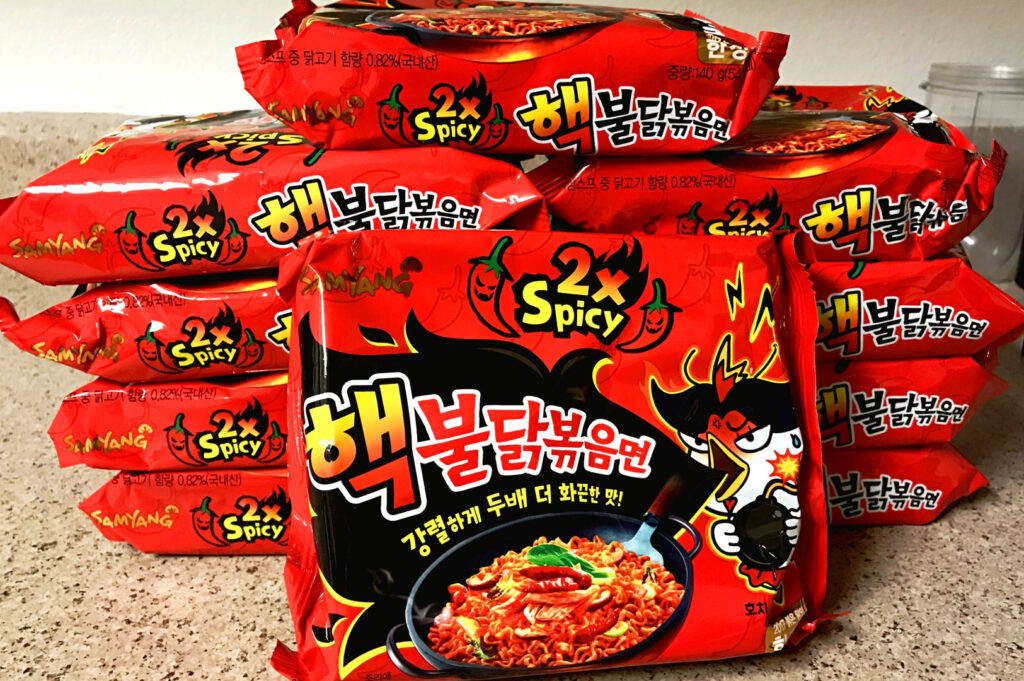
When we first tried the notorious Samyang 2x Spicy Buldak noodles, we treated it exactly how the internet told us to: like a dare. We boiled the noodles, poured in every last drop of the blood-red sauce, and braced ourselves. Within three bites, our palates were completely blown out. We could not taste the savoury roasted sesame, the deep chicken-style umami, or the subtle smokiness. We were just eating pain. As part of the Eat Drink Asia Team, our job is to explore the culinary journey behind our food, and that day, we realised we were doing these noodles a massive disservice.
Over the past few months, we have eaten our way through nearly every variant of Samyang available in Singapore. We’ve found that the biggest misconception holding people back from enjoying these iconic instant noodles is treating the spicy level as a single ladder of pain. In reality, heat has a shape. The experience changes dramatically by style, and navigating the Samyang lineup should feel like reading a rich flavour map.
If you have ever been intimidated by that fiery chicken mascot, or if you simply want to elevate your midnight snack into a genuine celebration of flavours, you are in the right place. This guide will completely change how you approach your next bowl.
Understanding Samyang’s Heat Levels: Navigating the Samyang Spicy Level Spectrum
When you stroll down the instant ramen aisle at your local FairPrice, the colorful array of Samyang noodles can feel overwhelming. These spicy noodles, especially from the iconic Samyang buldak ramen line, come in various forms, from multipacks priced around S$7.50 to S$8.20 for five packs, to individual bowls near S$3.03, and smaller cups at about S$2.32. But how do you choose the right one for your spice tolerance and taste preferences?
Samyang Foods, a renowned South Korean brand, has carefully crafted the buldak range to offer a diverse spectrum of spice levels and flavour profiles rather than a one size fits all fiery blast. This lets you explore deliciously spicy experiences that suit your palate and mood.
The Buldak Range: From Creamy to Fiery Hot Chicken Flavor Ramen
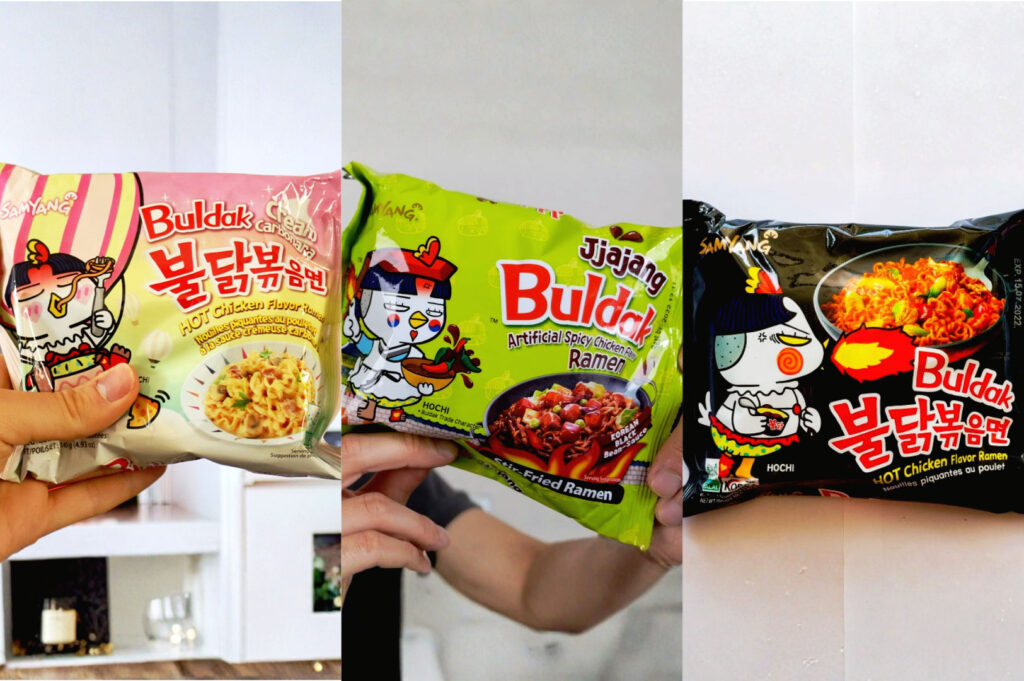
- Cream Carbonara and Carbonara: These are the mildest options in the Samyang spicy level lineup. The creamy, cheesy sauce coats the noodles with a luscious texture, balancing the spicy chicken heat with garlic and dairy notes. This makes for a smooth, comforting bite that’s perfect for those easing into the world of spicy instant noodles.
- Jjajang: A darker, more savoury variant featuring roasted black bean paste. The sweet and earthy tones of jjajang mellow the spice, creating a rich, layered flavour that feels like a warm hug in a bowl.
- Original Buldak (Buldak Bokkeummyeon): The heart of the buldak ramen family, this hot chicken flavor ramen clocks in at around 4,404 Scoville heat units (SHU). The spicy sauce packs a sharp, clean heat that hits the front of the mouth, paired with a smoky, umami rich chicken flavor that’s instantly recognizable.
- 2x Spicy: Known as one of the spiciest instant noodles globally, the 2x spicy version doubles the heat to roughly 10,000 SHU. This sauce pack delivers an aggressive, immediate burn that challenges even seasoned spice lovers and is the star of the infamous fire chicken noodle challenge.
On Spice Perception
Samyang decided to use a sauce based spicy chicken flavor rather than powder, which means the spice clings to the oils and fats in the noodles. As a result, a 4,000 SHU sauce pack often feels hotter than a dry chili powder with the same rating. This nuanced heat experience is part of what has driven the rising popularity of Samyang buldak ramen worldwide.
How to Build Your Perfect Bowl of Samyang Instant Ramen
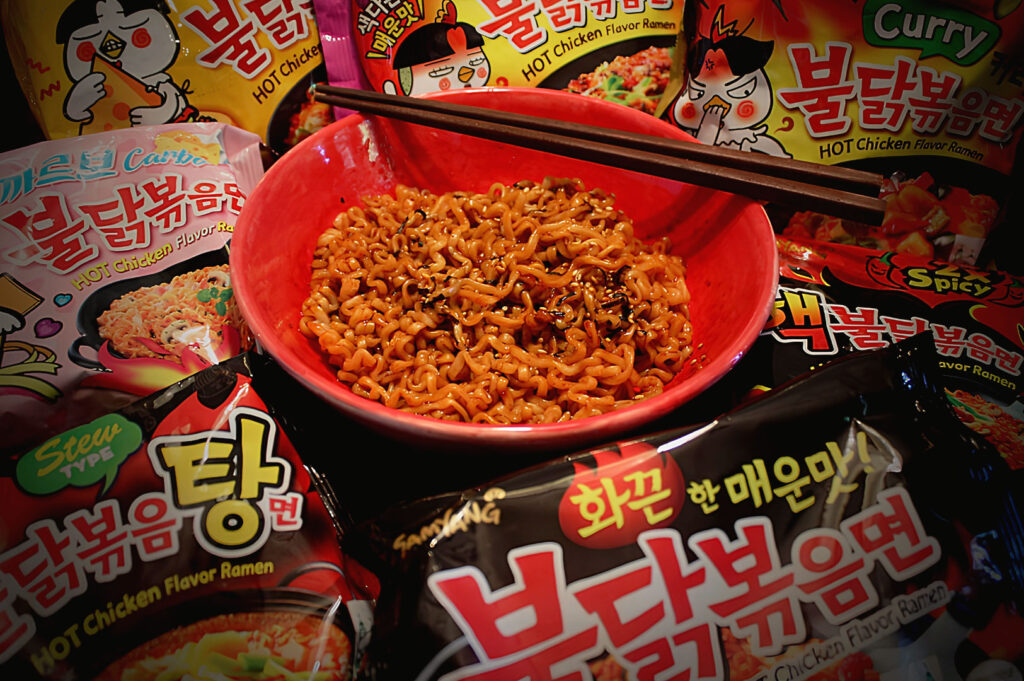
Creating your ideal bowl of Samyang instant noodles is a culinary adventure that balances heat, texture, and flavour. With a bit of care, even the spiciest hot chicken flavor ramen can be deliciously approachable.
Step 1: Pick Your Base Flavor and Spice Level
Choose from the buldak range according to your spice tolerance and taste preference. For a creamy, cheesy indulgence, try the cream carbonara or cheese variants. For a fiery kick, the original buldak or 2x spicy packs are your go to.
Step 2: Control the Sauce Pack Dose
The spicy sauce is the heart of the buldak bokkeummyeon experience. Instead of emptying the entire sauce pack at once, start with 50 to 70 percent to dial in your preferred spice level. You can always add more if you want it bit spicier.
Step 3: Add a Buffer to Tame the Heat
Fats and dairy are your friends when it comes to balancing spice. Stir in a raw egg yolk, a slice of processed cheese, or a splash of full fat milk. This not only mellows the capsaicin burn but also enriches the sauce into a glossy, creamy coating that clings to the noodles beautifully.
Step 4: Brighten with Acidity
Spicy hot chicken dishes crave brightness. A squeeze of fresh lime (habanero lime is a popular pairing), chopped spring onions, or a spoonful of fermented kimchi cuts through the richness and heightens the overall flavour complexity.
Step 5: Amp Up Texture and Substance
Instant ramen can be one dimensional in texture, but you can elevate your bowl with crispy fried eggs, pan fried luncheon meat, silky tofu, blanched vegetables, or crushed roasted seaweed flakes. For a heartier meal, Samyang’s meat spaghetti variant offers a fusion twist with ground meat and tomato undertones, adding a satisfying chew to the mix.
Singaporean Adaptations: Local Flavour Meets Samyang Spicy Noodles
Singapore’s vibrant food culture, with its love for sambals, laksa, and chilli padi, embraces the hot chicken flavor ramen differently. Samyang spicy level behaves uniquely here, it’s more concentrated and sauce heavy than local spice pastes.
Many Singaporeans use Samyang buldak ramen as a premium base for fusion dishes. At local FairPrice stores, you’ll find halal certified Samyang noodles, making them accessible to a wide audience. Popular local toppings include pan fried luncheon meat, crispy tofu cubes, blanched chye sim (Chinese flowering cabbage), and shredded seaweed. Some modern Korean fusion cafes in Tanjong Pagar even serve stir fried versions with melted mozzarella, sweet corn, and spicy chicken, blending the buldak range’s heat with local tastes.
Exploring Samyang’s Unique Flavor Innovations and Global Influence
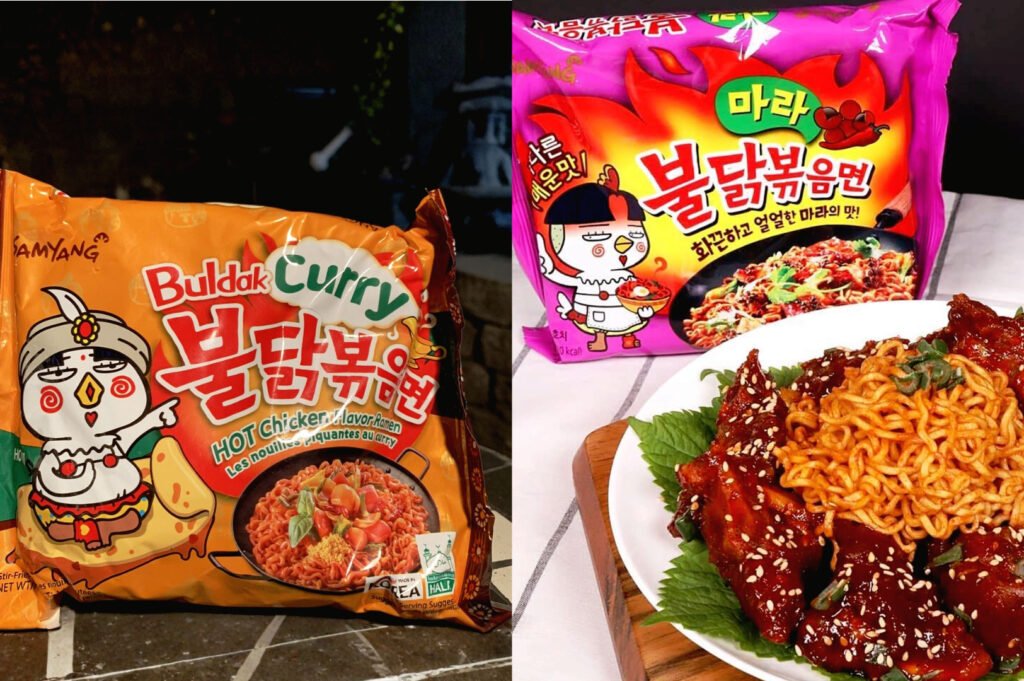
To help you navigate the extensive Samyang lineup, here is a breakdown of the key flavor categories and their distinctive characteristics. Each section delves into specific variants, highlighting their spice levels, unique taste profiles, and how they fit into the broader spectrum of Samyang’s spicy noodle offerings.
Diverse Flavor Profiles Beyond Heat
Samyang’s spicy noodle range extends beyond mere heat, showcasing a remarkable variety of flavors that reflect both traditional Korean tastes and international culinary trends. Beyond the hot chicken flavor ramen, varieties like curry, mala, and jjajang offer distinct taste experiences that balance spiciness with sweetness, umami, and bold spices. The curry variant, for instance, infuses the noodles with aromatic spices and a mildly sweet broth, appealing to those who enjoy a complex yet approachable spiciness. Meanwhile, the mala flavor draws inspiration from Sichuan cuisine, delivering a numbing, tongue tingling sensation alongside the fiery heat.
Global Popularity and the Fire Noodle Challenge
This flavor diversity has helped Samyang capture a global audience, fueling the popularity of the Fire Noodle Challenge, a viral social media phenomenon where participants test their spice tolerance. The challenge has not only increased brand recognition but has also driven international sales, with Samyang’s Hot Chicken Flavor Ramen reaching over 4 billion cumulative sales worldwide as of 2022. The brand’s success is further bolstered by its halal certified options, making it accessible to a broad demographic including Muslim consumers.
Commitment to Quality and Innovation
Samyang’s commitment to quality is evident in their use of high performance liquid chromatography (HPLC) to measure capsaicin levels, ensuring consistent spiciness across batches. This scientific approach, combined with innovative flavor development, positions Samyang as a leader in the spicy instant noodle market, both in South Korea and internationally. Whether you’re enjoying a comforting bowl of buldak stew, savoring the spicy broth of their soup variants, or experimenting with fusion dishes like buldak yakisoba or dumplings, Samyang’s noodles offer a tasty and exciting journey through the world of Korean spicy cuisine.
Map Your Own Culinary Journey
The Korean Samyang Noodles spicy level is not a bravery test; it is a highly customisable recipe dial. These noodles offer an incredible, innovative canvas for you to explore flavours, textures, and temperatures right in your own kitchen.
Do not let the viral challenge videos intimidate you. Grab a packet of Cream Carbonara or Jjajang, prepare your favourite fresh toppings, and remember to respect the sauce dose. Experiment with the buffers, play with the acids, and find the exact point on the flavour map that makes your palate sing. The perfect, flavourful bowl is entirely in your hands, go ahead and taste the world.
Additionally, just as Samyang noodles invite you to explore complex flavors and heat levels, pairing your meal with a soothing cup of Chinese tea can beautifully balance and enhance the overall dining experience.

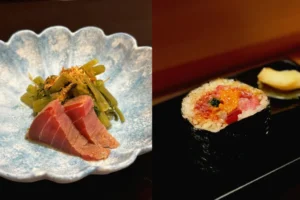
Not Just ‘Fresh Fish’: The Best Omakase Singapore Has for Storytelling Courses & Seasonal Bites
Eat Drink Asia Team | May 19, 2026
May 19, 2026 | Eat Drink Asia Team | Last Updated September 29, 2026 When you sit at an omakase counter, you’re paying for a culinary journey. A memorable omakase is more than fresh fish; it’s a delicate celebration of flavors. The best chefs act as storytellers, sequencing each bite to build anticipation and contrast, guiding…
-
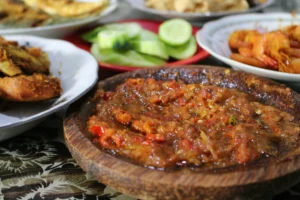
Indonesian Traditional Food at Warong Nasi Pariaman: A Plate That Doesn’t Explain Itself—It Proves It
Dio Asahi | May 16, 2026
It’s always a little heartbreaking when a true culinary landmark decides to close its doors. Warong Nasi Pariaman, the iconic nasi padang spot at 738 North Bridge Road, served its final plates in January 2026. For decades, it stood as a testament to heritage, feeding generations of Singaporeans and becoming an essential part of the…
-
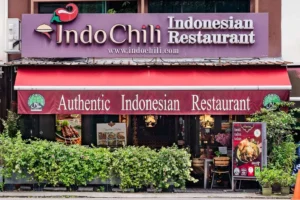
Indonesian Dishes, the IndoChili Way: A Restaurant Review Written in Smoke and Sweet Soy
Eda Wong | May 14, 2026
There are evenings when only a very specific type of comfort food will do. I wasn’t craving a standard bowl of noodles or a generic curry. I wanted that unmistakable, deeply fragrant balance of charcoal smoke and sticky sweet soy sauce that defines authentic Indonesian cooking. Finding that perfect harmony in Singapore without sitting outside…
-
The Sweet Darkness of Kecap Manis: The Flavour That Makes Food in Indonesia Feel Like Home
Dio Asahi | May 12, 2026
When I first tried to cook authentic Indonesian nasi goreng at home, I was incredibly confident. I had my wok smoking hot, my garlic and shallots perfectly fragrant, and a generous splash of regular soy sauce ready to go. But when I took that first bite, my heart sank. It tasted flat, salty, and entirely…

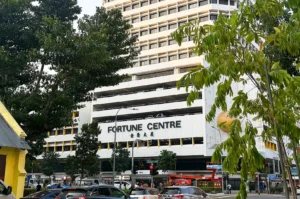
Fortune Centre Food Guide: Vegetarian Finds, Quick Lunches, and Hidden Dinner Spots
Eda Wong | May 9, 2026
May 9, 2026 | Eda Wong | Last Updated: October 08, 2026 I have spent the last six months navigating the tight corridors and bustling walkways of Fortune Centre, determined to map out the Fortune Centre food scene beyond its best-known stalls. I’ve tried all of these famous stalls, sampling everything from intricate plant-based creations to…
-
Types of Chinese Food Hidden in Plain Sight: Imperial Treasure, Reviewed Through Their Orders
Eat Drink Asia Team | May 7, 2026
For a long time, many viewed Chinese food as one giant, delicious monolith, characterized by intense heat, heavy sauces, and wok-tossed brilliance. However, as more time is spent exploring Singapore’s incredible dining scene, it becomes clear that true culinary mastery often whispers rather than shouts. To demonstrate this to visitors, a table at Imperial Treasure…
-
Famous Food in China Isn’t Loud: Din Tai Fung’s Dumplings and the Power of Precision
Dio Asahi | May 5, 2026
There is a common misconception that the most authentic culinary journeys involve loud, chaotic kitchens with massive wok flames and shouting chefs. I used to think the same thing until I started paying closer attention to the quieter corners of Asian cooking. I visited Din Tai Fung on a Tuesday around 2:30 pm, hoping to…
-
The Morning Steam of Baozi Along a Beijing Street
Eda Wong | May 2, 2026
The first thing I noticed was the steam. It rose in soft, continuous bursts from stacked bamboo baskets, drifting into the cold Beijing morning like breath made visible. The vendor lifted each lid with practiced rhythm, a quick tilt, a release of heat, then the faint scent of yeast, pork, and warm flour rolling outward….
-
Moo Ping and the Structure of Thai Grilled Street Meat
Dio Asahi | April 30, 2026
The first thing I noticed was the smoke, thin, controlled, rising steadily from a charcoal grill along a Bangkok street. Skewers of pork turned in a quiet rhythm, fat dripping and hissing as it met the heat. The air carried layers of scent: sweet palm sugar, garlic, and a faint fermented depth beneath it. I…
-
Where Kuala Lumpur Actually Begins: Reading the City Through Its Food
Eat Drink Asia Team | April 30, 2026
There are cities you can understand through maps, and then there are cities like Kuala Lumpur that only begin to make sense when you follow what people eat. Not what is recommended or ranked, but what is repeated. The same stall visited every week, the same dish ordered without hesitation, the same flavours that feel…